Last Updated on November 26, 2025 by Bilal Hasdemir
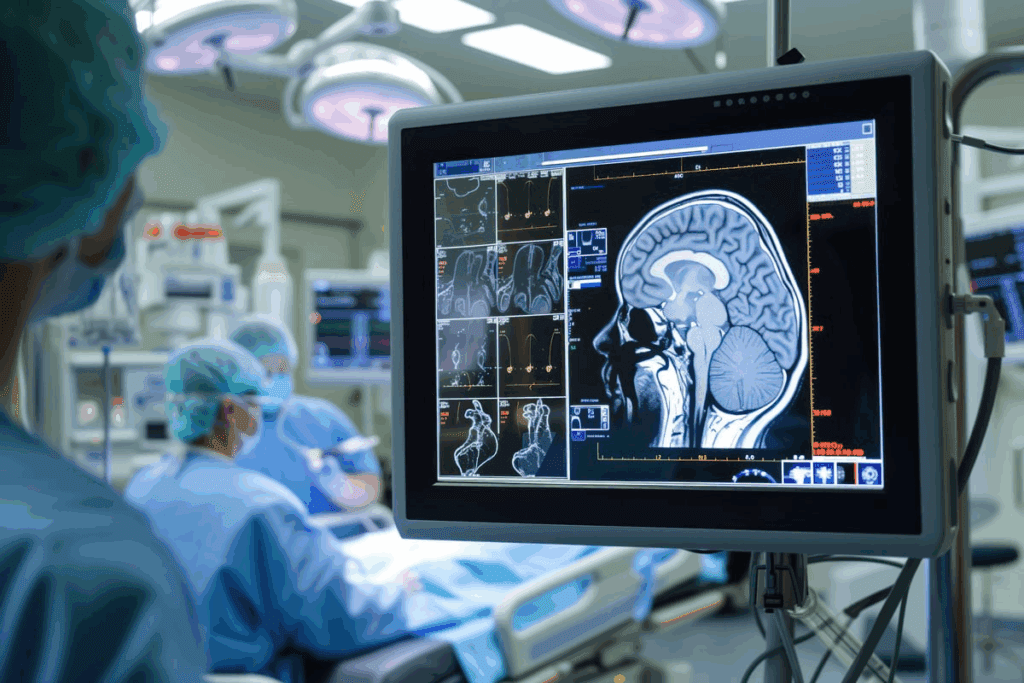
At Liv Hospital, we know how vital accurate diagnosis is. A biopsy is key to figuring out what’s going on inside the body. What is a radiology biopsy? Our guide clearly explains 7 powerful types and key procedures used in modern medical diagnostics.
Image-guided biopsy methods, like CT scan biopsy, let our team target specific tissues for testing. This way, we can avoid big risks and help patients get better faster.
We use top-notch imaging to make sure we get the right diagnosis. Knowing about the types of biopsy helps patients feel more in control during their tests.
Key Takeaways
- Biopsy is a critical diagnostic tool for understanding abnormal tissue.
- Image-guided biopsy techniques improve accuracy and reduce complications.
- CT scan biopsy is a common method used for precise tissue sampling.
- Understanding the different types of biopsy procedures is essential for effective diagnosis.
- Liv Hospital provides complete support and guidance throughout the diagnostic process.
The Critical Role of Radiology Biopsy in Modern Diagnostics
Radiology biopsy is key in today’s medical world. It helps doctors make treatment plans. This method is precise for getting tissue samples from different body parts.
“Radiology biopsy is vital for diagnosing diseases like cancer, infections, and autoimmune conditions,” says a top medical expert. It’s great for spotting cancer, infections, autoimmune diseases, and chronic organ damage.
Diagnostic Importance and Applications
Radiology biopsy is important because it gives accurate tissue samples. These samples are key for diagnosing many health issues. Image-guided tissue sampling has changed the game. It lets doctors target the biopsy site exactly, cutting down on risks and improving results.
This technique is used in many ways, including:
- Cancer diagnosis and staging
- Diagnosing infections and inflammatory conditions
- Identifying autoimmune disorders
- Monitoring organ damage
Evolution of Image-Guided Tissue Sampling
The growth of image-guided tissue sampling has made biopsies more accurate and safe. New imaging tech, like CT and ultrasound, lets doctors see the biopsy site live. This means they can place the needle exactly right.
This tech leap has made radiology biopsy a top-notch diagnostic tool. It’s more efficient and less invasive than surgery. This upgrade has greatly improved patient care.
7 Types of Radiology Biopsy Procedures
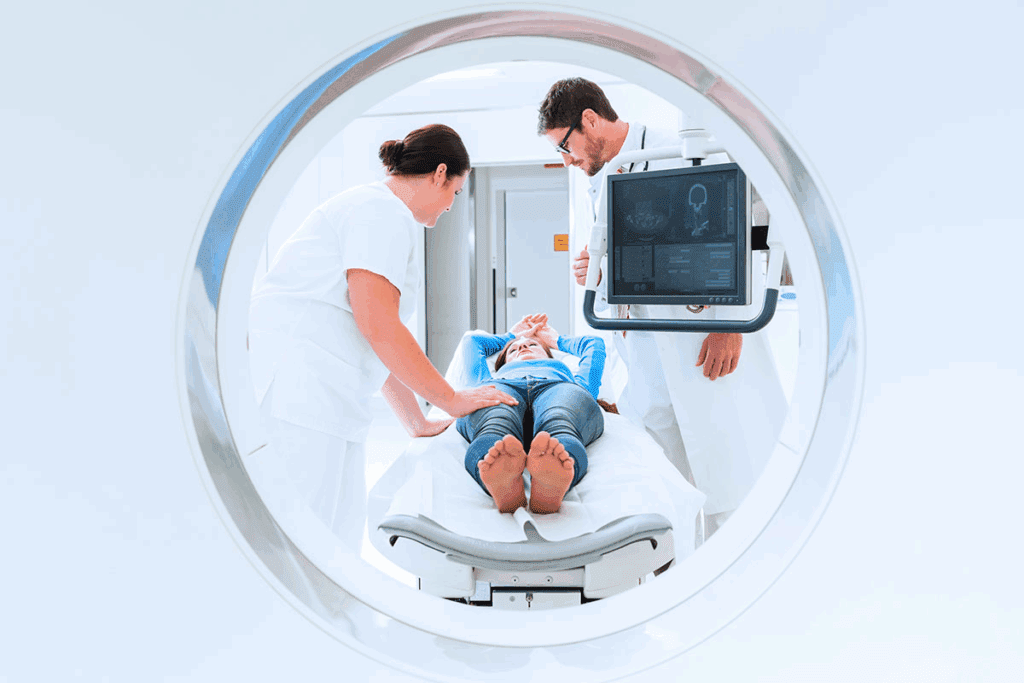
It’s important to know about the different radiology biopsy procedures. They help doctors make accurate diagnoses and treat patients well. These procedures take tissue or fluid samples from the body for tests.
We’ll look at the seven main types of radiology biopsy procedures. We’ll talk about what makes each one special, their benefits, and when they’re used.
Fine-Needle Aspiration Biopsy
Fine-needle aspiration biopsy (FNAB) is a simple procedure. It uses a thin needle to get cell samples from areas that might be sick. It’s great for checking thyroid nodules, lymph nodes, and other easy-to-reach masses.
FNAB is easy, safe, and quick. It often doesn’t need local anesthesia.
Core Needle Biopsy
Core needle biopsy (CNB) uses a bigger needle than FNAB. It gets a bigger piece of tissue. This is good for looking at many diseases, like breast, prostate, and liver issues.
CNB is very accurate. It’s chosen when a detailed tissue sample is needed.
Vacuum-Assisted Biopsy
Vacuum-assisted biopsy (VAB) uses a vacuum device to get many tissue samples at once. It’s best for breast biopsies. It takes big tissue samples with little scarring.
VAB is very accurate. It’s often used for checking suspicious breast lesions.
Surgical Biopsy
Surgical biopsy removes tissue or a lesion for tests. It can be open surgery or minimally invasive, like laparoscopic surgery.
Surgical biopsy is used when other methods don’t work or when the area is hard to reach.
In conclusion, there are seven types of radiology biopsy procedures. Each one has its own benefits and uses. Knowing about them helps doctors choose the best one for each patient. This ensures accurate diagnoses and effective treatments.
Essential Biopsy Needle Types and Their Applications
The success of a biopsy procedure depends on the right biopsy needle. The type of needle used affects the accuracy of the results. We will look at the different types of biopsy needles and their uses. This will help medical professionals make better choices.
Fine Gauge Needles (22-25G)
Fine gauge needles, ranging from 22 to 25 gauge, are for fine-needle aspiration biopsies. They are best for sampling cells from easy-to-reach lesions or masses. Their thin diameter causes less tissue damage and lowers the risk of complications.
“Fine-needle aspiration biopsy is quick and relatively painless,” say medical professionals. “It allows for fast diagnosis and decision-making.”
Core Biopsy Needles (14-18G)
Core biopsy needles, larger than fine gauge needles (14-18G), are for getting bigger tissue samples. They are key for diagnosing conditions needing a larger tissue sample. Core biopsy needles are used for solid organs or tumors.
The use of core biopsy needles has made diagnoses more accurate. They give more tissue for pathological analysis.
Vacuum-Assisted Devices
Vacuum-assisted biopsy devices are a big step forward in biopsy technology. They use a vacuum to collect multiple tissue samples with one needle insertion. This reduces the need for multiple needle passes and lessens patient discomfort.
Vacuum-assisted devices are great for breast biopsies and other procedures needing to sample multiple areas.
Specialized Needle Selection Criteria
Choosing the right biopsy needle depends on several factors. These include the type of biopsy, the location and nature of the tissue, and the patient’s condition. Medical professionals must consider these when picking a biopsy needle for the best results.
“The right needle can make all the difference in obtaining a diagnostic sample,” say experts in the field.
In conclusion, knowing the different types of biopsy needles and their uses is key for successful biopsy procedures. By choosing the right needle for the procedure, medical professionals can improve diagnostic accuracy and patient outcomes.
CT Guided Biopsy: Procedure and Applications
CT guided biopsy is a big step forward in medical imaging. It allows for precise targeting and is very safe. This method is key for diagnosing deep organs like the lungs and liver.
Step-by-Step CT Scan Biopsy Procedure
The CT scan biopsy process has several important steps:
- Preparation: The patient lies on the CT table for a first scan to find the target area.
- Local Anesthesia: The skin and deeper tissues are numbed to avoid pain.
- Needle Placement: A needle is guided by CT to reach the target site.
- Biopsy: Tissue samples are taken with the needle.
- Post-Procedure Scan: A final CT scan checks for any immediate issues.
A study in the Journal of Radiology found that CT guided biopsy is very accurate. It’s a reliable way to get tissue samples.
“CT guided biopsy has revolutionized the field of interventional radiology, providing a safe and effective means of diagnosing various conditions.”
Ideal Scenarios for CT Guided Needle Biopsy
CT guided needle biopsy is great for deep or hard-to-reach lesions. It’s often used for:
- Lung biopsies: To check lung nodules or masses.
- Liver biopsies: To sample liver lesions or check liver disease.
- Other deep organs: Like the pancreas, kidney, or adrenal glands.
| Organ | Common Indications | Benefits of CT Guided Biopsy |
| Lung | Diagnosing lung nodules or cancer | High precision, minimal risk |
| Liver | Sampling liver lesions, assessing liver disease | Accurate targeting, reduced complications |
Limitations and Considerations
While CT guided biopsy is very effective, there are some downsides:
- Radiation exposure: Patients get a small amount of radiation.
- Contrast risk: Some may react to the dye used in CT scans.
- Accessibility: It needs special equipment and skills.
We consider these points when deciding if CT guided biopsy is right for a patient.
Ultrasound (Sonography) Guided Biopsy Techniques
Ultrasound guided biopsy is a key tool in today’s medicine. It lets us get tissue samples from different body parts with great accuracy.
Procedure Overview and Advantages
The biopsy uses a high-frequency ultrasound probe to see the area to be sampled. This makes it easy to place the needle correctly, reducing risks. Ultrasound’s real-time images are great for getting samples from the surface of the body.
Key advantages of ultrasound guided biopsy include:
- Real-time visualization of the biopsy needle
- Minimally invasive with reduced risk of complications
- Quick recovery time for patients
- Ability to sample superficial tissues and organs effectively
Target Areas and Clinical Applications
Ultrasound guided biopsy is used for many superficial and some deep organs. It’s very helpful for:
| Target Area | Clinical Application |
| Thyroid gland | Diagnosis of thyroid nodules and cancer |
| Breast tissue | Sampling suspicious breast lesions |
| Liver and abdominal organs | Diagnosis of liver diseases and other abdominal conditions |
Ultrasound technology helps us make accurate diagnoses with less discomfort for patients. Its wide use in different medical settings makes it very valuable.
Interventional Radiology (IR) Guided Biopsy Approaches
Interventional radiology has changed how we do biopsies. It makes procedures precise and less invasive. IR-guided biopsies help us get better results and keep patients safe, even in tough cases.
The Role of IR Specialists in Complex Biopsies
IR specialists are key in complex biopsies. They use advanced imaging like CT scans and ultrasound. This lets them guide the procedure in real-time for accurate tissue sampling.
They handle hard cases where the biopsy target is near important structures or hard to get to. Their skill in these areas lowers the risk of problems and boosts the biopsy’s success rate.
Advanced IR Techniques and Technology
New IR techniques and tech have made biopsies safer and more precise. We use tools like cone-beam CT and electromagnetic navigation for accurate targeting. These tools help us get the right tissue, even in tricky spots.
These advanced methods also make biopsies less invasive. This means less pain for patients and quicker recovery times.
| IR Technique | Advantages | Clinical Applications |
| Cone-Beam CT | High-resolution imaging, real-time guidance | Complex biopsies, difficult-to-reach targets |
| Electromagnetic Navigation | Precise targeting, reduced risk of complications | Lung and thoracic biopsies, liver and abdominal biopsies |
Organ-Specific Radiology Biopsy Procedures
Radiology biopsy procedures are designed for specific organs. They help get accurate diagnoses and effective treatments. Each organ has its own needs due to its structure and location. We use special procedures for each organ to improve patient care.
Lung and Thoracic Biopsies
Lung and thoracic biopsies help find lung cancer and infections. CT scan guided needle biopsy is often used. It lets us precisely target lung areas. We use special tools to safely get tissue samples.
Liver and Abdominal Organ Biopsies
Liver and abdominal organ biopsies diagnose liver diseases and other conditions. Ultrasound-guided biopsy is common for liver biopsies. It uses real-time images to guide the needle. We choose the best approach based on the patient’s body and the organ being biopsied.
Breast Biopsy Procedures
Breast biopsies are key for finding breast cancer and other issues. We use stereotactic biopsy and ultrasound-guided biopsy. These methods are precise to ensure accurate results and reduce discomfort.
Bone and Soft Tissue Biopsies
Bone and soft tissue biopsies diagnose bone cancers and infections. CT-guided biopsy is often used for bone biopsies. It allows for precise targeting. We use special needles and techniques to get good tissue samples.
By tailoring biopsy procedures to each organ, we improve diagnosis and care. Organ-specific biopsies are key in modern medicine. They help doctors create treatment plans that meet each patient’s needs.
Patient Experience: Before, During, and After Radiology Biopsy
The journey of a radiology biopsy, from start to finish, is one we guide our patients through with care. It’s key to understand their experience to offer the best care.
Preparation and Procedure Experience
Before a biopsy, patients get clear instructions on how to prepare. This includes:
- Dietary restrictions
- Medication adjustments
- Arrival time and location
On biopsy day, we make sure patients are comfortable and know what’s happening. Using CT or ultrasound helps target the biopsy site accurately. This reduces pain and improves results.
Potential Risks and Complications
Though biopsies are usually safe, there are risks to know about. These include:
- Infection
- Bleeding
- Reaction to sedation
We do everything we can to avoid these risks. This includes careful patient checks and using clean techniques during the biopsy.
Recovery and Results Timeline
After the biopsy, patients are watched for a bit to make sure they’re okay. The recovery process usually involves:
- Resting for a few hours
- Monitoring for signs of bleeding or other complications
- Receiving instructions for post-procedure care
How long it takes to get biopsy results depends on the test’s complexity. We share results with patients quickly and with care.
Conclusion: Advancing Diagnostic Precision Through Radiology Biopsy
Radiology biopsy has changed how we diagnose diseases. It allows for accurate tissue sampling and diagnosis. We’ve looked at different types of biopsies, like fine-needle aspiration and core needle biopsy. These are key in today’s diagnostics.
Using advanced imaging like CT and ultrasound has made biopsies more precise. Specialists in interventional radiology (IR) are key in complex biopsies. They use IR biopsy to get accurate tissue samples.
Radiology biopsy has led to better patient care. It helps doctors create targeted treatment plans. As we keep improving, radiology biopsy will stay a key part of diagnosing and treating diseases.
The future of radiology biopsy looks bright. With new tech and techniques, we expect even better precision. This will lead to better care and outcomes for patients.
FAQ
What is a radiology biopsy?
A radiology biopsy is a medical test. It uses imaging like CT scans, ultrasound, or MRI. These help collect tissue samples for diagnosis.
What are the different types of radiology biopsy procedures?
There are many types of biopsies. These include fine-needle aspiration, core needle biopsy, vacuum-assisted biopsy, and surgical biopsy. Each has its own use and benefits.
How is a CT guided biopsy performed?
A CT guided biopsy uses a CT scan to guide a needle. This allows for precise sampling of deep organs like the lungs and liver.
What is the difference between fine-needle aspiration biopsy and core needle biopsy?
Fine-needle aspiration uses a thin needle to collect cells. Core needle biopsy uses a larger needle to collect tissue. This gives more detailed information for diagnosis.
What are the benefits of ultrasound guided biopsy?
Ultrasound guided biopsy offers real-time imaging. It’s often less invasive. It’s used for superficial tissues and organs, making it safe and effective.
What is the role of interventional radiology in biopsy procedures?
Interventional radiology is key in complex biopsies. It uses advanced techniques and technology. This improves biopsy accuracy and safety, even for tough cases.
How do I prepare for a radiology biopsy?
To prepare for a biopsy, follow your healthcare provider’s instructions. This may include stopping certain medications, fasting, or other requirements.
What are the possible risks and complications of radiology biopsy?
Biopsy is generally safe but carries risks like bleeding, infection, or reaction to anesthetic. Your healthcare provider will discuss these with you.
How long does it take to get biopsy results?
Results time varies by biopsy type, case complexity, and lab processing. Your healthcare provider will tell you when to expect your results.
What are the different types of biopsy needles used?
Various biopsy needles are used, including fine gauge, core biopsy, and vacuum-assisted devices. The choice depends on the procedure and tissue type.
Can radiology biopsy be used for diagnosing cancer?
Yes, radiology biopsy is vital for cancer diagnosis. It allows for tissue sampling for pathological examination.
Are there any alternative diagnostic methods to radiology biopsy?
Alternatives like imaging tests or endoscopic procedures may exist. But radiology biopsy is a key diagnostic tool in many cases.