Last Updated on November 4, 2025 by mcelik
Dealing with a herniated disc is tough and painful, affecting millions globally. Did you know 80% of adults will face lower back pain, with herniated discs a common reason? Follow proven rapid herniated disc recovery steps including rest, therapy, and posture correction.
Finding relief is key. In this article, we share expert tips and strategies for speeding up your healing. We use the latest research and care for your needs, guiding you to recovery the best way.
Key Takeaways
- Understand the causes and symptoms of a herniated disc
- Explore effective treatment options for rapid healing
- Learn exercises and stretches to alleviate pain
- Discover lifestyle changes to support your recovery
- Find out when to seek medical attention
Understanding Herniated Discs: The Foundation of Recovery
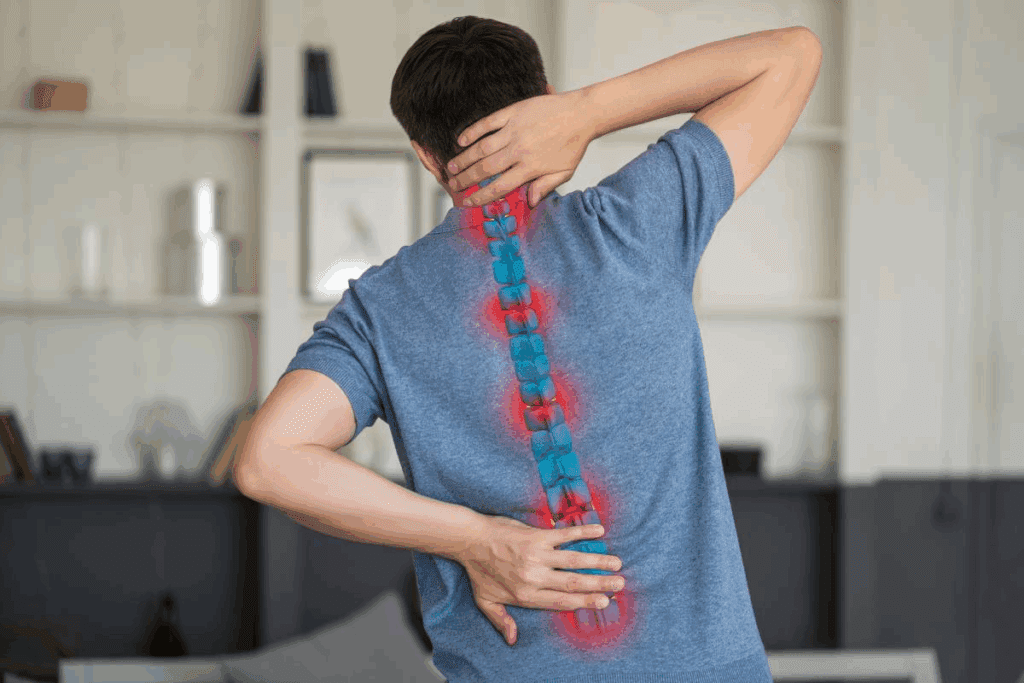
Recovering from a herniated disc begins with knowing what it is. It’s a common reason for back pain. We’ll cover the basics of herniated discs, like what they are, why they happen, and how they feel.
What Exactly Is a Herniated Disc?
A herniated disc happens when the soft center of the disc leaks out. This can hurt nearby nerves, leading to pain, numbness, or weakness in the back or legs. Understanding the structure and function of intervertebral discs is key to knowing how a herniated disc affects us.
Common Causes and Risk Factors
Many things can make you more likely to get a herniated disc. These include age-related wear and tear, hard physical work, and genetics. Knowing these risk factors helps prevent more harm and plan herniated disc recovery strategies.
Heavy lifting, bending, or twisting can hurt your discs. Being overweight or having a job that strains your spine also raises the risk.
Recognizing the Symptoms
The signs of a herniated disc vary from person to person. You might feel pain, numbness, tingling, or weakness in your arms or legs. Spotting these symptoms early is key to starting the right herniated disc pain management and recovery.
Good herniated disc physical therapy starts with knowing the symptoms and how they affect your daily life. By tackling these symptoms fully, we can create a recovery plan that fits you.
The Science Behind Rapid Herniated Disc Recovery
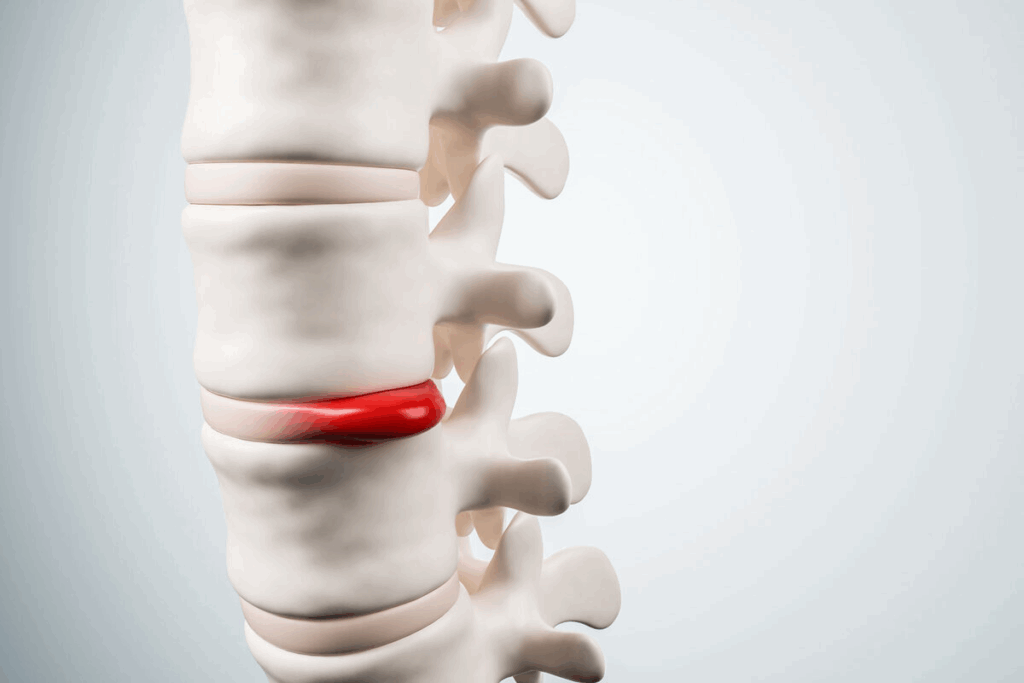
Rapid herniated disc recovery is more than just treating symptoms. It’s about understanding the science behind healing. The body’s natural healing processes are key to recovering from a herniated disc.
Natural Healing Processes
The body’s first response to injury is inflammation. This is a natural defense. As healing progresses, inflammation goes down, and the disc starts to repair itself.
Supporting this process with proper nutrition, hydration, and avoiding further injury is important. Understanding and supporting these natural processes is key to accelerating recovery.
Factors That Influence Recovery Speed
Several factors can affect how fast you recover from a herniated disc. These include the severity of the herniation, your overall health, age, and the treatment plan’s effectiveness.
- Severity of Herniation: More severe herniations may need more intensive treatment.
- Overall Health: Conditions like diabetes or obesity can slow healing.
- Age: Older individuals may heal slower due to decreased disc height and hydration.
Typical Recovery Timeline Expectations
Recovery times can vary, but most people see big improvements in a few weeks to months. The first phase is managing pain and inflammation. Then, you gradually return to normal activities.
It’s important to have realistic expectations and work closely with healthcare professionals. Tailor a recovery plan that fits your individual needs.
Immediate Actions to Take After a Herniated Disc Diagnosis
The first few hours and days after finding out you have a herniated disc are key. Taking the right steps can greatly help your recovery. Knowing what to do first can lessen pain and speed up healing.
First 48 Hours: Critical Response Period
The first 48 hours are very important for your recovery. It’s vital to manage your pain and start making changes to how you move. This helps avoid making things worse.
- Rest and avoid heavy lifting, bending, or strenuous activities.
- Apply ice or heat to the affected area as recommended by your healthcare provider.
- Begin gentle stretching as advised by a medical professional.
When to Seek Emergency Medical Attention
Most herniated discs don’t need emergency care. But, some symptoms are urgent. If you have any of these, get help right away:
- Loss of bladder or bowel control.
- Progressive weakness or numbness in the legs.
- Severe pain that doesn’t improve with rest or medication.
Setting Up Your Recovery Environment
Creating a good recovery space is important. You need to change your daily life and home to protect your back.
| Adjustment | Description | Benefit |
| Ergonomic Workspace | Ensure your workspace is set up to promote good posture. | Reduces strain on your back. |
| Comfortable Sleeping | Invest in a supportive mattress and maintain a healthy sleeping position. | Improves rest and recovery. |
| Activity Modification | Avoid heavy lifting and bending; use assistive devices when necessary. | Prevents further injury. |
By acting quickly, you can greatly improve your herniated disc recovery strategies and health. It’s important to work with your doctor to make these steps fit your needs.
Conservative Treatment Approaches
Recovering from a herniated disc often begins with non-surgical treatments. These methods aim to ease symptoms and improve function. They can be very effective in managing pain without surgery.
Rest vs. Activity: Finding the Right Balance
Finding the right mix of rest and activity is key in treating a herniated disc. Rest is important early on to prevent making the problem worse. But too much rest can make muscles stiff and weak.
Activity modification is a big part of treatment. It means avoiding heavy lifting, bending, or twisting. Instead, gentle exercises that help with flexibility and strength are recommended.
Heat and Cold Therapy Protocols
Heat and cold therapy are simple but effective for pain and swelling from herniated discs. Cold therapy is used first to reduce swelling. Heat therapy then helps relax muscles and improve blood flow.
Here’s a basic guide for using heat and cold therapy:
| Therapy Type | Application Time | Frequency |
| Cold Therapy | 15-20 minutes | Every 2-3 hours |
| Heat Therapy | 15-20 minutes | 3-4 times a day |
Over-the-Counter Pain Management Options
Pain management is vital in treating herniated discs. Over-the-counter (OTC) medications like NSAIDs (e.g., ibuprofen, naproxen) are often used to lessen pain and swelling.
It’s important to follow the dosage instructions and talk to a healthcare provider before starting any medication. Also, be aware of any side effects and how they might interact with other drugs.
Prescription Medications for Faster Relief
The right prescription medication can greatly help in recovering from a herniated disc. While treatments like physical therapy are often first, medicines can offer extra relief when needed.
NSAIDs and Their Role in Recovery
Nonsteroidal anti-inflammatory drugs (NSAIDs) are often given to manage pain and swelling from herniated discs. NSAIDs reduce inflammation, easing pain and improving movement. Examples include ibuprofen and naproxen. It’s important to take the medicine as directed and know about possible side effects like stomach problems.
Talking to your doctor about NSAIDs can help figure out if they’re right for you.
Muscle Relaxants and Pain Medications
Sometimes, muscle relaxants are given to control muscle spasms from herniated discs. These drugs can lessen pain and make you feel more comfortable. Also, pain medicines, like opioids, might be used for very bad pain, but only under close doctor watch.
- Muscle Relaxants: They can lessen muscle spasms and help you sleep better.
- Opioid Medications: Used for severe pain, but with caution due to risk of addiction.
Understanding Medication Risks and Benefits
Every medicine has its good and bad sides. Knowing these can help you make better choices about your treatment. Benefits include a lot of pain relief and better function, but risks include side effects and addiction.
| Medication Type | Benefits | Risks |
| NSAIDs | Reduces inflammation and pain | Gastrointestinal issues, kidney strain |
| Muscle Relaxants | Relieves muscle spasms, improves sleep | Drowsiness, dependency |
| Opioids | Effective for severe pain | High risk of dependency, constipation |
Creating an Effective Medication Schedule
To get the most from your medicines, it’s key to have a good plan for taking them. This means taking them at the right time, in the right amount, and always. Following your plan can better manage pain and aid in your recovery.
Keeping a log of your medicines and any side effects can be very helpful. It’s good to bring this to your doctor’s appointments.
Physical Therapy: The Cornerstone of Herniated Disc Recovery
Recovering from a herniated disc often starts with physical therapy. It’s a key treatment that helps with symptoms and the root causes. A good physical therapy plan is vital for quick and lasting recovery.
Initial Assessment and Treatment Planning
The first step in physical therapy is a detailed initial assessment. This helps us understand the patient’s situation. We look at the herniation’s severity, how it affects daily life, and any past treatments.
Based on this, we create a treatment plan that meets the patient’s needs and goals. It’s made just for them.
Core Strengthening Exercises for Spinal Support
Strengthening the core is key in herniated disc recovery. Strong core muscles support the spine, easing the strain on the herniated disc. This helps the back stay healthy.
We suggest exercises like planks, bridges, and pelvic tilts to build core strength. These are adjusted to fit the patient’s fitness level and progress as they get stronger.
Key Core Strengthening Exercises:
- Planks
- Bridges
- Pelvic tilts
- Bird dog
Flexibility and Mobility Techniques
Improving flexibility and mobility is also vital. We use stretching, manual therapy, and mobilization to increase the range of motion and reduce stiffness. These methods aid in healing and prevent future injuries.
Walking Regimen Development
Walking is a low-impact exercise that’s important for recovery. We help patients create a walking plan that suits their fitness level. It’s gradually made more intense and longer.
Walking boosts circulation, strengthens muscles, and improves overall health. By adding physical therapy to their recovery plan, people with herniated discs can see big improvements. Our team is committed to providing personalized care and support throughout the recovery journey.
Injection Therapies for Accelerated Healing
Injection therapies are a promising option for those with herniated disc symptoms. They can offer significant relief. These treatments are often considered when other methods don’t work well.
Epidural Steroid Injections: Procedure and Effectiveness
Epidural steroid injections are a common treatment for herniated disc pain. The procedure involves injecting corticosteroids into the epidural space surrounding the spinal cord. This helps reduce inflammation and eases pain. Many studies show these injections can give short-term relief to many patients.
Nerve Blocks and Their Applications
Nerve blocks are another injection therapy for herniated disc pain. By injecting a local anesthetic or steroid around specific nerves, doctors can find out if those nerves are causing the pain. This can help provide relief. Nerve blocks are great for those who haven’t seen results from other treatments.
Determining If Injections Are Right for You
To see if injections are right for you, talk to your healthcare provider. They’ll look at how severe your symptoms are, your overall health, and what treatments you’ve tried before. A thorough evaluation will help decide the best treatment plan, which might include injections.
Combining Injections with Other Treatments
Injection therapies work better when paired with other treatments. For instance, physical therapy can be used with epidural steroid injections to speed up recovery. Combining treatments can lead to faster and more lasting relief from herniated disc symptoms.
Minimally Invasive Procedures for Faster Recovery
Minimally invasive procedures are changing how we treat herniated discs. They offer faster healing times, less damage to tissues, and lower risks of complications. These advanced methods are making a big difference in patient care.
Endoscopic Spine Surgery Options
Endoscopic spine surgery is a big step forward in treating herniated discs. It uses a small endoscope and special tools to reach the spine’s affected area. Endoscopic spine surgery removes the herniated disc material, easing pain and speeding up recovery.
This method is minimally invasive, leading to smaller cuts, less tissue damage, and less pain after surgery. Patients often get back to their daily lives sooner than with traditional surgery.
Deuk Laser Disc Repair: Procedure and Benefits
Deuk Laser Disc Repair is a new, minimally invasive way to treat herniated discs. It uses a laser to repair the disc, helping it heal and reducing the chance of future problems. The procedure is done under local anesthesia, causing little discomfort.
This method is known for its precision and ability to treat the disc without harming nearby tissues. This leads to less pain after surgery and a quicker recovery for patients.
Other Minimally Invasive Techniques
There are other ways to treat herniated discs, aside from endoscopic spine surgery and Deuk Laser Disc Repair®. These include:
- Microdiscectomy: A procedure that removes the herniated part of the disc.
- Nucleotomy: A technique that removes a part of the nucleus pulposus.
- Laser discectomy: Uses laser energy to remove the herniated disc material.
Each technique has its own benefits and is chosen based on the patient’s specific needs and condition.
Recovery Expectations After Minimally Invasive Procedures
Recovery from these procedures is usually faster than with traditional surgery. Most patients can get back to their normal activities in a few weeks. But, the exact time can vary based on the procedure and the patient’s health.
| Procedure | Typical Recovery Time | Key Benefits |
| Endoscopic Spine Surgery | 1-3 weeks | Minimally invasive, less tissue damage |
| Deuk Laser Disc Repair® | 2-4 weeks | Precise, promotes disc healing |
| Microdiscectomy | 2-6 weeks | Effective for removing herniated disc material |
Following the surgeon’s post-operative care instructions is key to the best results. This may include physical therapy, pain management, and making lifestyle changes.
Surgical Interventions: When and Why They’re Necessary
When treatments like physical therapy and medication don’t work, surgery might be needed. It’s a big step, but for many, it’s a way to feel better and live better.
Surgery is usually suggested when:
- Other treatments haven’t helped for a long time
- Pressure on nerves is causing a lot of pain or problems with movement
- The disc is pressing on nerves so hard it’s affecting bladder or bowel control
Microdiscectomy: Procedure and Recovery Timeline
Microdiscectomy is a small surgery to remove the part of the disc that’s hurting a nerve. It’s chosen often because it works well, and you can get back to normal faster.
The surgery includes:
- A small cut in the back
- Using a microscope or special tools to find and take out the bad disc part
- Relieving the nerve pressure
After a microdiscectomy, you’ll need a few weeks to rest. You should avoid lifting heavy things and doing hard activities.
Traditional Discectomy vs. Newer Techniques
Traditional discectomy is a bigger surgery. But newer methods like microdiscectomy and endoscopic discectomy are smaller, cause less damage, and you heal faster.
Choosing between old and new methods depends on your health, how bad the herniation is, and the surgeon’s skill.
Post-Surgical Rehabilitation Strategies
Getting better after surgery means following a good post-surgical rehabilitation plan. This includes:
- Starting to move more slowly
- Going to physical therapy to make your back stronger and more flexible
- Following a plan made just for you by your healthcare team
It’s key to follow the doctor’s orders to avoid problems and get the best results.
Signs of Successful Surgical Outcomes
Good results from herniated disc surgery show up when:
- The pain goes down a lot or disappears
- You can move better and do more things
- You feel happier and more able to enjoy life
We keep an eye on how you’re doing after surgery. We’ll talk about any issues and change your plan if needed.
Complementary and Alternative Approaches
More people are seeing the value of using complementary and alternative methods to help with herniated disc pain. These methods can give extra support and help during the healing process.
Acupuncture for Pain Management
Acupuncture is an old practice where thin needles are put into certain body points. It has helped some people with herniated disc pain. It works by helping the body heal and reduce swelling, making it a good addition to other treatments.
Massage Therapy Techniques
Massage therapy can ease muscle tension around the affected disc. It improves blood flow and helps relax the body. Deep tissue massage or myofascial release are good options.
Chiropractic Care: Benefits and Precautions
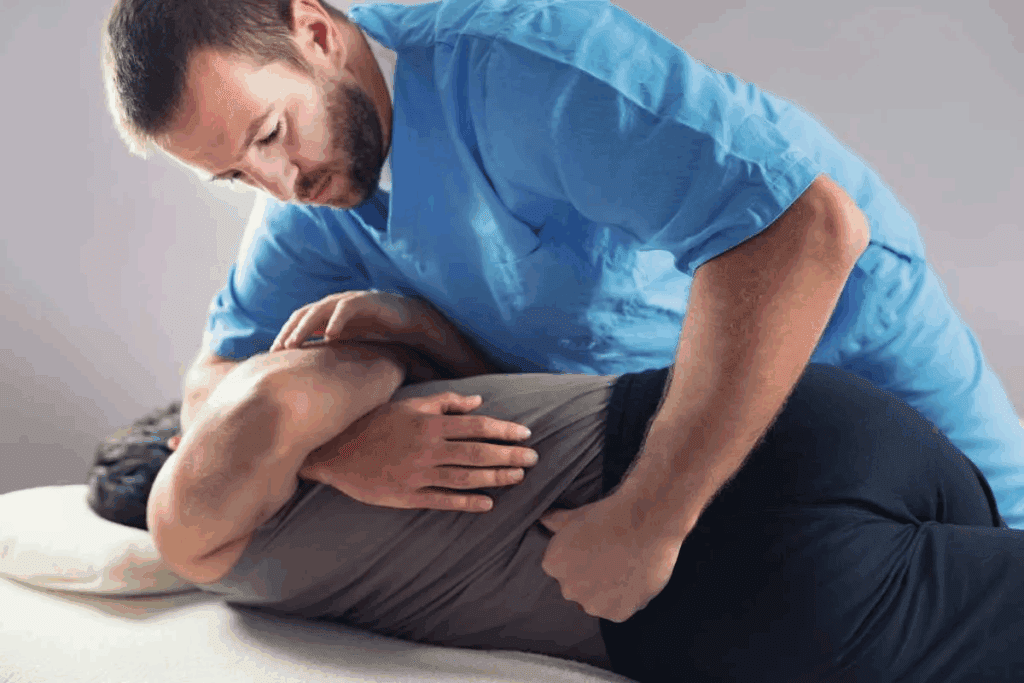
Chiropractic care focuses on spinal manipulation and alignment. It can help restore normal spinal function and lessen disc pressure. But it’s important to talk to a healthcare professional before starting chiropractic care to make sure it’s right for you.
Mind-Body Techniques for Pain Reduction
Mind-body techniques like meditation, yoga, and cognitive-behavioral therapy are key in managing pain. They help reduce stress and boost the body’s healing abilities.
Adding these complementary and alternative methods to a treatment plan can help improve recovery from a herniated disc. It can also enhance overall well-being.
Nutrition and Hydration for Optimal Disc Health
The right nutrition and hydration can greatly help in herniated disc recovery. A balanced diet gives the body what it needs to repair discs. Drinking enough water also keeps discs healthy and working well.
Anti-Inflammatory Foods to Incorporate
Eating anti-inflammatory foods can lessen pain and swelling from herniated discs. Some great foods include:
- Fatty Fish: Full of omega-3s, which fight inflammation well.
- Leafy Greens: Packed with antioxidants and nutrients that cut down inflammation.
- Nuts and Seeds: Many have healthy fats and antioxidants.
- Turmeric: Has curcumin, a strong anti-inflammatory.
- Ginger: Contains compounds that may reduce pain.
Supplements That Support Disc Healing
While a balanced diet is key, some supplements can also help with disc healing. These include:
- Glucosamine and Chondroitin: Together, they support cartilage health.
- Omega-3 Supplements: For those who don’t get enough from food.
- Vitamin D: Good for bone health and may help discs, too.
- Antioxidants: Like vitamins C and E, which reduce oxidative stress.
Always talk to a healthcare provider before starting any supplements.
Hydration Strategies for Disc Rehydration
Keeping spinal discs hydrated is vital. Here are ways to stay hydrated:
- Drink Plenty of Water: Aim for at least 8 cups (64 ounces) a day.
- Limit Dehydrating Beverages: Cut down on caffeine and alcohol.
- Monitor Urine Output: If your urine is pale yellow or clear, you’re hydrated.
- Include Hydrating Foods: Foods like cucumbers and watermelon add to your hydration.
Foods to Avoid During Recovery
Some foods can make inflammation worse and slow recovery. It’s good to limit or avoid:
- Processed Foods: Often have unhealthy fats, salt, and sugar.
- Sugary Drinks and Foods: Can increase inflammation.
- Foods High in Saturated and Trans Fats: Promote inflammation.
- High-Sodium Foods: Can cause water retention and high blood pressure.
By eating anti-inflammatory foods, taking the right supplements, staying hydrated, and avoiding bad foods, you can make a nutrition plan that helps with herniated disc recovery.
Lifestyle Modifications for Sustained Recovery
Recovering from a herniated disc needs a mix of lifestyle changes. Making smart changes in daily habits can help a lot. It also lowers the chance of more problems later.
Sleep Hygiene and Optimal Sleeping Positions
Good sleep hygiene is key for healing. It helps the body fix damaged tissues. To sleep better, try these:
- Stick to a regular sleep schedule
- Make your bedroom sleep-friendly
- Stay away from caffeine and screens before bed
Choosing the right sleeping position is also important. Sleeping on your back with a pillow under your knees or on your side with a pillow between your knees can keep your spine aligned.
Weight Management Strategies
Keeping a healthy weight is important for your spine. It helps with recovery. Here are some tips:
- Eat a balanced diet full of nutrients
- Do regular, gentle exercises
- Watch your calorie intake and control your portions
Being at a healthy weight lessens spine pressure. It helps your recovery a lot.
Smoking Cessation and Its Impact on Healing
Stopping smoking is a big step for herniated disc recovery. Smoking hurts healing by cutting off blood and oxygen. Quitting can greatly help your recovery and health.
Here are ways to stop smoking:
- Nicotine replacement therapy
- Counseling and support groups
- Prescription medications
Stress Management Techniques
Managing stress is key to well-being and recovery. Here are some ways to do it:
- Meditation and mindfulness
- Deep breathing exercises
- Yoga or walking
Adding these stress management methods to your life can help with recovery. It also improves your life quality.
By making these lifestyle changes, you can help your herniated disc recovery. It’s important to work with doctors to make a recovery plan that fits you.
Strategies for Rapid Herniated Disc Recovery
Recovering quickly from a herniated disc is possible with the right treatments and a daily routine. It’s important to tackle the problem from all sides.
Combining Treatments for Synergistic Effects
Using different treatments together can speed up recovery. This might include physical therapy, pain meds, and therapies like acupuncture or chiropractic care. These treatments work together to help your body heal faster.
For example, physical therapy and pain meds can ease pain and improve movement. At the same time, alternative therapies can help with pain and stress.
Creating a Daily Recovery Routine
A daily routine is key for quick recovery. It should include rest, exercise, and activities that help your spine. Start with a consistent sleep schedule and a good sleep environment.
Add gentle exercises like stretching or yoga to boost flexibility and muscle strength. Also, include relaxation methods like meditation or deep breathing to manage stress.
Tracking Progress and Adjusting Your Approach
It’s important to keep track of your progress. Use a recovery journal to note your symptoms, pain, and any changes. This helps you see patterns and make needed changes to your treatment plan.
Regularly check in with your healthcare team to see if your plan needs tweaking. This team effort helps you make the best decisions for your recovery.
Working with Your Healthcare Team Effectively
Good communication with your healthcare team is essential for quick recovery. Always ask questions, share any changes, and follow their advice.
| Healthcare Team Member | Role in Recovery |
| Primary Care Physician | Coordinates overall care and refers to specialists as needed |
| Physical Therapist | Designs and implements exercise programs to improve mobility and strength |
| Specialist (e.g., Orthopedist or Neurologist) | Provides expert advice on treatment options and manages complications |
By working closely with your healthcare team and following these strategies, you can improve your recovery from a herniated disc. This will help you get back to normal activities faster.
Preventing Recurrence: Long-Term Strategies
To avoid herniated disc symptoms coming back, you need a plan that includes lifestyle changes and spinal care. We’ll look at important strategies to keep your spine healthy and prevent future problems.
Ergonomic Considerations for Work and Home
Good ergonomics is key to lessening spine strain. Make sure your workspace and home are set up right. This means adjusting chairs, monitors, and keyboards for better posture.
Safe Lifting Techniques
Safe lifting is vital to avoid hurting your spine further. Always bend at the knees, keep things close to your body, and lift with your legs. This simple method can greatly lower the chance of another injury.
Maintenance Exercises for Spinal Health
Keeping your spine healthy through exercise is essential. Try exercises that strengthen your core and improve flexibility. Pelvic tilts, knee to chest stretches, and gentle yoga or Pilates are good choices. These can help keep your spine stable and lower the risk of future herniated discs.
| Exercise | Description | Frequency |
| Pelvic Tilts | Lie on your back, knees bent, and tilt your pelvis upwards and then back down. | 3 sets of 10 repetitions |
| Knee to Chest Stretch | Lie on your back, bring one knee towards your chest, and hold for 30 seconds. | 3 sets per leg |
| Gentle Yoga or Pilates | Engage in a gentle routine focusing on core strengthening and flexibility. | 2-3 times per week |
Regular Check-ins and Assessments
Seeing your healthcare provider regularly is important for your spinal health. It helps catch any problems early. We suggest regular assessments to check your progress and adjust your care plan if needed.
By following these long-term strategies, you can greatly reduce the risk of herniated disc problems coming back. This helps keep your spine strong and healthy.
Conclusion
Healing a herniated disc quickly needs a mix of treatments, lifestyle changes, and dedication to recovery. Knowing the causes, symptoms, and treatment options helps you make smart choices. This way, you can speed up your recovery.
We’ve looked at ways to quickly heal a herniated disc. This includes non-surgical treatments, physical therapy, injections, and small surgeries. Each method is important for fast healing and getting your spine healthy again.
When you’re on your recovery path, it’s key to work with your healthcare team. They’ll create a plan just for you. Adding healthy habits like a good diet, sleep, and stress management can help a lot.
Work closely with your healthcare team to get personalized support for faster recovery. We want you to be active in your recovery. We’re here to support you every step of the way.
FAQ
What is a herniated disc, and how does it occur?
A herniated disc happens when the soft center of the disc leaks out. This leak is through a tear in the outer disc. It can be caused by age, injury, or strain, making the disc bulge or rupture.
What are the common symptoms of a herniated disc?
Common symptoms include back pain and numbness in the arms or legs. The pain can be mild or severe. It may also cause muscle spasms.
How long does it take to recover from a herniated disc?
Recovery time varies. It depends on the herniation’s severity, treatment, and individual factors. Mild cases might heal in weeks. Severe cases can take months.
What are the conservative treatment options for a herniated disc?
Conservative treatments include rest and physical therapy. Heat and cold therapy, pain meds, and lifestyle changes are also options. Improving posture and exercising regularly are important.
When is surgery necessary for a herniated disc?
Surgery is needed when treatments fail or if there’s nerve damage. Signs include significant weakness or loss of bladder/bowel control. Surgical options include microdiscectomy and spinal fusion.
What is the role of physical therapy in herniated disc recovery?
Physical therapy is key in recovery. It improves flexibility and strengthens muscles around the spine. A physical therapist creates a personalized exercise plan to aid healing.
Can injection therapies help with herniated disc pain?
Yes, injection therapies like epidural steroid injections can help. They reduce inflammation and numb the area, providing pain relief.
How can I prevent a herniated disc from recurring?
To prevent recurrence, maintain a healthy weight and exercise regularly. Improve your posture and use proper lifting techniques. Managing stress is also important. Regular health check-ups help monitor spinal health.
Are there any alternative therapies that can help with herniated disc recovery?
Yes, therapies like acupuncture, massage, and chiropractic care can help. They reduce pain, improve mobility, and promote relaxation.
How important is nutrition and hydration in herniated disc recovery?
Nutrition and hydration are vital for recovery. A diet rich in anti-inflammatory foods and adequate hydration helps. Avoiding processed foods reduces inflammation and supports disc health.
Can lifestyle modifications impact the recovery process?
Yes, lifestyle changes can greatly impact recovery. Improving sleep, managing stress, quitting smoking, and maintaining a healthy weight reduce inflammation. They promote overall health and aid in recovery.
Reference
- Jin, J., et al. (2020). Lumbar disc herniation regression after successful epidural steroid injection. PubMed. Retrieved from https://pubmed.ncbi.nlm.nih.gov/12468973