Last Updated on December 1, 2025 by Bilal Hasdemir

Childhood cancer is a rare and devastating disease that affects thousands of kids worldwide. From 1975 to now, new cases have slowly gone up. But deaths from childhood cancer have dropped by more than half, showing big progress in treatment and care.
We face a complex and varied spectrum of cancers. Some are rare and hard to diagnose and treat. It’s key to understand these rare cancers to help kids and their families.
Key Takeaways
- Childhood cancer is relatively rare but has seen an increase in new cases.
- Despite the increase in cases, deaths from childhood cancer have significantly decreased.
- Rare pediatric cancer types require specialized understanding and treatment approaches.
- The childhood cancer spectrum includes various types, each with unique challenges.
- Treatment progress has been significant, but continued research is essential.
Understanding Rare Pediatric Cancer Types
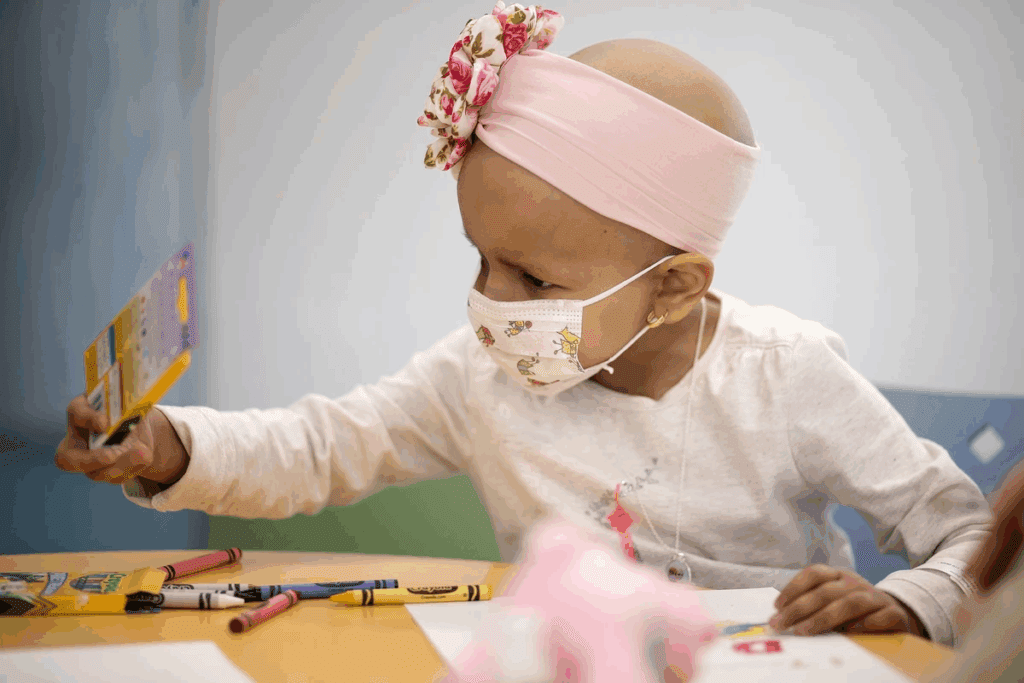
It’s important to understand rare pediatric cancer types. This helps improve treatment options and patient outcomes. Rare cancers in kids are hard to diagnose and treat because they don’t happen often.
Definition of Rare Cancer in Children
Rare cancers in kids happen less than 2 times per million children each year. They are hard to diagnose because they are rare and the symptoms are not always clear.
Molecular testing of tumors is key in treating rare pediatric cancers. It helps find specific genetic mutations. This way, doctors can create treatment plans that fit each patient’s needs.
Importance of Early Detection
Finding rare pediatric cancers early is vital. It helps improve survival rates and lowers the risk of long-term health problems. Early treatment can often avoid harsh therapies.
Parents and doctors need to watch for signs of rare cancers. Being aware and educated is essential for early detection.
Overview of Pediatric Oncology
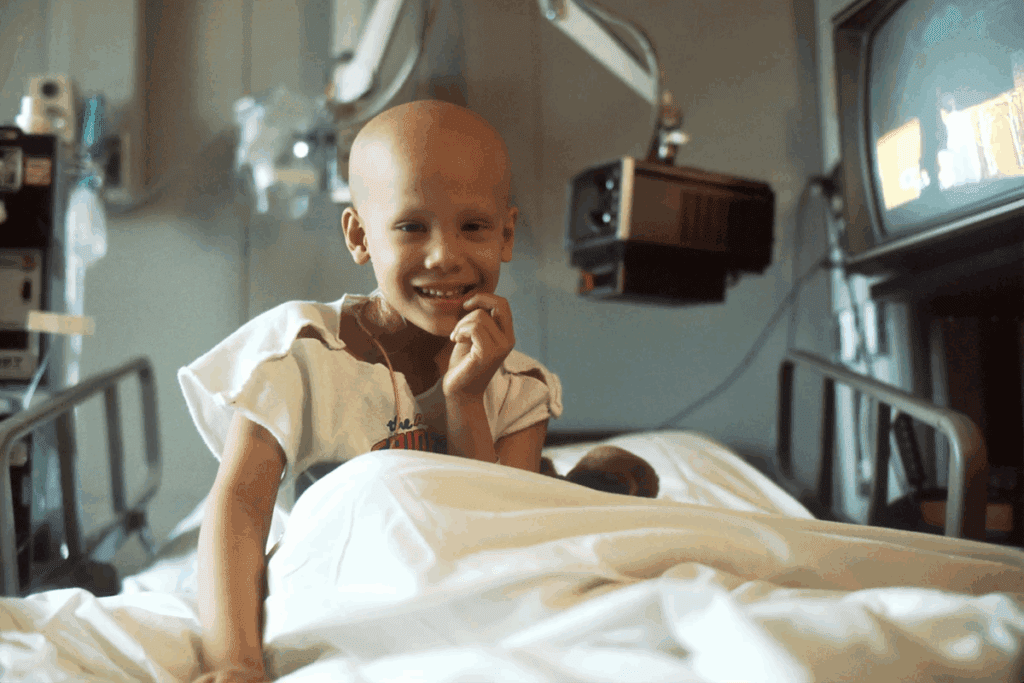
Pediatric oncology deals with cancers in children. It involves diagnosing, treating, and managing these cancers. Pediatric oncologists work with a team to give complete care to their patients.
| Aspect | Description | Importance |
| Molecular Testing | Identifies genetic mutations in tumors | Critical for tailored treatment plans |
| Early Detection | Prompt identification of cancer symptoms | Improves survival rates and reduces long-term health issues |
| Multidisciplinary Care | Team-based approach including oncologists, surgeons, and support staff | Provides complete care to patients |
Examples of Rare Pediatric Cancers
It’s important to know about rare cancers in kids to help them get better. These cancers are different and need special care.
Wilms Tumor
Wilms tumor, or nephroblastoma, is a rare kidney cancer in kids. It shows up as a big mass in the belly. Early detection is key to treatment.
“The way we treat Wilms tumor has changed a lot,” says a pediatric oncologist. Multimodal treatment, like surgery, chemo, and sometimes radiation, has helped more kids survive.
Osteosarcoma
Osteosarcoma is the most common bone cancer in teens and kids. It happens in long bones like arms and legs. Symptoms include pain and swelling in the affected area.
To treat osteosarcoma, doctors use aggressive chemotherapy and surgery to remove the tumor. New surgery methods help save more limbs.
Neuroblastoma
Neuroblastoma is a rare cancer in nerve cells, often in the adrenal glands, neck, chest, or pelvis. It’s most common in young kids. Symptoms vary widely based on where the tumor is.
Treatment for neuroblastoma can be observation for low-risk cases or intense chemo and surgery for high-risk cases. Researchers are working on new treatments to help high-risk patients.
In summary, Wilms tumor, osteosarcoma, and neuroblastoma are rare cancers in kids that need special care. Knowing about these cancers helps doctors find better ways to treat them.
Rarity and Statistics of Pediatric Cancers
It’s important to know how rare and common pediatric cancers are. This knowledge helps us improve care for kids. We’ll look at how often these cancers happen in the U.S. and how they differ by age and gender.
Incidence Rates in the U.S.
Childhood cancer rates have gone up a bit over the years. This shows we need more research and better ways to find cancer early. Despite this, deaths from childhood cancer have dropped by over half, thanks to better treatments.
Variability by Age and Gender
How often kids get cancer changes with age and gender. Some cancers are more common in certain ages or genders. For example, some studies say boys might get some cancers more than girls.
Looking at these numbers is tricky. It involves many factors like age, gender, and cancer type. By studying these, we can care better for kids and their families.
Common Symptoms and Warning Signs
Knowing the common symptoms and warning signs of pediatric cancer can greatly improve treatment results. As we explore childhood tumor studies, it’s clear that catching it early is key. This is vital in tackling medical diagnostic challenges.
Physical Symptoms to Watch For
Children with cancer may show a variety of physical symptoms that need quick action. These include ongoing tiredness, unexplained weight loss, and unusual lumps or swelling. It’s important to watch for these signs closely. They can point to the need for pediatric health research.
Other physical symptoms to watch for include:
- Persistent pain or discomfort
- Unexplained bruising or bleeding
- Changes in skin color or texture
- Recurring infections or fever
Psychological Effects on Children
Pediatric cancer can deeply affect a child’s mind, impacting their mood and behavior. It’s vital to address these effects through thorough pediatric health research and support.
Some common psychological effects include:
- Anxiety and fear related to treatment and diagnosis
- Changes in mood or behavior
- Withdrawal from social activities or friends
By understanding these symptoms, we can better support children and families dealing with pediatric cancer.
Diagnosis and Screening Methods
Diagnosing pediatric cancers involves many steps. We use different imaging and blood tests. Getting the diagnosis right and fast is key to good treatment and results.
Diagnostic Imaging Techniques
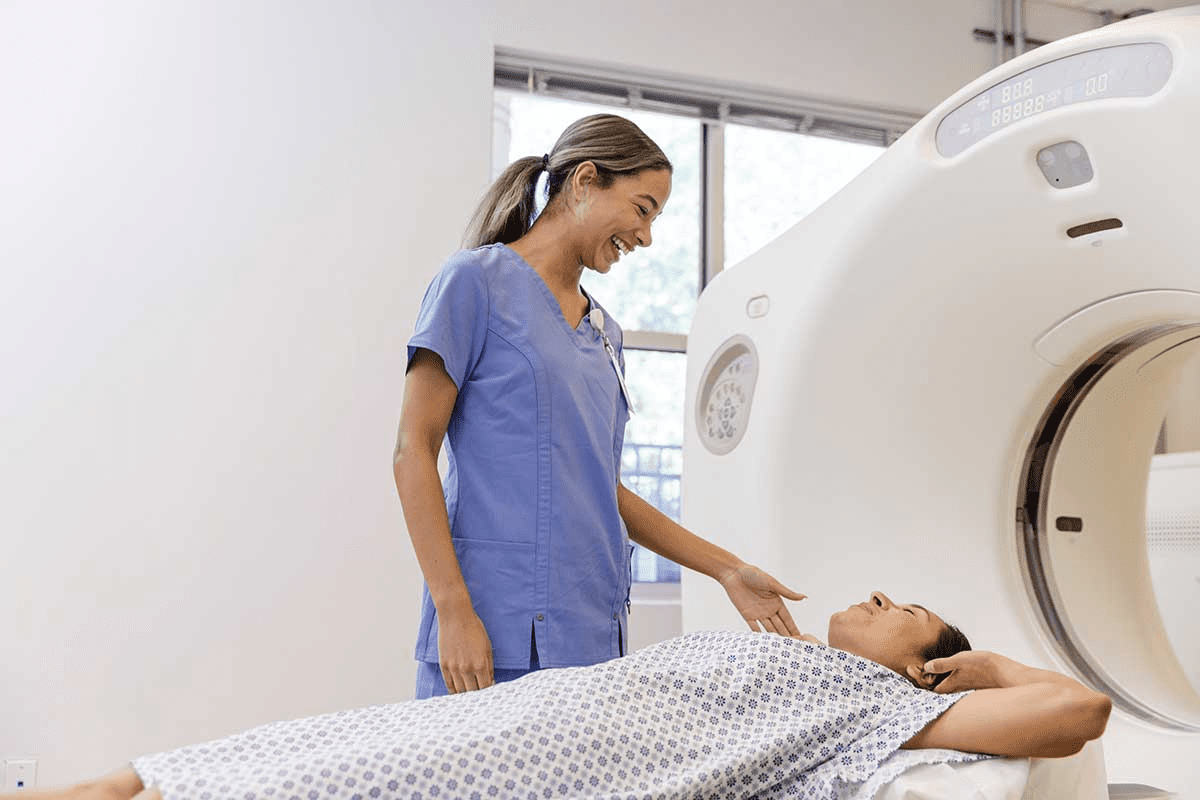
Imaging is very important in finding and understanding pediatric cancers. X-rays, CT scans, MRI scans, and PET scans help us see the tumor and how big it is.
We use these methods to plan biopsies and check how well treatments are working. Each method has its own benefits. We pick the best one based on the cancer type and the child’s health.
| Imaging Technique | Use in Pediatric Cancer Diagnosis |
| X-ray | Initial assessment, detecting bone abnormalities |
| CT Scan | Detailed cross-sectional images, staging |
| MRI Scan | Soft tissue tumors, detailed anatomy |
| PET Scan | Metabolic activity, assessing spread |
Blood Tests and Biomarkers
Blood tests are also very important in diagnosing pediatric cancers. They help find biomarkers linked to certain cancers. For example, some proteins or genetic material in the blood can show if there’s a tumor.
We check these biomarkers to see how the disease is growing and how well it’s responding to treatment. Knowing about specific biomarkers helps us decide on the best treatment and predict how well the child will do.
By using imaging, blood tests, and biomarker analysis together, we can make a more accurate diagnosis. This helps us create a treatment plan that fits the child’s needs.
Treatment Options for Rare Cancers
Treatment for rare cancers in kids includes surgery, radiation, and chemotherapy. Knowing the best treatments is key to better care in pediatric oncology.
Surgery and Radiation
Surgery is often the first step for many rare cancers in kids. It aims to remove the tumor completely. Sometimes, radiation therapy is used to kill any cancer cells left behind. This helps lower the chance of the cancer coming back.
Improvements in surgical techniques and radiation therapy have helped kids with rare cancers a lot. For example, precise radiation therapy can protect healthy tissues, reducing side effects later on.
Chemotherapy Protocols
Chemotherapy is a big part of treating many rare cancers in kids. Chemotherapy protocols are made for each child’s cancer type, stage, and health. They use a mix of drugs to fight cancer cells well.
- There are different chemotherapy plans for different rare cancers.
- The amount and length of chemotherapy are adjusted for each child.
- Watching for side effects is very important in chemotherapy care.
Emerging Therapies and Clinical Trials
New treatments like immunotherapy and targeted therapy give hope to kids with rare cancers. These are often tested in clinical trials, which study new treatments’ safety and how well they work.
Joining clinical trials can give kids access to new treatments not yet available. Families should talk to their doctors about the benefits and risks to make the right choice.
As research gets better, the field of pediatric oncology is changing. We’re dedicated to keeping families updated on rare pediatric cancers.
Supportive Care and Palliative Services
Supportive care and palliative services are key for kids with cancer. They help meet the physical, emotional, and social needs of these children. This makes their life better during treatment.
Importance of Psycho-social Support
Psycho-social support is very important for kids with cancer. It helps them deal with the emotional and social challenges they face. We offer counseling, support groups, and fun activities that fit their needs.
Counseling services are very helpful. They give kids and their families a safe place to share their feelings. Our counselors help them find ways to cope and offer emotional support.
Managing Side Effects of Treatment
Managing treatment side effects is key to keeping kids comfortable and on track with treatment. We use many strategies, like advanced pain management and nutritional support. We also help with physical limitations and other issues.
Pain management is a big part of supportive care. Our team uses medicine and other methods to control pain. This makes the child feel better overall.
By adding supportive care and palliative services to treatment plans, we improve kids’ lives with cancer. Our team works together to give complete care. They focus on the child’s physical, emotional, and social needs.
Research and Advancements in Treatment
The field of pediatric cancer treatment is changing fast thanks to oncological research. We’re seeing big changes in how we treat rare and complex cancers in kids. This progress comes from understanding the genetic and molecular causes of these diseases better.
Overview of Recent Breakthroughs
Recent discoveries in pediatric disease mapping have helped researchers find specific genetic mutations linked to different pediatric cancers. This knowledge has led to the creation of targeted therapies. These new treatments are more effective and have fewer side effects than the old ones.
Immunotherapy has also made big strides. It uses the body’s immune system to fight cancer. Clinical trials have shown that CAR-T cell therapy and other immunotherapies can be very effective against relapsed or refractory pediatric cancers.
Role of Clinical Trials in Pediatric Oncology
Clinical trials are key in moving forward with pediatric cancer treatments. They offer a safe way to test new therapies on children. We count on clinical trials to check out new chemotherapy, radiation, and surgery methods.
The rare disease investigation part of clinical trials is very important. It helps us tackle the unique challenges of rare pediatric cancers. By joining clinical trials, families can get access to new treatments. They also help develop therapies that could help other kids in the future.
As we explore new possibilities in pediatric oncology, oncological research will keep leading the way. We’re dedicated to supporting ongoing research and clinical trials. This ensures we can give the best care to our patients and their families.
Challenges Faced by Families
When a child is diagnosed with cancer, families face many challenges. These go beyond just medical treatment. The journey from diagnosis to recovery is complex and affects families in different ways.
Emotional and Financial Impacts
The emotional impact of a pediatric cancer diagnosis is huge. Families feel shock, denial, anxiety, and depression. The emotional strain affects not just the child but also siblings, parents, and extended family. The emotional impacts can be long-lasting, requiring ongoing support and care.
Financially, the cost of pediatric cancer care is high. Treatment costs include hospital stays, medications, and travel. Many families struggle financially, with some losing their savings or facing bankruptcy. Financial assistance programs and support services are key in helping families.
| Financial Impact | Percentage of Families Affected | Average Cost |
| Medical Expenses | 85% | $50,000+ |
| Travel and Accommodation | 60% | $10,000+ |
| Lost Income | 70% | $20,000+ |
Navigating the Healthcare System
Navigating the healthcare system is tough for families with pediatric cancer. The care involves many specialists and treatments. Families need to coordinate and advocate for their child’s care.
Effective navigation of the healthcare system involves:
- Understanding the child’s diagnosis and treatment plan
- Coordinating care among multiple healthcare providers
- Accessing financial assistance and support services
- Maintaining open communication with healthcare teams
By understanding the challenges and finding ways to navigate them, families can cope better with pediatric cancer. We, as healthcare providers, aim to support families. We offer care that meets the medical, emotional, and financial needs of children with cancer and their families.
Seeking Specialized Care
Families of children with cancer should look for specialized care from teams of experts. This care is key to the best treatment. Getting the right care can greatly improve treatment results.
Specialized care means a team of experts in pediatric oncology working together. They consider every part of a child’s care, from start to finish.
Importance of Multidisciplinary Teams
A multidisciplinary team includes many healthcare experts. These include pediatric oncologists, surgeons, and more. They create a treatment plan just for the child.
- Pediatric oncologists who specialize in treating childhood cancers
- Surgical oncologists who perform surgical interventions
- Radiation oncologists who administer radiation therapy
- Nurses and support staff who provide emotional and practical support
Together, these teams offer comprehensive care. They meet the child’s physical, emotional, and psychological needs.
Top Pediatric Oncology Centers in the U.S.
The U.S. has many top pediatric oncology centers.
These centers are known for treating rare and complex cancers. They also offer new treatments through clinical trials. This helps advance pediatric oncology.
We suggest families look into these centers. This way, their child gets the best care possible.
Conclusion: The Future of Pediatric Cancer Care
Looking at rare pediatric cancers, we see hope for better care. We’ve talked about the different types of cancers in kids, the need for early detection, and the treatments available.
Advancements in Treatment and Research
New research is bringing hope to kids with rare cancers. Scientists are finding new ways to treat these diseases. This research is key to improving care for children.
Importance of Advocacy and Support
Supporting families with pediatric cancer is just as important. Advocacy and strong support systems help a lot. Together, we can make a big difference in the lives of kids and their families.
FAQ
What is considered a rare pediatric cancer?
Rare pediatric cancers are found in a small number of kids with cancer. They can be hard to diagnose and treat. This is because they are rare and need special care.
How common are rare pediatric cancers?
Rare pediatric cancers make up a small part of all childhood cancers. Some types are very rare. They have a low rate of occurrence, as shown by pediatric cancer studies.
What are some examples of rare pediatric cancers?
Examples include Wilms tumor, osteosarcoma, and neuroblastoma. Each has its own traits and needs a specific treatment plan.
What are the symptoms of rare pediatric cancers?
Symptoms vary by cancer type. They might include pain, swelling, or unusual bleeding. They can also affect a child’s mood or behavior.
How are rare pediatric cancers diagnosed?
Doctors use imaging, blood tests, and biomarkers for diagnosis. Getting the diagnosis right is key to effective treatment.
What treatment options are available for rare pediatric cancers?
Treatments include surgery, radiation, and chemotherapy. New therapies and clinical trials offer hope for better treatments.
Why is supportive care important for children with cancer?
Supportive care helps manage side effects and improves quality of life. It includes psycho-social support for kids and their families.
How can families navigate the healthcare system for a child with cancer?
Families should seek care at the top pediatric oncology centers. These centers have teams ready to provide all-around care and support.
What is the role of clinical trials in pediatric oncology?
Clinical trials are key in finding new treatments for pediatric cancers. They test new therapies, giving hope for better outcomes.
How can we raise awareness about rare pediatric cancers?
We can raise awareness through advocacy. This includes educating the public and healthcare providers about these cancers. It helps with early detection and support.
What is the future of pediatric cancer care?
The future looks bright with ongoing research and new treatments. Advocacy and support systems are vital for better outcomes for kids with cancer.
References
- Palmer, C., et al. (2023). Rare Tumors: Opportunities and challenges from the Children’s Oncology Group. Pediatric Blood & Cancer, 70(7), e30519. https://www.ncbi.nlm.nih.gov/pmc/articles/PMC10566015/