Last Updated on December 1, 2025 by Bilal Hasdemir

Although cancer in children is rare, its impact is significant. The National Cancer Institute’s SEER Program says about 1 in 285 children in the U.S. will get cancer before they turn 20.Rarity of pediatric cancersWhat Is The Cause Of Hepatoblastoma? Age Of Hepatoblastoma Diagnosis
This shows that pediatric cancers are not common like adult cancers. But, the emotional and social effects are huge.
Knowing how often pediatric cancers happen is key. It helps us plan and support families better.
Key Takeaways
- Pediatric cancers are rare, affecting 1 in 285 children in the U.S. before age 20.
- The prevalence of childhood cancers is low compared to adult cancer rates.
- Understanding childhood cancer statistics is vital for resource allocation and family support.
- Pediatric cancer diagnoses have a significant emotional and societal impact.
- Data from the National Cancer Institute’s SEER Program provides valuable insights into pediatric cancer incidence.
Understanding Pediatric Cancers

Pediatric cancers, or childhood cancers, are serious diseases in kids under 20. They are malignant and affect children in different ways. It’s important to know about their definition, types, and who gets them.
Definition and Classification of Childhood Cancers
Childhood cancers are divided into 12 main types. This helps us understand the various cancers kids can get. The main types include leukemias, lymphomas, brain tumors, and solid tumors.
Age Groups Most Affected
Pediatric cancers hit kids at all ages, from babies to teens. Each age group has its own risk levels.
Infants and Toddlers
Infants and toddlers have their own cancer types. For example, neuroblastoma is common in this age.
School-Age Children
School kids are often at risk for acute lymphoblastic leukemia (ALL). It’s the top childhood cancer.
Adolescents
Teenagers are more likely to get cancers like lymphomas and some solid tumors. These are similar to adult cancers.
The Rarity of Pediatric Cancers
Childhood cancers are rare but serious worldwide. They need our attention because of their impact on young lives and families. These cancers are less common than those in adults but affect kids deeply.
Annual Incidence Rates in the United States
In the U.S., about 15.3 out of 100,000 kids and teens under 20 get cancer each year. This means 1 in 6,500 young people are diagnosed with cancer. It shows how rare these cancers are.
Statistical Breakdown by Age
How common pediatric cancers change with age. Some cancers hit certain age groups more. This makes it important to tailor treatments for each age group.
Geographical Distribution
In the U.S., where kids get cancer varies. This might be due to different environments and healthcare access. It’s a clue to why some places have more cases.
Global Perspective on Childhood Cancer Frequency
Worldwide, childhood cancer rates are similar, but not the same everywhere. Studies and teamwork across borders are key to understanding these differences. They help improve care for kids with cancer everywhere.
Looking at childhood cancer globally shows we need more research and teamwork. This rare but serious issue demands our ongoing effort to find better treatments and care.
Comparing Childhood and Adult Cancer Rates

Cancer is much rarer in kids than in grown-ups. This leads us to look into why. It’s a big deal, as cancer kills many adults but is rare in children.
Statistical Differences Between Age Groups
Studies show a big gap in cancer rates between kids and adults. For example, kids with cancer have a much better chance of surviving (78%) than adults (62%). This shows that cancers in kids and adults are very different.
| Age Group | Cancer Incidence Rate | Five-Year Survival Rate |
| Children | Lower | 78% |
| Adults | Higher | 62% |
Why Children Have Lower Cancer Risks
Cellular and Developmental Factors
Kids’ cells are stronger and can fix themselves better. This might help explain why they get cancer less often. Also, how kids’ cells and tissues grow might help prevent cancer.
Lifestyle and Environmental Exposure Differences
Grown-ups are more likely to smoke and stay in the sun too long. These habits increase their cancer risk. Kids, on the other hand, are exposed to fewer harmful things, making them less likely to get cancer.
In short, the difference in cancer rates between kids and adults comes from many factors. These include how cells work, how we grow, and our lifestyle. Knowing these differences helps us find better ways to prevent and treat cancer.
Most Common Types of Pediatric Cancers
It’s important to know the main types of pediatric cancer for early treatment. These cancers are rare but affect kids in different ways.
Leukemias and Lymphomas
Leukemia is the top childhood cancer, making up 25% of cancers before age 20. Acute lymphoblastic leukemia (ALL) is the most common, at 80% of cases. Lymphomas, affecting the immune system, are also key in pediatric cancer.
Brain and Central Nervous System Tumors
Brain and CNS tumors are the second most common in kids. These can be benign or malignant, with varying severity. Medulloblastoma and gliomas are examples of these tumors.
Solid Tumors in Children
Solid tumors in kids include cancers in different body parts. Examples are neuroblastoma, Wilms tumor, and rhabdomyosarcoma.
Neuroblastoma
Neuroblastoma comes from immature nerve cells in the body. It often starts in the adrenal glands, near the kidneys.
Wilms Tumor
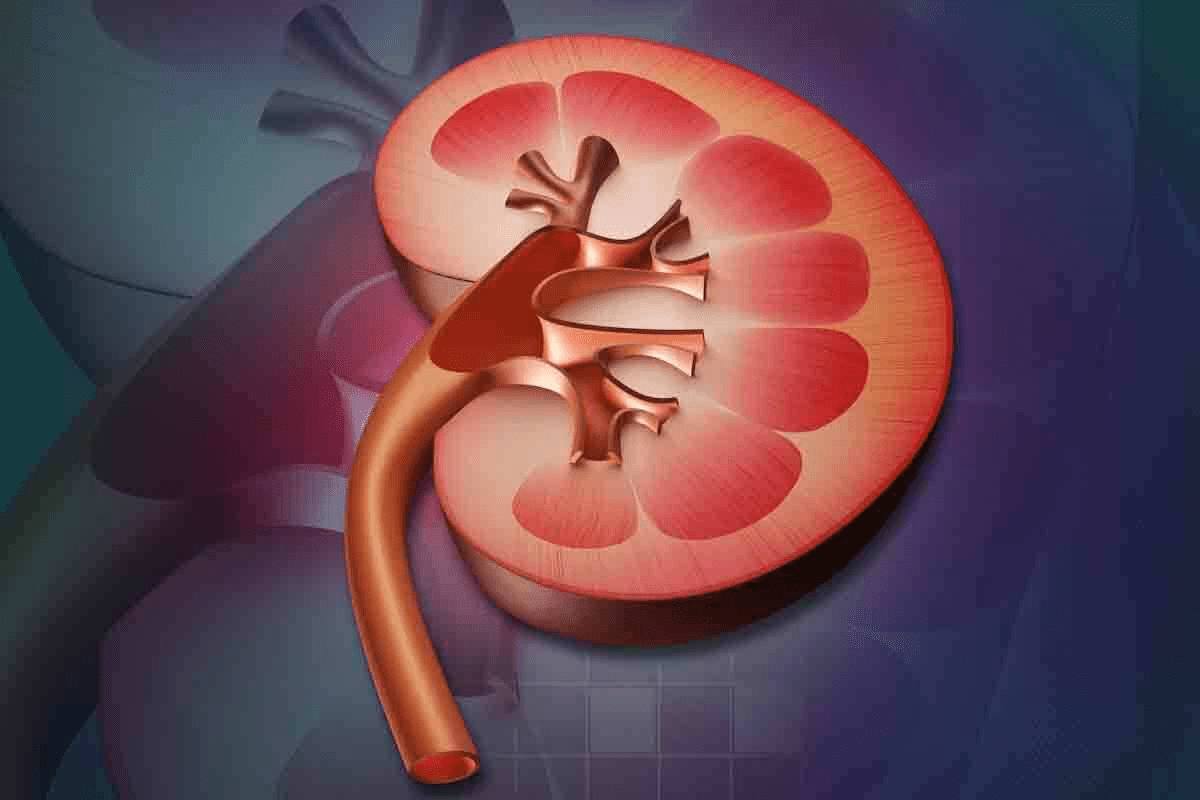
Wilms tumor, or nephroblastoma, mainly hits kids. It’s a kidney cancer, usually in one kidney, but can be in both.
Rhabdomyosarcoma
Rhabdomyosarcoma is a soft tissue cancer from muscle precursors. It’s the most common soft tissue sarcoma in kids, with different types based on location and type.
Extremely Rare Forms of Childhood Cancer
Some childhood cancers are so rare, they’re hard to diagnose and treat. These rare cancers fall into two main groups: rare blood cancers and uncommon solid tumors. Each group has its own unique traits and challenges.
Rare Blood Cancers in Children
Children can get rare blood cancers like Myelodysplastic Syndromes and Juvenile Myelomonocytic Leukemia. These conditions are rare and can be tricky to spot.
Myelodysplastic Syndromes
Myelodysplastic syndromes (MDS) are disorders where blood cells don’t form right. It’s rare in kids and often linked to genetic issues, like Down syndrome.
Juvenile Myelomonocytic Leukemia
Juvenile myelomonocytic leukemia (JMML) is a serious leukemia that mostly hits young kids. It causes too many myeloid cells, leading to serious health issues.
Uncommon Solid Tumors
Children can also get rare solid tumors like Hepatoblastoma and Adrenocortical Carcinoma. These tumors are rare and pose unique treatment challenges.
Hepatoblastoma
Hepatoblastoma is a rare liver cancer that mostly affects kids under three. It’s often linked to genetic conditions and needs quick treatment.
Adrenocortical Carcinoma
Adrenocortical carcinoma is a rare tumor in the adrenal gland. It can cause hormonal imbalances and other problems. Its rarity makes diagnosis and treatment planning tough.
| Rare Cancer Type | Age Group Affected | Key Characteristics |
| Myelodysplastic Syndromes | Children of all ages | Poorly formed blood cells, often linked to genetic conditions |
| Juvenile Myelomonocytic Leukemia | Young children | Excessive proliferation of myeloid cells |
| Hepatoblastoma | Children under 3 years | Rare liver cancer, associated with genetic syndromes |
| Adrenocortical Carcinoma | Children and adolescents | Rare adrenal gland tumor, can cause hormonal imbalances |
Genetic and Environmental Risk Factors
Pediatric cancers come from a mix of genetic and environmental factors. Knowing these risks helps find and treat childhood cancers early.
Hereditary Predisposition to Pediatric Cancers
About 8% to 10% of childhood cancers are linked to inherited genetic changes. Some genetic syndromes raise the risk of getting pediatric cancers.
Known Genetic Syndromes
Li-Fraumeni syndrome, Down syndrome, and neurofibromatosis are linked to higher cancer risks in kids. These syndromes often come from mutations in genes that fight tumors.
Family History Considerations
A family history of cancer, like in first-degree relatives, is a big risk factor. Kids with such a history might need genetic counseling and screening.
Environmental Exposures and Their Impact
Environmental factors, like prenatal and early life exposures, radiation, and chemicals, also affect pediatric cancer risk.
Prenatal and Early Life Exposures
Being exposed to things like tobacco smoke and certain chemicals in the womb raises cancer risk in kids.
Radiation and Chemical Exposures
Ionizing radiation, from medical tests or pollution, ups the risk of some cancers. Chemicals, like pesticides and heavy metals, also play a role.
| Risk Factor | Description | Impact on Pediatric Cancer Risk |
| Genetic Syndromes | Li-Fraumeni syndrome, Down syndrome, neurofibromatosis | Increased risk due to mutations in tumor suppressor genes |
| Prenatal Exposures | Tobacco smoke, certain chemicals | Increased risk of childhood cancers |
| Radiation Exposure | Ionizing radiation from medical procedures or environmental contamination | Increased risk of certain types of cancer |
Challenges in Diagnosing Rare Pediatric Cancers
Diagnosing rare pediatric cancers is tough because their symptoms are not clear. These symptoms can look like common childhood illnesses. This makes it hard for doctors to spot the problem quickly and correctly.
Symptoms Often Mistaken for Common Childhood Illnesses
The first signs of rare pediatric cancers, like tiredness, fever, and pain, are often mistaken. They can seem like the flu or a viral infection. This mistake can cause delays in finding and treating the cancer. Early detection is key for better treatment and survival chances.
Diagnostic Procedures and Timelines
Diagnosing rare pediatric cancers involves several steps. First, doctors use basic tests and then more advanced ones. Finding the cancer early is important to stop it from getting worse.
Initial Screening Methods
The first tests usually include complete blood counts (CBC) and imaging like X-rays or ultrasounds. These help find any signs that might mean cancer.
Advanced Diagnostic Techniques
Later, doctors use biopsies and molecular testing to confirm the cancer type. These tests give the needed details for a good treatment plan.
Treatment Approaches and Survival Rates
Medical science has made big strides in treating childhood cancers. Now, about 80% of kids with cancer survive for five years. This shows how well modern treatments work.
Standard Treatment Protocols
Doctors use different ways to treat pediatric cancers. These include:
- Surgery: To remove tumors and affected tissues.
- Chemotherapy: Using drugs to kill cancer cells.
- Radiation Therapy: High-energy rays to target and destroy cancer cells.
Surgery
Surgery helps remove solid tumors. New surgical methods have made recovery faster and outcomes better.
Chemotherapy
Chemotherapy fights cancer cells all over the body. It’s a key treatment for leukemias and lymphomas.
Radiation Therapy
Radiation therapy treats specific tumors. It’s used when surgery isn’t possible.
Survival Statistics for Different Types of Pediatric Cancers
Survival rates differ by cancer type. For example, kids with acute lymphoblastic leukemia (ALL) have a 90% 5-year survival rate. But, brain tumor survival rates are between 70% to 80%.
Long-term Effects of Treatment
Treatment has improved, but it can have lasting effects. Survivors might face organ problems, growth issues, and higher cancer risks later. It’s important to keep an eye on these effects and get ongoing care.
Psychological Impact on Children and Families
Getting a diagnosis of pediatric cancer is very hard. It can deeply affect children and their families. They might feel scared, worried, and sad.
Coping with a Rare Cancer Diagnosis
Dealing with a rare cancer diagnosis is tough. Families have to handle a lot, like understanding medical info and making big decisions. They also need to take care of the daily needs of their loved one.
Emotional support is key. Families find help in counseling and support groups. These help them deal with their feelings and find ways to cope.
Long-term Psychological Effects
The effects of a pediatric cancer diagnosis can last a long time. It affects not just the child but also their parents and siblings.
For the Child
Children who have had cancer might feel anxious, depressed, or have PTSD. They need ongoing support to handle these feelings.
For Parents and Siblings
Parents and siblings can also be deeply affected. They might feel stressed, anxious, and emotionally strained. The family’s life can change, and siblings might feel left out or struggle with their feelings.
Families who get the right support, like counseling, can better face the challenges of pediatric cancer. Knowing the long-term effects helps them prepare and find the support they need.
Research and Clinical Trials for Rare Childhood Cancers
The battle against rare childhood cancers has made big strides. This is thanks to research initiatives and clinical trials. These efforts are key to fighting these rare diseases.
Current Research Initiatives
Research is diving deep into the causes of rare childhood cancers. It looks at genetic and molecular factors. Collaborative research efforts among institutions are helping us understand these cancers better.
Promising Developments in Treatment
New treatments are showing great promise. Notably, immunotherapy advances and targeted therapies are giving hope.
Immunotherapy Advances
Immunotherapy uses the body’s immune system to fight cancer. Techniques like CAR-T cell therapy are being tested. They show great promise in treating some rare childhood cancers.
Targeted Therapies
Targeted therapies aim to hit cancer cells hard while sparing healthy ones. They’re made based on the cancer’s unique genetic traits.
Conclusion
Pediatric cancer is rare but affects thousands of kids every year. It’s important to know about the different types, how it’s diagnosed, and how it’s treated. This knowledge helps improve survival rates and quality of life for these children.
Because pediatric cancer is rare, it’s key to raise awareness and fund research. Leukemias, brain tumors, and lymphomas are common types. Some age groups are more at risk. Finding cancer early is hard, so it’s vital to see a doctor quickly if symptoms don’t go away.
Treatment plans depend on the cancer type and how far it has spread. Thanks to research and clinical trials, survival rates are getting better. But, the emotional toll on kids and their families is big, so they need strong support.
In short, knowing about pediatric cancer is key to early detection and effective treatment. We must keep researching and support families affected by it. By focusing on awareness, we aim for a future where every child with cancer has a good chance of survival and a healthy life.
FAQ
How common are pediatric cancers?
Pediatric cancers are rare, making up less than 1% of all new cancer cases. The National Cancer Institute says they are most common in kids under 5.
What are the most common types of pediatric cancers?
Common pediatric cancers include leukemias, lymphomas, and brain tumors. Solid tumors like neuroblastoma and Wilms tumor are also common.
What is the incidence of pediatric cancers worldwide?
Worldwide, about 300,000 new cases of childhood cancer are diagnosed each year.
Why do children have lower cancer risks compared to adults?
Children’s cells are more resilient and have fewer genetic mutations. They also have less exposure to cancer-causing substances.
What are the rare forms of childhood cancer?
Rare childhood cancers include acute myeloid leukemia and uncommon solid tumors like rhabdomyosarcoma and Ewing’s sarcoma.
What are the genetic risk factors associated with pediatric cancers?
Genetic factors include hereditary predisposition and syndromes like Li-Fraumeni and Down syndrome.
How are pediatric cancers diagnosed?
Diagnoses involve physical exams, imaging, and lab tests like biopsies and genetic testing.
What are the challenges in diagnosing rare pediatric cancers?
Diagnosing rare cancers is hard because symptoms can be mistaken for common illnesses. Advanced diagnostic techniques are needed.
What are the treatment approaches for pediatric cancers?
Treatments include surgery, chemotherapy, and radiation. They are often used together, tailored to the cancer type and stage.
What are the survival rates for pediatric cancers?
Survival rates have improved, with over 85% of children surviving 5 years or more in many countries.
What are the long-term effects of pediatric cancer treatment?
Treatment can lead to physical, emotional, and cognitive challenges. Ongoing support and care are essential for survivors.
How can families cope with a rare pediatric cancer diagnosis?
Families can seek support from healthcare providers, support groups, and counseling. Staying informed about their child’s condition is also important.
What is the current state of research on pediatric cancers?
Research aims to improve treatment outcomes and understand risk factors. New treatments, including immunotherapy and targeted therapies, are being developed
References
Results: With 248 749 cases reported between 2003 and 2019, the overall cancer incidence rate was 178.3 per 1 million; incidence rates were …
https://pubmed.ncbi.nlm.nih.gov/37433078/