Last Updated on November 25, 2025 by Ugurkan Demir
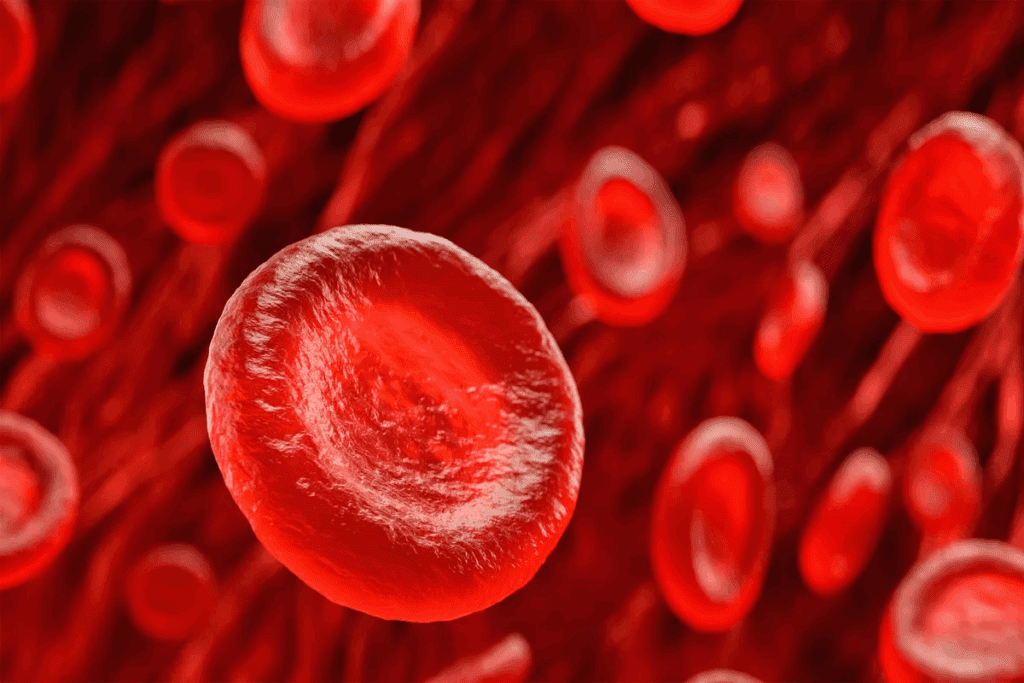
Seeing red blood cells in your urine during a routine test can worry you. But knowing what it means is the first step to better health.
Red blood cells, or erythrocytes, can be in urine even if you can’t see them. This is called hematuria. It could mean anything from a simple infection to serious kidney or urological problems rbc in urine.
About one in ten people will have hematuria at some time. We’ll explain why red blood cells in urine matter. We’ll also show you how to deal with any health issues it might point to.
Key Takeaways
- Hematuria is the presence of red blood cells in urine, which can be a sign of various health conditions.
- The condition can be caused by infections, kidney disease, or other urological issues.
- A urinalysis is used to detect hematuria, even when red blood cells are not visible.
- Experiencing hematuria is relatively common, affecting approximately one in ten people.
- Understanding the cause of hematuria is key to addressing any health concerns.
Understanding RBC in Urine and Its Significance

It’s important to know about red blood cells in urine for health checks. These cells, or erythrocytes, in urine can show many health problems. This includes infections and serious issues like kidney disease.
What Are Erythrocytes (Red Blood Cells)?
Erythrocytes, or red blood cells, carry oxygen in the body. But, finding them in urine is not normal. It means there might be health issues. Red blood cells in urine are found through urinalysis, a urine test.
Normal RBC Levels in Urine
Usually, urine has few or no red blood cells. A count of less than 3 RBCs per high power field (HPF) is normal. More than 3 RBCs per HPF means there’s hematuria, or blood in the urine.
Prevalence of Hematuria
Hematuria happens to about one in ten people at some time. It’s common and shows the need to know its causes and effects. It can be a sign of a serious problem or a simple infection.
Knowing about erythrocytes, their normal levels, and hematuria helps us understand RBC in urine. It shows how it can affect our health.
Types of Hematuria
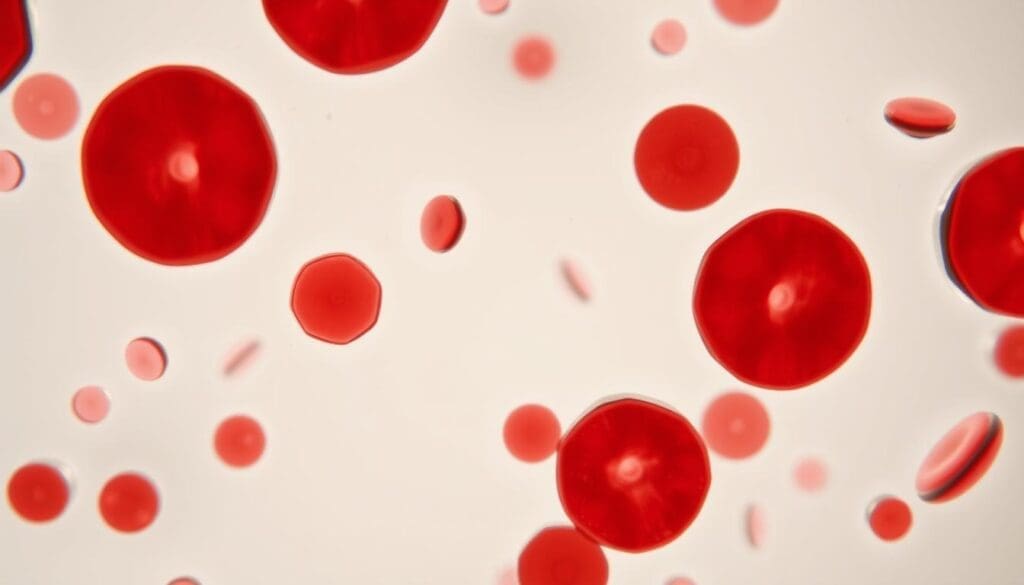
Hematuria, or red blood cells in urine, is not just one condition. It’s a symptom with different types. Knowing these types helps find the cause and the right treatment.
Microscopic Hematuria
Microscopic hematuria means red blood cells in urine seen only under a microscope. It doesn’t change urine color and is often found in routine tests. It can signal many issues, from infections to kidney stones or early kidney disease. Finding the cause is key.
Gross Hematuria
Gross hematuria makes urine look pink, red, or tea-colored because of lots of red blood cells. This is a clear sign of bleeding in the urinary tract. It’s similar to microscopic hematuria but might mean a more serious problem. Quick medical check-ups are needed to find the source.
RBC Trace in Urine: What It Means
An RBC trace means a small amount of red blood cells in urine. It might be normal for some people. But, even a small amount can mean early signs of a problem. Doctors look at the whole picture to understand its meaning.
In summary, hematuria includes many conditions with red blood cells in urine. Knowing the difference between microscopic and gross hematuria, and what an RBC trace means, is vital. We’ll keep looking into causes, diagnosis, and treatments in the next parts.
Common Causes of Elevated RBC in Urine
We will explore the common causes of elevated RBC in urine. This helps you understand the possible health issues. Elevated red blood cells in urine can signal many health problems, from infections to structural issues in the urinary tract.
Urinary Tract Infections
Urinary tract infections (UTIs) are a common cause of hematuria. UTIs happen when bacteria enter the urinary tract, causing infection and inflammation. This inflammation can lead to bleeding, showing up as red blood cells in the urine.
Symptoms of UTIs include burning during urination, frequent urination, and abdominal pain. If not treated, UTIs can cause serious kidney damage.
Kidney Stones
Kidney stones are another common cause of elevated RBC in urine. These stones are hard deposits made of minerals and salts that form inside the kidneys. When a stone moves through the urinary tract, it can cause irritation, bleeding, and pain.
Common symptoms of kidney stones include severe pain in the side or back, nausea, and vomiting. Red blood cells in urine often indicate a stone is causing irritation or blockage.
Enlarged Prostate
An enlarged prostate gland can also cause hematuria. As the prostate gland enlarges, it can press against the urethra, causing urinary symptoms and potentially leading to bleeding.
Symptoms of an enlarged prostate include difficulty starting urination, weak urine flow, and frequent urination. In some cases, an enlarged prostate can cause visible blood in the urine.
Glomerulonephritis and Kidney Disease
Glomerulonephritis is an inflammation of the glomeruli, the filtering units of the kidneys. This condition can lead to hematuria and is often associated with kidney disease.
| Condition | Common Symptoms | Potential Complications |
| Urinary Tract Infections | Burning during urination, frequent urination | Kidney damage |
| Kidney Stones | Severe pain, nausea, vomiting | Blockage, infection |
| Enlarged Prostate | Difficulty starting urination, weak urine flow | Urinary retention, infection |
| Glomerulonephritis | Hematuria, proteinuria | Kidney failure |
Understanding the common causes of elevated RBC in urine is key for seeking medical care. If you have hematuria, it’s important to see a healthcare professional. They can find the cause and provide the right treatment.
Less Common Causes of Blood in Urine
Red blood cells in urine can come from many less common causes. These are not as well-known as urinary tract infections or kidney stones. Yet, they can also lead to blood in the urine.
Medications and Blood Thinners
Some medicines can cause blood in urine as a side effect. Blood thinners, for example, can make it easier to bleed, including in the urinary tract. Other drugs, like certain antibiotics and anti-inflammatory medicines, can also cause this problem.
Strenuous Exercise
Doing a lot of exercise, like long-distance running, can lead to blood in urine. This is called “runner’s hematuria.” It’s not clear why this happens, but it might be because of damage to the bladder or lack of blood flow.
Blood Disorders
Blood disorders, like bleeding problems or issues with blood clotting, can also cause blood in urine. Conditions like hemophilia or von Willebrand disease can make it more likely to bleed in the urinary tract.
Inherited Disorders
Inherited conditions, such as sickle cell disease or polycystic kidney disease, can also lead to blood in urine. These conditions can harm the kidneys and urinary tract, causing blood to appear in the urine.
It’s important to know about these less common causes of blood in urine. Doctors need to think about these possibilities when they see patients with this problem.
| Less Common Cause | Description |
| Medications and Blood Thinners | Certain medications, including blood thinners, can increase the risk of bleeding in the urinary tract. |
| Strenuous Exercise | Activities like long-distance running can cause bladder trauma or ischemia, leading to hematuria. |
| Blood Disorders | Conditions that affect blood clotting, such as hemophilia, can increase the risk of bleeding in the urinary tract. |
| Inherited Disorders | Conditions like sickle cell disease or polycystic kidney disease can affect the kidneys and urinary tract, leading to hematuria. |
Diagnosis Methods for Red Blood Cells in Urinalysis
When red blood cells are found in urine, doctors use several tests to find the cause. These tests help doctors understand what’s happening. They look for the reason behind the bleeding.
Urinalysis and Microscopy
Urinalysis is the first step. It checks a urine sample for red and white blood cells and other signs. Microscopy is key to see the size and shape of red blood cells. This helps figure out where the bleeding is coming from.
Imaging Tests
Imaging tests help see the urinary tract. They look for any problems. Tests like ultrasound, CT scans, and IVP are common.
These tests find kidney stones, tumors, and other issues that might cause bleeding.
Cystoscopy
Cystoscopy uses a thin tube with a camera. It goes through the urethra into the bladder. This lets doctors see inside and find problems like tumors or stones.
Kidney Biopsy
Sometimes, a kidney biopsy is needed. It takes a small piece of kidney tissue for a closer look. This helps diagnose some kidney diseases.
The table below shows how doctors find the cause of bleeding in urine:
| Diagnostic Method | Purpose | Common Findings |
| Urinalysis and Microscopy | Detect RBCs, WBCs, and other abnormalities | Hematuria, infection, kidney damage |
| Imaging Tests | Visualize the urinary tract | Kidney stones, tumors, structural issues |
| Cystoscopy | Visualize the bladder and urethra | Tumors, stones, inflammation |
| Kidney Biopsy | Diagnose kidney diseases | Kidney damage, disease |
Symptoms Associated with High Red Blood Cells in Urine
Hematuria, or the presence of red blood cells in urine, can show itself in many ways. These symptoms need medical attention. We will look at the symptoms of hematuria, from visible urine changes to pain and other body symptoms.
Visible Symptoms
One clear sign of hematuria is blood in the urine. This can be a light color change or a deep red. Sometimes, urine may have clots. The blood can be seen sometimes or all the time, depending on the cause.
Pain and Discomfort
Pain or discomfort while urinating is a common symptom of hematuria. This can be:
- Dysuria (painful urination)
- Suprapubic pain (pain in the lower abdomen)
- Flank pain (pain in the side or back)
These signs can mean an infection, kidney stone, or other urinary tract problems.
Systemic Symptoms
Sometimes, hematuria comes with symptoms that show a bigger problem. These can be:
- Fever, which might mean an infection
- Fatigue, linked to chronic conditions or anemia
- Nausea and vomiting, possibly due to kidney disease or severe infection
These symptoms show why a full check-up is key to finding the cause of hematuria.
When Hematuria is Asymptomatic
Many times, hematuria doesn’t show symptoms. People might not notice red blood cells in their urine. This is why regular health checks and urine tests are important.
Even without symptoms, it’s vital to find out why hematuria is happening. This helps prevent serious health issues.
Treatment Options for Conditions Causing Hematuria
Understanding the cause of hematuria is key to finding the right treatment. Hematuria, or red blood cells in urine, can stem from infections, kidney stones, or complex kidney diseases.
Treating Infections
For UTI-caused hematuria, antibiotics are usually the first choice. It’s important to finish the antibiotic course to clear the infection. Sometimes, pain management is needed to ease discomfort.
Managing Kidney Stones
Kidney stones often lead to hematuria. Small stones might pass with more fluids and pain relief. But larger stones might need treatments like Extracorporeal Shock Wave Lithotripsy (ESWL) or surgery. We’ll look into these options further.
Addressing Underlying Conditions
When hematuria is a sign of a deeper issue like glomerulonephritis, treating the root cause is essential. This might include meds to fight inflammation, control blood pressure, or manage symptoms.
Surgical Interventions
In some cases, surgery is needed. This could be to remove stones, fix urinary tract issues, or take out tumors. The choice to have surgery depends on the diagnosis and symptom severity.
In summary, treating hematuria well means starting with finding the cause. This way, we can pick the best treatment, whether it’s antibiotics, managing stones, treating underlying issues, or surgery.
Prevention Strategies and Risk Reduction
To lower the chance of hematuria, it’s important to know its causes. Taking steps like eating right, drinking plenty of water, and managing health issues can help. By being proactive, you can greatly reduce the risk of getting conditions that cause red blood in your urine.
Hydration and Dietary Considerations
Drinking enough water is key for your urinary health. It helps dilute your urine, making it less likely to irritate or harm your kidneys. Try to drink 8-10 glasses of water a day, adjusting as needed based on your activity level.
What you eat also matters. Eating a diet full of fruits, veggies, and whole grains is good for your health. But, foods high in oxalate, like spinach and beets, can increase the risk of kidney stones. So, eat them in moderation.
Managing Chronic Conditions
Managing long-term health issues is critical to avoid hematuria. Conditions like diabetes, high blood pressure, and kidney disease raise your risk. Working with your doctor to manage these through medicine, lifestyle changes, and regular check-ups can help lower this risk.
Regular Health Screenings
Regular health checks are key for catching and managing issues that could lead to hematuria early. Make sure to have annual check-ups that include a urinalysis and other tests based on your health and risk factors.
Avoiding Nephrotoxic Substances
Some substances can harm your kidneys and urinary tract, leading to hematuria. It’s important to avoid or limit these substances. Always talk to your doctor before starting any new medicines or supplements to make sure they’re safe for your kidneys.
| Prevention Strategy | Description | Benefit |
| Staying Hydrated | Drink at least 8-10 glasses of water per day | Reduces concentration of harmful substances in urine |
| Dietary Adjustments | Eat a balanced diet with lots of fruits, veggies, and whole grains | Keeps you healthy and lowers kidney stone risk |
| Managing Chronic Conditions | Work with your doctor to manage diabetes, high blood pressure, and kidney disease | Reduces risk of hematuria |
| Regular Health Screenings | Annual check-ups with urinalysis | Helps catch and manage health issues early |
| Avoiding Nephrotoxic Substances | Limit exposure to harmful chemicals and drugs | Protects your kidneys and urinary tract |
Conclusion
Knowing about red blood cells in urine is key to spotting health issues. We’ve looked into why red blood cells in urine matter and what they might show. This includes what increased red blood cells in urine could mean.
We’ve talked about why red blood cells show up in urine. This includes infections, stones, and kidney problems. We also mentioned rare causes like certain medicines and genetic issues. Getting a proper diagnosis is vital to figure out why red blood cells are there.
Understanding the reasons and how to diagnose them helps in treating hematuria. It’s important to see a doctor for the right care. This way, you can manage your health better.
Red blood cells in urine can signal a serious issue that needs medical help. Being informed and proactive can help keep you healthy. It’s all about being aware and taking care of yourself.
FAQ
What does it mean to have red blood cells in my urine?
Red blood cells in your urine, known as hematuria, can signal many health issues. These range from simple infections to serious diseases like kidney problems or cancer.
What are normal RBC levels in urine?
Usually, urine should have no or very few red blood cells. A few might be okay, but a lot could mean there’s a problem.
What is the difference between microscopic and gross hematuria?
Microscopic hematuria means red blood cells are only seen with a microscope. Gross hematuria, on the other hand, is visible to the eye, making urine look red or cola-like.
What does an RBC trace in urine mean?
An RBC trace in urine means there’s a small amount of red blood cells. It might be a minor issue or the start of something more serious that needs checking.
What are the common causes of elevated RBC in urine?
Causes include urinary tract infections, kidney stones, an enlarged prostate, and glomerulonephritis. These can cause bleeding in the urinary tract, leading to hematuria.
How is hematuria diagnosed?
Doctors use urinalysis and microscopy to find red blood cells. They also do imaging tests like ultrasound or CT scans. Sometimes, they use cystoscopy or kidney biopsy to look inside the urinary tract or kidney tissue.
Can certain medications cause blood in urine?
Yes, some medications, like blood thinners and certain antibiotics, can cause hematuria. Always talk to your doctor about any medications you’re taking.
Are there any lifestyle changes that can help prevent hematuria?
Drinking plenty of water, managing conditions like high blood pressure or diabetes, and avoiding harmful substances can help prevent hematuria.
What are the treatment options for conditions causing hematuria?
Treatment varies based on the cause. It can include antibiotics for infections, surgery for kidney stones or obstructions, and managing chronic conditions.
Is hematuria always symptomatic?
No, hematuria can be without symptoms. Regular health checks are key to catching problems early.
What should I do if I notice blood in my urine?
If you see blood in your urine, see a doctor right away. They can figure out what’s wrong and how to treat it.
References
World Health Organization. (2025). What Does Red Blood Cells in Urine Indicate. Retrieved from https://apps.who.int/iris/bitstream/handle/10665/255479/9789241512613-eng.pdf?sequence=1