Last Updated on December 1, 2025 by Bilal Hasdemir

Did you know thousands of people have skull surgery each year? Skull surgery is a complex procedure. It treats serious conditions like brain tumors and skull fractures.Discover the top 5 critical reasons for skull surgery. Our essential list covers the surprising conditions, from tumors to trauma.
This surgery needs a lot of skill and care. It’s a key part of neurosurgery. Knowing why skull surgery is needed helps patients and their families understand it better.
Key Takeaways
- Brain tumors are a common reason for undergoing skull surgery.
- Skull fracture repair is another critical application of skull surgery.
- Other conditions, such as aneurysms, may also require surgical intervention.
- Skull surgery is a complex procedure that demands expertise.
- Understanding the necessity of skull surgery can help patients make informed decisions.
Understanding Skull Surgery: An Overview

Cranial surgery is a wide range of operations on the skull or brain. These surgeries are key for treating many brain and skull issues.
What Is Cranial Surgery?
Cranial surgery means removing part of the skull to reach the brain. It’s needed for removing tumors, fixing aneurysms, or treating injuries.
Types of Skull Surgery Procedures
Skull surgery falls into different types based on purpose and method. The main ones are:
- Surgery for brain tumors
- Aneurysm clipping
- Decompressive craniectomy for traumatic brain injuries
Open Craniotomy, Minimally Invasive Techniques
Skull surgery can be performed using open craniotomy or minimally invasive techniques. Open craniotomy needs a big cut and skull removal for brain access. On the other hand, minimally invasive techniques use small cuts and special tools to lessen damage and speed up healing.
Choosing between these methods depends on the patient’s health, the surgery type, and the surgeon’s skill. Knowing these options helps patients make better choices for their care.
Common Reasons for Skull Surgery

Skull surgery covers many procedures, from urgent to planned surgeries. Each has its own reasons and ways to diagnose. It’s key for patients and families to understand these to navigate the medical world.
Medical Conditions Requiring Cranial Intervention
Many health issues need surgery on the skull. These includetraumatic brain injuries,brain tumors, and problems with blood vessels likeaneurysmsorarteriovenous malformations. The seriousness of these problems decides if surgery is needed.
Emergency vs. Elective Skull Procedures
Skull surgeries are either urgent or planned. Urgent surgeries are for sudden issues likeintracranial hemorrhageor severetraumatic brain injuries. Planned surgeries are for things likebrain tumorsorcraniosynostosis.
Diagnostic Process Before Surgery
Before skull surgery, a series of tests and checks are done. These includeimaging studieslike MRI or CT scans,neurological examinations, and other tests. They help see the condition and plan the surgery.
| Diagnostic Test | Purpose |
| MRI or CT scans | To see the brain and skull structures |
| Neurological examinations | To check brain function and any problems |
| Other diagnostic tests | To check overall health and risks |
Brain Tumors and Skull Surgery
Brain tumors can greatly affect a person’s health. Often, the best treatment is skull surgery to remove them. The choice to have surgery depends on the tumor type, where it is, and the patient’s health.
Types of Brain Tumors Requiring Surgical Intervention
Brain tumors are divided into benign and malignant types. Benign tumors are not cancerous and usually have a better outlook. But, they can cause health problems because of their size and where they are. Malignant tumors, being cancerous, are more aggressive and need quick treatment.
Benign Tumors, Malignant Tumors
Knowing if a tumor is benign or malignant is key to choosing the right treatment. Benign tumors might be watched or surgically removed. Malignant tumors often need surgery, plus chemotherapy and radiation.
Skull Base Tumor Removal Techniques
Tumors at the skull base are hard to remove surgically. To tackle these challenges, skull base surgery techniques have been developed. These methods require a deep understanding of the skull’s structure and the use of special tools.
Post-Operative Care for Tumor Patients
After skull surgery for tumors, patients need close care. This includes watching for complications, managing pain, and rehab to get back lost functions. A team of healthcare experts works together to help patients recover well.
Traumatic Brain Injuries and Skull Fractures
Traumatic brain injuries can be very serious. They often lead to skull fractures that need surgery. These injuries are a big problem worldwide and make things worse when they cause skull fractures.
Types of Skull Fractures
Skull fractures can be different based on their look and where they are. Knowing these differences helps doctors figure out the best treatment.
Linear Fractures, Depressed Fractures, Basilar Fractures
Linear fractures are the most common. They are just a simple crack in the skull. Depressed fractures happen when parts of the skull push into the brain. Basilar fractures are at the base of the skull and are very dangerous because they’re close to important parts.
Surgical Repair Techniques
Some skull fractures need surgery, like those that are depressed or compound. Surgery aims to ease pressure on the brain, fix damaged tissue, and make the skull whole again.
Decompressive Craniectomy for Severe TBI
Decompressive craniectomy is a surgery for severe TBI. It removes part of the skull to let the brain expand. This can save lives for those with severe brain swelling.
Vascular Conditions Requiring Skull Surgery
Skull surgery is needed for some vascular conditions that affect the brain. These include aneurysms and arteriovenous malformations. They can be risky, so precise surgery is key.
Aneurysm Clipping Procedures
Aneurysm clipping is a surgery to stop an aneurysm from bleeding more. It involves clipping the aneurysm’s neck. This is done carefully to block the aneurysm without harming nearby blood vessels.
The success of this surgery depends on the aneurysm’s size and location. It also depends on the patient’s health. New neurosurgery methods and imaging tools have helped improve results.
Arteriovenous Malformation Surgery
AVM surgery removes abnormal blood vessel connections in the brain. It’s a complex procedure that needs a deep understanding of the AVM’s structure.
New techniques for AVM removal include using embolization and radiosurgery. The goal is to remove the AVM safely, avoiding brain damage.
Intracranial Hemorrhage Treatment
Intracranial hemorrhage (ICH) is a serious condition that might need surgery. The surgery aims to remove the blood clot and ease brain pressure. The decision to operate depends on the hemorrhage’s size and location, and the patient’s condition.
Hematoma Evacuation and Stroke-Related Interventions
Removing the blood clot is a key part of ICH treatment. This helps lower brain pressure. Sometimes, more treatments are needed to deal with stroke causes or complications.
Interventions for stroke can vary. They range from small procedures to major surgeries, based on the stroke’s type and severity.
Neurological Disorders and Skull Surgery
Neurological disorders often need new treatments. Skull surgery is key for conditions like epilepsy and trigeminal neuralgia. It can greatly improve a patient’s life when other treatments don’t work.
Epilepsy and Seizure Surgery
Epilepsy causes recurring seizures that can really disrupt life. If meds don’t stop the seizures, surgery might be an option.
Focal Resection, Corpus Callosotomy
Focal resection removes the brain area where seizures start. This can cut down or stop seizures. Corpus callosotomy, by contrast, cuts the corpus callosum. This stops seizures from spreading between brain hemispheres.
Trigeminal Neuralgia Surgical Interventions
Trigeminal neuralgia causes severe face pain from nerve irritation. Surgery, like microvascular decompression, can help by easing nerve pressure.
Nerve Decompression Surgery
Nerve decompression surgery relieves nerve pressure. This is key for conditions like trigeminal neuralgia. It can greatly help patients.
Skull surgery for neurological disorders is a big step forward. It offers hope to those who haven’t found relief elsewhere. The choice to have surgery is carefully made by a team of healthcare experts.
Congenital and Developmental Issues
Surgical procedures are key in fixing skull problems from birth. These issues can really affect someone’s life. So, getting help early and effectively is very important.
Craniosynostosis Surgery
Craniosynostosis happens when the skull bones fuse too early. This can stop the brain from growing right. Getting help early is very important to avoid big problems.
Timing of Intervention, Surgical Techniques
Surgery for craniosynostosis usually happens in the first year. New surgery methods aim to reduce scars and improve results. Using 3D images helps doctors make precise fixes.
Congenital Skull Defect Repair
Birth defects like encephalocele need surgery to protect the brain and look better. The surgery method depends on the size and where the defect is.
- Small defects may be closed directly.
- Large defects often require grafting.
Hydrocephalus Surgery
Hydrocephalus is when too much fluid builds up in the brain. Surgery, like putting in a shunt, is used to fix this. Shunt placement is a common way to manage this.
It’s important to know about these birth and growth problems to give the right care. Thanks to new surgery methods, patients are getting better results.
Infection-Related Skull Surgery
When infections affect the skull, surgery is needed to avoid more problems. Issues like brain abscesses and osteomyelitis of the skull can be serious if not treated right away.
Brain Abscess Surgery
Brain abscesses are pockets of pus in the brain caused by infection. They often need to be drained or removed surgically.
The surgery might be a stereotactic aspiration or a craniotomy, based on the abscess’s size and location. Prompt surgical intervention can greatly help patients with brain abscesses.
Osteomyelitis of the Skull
Osteomyelitis is an infection of the bone that can hit the skull. Surgery might be needed to take out infected bone and stop the infection from spreading.
Antibiotic therapy is often paired with surgery to tackle osteomyelitis. The aim of surgery is to clear the infection source and aid in healing.
Infection Prevention and Management
Stopping infections is key for patients having skull surgery. Ways to prevent infections include using prophylactic antibiotics and careful wound care.
| Infection Prevention Strategies | Description | Benefits |
| Prophylactic Antibiotics | Administering antibiotics before surgery to prevent infection | Reduces the risk of surgical site infections |
| Meticulous Wound Care | Careful monitoring and management of the surgical wound | Promotes healing and reduces the risk of infection |
| Sterile Surgical Techniques | Using sterile equipment and techniques during surgery | Minimizes the risk of introducing infection during surgery |
Good infection prevention and management are vital for better results in skull surgery patients. Knowing the causes and effects of infections helps healthcare teams create effective strategies to reduce these risks.
Advanced Surgical Techniques for Skull Procedures
The world of skull surgery is evolving with new techniques. These new methods are making patients’ recoveries faster and outcomes better.
Minimally Invasive Approaches
Minimally invasive surgery is changing neurosurgery, including skull work. It uses smaller cuts, which means less damage and quicker healing. Endoscopic techniques stand out, allowing surgery through tiny openings with cameras and special tools.
Computer-Assisted and Robotic Surgery
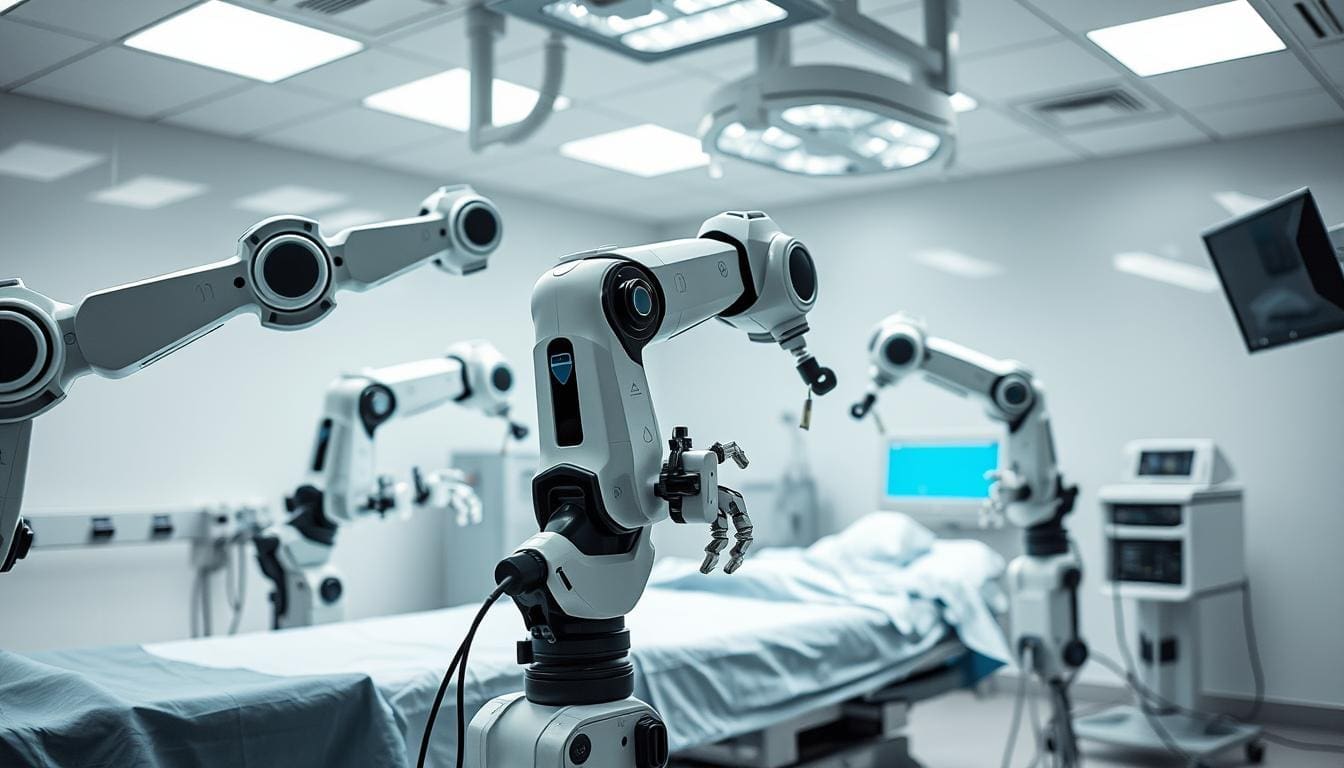
Computer-assisted and robotic surgery are new areas in skull surgery. They help surgeons plan and do complex surgeries more accurately. Robotic systems offer stability and precision, making delicate tasks easier.
3D Printing in Skull Reconstruction
3D printing is becoming key in skull reconstruction. It makes custom implants and models for surgeons to plan surgeries. Custom implants fit perfectly, lowering risks and improving looks.
Custom Implants and Surgical Planning
3D printing for custom implants and surgical planning is a big leap. Surgeons get exact models of the skull for better planning. This tech is a big help in complex surgeries, like after trauma or tumor removal.
Risks and Recovery After Skull Surgery
Recovering from skull surgery means dealing with possible complications and following a detailed rehab plan. Like any surgery, skull surgery comes with risks that can affect how well you recover.
Potential Complications
Patients face risks like infection, bleeding, and bad reactions to anesthesia after skull surgery.
Immediate Risks, Long-term Considerations
Right after surgery, you might face infections or bleeding. Later, you could deal with nerve problems or need more surgeries.
The Recovery Timeline
Recovering from skull surgery takes time and varies based on your health and the surgery’s complexity.
- First, you’ll spend a few days to a week in the hospital.
- After leaving the hospital, you’ll need weeks to months to fully recover.
- Regular check-ups are key to tracking your healing and solving any issues.
Rehabilitation and Physical Therapy
Rehab is essential for getting back to normal. It helps you regain strength, move better, and think clearly.
Rehab includes:
- Physical therapy to boost strength and mobility.
- Occupational therapy for everyday tasks.
- Speech therapy for speech or swallowing issues.
Conclusion
Skull surgery is a complex and delicate medical procedure. It has been discussed in detail throughout this article. From understanding the basics of cranial surgery to exploring the various conditions that require surgical intervention, it is clear that skull surgery plays a vital role in treating a range of medical conditions.
The significance of skull surgery lies in its ability to address life-threatening conditions. This includes traumatic brain injuries and vascular conditions. It also improves the quality of life for individuals with neurological disorders and congenital conditions.
In conclusion, skull surgery is a critical part of modern medicine. Its various applications highlight its importance. By understanding the different types of skull surgery and their applications, patients and healthcare professionals can make informed decisions. This leads to better outcomes and improved patient care.
FAQ
What is skull surgery, and why is it performed?
Skull surgery, also known as cranial surgery, is a medical procedure. It involves operating on the skull or brain. It’s done to treat conditions like brain tumors, traumatic brain injuries, and neurological disorders.
What are the different types of skull surgery?
Skull surgery includes open craniotomy and minimally invasive techniques. Other types are aneurysm clipping, arteriovenous malformation surgery, and decompressive craniectomy.
What is the diagnostic process before skull surgery?
Before surgery, tests like CT scans and MRI scans are used. Neurological evaluations and other procedures help decide if surgery is needed.
What are the risks associated with skull surgery?
Risks include infection, bleeding, stroke, and seizures. The risk depends on the surgery type and the patient’s condition.
What is the recovery timeline after skull surgery?
Recovery time varies by surgery type and patient condition. Patients often spend days or weeks in the hospital and months at home recovering.
What is the role of rehabilitation and physical therapy after skull surgery?
Rehabilitation and physical therapy help patients recover. They regain strength and adapt to any changes in their abilities.
Can skull surgery be used to treat neurological disorders such as epilepsy?
Yes, skull surgery can treat conditions like epilepsy and trigeminal neuralgia. It’s used when other treatments fail.
What is decompressive craniectomy, and when is it performed?
Decompressive craniectomy removes part of the skull to relieve brain pressure. It’s for severe traumatic brain injuries or increased intracranial pressure.
How is 3D printing used in skull reconstruction?
3D printing creates customized implants and skull models. This helps surgeons plan and perform complex reconstructive procedures.
What is the difference between emergency and elective skull surgery?
Emergency surgery is for life-threatening conditions like traumatic brain injuries. Elective surgery is planned for non-life-threatening conditions, like brain tumors.
Can skull surgery be used to treat congenital conditions such as craniosynostosis?
Yes, skull surgery treats conditions like craniosynostosis and hydrocephalus. It’s used for developmental abnormalities.
References
National Institutes of Health. Evidence-Based Medical Insight. Retrieved from https://www.ninds.nih.gov/Disorders/Patient-Caregiver-Education/Hope-Through-Research/Traumatic-Brain-Injury