Last Updated on November 25, 2025 by
Abnormal growths in the lining of the urinary system are called bladder polyps. They can show different symptoms based on their size, where they are, and how they grow. These growths might stick out from the bladder lining, causing health problems.
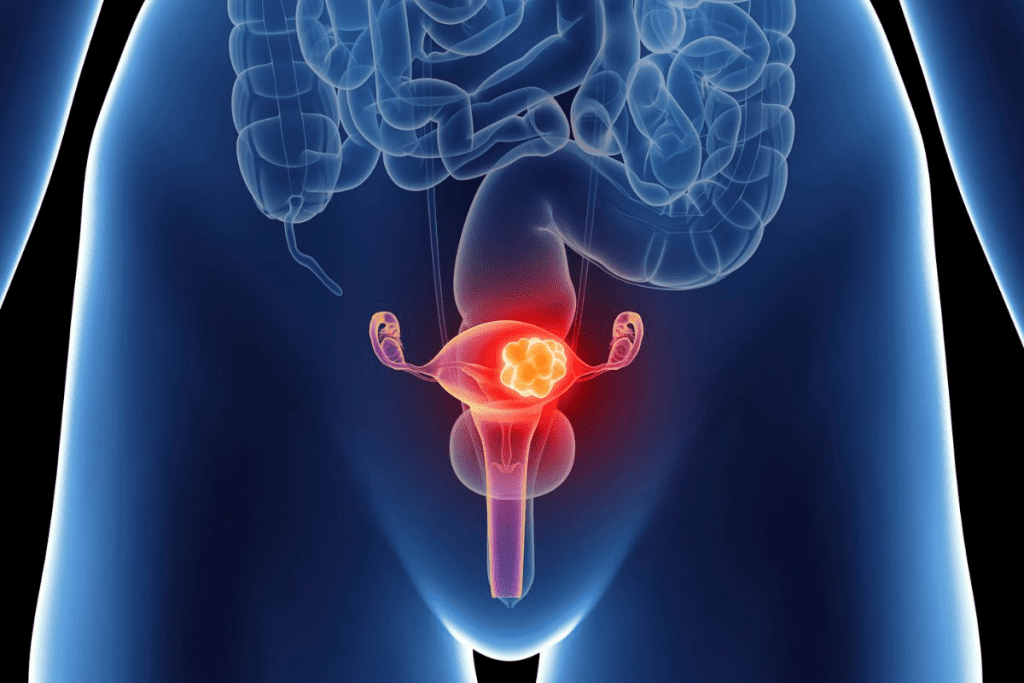
The signs of these growths can be hard to spot early. It’s important to know the symptoms and trends of bladder lesions. This helps catch problems early and keeps your urinary system healthy.
Key Takeaways
- Bladder polyps are abnormal growths that can be benign or cancerous.
- Their symptoms vary based on size, location, and progression.
- Early detection is challenging due to subtle symptoms.
- Understanding signs and trends is vital for urinary health.
- Timely medical intervention is key for treatment.
Understanding Bladder Growths and Their Significance
It’s important to know about bladder growths early. They can be harmless or serious. Knowing this helps in treating them quickly.
Definition and Types of Bladder Growths
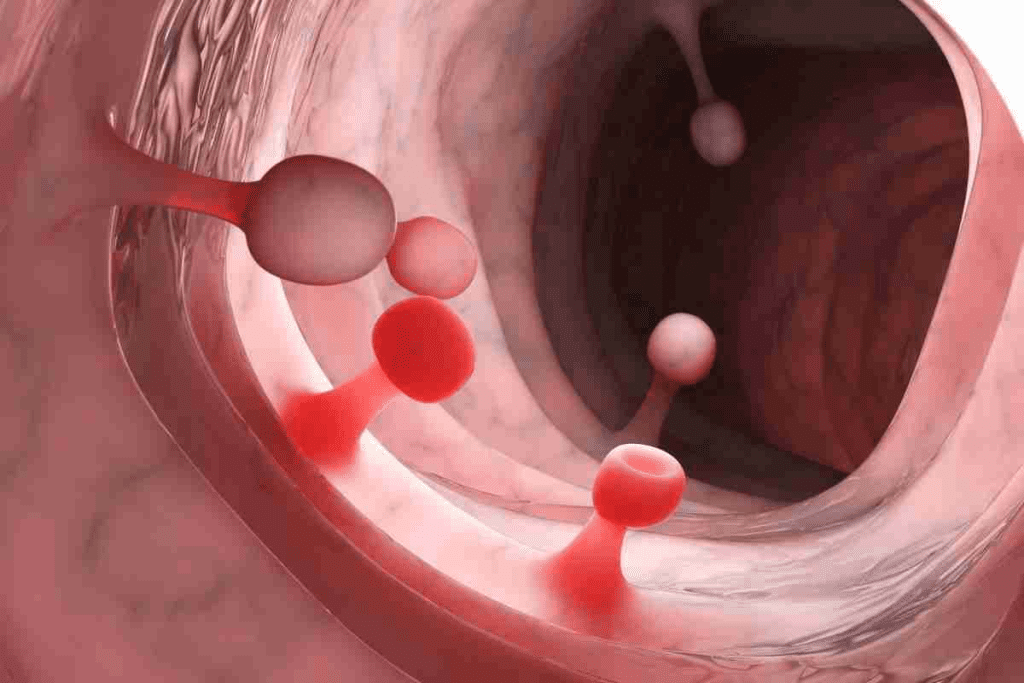
Bladder growths are abnormal tissues in the bladder. They can be non-cancerous polyps or cancerous tumors. The most common cancer is transitional cell carcinoma, or urothelial carcinoma.
Difference Between Benign Polyps and Malignant Tumors
It’s key to know the difference between benign polyps and malignant tumors. Polyps are usually not dangerous and might not need serious treatment. But, tumors can spread and need quick, strong treatment. Symptoms include blood in the urine (hematuria), seen in 70“80% of cases.
Prevalence in the United States
Bladder cancer is a big problem in the U.S. The American Cancer Society says there are about 84,870 new cases each year. It mostly affects people over 55.
Knowing about bladder growths is key for quick action. Whether they are harmless or serious, they can greatly affect your life and health.
Common Symptoms of Bladder Polyps
Knowing the signs of bladder polyps is key for early treatment. These polyps can change how you urinate and affect your bladder health.
At first, bladder polyps might not show symptoms. But as they grow, you’ll start to notice signs.
Blood in the urine (Hematuria)
Hematuria is a common sign of bladder polyps. It means there’s blood in your urine. This can be a tiny bit or a lot.
Some people might also feel pain when they pee. If you see blood in your urine, see a doctor right away.
Frequent urination
Frequent urination is another sign. Polyps can make your bladder work differently. This means you might need to pee more often.
Feeling like your bladder isn’t emptying fully can also make you pee more.
Urgent need to urinate
An urgent need to urinate is a symptom too. This can really disrupt your day. It might come with other pee problems.
This feeling comes from your bladder not being able to hold urine well because of the polyp.
It’s important to watch for these signs and see a doctor if they don’t go away. Catching bladder polyps early can make a big difference.
Pain-Related Symptoms
Bladder polyps can cause various pain-related symptoms that affect daily life. These symptoms can be different in severity and are a big worry for those with this condition.
Abdominal and Pelvic Discomfort
Abdominal and pelvic discomfort are common symptoms of bladder polyps. This discomfort can be mild or severe and may come and go. A polypoid mass in the bladder can irritate the bladder walls, causing this discomfort.
Pain during Urination (Dysuria)
Pain during urination, or dysuria, is another symptom of bladder polyps. This pain can feel sharp, burning, or stabbing. It’s a sign that something needs medical attention. According to medical sources, dysuria can be linked to several bladder issues, including polyps.
Back Pain and Flank Pain
Back pain and flank pain can also be symptoms of bladder polyps. These pains are more common with large polyps or infections. The pain can spread to the lower back or flank, causing discomfort and distress.
The symptoms of bladder polyps, including pain, show why it’s important to see a doctor if symptoms don’t go away or get worse. Advanced cases may have more urinary irritation and blockage, making early treatment even more critical.
- Pain-related symptoms can significantly affect an individual’s quality of life.
- Early detection and treatment of bladder polyps can help alleviate these symptoms.
- Understanding the causes of bladder lesions and thickening of the bladder wall is key for effective management.
Asymptomatic Bladder Polyps: The Silent Concern
Early-stage bladder polyps often go unnoticed because they don’t show symptoms. This can lead to them being found too late. It’s important for people to know the risks and to get regular check-ups.
Why Early-Stage Polyps Often Produce No Symptoms
Early-stage bladder polyps are usually small and don’t block urine flow or irritate the bladder. This means people might not notice symptoms like blood in the urine or pain when they pee.
A key factor is their small size and how the bladder can handle them without irritation. But as they grow, they can cause symptoms that lead to a doctor’s visit.
Incidental Findings During Imaging
Bladder polyps are often found by accident during tests for other issues. For example, a cyst inside the bladder might show up on an ultrasound or CT scan.
These findings show how important detailed medical imaging is. They also highlight the need for follow-up tests to check on the polyps or lesions in the bladder.
Importance of Routine Check-Ups
Regular health checks are key to catching bladder polyps early. This is true for people with risk factors like smoking or a family history of bladder cancer. Early detection can lead to better treatment results.
- Regular urinalysis to check for hematuria
- Imaging tests like ultrasound or CT scans
- Cystoscopy for direct visualization of the bladder interior
By being proactive about their health, people can lower the risk of bladder polyp complications. This can also improve their treatment chances.
Advanced Symptoms That May Indicate Larger Bladder Polyps
Larger bladder polyps can cause many symptoms that affect daily life. These symptoms can be similar to those of bladder cancer polyps. This makes it important to watch for them.
Increased Urinary Irritation
One symptom of larger bladder polyps is increased irritation while urinating. This can feel like a constant need to go or discomfort. Doctors say that a mass on bladder can irritate the bladder walls, causing these feelings.
“The irritation caused by larger polyps can significantly affect a patient’s quality of life, necessitating prompt medical evaluation.”
Obstructive Symptoms
Larger polyps can also block the flow of urine. This can make it hard to fully empty the bladder. It can also lead to urinary tract infections. It’s important to notice these symptoms early, as they might mean a tumor on bladder in women or another serious issue.
Changes in Urinary Habits
Changes in how often or how urine flows can also be a sign. These changes can be mistaken for other urinary problems. This shows why getting a proper diagnosis is key.
In summary, larger bladder polyps can cause symptoms like irritation, blockage, and changes in urination. Spotting these symptoms early is vital for timely treatment.
When to Seek Medical Attention
If you have symptoms that don’t go away or get worse, see a doctor right away. Knowing when to get help is key. Bladder polyps might not show symptoms at first, but when they do, don’t ignore them.
Warning Signs That Require Immediate Care
Some symptoms need quick medical help. These include:
- Visible blood in the urine (Hematuria), which can be a sign of a significant issue.
- Severe pain in the abdominal or pelvic region.
- Difficulty urinating or painful urination.
If you have any of these symptoms, see a doctor fast.
Symptoms That Mimic Bladder Cancer
Some symptoms of bladder polyps can look like bladder cancer. These include:
- Blood in the urine, which is a common symptom of both conditions.
- Frequent or painful urination, indicating possible irritation or obstruction.
Only a doctor can tell the difference between the two.
Importance of Early Detection
Finding bladder problems early is very important. Regular check-ups can catch issues before they get worse. If you’re at risk or notice symptoms, get medical help right away.
Diagnosis and Evaluation of Suspected Bladder Polyps
Doctors use many tools to check for bladder polyps. This process helps find the right treatment and eases worries.
Initial Assessment and Physical Examination
The first step is an initial check and physical exam. Doctors look at your medical history and do a physical exam. It’s important to tell your doctor about any symptoms, like blood in your urine or feeling irritated.
Doctors might also do a digital rectal exam (DRE) or pelvic exam. These help find any problems in the pelvic area. They can show if there are bladder polyps or other issues.
Imaging Techniques
Imaging is key in finding bladder polyps. Ultrasound, CT scans, and MRI help see the bladder and find problems. These tools help doctors know how big, where, and how many polyps there are. This info is important for treatment plans.
“Imaging tests are vital for finding bladder polyps and knowing what they are like,” says a top urologist. “With these advanced tools, we can better diagnose and treat bladder polyps.”
Cystoscopy and Biopsy Procedures
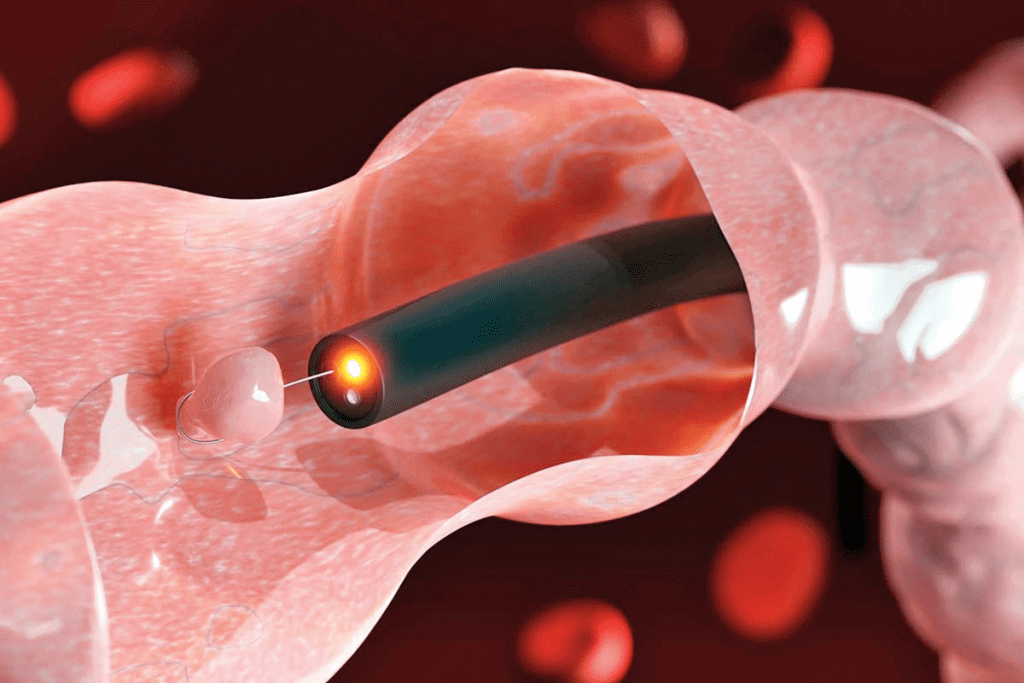
Cystoscopy lets doctors see inside the bladder. A flexible or rigid cystoscope is used to look at the bladder lining. This helps find polyps and understand them better.
If cystoscopy finds something odd, a biopsy might be done. Biopsy results are key to knowing if a polyp is cancerous or not. This helps decide the next steps in treatment.
In summary, finding bladder polyps involves several steps. These include initial checks, imaging, and cystoscopy or biopsy. Using these methods, doctors can accurately diagnose and treat bladder polyps. This improves patient care.
Conclusion
It’s important to know the signs of bladder polyps early. This helps in catching them before they turn into bladder cancer. Getting medical help quickly is key to avoid serious problems.
Spotting symptoms like blood in urine, needing to pee a lot, and feeling pain in the pelvis is the first step. This leads to getting the right treatment on time.
Knowing the signs of bigger polyps or bladder cancer is critical. If you keep feeling bad or things get worse, see a doctor right away. They can check and treat you properly.
Learning about bladder polyps and their signs helps you stay healthy. Regular doctor visits and tests can catch problems early. This makes treatment more effective.
FAQ
What are bladder polyps, and how do they differ from bladder cancer?
Bladder polyps are growths on the bladder’s inner lining. They can be harmless but sometimes may lead to cancer. It’s important to know the difference to get the right treatment.
What are the common symptoms of bladder polyps?
Common signs include blood in the urine and needing to urinate often. Some people also feel pain in their abdomen, during urination, or in their back.
Can bladder polyps be asymptomatic, and how are they often discovered?
Yes, bladder polyps can show no symptoms early on. They are often found by chance during tests for other issues. Regular check-ups are key.
What are the advanced symptoms that may indicate larger bladder polyps?
Larger polyps can cause more irritation and trouble with urination. These symptoms might seem like something more serious, like cancer.
When should I seek medical attention for suspected bladder polyps?
See a doctor if you have ongoing blood in your urine, severe pain, or trouble peeing. Also, seek help if you lose weight without trying or have frequent infections.
How are bladder polyps diagnosed?
First, a doctor will check you and do tests like ultrasound or CT scans. They might also do a cystoscopy and biopsy to confirm the polyps.
What is the significance of differentiating between benign and malignant bladder polyps?
Telling benign from malignant polyps helps decide the best treatment. Benign ones might not need much treatment, but cancerous ones do.
How common are bladder growths in the United States?
Bladder growths, like polyps and tumors, are common in the U.S. Knowing this can help people see why early detection is so important.
Can bladder lesions or masses be a sign of bladder polyps?
Yes, bladder lesions or masses might mean you have polyps. More tests, like imaging and cystoscopy, are needed to find out.
What causes thickening of the bladder wall, and is it related to bladder polyps?
Thickening of the bladder wall can happen for many reasons, including irritation or infection. While not all cases are due to polyps, it’s a sign that needs checking.
References
- Zhu, S., He, L., Zheng, C., & Hou, Y. (2020). Bladder mulberry-like fibroepithelial polyp with calcification and squamous cell metaplasia mimicking bladder carcinoma: Case report and literature review. Journal of International Medical Research, 48(1), 300060519896911. https://pmc.ncbi.nlm.nih.gov/articles/PMC7113808/