Last Updated on November 25, 2025 by
Many patients ask about the time it takes for Extracorporeal Shock Wave Lithotripsy (ESWL). This noninvasive treatment for kidney stones usually takes 30 to 60 minutes.
The size of the stone and the patient’s body shape matter. So does the technology used. At Liv Hospital, we use the latest tech to make the ESWL as effective as possible. Medical experts say the time can go over an hour, depending on the stones.
Key Takeaways
- The ESWL procedure typically lasts between 30 and 60 minutes.
- The size and number of stones can affect the duration of the procedure.
- Advanced technology is used to optimize the ESWL procedure.
- Noninvasive ESWL is used to treat kidney stones.
- The procedure is influenced by the patient’s anatomy.
What is Extracorporeal Shock Wave Lithotripsy (ESWL)?
Extracorporeal Shock Wave Lithotripsy, or ESWL, is a new way to treat kidney stones without surgery. We focus on the latest treatments for kidney stones. ESWL is a non-invasive method that has greatly reduced the need for surgery.
The non-invasive approach to kidney stone treatment
ESWL uses high-energy shock waves to break down stones in the urinary tract or bile ducts. A machine called a lithotripter generates these shock waves. This method is safe and comfortable for patients, with high success rates.
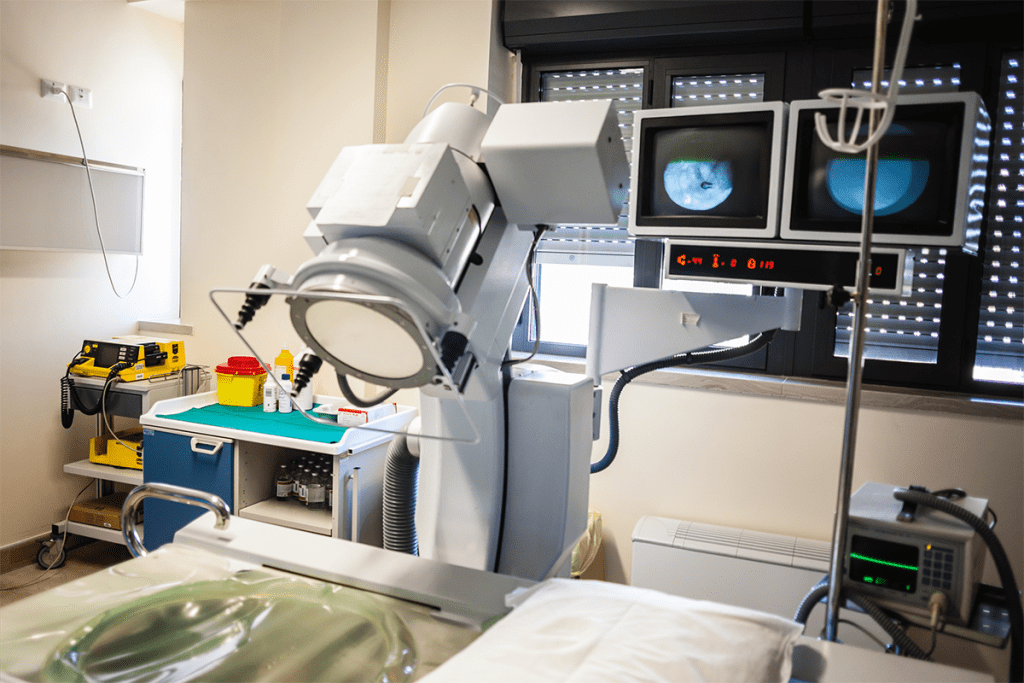
How shock waves break down stones
The ESWL procedure sends shock waves to the stone, breaking it into smaller pieces. These pieces can then pass out of the body naturally. It’s done on an outpatient basis, so patients can go home the same day.
“The use of ESWL has revolutionized the treatment of kidney stones, providing a non-invasive and effective solution for patients,” we believe. We use the latest ESWL technology to give our patients the best care.
We are proud to offer top-notch care to international patients. Our team works hard to ensure each patient gets the best care and results. We use the latest technology and focus on personalized care.
The Standard Duration of an ESWL Procedure
ESWL procedures usually last a certain amount of time. Before treatment, patients are told what to expect. At our institution, we make sure patients know what happens during their ESWL procedure.
The usual time for an ESWL procedure is 30 to 60 minutes. This includes sending about 2,000 to 3,000 shock waves. These shock waves are needed to break down the stones effectively.
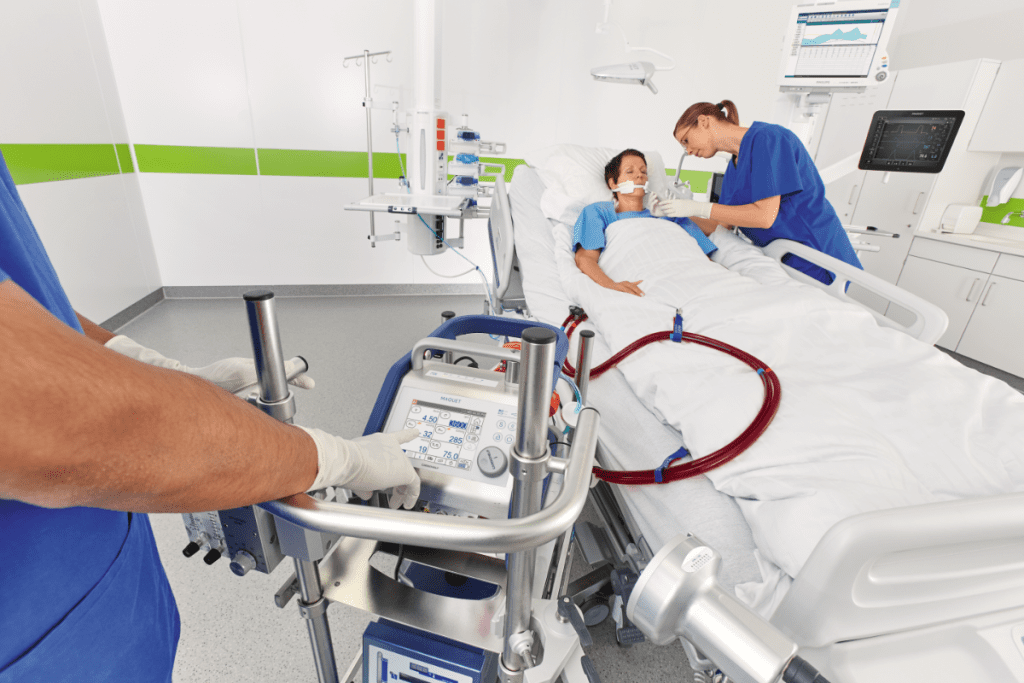
30-60 Minute Timeframe Explained
The 30-60 minute time frame is common for ESWL procedures. But, the actual time can change. This depends on the size and number of stones, among other things.
- The complexity of the case
- The patient’s overall health
- The specific technology used for the ESWL procedure
Pre-procedure Preparation Time
Before starting the ESWL procedure, patients go through a preparation. This includes:
- Reviewing medical history
- Conducting necessary imaging tests
- Administering anesthesia or sedation as needed
This preparation is key for safety and treatment success.
Post-procedure Monitoring Requirements
After the ESWL procedure, patients are watched closely. This is to check for any immediate problems and to see how well the treatment worked. Monitoring may include:
- Vital sign checks
- Imaging tests to verify stone fragmentation
- Management of any post-procedure discomfort
At Liv Hospital, we focus on patient care from start to finish. This includes the ESWL process and recovery.
Factors That Influence ESWL Procedure Length
Knowing what affects ESWL procedure length is key for good treatment. At our place, we know many things can change how long and successful extra shock wave therapy is.
The stone’s size and type are big factors. Bigger or harder stones need more shock waves. This makes the treatment longer as studies show.
Stone Characteristics
Stone size matters a lot. Bigger stones take longer to break down into smaller pieces. The stone’s type, like calcium oxalate or uric acid, also plays a role in how well the shock waves work.
Patient-Specific Anatomical Factors
Every patient’s body is different. This can change how long ESWL takes. Where the stone is and the patient’s health can make things more complicated.
Stone Location and Accessibility
Where the stone is located is very important. Hard-to-reach stones need more time and care. We use special imaging to aim well.
Equipment and Technology Variations
The ESWL technology used also matters. Newer machines can send shock waves faster. This can make the treatment shorter. We use the latest tech to help our patients.
In short, how long an ESWL procedure is depends on the stone, the patient, where the stone is, and the tech used. By knowing these things, we can make the treatment fit each patient’s needs better.
Understanding the Shock Wave Lithotripsy Process
It’s important for patients to know how shock wave lithotripsy works. This treatment uses shock waves to break down kidney stones. The stones are then small enough to pass out of the body easily.
Delivery of 2,000-3,000 Shock Waves per Session
In an ESWL procedure, a certain number of shock waves are used. 2,000 to 3,000 shock waves are given per session. The exact number depends on the stone’s size, location, and how the patient reacts to treatment.
Optimal Shock Rates (60-90 Shocks per Minute)
The speed at which shock waves are given is key to ESWL’s success. Optimal shock rates are between 60 to 90 shocks per minute. This speed helps in getting the best results and lowers side effects.
Clinical Benefits of Slower Shock Rates
Studies show that slower shock rates can improve treatment results and lessen tissue damage. Adjusting the shock wave power and intervals can make treatment more effective for each patient. This could lead to better outcomes.
Our institution keeps up with the latest research to offer the best ESWL treatments. Our team is dedicated to providing top-notch care and support during the treatment.
Recovery Timeline After ESWL
Knowing what to expect after ESWL can ease worries. At our hospital, we focus on making sure you have a smooth recovery. We want you to feel comfortable and cared for.
Same-day Discharge Protocols
ESWL is safe, and you can usually go home the same day. Our protocols help make sure you’re okay before you leave.
Immediate Post-Procedure Experience
You might feel some pain or soreness after the treatment. We give you clear instructions on how to manage it.
Right after, you might feel some discomfort. But most people can get back to their usual activities quickly. You might notice:
- Mild discomfort or soreness
- Bruising or swelling at the treatment site
- Presence of stone fragments in the urine
Return to Normal Activities Timeframe
Recovery times differ, but most people get back to normal in a few days. Here’s what we suggest:
- Avoid strenuous activities for a few days
- Drink plenty of water to help pass stone fragments
- Follow our care instructions closely
Our team at Liv Hospital is here to support you during your recovery. If you have any questions or concerns, please contact our team.
Success Rates and Effectiveness of ESWL Treatment
ESWL is a top choice for treating kidney stones. It’s a non-invasive way to remove stones. We’re proud to offer ESWL, backed by lots of clinical evidence.
Stone-Free Rates by Size
ESWL works well, with stone-free rates from 65% to 90% for stones under 1 cm. Studies show it’s best for small stones seen on X-ray.
Recent Multi-Center Analysis Findings
Recent studies confirm ESWL’s success. They show it works well for different patients. This makes ESWL a reliable choice for treating kidney stones.
Comparing ESWL to Other Kidney Stone Treatments
ESWL is unique because it’s non-invasive and effective. It’s safer than other treatments and patients recover faster. This makes it a popular choice.
We focus on the best outcomes for our patients. ESWL is key for treating small stones.
The benefits of ESWL include:
- High success rates for stones under 1 cm
- Non-invasive procedure with lower risk of complications
- Quick recovery time, allowing patients to return to normal activities sooner
We use the latest ESWL technology and strict protocols. This ensures our patients get top-notch care.
Conclusion
Extracorporeal Shock Wave Lithotripsy (ESWL) is a top-notch, non-invasive way to treat kidney stones. It uses shock wave technology to break down stones. This makes it easier for patients to pass them naturally. At Liv Hospital, we follow the latest academic protocols to make sure our patients get the best care.
ESWL, known by its eswl medical abbreviation, has changed how we treat kidney stones. By understanding the lithotripsy definition and how it works, patients can make better choices about their care. Our goal is to offer world-class healthcare with advanced technology and personalized plans.
We aim to support and guide our patients every step of the way. Our hospital focuses on innovative care, ethics, and top medical results. We’re committed to helping patients reach their health goals.
FAQ
What is the typical duration of an ESWL procedure?
An ESWL procedure usually takes 30 to 60 minutes. This time can vary based on the stone’s size, the patient’s body, and the technology used.
How many shock waves are delivered during an ESWL session?
About 2,000 to 3,000 shock waves are sent during each session. They are delivered at a rate of 60 to 90 shocks per minute.
What factors influence the length and effectiveness of the ESWL procedure?
Several things can affect how long and effective the ESWL procedure is. These include the stone’s size and location, the patient’s body, and the technology used.
Can I return home the same day as the ESWL procedure?
Yes, most patients can go home the same day. This is because ESWL is a non-invasive treatment.
How long does it take to resume normal activities after ESWL?
Patients usually can get back to their normal activities quickly after ESWL.
What are the success rates of ESWL for kidney stones?
Studies show ESWL is effective for stones under 1 cm. Success rates range from 65% to 90%.
How does ESWL compare to other kidney stone treatments?
ESWL is known for being non-invasive and effective. It’s a safer and more comfortable option than surgery.
What is Extracorporeal Shock Wave Lithotripsy (ESWL)?
ESWL is a non-invasive method. It uses shock waves to break down kidney stones into smaller pieces. These pieces can then pass out of the body.
References
- Lee, S. M., et al. (2019). Optimisation of shock wave lithotripsy: a systematic review of technical factors. Translational Andrology and Urology. https://tau.amegroups.org/article/view/26602/html