Last Updated on November 26, 2025 by Bilal Hasdemir

Doxorubicin, also known as “red devil chemotherapy,” is a very strong chemotherapy drug. It is used to treat many types of cancer, including breast cancer.
This drug is very powerful. It is used when other treatments don’t work. This shows how strong it is as a chemotherapy agent. Doxorubicin is a key part of cancer treatment. It gives hope to patients with aggressive cancers.
Key Takeaways
- Doxorubicin is known as “red devil chemotherapy” due to its potency.
- It is used to treat various cancers, including breast cancer.
- Doxorubicin is considered one of the strongest chemotherapy agents.
- It is often used when other treatments have failed.
- The drug provides hope for patients with aggressive forms of cancer.
Understanding Chemotherapy and Its Purpose
Chemotherapy is a key part of cancer treatment. It aims to kill cancer cells. It works by targeting cells that grow fast, which is typical of cancer.
Chemotherapy’s success comes from stopping cancer cells from reproducing. Knowing how it works helps both patients and doctors understand cancer treatment better.
Definition and Basic Mechanism of Action
Chemotherapy uses drugs that harm cancer cells, stopping them from growing. The way these drugs work can vary. But their main goal is to kill cancer cells.
Each chemotherapy drug has its own way of working. Some damage the DNA of cancer cells. Others stop cells from dividing.
| Chemotherapy Agent | Mechanism of Action | Example Drugs |
| Alkylating Agents | Directly damage DNA to prevent cancer cell reproduction | Cyclophosphamide, Chlorambucil |
| Antimetabolites | Interfere with DNA and RNA synthesis | 5-Fluorouracil, Methotrexate |
How Chemotherapy Targets Cancer Cells
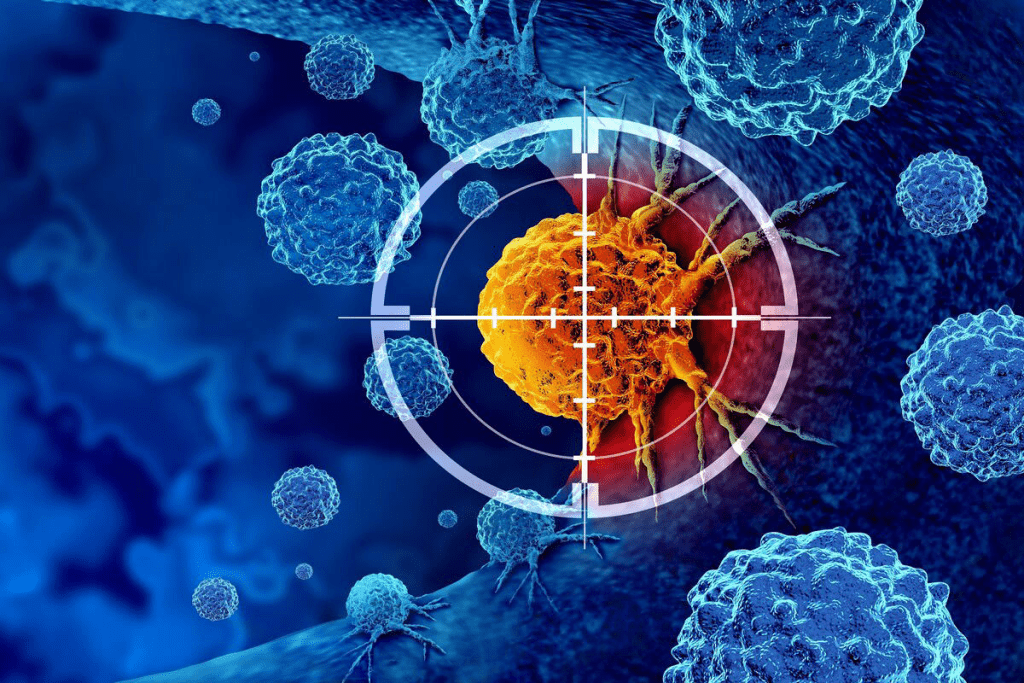
Chemotherapy targets cancer cells because they grow fast. Cancer cells divide more quickly than normal cells. This makes them more vulnerable to chemotherapy drugs.
Understanding how chemotherapy works helps doctors create better treatment plans. The aim is to make chemotherapy more effective while protecting healthy cells.
Classification of Chemotherapy Drugs
It’s key to know the different types of chemotherapy drugs for effective cancer treatment. These drugs are sorted by how they work. This sorting helps doctors create treatment plans that fit each patient’s needs.
Alkylating Agents
Alkylating agents are a type of chemotherapy drug. They attach an alkyl group to cancer cells’ DNA. This stops cancer cells from making copies of themselves, leading to their death.
Examples include Cyclophosphamide and Chlorambucil. These drugs help treat leukemia, lymphoma, and multiple myeloma.
Antimetabolites
Antimetabolites are another important group of chemotherapy drugs. They look like DNA’s building blocks but aren’t. When cancer cells use them, it messes up their DNA making, stopping them from dividing.
5-Fluorouracil (5-FU) and Gemcitabine are examples. They’re used for cancers like colorectal, breast, and pancreatic.
Anti-tumor Antibiotics
Anti-tumor antibiotics come from natural sources like soil fungi. They insert themselves between DNA strands. This stops DNA and RNA making, slowing down cancer cell growth.
Doxorubicin and Mitomycin C are examples. They’re used for cancers like breast, lymphomas, and sarcomas.
Topoisomerase Inhibitors
Topoisomerase inhibitors target the enzyme topoisomerase, key for DNA replication. By stopping this enzyme, these drugs prevent DNA replication in cancer cells, causing them to die.
Topotecan and Etoposide are examples. They’re used for ovarian, lung, and testicular cancers.
Sorting chemotherapy drugs helps doctors pick the best treatment for patients. Each type works differently and treats specific cancers.
The Red Devil Chemotherapy: Doxorubicin
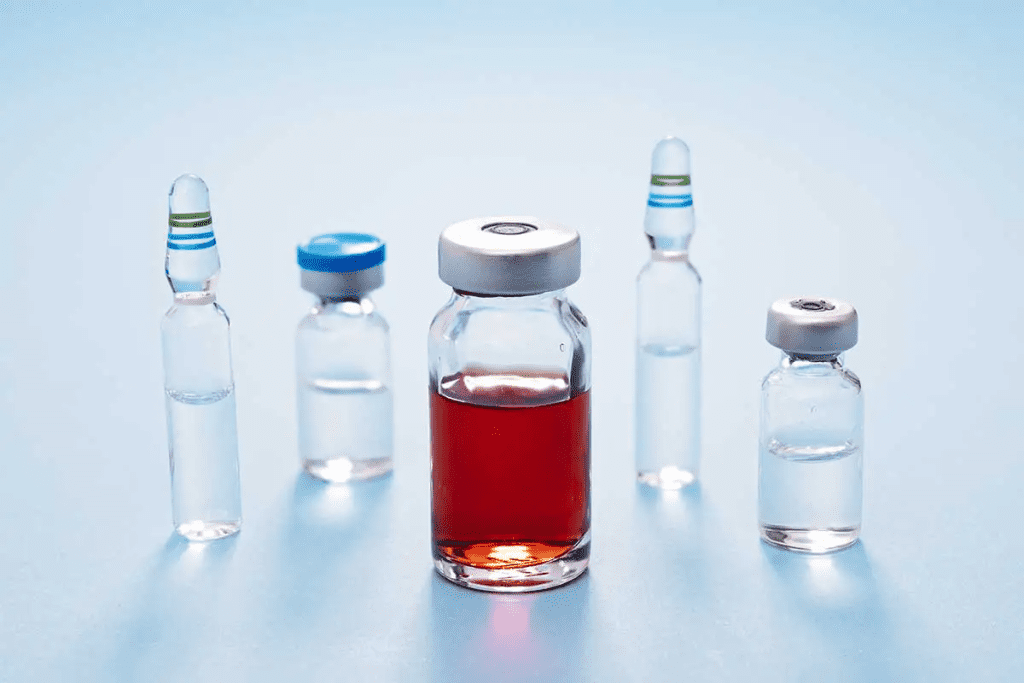
Doxorubicin, known for its intense red color and potent effects, is called the “Red Devil” chemotherapy. It is used to treat various types of cancer.
Why It’s Called the “Red Devil”
The nickname “Red Devil” comes from doxorubicin’s bright red color and strong effects. The red color is because of its chemical structure, seen when given intravenously.
Key characteristics that make it the “Red Devil” include:
- Bright red color
- Potent anti-cancer effects
- Potential for significant side effects
Mechanism of Action
Doxorubicin works by getting between DNA strands. This stops cancer cells from copying themselves and leads to cell death.
Cancer Types Treated with Doxorubicin
Doxorubicin treats many cancers, including:
| Cancer Type | Description |
| Breast Cancer | Often used in combination with other chemotherapy drugs |
| Lymphoma | Effective in treating both Hodgkin’s and non-Hodgkin’s lymphoma |
| Leukemia | Used to treat certain types of leukemia |
| Bladder Cancer | Intravesical doxorubicin is used for some bladder cancer treatments |
Doxorubicin’s versatility makes it a key part of many chemotherapy plans.
Potency Factors in Chemotherapy
The strength of chemotherapy agents is key to fighting cancer. It’s shaped by how the drug works, its focus on cancer cells, and its safety and effectiveness.
Defining “Strength” in Chemotherapy
“Strength” in chemotherapy means the drug can kill cancer cells without harming healthy ones. A strong agent targets and destroys cancer cells well, improving treatment results.
Measuring Efficacy vs. Toxicity
Efficacy and toxicity are key in chemotherapy strength. Efficacy is how well the drug works, and toxicity is its risk of harming healthy cells.
A strong chemotherapy agent must balance these two. “The therapeutic index shows a drug’s safety, which is vital in chemotherapy strength.”
- Efficacy is checked by how well the drug shrinks tumors or improves survival.
- Toxicity is monitored through side effects like nausea, hair loss, and low blood counts.
By balancing efficacy and toxicity, doctors can make chemotherapy treatments better for patients.
Platinum-Based Chemotherapy Agents
Platinum-based chemotherapy has changed how we treat cancer. These drugs create DNA cross-links that stop cancer cells from dividing. This leads to the death of cancer cells.
These drugs are key in fighting cancer. Cisplatin, carboplatin, and oxaliplatin are well-known. Each has its own use and benefits.
Cisplatin
Cisplatin is a top choice for treating many cancers. It works well against testicular, ovarian, and bladder cancers. It does this by creating adducts with DNA, which stops DNA from working right.
Common side effects include kidney damage, hearing loss, and nerve damage. Doctors use hydration and diuresis to lessen these side effects.
Carboplatin
Carboplatin is used for ovarian and lung cancers. It works like cisplatin but is often better tolerated. It’s less likely to harm the kidneys.
- Less nephrotoxicity compared to cisplatin
- Myelosuppression is a common side effect
- Often used in combination with other chemotherapy agents
Oxaliplatin
Oxaliplatin is mainly for colorectal cancer. It damages DNA in cancer cells, stopping them from growing.
A big side effect is neurotoxicity, causing nerve damage. Doctors can adjust the dose or stop treatment to manage this.
In summary, drugs like cisplatin, carboplatin, and oxaliplatin are vital in cancer treatment. They work by damaging DNA, making them effective against many cancers.
Anthracyclines Beyond Doxorubicin
Other anthracyclines like daunorubicin, epirubicin, and idarubicin are key in cancer treatment. They belong to a larger group of chemotherapy drugs. These drugs work by getting in between DNA strands and stopping topoisomerase II. This action prevents cancer cells from making copies of themselves.
Daunorubicin
Daunorubicin is a strong anthracycline used mainly for acute leukemia. It works like doxorubicin by getting in between DNA strands. This stops DNA and RNA from being made. Daunorubicin is effective but can harm the heart, like other anthracyclines.
Epirubicin
Epirubicin is used for treating cancers like breast cancer and lung cancer. It’s less likely to harm the heart at certain doses. This makes it a good choice for patients at risk of heart problems.
Idarubicin
Idarubicin is mainly for acute myeloid leukemia. It’s special because it can be taken by mouth, unlike many others. Idarubicin is effective against leukemia and has a different set of side effects.
Combination Chemotherapy Regimens
Using more than one chemotherapy agent at a time is key in fighting cancer. It makes treatments more effective and less likely to fail. This helps patients get better results.
AC Chemotherapy (Adriamycin/Cyclophosphamide)
AC chemotherapy combines Adriamycin (doxorubicin) and cyclophosphamide. It’s often used for breast cancer and other cancers. Adriamycin stops DNA and RNA making, while cyclophosphamide stops cancer cells from copying themselves.
FLOT Chemotherapy
FLOT chemotherapy is for gastric cancer. It mixes 5-fluorouracil (5-FU), leucovorin, oxaliplatin, and docetaxel. This combo attacks cancer cells in different ways, like stopping DNA making.
R-EPOCH Protocol
The R-EPOCH protocol is for aggressive non-Hodgkin lymphomas. It has rituximab, etoposide, prednisone, vincristine (Oncovin), cyclophosphamide, and doxorubicin. It attacks cancer cells from many angles, boosting success rates.
VIP Chemotherapy
VIP chemotherapy is for testicular cancer and some other cancers. It uses etoposide, ifosfamide, and cisplatin (or carboplatin). Its parts work together to kill cancer cells.
| Regimen | Components | Primary Use |
| AC Chemotherapy | Adriamycin, Cyclophosphamide | Breast Cancer |
| FLOT Chemotherapy | 5-FU, Leucovorin, Oxaliplatin, Docetaxel | Gastric Cancer |
| R-EPOCH Protocol | Rituximab, Etoposide, Prednisone, Vincristine, Cyclophosphamide, Doxorubicin | Non-Hodgkin Lymphomas |
| VIP Chemotherapy | Etoposide, Ifosfamide, Cisplatin (or Carboplatin) | Testicular Cancer |
These combination chemotherapy regimens are showing great promise. They target cancer cells in many ways, leading to better results for patients.
Breast Cancer Chemotherapy Drugs
Chemotherapy for breast cancer uses many drugs and plans. These plans are made for each patient’s needs. The choice of treatment depends on the cancer’s stage and type, and the patient’s health.
Standard Protocols
Standard treatments for breast cancer include a mix of drugs. These mixes aim to work well while causing fewer side effects.
The AC regimen is a common choice. It combines Adriamycin (doxorubicin) and cyclophosphamide. This mix works well against many breast cancers.
“Chemotherapy is a critical component of breast cancer treatment, giving hope to those with aggressive or advanced disease.”
TC Regimen (Taxotere/Cyclophosphamide)
The TC regimen pairs Taxotere (docetaxel) with cyclophosphamide. It’s known for treating early-stage breast cancer well.
| Regimen | Drugs | Common Use |
| AC | Adriamycin, Cyclophosphamide | Various types of breast cancer |
| TC | Taxotere, Cyclophosphamide | Early-stage breast cancer |
Oral Chemotherapy Options
Oral chemotherapy is gaining popularity for its ease of use. Drugs like capecitabine treat some breast cancers.
Oral chemotherapy offers more flexibility and might have fewer side effects than traditional IV treatments.
In summary, breast cancer chemotherapy includes various drugs and plans. This includes the TC regimen and oral options. Knowing these choices is key for patients and doctors to make the best decisions.
Administration Methods and Their Impact
The way chemotherapy is given can greatly affect how well it works and the patient’s life quality. Chemotherapy can be given in different ways, each with its own good and bad effects.
Intravenous (IV) Chemotherapy
IV chemotherapy is a common way to give chemotherapy. It involves putting the drugs directly into a vein through a needle or catheter. This method lets doctors give high doses of chemotherapy quickly.
Advantages of IV Chemotherapy:
- Rapid delivery of high doses
- Immediate onset of action
- Ability to administer a wide range of chemotherapy drugs
Oral Chemotherapy
Oral chemotherapy means taking chemotherapy drugs in pill or liquid form. It’s becoming more popular because it’s easy and might have fewer side effects.
Key benefits of oral chemotherapy include:
- Convenience for patients, as it eliminates the need for frequent hospital visits
- Potential for reduced healthcare costs
- Possibility of fewer side effects due to more consistent drug levels
Comparing Efficacy of Different Delivery Methods
When looking at how well IV and oral chemotherapy work, many things matter. The choice depends on the cancer type, the drugs used, and the patient’s situation.
| Administration Method | Efficacy | Side Effects | Patient Convenience |
| IV Chemotherapy | High | Variable, can be high | Low |
| Oral Chemotherapy | Variable | Generally lower | High |
The table above shows a comparison of IV and oral chemotherapy. It looks at how well they work, side effects, and how easy they are for patients. Remember, everyone’s experience is different. The best way to give chemotherapy should match the patient’s needs and situation.
Managing Side Effects of Strong Chemotherapy
Strong chemotherapy agents, like doxorubicin, are very effective but have big side effects. These side effects can really affect a patient’s life quality.
Common Side Effects of Potent Agents
People getting strong chemotherapy often face side effects like nausea, tiredness, hair loss, and infections. It’s key to manage these side effects well to keep patients healthy and on track with their treatment.
| Side Effect | Management Strategy |
| Nausea and Vomiting | Anti-emetic medications, dietary adjustments |
| Fatigue | Rest, gentle exercise, nutritional support |
| Hair Loss | Counseling, scalp cooling techniques |
Red Devil Chemo: Worst Days and Management
“Red Devil” is another name for doxorubicin, a chemotherapy drug. It’s known for its red color and strong effects. Patients often have their toughest days during this treatment. Good planning and support can help lessen these bad days.
Long-term Effects and Monitoring
Strong chemotherapy can also lead to long-term problems, like more cancers, heart issues, and fertility problems. It’s important to keep an eye on these effects over time.
- Regular follow-up appointments with healthcare providers
- Monitoring for signs of long-term effects
- Lifestyle adjustments to reduce risk
Knowing about the side effects of strong chemotherapy and how to manage them can help patients through their treatment.
Newer Generation Chemotherapy Drugs
Chemotherapy has seen big improvements. New drugs are more targeted and effective. They help patients live better lives while fighting cancer.
Targeted Chemotherapy Agents
Targeted chemotherapy agents are a big leap in cancer treatment. They don’t harm healthy cells like old treatments did. Instead, they go straight for cancer cells.
Monoclonal antibodies mark cancer cells for the immune system to destroy. Tyrosine kinase inhibitors stop cancer cells from growing by blocking certain enzymes.
Liposomal Formulations (Doxil)
Liposomal formulations are another smart way to deliver chemotherapy. They use tiny lipid vesicles to carry drugs. This method cuts down on side effects.
Doxil is a great example. It’s a liposomal version of doxorubicin. It’s used for ovarian cancer and Kaposi’s sarcoma.
Doxil’s special packaging makes it safer for the heart. This means doctors can use higher doses. It helps patients get better faster.
New chemotherapy drugs like targeted agents and liposomal formulations are a big step forward. They offer hope for better treatment and a better life for those with cancer.
Specialized Chemotherapy Approaches
Specialized chemotherapy strategies are changing cancer care. They offer more effective and personalized treatments. These new methods aim to meet the unique needs of cancer patients, leading to better outcomes and quality of life.
Dose-Dense Chemotherapy
Dose-dense chemotherapy means giving chemotherapy more often, like every two weeks. This is different from the usual three-week cycle. It’s based on the idea that more frequent doses can kill cancer cells better. Dose-dense chemotherapy has been shown to increase survival rates in cancers like breast cancer and lymphoma.
Metronomic Chemotherapy
Metronomic chemotherapy is about giving low doses of chemotherapy every day. It targets the blood vessels in tumors, stopping them from growing. Metronomic chemotherapy is usually easy to handle and can be used with other treatments.
High-Dose Chemotherapy with Stem Cell Rescue
High-dose chemotherapy with stem cell rescue is used for some cancers. It involves giving very high doses of chemotherapy to kill more cancer cells. But, it also harms the bone marrow. To fix this, stem cells are given back to the patient to help the bone marrow recover.
These new chemotherapy methods are big steps forward in cancer treatment. They offer hope and better chances of success for patients. By customizing treatments, doctors can make therapy more effective and improve patient outcomes.
The Future of Strong Chemotherapy
New, powerful treatments are changing the face of chemotherapy. Scientists are working hard to make treatments more effective and less harmful.
Emerging Potent Agents
New chemotherapy agents are being made to better target cancer cells. These emerging potent agents aim to beat resistance and help patients more. For example, ado-trastuzumab emtansine and brentuximab vedotin have shown great promise in trials.
Reducing Toxicity While Maintaining Efficacy
One big challenge in chemotherapy is dealing with side effects. Researchers are exploring ways to reduce toxicity without losing treatment power. They’re looking into liposomal formulations and nanoparticle-based delivery systems to better target cancer cells.
Pharmacogenomics is also gaining ground. It allows for treatments tailored to a patient’s genes. This can help reduce side effects and boost treatment benefits.
Combination with Immunotherapy
Chemotherapy paired with immunotherapy is another exciting area. This combo aims to boost the body’s fight against cancer. Early trials suggest it could be a game-changer for many cancers.
The future of chemotherapy is bright, with ongoing efforts to improve treatments and patient lives.
Conclusion
The strongest type of chemotherapy depends on the cancer type, the patient’s health, and the treatment goals. This article looked at powerful chemotherapy agents like doxorubicin and platinum-based drugs. It also talked about their ways of working and when they are used.
Looking at chemotherapy as a whole, we see that combining drugs can be more effective. For example, AC chemotherapy and FLOT chemotherapy have shown better results than using one drug alone. Knowing how to give chemotherapy, whether through veins or mouth, is key for planning treatments.
Dealing with side effects and long-term damage from chemotherapy is a big challenge. New drugs and special ways of giving chemotherapy aim to make treatments better and safer. This includes using drugs that target cancer cells more precisely.
As we keep working on cancer treatments, new and better drugs are being developed. These new treatments and ways of combining them could lead to better results for patients. Understanding the best chemotherapy options helps doctors give treatments that fit each patient’s needs. This makes cancer care better for everyone.
FAQ
What is the strongest type of chemotherapy?
Doxorubicin, also known as “red devil” chemotherapy, is considered the strongest. It’s very effective against many cancers.
What is doxorubicin used to treat?
Doxorubicin treats cancers like breast cancer, lymphoma, and leukemia. It’s used for various types of cancer.
What are the side effects of doxorubicin?
Side effects include nausea, vomiting, hair loss, and fatigue. Serious side effects like cardiotoxicity can also occur.
What is AC chemotherapy?
AC chemotherapy combines doxorubicin (Adriamycin) and cyclophosphamide. It’s often used for breast cancer treatment.
What is the difference between IV and oral chemotherapy?
IV chemotherapy goes directly into a vein. Oral chemotherapy is taken by mouth. The choice depends on the treatment plan.
What are the benefits of targeted chemotherapy agents?
Targeted agents aim at specific cancer cells. This reduces harm to healthy cells and side effects.
What is liposomal doxorubicin (Doxil)?
Liposomal doxorubicin (Doxil) is doxorubicin in liposomes. It lowers cardiotoxicity and improves its effectiveness.
How is chemotherapy administered?
Chemotherapy can be given IV, orally, or by injection. The method depends on the chemotherapy type and patient needs.
What are the common side effects of strong chemotherapy?
Side effects include nausea, vomiting, hair loss, fatigue, and increased infection risk.
How can side effects of chemotherapy be managed?
Side effects can be managed with medication, lifestyle changes, and alternative therapies.
What is the future of strong chemotherapy?
The future includes new, less toxic agents and combining chemotherapy with immunotherapy.
What are some examples of platinum-based chemotherapy agents?
Platinum-based agents like cisplatin, carboplatin, and oxaliplatin treat various cancers.
What is the TC regimen used for?
The TC regimen, with Taxotere (docetaxel) and cyclophosphamide, treats breast cancer.
What is R-EPOCH protocol?
R-EPOCH combines rituximab, etoposide, prednisone, vincristine, cyclophosphamide, and doxorubicin. It’s for certain lymphomas.
What is VIP chemotherapy?
VIP chemotherapy includes etoposide, ifosfamide, and cisplatin. It’s used for cancers like testicular cancer.
Reference
- Burstein, H. J., et al. (2019). Adjuvant chemotherapy for early-stage breast cancer: ASCO Clinical Practice Guideline update. Journal of Clinical Oncology, 37(22), 1997“2018. https://pubmed.ncbi.nlm.nih.gov/31185750/