Last Updated on December 2, 2025 by Bilal Hasdemir
Frequent urination at night is a common problem for many men. It can really mess up your sleep and overall health. Learning how to reduce nocturia in prostate issues is crucial, as this problem often links to an enlarged prostate and affects up to 70% of men over 60.

At Liv Hospital, we’re all about top-notch healthcare. We offer full support and guidance to international patients. We look into why you might be waking up to pee and share tips to stop frequent nighttime urination.
By figuring out the root cause and using the right prostate treatment for nocturia, we can help you feel better.
Key Takeaways
- Frequent nighttime urination affects a significant portion of men over 60.
- An enlarged prostate is a common cause of this condition.
- Effective treatments are available to manage nighttime urination.
- Liv Hospital offers full support for international patients.
- Understanding the causes is key to finding the right treatment.
The Science Behind Prostate-Related Nocturia
Nocturia, or the need to urinate often at night, is common in men with prostate issues. An enlarged prostate can block the urethra, making it hard to urinate normally. This leads to more trips to the bathroom at night.
Studies show that lifestyle changes can help a lot. Making lifestyle changes to reduce nocturia is a good start. This includes drinking less water, avoiding caffeine and alcohol before bed, and going to the bathroom right before sleeping.
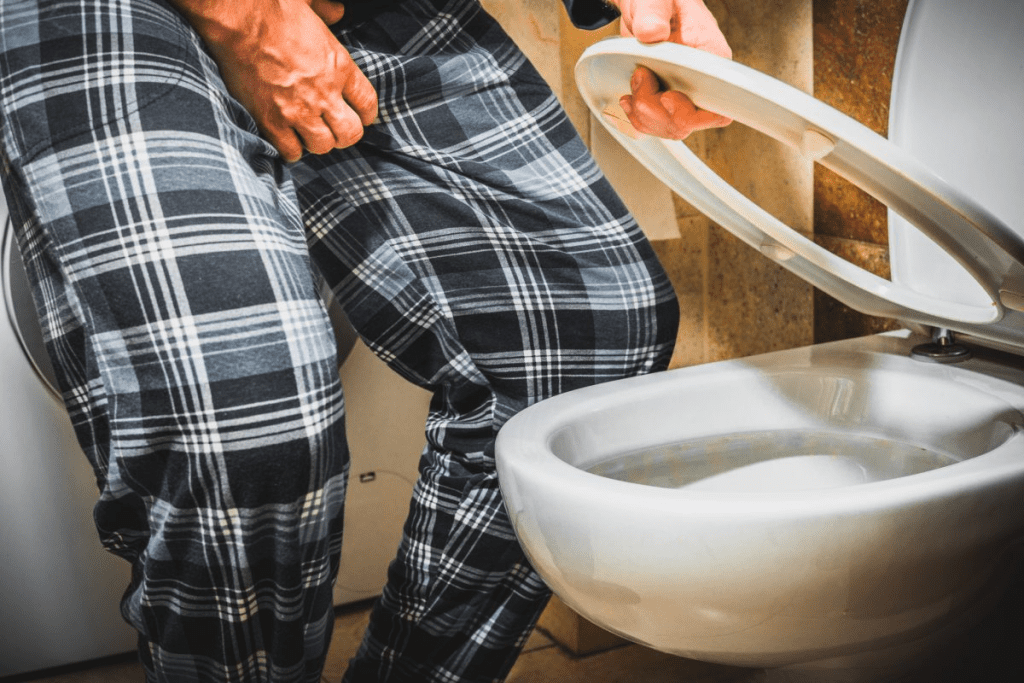
Understanding Frequent Nighttime Urination Statistics
Nocturia is a big problem for many men, getting worse with age. Up to 75% of men over 50 deal with it. Knowing this can help men feel less alone and more hopeful about finding solutions.
- Nocturia prevalence increases with age.
- Up to 75% of men over 50 experience nocturia.
- Lifestyle changes can significantly reduce nocturia episodes.
How Prostate Enlargement Affects Your Sleep Quality
Prostate enlargement can really mess with your sleep. It makes you need to urinate more at night. This can break up your sleep, making you tired, less productive, and grumpy. For more info on dealing with nocturia, check out trusted medical resources.
Understanding why you have prostate-related nocturia is the first step to better sleep. You can look into medicine for urinary frequency at night and make lifestyle changes to help.
Effective Lifestyle Changes to Reduce Nocturia in Prostate Issues
Men with prostate issues can reduce nocturia symptoms by making lifestyle changes. Nocturia is when you wake up to use the bathroom at night. It can really affect a man’s quality of life.

We suggest a few key changes. These include staying active, managing how much you drink, and eating the right foods. These steps can help reduce nighttime bathroom trips and improve prostate health.
Evidence-Based Physical Activity Recommendations
Regular exercise is important for your health and can help with nocturia. Research shows that activities like brisk walking can cut down on nighttime bathroom trips. Aim for 150 minutes of moderate exercise or 75 minutes of vigorous exercise each week.
Fluid Restriction Before Bed: Timing and Amounts
It’s also important to watch how much you drink before bed. Try to stop drinking fluids after 6 PM to avoid waking up at night. Also, avoid caffeine and alcohol in the evening to help with this issue.
Dietary Modifications That Support Prostate Health
Eating the right foods can also help your prostate and reduce nocturia. Focus on fruits, vegetables, and whole grains. Avoid processed meats and dairy. Some foods, like those with antioxidants and omega-3s, can be extra helpful. Talk to a healthcare provider or nutritionist to create a diet plan that’s right for you.
Medication Treatments for Nighttime Urinary Frequency
Medication is key in treating nighttime urinary issues linked to prostate growth. Men can find the right treatment by exploring different options with their doctors.
Alpha Blockers: The Role of Tamsulosin
Tamsulosin is a common alpha blocker. It relaxes prostate and bladder muscles, making it easier to pee. This can cut down on nighttime bathroom trips.
- Relax muscles in the prostate and the bladder neck
- Improve urine flow
- Reduce frequency of nighttime urination
5-Alpha Reductase Inhibitors: Dutasteride Benefits
Dutasteride is a 5-alpha reductase inhibitor. It shrinks the prostate, easing urinary blockages. This can greatly improve symptoms, including nighttime urination, over time.
Dutasteride’s main benefits are:
- Reduction in prostate size
- Improvement in urinary flow
- Decrease in nighttime urination frequency
Combination Therapy: 50% Improvement in Symptom Scores
Some doctors suggest combination therapy with alpha blockers and 5-alpha reductase inhibitors. This can lead to a 50% improvement in International Prostate Symptom Scores. It greatly improves life quality.
Combination therapy offers:
- Enhanced symptom relief
- Significant reduction in prostate size
- Improved urinary flow and reduced nocturia
It’s vital to consult with a healthcare provider to find the best medication plan. This way, men can manage nighttime urination and enhance their health.
Minimally Invasive Procedures for Treating Nocturia
Men with nocturia have new hope with minimally invasive treatments. These options help when lifestyle changes and meds don’t work. They can greatly improve your life quality.
UroLift Procedure: Success Rates and Recovery
The UroLift procedure is a game-changer for men with an enlarged prostate. It lifts or removes tissue to improve urine flow. This reduces nighttime trips to the bathroom.
Research shows the UroLift can help a lot of men. Some see a 50% drop in nighttime urination. Recovery is fast, with most back to normal in days.
Key benefits of the UroLift procedure include:
- Minimally invasive with no cutting or removal of prostate tissue
- Preserves sexual function
- Quick recovery time
- Significant reduction in nocturia symptoms
Transurethral Microwave Thermotherapy Benefits
Transurethral microwave thermotherapy (TMT) is a good choice for an enlarged prostate. It uses microwave energy to shrink the prostate. This improves urine flow.
A study on PMC shows TMT helps with BPH symptoms. This includes better urine flow and less nighttime urination.
“TMT offers a viable treatment option for men with BPH, providing symptom relief with minimal side effects.”
Comparing Treatment Options for Your Situation
Choosing the right treatment for nocturia is key. The UroLift and TMT have their advantages. They fit different needs.
When picking a treatment, consider:
- The severity of your nocturia symptoms
- The size and nature of your prostate enlargement
- Your overall health and medical history
- Potential risks and side effects of the procedure
Talking to your doctor helps you choose the best option for you.
Conclusion: Creating Your Personalized Plan to Stop Frequent Nighttime Urination
Understanding the causes of nocturia is key to managing it. At Liv Hospital, we help you find ways to reduce nighttime trips to the bathroom. Simple changes like drinking less water before bed can make a big difference.
Combining lifestyle changes with the right treatments can greatly reduce your symptoms. We work with your healthcare team to create a plan that fits you. This way, you can sleep better and feel healthier.
By using proven strategies every day, you can control nocturia and improve your life. Our team is here to support and guide you every step of the way.
FAQ
What is nocturia, and how does it affect men?
Nocturia is when you need to pee a lot at night. It messes up your sleep and life. It’s common in men, getting worse with age.
How does an enlarged prostate cause nocturia?
An enlarged prostate can make it hard to pee during the day and night. It puts pressure on the urethra, causing frequent and urgent need to pee.
What lifestyle changes can help reduce nocturia symptoms?
Regular exercise, drinking less water before bed, and eating right can help. These changes can improve your quality of life and reduce symptoms.
What are alpha blockers, and how do they help manage nocturia caused by prostate issues?
Alpha blockers like tamsulosin relax the muscles in the prostate and bladder. This makes it easier to pee and reduces symptoms of nocturia.
What are the benefits of 5-alpha reductase inhibitors like dutasteride in treating nocturia?
5-alpha reductase inhibitors like dutasteride shrink the prostate. This reduces the need to pee at night and improves urinary health.
What is combination therapy, and how does it improve symptom scores?
Combination therapy uses different medications together. This can lead to a 50% or more improvement in symptoms. It’s often more effective than one treatment alone.
What is the UroLift procedure, and what are its success rates and recovery like?
The UroLift procedure is a minimally invasive treatment. It lifts and holds the prostate tissue out of the way. It has high success rates and quick recovery times.
How does transurethral microwave thermotherapy benefit patients with nocturia?
This treatment uses microwave energy to heat and shrink the prostate. It reduces the need to pee at night and improves urinary health.
How can I determine the best treatment option for my nocturia?
Talk to your healthcare provider about your symptoms and medical history. Consider your lifestyle to find the best treatment for you.
What is the role of fluid restriction before bed in managing nocturia?
Drinking less water before bed can help you pee less at night. It’s good to limit fluids a few hours before sleep.
References
- American Urological Association. (2020). Benign prostatic hyperplasia: AUA guideline. Retrieved from https://www.auanet.org/guidelines-and-quality/guidelines/benign-prostatic-hyperplasia-(bph)-guideline
- European Association of Urology. (2020). EAU guidelines on non-neurogenic male lower urinary tract symptoms. Retrieved from https://uroweb.org/guidelines/eua-guidelines-on-non-neurogenic-male-lower-urinary-tract-symptoms