

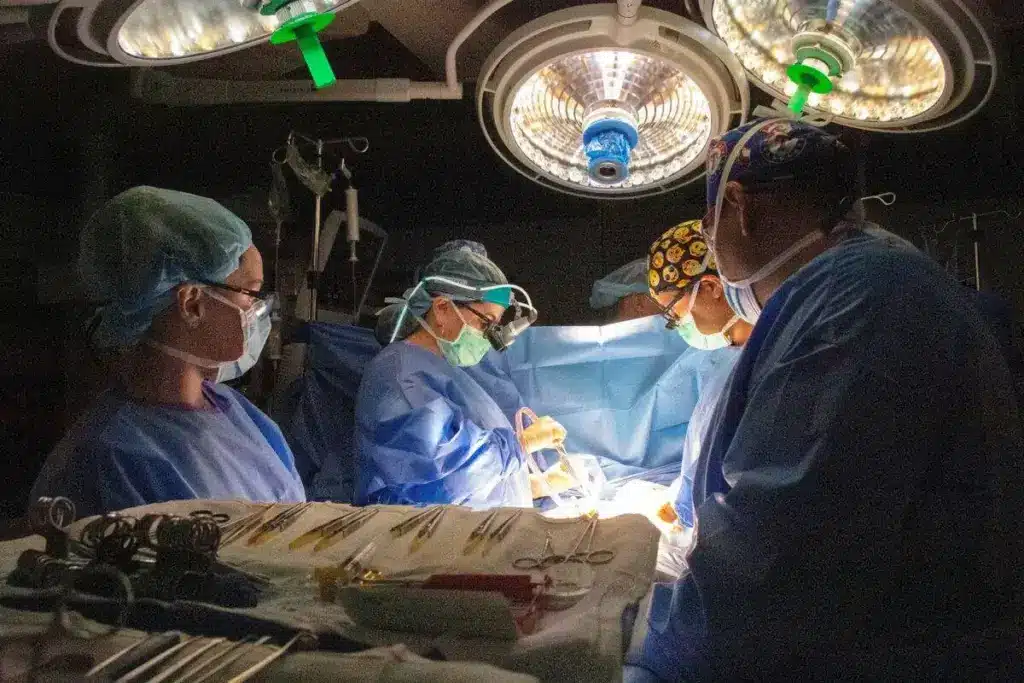
Did you know thousands of patients worldwide face a tough choice each year? They must decide if they should have heart surgery. This choice is complex, involving patient rights and medical consent.Choosing to refuse heart surgery has serious implications. Understand the critical risks involved in this important decision.
When thinking about heart surgery, patients must balance the benefits against the risks. This decision is deeply personal and medically complex.
We think it’s key for patients to know their options, including the right to refuse surgery. It’s important to understand patient autonomy and informed consent. These principles help in making this big decision.

Patients have the right to say no to medical treatment. This is backed by laws and the Constitution. It’s all about patient autonomy, a key part of U.S. healthcare.
Patient autonomy means patients can make their own healthcare choices. They can choose to accept or decline medical treatment, like heart surgery. This right is based on laws and ethics that value patient self-determination.
Key aspects of patient autonomy include:
The right to refuse medical treatment is protected by laws and the Constitution. The U.S. Constitution, through various amendments, ensures certain rights that protect patient autonomy. Federal and state laws also provide more details on this right.
Some of the key legal protections include:
It’s important for patients to know these legal protections when deciding about heart surgery. By understanding their rights, patients can make choices that fit their values and health needs.

It’s key for patients to know about informed consent before cardiac surgery. This process helps patients learn about the risks, benefits, and other options for treatment.
Valid informed consent for cardiac procedures has several important parts. These are:
Informed consent is not just once; it keeps going. Patients can pull their consent at any time, even if treatment has begun. This right is key to respecting patient freedom and making sure care matches their wishes.
To use this right, patients should tell their healthcare team about their choice. This might mean:
By knowing about informed consent and their rights, patients can make better choices about their heart care.
Patients often choose not to have heart surgery for many reasons. These include personal, financial, and emotional factors. Knowing these reasons helps doctors and nurses support their patients better.
For some, their beliefs guide their decision. These beliefs might stop them from getting surgery.
Fear and worry are big reasons for refusing surgery. Patients might fear complications or worry about how well they’ll recover.
They often fear things like infection, bleeding, or bad reactions to anesthesia.
Money worries are a big deal for many. The cost of surgery and lost income during recovery are huge concerns.
Understanding why patients might refuse surgery helps healthcare teams support them better. They can address these concerns more effectively.
Many heart conditions need surgery to improve life and survival chances. Heart surgery is a key treatment for various heart issues. These issues can greatly affect a person’s life and how long they live.
Coronary artery disease (CAD) damages the heart’s main blood vessels. It’s often caused by plaque buildup. Severe CAD can lead to heart attacks and serious problems.
Coronary artery bypass grafting (CABG) is a surgery for CAD. It uses a graft to bypass blocked arteries. This improves blood flow to the heart.
CABG takes a graft from another part of the body. It’s used to bypass blocked arteries. This can greatly improve symptoms and survival chances for severe CAD patients.
Heart valve disorders happen when heart valves get damaged or diseased. This can cause narrowing or leakage. Surgery is often needed to fix or replace the valve.
Valve replacement surgery removes the bad valve and puts in a new one. The choice between a mechanical or bioprosthetic valve depends on the patient’s age and health. Mechanical valves last longer but need lifelong blood thinner treatment. Bioprosthetic valves are made from animal tissue and have a lower clot risk but may need to be replaced more often.
Congenital heart defects are heart problems present at birth. They can range from simple to complex. Surgery aims to fix or rebuild the heart’s structure to improve blood flow and function.
The surgery needed depends on the defect’s type and severity. Common procedures include closing holes, repairing or replacing valves, and fixing abnormal blood vessel connections. Advances in surgery and care have greatly improved outcomes for these patients.
|
Heart Condition |
Surgical Procedure |
Purpose |
|---|---|---|
|
Coronary Artery Disease |
Coronary Artery Bypass Grafting (CABG) |
Improve blood flow to the heart, reduce risk of heart attack |
|
Valve Disorders |
Valve Replacement Surgery |
Repair or replace damaged valves to restore normal blood flow |
|
Congenital Heart Defects |
Corrective Procedures |
Repair or reconstruct heart anatomy to improve heart function |
Choosing to have heart surgery means understanding the risks. This surgery is complex and can save lives. But, it also comes with risks that can affect your life and recovery.
Heart surgery can lead to serious problems right away. These include bleeding, infection, and adverse reactions to anesthesia. The chance of these issues depends on your health, age, and the surgery’s complexity.
Other quick risks are cardiac arrhythmias, heart attack, and stroke. These can happen because of the surgery or your heart condition before surgery.
Heart surgery can lead to long-term problems. Some people face chronic pain, fatigue, or cognitive dysfunction. These issues might come from the surgery, the anesthesia, or your health.
There are also worries about the surgery’s long-term success. Problems like restenosis (re-narrowing of the arteries) or device failure can occur. Regular check-ups are key to watch for these issues.
Recovery time for heart surgery varies. It depends on your age, health, and the surgery type. Most people need several weeks to a few months to recover.
Recovery can be tough. You’ll face pain, need to follow a medication regimen, and make lifestyle changes. You’ll be told to avoid heavy lifting, hard activities, and eat heart-healthy.
Support from family, doctors, and cardiac rehab is vital. They help you overcome recovery challenges and ensure a good outcome.
Choosing not to have heart surgery can greatly affect your life and how long you live. It’s important to know what might happen if you decide against surgery.
Deciding not to have surgery is often a tough choice. It can be influenced by many things, like personal beliefs, fear of surgery, and money worries. But, it’s key to think about how this choice might change your heart condition.
Heart surgery is usually suggested when a condition is serious. If you don’t have surgery, your condition might get worse. This could lead to more severe symptoms and problems.
For example, not having bypass surgery for heart disease can cause more chest pain and trouble moving. It also raises the chance of a heart attack. Not getting surgery for valve problems can make heart failure symptoms worse, like breathing hard and feeling tired.
|
Condition |
Potential Consequences of Refusing Surgery |
Impact on Quality of Life |
|---|---|---|
|
Coronary Artery Disease |
Increased risk of heart attack, worsening angina |
Reduced mobility, increased pain |
|
Valve Disorders |
Worsening heart failure, possible valve failure |
More shortness of breath, feeling tired |
|
Congenital Heart Defects |
Potential for defect progression, increased risk of complications |
Varied impacts based on defect, possible shorter life |
Not having heart surgery can affect your life and how long you live. It can make your physical abilities worse, increase symptoms, and shorten your life.
People with untreated heart problems might find it hard to do everyday things. Symptoms like tiredness, hard breathing, or chest pain can make life harder. This can also affect your family and those who care for you.
Talking to your doctor about the risks of not having surgery is important. Knowing the pros and cons can help you make a choice that fits your values and what you want.
For those facing heart surgery, looking into non-surgical options is key. Surgery is needed for some heart issues, but there are treatments that don’t involve surgery. These can be good for some patients.
Medicines are often the first step in fighting heart disease. They help manage symptoms, slow the disease, and improve life quality. Beta-blockers, ACE inhibitors, and statins are common. They control blood pressure, cholesterol, and heart rate.
“The right medicine can greatly lower the need for surgery,” says a cardiologist. “It’s about finding the right mix for each patient.”
Minimally invasive procedures are another option instead of traditional surgery. They use smaller cuts and lead to faster recovery. Transcatheter aortic valve replacement (TAVR) and percutaneous coronary intervention (PCI) are examples. They’re good for patients at high risk for surgery complications.
Changing your lifestyle is vital for heart health. It can sometimes avoid the need for surgery. Eating a heart-healthy diet, staying active, quitting smoking, and managing stress are important. Cardiac rehab programs, which include exercise and heart-healthy education, are also effective.
Exploring these non-surgical options helps patients make informed choices about their heart health. They can do this with the help of their healthcare providers.
Deciding not to have heart surgery is a big choice. You need to talk clearly with your doctors. It’s important to know why you’re making this choice and what might happen next.
Talking to your cardiologist about not having surgery needs honesty. Write down why you don’t want surgery and any questions you have. This helps make sure you talk about everything important and understand what you’re choosing.
Key points to discuss with your cardiologist include:
The American Heart Association says patients have the right to choose their care. Your choice should be respected, and your doctors should support you.
After deciding not to have surgery, you should write it down in your medical records. This makes sure everyone knows your choice and will respect it.
To document your refusal effectively:
By doing these things, you make sure your choice is clear and respected by your healthcare team.
“Informed consent is not just a signature on a form; it’s an ongoing process that respects the patient’s autonomy and right to make decisions about their care.” –
A respected medical ethicist
When you’re facing a big medical decision like heart surgery, it’s normal to feel unsure. Getting a second opinion can help clear things up. It gives you the confidence to make a better choice for your care.
Looking for another expert’s view isn’t a lack of trust in your current doctor. It’s a smart move to make sure you get the best care. A second opinion might bring new insights, confirm your diagnosis, or suggest other treatments you hadn’t thought of.
There are times when getting a second opinion is a good idea:
To find a good specialist for a second opinion, follow these steps:
By getting a second opinion, you’re taking charge of your health. You’re making sure you’re making the best choice for your heart surgery.
Advanced directives and healthcare proxies are key for cardiac patients. They help communicate treatment wishes and ensure wishes are followed, even when patients can’t make decisions.
Creating advanced directives means making documents that state your medical treatment wishes. These documents are vital for cardiac patients. They tell healthcare providers what care you want.
To make these documents, patients should:
Creating advanced directives ensures a patient’s patient autonomy is respected. It also brings peace of mind to the patient and their family.
|
Type of Directive |
Description |
Purpose |
|---|---|---|
|
Living Will |
Outlines medical treatment preferences if a patient is unable to communicate. |
Ensures that a patient’s wishes regarding life-sustaining treatments are known. |
|
Durable Power of Attorney for Healthcare |
Appoints a healthcare proxy to make medical decisions on behalf of the patient. |
Allows for flexible decision-making based on the patient’s current condition. |
|
Do Not Resuscitate (DNR) Order |
Instructs healthcare providers not to perform CPR if a patient’s heart stops or if they stop breathing. |
Respects a patient’s wish not to undergo life-sustaining measures under specific circumstances. |
Choosing a healthcare proxy is a big decision. The proxy should know and respect the patient’s medical treatment wishes.
When picking a healthcare proxy, patients should:
By choosing a trusted healthcare proxy, cardiac patients can protect their medical rights. Their treatment wishes will be respected, even if they can’t speak for themselves.
Understanding and using advanced directives and healthcare proxies helps cardiac patients control their medical treatment. It ensures their wishes are respected throughout their care journey.
Decisions about heart surgery involve many factors. These include medical advice, religious beliefs, and cultural background. For many, the choice to have or not have surgery is deeply personal.
Some patients may choose not to have surgery due to religious beliefs. Hospitals respect these beliefs while ensuring patients get the care they need. They offer alternative treatments and support religious practices.
Certain religious groups have specific dietary needs or prayer requirements. Hospitals meet these needs by providing special meals and quiet spaces for prayer.
Examples of Religious Accommodations:
Culture also shapes how people view heart health and treatment. Different cultures have different views on health and medicine. This affects how patients make decisions about surgery.
|
Cultural Aspect |
Influence on Heart Surgery Decisions |
|---|---|
|
Family Involvement |
In some cultures, family members play a key role in medical decisions. This can influence a patient’s choice about surgery. |
|
Traditional Healing Practices |
Some cultures prefer traditional healing over modern medicine. This can affect a patient’s willingness to have surgery. |
|
Perception of Illness |
Cultural beliefs about illness can shape how patients respond to a diagnosis and treatment plans. |
Understanding and respecting cultural differences helps healthcare providers support patients. This way, patients can make informed decisions about their care.
Vulnerable cardiac patients, like the elderly and those with cognitive impairments, face unique challenges. They need special care because their situations can greatly affect their treatment outcomes.
Elderly patients often have many health issues, making heart surgery decisions tough. We must balance the surgery’s benefits against its risks. This includes looking at the patient’s health, how well they function, and how long they might live.
Using comprehensive geriatric assessment tools is helpful. These tools check the patient’s medical, cognitive, functional, and social status. This gives a full picture of their ability to handle surgery.
Patients with cognitive issues or dementia face special challenges in heart surgery. They might not be able to give consent, so family members or legal reps must help. We also think about how surgery might affect their thinking and quality of life.
It’s important to have open and compassionate discussions with caregivers. We talk about surgery’s benefits and risks, and other options. Our goal is to make choices that are best for the patient, even if they can’t speak for themselves.
Decisions for minors with heart conditions involve the patient and their parents or guardians. We work with families to make sure they understand their child’s condition and treatment options. We also discuss the risks and benefits.
It’s key to involve minors in decisions, based on their age and maturity. We aim to support families in making choices that are best for their child.
Choosing to have heart surgery is not just about the medical side. It also involves dealing with what healthcare providers and family think. As a patient, you have the right to decide about your care. But, outside pressures can make things harder.
It can be tough when your healthcare team doesn’t agree with your heart surgery choice. Remember, they want to help your health, but you make the final call.
To handle disagreements well, follow these steps:
|
Action |
Purpose |
Benefit |
|---|---|---|
|
Listen to Concerns |
Understand Healthcare Provider’s Perspective |
Better Informed Decision Making |
|
Communicate Your Decision |
Ensure Your Voice is Heard |
Aligns Care with Patient Preferences |
|
Seek Second Opinion |
Validate Initial Recommendations |
Increased Confidence in Decision |
Family members often worry a lot when you’re making heart surgery choices. They might feel scared, worried, or disagree with you. It’s important to include them in your decision-making but also respect your freedom to choose.
To talk to your family about their worries:
By handling these talks well, you can make sure your choice is supported by your healthcare team and family. Or at least, they’ll understand your point of view.
New discoveries in heart health or better surgery methods might make you think again about heart surgery. It’s key to keep up with your health and the newest treatments.
If your heart health changes a lot, it’s time to think about surgery again. For example, if your symptoms get worse or tests show a more serious problem, surgery might be a better choice.
Keep a close eye on your health with your cardiologist. Regular visits and tests can show if your condition has gotten worse or if new treatments are better.
“The decision to undergo heart surgery is complex and multifaceted, often influenced by the progression of the disease and the emergence of new therapeutic options.”
New heart surgery methods can change your mind. Techniques like minimally invasive or robotic-assisted surgery might be safer and quicker than old ways.
Learning about these new methods can help you decide about surgery. Talking to your cardiologist or a heart surgeon can help understand how these changes affect you.
Thinking again about refusing heart surgery is a big and complex choice. It’s about weighing the good against the bad, looking at your health now, and checking out the newest treatments.
When deciding on heart surgery, patients face a tough choice. They must balance their personal wishes with what’s medically needed. We’ve looked into how this decision is made, from understanding consent to considering other options.
Choosing to have or not have heart surgery is a personal decision. It should be made after careful thought about your situation. We suggest talking openly with your doctor, getting a second opinion, and looking at all options before making a choice.
By considering both personal choice and medical need, people can make decisions that fit their values and health. This approach is key in making heart surgery decisions. It helps ensure the best outcome for each person.
You have the right to say no to heart surgery. This is based on your freedom to make choices about your health. Laws also protect your right to informed decisions about your care.
Informed consent means knowing the risks and benefits of a treatment. It also means understanding the alternatives. This helps you make a well-informed choice about your health.
Yes, you can change your mind about heart surgery at any time. It’s important to tell your doctors clearly if you decide to withdraw your consent.
People might choose not to have heart surgery for many reasons. These include religious beliefs, fear of surgery, or financial worries. Personal beliefs also play a big role.
Heart surgery can have serious risks. These include immediate problems and long-term side effects. Recovery can also be challenging. These risks should be thought about carefully.
Not having heart surgery can let a heart problem get worse. This can affect your quality of life and how long you live. It’s important to talk about this with your doctor.
Yes, there are other options. These include medicines, less invasive procedures, and lifestyle changes. Cardiac rehab programs are also available.
Talk clearly with your cardiologist about your choice. Make sure your decision is written down in your medical records. Getting a second opinion can also help support your decision.
A second opinion can bring more expertise. It can help confirm or change your initial decision. This ensures you’re making a well-informed choice about your heart care.
Advanced directives and healthcare proxies let you plan for your heart care in the future. They also let you choose someone to make decisions for you if needed.
Religious and cultural beliefs can greatly affect heart surgery choices. Some people or groups might prefer other treatments over surgery.
Vulnerable groups, like the elderly or those with cognitive issues, need special care. They often require a more thoughtful approach to heart surgery decisions.
Talk openly with your healthcare team and family about your concerns. If needed, seek help from patient advocates or counselors to handle disagreements.
Yes, you can change your mind about refusing heart surgery. This might happen if your heart health changes or if new surgical techniques become available.
Not having heart surgery can avoid surgical risks and reduce recovery time. It also allows for other treatments that might be better for your condition.
To make a good decision, understand your heart condition and the surgery. Know the risks and benefits, and explore other treatment options with your doctor.
JAMA Network. Evidence-Based Medical Insight. Retrieved from https://jamanetwork.com/journals/jamasurgery/fullarticle/2781882
