Last Updated on November 14, 2025 by Ugurkan Demir
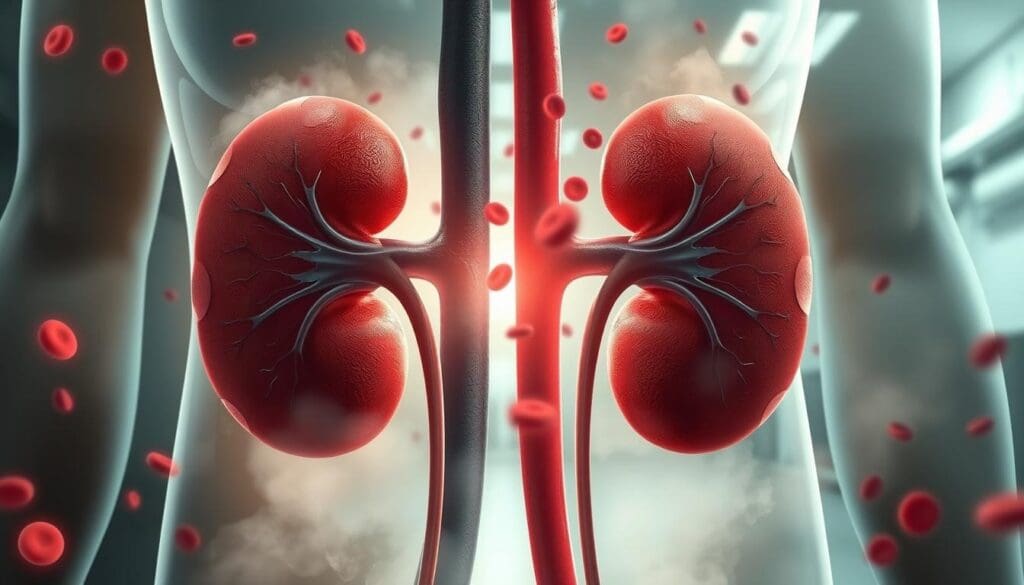
Kidney disease can make it hard for the body to make red blood cells. This leads to anemia. Anemia means not enough red blood cells or hemoglobin, causing tiredness, weakness, and shortness of breath. Up to 90% of people with advanced kidney disease get anemia, showing how kidney health affects red blood cell production.
It’s important to understand how kidney disease and anemia are connected. As kidney function gets worse, the chance of getting anemia goes up. So, it’s key to watch for and treat anemia early on.
Key Takeaways
- Kidney disease can lead to anemia due to reduced red blood cell production.
- Anemia is common in patients with advanced stages of CKD.
- Symptoms of anemia include fatigue, weakness, and shortness of breath.
- Understanding the link between kidney disease and anemia is vital for effective management.
- Prompt monitoring and treatment of anemia can improve patient outcomes.
The Relationship Between Renal Disease and Anemia
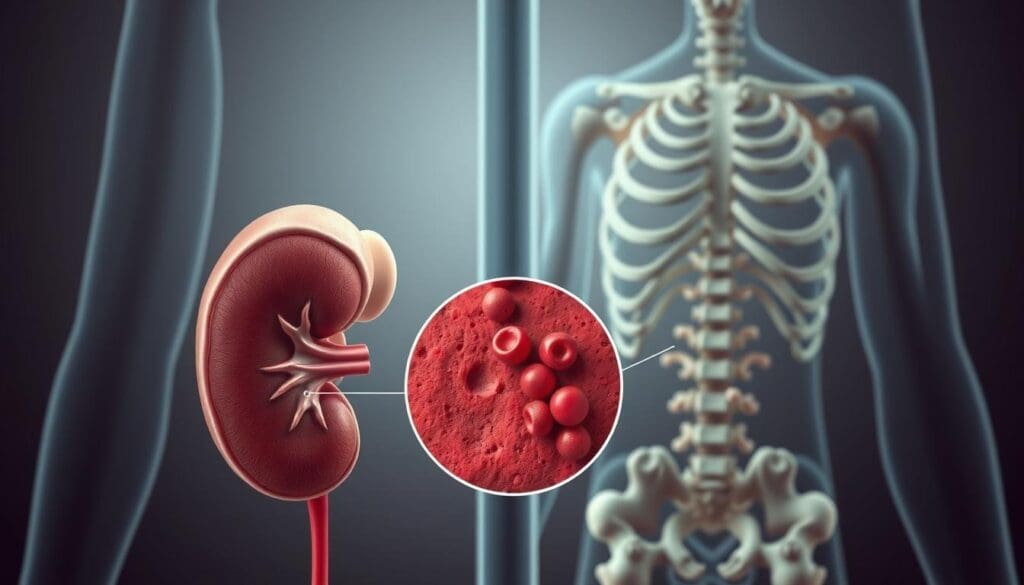
Chronic kidney disease (CKD) often leads to anemia, a condition that can severely impact a patient’s quality of life. The relationship between kidney function and red blood cell production is complex, involving multiple physiological pathways.
Anemia is a common complication among patients with CKD, affecting up to 90% of those in advanced stages. It significantly impacts their overall well-being and disease progression.
Prevalence of Anemia in Kidney Disease Patients
The prevalence of anemia in patients with CKD is substantial. More than 37 million American adults may have CKD, and anemia affects more than 1 out of every 7 of them. The condition is more prevalent among those with more advanced kidney disease.
| CKD Stage | Prevalence of Anemia |
| Stage 1-2 | Less common |
| Stage 3 | Moderate |
| Stage 4-5 | High (up to 90%) |
Impact on Quality of Life and Disease Progression
Anemia secondary to CKD has a profound impact on patients’ quality of life. Symptoms include fatigue, weakness, and shortness of breath, which can significantly impair daily functioning. Anemia also increases the risk of cardiovascular disease and faster progression of kidney disease.
“Anemia is a critical complication of CKD, associated with decreased quality of life, increased risk of cardiovascular events, and faster progression to end-stage renal disease.”
Managing anemia in CKD patients is key to improving outcomes. Understanding the relationship between renal disease and anemia is the first step towards effective management.
Understanding Normal Kidney Function in Blood Production

Normal kidney function is key to makingg erythropoietin. This hormone helps create red blood cells. The kidneys do more than filter waste; they also help the body stay healthy by making important hormones.
The Role of Kidneys in Erythropoietin Production
Erythropoietin (EPO) is a hormone made by the kidneys. It’s vital for making red blood cells. When the kidneys work right, they make enough EPO. This tells the bone marrow to make more red blood cells.
Erythropoietin production is directly linked to kidney health. If the kidneys are damaged, they make less EPO. This means fewer red blood cells are made. This can cause anemia, a big problem for people with chronic kidney disease (CKD).
How Healthy Kidneys Support Red Blood Cell Formation
Healthy kidneys help make red blood cells by making erythropoietin. Here’s how it works:
| Kidney Function | EPO Production | Red Blood Cell Formation |
| Normal | Adequate | Normal production |
| Impaired | Reduced | Decreased production |
| Diseased | Significantly reduced | Anemia likely |
The table shows how kidney function, EPO production, and red blood cell formation are connected. When kidney function goes down, EPO production drops. This leads to fewer red blood cells and can cause anemia.
In short, knowing how healthy kidneys help make blood is important. It shows how kidney disease can cause anemia. The kidneys’ role in making erythropoietin is a big part of this.
Mechanisms of Anemia in Chronic Kidney Disease
Anemia in CKD comes from several factors. These include less erythropoietin and iron issues. Knowing these causes helps us find better treatments.
Decreased Erythropoietin Production
Erythropoietin (EPO) is made mainly by the kidneys. It helps make red blood cells in the bone marrow. In CKD, the kidneys make less EPO, causing fewer red blood cells and anemia. The drop in EPO production is a major reason for anemia in CKD patients.
A study found, “The main reason for anemia in CKD is the kidneys not making enough erythropoietin.” This shows how important EPO is for keeping red blood cell counts normal.
Iron Metabolism Disturbances
Iron is key to making hemoglobin, which carries oxygen in red blood cells. In CKD, iron use is often off, making it hard to make enough hemoglobin. This can happen because of not enough iron in the diet, too much hepcidin, or blood loss during dialysis.
Iron issues are a big part of anemia in CKD. Fixing iron deficiency is key to managing anemia. This might mean taking iron by mouth or through a vein, depending on how bad the deficiency is.
Inflammation and Uremic Toxins
CKD causes long-term inflammation, which raises hepcidin levels. High hepcidin means less iron for making red blood cells, adding to anemia. Also, toxins from CKD can slow down the production of red blood cells and make them less responsive to EPO.
“Chronic inflammation and uremic toxins in CKD patients make it hard to manage anemia.”
The mix of inflammation, toxins, and anemia in CKD shows we need a full plan to tackle anemia. This plan should tackle the root causes and use the right treatments.
Clinical Presentation of Anemia Related to Kidney Disease
Anemia linked to kidney disease shows up in many ways, affecting a person’s quality. These signs can change slowly, so doctors must watch patients closely.
Common Symptoms and Their Progression
Symptoms of anemia in chronic kidney disease (CKD) include fatigue or tiredness, shortness of breath, unusually pale skin, weakness, body aches, chest pain, dizziness, and fainting. As anemia gets worse, these signs get stronger. They can make it hard for patients to do everyday tasks.
“The presence of anemia can significantly complicate the management of CKD, as it not only affects the patient’s physical condition but also their overall well-being,” as noted by experts in the field.
Differences from Other Types of Anemia
Anemia related to kidney disease is different from other types. It is normocytic and normochromic, meaning red blood cells are normal in size and hemoglobin content. This is unlike iron deficiency anemia, where red blood cells are smaller and have less hemoglobin.
- The main cause of anemia in CKD is the kidneys’ reduced production of erythropoietin.
- Inflammation and issues with iron metabolism also play big roles.
- Knowing these differences is key to creating the right treatment plan.
Diagnostic Approach to Anemia Secondary to CKD
Anemia caused by CKD is diagnosed by looking at medical history, physical exams, and lab tests. These tests check how well the kidneys work and how severe the anemia is.
Laboratory Tests and Interpretation
Several key tests are used to diagnose anemia in CKD. These include:
- Complete Blood Count (CBC) to check hemoglobin and red blood cell health.
- Iron studies to see if there’s enough iron in the body.
- Reticulocyte count to check if the bone marrow is making enough new red blood cells.
- Erythropoietin level to see if the kidneys are making enough of this hormone.
Understanding these tests is important. For example, low hemoglobin and reticulocyte counts can mean the kidneys aren’t making enough erythropoietin or that the body isn’t responding well to it.
Evaluating Kidney Function and Anemia Severity
Checking how well the kidneys work is key in diagnosing and treating anemia in CKD patients. Important tests include:
| Test | Purpose | Implication in CKD |
| Serum Creatinine | Assess kidney function | Elevated levels show the kidneys aren’t working as well |
| eGFR (Estimated Glomerular Filtration Rate) | Estimate kidney function | Lower eGFR means more severe kidney damage |
| BUN (Blood Urea Nitrogen) | Assess waste removal by the kidneys | High BUN levels can show that CKD is getting worse |
By looking at these test results, doctors can figure out how bad CKD and anemia are. This helps them decide the best treatment plan.
The Connection Between Low Hemoglobin and High Creatinine
The link between low hemoglobin and high creatinine in CKD patients is complex. As kidney function drops, hemoglobin levels often fall, causing anemia. At the same time, creatinine levels rise, showing reduced kidney function.
Understanding the Correlation
The kidney’s role in making erythropoietin and filtering waste is key. Damaged kidneys make less erythropoietin, leading to fewer red blood cells and lower hemoglobin. They also can’t filter waste like creatinine, causing its levels to go up.
Key factors contributing to this correlation include:
- Reduced erythropoietin production leading to anemia
- Impaired waste filtration resulting in elevated creatinine levels
- Inflammation and oxidative stress further complicate both conditions
Clinical Significance and Monitoring
It’s vital to understand the importance of low hemoglobin and high creatinine in CKD. Regular checks of both are needed to track kidney disease and anemia.
The table below shows common monitoring for CKD patients:
| Parameter | Frequency | Clinical Significance |
| Hemoglobin | Every 3-6 months | Assesses anemia severity |
| Creatinine | Every 3-6 months | Evaluates kidney function |
| Erythropoietin | As needed | Guides ESA therapy |
Managing low hemoglobin and high creatinine requires a detailed plan. This includes erythropoiesis-stimulating agents, iron, and treating the kidney disease. By watching patients closely and adjusting treatments, doctors can improve their lives.
Conventional Treatment Strategies for Chronic Kidney Disease Anemia
Managing anemia in chronic kidney disease (CKD) needs a mix of treatments. The main goal is to ease symptoms, improve life quality, and lower the risk of anemia-related problems.
Iron Supplementation Approaches
Iron supplements are key in treating anemia in CKD patients. Iron deficiency is common, and supplements help make more red blood cells. There are two main ways to give iron: through the mouth or by injection.
- Oral iron is often the first choice because it’s easy to take and affordable.
- When oral iron doesn’t work, intravenous iron is used. It fixes iron levels faster and more directly.
The National Institutes of Health says iron supplements are vital for CKD anemia. They help cut down the need for blood transfusions.
Erythropoiesis-Stimulating Agents (ESAs)
ESAs are drugs that make more red blood cells. They work like the hormone erythropoietin, which the kidneys make. They’re used when iron supplements alone can’t fix anemia.
- ESAs increase hemoglobin levels, reducing the need for blood transfusions and improving health.
- Using ESAs needs careful watching to avoid problems like hypertension and heart risks.
Blood Transfusions: When Are They Necessary?
Blood transfusions are for severe anemia that other treatments can’t fix. They quickly raise hemoglobin levels. But, they carry risks like iron overload and sensitization for future transplants.
- Transfusions are usually for patients with very low hemoglobin or severe symptoms.
- Deciding on a blood transfusion depends on the patient’s health and anemia severity.
In summary, treating anemia in CKD involves iron supplements, ESAs, and blood transfusions. Each method has its own benefits and risks. The right treatment depends on the patient’s specific needs.
Emerging Therapies for Kidney Failure Anemia
Anemia in kidney failure is on the verge of a big change with new treatments. Research is finding new ways to tackle anemia linked to chronic kidney disease (CKD). This is because current treatments have their limits.
HIF-PH Inhibitors: Mechanism and Benefits
HIF-PH inhibitors are a new type of drug that might help with CKD anemia. They work by keeping hypoxia-inducible factors (HIFs) stable. HIFs help the body handle low oxygen levels.
By blocking PHD enzymes, these inhibitors boost erythropoietin and iron use. This helps make more red blood cells.
Key benefits of HIF-PH inhibitors include:
- Increased production of erythropoietin
- Improved iron metabolism
- Potential for oral administration, making it easier for patients to take
A leading researcher said,
“HIF-PH inhibitors offer a new way to treat CKD anemia. They could make treatment easier and improve patient results.”
Novel Approaches in Clinical Development
There are also other new ways to treat CKD anemia. These include:
- Novel erythropoiesis-stimulating agents with longer half-lives
- Agents targeting inflammation and hepcidin regulation
- Gene therapy approaches to enhance erythropoiesis
These new treatments could greatly help manage anemia in kidney failure. They might lead to more effective and tailored treatments.
The future of managing anemia in CKD looks promising. These new treatments could lead to better patient outcomes and a better quality of life.
Managing Anemia Across Different Stages of Kidney Disease
Anemia in CKD needs a specific plan for each stage to help patients. It’s key to manage anemia well at every CKD stage. This affects how well a patient lives and how the disease progresses.
Early CKD (Stages 1-3)
In the early CKD stages (1-3), finding and treating the causes is the main goal. This might mean fixing iron or vitamin deficiencies. A study shows early action can make a big difference.
Iron supplements are often needed to treat iron deficiency anemia. Whether to use oral or intravenous iron depends on the deficiency’s severity and the patient’s health.
Advanced CKD (Stages 4-5)
Managing anemia gets harder as CKD advances to Stages 4 and 5. Erythropoiesis-stimulating agents (ESAs) help make more red blood cells. But when usingg ESAs must be careful to avoid bad side effects like high blood pressure.
It’s very important to watch hemoglobin levels closely in this stage. The goal is to keep hemoglobin levels right for oxygen delivery without going too high.
Dialysis and Transplant Patients
For dialysis patients, managing anemia means more than just ESAs and iron. It also includes fighting inflammation and blood loss during dialysis. Keeping an eye on iron and hemoglobin levels is key.
In transplant patients, managing anemia might change after the transplant. Some may need ESA therapy, while others might see anemia improve with kidney function. But some drugscan cause anemia, so constant monitoring is needed.
Managing anemia in CKD needs a plan that fits the patient’s kidney function, treatment, and health issues. By adjusting strategies for each CKD stage, doctors can help patients live better and improve their quality of life.
Special Considerations in Anemia and Kidney Disease Management
Managing anemia in kidney disease is complex. It needs tailored approaches for different patients. This includes pediatric and elderly patients, and those with other health issues.
Pediatric Patients
Dealing with anemia in kids with kidney disease is tough. They have different needs and are more affected by anemia. Erythropoiesis-stimulating agents (ESAs) and iron are used, but dosing must be right for their size and how they react.
A study on kids on dialysis found that intravenous iron helped a lot. It cut down the need for blood transfusions.
Elderly Patients
Elderly patients with kidney disease and anemia face extra challenges. They often have other health issues like heart disease and diabetes. These can make treating anemia harder. A detailed geriatric assessment is key to making the right treatment choices.
A study on older CKD patients showed that a personalized approach to anemia management helped. It considered their other health problems and how well they could function.
Patients with Comorbidities
Patients with kidney disease and anemia, and other health issues need a careful plan. Their other health problems can affect how well treatments work. This might mean changing the treatment plan.
| Comorbidity | Impact on Anemia Management | Management Strategy |
| Chronic Inflammation | Inflammation can lead to ESA resistance. | Address underlying causes of inflammation; consider anti-inflammatory therapies. |
| Infections | Active infections can worsen anemia. | Treat infections promptly; adjust ESA and iron dosing as needed. |
| Malignancies | Cancer and its treatment can affect bone marrow function. | Coordinate with the oncology team to manage anemia; consider supportive care measures. |
Conclusion: Integrated Approach to Renal Anemia Management
Managing renal anemia well needs a complete plan. This includes finding the problem, treating it, and keeping an eye on it. ItIt’sey to toetter health and happiness for those with chronic kidney disease (CKD).
Understanding how kidney disease and anemia work together is important. This includes knowing about less erythropoietin, iron issues, and inflammation. With iron supplements, erythropoiesis-stimulating agents, and new treatments, doctors can help a lot.
Every patient is different, so a custom plan is needed. This way, doctors can help more, avoid problemprovidevideare care for those with CKD and anemia.
FAQ
What is the relationship between kidney disease and anemia?
Kidney disease can lead to anemia. This is because the kidneys don’t make enough erythropoietin. Erythropoietin is a hormone that helps make red blood cells.
How does chronic kidney disease (CKD) cause anemia?
CKD causes anemia in several ways. It can lower erythropoietin production. It also affects iron levels and can cause inflammation and toxin buildup.
What are the symptoms of anemia related to kidney disease?
Symptoms include feeling tired, weak, and pale. You might also get short of breath or dizzy.
How is anemia secondary to CKD diagnosed?
Doctors use blood tests to diagnose anemia from CKD. They check for complete blood count, iron levels, and erythropoietin. They also look at kidney function through creatinine and eGFR.
What is the connection between low hemoglobin and high creatinine?
Low hemoglobin and high creatinine often go together in CKD. This is because kidney problems can cause both issues.
What are the conventional treatment strategies for anemia in CKD?
Treatments include iron supplements, ESAs, and blood transfusions. These help manage anemia in CKD.
What are HIF-PH inhibitors, and how do they work in treating anemia?
HIF-PH inhibitors are new drugs. They help by stabilizing HIF. This leads to more erythropoietin and better iron use.
How is anemia managed in different stages of kidney disease?
Management changes with kidney disease stages. It depends on the patient’s condition and treatment. This includes early, advanced CKD, dialysis, and post-transplant.
What are the special considerations in managing anemia in kidney disease?
Special care is needed for kids, the elderly, and those with other health issues. Each group has unique needs.
How does erythropoietin and kidney disease relate to anemia treatment?
Erystimulatesstimulatespredredn isto rredredod cell production. Its lack in kidney disease is a major reason for anemia. Treating it with ESAs is important.
References
- Babitt, J. L., & Lin, H. Y. (2012). Mechanisms of anemia in CKD. Journal of the American Society of Nephrology, 23(10), 1631–1634. https://www.ncbi.nlm.nih.gov/pmc/articles/PMC3458456/