Last Updated on November 4, 2025 by mcelik
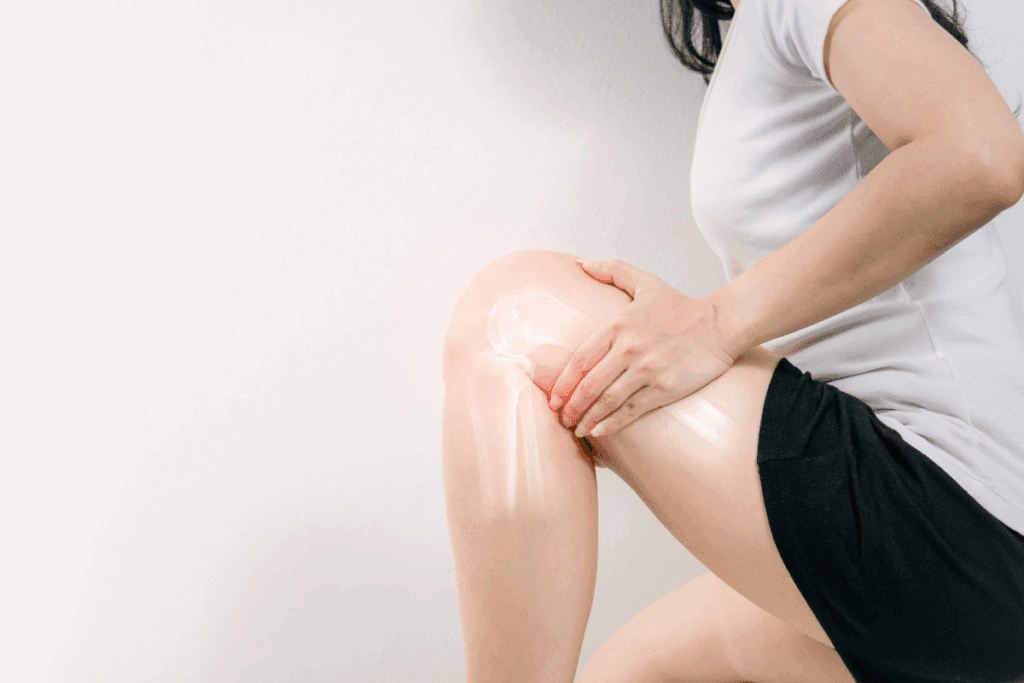
Knee inflammation is a big problem, affecting millions of people. Did you know that knee injuries account for nearly 20% of all sports-related injuries? This shows how common knee issues are. They can come from injuries, infections, or long-term conditions like arthritis.
Knowing what causes knee inflammation is important for treating it. We’ll look at the common causes and symptoms of an injured knee. This will help us understand how to tackle knee inflammation effectively. By acting fast, people can reduce pain and avoid more problems.
Key Takeaways
- Understanding the causes of knee inflammation is key to effective treatment.
- Knee inflammation can result from injuries, infections, or chronic conditions.
- The RICE method is a widely recommended approach for inflammation relief.
- Resting the injured knee and avoiding weight on it can help alleviate symptoms.
- Prompt treatment is essential to prevent further complications.
Understanding Knee Inflammation: Causes and Symptoms
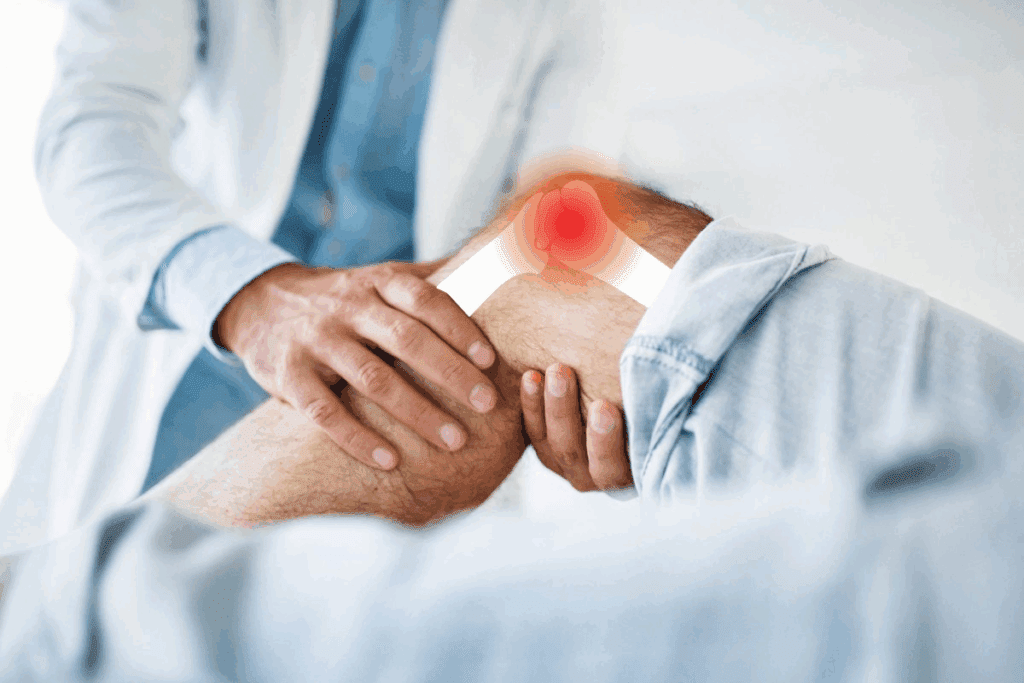
It’s important to know the causes and symptoms of knee inflammation. This knowledge helps in managing and treating it. Knee inflammation can come from injuries, overuse, or medical conditions.
Common Causes of Knee Inflammation
Several factors can cause knee inflammation. Injuries like sprains or tears are common. Overuse or repetitive strain also leads to inflammation. Medical conditions like osteoarthritis or gout can also cause it.
| Cause | Description |
| Injuries | Ligament sprains, meniscal tears, fractures |
| Overuse | Repetitive strain, excessive exercise |
| Medical Conditions | Osteoarthritis, rheumatoid arthritis, gout |
Recognizing Inflammation Symptoms
The symptoms of knee inflammation include pain, swelling, and limited mobility. The knee may feel warm and have less range of motion. Sometimes, it can feel unstable.
When to Seek Medical Attention
Knowing when to see a doctor is key. If the pain is severe, or if there’s a lot of swelling, seek help. Also, if the knee feels unstable, or if you suspect an infection, get medical attention.
Early treatment is vital to avoid complications. Understanding the causes and symptoms is the first step in managing knee inflammation.
The RICE Method: First-Line Treatment
The RICE method is key in treating knee inflammation. It’s easy to follow and very effective. Each letter in RICE stands for Rest, Ice, Compression, and Elevation. These steps help reduce swelling and aid in healing.
Rest: How to Properly Rest an Injured Knee
Resting your knee is the first step in RICE. Avoid activities that make it worse, like heavy lifting or bending. Try not to put too much weight on the knee to help it heal.
Ice: Applying Ice Pack 15-20 Minutes Hourly
Ice is important for pain and swelling. Use an ice pack wrapped in cloth to protect your skin. Apply it for 15-20 minutes every hour. This helps by reducing blood flow and swelling.
Compression: Using Bandages to Reduce Swelling
Compression uses bandages to apply pressure and reduce swelling. Choose a bandage that’s not too tight. It should be comfortable and provide support without pain.
Elevation: Positioning Above Heart Level
Elevating your knee helps by reducing blood flow and swelling. Use pillows to keep your knee above your heart when sitting or lying down. This simple action can help a lot.
Following the RICE method can help manage knee inflammation. It’s a simple, home-based treatment that offers quick relief and supports healing.
Rest Injured Knee Avoid Weight: Complete Guide
Not putting weight on an injured knee is key to healing. It helps your knee recover faster and better. When you hurt your knee, it needs rest to heal right.
Why Weight Avoidance Is Critical for Healing
Not putting weight on your knee is important. It lets your knee start healing without extra stress. If you keep putting weight on it, healing takes longer and can cause more harm.
Key reasons for weight avoidance include:
- Reducing pain and discomfort
- Minimizing swelling and inflammation
- Preventing further injury or strain
- Allowing the knee to heal properly
Mobility Aids for Weight Reduction
There are tools to help take weight off your knee. Crutches and walkers are made to support your knees while moving.
It’s important to use these aids right. Make sure crutches fit you and learn how to use them to avoid hurting other parts of your body.
Duration of Rest Period
The time you need to rest depends on how bad the injury is. Always listen to your doctor to know how long to avoid weight.
Rest time can be a few days to weeks. Keep an eye on how you’re doing and change your plans if needed.
Gradual Return to Weight-Bearing Activities
When your doctor says it’s okay, start slowly going back to activities that put weight on your knee. Do this carefully to avoid pushing too hard.
- Start with partial weight-bearing activities
- Gradually increase the weight-bearing over time
- Monitor your body’s response and adjust if needed
Proper alignment and the use of braces can significantly reduce inflammation in the knee.
Over-the-Counter Medications for Knee Inflammation
Managing knee inflammation often needs a mix of treatments, including OTC meds. These meds help by easing pain and swelling. This makes daily tasks easier. We’ll look at the different OTC meds for knee inflammation, their benefits, and how to use them right.
NSAIDs: Ibuprofen, Advil, and Aleve
Nonsteroidal Anti-Inflammatory Drugs (NSAIDs) are a top pick for knee inflammation. Ibuprofen, in Advil, and naproxen, in Aleve, are favorites. They block enzymes that cause inflammation, reducing pain and swelling. Always stick to the recommended dose to avoid side effects.
Aspirin Anti-Inflammatory Effects
Aspirin is also an NSAID with anti-inflammatory effects. But, it’s less used for knee inflammation because of stomach side effects. Yet, for some, aspirin can be a good choice with a doctor’s advice.
Topical Treatments: Diclofenac Gel and Capsaicin Cream
For those who don’t want to take pills or need more relief, topical treatments are great. Diclofenac gel is applied to the skin over the knee, reducing inflammation. Capsaicin cream, from chili peppers, blocks pain signals to the brain. Both can be used with oral NSAIDs for better relief.
Proper Dosage and Usage Guidelines
It’s key to follow the proper dosage and usage guidelines for any OTC medication. Always read the label and ask a healthcare professional if unsure. Taking more than the recommended dose doesn’t help and can harm. Also, if you have health issues or take other meds, check for interactions.
Anti-Inflammatory Diet and Nutrition
Nutrition plays a big role in how our bodies react to inflammation. Choosing the right foods can help ease knee pain. An anti-inflammatory diet includes foods that fight inflammation and avoids those that make it worse.
Foods That Fight Inflammation
Some foods can help fight inflammation. These include:
- Fatty Fish: Fish like salmon and sardines are full of omega-3 fatty acids, which are great for fighting inflammation.
- Leafy Greens: Spinach and kale are packed with antioxidants.
- Nuts and Seeds: Almonds and chia seeds have healthy fats and antioxidants.
- Fruits: Berries, oranges, and other fruits are high in vitamin C and antioxidants.
- Olive Oil: It has oleocanthal, which is anti-inflammatory.
Foods to Avoid
Some foods can make inflammation worse. It’s best to limit or avoid:
- Processed Foods: They often have unhealthy fats, sugars, and sodium.
- Sugary Drinks and Snacks: They can increase inflammation.
- Refined Carbohydrates: White bread and pastries can cause inflammation.
- Red and Processed Meats: They can be pro-inflammatory.
Hydration: Water to Flush Toxins
Drinking enough water is key for health and can help reduce inflammation. Water helps remove toxins from our bodies, which can cause inflammation. Drink plenty of water every day.
By choosing the right foods and staying hydrated, we can manage knee inflammation and improve our health.
Supplements and Natural Remedies
We can explore a range of supplements and natural remedies that may help mitigate knee inflammation. These natural approaches can complement conventional treatments and promote overall well-being.
Turmeric and Curcumin Supplements
Turmeric, a spice commonly used in cooking, contains a powerful compound called curcumin. Curcumin has potent anti-inflammatory and antioxidant properties. Curcumin supplements have been shown to reduce inflammation and alleviate symptoms of knee osteoarthritis. When selecting a turmeric or curcumin supplement, look for products that contain bioavailable forms of curcumin, such as Curcumin C3 Complex or Longvida Optimized Curcumin.
Omega-3 Fish Oil Capsules
Omega-3 fatty acids, found in fish oil, have anti-inflammatory effects. They may help reduce knee inflammation. Omega-3 supplements can support joint health by reducing inflammation and promoting the healing of damaged tissues. When choosing an omega-3 supplement, ensure it is molecularly distilled and contains a sufficient amount of EPA and DHA.
Joint Health: Glucosamine, Chondroitin, and MSM
Glucosamine, chondroitin, and MSM are popular supplements for joint health. Glucosamine and chondroitin help maintain cartilage health. MSM (methylsulfonylmethane) is a sulfur compound with anti-inflammatory properties. These supplements may help alleviate knee pain and inflammation, when used in combination.
Herbal Anti-Inflammatories
Various herbs have anti-inflammatory properties that can help manage knee inflammation. Some of the most effective herbal anti-inflammatories include ginger, boswellia, and willow bark. Ginger has been shown to reduce pain and inflammation. Boswellia has anti-inflammatory compounds that may help alleviate osteoarthritis symptoms. Willow bark contains salicin, a compound similar to aspirin, which can help reduce pain and inflammation.
Low-Impact Exercises for Knee Recovery
Low-impact exercises are key for knee recovery. They help regain strength and flexibility. These exercises are gentle on the knee, allowing a safe return to daily activities.
Water-Based Activities: Swimming and Aqua Therapy
Swimming and aqua therapy are great for knee recovery. Water’s buoyancy eases joint stress, perfect for rehab. Swimming or aqua therapy boosts heart health without harming the knee.
Cycling and Stationary Bike Techniques
Cycling is a top choice for knee recovery. It keeps the knee mobile and strengthens muscles. A stationary bike lets you adjust the workout to fit your needs.
Walking on Flat Surfaces: Moderate Approach
Walking on flat surfaces is simple yet effective. Start with short walks and increase the distance as your knee heals. Walking keeps bones strong and improves leg strength.
Mind-Body Exercises
Mind-body exercises like yoga and tai chi aid knee recovery. They boost flexibility, strength, balance, and coordination. Many routines can be adapted to ease knee pain.
| Exercise Type | Benefits | Precautions |
| Swimming/Aqua Therapy | Low impact, improves cardiovascular fitness | Ensure pool temperature is comfortable |
| Cycling | Improves knee mobility, strengthens surrounding muscles | Adjust resistance according to comfort |
| Walking | Maintains bone density, improves lower limb strength | Start with moderate distances, avoid uneven surfaces |
| Yoga/Tai Chi | Improves flexibility, balance, and coordination | Modify routines to avoid exacerbating knee issues |
Physical Therapy and Rehabilitation
Physical therapy is key in treating knee inflammation. It helps patients regain strength and mobility. A full recovery needs a detailed rehabilitation plan.
Professional PT Assessment and Sessions
A professional physical therapist’s first step is a personalized plan. They check the knee’s range of motion, strength, and pain. This helps find the best treatment.
Working with a licensed physical therapist is important. They guide you on exercises and techniques to improve knee function and reduce inflammation.
Strengthening Exercises
Strengthening the knee muscles is vital for support and stability. Squats, lunges, and leg press are good exercises. They help improve knee strength and function.
Start with low-intensity exercises and gradually increase them. Always listen to your body and stop if you feel pain or discomfort.
Stretching Routines
Stretching is key in knee rehabilitation. It improves flexibility and reduces stiffness. Gentle stretches for the hamstring and quadriceps can be done at home or with a physical therapist’s help.
Make stretching a part of your daily routine. Hold each stretch for 15-30 seconds and repeat as needed.
At-Home PT Exercise Program
An at-home PT exercise program is a great way to keep up with rehabilitation. Create a routine with strengthening exercises, stretching, and low-impact activities like cycling or swimming.
Always follow a physical therapist’s guidance when setting up an at-home exercise program. This ensures you’re doing the right exercises for your needs.
Heat and Cold Therapy Techniques
Managing knee inflammation needs a mix of heat and cold therapy. These methods help lessen pain, boost mobility, and aid in healing.
Contrast Baths: Hot-Cold Alternation
Contrast baths alternate between hot and cold water to fight inflammation and boost circulation. This method is great for those with ongoing knee issues. The hot-cold switch boosts blood flow and clears out waste from the affected area.
- Start with warm water (around 100°F) for 3-4 minutes.
- Switch to cold water (around 50°F) for 1-2 minutes.
- Repeat the cycle 3-4 times, ending with cold water.
Epsom Salt Baths for Magnesium Absorption
Epsom salt baths are also good for knee inflammation. Epsom salt is packed with magnesium, which relaxes muscles and cuts down inflammation. Soaking in an Epsom salt bath boosts magnesium levels, improving overall health.
To make an Epsom salt bath, mix 1-2 cups of Epsom salt with warm water and soak for 15-20 minutes. This can be done 2-3 times a week.
Warm Compress for Chronic Inflammation
A warm compress is a simple yet effective way to tackle chronic knee inflammation. Applying a warm, moist compress increases blood flow and eases stiffness. This is great before doing physical activities or exercises.
To create a warm compress, soak a towel in warm water, wring it out, and apply it to the knee for 15-20 minutes. Repeat as needed.
Bracing, Support, and Proper Alignment
Proper alignment and the use of braces can significantly reduce inflammation in the knee. When your knee is aligned and supported right, it spreads out the weight better. This reduces the pressure on the knee joint.
Types of Knee Braces for Stability
Knee braces help support and stabilize the knee. There are many kinds, each for a different need. Hinged knee braces are great for ligament injuries because they let you bend and straighten while keeping the knee stable. Sleeve knee braces give compression and are good for general knee pain and swelling.
Orthotics and Shoe Inserts for Alignment
Orthotics and shoe inserts are key for keeping the knee in line. They make sure the foot and ankle are in the right spot. Custom orthotics spread out the foot’s pressure, easing the knee’s load. Shoe inserts add support and cushioning for better alignment.
Kinesiology Taping Techniques for Support
Kinesiology taping supports the knee without limiting its movement. It involves sticking a special tape around the knee. This tape lifts the skin, improves blood flow, and lessens pain and swelling. Kinesiology taping is great for when you’re active.
Ergonomic Adjustments
Changing your daily setup to be more ergonomic can ease knee strain. This means adjusting chair and desk heights to avoid knee pressure. Ergonomic adjustments help keep your posture right, lowering inflammation risks.
Medical Interventions for Persistent Inflammation
Knee inflammation that doesn’t go away might need medical help. Doctors may suggest more serious treatments if simple ones don’t work.
Corticosteroid Injections and Steroid Shots
Corticosteroid injections are a common treatment for knee inflammation. They put anti-inflammatory medicine right where it’s needed. This gives quick relief from pain and swelling.
- Typically used for short-term relief due to possible side effects
- Can be repeated, but with limits to avoid problems
- Often paired with other treatments for better results
Hyaluronic Acid Viscosupplementation
Hyaluronic acid viscosupplementation is when hyaluronic acid is injected into the knee. It helps with lubrication and cuts down inflammation. It’s good for people with osteoarthritis.
- Restores the knee’s natural fluid
- Can ease pain and improve joint movement
- May need several injections for best results
Regenerative Therapies
Regenerative therapies, like PRP and stem cell therapy, aim to heal and grow new tissue in the knee.
- PRP therapy uses the patient’s own platelets to help heal
- Stem cell therapy uses stem cells to fix damaged tissue
- These treatments are seen as promising for lasting relief and repair
Surgical Approaches
If other treatments don’t work, surgical approaches might be needed. Surgery can range from small procedures to big surgeries.
| Surgical Option | Description |
| Arthroscopy | A small procedure to clean out or fix joint damage |
| Osteotomy | A surgery to realign bones and change how weight is distributed |
| Joint Replacement | Replacing a damaged joint with an artificial one |
Alternative Therapies and Complementary Approaches
There are many ways to manage knee inflammation beyond traditional medicine. These methods offer a holistic approach to help you feel better. They can be used along with standard treatments to improve your overall health.
Acupuncture for Knee Pain Points
Acupuncture is an ancient practice that uses fine needles to stimulate healing. It’s based on traditional Chinese medicine. Studies show it can help reduce knee pain and inflammation by releasing endorphins, your body’s natural painkillers.
Key Benefits of Acupuncture:
- Reduces pain and inflammation
- Improves joint mobility
- Enhances overall well-being
Massage Therapy and Lymphatic Drainage
Massage therapy is key in managing knee inflammation. It improves circulation, reduces muscle tension, and promotes lymphatic drainage. Techniques like deep tissue massage and manual lymphatic drainage help reduce swelling and aid in healing.
“Massage therapy is not just a luxury; it’s a valuable tool for managing chronic pain and inflammation.”
| Therapy Type | Benefits |
| Deep Tissue Massage | Reduces muscle tension, improves circulation |
| Manual Lymphatic Drainage | Enhances lymphatic flow, reduces swelling |
Chiropractic and Osteopathic Manipulation
Chiropractic and osteopathic manipulation use spinal manipulation to improve joint mobility and reduce pain. These therapies help restore normal movement and reduce knee inflammation.
Chiropractors and osteopaths use various techniques to address musculoskeletal issues. By improving joint mechanics and reducing muscle tension, these therapies help reduce knee inflammation.
CBD Oil: Topical and Oral Applications
CBD oil, derived from cannabis, is known for its anti-inflammatory and pain-relieving properties. It can be used topically or orally to help with knee inflammation.
CBD Oil Benefits:
- Reduces inflammation and pain
- Promotes relaxation and reduces stress
- May improve sleep quality
While CBD oil shows promise, it’s important to talk to a healthcare professional before using it. This is true, even more so if you’re considering oral applications or have health conditions.
Lifestyle Modifications for Long-Term Knee Health
Changing your lifestyle can greatly improve your knee health. It’s important to keep a healthy lifestyle to lower knee inflammation risk. This helps your overall well-being.
Weight Management to Reduce Knee Load
Keeping a healthy weight is key to lessening knee stress. Extra weight can make knee pain and inflammation worse. Eating right and exercising can help keep your knees healthy.
Effective weight management strategies include a balanced diet and regular exercise. Eating lots of fruits, veggies, and whole grains helps maintain a healthy weight.
Stress Reduction Techniques
Stress can make knee problems worse. Using stress reduction techniques like meditation, yoga, or deep breathing can help. These activities reduce stress and improve overall health.
- Meditation and mindfulness practices
- Yoga and tai chi exercises
- Deep breathing exercises
Sleep Quality Improvement
Good sleep is vital for knee health. Bad sleep can lead to more inflammation and less healing. A regular sleep schedule and a comfy sleep area can improve your sleep.
Sleep hygiene practices include avoiding caffeine and electronics before bed. Also, make your sleep area comfortable.
Avoiding Inflammatory Habits
It’s important to avoid habits that make inflammation worse. This means no smoking, less alcohol, and avoiding toxins. These steps help keep your knees healthy.
By making these lifestyle changes, you can greatly improve your knee health. This reduces inflammation risk.
Conclusion: Creating Your Knee Inflammation Management Plan
Managing knee inflammation needs a full plan that includes medical care, lifestyle changes, and natural remedies. Knowing what causes and shows knee inflammation helps make a plan just for you.
A good plan might mix the RICE method, over-the-counter drugs, and physical therapy. Eating right, drinking plenty of water, and using turmeric and omega-3s can help too. Changing your lifestyle, like losing weight, reducing stress, and sleeping better, is also key.
By using these methods and getting help from doctors, you can make a plan that keeps your knees healthy. This way, you can manage knee inflammation better and live a happier, healthier life.
FAQ
What is the RICE method, and how does it help with knee inflammation?
The RICE method is a first-line treatment for knee inflammation. It involves Resting the injured knee, applying Ice packs to reduce pain and swelling, and using Compression bandages to minimize swelling. Elevating the knee above heart level also helps reduce blood flow.
How do I properly rest an injured knee?
To rest an injured knee properly, avoid putting weight on it. Use mobility aids like crutches or a walker if needed. Give your knee time to heal before gradually returning to weight-bearing activities.
What over-the-counter medications can help with knee inflammation?
Over-the-counter medications like NSAIDs (ibuprofen, Advil, Aleve), aspirin, and topical treatments (diclofenac gel, capsaicin cream) can help manage knee inflammation. Always follow the recommended dosage guidelines.
Are there any dietary changes that can help reduce knee inflammation?
Yes, eating anti-inflammatory foods like omega-3 rich foods and antioxidant-rich fruits and vegetables can help. Staying hydrated is also beneficial. Avoiding foods that exacerbate inflammation is also good.
Can supplements help with knee inflammation?
Supplements like turmeric and curcumin, omega-3 fish oil capsules, glucosamine, chondroitin, and MSM may aid in reducing knee inflammation. But, it’s essential to consult with a healthcare professional before adding any supplements to your regimen.
What are some low-impact exercises that can help with knee recovery?
Low-impact exercises like swimming, cycling, and walking on flat surfaces can help. Mind-body exercises like yoga and tai chi also improve knee mobility and strength without worsening the condition.
How can physical therapy help with knee inflammation?
Physical therapy provides a professional assessment and a personalized exercise program. This includes strengthening and stretching exercises. It also guides you through an at-home PT exercise program to aid in recovery.
What is the difference between using ice and heat for knee inflammation?
Ice is used to reduce acute inflammation and pain. Heat relaxes muscles and increases blood flow. Contrast baths, alternating between hot and cold temperatures, can also be beneficial.
Can alternative therapies like acupuncture and massage help with knee inflammation?
Yes, alternative therapies like acupuncture, massage therapy, and lymphatic drainage can provide additional relief for knee inflammation. Chiropractic and osteopathic manipulation, as well as CBD oil, may also be beneficial.
How can I manage my weight to reduce knee inflammation?
Maintaining a healthy weight through a balanced diet and regular exercise can reduce knee load and inflammation. Combining this with stress reduction techniques and improving sleep quality can further support knee health.
When should I consider medical interventions for knee inflammation?
If conservative treatments fail, medical interventions like corticosteroid injections, hyaluronic acid viscosupplementation, regenerative therapies, or surgical approaches may be necessary. Consult with a healthcare professional to determine the best course of action.
References
- Mora, J. C., Przkora, R., & Cruz-Almeida, Y. (2018). Knee osteoarthritis: pathophysiology and current treatment modalities. Journal of Pain Research, *11*, 2189–2196. https://www.ncbi.nlm.nih.gov/pmc/articles/PMC6179584/