Last Updated on November 4, 2025 by mcelik
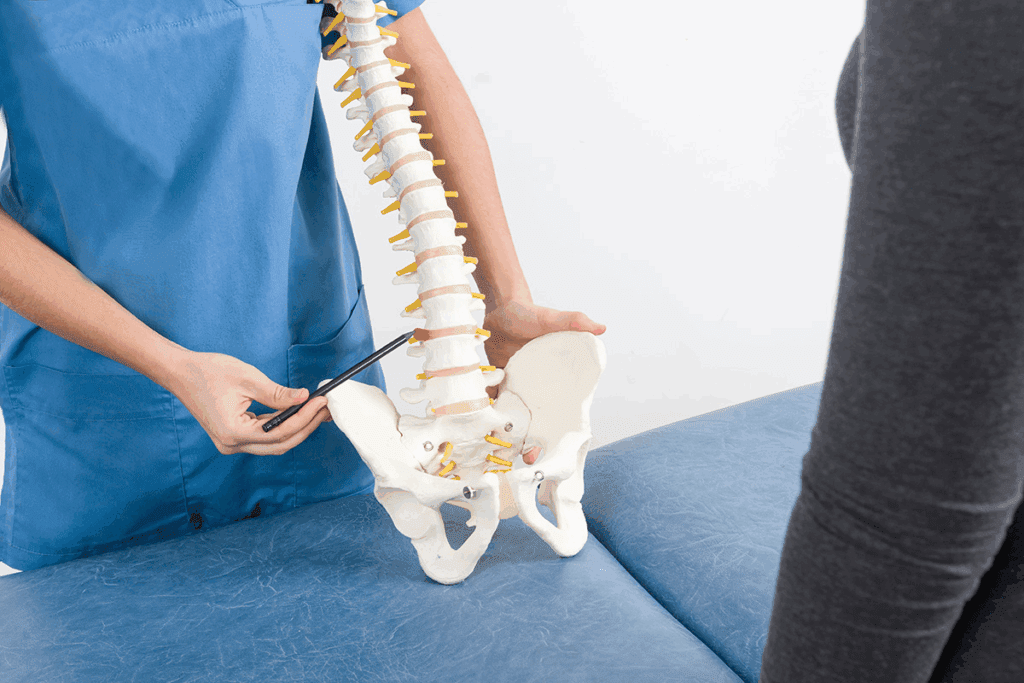
Choosing to have scoliosis surgery is a big decision. It changes many parts of your life. It’s important to know the limitations that follow the surgery.
After surgery, you might find it hard to do things you used to do easily. Activities that were once simple can become tough or even impossible. Understanding the restrictions after scoliosis surgery is key for a smooth recovery and to help prevent complications.
Many patients worry about how spinal fusion limitations will affect their daily life and activities. We will look at the common restrictions and limitations you might face. This will help you get ready for what’s ahead.
Key Takeaways
- Understand the impact of scoliosis surgery on daily activities
- Learn about common post-surgery activity limitations
- Discover the long-term implications of spinal fusion
- Prepare for a smooth recovery by knowing what to expect
- Minimize possible complications by following post-surgery guidelines
Understanding Scoliosis Surgery and Spinal Fusion
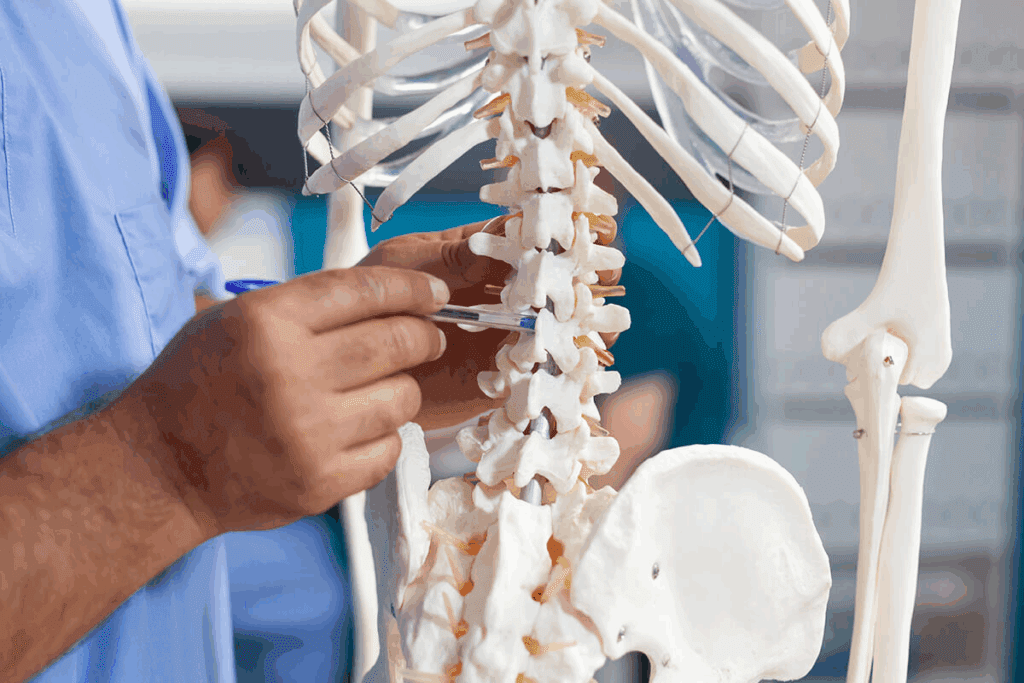
Scoliosis surgery has changed a lot, giving hope to those with severe spine curvatures. It’s a complex surgery to fix the spine’s abnormal shape. Spinal fusion is a big part of it, where vertebrae are joined to make the spine stable.
Types of Scoliosis Surgical Procedures
There are many scoliosis surgeries, each for different needs. The most common ones are:
- Posterior spinal fusion: This is the most common, where the spine is accessed from the back.
- Anterior spinal fusion: This one is from the front.
- Combined anterior and posterior fusion: Used for more complex cases.
- Vertebral column resection: A complex procedure where part of the vertebra is removed.
Choosing the right surgery depends on the scoliosis’s severity and the patient’s health. The goal is to correct the spine as much as possible with the least complications.
How Spinal Fusion Affects Mobility
Spinal fusion surgery can change how you move. It makes the spine less flexible by joining vertebrae. This means you might not move as much in the fused area.
Mobility after scoliosis surgery depends on several things. These include how many vertebrae are fused, where, and how flexible you were before surgery. While you might lose some flexibility, many people find they move better because their spine is straighter and they hurt less.
“The fusion of vertebrae can limit the spine’s natural movement, but it also provides stability and reduces pain, often resulting in an overall improvement in the patient’s quality of life.”
The Purpose Behind Post-Surgery Limitations
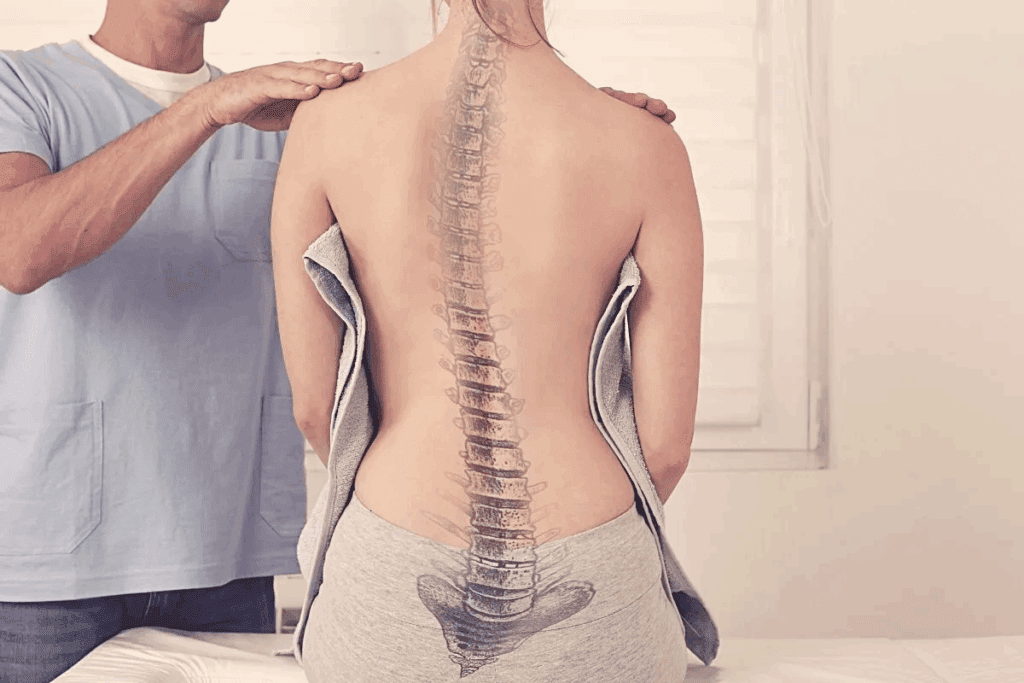
Post-surgery limits help protect the surgical hardware and aid in proper fusion and healing of the spine. These rules help patients avoid complications and ensure a good recovery.
After scoliosis surgery, the spine is very fragile as it starts to heal. The hardware, like rods and screws, is key in keeping the spine stable. Protecting this hardware is vital to avoid failure and ensure proper fusion.
Protecting the Surgical Hardware
The hardware in scoliosis surgery supports the spine as it heals. But, it can get damaged by too much stress or strain. Activities like heavy lifting, bending, or twisting can harm the hardware and cause problems.
| Activity | Risk Level | Recommendation |
| Heavy Lifting | High | Avoid lifting objects over 10 lbs |
| Bending or Twisting | High | Minimize bending or twisting motions |
| Contact Sports | Very High | Avoid contact sports entirely |
Ensuring Proper Fusion and Healing
Proper fusion and healing are key for scoliosis surgery success. Avoiding certain activities helps the spine heal better. This includes sticking to a rehab plan and following post-surgery rules.
Proper fusion needs rest, physical therapy, and doctor checks. Listening to the surgeon’s advice is essential for a smooth recovery.
Immediate Post-Operative Restrictions
The time right after scoliosis surgery is very important. It’s filled with rules that help patients heal well.
Hospital Recovery Guidelines
In the hospital, patients get watched closely for any problems. Following the hospital’s recovery rules is key to avoiding infections and healing right.
Patients are usually told to:
- Rest well to help their body heal
- Take their medicine as their doctor says
- Do gentle movements as their doctor suggests
First Six Weeks at Home
The first six weeks at home are very important. Patients should not lift, bend, or twist too much to keep their healing on track.
It’s important to:
- Slowly start doing more things as their doctor says
- Watch the surgical area for infection signs
- Go to all follow-up doctor visits
Pain Management and Activity Modification
Managing pain well is key right after surgery. Patients usually get pain medicine to help with discomfort.
Changing how you act is also important to stay safe. This means not doing hard activities and doing gentle exercises as doctors suggest.
Following these tips helps patients recover better and lowers the chance of problems after surgery.
Permanent Restrictions After Scoliosis Surgery
After scoliosis surgery, some activities must be avoided forever. This is to keep the spine and the surgery hardware safe. While many can go back to their usual activities, some high-risk actions are off-limits.
High-Impact Activities to Avoid Forever
High-impact activities like running or jumping are often banned. These actions can harm the spine and the surgery. Doctors usually tell patients to stay away from these to keep their surgery working well.
Here are some activities to avoid:
- Running or jogging
- Jumping rope
- High-impact aerobics
- Trampolining
Contact Sports and Extreme Activities
Contact sports and extreme activities are risky after scoliosis surgery. Sports like football can hurt the spine. Extreme sports like skydiving also pose dangers. These can harm the spine and the surgery hardware.
Patients should avoid:
- Contact sports like football, hockey, and rugby
- Extreme sports such as skydiving, bungee jumping, and rock climbing
- Any activity that involves a high risk of falls or direct impact to the spine
Staying away from these activities helps prevent problems. It keeps the spine healthy for a long time.
Bending, Twisting, and Lifting Limitations
Knowing what you can and can’t do after scoliosis surgery is key to a good recovery. These actions can affect your spine, more so after surgery like spinal fusion.
No Bending or Twisting After Surgery
After scoliosis surgery, bending and twisting can harm your healing. We tell patients to avoid these or do them carefully to protect their spine. Bending at the waist is a big no-no because it stresses the fusion area too much.
Twisting can also be risky. It might make your spine move in ways that hurt the surgery or the fusion. To turn safely, patients are advised to use log-rolling techniques in bed.
Long-Term Lifting Restrictions
Heavy lifting is off-limits after scoliosis surgery. It’s all about keeping the spine stress-free while it heals. We usually say no to lifting anything over 10-15 pounds for a few months after surgery.
How you lift matters too. We teach patients to lift with their legs instead of their back. This means bending at the knees, keeping the back straight, and using leg muscles to lift.
Following these rules can help avoid problems and make recovery smoother. Always listen to your healthcare team’s advice. They can give you tips tailored to your situation and surgery.
Sports and Recreational Activities to Reconsider
After scoliosis surgery, you might need to rethink your sports and activities. It’s important to pick safer options to help your spine heal right.
High-Risk Sports to Avoid
Stay away from sports that could harm your spine after surgery. These include:
- Contact sports like football, rugby, and hockey, which involve high-impact collisions.
- High-impact gymnastics and activities that involve repetitive stress or falling.
- Extreme sports such as skydiving or bungee jumping, which pose significant risks due to the sudden jerks and impacts involved.
Safer Alternatives for Athletic Individuals
If you love sports, there are safer options after you recover. These include:
- Low-impact aerobics such as swimming or cycling, which are gentle on the spine.
- Walking or hiking, which are excellent for cardiovascular health without high-impact stress.
- Yoga or Pilates, when modified appropriately, can help improve flexibility and strength.
Modifications for Favorite Activities
You might not have to stop doing what you love. You can make some changes to make it safer for your spine. For example:
- Golfers can adjust their swing to reduce twisting.
- Tennis players can focus on techniques that minimize strain on the spine.
- Cyclists can ensure their bike is properly fitted to reduce back strain.
Talking to your doctor is key to finding the right activities for you. This way, you can enjoy your hobbies while keeping your spine safe.
Restrictions After Scoliosis Surgery: A Complete Timeline
After scoliosis surgery, patients face a detailed timeline of restrictions for a smooth recovery. The recovery journey is split into phases, each with specific guidelines and restrictions.
3-6 Month Recovery Period
The first 3-6 months post-surgery are key for recovery. Patients should avoid heavy lifting, bending, or twisting. Start with short walks and gentle stretches as activity levels increase.
It’s vital to follow the surgeon’s advice on physical therapy and rehabilitation. Patients are usually encouraged to do physical therapy to strengthen back muscles and boost flexibility.
1-2 Year Adjustment Phase
After the initial 3-6 months, patients enter a 1-2 year adjustment phase. The spine heals more, and the fusion becomes stronger. Avoid high-impact activities and contact sports during this time.
Gradually return to more demanding activities, but listen to your body. Regular check-ups with the surgeon are important to track healing progress.
Long-Term Considerations
Even after the 1-2 year phase, long-term care is essential. While many restrictions are removed, some activities can risk spinal health.
Adopt a healthy lifestyle with regular exercise and a balanced diet to support spinal health. Be mindful of posture and body mechanics to avoid spinal strain.
| Recovery Phase | Restrictions | Recommendations |
| 0-3 months | Avoid heavy lifting, bending, twisting | Gradual increase in activity, physical therapy |
| 3-6 months | Continue avoiding high-impact activities | Progressive strengthening, flexibility exercises |
| 1-2 years | Avoid contact sports, high-risk activities | Regular follow-ups, gradual return to strenuous activities |
Returning to Daily Activities: What’s Possible and What’s Not
After scoliosis surgery, many patients wonder if they can do daily activities again. It’s important to know what we can and can’t do during recovery.
Work and School Considerations
Going back to work or school after surgery needs careful planning. We must think about the physical demands of our jobs or school. Jobs that are hard on the body might need us to start slow with easier tasks.
On the other hand, jobs that involve sitting might let us return sooner. But, we must always sit right and take breaks.
“Talking to your employer or school about your recovery is key,”
Household Activities and Chores
Doing household chores is important, but some tasks might not be safe during recovery. We should avoid lifting heavy things, bending, or twisting. These actions can hurt our spine.
We can make big tasks smaller and ask for help when we need it. This way, we can do light tasks like dusting or folding laundry in a few weeks.
- Light housekeeping tasks, such as dusting or folding laundry, can usually be resumed within a few weeks.
- Avoid heavy lifting, such as carrying groceries or moving furniture, until cleared by a healthcare provider.
- Modify activities like gardening or cooking to avoid bending or straining.
Driving and Travel Restrictions
Driving and traveling are big parts of our lives that might change after surgery. We should wait until we feel safe and confident behind the wheel. This is usually when the pain goes away and we’re off pain meds.
When traveling, think about how long you’ll be moving and how you’ll get there. Long trips need breaks to stretch and move. Also, pack light to avoid heavy lifting.
Knowing what we can and can’t do helps us safely get back to our daily routines after surgery.
Physical Therapy and Rehabilitation After Spinal Fusion
Rehabilitation after spinal fusion surgery is a detailed process. It includes exercises and physical therapy. We help patients with a program to heal, strengthen the core, and improve flexibility. We also teach them to avoid activities that could harm their spine.
Recommended Exercises for Recovery
After surgery, it’s key to do exercises that help recovery without stressing the spine. We start with gentle stretches and then move to more active movements. Some good exercises are:
- Pelvic tilts to improve flexibility and reduce stiffness
- Leg raises to strengthen the lower abdominal muscles
- Deep breathing exercises to promote relaxation and reduce pain
As recovery advances, we add exercises for the core muscles. These muscles are important for spinal stability. Examples include:
- Modified planks to engage the core without straining the back
- Bridging exercises to strengthen the glutes and lower back
- Wall squats to improve leg strength and overall posture
Exercises to Avoid for Spinal Health
While exercise is important, some activities can harm the spine after surgery. We tell patients to stay away from:
- High-impact activities such as running or jumping
- Contact sports that could result in injury or trauma to the spine
- Bending or twisting motions that can stress the fusion site
Heavy lifting should also be avoided as it can strain the spine. We help patients find safe ways to do daily tasks.
Building Core Strength Safely
Strengthening the core is key in rehabilitation. It supports the spine and improves stability. We suggest exercises that strengthen the core without harming the fusion site. A sample program might include:
| Exercise | Repetitions | Sets |
| Modified plank | 10 | 3 |
| Bird dog | 15 | 3 |
| Bridging | 12 | 3 |
Working with a physical therapist is important to create a safe and effective program.
By focusing on the right exercises and avoiding harmful ones, patients can improve their recovery and achieve the best results after spinal fusion surgery.
Long-Term Lifestyle Adjustments
Recovering from scoliosis surgery is more than just healing. It’s about learning to live differently. Making long-term lifestyle changes is key to staying comfortable and avoiding future problems.
Ergonomic Considerations for Home and Work
At home and work, ergonomic adjustments are essential to protect your spine. Look at your daily activities and make changes to support good posture. This could mean adjusting your chair height, using a standing desk, or rearranging your space to avoid bending.
At home, ergonomic tips can help with everyday tasks. For example, using a stool or step-stool to reach high shelves can prevent back strain.
Adaptive Equipment and Tools
Adaptive equipment and tools can make daily tasks easier and safer. Using grabber reachers, installing grab bars, and choosing ergonomic utensils can all help. These tools reduce the need for bending or straining.
| Adaptive Equipment | Purpose | Benefit |
| Grabber Reachers | Picking up items without bending | Reduces strain on the spine |
| Grab Bars | Support while standing or moving | Prevents falls and injuries |
| Ergonomic Utensils | Eases daily tasks like cooking or writing | Minimizes force and strain on hands and back |
Sleep Positions and Mattress Requirements
Choosing the right sleep position and mattress is vital for spinal health after surgery. Sleeping on your back with a pillow under your knees can help. A medium-firm mattress that supports your spine’s natural curve is also recommended.
Avoiding stomach sleeping can prevent twisting and strain. Side sleepers should use a pillow between their knees to keep hips aligned and reduce spine pressure.
Differences in Restrictions: Adolescent vs. Adult Patients
Scoliosis surgery affects teens and adults differently. Each group needs special care after surgery. The main goal is the same: to fix the spine. But, how they recover and live their lives afterward can change a lot.
Age-Specific Considerations for Teens
Teens usually heal faster because they’re younger and healthier. But, their bones are growing, which can affect how well the spine heals. Younger patients often have stronger fusions, leading to better results later on.
Teens should avoid heavy backpacks and sports that involve contact for a long time after surgery. It’s also important for them to see their doctor regularly. This helps track how their spine is growing and catches any problems early. Following the doctor’s instructions is very important for a good recovery.
| Activity | Adolescent Restrictions | Adult Restrictions |
| Contact Sports | Avoid for 6-12 months | Avoid indefinitely |
| Heavy Lifting | Limited to 10-15 lbs for 3 months | Limited to 10-15 lbs for 6 months |
| Bending/Twisting | Avoid for 3-6 months | Avoid for 6-12 months |
Special Concerns for Older Adults
Older adults face a tougher recovery because of health issues like osteoporosis. These problems can make it harder for the spine to heal. They might need more time to get better and have to make bigger changes in their lifestyle.
“Older adults should be cautious with their physical activities post-surgery, as their bones may take longer to heal, and they may be more susceptible to complications.”
It’s key for older adults to work with their doctors to manage health problems. They might need physical therapy to get stronger and move better.
Knowing these differences helps both teens and adults prepare for their recovery. This way, they can get the best results from their scoliosis surgery.
Mental Health and Coping with Permanent Limitations
Recovering from scoliosis surgery is more than just fixing the body. It’s also about taking care of the mind. As people get used to their new physical limits, keeping their mental health strong is key.
Accepting New Physical Boundaries
It’s tough to accept the permanent changes after surgery. It’s important to see these changes as part of getting better. We tell patients to focus on what they can do, not what they can’t.
Setting realistic goals is a big help. Breaking big tasks into smaller ones keeps patients feeling like they’re making progress. For example, someone who loved hiking might start with short walks and then go longer as they get stronger.
Finding New Hobbies and Interests
Trying new things can really boost mental health during recovery. Fun, low-impact activities can take your mind off pain and make you feel good. Some people find joy in painting, writing, or photography.
It’s good to try different activities to find what you like. Swimming is often a good choice because it’s easy on the body. But always check with a doctor before starting any new exercise.
“The key to a successful recovery is not just about physical healing, but also about finding new ways to engage with the world around you.”
Support Groups and Resources
Support groups are very important for mental recovery. Meeting others who have gone through similar things can make you feel less alone. Many hospitals have groups just for scoliosis surgery patients.
Online forums and resources are also great. They let you share your story, ask questions, and get advice from people who get it.
| Resource Type | Description | Benefits |
| In-Person Support Groups | Meetings with others who have undergone scoliosis surgery | Emotional support, practical advice, community building |
| Online Forums | Web-based platforms for discussion and support | Accessibility, anonymity, wide range of experiences shared |
| Mental Health Professionals | Trained therapists or counselors | Personalized support, coping strategies, mental health guidance |
Dealing with scoliosis surgery’s lasting effects needs a few key steps. Accepting new limits, finding new hobbies, and using support groups are all important. These steps help patients stay mentally strong and move forward in their recovery.
Patient Experiences: Life After Scoliosis Surgery
Recovery from scoliosis surgery is different for everyone. Some people adjust quickly, while others face big challenges. These challenges need time, patience, and support to overcome.
Patients show great resilience and determination. They work hard to live a good life again. We’ll look at their success stories, adaptations, and the hurdles they face, along with the solutions they find.
Success Stories and Adaptations
Many patients see big improvements in their health after surgery. Some can do their favorite activities again, but with changes. Low-impact exercises like swimming or yoga are great because they’re easy on the spine.
“The biggest challenge was not the surgery itself, but the recovery process. It required a lot of patience and understanding from my family and friends.”
Challenges and Solutions
Even with successes, patients face many challenges. These include dealing with chronic pain and the emotional effects of their new limitations. Effective pain management strategies and emotional support are key to overcoming these challenges.
| Challenge | Solution |
| Managing chronic pain | Implementing a multi-modal pain management plan, including medication, physical therapy, and alternative therapies like acupuncture. |
| Coping with emotional impact | Seeking support from mental health professionals, support groups, and loved ones to address feelings of frustration, anxiety, or depression. |
| Adapting to new physical limitations | Engaging in physical therapy to learn new ways of performing daily activities and exercises that accommodate the post-surgical spine. |
Understanding the varied experiences of patients after scoliosis surgery helps us support them better. Their stories and challenges give us valuable insights into life after surgery.
Conclusion: Embracing a New Normal After Scoliosis Surgery
Recovering from scoliosis surgery takes time, patience, and a new mindset. By following the rules, patients can have a smooth recovery. This means getting used to the changes that come with surgery.
While adjusting, it’s important to focus on the good things in life. With the right care, people can live full and happy lives. Recovery from scoliosis surgery is a big step, but it’s worth it in the long run.
FAQ
What are the most common restrictions after scoliosis surgery?
After surgery, you should avoid high-impact activities. This includes bending, twisting, and heavy lifting. It’s to protect the hardware and help your spine heal properly.
Can I participate in sports after scoliosis surgery?
Some sports, like contact sports, might be off-limits forever. But, you can find safer sports or modify your favorite ones to keep enjoying them.
How long do I need to avoid bending, twisting, and lifting after scoliosis surgery?
For the first 3-6 months, it’s best to avoid bending, twisting, and lifting. This helps prevent straining your spine. You might also need to avoid lifting long-term.
What is the recovery timeline for scoliosis surgery?
Recovery starts with 3-6 months of rest. Then, you’ll go through a 1-2 year adjustment phase. After that, you’ll need to make long-term lifestyle changes.
Can I return to work or school after scoliosis surgery?
Yes, you can go back to work or school. But, you might need to modify your activities to avoid complications. It’s important to know your limits.
What role does physical therapy play in the recovery process?
Physical therapy is key. It helps your spine heal, strengthens your core, and improves flexibility. It also helps you avoid activities that could harm your spine.
Are there any long-term lifestyle adjustments I need to make after scoliosis surgery?
Yes, you’ll need to make changes at home and work. You might use adaptive equipment and sleep safely to stay comfortable and prevent problems.
How do restrictions differ between adolescent and adult patients?
Age matters when it comes to recovery and lifestyle changes. Adolescents and adults have different needs and restrictions.
How can I cope with the new physical limitations after scoliosis surgery?
Accept your new limits and find new hobbies. Support groups or resources can help keep your mind and body healthy.
What are some safer alternatives for athletic individuals after scoliosis surgery?
There are safer ways to enjoy sports. Talk to your healthcare team to find the best options for you.
How can I manage pain effectively after scoliosis surgery?
Manage pain by following your recovery plan, avoiding harmful activities, and using pain management strategies as prescribed.
Reference
- MedlinePlus on scoliosis: