Last Updated on December 1, 2025 by Bilal Hasdemir
Retinoblastoma is a rare eye cancer. It has seen big steps forward in new treatment options. Studies show that intra-arterial chemotherapy and targeted molecular therapies are making a big difference.
We know how important it is to get the best medical care, even if you’re from another country. Advanced retinoblastoma treatment options are now available, providing better outcomes for patients.
Key Takeaways
- Intra-arterial chemotherapy is a promising new approach for treating retinoblastoma.
- Targeted molecular therapies offer personalized treatment options.
- Advanced medical care is key for better patient outcomes.
- Our healthcare team provides full support for international patients.
- The latest research aims to make treatments more effective and reduce side effects.
Understanding Retinoblastoma
It’s key to know about retinoblastoma to catch it early and treat it well. This rare eye cancer in kids needs a full plan for diagnosis and treatment.
Definition and Prevalence
Retinoblastoma starts in the retina, the back of the eye. It’s mostly found in kids under five. It’s rare, happening in about 1 in 15,000 to 1 in 20,000 births.
Key Facts About Retinoblastoma:
- Affects the retina, the light-sensitive tissue at the back of the eye
- Most commonly diagnosed in children under five years old
- Rare, with a prevalence of 1 in 15,000 to 1 in 20,000 live births
Types of Retinoblastoma: Unilateral vs. Bilateral
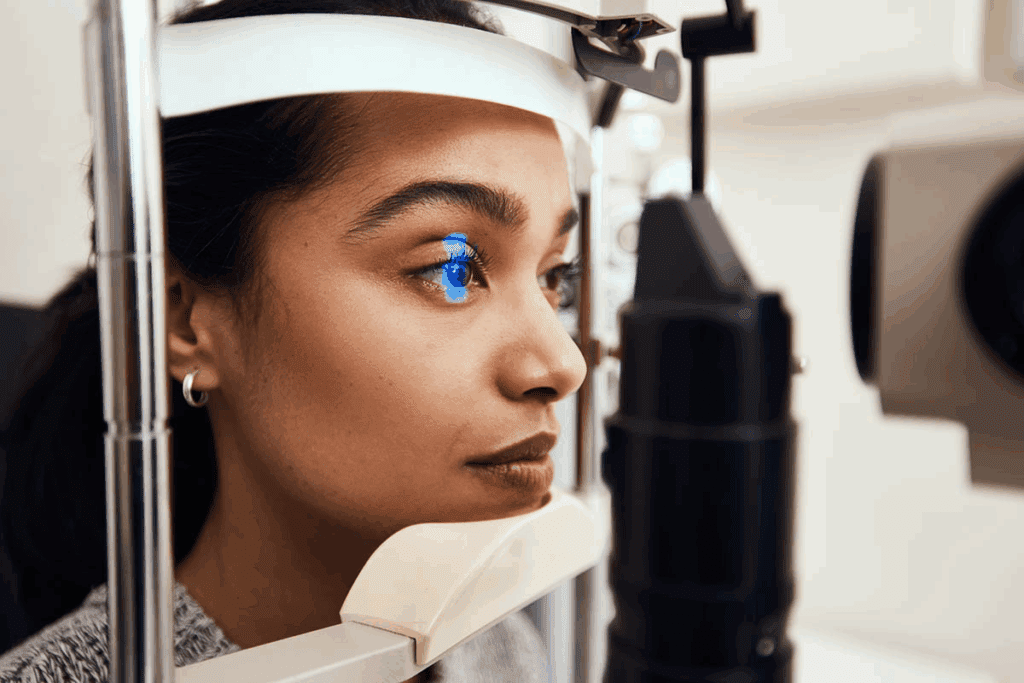
Retinoblastoma can be in one eye or both. Unilateral retinoblastoma is in one eye. Bilateral retinoblastoma is in both. Bilateral is often linked to a genetic cause.
Knowing if it’s in one or both eyes helps decide treatment. It also shows if there’s a genetic link.
Genetic vs. Sporadic Retinoblastoma
Retinoblastoma can be genetic or sporadic. Genetic retinoblastoma comes from a gene mutation. This can be passed down or happen by chance. Sporadic retinoblastoma has no known genetic cause.
Knowing if it’s genetic or not helps figure out family risks. It also guides treatment choices.
Genetic counseling is very important for families with retinoblastoma.
Causes and Risk Factors of Retinoblastoma
Retinoblastoma is caused by a mix of genetic changes and other factors. Knowing these causes and risk factors helps find and treat this rare eye cancer early.
The RB1 Gene Mutation
The main cause of retinoblastoma is a change in the RB1 gene. This gene is on chromosome 13 and helps control cell growth. When it’s mutated, cells can grow out of control, leading to retinoblastoma.
Key Facts about the RB1 Gene Mutation:
| Aspect | Description |
| Gene Location | Chromosome 13 |
| Gene Function | Tumor suppressor |
| Mutation Type | Hereditary or Sporadic |
Hereditary vs. Non-Hereditary Forms
Retinoblastoma can be inherited or not. Inherited cases have a mutation in the RB1 gene in every cell. This type often affects both eyes and increases the chance of passing the mutation to children.
Hereditary Retinoblastoma Characteristics:
- Bilateral involvement is more common
- Earlier age of diagnosis
- Higher risk of secondary cancers
Age and Demographic Factors
Retinoblastoma mostly hits young kids, often before they’re five. It doesn’t seem to affect different groups of people more than others. But, getting to the doctor early can make a big difference in treatment success.
Knowing what causes retinoblastoma is key to catching it early and treating it well. Doctors can give better care by understanding genetic and demographic factors.
Recognizing Retinoblastoma: Signs and Symptoms
Knowing the early signs of retinoblastoma is key to managing it. This knowledge can greatly improve treatment results. Parents and caregivers should watch for these signs to get medical help quickly.
Leukocoria (White Pupil Reflex)
Leukocoria, or the white pupil reflex, is a common first sign. It happens when a tumor reflects light back, making the pupil look white. This is often seen in photos taken with a flash.
Key characteristics of leukocoria include:
- A white or glowing appearance in the pupil, noticed in low-light or flash photos
- Difference in the appearance between the two eyes
- Persistence of the white reflex across multiple photographs
Strabismus (Crossed Eyes)
Strabismus, or crossed eyes, is another sign of retinoblastoma. The tumor can cause vision problems, leading to misaligned eyes. This can be constant or happen only sometimes, like when the child is tired.
Other Warning Signs
Other signs of retinoblastoma include:
- Poor vision or vision loss
- A red, painful eye
- Iris heterochromia (difference in color between the two irises)
- Eye swelling or bulging
These signs can also mean other things, but it’s important to check with a doctor. This helps rule out retinoblastoma.
When to Seek Medical Attention
If you see any of these signs, get medical help right away. Early detection is critical for effective treatment. A specialist’s eye exam is needed to accurately diagnose retinoblastoma.
Being alert to retinoblastoma signs and acting quickly is vital. Early action can greatly improve disease management.
Diagnosis and Evaluation Techniques
Healthcare experts use many advanced methods to diagnose retinoblastoma. This process is key to figuring out how far the disease has spread. It also helps decide the best treatment.
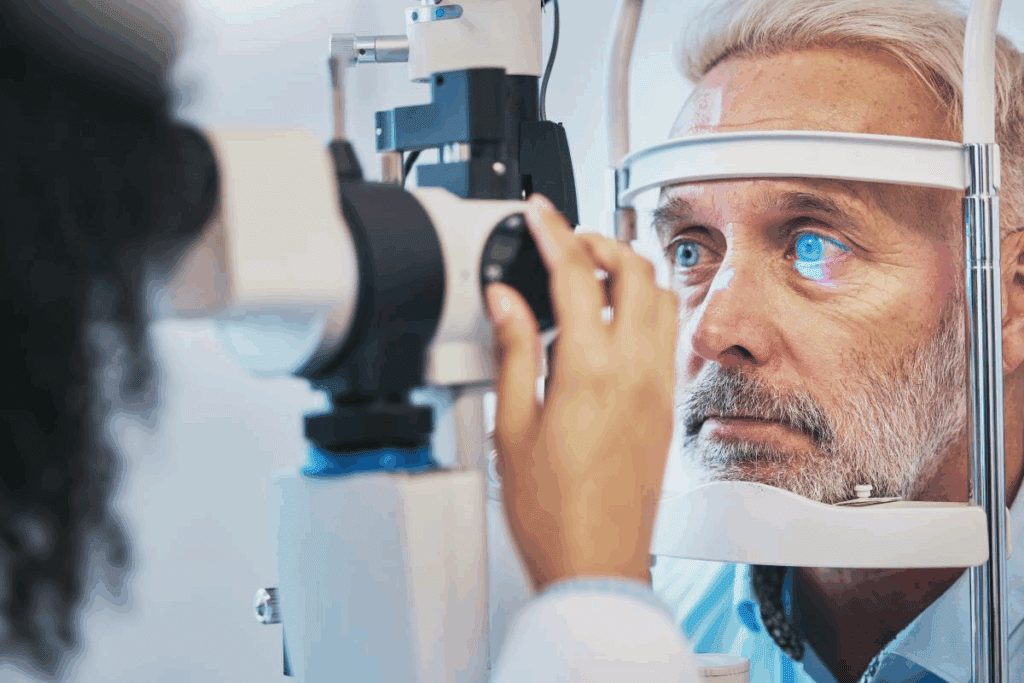
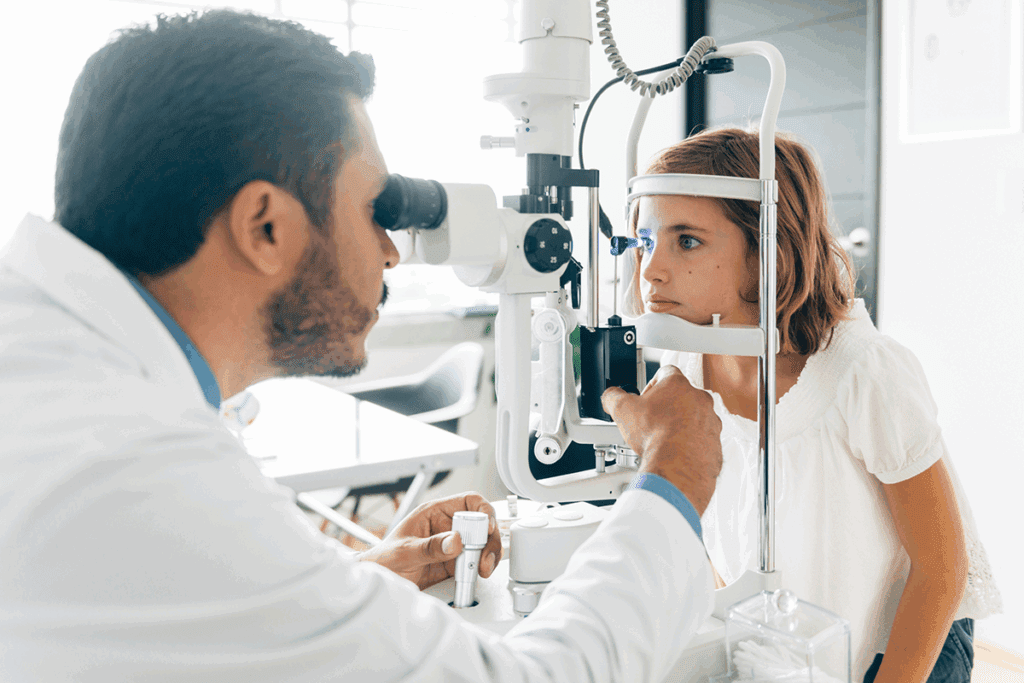
Eye Examination Under Anesthesia
An eye exam under anesthesia is a main way to check for retinoblastoma. It lets doctors look closely at the eye without hurting the patient, usually a child. They can see how big the tumor is and if it has spread.
Imaging Studies
Imaging tests are very important for diagnosing retinoblastoma. Ultrasound, MRI, and CT scans help see how big the tumor is. They also check if it has spread to other parts of the body. This info is key for choosing the right treatment.
Genetic Testing for Retinoblastoma
Genetic testing is also a big part of diagnosing retinoblastoma. It checks for the RB1 gene mutation. Knowing if the disease is inherited or not is very important. It helps families plan for the future and understand their risk.
| Diagnostic Technique | Purpose | Benefits |
| Eye Examination Under Anesthesia | Assess tumor size and location | Comprehensive evaluation without patient discomfort |
| Imaging Studies (Ultrasound, MRI, CT) | Evaluate tumor extent and possible spread | Detailed info for treatment planning |
| Genetic Testing | Find the RB1 gene mutation | Shows if it’s inherited, helps with family planning |
By using these methods together, doctors can accurately find out if someone has retinoblastoma. They can see how far it has spread. Then, they can make a treatment plan that fits the patient’s needs.
Retinoblastoma Staging Systems
Retinoblastoma staging systems help doctors classify the disease. They look at how severe and widespread it is. Accurate staging is key for choosing the right treatment and predicting outcomes.
International Classification of Retinoblastoma
The International Classification of Retinoblastoma is a common staging system. It groups the disease based on tumor characteristics and vision preservation chances. This system helps doctors make treatment decisions and compare results.
Understanding Stages A through E
The International Classification of Retinoblastoma divides eyes into five groups (A to E). These groups are based on the disease’s severity.
- Group A: Small tumors away from critical structures, with a high chance of preserving vision.
- Group B: Larger tumors or those closer to critical structures, with a good prognosis for vision preservation.
- Group C: Eyes with localized vitreous or subretinal seeding, indicating a more advanced disease.
- Group D: Eyes with significant vitreous or subretinal seeding, or larger tumors, representing a more challenging disease to treat.
- Group E: Eyes with very advanced disease, often with no chance for useful vision.
Intraocular vs. Extraocular Disease
Retinoblastoma can be intraocular (confined within the eye) or extraocular (spread beyond the eye). Intraocular disease is further categorized using the International Classification system. Extraocular disease means the cancer has spread to surrounding tissues or distant sites, needing aggressive treatment.
Knowing if the disease is intraocular or extraocular is vital. It affects the prognosis and treatment choice. We will explore these implications and their impact on treatment planning next.
Traditional Retinoblastoma Treatment Approaches
Retinoblastoma treatment has used many methods over the years. Each method has its own role and results. These traditional ways have helped manage the disease and improve patient outcomes.
Enucleation (Eye Removal)
Enucleation, or removing the eye, has been a key treatment for retinoblastoma. It’s often used for advanced cases where the disease is mainly in the eye. This method is chosen when other treatments are not possible or when the disease is too big.
Indications: Advanced intraocular disease, significant tumor size, or failure of other treatments.
External Beam Radiation Therapy
External beam radiation therapy (EBRT) sends radiation from outside the body to the tumor. It’s used for retinoblastoma, aiming to save vision or treat more widespread disease.
Benefits: Can preserve vision, effective for larger tumors or more advanced disease.
Systemic Chemotherapy
Systemic chemotherapy uses drugs that travel through the blood to fight cancer cells everywhere. For retinoblastoma, it’s often used with other treatments to shrink tumors or treat tiny disease cells.
Role: Reducing tumor size, treating microscopic disease, used in combination with other therapies.
Focal Therapies
Focal therapies, like laser photocoagulation, cryotherapy, and brachytherapy, target the tumor directly. They’re used for smaller tumors or as a supplement to other treatments.
Advantages: Targeted treatment, preserves vision, can be used in combination with systemic therapies.
| Treatment Method | Indications | Benefits |
| Enucleation | Advanced intraocular disease | Effective for advanced disease |
| External Beam Radiation Therapy | Larger tumors, preserving vision | Preserves vision, effective for larger tumors |
| Systemic Chemotherapy | Reducing tumor size, microscopic disease | Reduces tumor size, treats microscopic disease |
| Focal Therapies | Smaller tumors, localized disease | Targeted treatment, preserves vision |
Breakthrough Treatments for Retinoblastoma
The treatment for retinoblastoma is changing fast. New therapies are coming out. They aim to make treatments better and less harsh. We’re seeing a big change in how we treat retinoblastoma, focusing on more precise and effective methods.
Intra-Arterial Chemotherapy
Intra-arterial chemotherapy delivers drugs directly to the eye’s blood supply. This method can make treatments more effective and reduce side effects. Early studies show it’s working well, even for tough cases of retinoblastoma.
Key benefits of intra-arterial chemotherapy include:
- Higher local drug concentration
- Reduced systemic toxicity
- Potential for improved eye salvage rates
Intravitreal Chemotherapy
Intravitreal chemotherapy injects drugs into the eye’s vitreous humor. It’s great for treating cancer that has spread into the vitreous. This method targets cancer cells directly in the vitreous.
“Intravitreal chemotherapy has emerged as a valuable tool in the treatment of retinoblastoma, particularlly for cases with vitreous seeding.” – Expert in Retinoblastoma Treatment
Chemoreduction Strategies
Chemoreduction uses chemotherapy to shrink tumors. This makes them easier to treat with local methods like laser therapy. It can help avoid harsh treatments like removing the eye. Chemoreduction works well for advanced cases of retinoblastoma.
The goals of chemoreduction include:
- Reducing tumor size to facilitate local control
- Preserving vision whenever possible
- Avoiding or delaying more invasive treatments
Targeted Molecular Therapies
Targeted molecular therapies are a new area in retinoblastoma treatment. They aim to target specific weaknesses in cancer cells. This could lead to more effective treatments. Though research is early, these therapies show great promise.
Potential advantages of targeted molecular therapies:
- More precise targeting of cancer cells
- Potential for reduced side effects compared to traditional chemotherapy
- Possibility of combination therapies for enhanced effectiveness
Treatment Considerations for Different Stages
Knowing the stage of retinoblastoma is key to picking the right treatment. The stage affects the treatment choice. Early stages might need less treatment, while advanced stages require more.
Early-Stage Treatment Options (Groups A and B)
For early-stage retinoblastoma (Groups A and B), saving vision is the main goal. Focal therapies like laser, cryotherapy, or brachytherapy are used. These are often paired with chemotherapy to shrink tumors and prevent coming back.
“Focal therapies in early-stage retinoblastoma have shown great promise in saving vision and controlling the disease,” studies say.
Intermediate-Stage Approaches (Group C)
For intermediate-stage retinoblastoma (Group C), a more detailed treatment plan is needed. Systemic chemotherapy is used to make tumors smaller. Then, focal treatments can be applied more easily.
Chemoreduction strategies, which use chemotherapy to shrink tumors, followed by local treatments, work well for Group C.
Advanced Intraocular Disease (Groups D and E)
Advanced intraocular retinoblastoma (Groups D and E) is harder to treat. While removing the eye used to be common, now there are other options. Intra-arterial chemotherapy (IAC) is a new hope for saving the eye and vision.
A study in a top ophthalmology journal found, “Intra-arterial chemotherapy has changed how we treat advanced retinoblastoma, giving a new chance to save the eye.”
Metastatic Retinoblastoma Treatment
Metastatic retinoblastoma, where the disease spreads, is a big challenge. Treatment includes strong chemotherapy, sometimes with radiation or stem cell rescue. The outlook for metastatic retinoblastoma is tough, showing the importance of early detection and aggressive treatment.
As we learn more about retinoblastoma, a stage-specific treatment plan is vital. Tailoring treatment to each patient can improve survival and quality of life.
Managing Bilateral Retinoblastoma
Bilateral retinoblastoma is a big challenge in treating kids with cancer. We focus on saving their sight while fighting the disease.
Handling bilateral retinoblastoma needs a detailed plan. We use special eye-saving methods and think about genetic risks.
Eye-Salvaging Strategies
Keeping eyes safe is key in treating bilateral retinoblastoma. We use different ways to help save vision, like:
- Chemoreduction therapy to shrink tumors
- Local treatments like laser and cryotherapy
- Intra-arterial chemotherapy for precise treatment
These methods help us customize treatment for each child. This way, we try to keep their vision as good as possible.
Sequential vs. Simultaneous Treatment
Choosing between treating eyes one at a time or together depends on several things. These include how far the disease has spread and the child’s overall health.
| Treatment Approach | Advantages | Disadvantages |
| Sequential Treatment | Allows for checking how one eye responds before treating the other | May delay treatment of the second eye, potentially allowing disease progression |
| Simultaneous Treatment | Treating both eyes at once can shorten treatment time | Increased risk of side effects and over-treatment |
A study shows that the choice between sequential and simultaneous treatment depends on each patient’s situation.
“The treatment of bilateral retinoblastoma requires a delicate balance between eradicating the disease and preserving vision.”
Special Considerations for Germline Mutations
Patients with bilateral retinoblastoma often have a genetic mutation. This changes how we plan treatment and follow-up care.
Those with germline mutations face a higher risk of getting other cancers. So, we watch them closely over time.
Knowing the genetic cause helps us give better care. This includes genetic counseling for families.
Side Effects and Complications of Treatment
Retinoblastoma treatment is key to survival but comes with short-term and long-term issues. Knowing these side effects is vital for full care.
Short-Term Side Effects
Short-term side effects depend on the treatment. Chemotherapy can cause nausea, fatigue, and hair loss. Intra-arterial chemotherapy might lead to eyelid swelling and vision changes. External beam radiation therapy can cause skin irritation and dry eyes.
Long-Term Complications
Long-term issues can affect survivors’ quality of life. These include vision problems, cataracts, and growth issues in kids. Regular follow-up helps manage these problems well.
“The long-term effects of retinoblastoma treatment can be challenging, but with appropriate care and support, many survivors lead fulfilling lives.”
Secondary Malignancies
Survivors, mainly those with a germline mutation, face a high risk of secondary cancers. Genetic counseling and regular checks are key to long-term care.
- Regular screening for secondary cancers
- Genetic testing for family members
- Education on signs and symptoms of new cancers
Quality of Life Considerations
Improving survivors’ quality of life requires a team effort. This includes physical, emotional, and social support. Supportive care services, like psychological help and rehab, are essential.
By tackling the side effects and complications of retinoblastoma treatment, we can greatly improve our patients’ lives.
Follow-Up Care and Monitoring
Follow-up care and monitoring are key for managing retinoblastoma long-term. They help healthcare providers catch any issues early. After treatment, a detailed care plan is needed to watch for signs of the disease coming back, handle late effects, and offer support.
Surveillance Schedule
A set schedule for follow-ups is vital to catch any signs of the disease early. The number of visits may go down over time. But, they are always important for those who have survived for a long time.
Here are some general guidelines for follow-up visits:
| Time From Diagnosis | How Often to Visit |
| 0-2 years | Every 3-4 months |
| 2-5 years | Every 6 months |
| 5+ years | Once a year |
Screening for Recurrence
Regular checks for the disease coming back are a big part of follow-up care. This includes detailed eye exams and imaging tests when needed. We use the latest methods to spot any changes in the retina or new tumors.
Monitoring for Second Primary Tumors
People with a genetic risk for retinoblastoma are more likely to get other tumors. We stress the need for regular screenings and check-ups to watch for these tumors.
Genetic Counseling for Families
Genetic counseling is a big part of care for families with retinoblastoma. We offer detailed counseling to help families understand the risks and what they mean. This helps them make smart choices about their health and family planning.
By sticking to a detailed follow-up plan, retinoblastoma survivors can live healthy lives with few lasting effects. We are dedicated to giving them the support and care they need on their journey.
Prognosis and Survival Rates
Retinoblastoma’s outcome depends on several key factors, like the stage at diagnosis. Knowing these factors helps patients and families make informed care decisions.
Factors Affecting Prognosis
Several factors impact retinoblastoma patients’ prognosis. These include:
- Stage at Diagnosis: Early detection greatly improves prognosis.
- Tumor Size and Location: Larger tumors or those near the optic nerve have a worse prognosis.
- Genetic Mutations: The RB1 gene mutation can affect prognosis and treatment choices.
- Age at Diagnosis: Younger children may have different prognosis compared to older children.
Survival Statistics by Stage
Survival rates for retinoblastoma have improved a lot over the years. This is thanks to better treatments. Here are survival statistics by stage:
| Stage | Survival Rate | Description |
| Early Stage (Group A-B) | 95-100% | High survival rate due to effective local treatments. |
| Advanced Stage (Group C-D) | 80-90% | Survival rate decreases with more advanced disease, requiring aggressive treatment. |
| Metastatic Disease | 50-60% | Prognosis is poorer when the disease has spread beyond the eye. |
As shown in the table, early-stage retinoblastoma has a very favorable prognosis. Metastatic disease, on the other hand, poses a more significant challenge.
Vision Outcomes After Treatment
Vision outcomes after retinoblastoma treatment vary. They depend on the stage and treatment received. Some patients may retain useful vision, while others may experience vision loss. Factors influencing vision outcomes include:
- Treatment Modality: Different treatments have varying effects on vision.
- Tumor Location and Size: Tumors close to the macula or optic nerve can impact vision.
- Complications: Treatment complications can also affect vision outcomes.
We understand that maintaining vision is a critical aspect of retinoblastoma treatment. Our team works closely with patients and families to preserve vision whenever possible.
Conclusion
We’ve looked into retinoblastoma, a rare eye cancer in kids, and new treatments. These advancements mean better lives for patients. Now, treatments like intra-arterial and intravitreal chemotherapy, and targeted molecular therapies, help fight the disease.
Our treatment plans focus on saving the eye and tailoring care to each patient. For families from abroad, we offer full support. This ensures they get top-notch care. We believe in teamwork between doctors and families to tackle this tough journey.
Our goal is to keep improving care for retinoblastoma. We aim to provide top-notch healthcare with kindness and skill. With the right care and support, families can face this challenge with hope.
FAQ
What is retinoblastoma?
Retinoblastoma is a rare eye cancer that mostly hits young kids, under five. It starts in the retina, the back of the eye.
What are the signs and symptoms of retinoblastoma?
Look out for a white pupil reflex, crossed eyes, and other vision problems. If you see these, get medical help fast.
How is retinoblastoma diagnosed?
Doctors use a detailed eye check under anesthesia. They also do imaging and genetic tests to find the RB1 gene mutation.
What are the treatment options for retinoblastoma?
Treatments depend on the stage. They include removing the eye, radiation, chemotherapy, and new targeted therapies.
What is the International Classification of Retinoblastoma?
It’s a way to stage retinoblastoma. It goes from Group A (early) to Group E (advanced).
How is bilateral retinoblastoma managed?
For both eyes, doctors try to save the eyes. They use different treatments and consider genetic risks.
What are the possible side effects of retinoblastoma treatment?
Treatments can cause short-term and long-term problems. Watching for these is key to a good life.
Why is follow-up care important for retinoblastoma patients?
It helps catch any return of the cancer and check for new tumors. It also helps with genetic advice for families.
What factors influence the prognosis of retinoblastoma?
The stage at diagnosis, treatment success, and genetic factors affect survival. Survival rates vary by disease stage.
Are there any new advancements in retinoblastoma treatment?
Yes, new treatments like intra-arterial and intravitreal chemotherapy have improved results. They offer better chances for patients.
Can retinoblastoma be cured?
Many cases can be cured with early and right treatment. Cure rates depend on the stage and type of cancer.
Is genetic testing recommended for families with a history of retinoblastoma?
Yes, it’s advised for families with retinoblastoma history. It helps find the RB1 gene mutation and assess risk for others.
References
- MacCarthy, A., Birch, J. M., Draper, G. J., Kroll, M. E., & Vincent, T. J. (2009). Risk of subsequent primary neoplasms in survivors of retinoblastoma: a systematic review and meta-analysis. British Journal of Cancer, 100(12), 1875-1883.https://www.ncbi.nlm.nih.gov/pmc/articles/PMC3365233/