Last Updated on December 1, 2025 by Bilal Hasdemir

Rhabdomyosarcoma is a rare cancer that mainly hits kids and teens. It starts in soft body tissues. A big worry is that it can spread to other places, like the brain. Knowing how rhabdomyosarcoma brain spread works is key to better treatment and outcomes.
When cancer metastasis happens, it can change treatment plans and outlooks. We’ll look at how often rhabdomyosarcoma goes to the brain. We’ll also cover the newest treatments and how tumor growth patterns affect them.
Key Takeaways
- Rhabdomyosarcoma is a rare cancer that mainly affects kids and teens.
- The cancer can spread to other parts of the body, including the brain.
- Understanding how rhabdomyosarcoma spreads to the brain is key for good treatment.
- Cancer spreading can greatly change treatment plans and outlooks.
- New treatments are shaped by how tumors grow.
Understanding Rhabdomyosarcoma: A Complete Overview
Rhabdomyosarcoma is a cancer that starts in muscle cells. It’s very important to understand it well for the best treatment. This cancer is a big deal in kids, as it’s the most common soft tissue sarcoma in children, making up about 5% of all childhood cancers.
Definition and Types of Rhabdomyosarcoma
Rhabdomyosarcoma is divided into several types based on how it looks under a microscope. The main types are embryonal, alveolar, and spindle cell/sclerosing rhabdomyosarcoma. Each type has its own look and how it might behave.
Embryonal rhabdomyosarcoma is the most common type, mainly found in young kids. It usually has a better chance of being cured. Alveolar rhabdomyosarcoma, found in older kids and teens, is more aggressive. Spindle cell/sclerosing rhabdomyosarcoma is rare and its outcome can vary.
Incidence and Demographics
Rhabdomyosarcoma mostly hits kids, with most cases found in those under 20. It’s a bit more common in boys than girls. Knowing who gets it helps doctors find it early and treat it better.
About 4.5 kids per million get rhabdomyosarcoma each year. It’s not very common, but it’s a big deal for kids. So, we need to keep studying it and finding better ways to treat it.
Common Primary Sites
Rhabdomyosarcoma can start in different places, like the head and neck, genitourinary tract, and extremities. Where it starts can affect how it’s treated.
In the head and neck, it might cause swelling, pain, or problems with nerves. In the genitourinary tract, it can block urine or cause blood in the urine. In the limbs, it shows up as a lump you can feel.
The Biology of Rhabdomyosarcoma

Rhabdomyosarcoma’s biology is complex, involving many genetic and molecular changes. These changes affect how the tumor grows and spreads, including to the brain. Knowing this is key to finding better treatments.
Cellular Origins and Characteristics
Rhabdomyosarcoma comes from muscle precursors. Its cells show traits of immature muscle, affecting how it grows and reacts to treatment. Research shows the importance of knowing the tumor’s subtype, as it affects treatment results.
Different subtypes of rhabdomyosarcoma have different cell traits. For example, embryonal rhabdomyosarcoma has a better outlook than alveolar. This highlights the need for treatments tailored to each subtype.
Genetic and Molecular Features
The genetic and molecular traits of rhabdomyosarcoma are vital. Certain mutations, like those in PAX and FOXO1 genes, make the tumor more aggressive. Knowing these changes helps find new treatments.
New discoveries in molecular biology have found new targets for therapy. Clinical trials are testing drugs that target specific growth and spread pathways. This is a hopeful step for better treatment options.
How Cancer Spreads: The Metastatic Process
Cancer metastasis is a complex process. It involves cancer cells entering the bloodstream and spreading to other organs. This is key to understanding how rhabdomyosarcoma can reach the brain.
General Mechanisms of Cancer Metastasis
The metastatic process has several steps. First, cancer cells invade nearby tissues. Then, they enter the bloodstream or lymphatic system. Next, they travel to distant sites. After that, they exit the bloodstream and establish new tumors.
Many factors affect these steps. These include the cancer cells’ genetics and the tumor environment. Knowing these factors helps in creating better treatments.
Factors Influencing Metastatic Potential
Several factors can change a tumor’s ability to spread. These include:
- Genetic mutations: Certain genetic changes help cancer cells spread.
- Tumor microenvironment: The area around the tumor can either help or hinder metastasis.
- Immune response: The body’s immune system can impact cancer cell spread.
These factors work together to decide if a tumor will spread and where it will go.
| Factor | Influence on Metastasis | Potential Impact on Treatment |
| Genetic Mutations | Enhance invasive and metastatic capabilities | Targeted therapies may be effective |
| Tumor Microenvironment | Can promote or inhibit metastasis | Therapies targeting the microenvironment may improve outcomes |
| Immune Response | Can eliminate or promote metastatic cells | Immunotherapies may enhance anti-tumor response |
Understanding these factors is vital for better treatments. It helps improve survival rates for rhabdomyosarcoma patients.
Rhabdomyosarcoma Brain Spread: Incidence and Patterns
It’s important to know how rhabdomyosarcoma spreads to the brain. This cancer, a type of soft tissue sarcoma, rarely goes to the brain. But when it does, it’s often in advanced stages or certain types. Knowing how it spreads helps doctors treat it better.
Frequency of Brain Metastasis in Rhabdomyosarcoma
Brain metastasis in rhabdomyosarcoma is rare but serious. It happens more in advanced stages or in alveolar rhabdomyosarcoma. Research shows it’s a big problem for patients’ outcomes.
Finding out how often brain metastasis happens is hard. It depends on many things like the patient, the tumor type, and when it’s found. But knowing the risks and watching for symptoms is key.
Typical Metastatic Pathways to the Brain
Rhabdomyosarcoma can reach the brain in different ways. The most common is through the blood, called hematogenous spread. This can lead to many tumors in the brain, making treatment harder.
Knowing how it spreads helps doctors find and treat it early. Early detection and treatment are vital for patients with brain metastasis. They can improve life quality and survival chances.
- Hematogenous spread is the primary route for rhabdomyosarcoma metastasis to the brain.
- Cancer cells can be transported through the bloodstream, leading to multiple brain lesions.
- Understanding these pathways is essential for effective diagnosis and treatment planning.
Risk Factors for Brain Metastasis in Rhabdomyosarcoma Patients

It’s important to know the risk factors for brain metastasis in rhabdomyosarcoma patients. This helps in making better treatment plans. The risk depends on the tumor and the patient’s health.
Tumor Subtype and Risk Assessment
The type of rhabdomyosarcoma affects the risk of brain metastasis. For example, alveolar rhabdomyosarcoma has a higher risk. Genetic characteristics of the tumor also play a role.
- Alveolar rhabdomyosarcoma: Higher risk of brain metastasis
- Embryonal rhabdomyosarcoma: Variable risk depending on other factors
- Presence of specific genetic mutations: Can increase metastatic risk
Patient-Specific Risk Factors
Patient-specific factors are also key in assessing brain metastasis risk. Age, where the tumor started, and how advanced it was at diagnosis matter. Younger patients and those with advanced disease are at higher risk.
“The presence of metastatic disease at diagnosis is a strong predictor of poor outcome, and the risk of brain involvement should be carefully assessed in these patients.”
Other factors that may affect brain metastasis risk include:
- The presence of metastatic disease at other sites
- Response to initial treatment
- Overall health and comorbidities
Understanding these risk factors helps doctors create better treatment plans. This can lower the risk of brain metastasis and improve patient outcomes.
Clinical Presentation of Brain Metastases
Rhabdomyosarcoma brain metastases can cause many different symptoms. These symptoms depend on where and how big the tumor is. This makes it hard to diagnose and treat these metastases accurately.
Neurological Symptoms and Signs
Patients with brain metastases from rhabdomyosarcoma may have various symptoms. These include headaches, seizures, and cognitive disturbances. The symptoms depend on the tumor’s location and size in the brain.
“The presence of neurological symptoms in rhabdomyosarcoma patients should prompt immediate evaluation for possible brain metastases,” recent guidelines say.
Differences Between Primary and Metastatic Brain Tumors
It’s important to tell primary brain tumors from metastatic ones. Metastatic tumors, like those from rhabdomyosarcoma, grow differently than primary tumors. Knowing these differences helps doctors plan better treatments.
Research for rhabdomyosarcoma is always getting better. It aims to help patients with brain metastases more. By understanding these metastases, doctors can give better care to their patients.
Diagnostic Approaches for Detecting Brain Metastases
Spotting brain metastases needs a detailed plan. Finding brain metastases in rhabdomyosarcoma patients uses top-notch imaging and lab tests.
Imaging Techniques
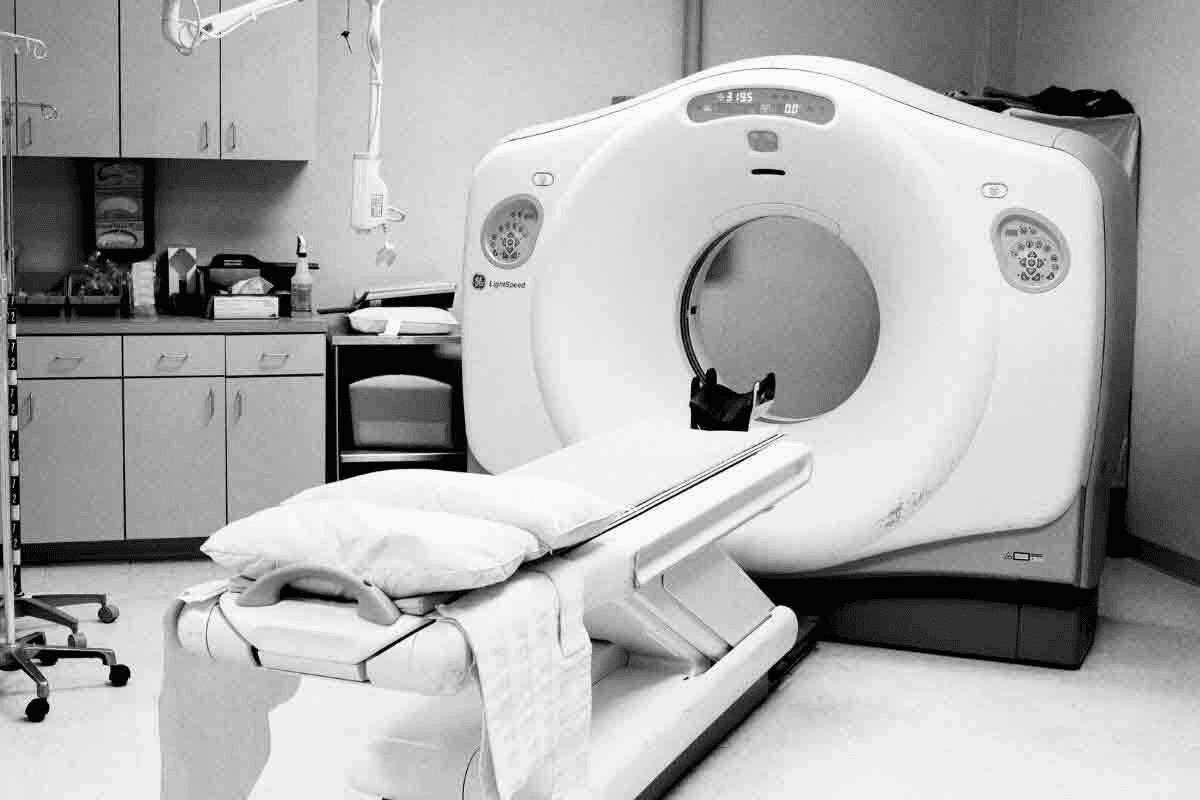
Advanced imaging is key in finding brain metastases. Magnetic Resonance Imaging (MRI) is top-notch for spotting these, showing brain details clearly. It’s great for finding small spots and seeing how far the disease has spread.
Positron Emission Tomography (PET) scans also help, working well with MRI. They check how active tumors are, which helps see how treatments are working.
It’s important to compare imaging methods to know their best uses. Here’s a table showing MRI and PET’s strengths in finding brain metastases:
| Imaging Technique | Sensitivity | Specificity | Clinical Utility |
| MRI | High | High | Excellent for detecting small lesions and assessing metastatic extent |
| PET | Moderate | High | Useful for assessing tumor metabolic activity and treatment response |
Laboratory and Pathological Assessments
Lab and pathological tests are vital for confirming brain metastases. Histopathological examination of biopsy samples is the best way to confirm metastatic disease. It looks at tissue samples under a microscope for cancer cells.
The diagnosis of brain metastases requires a multidisciplinary approach, combining imaging findings with histopathological confirmation. Lab tests, like cerebrospinal fluid (CSF) analysis, also offer important clues. CSF analysis can find cancer cells or proteins linked to metastasis.
Here’s a list of key tests for diagnosing brain metastases:
- Histopathological examination of biopsy samples
- Cerebrospinal fluid (CSF) analysis
- Molecular testing for specific genetic mutations
By mixing imaging with lab and pathological tests, we can accurately find brain metastases. Then, we can plan effective treatments.
Staging and Classification of Metastatic Rhabdomyosarcoma
Staging and classification are key in managing metastatic rhabdomyosarcoma. They help decide treatment and predict outcomes. Knowing how far the disease has spread is critical.
Current Staging Systems
There are several staging systems for rhabdomyosarcoma. The Intergroup Rhabdomyosarcoma Study Group (IRSG) and the TNM (Tumor, Node, Metastasis) systems are the most used. The IRSG is for kids, while the TNM is for adults.
The IRSG system looks at disease extent, surgery, and metastases. It has four stages, from local to metastatic disease. The TNM system is more detailed, focusing on tumor size, lymph nodes, and metastases.
| Staging System | Key Components | Clinical Utility |
| IRSG | Extent of disease, surgical resection, metastases | Pediatric rhabdomyosarcoma staging |
| TNM | Tumor size, lymph node involvement, distant metastases | Adult soft tissue sarcoma staging |
Prognostic Implications of Brain Involvement
Brain involvement in rhabdomyosarcoma worsens patient prognosis. Brain metastases mean a more aggressive disease. This often requires more intense treatments.
The impact of brain involvement is complex. It depends on metastasis extent, patient health, and initial treatment response. A thorough assessment is essential for the right treatment plan.
Understanding metastatic rhabdomyosarcoma staging and brain involvement is critical. It helps create personalized treatments. This approach can improve outcomes for this challenging disease.
Treatment Strategies for Rhabdomyosarcoma with Brain Metastases
Treating rhabdomyosarcoma with brain metastases is complex. It needs a team effort from many experts. This includes neurosurgeons, radiation oncologists, and pediatric oncologists.
Surgical Interventions
Surgery is key in treating brain metastases from rhabdomyosarcoma. Surgical resection helps if the tumor is easy to reach and causes symptoms. It aims to ease symptoms, improve life quality, and maybe extend life.
- Craniotomy for tumor resection
- Minimally invasive surgical techniques
- Stereotactic biopsy for diagnostic purposes
Radiation Therapy Approaches
Radiation therapy is vital for treating brain metastases from rhabdomyosarcoma. Different methods are used, such as:
- Whole-brain radiation therapy (WBRT)
- Stereotactic radiosurgery (SRS)
- Stereotactic body radiation therapy (SBRT)
Radiation therapy can be used alone or with surgery and chemotherapy, based on the situation.
Systemic Chemotherapy Options
Chemotherapy is a big part of treating rhabdomyosarcoma with brain metastases. The choice of drugs depends on many factors, like past treatments and the tumor’s type.
| Chemotherapy Agent | Mechanism of Action | Clinical Use |
| Vincristine | Mitotic inhibitor | First-line treatment for rhabdomyosarcoma |
| Cyclophosphamide | Alkylating agent | Used in combination regimens |
| Doxorubicin | Anthracycline antibiotic | Effective in treating rhabdomyosarcoma |
Integrated Treatment Protocols
Combining surgery, radiation therapy, and chemotherapy is key for treating rhabdomyosarcoma with brain metastases. Clinical trials are looking for new ways to improve survival rates.
By working together and using a detailed plan, we can better care for patients with this tough condition. This might also help improve their chances of survival.
Pediatric Considerations in Rhabdomyosarcoma Brain Metastases
Dealing with rhabdomyosarcoma brain metastases in kids is very challenging. It’s all about finding the right balance. We need to treat the cancer well but also think about how it might affect their growing brains.
Unique Challenges in Children
Kids with rhabdomyosarcoma brain metastases have special problems. Their brains are more at risk from radiation and chemotherapy. So, we have to make treatment plans that protect their brains from lasting damage.
- Increased Sensitivity: Kids’ brains are more sensitive to radiation, which can cause problems with thinking and growing.
- Treatment Toxicity: Kids are more likely to face long-term side effects from chemotherapy and radiation.
- Developmental Considerations: We have to think about the child’s age and stage of development when planning treatment.
Long-term Effects of Treatment on Developing Brains
The long-term effects of treating rhabdomyosarcoma brain metastases in kids can be big. We need to think about these effects when we plan treatment. This way, we can help our young patients get the best results.
Potential Long-term Effects:
- Cognitive impairments, like memory and learning problems.
- Endocrine issues because of radiation affecting the brain’s hormone centers.
- Higher chance of getting other cancers later on.
To lessen these risks, we use advanced treatments like proton therapy. It helps protect healthy tissues. Also, research into new treatments like targeted and immunotherapies gives us hope for better care with fewer side effects.
By knowing the special challenges and long-term effects of treating rhabdomyosarcoma brain metastases in kids, we can give them better care. We aim to provide more effective and caring treatment for our young patients.
Emerging Therapies and Clinical Trials
New treatments and ongoing studies are improving care for rhabdomyosarcoma patients. Finding new ways to treat this cancer is key. It helps those with brain metastases get better.
Targeted Molecular Therapies
Targeted molecular therapies are showing great promise. They focus on specific parts of cancer cells to stop them from growing. For example, tyrosine kinase inhibitors might slow down tumor growth.
Researchers are looking at several targeted therapies. These include:
- Pazopanib, a multi-tyrosine kinase inhibitor
- Crizotinib, an ALK and MET inhibitor
- Vemurafenib, a BRAF inhibitor
| Targeted Therapy | Mechanism of Action | Current Status |
| Pazopanib | Inhibits multiple tyrosine kinases | Ongoing clinical trials |
| Crizotinib | Targets ALK and MET pathways | Phase II clinical trials |
| Vemurafenib | BRAF inhibition | Early-stage research |
Immunotherapy Approaches
Immunotherapy is another exciting area for rhabdomyosarcoma treatment. It uses the body’s immune system to fight cancer. Checkpoint inhibitors and CAR-T cell therapy are being studied.
Immunotherapy offers several benefits. These include:
- Potential for long-term cancer control
- Targeted action against cancer cells
- Possibility of fewer side effects compared to traditional chemotherapy
Promising Research Directions
Several research directions are showing promise. These include studying combination therapies. These combine different treatments to work better together.
As research keeps evolving, we’ll see new ways to treat rhabdomyosarcoma. Ongoing clinical trials are key. They help figure out if these new treatments are safe and work well.
Survival Rates and Prognosis
The outlook for patients with rhabdomyosarcoma brain metastases is complex. It depends on several factors, like the disease’s extent and treatment response. Knowing these factors is key for both patients and doctors to make the best treatment choices and set realistic hopes for outcomes.
Statistical Outcomes for Patients with Brain Metastases
Survival rates for patients with rhabdomyosarcoma brain metastases vary a lot. This is due to factors like the tumor’s location, its type, and how far the disease has spread. Recent studies have shed light on these survival rates.
| Patient Group | 2-Year Survival Rate | 5-Year Survival Rate |
| All Patients with Brain Metastases | 35% | 15% |
| Patients with Single Brain Metastasis | 45% | 25% |
| Patients with Multiple Brain Metastases | 25% | 10% |
The table shows survival rates vary with the number of brain metastases. Those with one metastasis tend to live longer than those with more.
Factors Affecting Survival
Several factors impact survival for patients with rhabdomyosarcoma brain metastases. These include:
- Tumor Subtype: The type of rhabdomyosarcoma can greatly affect survival. Some types are better than others.
- Extent of Disease: How far the disease has spread, including brain and other areas, affects survival.
- Response to Treatment: How well the initial treatment works is very important for survival.
- Patient Age and Performance Status: Younger patients with good health tend to live longer.
Understanding these factors helps in talking to patients and families about their prognosis. It also helps in making informed decisions about treatment.
Quality of Life Considerations
Managing rhabdomyosarcoma brain metastases needs a full plan that focuses on quality of life. We must tackle the many needs of patients when treating this condition.
Managing Neurological Symptoms
Neurological symptoms from brain metastases can really affect a patient’s life. Effective symptom management is key. This might include using corticosteroids to reduce swelling and anticonvulsants to stop seizures.
We also use non-medical ways to help, like physical, occupational, and speech therapy. These are customized for each patient. They help keep patients able to do things on their own.
Supportive Care Approaches
Supportive care is vital for patients with rhabdomyosarcoma brain metastases. It covers a wide range of services. These services meet the physical, emotional, and social needs of patients and their families.
| Supportive Care Measure | Description | Benefits |
| Palliative Care | Specialized care focusing on symptom relief and quality of life | Improves patient comfort, manages pain and symptoms effectively |
| Psychological Support | Counseling and therapy for patients and families | Enhances coping mechanisms, reduces distress |
| Nutritional Support | Dietary advice and interventions to maintain nutritional status | Supports overall health, aids in recovery and treatment tolerance |
By adding these supportive care methods to treatment plans, we can greatly improve patients’ lives. It’s a complete approach that meets patients’ complex needs. This way, patients get the support they need to go through their care journey.
Prevention and Surveillance Strategies
Prevention and surveillance are vital for catching brain metastases early in rhabdomyosarcoma patients. These strategies help improve patient outcomes by allowing for early treatment.
Monitoring High-Risk Patients
Finding patients at high risk for brain metastases is key. High-risk patients often have a history of rhabdomyosarcoma, near the brain, or previous metastases. Regular MRI scans are needed for early detection.
It’s important to watch these patients closely. Regular checks and quick action on new symptoms can make a big difference.
Early Intervention Approaches
Acting fast is essential in treating brain metastases. Treatment options include surgery, radiation, and chemotherapy. The right treatment depends on the metastases’ size, location, and the patient’s health.
It’s best to have a team of experts involved in treatment planning. This team includes oncologists, neurosurgeons, and radiologists. Their combined knowledge leads to better treatment plans.
By focusing on prevention and surveillance, we can better manage rhabdomyosarcoma brain metastases. This approach improves patient outcomes.
Support Resources for Patients and Families
Dealing with rhabdomyosarcoma brain metastases is tough. It’s not just about medical treatment. It’s also about emotional and psychological support for patients and their families.
Medical Support Systems
Medical support is key for managing rhabdomyosarcoma brain metastases. It includes:
- Multidisciplinary Care Teams: Teams of doctors, surgeons, and specialists work together for better care.
- Palliative Care Services: These services help with symptoms, pain, and stress, improving life quality.
- Rehabilitation Services: These help patients get stronger and more functional through therapy.
Community and Online Resources
Community and online resources are also vital. They offer emotional support, information, and a way to connect with others facing similar challenges.
| Resource Type | Description | Benefits |
| Online Support Groups | Places for sharing experiences, asking questions, and getting support from others. | Emotional support, community connection, information sharing |
| Cancer Organizations | Groups focused on cancer research, education, and support, with resources for rhabdomyosarcoma and brain metastases. | Access to information, research funding, advocacy |
| Social Services | Help with the practical aspects of cancer care, like financial and logistical support. | Practical assistance, financial aid, logistical support |
Using these support resources helps patients and families face rhabdomyosarcoma brain metastases better. It improves their overall experience and outcomes.
Conclusion: The Future of Managing Rhabdomyosarcoma Brain Metastases
As we wrap up our look at rhabdomyosarcoma brain metastases, it’s clear we need more research and new ideas. We’re seeing big steps forward in understanding this disease and finding new treatments. These advances are key to better managing brain metastases.
There are many ongoing clinical trials for rhabdomyosarcoma. These trials could lead to better treatments and outcomes for patients. We’re dedicated to providing top-notch healthcare and support to patients from around the world.
We’ve learned a lot about the importance of ongoing research and the hope for future breakthroughs. Finding effective treatments and supportive care is vital for managing rhabdomyosarcoma brain metastases. This will help improve care and outcomes for those affected.
FAQ
What is rhabdomyosarcoma and how does it spread to the brain?
Rhabdomyosarcoma is a rare cancer that mainly affects kids and teens. It starts in soft body tissues. It can reach the brain, changing treatment and outlook.
What are the different types of rhabdomyosarcoma and their implications for brain metastasis?
There are three main types: embryonal, alveolar, and spindle cell/sclerosing. Knowing the type is key. It affects the risk of brain spread and treatment plans.
How common is brain metastasis in rhabdomyosarcoma patients?
Brain metastasis is rare in rhabdomyosarcoma. But it can happen, mainly in late stages or with certain types. Quick action is important.
What are the typical neurological symptoms of brain metastases in rhabdomyosarcoma?
Symptoms vary but often include headaches, seizures, confusion, and nerve problems. This depends on where and how big the metastases are.
How are brain metastases in rhabdomyosarcoma diagnosed?
Doctors use MRI and CT scans, along with lab and pathology tests. These confirm brain metastases.
What are the treatment options for rhabdomyosarcoma with brain metastases?
Treatments include surgery, radiation, and chemotherapy. A team approach is needed for the best care.
How do treatment strategies differ for pediatric patients with rhabdomyosarcoma brain metastases?
Kids need special treatment plans. These balance effectiveness and safety, considering their developing brains.
What are the emerging therapies and clinical trials for rhabdomyosarcoma with brain metastases?
New treatments include targeted therapies and immunotherapy. These may improve patient outcomes.
What is the prognosis for patients with rhabdomyosarcoma brain metastases?
Prognosis depends on disease extent, tumor type, and treatment response. Outcomes vary based on these factors.
How can quality of life be maintained for patients with rhabdomyosarcoma brain metastases?
Managing symptoms and using supportive care is key. This approach helps maintain quality of life.
What support resources are available for patients and families dealing with rhabdomyosarcoma brain metastases?
There are medical support, community, and online resources. They provide essential care for patients and families.
How can the risk of brain metastases be managed in rhabdomyosarcoma patients?
Monitor high-risk patients closely. Early intervention can improve outcomes by catching and treating early.
References:
- Jędrys, W., et al. (2023). Brain metastases of sarcoma: Epidemiology and biology of brain metastases in soft tissue and bone sarcomas. Cancers, 15(23), 6792. https://pmc.ncbi.nlm.nih.gov/articles/PMC10725339/