Last Updated on December 1, 2025 by Bilal Hasdemir

Rhabdomyosarcoma is a rare cancer that affects muscle tissue.Rhabdomyosarcoma contagiousnessStage IV Alveolar Rhabdomyosarcoma Cancer: 8 Facts It raises big concerns for patients and their families. A key question is if this condition can spread to others. Understanding if rhabdomyosarcoma is contagious is key to helping those affected.
We aim to give a detailed guide on this topic, using the latest health insights. We want to clear up if rhabdomyosarcoma can be passed on, looking into its spread and if it’s infectious. Our goal is to ease worries and share important info for those looking to grasp this complex issue.
Key Takeaways
- Rhabdomyosarcoma is a rare cancer affecting muscle tissue.
- The condition’s contagiousness is a significant concern for patients and families.
- Understanding the transmission and infectious nature is key.
- Our guide provides insights backed by healthcare experts.
- Clarifying the contagiousness of rhabdomyosarcoma can ease worries.
Understanding Rhabdomyosarcoma: A Brief Overview

Rhabdomyosarcoma is a cancer that starts in soft tissues, like muscles attached to bones. It grows fast and can spread to other parts of the body. Knowing about rhabdomyosarcoma is important, including its definition, types, and how common it is.
What is Rhabdomyosarcoma?
Rhabdomyosarcoma is a soft tissue sarcoma that mainly affects muscles used for movement. It’s the most common soft tissue sarcoma in kids. The name comes from Greek words meaning “rod-like” and “sarcoma,” a cancer from connective tissue.
Types of Rhabdomyosarcoma
There are several types of rhabdomyosarcoma, each with its own traits and chances of recovery. The main types are:
- Embryonal Rhabdomyosarcoma: This is the most common type, usually found in kids under 10. It often occurs in the head and neck or genitourinary tract.
- Alveolar Rhabdomyosarcoma: This type is more common in older kids and young adults. It’s found in the trunk, arms, or legs and is aggressive.
- Spindle Cell/Sclerosing Rhabdomyosarcoma: This is a rarer subtype that can happen at any age. Its prognosis varies based on where it is and its genetic makeup.
Knowing the specific type of rhabdomyosarcoma is key to finding the best treatment.
Prevalence and Demographics
Rhabdomyosarcoma is a rare cancer but the most common soft tissue sarcoma in kids. It makes up a big part of pediatric cancers. Most cases are found in kids under 20.
| Age Group | Prevalence |
| 0-9 years | Higher incidence, mainly embryonal type |
| 10-19 years | Significant incidence, alveolar type more common |
| 20+ years | Rare, but can occur, often with different prognosis |
The table shows rhabdomyosarcoma mainly affects kids and teens.
“Rhabdomyosarcoma is a complex and challenging cancer that needs a team effort for treatment. Knowing its types and how it affects different ages is key to better outcomes.”
Rhabdomyosarcoma Contagiousness: The Scientific Facts
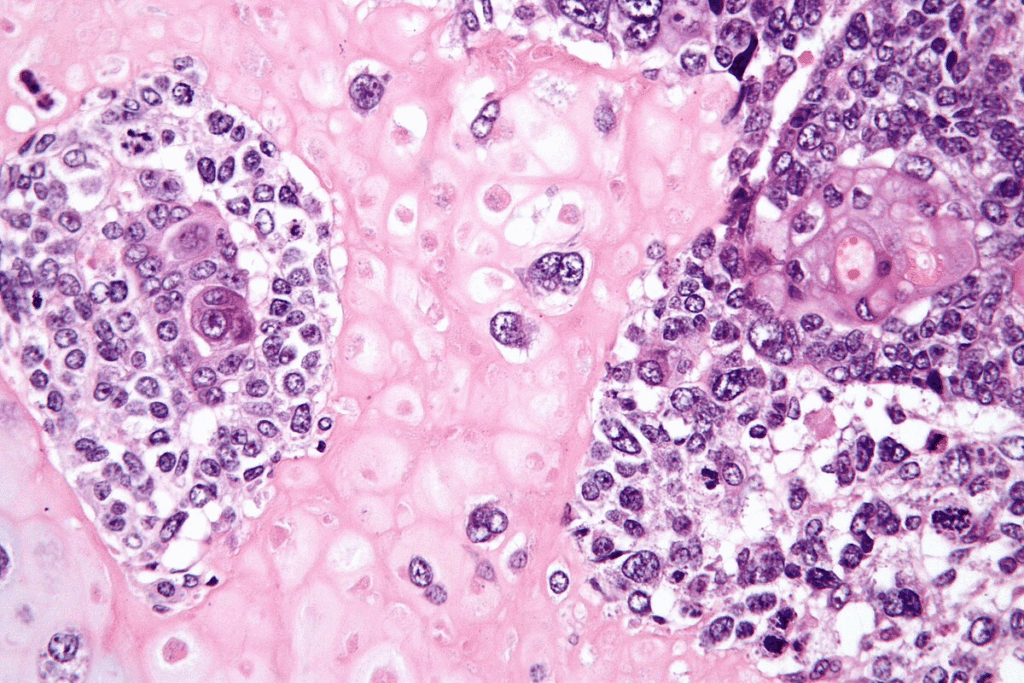
To understand if rhabdomyosarcoma is contagious, we need to look at the scientific facts. Many worry if this rare cancer can spread to others. We will explore the scientific proof about rhabdomyosarcoma transmission.
Addressing the Main Concern
People often worry if rhabdomyosarcoma is contagious because they don’t know much about it. It’s important to say that cancer, including rhabdomyosarcoma, is not contagious in the usual way. You can’t get rhabdomyosarcoma from being near someone who has it.
Research shows that cancer can’t spread through touching someone who is sick. Cancer spreading from one person to another is very rare. It usually happens in special cases like organ transplants or from mother to child during pregnancy.
Scientific Evidence on Transmission
Studies have shown that cancer, including rhabdomyosarcoma, is not contagious. Here are some key points:
- Cancer cells from one person can’t live in another person’s body.
- The immune system can find and kill foreign cells, like cancer cells from another person.
- There are no cases of rhabdomyosarcoma spreading through everyday contact.
Scientifically, rhabdomyosarcoma is not infectious. Many studies have looked into how cancer spreads. Rare cases of cancer spreading happen in complex medical situations, not in everyday life.
In summary, the science says rhabdomyosarcoma is not contagious. This knowledge helps clear up fears and wrong ideas about the disease. It lets patients and their families focus on treatment and support.
How Cancer Develops: The Biological Basis
Cancer, including rhabdomyosarcoma, starts with genetic mutations. These changes affect genes that control how cells grow and divide. This leads to cells growing out of control, a key sign of cancer.
Cellular Mutations and Cancer Formation
Cellular mutations are the main cause of cancer. When genes that control cell growth are damaged, cells start to grow and divide without stopping. This can cause tumors to form, which can be either benign or malignant.
In rhabdomyosarcoma, the cancer cells can spread to other parts of the body. Genetic mutations that cause cancer can come from many sources, like environmental factors, DNA errors, or inherited genes. Knowing about these mutations helps in finding better treatments.
Difference Between Cancer and Infectious Diseases
It’s important to know the difference between cancer and infectious diseases. Infectious diseases come from outside, like bacteria or viruses. But cancer is caused by changes in an individual’s cells.
Cancer is not contagious; it can’t be passed from person to person like an infectious disease. The main difference is where the disease comes from. Infectious diseases are caused by outside agents, while cancer starts from within the body’s cells. This is key to understanding rhabdomyosarcoma and how to treat it.
Genetic Factors in Rhabdomyosarcoma Development
Genetic predispositions play a big role in rhabdomyosarcoma, a rare and aggressive cancer. We’ll look at the genetic factors that lead to this disease. This includes hereditary risk factors and specific genetic mutations.
Hereditary Risk Factors
Certain genetic syndromes raise the risk of rhabdomyosarcoma. For example, Li-Fraumeni syndrome is a rare genetic disorder. It significantly increases the risk of various cancers, including rhabdomyosarcoma. People with this syndrome have a mutation in the TP53 gene, which is key for stopping tumors.
Genetic Mutations Associated with Rhabdomyosarcoma
Rhabdomyosarcoma is linked to several genetic mutations. These mutations affect genes important for cell growth and division. For instance, mutations in the PAX and FOXO1 genes have been found in some rhabdomyosarcoma cases. Knowing these genetic changes helps in creating targeted treatments.
Is Rhabdomyosarcoma Inherited?
Most rhabdomyosarcoma cases are not inherited. But, genetic syndromes like Li-Fraumeni syndrome or Neurofibromatosis type 1 can increase the risk. Yet, most cases are not directly passed down.
“The identification of specific genetic mutations associated with rhabdomyosarcoma has significant implications for diagnosis, treatment, and potentially preventing the disease.”
| Genetic Syndrome | Gene Involved | Risk Implication |
| Li-Fraumeni Syndrome | TP53 | Increased risk of various cancers, including rhabdomyosarcoma |
| Neurofibromatosis Type 1 | NF1 | Elevated risk of rhabdomyosarcoma among other tumors |
| Alveolar Rhabdomyosarcoma | PAX/FOXO1 fusion | Associated with a specific subtype of rhabdomyosarcoma |
Understanding the genetic factors behind rhabdomyosarcoma helps us identify at-risk individuals. This knowledge can lead to preventive measures or early interventions.
Environmental Factors and Rhabdomyosarcoma Risk
Environmental factors are key in the start of many cancers, including rhabdomyosarcoma. The exact causes of rhabdomyosarcoma are being studied. Research shows that environmental exposures might increase cancer risk.
Potential Triggers
Some chemicals and radiation can raise cancer risk. For rhabdomyosarcoma, certain toxins might play a part in its development.
Key Environmental Triggers:
- Chemical exposures (e.g., pesticides, heavy metals)
- Radiation exposure
- Other environmental pollutants
Research Findings
Research on environmental exposures and rhabdomyosarcoma is ongoing. Studies look at factors like chemical exposure and environmental pollutants in cancer.
| Environmental Exposure | Potential Risk | Study Findings |
| Chemical Exposures | Increased risk of rhabdomyosarcoma | Some studies link parental chemical exposure to increased risk in offspring |
| Radiation Exposure | Potential increased risk | Evidence suggests a possible link, but more research is needed |
Understanding environmental factors in rhabdomyosarcoma risk is vital. It helps in developing prevention and improving treatment. More research is needed to understand these complex relationships.
How Rhabdomyosarcoma Actually Spreads
Rhabdomyosarcoma spreads in a complex way through metastasis. It’s a rare cancer that starts in soft tissues, like muscles. Knowing how it spreads helps doctors plan better treatments.
Metastasis: Cancer Spread Within the Body
Metastasis is when cancer cells leave the main tumor. They travel through blood or lymph and start new tumors elsewhere. This is a big part of how rhabdomyosarcoma grows and affects treatment plans.
When rhabdomyosarcoma spreads, it can go to places like the lungs, liver, or bones. These areas are harder to treat than the first tumor. So, finding and treating it early is very important.
Difference Between Metastasis and Contagion
It’s important to know the difference between metastasis and contagion. Metastasis is when cancer cells spread inside one person. Contagion is when a disease is passed from one person to another. Rhabdomyosarcoma is not contagious; it can’t be spread by touching someone with it.
Many people get confused because they don’t understand how cancer works. Cancer is a disease of cells gone wrong, not an infection.
Key Differences:
| Characteristics | Metastasis | Contagion |
| Definition | Spread of cancer within the same individual | Transmission of disease from one person to another |
| Mechanism | Cancer cells breaking away and traveling through blood or lymph | Infectious agents like bacteria or viruses being transmitted |
| Result | New tumors in different parts of the body | Infection in a new host |
Understanding the difference between metastasis and contagion helps patients and their families. It reduces worries about passing the disease to others.
Common Myths and Misconceptions About Rhabdomyosarcoma
Rhabdomyosarcoma is a rare cancer often misunderstood. This misunderstanding can cause fear and stigma. It’s important to clear up these misconceptions with facts to help those affected.
Debunking Popular Misconceptions
Many think rhabdomyosarcoma is contagious. This comes from a misunderstanding about how cancer spreads. But, rhabdomyosarcoma is not contagious. You can’t catch it from someone else, nor can you spread it to others.
Another myth is that rhabdomyosarcoma comes from bad choices or environmental factors. While some factors might raise the risk, anyone can get it. It doesn’t matter your lifestyle or background.
Origins of Cancer Contagion Myths
The idea that cancer is contagious comes from old misunderstandings. Back then, we didn’t know much about cancer. This led to fears of it spreading from person to person.
Now, we know cancer, including rhabdomyosarcoma, comes from cell mutations, not infection. This knowledge helps clear up the myths about cancer contagion.
Addressing Fears and Stigma
To tackle fears and stigma around rhabdomyosarcoma, we need a few steps. Education is key; sharing accurate info helps ease fears. Supporting patients and their families is also vital, helping them deal with a cancer diagnosis.
| Myth | Fact |
| Rhabdomyosarcoma is contagious. | Rhabdomyosarcoma is not contagious; it’s a result of genetic mutations within cells. |
| Only certain lifestyles or environments cause rhabdomyosarcoma. | Rhabdomyosarcoma can affect anyone, regardless of lifestyle or background. |
| Cancer is always inherited. | While genetic factors can play a role, most cases of rhabdomyosarcoma are not inherited. |
By knowing the truth about rhabdomyosarcoma and tackling myths, we can support those affected. This helps create a better environment for them.
The Immune System and Rhabdomyosarcoma
The immune system plays a key role in fighting rhabdomyosarcoma. It uses many different ways to find and get rid of cancer cells.
How the Immune System Responds to Cancer
The immune system has two main parts: innate and adaptive immunity. Innate immunity is the first defense, using cells like natural killer cells and macrophages. Adaptive immunity involves T cells and B cells that target cancer cells. The immune system can find and destroy cancer cells. This is a hopeful way to treat cancer.
“The battle between the tumor and the immune system is key to cancer’s outcome.”
Immunocompromised Individuals and Cancer Risk
People with weak immune systems are more likely to get cancer, including rhabdomyosarcoma. Their immune systems can’t fight off cancer cells well. This can happen due to genetic problems, infections like HIV, or treatments that weaken the immune system.
Knowing how weak immune systems and cancer are linked helps us find ways to catch and prevent cancer early. We need to keep studying how the immune system fights rhabdomyosarcoma to make treatments better.
Rhabdomyosarcoma in Children: Special Considerations
Children with rhabdomyosarcoma need care that covers their health, feelings, and learning. This rare cancer in kids needs a team effort for treatment and support.
Pediatric Cancer Concerns
Rhabdomyosarcoma affects kids’ growth and feelings. Pediatric cancer patients need special care that fits their age and health.
Getting a rhabdomyosarcoma diagnosis is tough for families. They need emotional support and help to deal with the news and treatment.
Supporting Children with Rhabdomyosarcoma
Helping kids with rhabdomyosarcoma means more than just medicine. It’s about mental health, learning, and friends.
These kids need psychological counseling to handle their feelings about their illness and treatment.
School and Social Interactions
Kids with rhabdomyosarcoma face challenges in school and with friends. It’s important to keep their education and social life going.
Schools can help a lot. They can offer accommodations and support for these kids to stay in school and connect with friends.
- Flexible scheduling for treatment and recovery
- Access to tutoring for missed schoolwork
- Encouraging social interactions with peers
Together, we can help kids with rhabdomyosarcoma through their tough time. We make sure they get the care and support they need.
Public Health Communication About Rhabdomyosarcoma
It’s key to talk clearly and accurately about rhabdomyosarcoma. We must share information well with the public and healthcare providers.
Healthcare Provider Communication
Healthcare providers are vital in managing rhabdomyosarcoma. They give accurate diagnoses and treatment plans. Clear communication between healthcare providers and patients is key to address concerns and improve care.
“Effective communication is the cornerstone of quality care. It not only enhances patient satisfaction but also improves health outcomes by ensuring that patients adhere to treatment plans and make informed decisions about their care.”
Healthcare providers need to stay updated on rhabdomyosarcoma treatment. They should know about side effects, treatment options, and the need for follow-up care.
| Communication Strategy | Description | Benefits |
| Clear Explanation of Diagnosis | Providers explain the diagnosis in understandable terms | Reduces patient anxiety, improves understanding |
| Discussion of Treatment Options | Providers outline available treatments and their implications | Empowers patients to make informed decisions |
| Emotional Support | Providers offer emotional support and resources | Enhances patient well-being, reduces feelings of isolation |
Community Education
Community education is key to clear up myths about rhabdomyosarcoma. It helps reduce stigma and supports patients and their families.
Good community education includes:
- Organizing awareness campaigns
- Providing educational materials
- Hosting support groups
Treatment Approaches for Rhabdomyosarcoma
Treatment for rhabdomyosarcoma is tailored to each patient. It considers the cancer’s stage and type. Every patient’s journey with rhabdomyosarcoma is unique, and so are their treatment needs.
Current Treatment Options
Rhabdomyosarcoma treatment often involves a combination of therapies. The main treatments include:
- Surgery: To remove the tumor and any affected surrounding tissue.
- Chemotherapy: To kill cancer cells that may have spread beyond the original tumor site.
- Radiation Therapy: To target and destroy cancer cells in specific areas.
The choice of treatment depends on the cancer’s stage, type, and the patient’s overall health. We work closely with patients to develop a personalized treatment plan.
Survival Rates and Prognosis
Survival rates for rhabdomyosarcoma have improved over the years. This is thanks to advances in treatment. The prognosis varies based on several factors.
| Cancer Stage | 5-Year Survival Rate |
| Localized | 80% |
| Regional | 65% |
| Distant | 30% |
These statistics are based on data from patients diagnosed with rhabdomyosarcoma. They provide a general outlook. Individual outcomes may vary.
Emerging Therapies
Research into new treatments for rhabdomyosarcoma is ongoing. Emerging therapies include targeted therapy and immunotherapy. They offer promising avenues for improving patient outcomes.
As we continue to advance our understanding of rhabdomyosarcoma, we are committed to providing the most effective and compassionate care for our patients.
Living with Rhabdomyosarcoma: Practical Advice
Living with rhabdomyosarcoma requires a lot of strength. Having practical advice and resources can really help. It makes a big difference for patients and their families.
For Patients and Families
For those with rhabdomyosarcoma, the journey is tough. Practical advice can help a lot. It’s important to eat well and stay active to deal with treatment side effects.
It’s also key to know about treatment options and side effects. Open communication with healthcare providers helps address concerns and make good choices.
Resources and Support Networks
Having access to resources and support networks is very important. These can include counseling, support groups, and educational materials. Organizations focused on cancer support offer great help and comfort.
Conclusion
We’ve looked into rhabdomyosarcoma, a rare cancer that affects muscle tissue. It’s important to know that rhabdomyosarcoma is not contagious. This means it can’t spread from one person to another through contact or being near each other.
We talked about how cancer develops, the role of genes and the environment, and the difference between cancer spreading inside the body and being contagious. Knowing these differences helps reduce fears and stigma around the disease.
As we wrap up, having the right information and trustworthy sources is key to understanding rhabdomyosarcoma. By summarizing the main points and stressing that rhabdomyosarcoma is not contagious, we aim to offer clarity and comfort to those dealing with this condition.
FAQ
Is rhabdomyosarcoma contagious?
No, rhabdomyosarcoma is not contagious. It cannot be spread from person to person through casual contact or proximity.
What is rhabdomyosarcoma?
Rhabdomyosarcoma is a type of cancer that affects muscle tissue. It targets the soft tissues attached to bones.
What are the types of rhabdomyosarcoma?
There are three main types: embryonal, alveolar, and spindle cell/sclerosing. Each has its own characteristics.
Who is most affected by rhabdomyosarcoma?
It’s more common in children, but adults can also get it.
How does rhabdomyosarcoma develop?
It develops from genetic mutations in cells. This leads to uncontrolled cell growth.
Are there any genetic factors that contribute to rhabdomyosarcoma?
Yes, some genetic predispositions and mutations can raise the risk.
Can environmental factors influence the risk of rhabdomyosarcoma?
Research shows that some environmental exposures might increase the risk.
How does rhabdomyosarcoma spread within the body?
It spreads through metastasis. Cancer cells break away and form new tumors in other places.
Is rhabdomyosarcoma inherited?
Most cases are not inherited. But, some genetic predispositions can increase the risk.
What are the treatment options for rhabdomyosarcoma?
Treatments include surgery, chemotherapy, and radiation therapy. The plan depends on the disease’s stage and type.
What is the prognosis for rhabdomyosarcoma patients?
Survival rates vary. They depend on the disease’s stage, type, and treatment effectiveness.
How can families and patients cope with a diagnosis of rhabdomyosarcoma?
Getting support, managing side effects, and understanding the disease helps cope.
Are there any emerging therapies for rhabdomyosarcoma?
Yes, research is exploring new therapies to improve patient outcomes.
References:
- National Cancer Institute. (2023). Soft tissue sarcoma treatment (PDQ®)–Health professional version. National Cancer Institute. https://www.cancer.gov/types/soft-tissue-sarcoma/hp/soft-tissue-sarcoma-treatment-pdq