Last Updated on November 27, 2025 by Ugurkan Demir
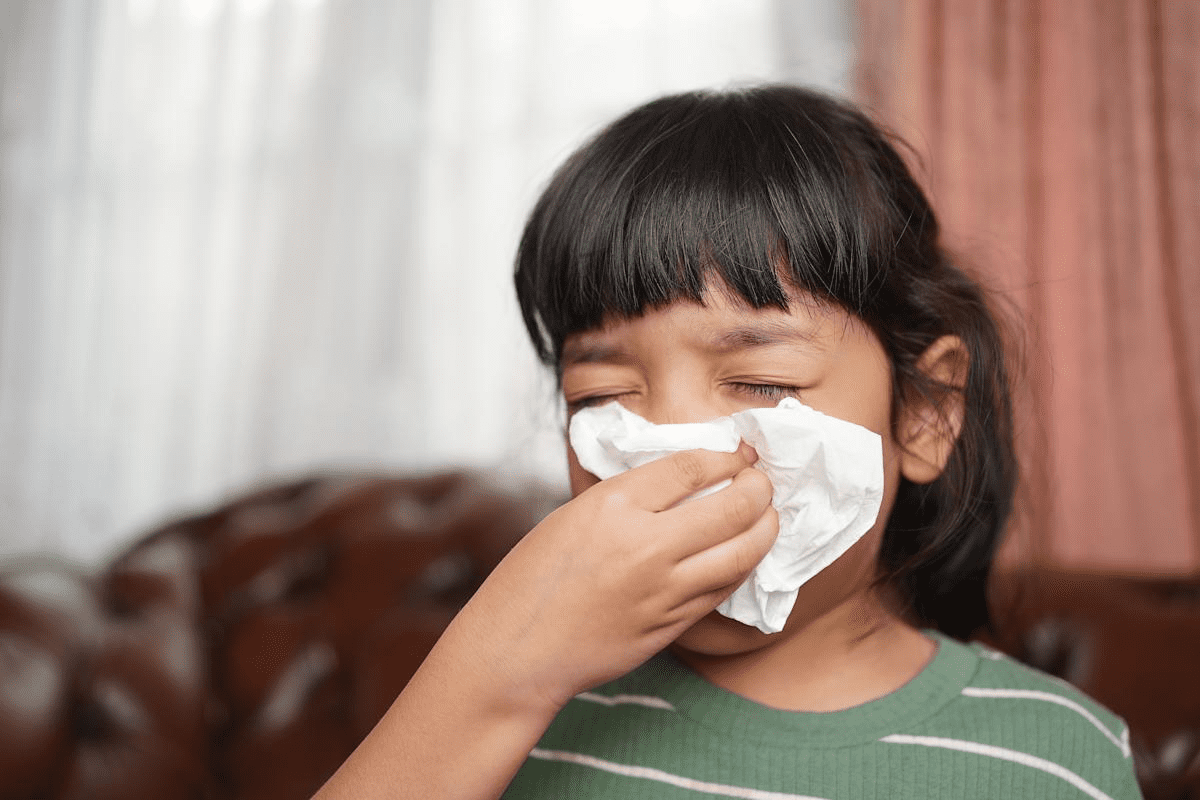
Sinus infections, or rhinosinusitis, affect millions worldwide. They cause discomfort and raise questions about being contagious. We often wonder if our sinus infection is contagious and how it spreads. Is rhinosinusitis contagious? Learn that the inflammation is not, but the cold or flu that led to it is highly infectious.
The contagiousness of sinus infections depends on their underlying cause. Viral sinus infections can spread easily through respiratory droplets and contact. But, bacterial sinusitis usually doesn’t spread.
It’s important to know the difference between viral and bacterial sinus infections. This helps protect others and get the right medical care. At Liv Hospital, we offer expert, patient-focused care based on reliable medical science.
Key Takeaways
- Sinus infections are contagious if caused by a virus.
- Viral sinus infections spread through respiratory droplets.
- Bacterial sinus infections are generally not contagious.
- Understanding the cause of sinusitis is key for prevention.
- Getting proper medical advice is vital for managing sinus infections.
Understanding Rhinosinusitis: Types and Prevalence
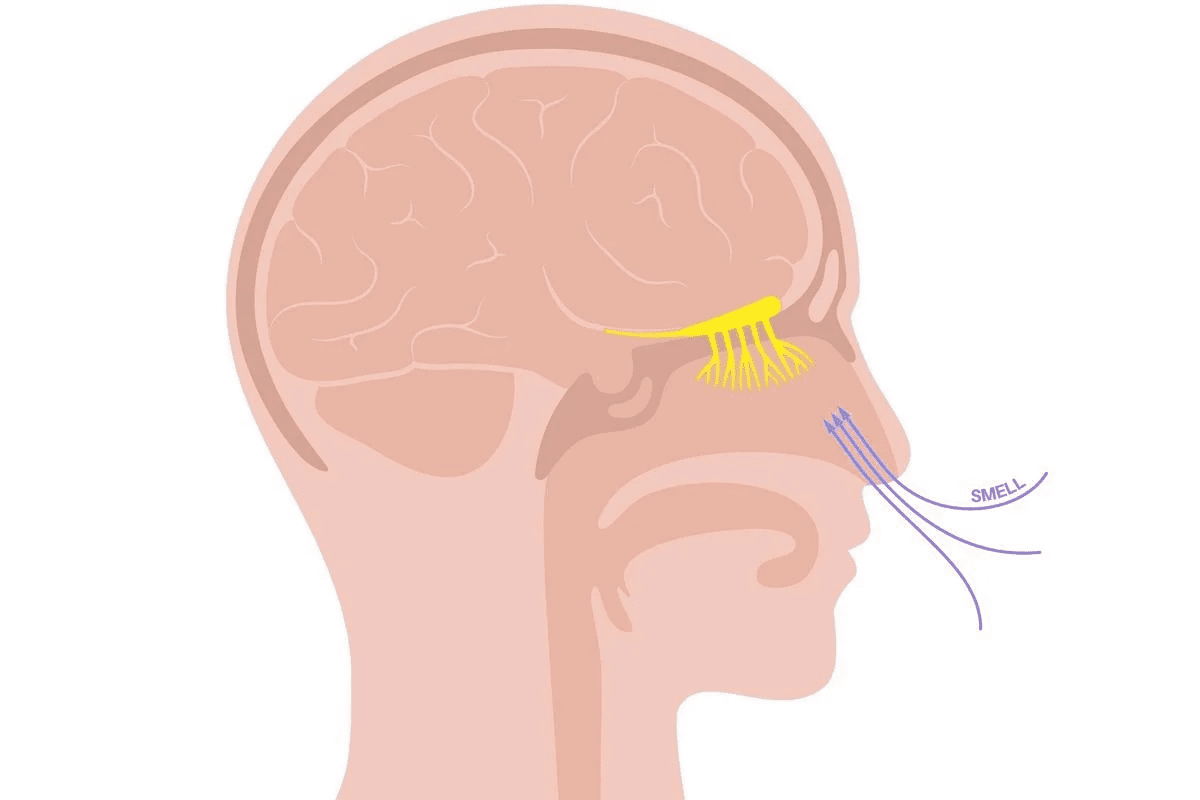
Rhinosinusitis, or sinusitis, is a common condition that affects the nasal cavity and sinuses. It can make life harder, causing symptoms like stuffy nose, facial pain, and trouble breathing. We’ll look at the different types and how common they are to understand this issue better.
What Is Rhinosinusitis?
Rhinosinusitis means the nasal cavity and sinuses are inflamed. It can come from infections, allergies, or other reasons. This inflammation can block the sinuses, leading to mucus buildup and infection. Knowing what causes rhinosinusitis helps in finding the right treatment.
Acute vs. Chronic Sinusitis
Rhinosinusitis is divided into types based on how long symptoms last. Acute lasts less than 4 weeks, and subacute is between 4 and 12 weeks. Chronic lasts more than 12 weeks, and recurrent means having four or more episodes a year.
Acute sinusitis often comes from viruses and can cause nasal discharge, facial pain, and cough. Chronic sinusitis can be due to ongoing inflammation, anatomical problems, or allergies. It needs more serious treatment because symptoms last a long time.
Epidemiology: How Common Are Sinus Infections?
Sinus infections are very common, affecting millions of people. About 31 million Americans get at least one sinus infection each year. This shows how important it is to know about and manage rhinosinusitis.
Type of Sinusitis | Duration | Common Causes |
Acute | Less than 4 weeks | Viral infections |
Subacute | 4 to 12 weeks | Prolonged viral infections, early signs of chronic sinusitis |
Chronic | More than 12 weeks | Persistent inflammation, anatomical issues, allergies |
Recurrent | Four or more episodes per year | Repeated viral infections, allergies, anatomical abnormalities |
Knowing about the types and how common rhinosinusitis is helps doctors treat it better. By understanding the differences and causes, patients get care that fits their needs.
Is Rhinosinusitis Contagious? The Definitive Answer

Whether rhinosinusitis is contagious depends on its cause. We must look at the different types of sinus infections to understand this.
Viral vs. Bacterial Sinus Infections
Most sinus infections come from viruses. The rest are bacterial or fungal. Viral sinus infections often come with cold or flu symptoms.
Bacterial sinus infections are rarer. They usually start after a viral infection. Knowing the difference is key to understanding if you can spread it.
When Sinus Infections Can Spread
If your sinus infection is viral, it can spread. Viral sinus infections spread through coughs and sneezes. They can also spread by touching surfaces and then your face.
It’s important to stay clean and avoid close contact during this time. This helps stop the infection from spreading.
When Sinus Infections Cannot Spread
Bacterial sinus infections are not contagious. They happen when bacteria in the sinuses grow too much. These infections don’t spread to others because they’re not caused by something you can pass on.
Knowing why you have sinusitis helps figure out if you can spread it. If you think you have sinusitis, see a doctor. They can help you understand your condition and how to stop it from spreading.
Viral Sinus Infections: The Contagious Culprit
Viral sinusitis is a common problem that spreads through the air. We’ll look at how viruses lead to sinusitis, the usual culprits, and how long and severe these infections can be.
How Viruses Cause Sinusitis
Viruses often cause sinus infections, leading to swelling and blockage. When a virus hits the upper respiratory tract, it can make the sinuses swell. This swelling can cause nasal stuffiness, facial pain, and headaches.
The virus damages the lining of the sinuses, making it hard for them to drain. This creates a perfect environment for bacteria to grow, making the infection worse.
Common Viral Pathogens
Several viruses are known to cause sinusitis. The rhinovirus is a top offender, often causing the common cold and sinus infections. Other viruses, like the influenza virus and adenovirus, can also lead to sinusitis.
These viruses are very contagious and spread through coughs and sneezes. Being close to someone with the virus can also spread it.
Duration and Severity
Viral sinus infections usually last 7 to 10 days. Symptoms get better as the body fights off the virus. But, how bad the infection is can vary a lot.
Some people might just have mild symptoms that go away fast. Others might have more serious symptoms, like long-lasting nasal stuffiness and facial pain. Knowing how long and how bad these infections can be is important for managing them and when to see a doctor.
Bacterial Sinus Infections: Rarely Contagious
Bacterial sinus infections are not usually contagious. They happen when bacteria grow too much in the sinuses. This can be due to blockage or other health issues. We will look into how this happens and its impact on contagiousness.
How Bacteria Infect the Sinuses
Bacteria live in our noses and sinuses. Bacterial sinusitis occurs when these bacteria grow too much. This can happen because of a viral infection, allergies, or other issues.
It often starts with a viral infection. This infection causes inflammation and blocks the sinuses. Then, bacteria can grow because of the blockage and mucus buildup.
Why Bacterial Sinusitis Isn’t Usually Contagious
Bacterial sinusitis isn’t contagious because it’s not spread by bacteria from one person to another. It happens when bacteria already in the sinuses grow too much. This is because of conditions like a viral infection.
Because it’s not spread through the air or direct contact, the chance of passing it to others is low. This is different from viral sinus infections, which can spread.
When to Suspect a Bacterial Infection
It’s important to know when a sinus infection might be bacterial. Symptoms that last longer or get worse than a viral infection could mean it’s bacterial. Look for signs like long-lasting sinus pressure, thick nasal discharge, or fever.
If symptoms last more than 7-10 days or seem to get better then worse, it might be bacterial. In these cases, seeing a doctor is key to figure out the right treatment.
How Contagious Sinus Infections Spread
Contagious sinus infections are a big worry. They can spread in many ways. Knowing how they spread helps us prevent them.
Respiratory Droplet Transmission
One main way sinus infections spread is through respiratory droplet transmission. When someone with the infection coughs or sneezes, they release virus-filled droplets. These droplets can be breathed in by others, causing infection. To lower the risk, it’s important to cover your mouth and nose when coughing or sneezing.
Think about this: when someone coughs or sneezes without covering their mouth, they release thousands of virus-filled droplets. These droplets can travel far and be inhaled by people nearby.
Surface Contact Transmission
Another big way infections spread is through contact with contaminated surfaces. When someone with the infection touches surfaces, they leave the virus behind. If others touch these surfaces and then their face, they can get infected. It’s key to regularly clean high-touch surfaces and wash your hands often.
- Frequently touched surfaces, like doorknobs and light switches, can carry viruses.
- Washing your hands with soap and water often can greatly lower the risk of getting infected.
- Using hand sanitizer when you can’t wash your hands is also helpful.
Close Contact Considerations
Close contact with someone who’s infected raises the risk of getting sick. This is because being close means you’re more likely to breathe in the virus when they cough or sneeze. It also means you might touch the same things. To stay safe, keep a distance from infected people and follow good hygiene practices.
Being close to someone with a contagious sinus infection without taking precautions can increase your risk. So, it’s important to be aware of your surroundings and take the right steps to protect yourself.
By knowing how sinus infections spread, we can take steps to stop them. Good hygiene, keeping distance from infected people, and being careful about our surroundings are all important. These actions help reduce the spread of sinus infections.
The Contagious Period: When You Can Spread Infection
Knowing when you’re contagious is key to stopping sinus infections from spreading. The contagious period is the time you can pass on the infection. It changes based on the cause of your sinusitis.
Timeline of Contagiousness
Viral sinus infections start spreading before you even show symptoms. They can keep you contagious for up to two weeks. Being most contagious happens in the first few days after symptoms show. It’s vital to act fast to stop the spread.
- The contagious period often begins 1-2 days before symptoms appear.
- You are most contagious in the first 3-5 days after symptoms start.
- The contagiousness gradually decreases over the next 7-10 days.
When You’re Most Likely to Spread Infection
You’re most likely to spread the infection when your symptoms are at their worst. This is usually in the first few days after symptoms start. Respiratory droplets with the virus are more common then, making it easier to pass it on.
To lower the chance of spreading, wash your hands often and use a tissue when you cough or sneeze.
How to Know When You’re No Longer Contagious
Figuring out when you’re no longer contagious can be tricky. It depends on the virus causing your sinus infection. Generally, you’re no longer contagious when your symptoms have greatly improved and you’ve been fever-free for at least 24 hours without medication.
- Keep an eye on your symptoms.
- Wait 24 hours after your fever goes away without medication.
- Keep up with good hygiene even after you feel better.
By knowing the contagious period and taking steps to prevent it, you can greatly lower the risk of spreading sinus infections.
Non-Contagious Causes of Rhinosinusitis
Rhinosinusitis can be caused by many non-contagious factors. Allergies and structural issues are common culprits. It’s important to know that not all sinusitis comes from infections.
Allergic Rhinosinusitis
Allergic rhinosinusitis happens when allergies cause inflammation in the nasal and sinus areas. Pollen, dust mites, and pet dander are common allergens. Allergic rhinosinusitis is not contagious, but it can really affect your life. Symptoms include a stuffy nose, runny nose, and sinus pressure.
We treat allergic rhinosinusitis by avoiding allergens, using antihistamines, and sometimes immunotherapy. Knowing how allergies play a role helps us treat it better.
Structural and Anatomical Causes
Structural problems in the nasal passages can also cause rhinosinusitis. A deviated septum or nasal polyps can block sinus drainage. These issues are not contagious but can lead to sinusitis.
Surgery can fix these problems and help symptoms. We decide if surgery is needed based on each case.
Environmental Irritants and Pollutants
Environmental irritants and pollutants can also cause rhinosinusitis. Air pollution, cigarette smoke, and strong smells can irritate the nasal and sinus areas. Reducing exposure to these irritants is key to managing this type of rhinosinusitis.
We tell patients to use air purifiers, stay away from smoking areas, and avoid strong chemicals. Understanding and addressing these environmental factors helps manage symptoms better.
Preventing the Spread of Contagious Sinus Infections
We can stop contagious sinus infections from spreading by using simple steps. These steps help keep us and others safe.
Effective Hand Hygiene
Keeping hands clean is key to stopping sinus infections. Wash hands with soap and water for 20 seconds often. Do this after coughing, before eating, and after using the bathroom.
If soap and water aren’t around, use an alcohol-based hand sanitizer. Making sure everyone in the house washes their hands often helps stop the spread of sinus infections.
Respiratory Etiquette
Good respiratory habits are also important. Cover your mouth and nose with a tissue when you cough or sneeze. If no tissue is available, use your elbow. This stops germs from spreading in the air.
Also, don’t touch your eyes, nose, and mouth. These areas are easy for viruses and bacteria to enter. By avoiding this, you lower the chance of spreading sinus infections.
Social Distancing When Infected
When you’re sick, stay away from others. Keep a safe distance from people, mainly in crowded places or during cold and flu seasons.
It’s best to stay home from work or school if you have symptoms. This helps stop the infection from spreading and helps you get better faster.
Household and Workplace Precautions
It’s not just about personal habits. Taking steps at home and work is also important. Disinfect often-touched surfaces like doorknobs and countertops. This helps fight off infections.
Precaution | Description | Benefit |
Effective Hand Hygiene | Washing hands with soap and water or using alcohol-based hand sanitizer | Reduces transmission of viral sinus infections |
Respiratory Etiquette | Covering mouth and nose when coughing or sneezing | Prevents release of pathogens into the air |
Social Distancing | Avoiding close contact with others when infected | Reduces spread of infection to others |
Household and Workplace Precautions | Regularly disinfecting frequently touched surfaces | Reduces spread of infection in shared environments |
By following these steps, we can greatly reduce the spread of contagious sinus infections. This keeps us and those around us safe.
Conclusion
It’s important to know if rhinosinusitis is contagious and how sinus infections spread. We’ve looked at the differences between viral and bacterial sinusitis. We’ve also talked about their symptoms and how they are spread.
Sinus infections are common, and whether they are contagious depends on the cause. Viral sinus infections can spread through droplets, touching surfaces, and being close to someone who’s sick. On the other hand, bacterial sinus infections are usually not contagious.
We’ve talked about ways to prevent sinus infections from spreading. This includes washing your hands often, covering your mouth when you cough, and staying away from others when you’re sick. By following these steps, you can help keep yourself and others safe from contagious sinus infections.
Our aim is to help you understand how contagious sinus infections are. This way, you can make smart choices about your health. We want to give you all the information you need to stay healthy and prevent the spread of sinus infections.
FAQ
Are sinus infections contagious?
Whether sinus infections are contagious depends on their cause. Viral infections can spread, but bacterial ones usually can’t.
How do sinus infections spread?
Viral sinus infections spread through coughs and sneezes. They also spread through touching contaminated surfaces.
Can you pass on a sinus infection?
Yes, if you have a viral sinus infection. You can spread it through coughs, sneezes, or touching surfaces.
What is the contagious period for a sinus infection?
Viral sinus infections are contagious before symptoms show. They can stay contagious for up to two weeks.
How can you prevent the spread of contagious sinus infections?
To stop the spread, wash your hands often. Also, cover your mouth when you cough or sneeze. Stay away from others when sick.
Can bacterial sinus infections be transmitted to others?
No, bacterial sinus infections can’t be passed from person to person.
What are the non-contagious causes of rhinosinusitis?
Rhinosinusitis can be caused by allergies, structural issues, or environmental pollutants. These are not contagious.
How long are you contagious with a sinus infection?
You can be contagious with a viral sinus infection for up to two weeks. You’re most contagious when symptoms are bad.
Can you catch a sinus infection from someone else?
Yes, you can get a viral sinus infection from someone else. This happens through coughs, sneezes, or touching contaminated surfaces.
Are sinus infections and ear infections contagious?
Viral sinus infections are contagious. But, bacterial sinus and ear infections are not usually contagious.
References
- National Center for Biotechnology Information. (2025). Is Rhinosinusitis Contagious How Sinus Infections Spread Sinus. Retrieved from https://www.ncbi.nlm.nih.gov/books/NBK547701/