Last Updated on November 27, 2025 by Bilal Hasdemir
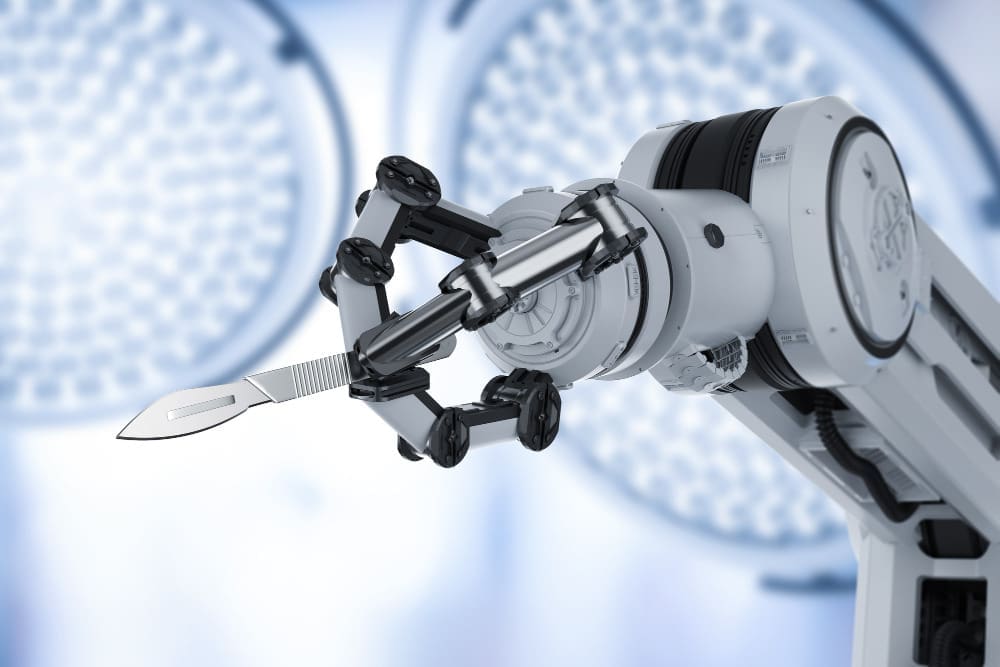
We are seeing a big change in orthopedic surgery with robotic assisted surgery. This new tech is changing joint replacement, making it more precise and tailored for each patient.
At Liv Hospital, we aim to give top-notch healthcare to all patients. We’ll look into the advantages and disadvantages of robotic surgery. This will help us see its role in today’s medicine and its benefits to patients.
We want to deeply explore the good and bad sides of robotic assisted surgery, focusing on orthopedics. Knowing the main points will help patients choose the best treatment for them.
Key Takeaways
- Robotic assisted surgery offers enhanced precision in orthopedic procedures.
- Customizable patient-specific treatments are a significant advantage.
- Liv Hospital provides world-class healthcare with complete support.
- Understanding the pros and cons is key for making good choices.
- Robotic surgery is changing joint replacement procedures.
The Evolution of Robotic Surgery in Modern Medicine
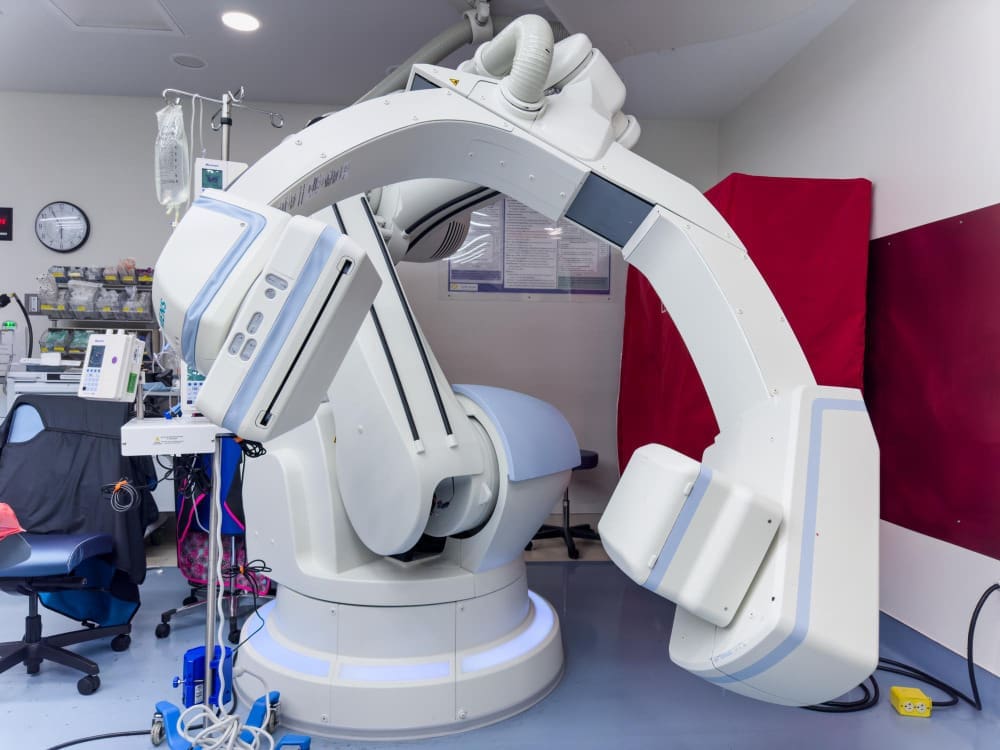
Robotic surgery has changed how we do surgery, making it better for patients and doctors. It’s clear that new tech and more use in hospitals have been key.
What Defines Robotic Assisted Surgery
Robotic assisted surgery uses robots to help with surgeries. These systems offer better precision, flexibility, and control. This lets surgeons do hard operations more easily and accurately.
The main parts of robotic assisted surgery are:
- High-definition 3D visualization
- Precision instruments with multiple degrees of freedom
- Enhanced ergonomics for surgeons
- Ability to perform complex procedures with minimal invasion
Key Technological Components
The tech behind robotic surgery includes robotic arms, high-definition cameras, and advanced software. These work together to give surgeons real-time data and feedback. This helps them make precise choices during surgery.
Some key tech parts are:
- Robotic arms with multiple degrees of freedom
- High-definition 3D visualization systems
- Advanced software for pre-operative planning and intraoperative guidance
Growth and Adoption in Healthcare
Robotic surgery is becoming more common in hospitals. It helps improve patient care, cut down recovery times, and boost overall quality. As tech gets better, more areas of surgery are using it.
What’s driving this growth is:
- More demand for less invasive surgeries
- Advancements in robotic tech
- More proof of robotic surgery’s benefits
Robotic Surgery Applications in Orthopedics

Orthopedic surgery has changed a lot with robotic-assisted procedures. Now, we can use advanced robotic technology to make surgeries more precise. This is true for joint replacement surgeries.
Joint Replacement Revolution
Robotic surgery has changed joint replacement surgeries a lot. This includes robotic knee replacement and robotic hip replacement. These surgeries are now more accurate and less invasive thanks to robots.
- Improved accuracy in implant positioning
- Reduced risk of complications
- Enhanced patient recovery times
Studies show that robotic-assisted joint replacement surgeries have better results than old methods.
Current Robotic Systems in Orthopedic Surgery
There are many robotic systems used in orthopedic surgery. Each has its own special features and benefits. Some well-known systems are:
- Mako Robotic-Arm Assisted Surgery
- ROBODOC
- NAVIO Surgical System
These systems help surgeons do complex surgeries with more precision and control.
Candidate Selection for Robotic Procedures
Not every patient is right for robotic-assisted orthopedic surgery. The right patients are chosen based on:
- Severity of joint damage
- Patient’s overall health condition
- Specific anatomical considerations
Doctors look at these things to decide if robotic surgery is good for each patient.
As robotic technology gets better, we’ll see even more uses in orthopedic surgery. This will lead to better results for patients and more treatment options.
Robotic Assisted Surgery Pros and Cons
Exploring robotic assisted surgery, we see its benefits and drawbacks. It offers precision and quicker recovery times. Yet, it also has high costs and requires specialized training.
The Fundamental Tradeoffs
Robotic surgery balances tech advancements with practical needs. It gives surgeons better control and vision, leading to precise operations. But, the cost of these systems is high, affecting healthcare budgets.
Key tradeoffs include:
- Precision vs. Cost: Robotic surgery is more accurate but pricier.
- Recovery Time vs. Training: Patients recover faster but surgeons need more training.
- Technological Advancement vs. Accessibility: New robotic systems are not everywhere, limiting access.
Patient Considerations
Patients see benefits like less invasive procedures and quicker recovery. But, they must also think about risks like system malfunctions or the need for open surgery.
Patient benefits may include:
- Less invasive procedures
- Reduced post-operative pain
- Shorter recovery times
Healthcare System Perspectives
Healthcare systems must weigh robotic surgery’s costs and benefits. It can save money in the long run by improving care and reducing recovery times. But, the upfront and ongoing costs are high.
Healthcare system considerations include:
- Initial investment and maintenance costs
- Training and credentialing for surgeons
- Potential impact on patient volume and revenue
Healthcare providers can make better choices about robotic surgery. This helps improve patient care and outcomes.
Advantage #1: Enhanced Surgical Precision and Accuracy
Robotic assisted surgery brings big benefits like better precision and accuracy. It changes how surgeons work, making procedures more precise and accurate.
Precision in Implant Positioning
Robotic surgery is great for precision in implant positioning. It uses advanced systems to place implants with perfect accuracy. This is key for good results in robotic knee replacement surgery.
- Accurate implant placement lowers the risk of problems.
- Precise positioning makes implants last longer.
- Better alignment means better function for patients.
3D Mapping and Real-Time Guidance
Robotic surgery uses 3D mapping and real-time guidance. This gives surgeons a detailed, 3D view of the area. It makes navigating complex anatomy easier and more accurate.
“The integration of 3D mapping and real-time guidance in robotic assisted surgery represents a significant advancement in surgical technology, allowing for more precise and controlled procedures.”
Reduction in Alignment Errors
Robotic surgery’s precision cuts down on alignment errors. This leads to better success rates in surgeries. Patients get better results and are happier.
- Robotic systems spot and fix alignment problems during surgery.
- Real-time feedback lets for quick adjustments, lowering error risk.
- This means surgeries are more successful with fewer complications.
Robotic assisted surgery boosts precision and accuracy in surgeries like robotic knee replacement. The benefits of robotic knee replacement include better implant placement, fewer alignment errors, and better outcomes.
Advantage #2: Customizable Patient-Specific Procedures
Robotic assisted surgery offers customizable procedures, improving treatment results. We use robotic systems to create surgical plans that fit each patient’s needs.
Pre-Operative Planning Benefits
Robotic surgery excels in pre-operative planning. We use advanced imaging to make detailed 3D models of patients’ anatomy. This helps us plan the best surgical approach for each patient.
Pre-operative planning benefits include:
- Enhanced accuracy in surgical planning
- Better anticipation of possible complications
- Improved patient outcomes due to personalized surgical approaches
Intraoperative Adjustments
During surgery, robotic systems allow for quick adjustments. The system’s sensors and real-time data help surgeons make precise changes as needed.
| Feature | Benefit |
|---|---|
| Real-time data | Immediate feedback for precise adjustments |
| Advanced sensors | Enhanced accuracy during the procedure |
Anatomical Variations Management
Every patient’s body is different, and robotic surgery helps manage these differences. We use detailed models and real-time data to navigate complex structures with precision.
The ability to manage anatomical variations effectively is key for the best surgical results. This skill is vital in surgeries with unique anatomical features, ensuring a safer and more tailored approach.
Advantage #3: Reduced Recovery Time and Post-Operative Pain
Robotic assisted surgery greatly benefits patient recovery. It cuts down on recovery time and post-operative pain. This means patients can move and function sooner.
50% Reduction in Recovery Duration
Research shows patients get better faster with robotic surgery. They can recover up to 50% quicker. This is thanks to the surgery’s precision and less invasive nature.
Pain Management Improvements
Robotic surgery also improves pain control. The robots’ accuracy causes less damage and pain. This means patients need less pain meds and feel more comfortable while healing.
Earlier Mobility and Function
Less pain and quicker recovery mean patients can move and function sooner. This is great for those having knee surgery. They can get back to their daily activities sooner.
Using robotic surgery, doctors can make recovery more comfortable and efficient. This makes patients happier and leads to better health outcomes.
Advantage #4: Minimized Soft Tissue Trauma
Robotic surgery is great because it reduces soft tissue trauma. This makes patients do better after surgery. The robots help surgeons make smaller cuts and be more precise.
Preservation of Healthy Tissue
Robotic surgery lets surgeons keep healthy tissue safe. This is key in complex surgeries. Keeping tissue intact helps with recovery and long-term health.
Using robots in surgery brings many benefits. These include:
- More accurate dissections
- Less damage to surrounding tissues
- Better preservation of vital structures
Smaller Incisions and Scarring
Robotic surgery means smaller cuts than old-school surgery. This cuts down on infection risk and scarring. It also makes patients look better after surgery.
Smaller cuts have many advantages:
- Reduced risk of infection
- Less post-operative pain
- Shorter recovery times
Reduced Blood Loss During Procedures
Robotic surgery also cuts down on blood loss. The better view and precision help stop bleeding better. This means fewer blood transfusions are needed.
Robotic surgery leads to:
- Less intraoperative blood loss
- Fewer complications related to blood transfusions
- Improved patient safety
In summary, robotic surgery is a big step forward in surgery. It helps keep tissue safe, makes cuts smaller, and reduces blood loss. All these help patients recover better and faster.
Advantage #5: Improved Stability in Complex Anatomies
In orthopedic surgery, robotic systems are changing the game. They bring better stability to complex body parts. This is very important in surgeries like hip replacement, where being precise is key.
Benefits for Hip Replacement Cases
Robotic surgery helps a lot in hip replacement. It makes sure implants fit perfectly. This precision lowers the chance of problems and makes surgery better.
A study showed how robotic systems are changing orthopedic surgery. It talked about the big leap in accuracy and stability in tough surgeries.
“Orthopedic surgery has seen a paradigm shift with the integration of robotic systems, showing unprecedented accuracy and stability in complex procedures.”
This shows more doctors trust robotic surgery for tricky body parts.
Addressing Anatomical Abnormalities
Robotic surgery is great at handling unusual body shapes. It uses advanced imaging and real-time data to understand and work with a patient’s body. This lets surgeons make changes during surgery.
This is really helpful for people who have had surgery before or have unusual body shapes. It means surgeons can tailor the surgery to fit their needs better.
Long-Term Implant Stability
Keeping implants stable for a long time is key for hip replacement success. Robotic surgery helps by placing implants just right. This means implants last longer and work better.
We focus on long-term results in our treatment plans. We use the latest in robotic surgery to give our patients the best outcomes.
Disadvantage #1: Increased Costs and Economic Barriers
Robotic surgery has many benefits but comes with high costs. These expenses make it hard for many to use this technology.
Initial Capital Investment for Hospitals
Hospitals must spend a lot to get robotic surgery systems. The initial capital investment includes the system’s price and other costs like infrastructure changes and training. For example, the da Vinci Surgical System costs between $1 million and $2.5 million.
There are also extra costs for facilities upgrades and training. These expenses can be tough on hospital budgets.
Insurance Coverage Challenges
Insurance coverage for robotic surgery varies a lot. Some insurers cover it for certain cases, but others don’t. This can cause financial burdens for patients and affect hospitals’ ability to offer robotic surgery.
When we look at robotic surgery’s pros and cons, the high costs are a big issue. Overcoming these economic barriers is key to making this technology available to everyone.
Disadvantage #2: Technical Limitations and Training Requirements
Robotic assisted surgery is changing the game, but it comes with its own set of challenges. Understanding these technical hurdles and the need for extensive training is key. These systems have made surgery more precise, but they also add complexity.
Surgeon Learning Curve
Surgeons must invest a lot in learning robotic surgery. The process is complex, requiring new skills and a deep understanding of the robotic system.
It can take 20 to 30 surgeries for a doctor to get the hang of it. This learning period is tough for both the doctors and the healthcare system. It affects how efficiently surgeries are done and how quickly patients can be treated.
Extended Operating Times
At first, robotic surgeries take longer because of the setup and learning curve. This can increase the risk of problems and strain on the operating room.
But, as doctors get more practice, the time it takes for these surgeries goes down. Studies show that while the first few surgeries are longer, they can eventually be as quick as traditional surgeries.
Specialized Training Infrastructure
Hospitals need to invest in special training spaces for robotic surgery. This includes both the technical skills and simulation training. It’s all about preparing surgeons for the unique challenges of robotic surgery.
Creating this infrastructure is vital for robotic surgery to become more common. It ensures surgeons are ready to use these systems to the fullest, leading to better patient care.
| Training Component | Description | Importance Level |
|---|---|---|
| Simulation-Based Training | Prepares surgeons for robotic assisted procedures through simulated environments. | High |
| Hands-On Training | Provides direct experience with robotic systems during actual surgeries. | High |
| Theoretical Education | Covers the principles and best practices for robotic assisted surgery. | Medium |
Disadvantage #3: Potential Complications and Risks
Robotic assisted surgery comes with several risks and complications. These need careful thought from healthcare providers and patients.
Robotic surgery has many benefits. But, it’s important to know the possible complications. These can affect how well a patient recovers and their outcome.
Pin-Site Fractures in Knee Procedures
Knee procedures with robotic surgery can lead to pin-site fractures. These happen where pins or wires are used to hold the bone in place.
These fractures can cause more pain, longer recovery times, and might need more surgery. It’s key to know the risks and take steps to prevent fractures.
System Malfunctions and Technical Failures
System malfunctions or technical failures are another risk. Though rare, they can be serious. They might force a switch to open surgery or harm the patient.
To lower these risks, regular maintenance and updates are critical. Having backup plans ready is also important for any technical problems during surgery.
Additional Radiation Exposure from Imaging
Robotic surgery uses advanced imaging to guide the surgery. This improves precision but also increases radiation exposure.
This is a big concern for young patients or those needing many surgeries. It’s important to plan carefully and manage radiation doses to keep benefits while reducing risks.
| Complication | Description | Mitigation Strategy |
|---|---|---|
| Pin-Site Fractures | Fractures occurring at pin insertion sites during knee procedures | Careful pin placement, patient selection |
| System Malfunctions | Technical failures of the robotic system during surgery | Rigorous maintenance, software updates, contingency planning |
| Additional Radiation Exposure | Increased radiation from imaging technologies used in robotic surgery | Careful dose management, alternative imaging techniques |
Disadvantage #4: Limited Accessibility and Availability
Robotic assisted surgery has many benefits but faces a big challenge: it’s hard to get. We need to understand why it’s not available to everyone.
Geographic Distribution Challenges
The chance to get robotic surgery varies a lot by where you live. Cities usually have it, but rural areas often don’t. This is because it’s very expensive to buy and keep these systems.
This means people in rural areas have to travel far to get this surgery. It’s unfair and can hurt their health.
Hospital Size and Resource Requirements
Only big hospitals can usually use robotic surgery. They have the money and staff needed. Smaller places can’t afford it or don’t have the right people.
This makes it hard for smaller hospitals to use this technology. It’s a big problem because of money and lack of skills.
Patient Access Disparities
Not everyone can get robotic surgery because it’s not available everywhere. Some groups, like those who are poor or live in areas with bad healthcare, have it even harder. They face big obstacles in getting this surgery.
We want to make sure everyone has equal access to healthcare. We support efforts to make advanced medical tech available to more people.
Conclusion: Weighing the Future of Robotic Surgery
Robotic surgery has made big steps in modern medicine. It offers better precision, shorter recovery times, and less damage to soft tissues. But, it also has downsides like higher costs, technical issues, and possible complications.
The future of robotic surgery looks bright with new tech and more use in healthcare. As systems get better, we’ll see better results and more uses in surgery. We think the good things about robotic surgery will keep growing, leading to more use and better care for patients.
As healthcare changes, robotic surgery will play a bigger role in medical treatment. Knowing the good and bad of robotic surgery helps us use it wisely. This way, we can make sure it helps patients as much as possible.
FAQ
What are the main advantages of robotic assisted surgery?
Robotic surgery brings many benefits. It offers better precision and accuracy. It also allows for procedures tailored to each patient. Plus, it reduces recovery time and post-operative pain.
References
American Academy of Orthopaedic Surgeons (AAOS). Robotic-Assisted Joint Replacement. https://orthoinfo.aaos.org/en/treatment/robotic-assisted-joint-replacement/
PMC. Robotic Knee Replacement Surgery: A Review. https://pmc.ncbi.nlm.nih.gov/articles/PMC9958158/