Last Updated on November 27, 2025 by Bilal Hasdemir

The Robotic back surgery procedure is amazing. This guide details how the operation is performed using crucial and cutting-edge technology.
At our place, we use the latest tech to help patients get the best results. Our team uses a robotic back surgery procedure that makes surgery more precise and healing faster. This method means smaller cuts, less blood loss, and less damage to tissues. So, patients can get back to their lives quicker.
With minimally invasive spinal surgery, we offer a safer and more effective way to treat patients. Our team is dedicated to top-notch healthcare. We also provide full support for patients from around the world.
Key Takeaways
- Robotic spine surgery offers enhanced precision and faster healing.
- Minimally invasive techniques result in smaller incisions and less tissue damage.
- Our experts utilize cutting-edge technology for optimal outcomes.
- Faster recovery times and reduced blood loss are significant benefits.
- Comprehensive support is available for international patients.
The Evolution of Spine Surgery Techniques
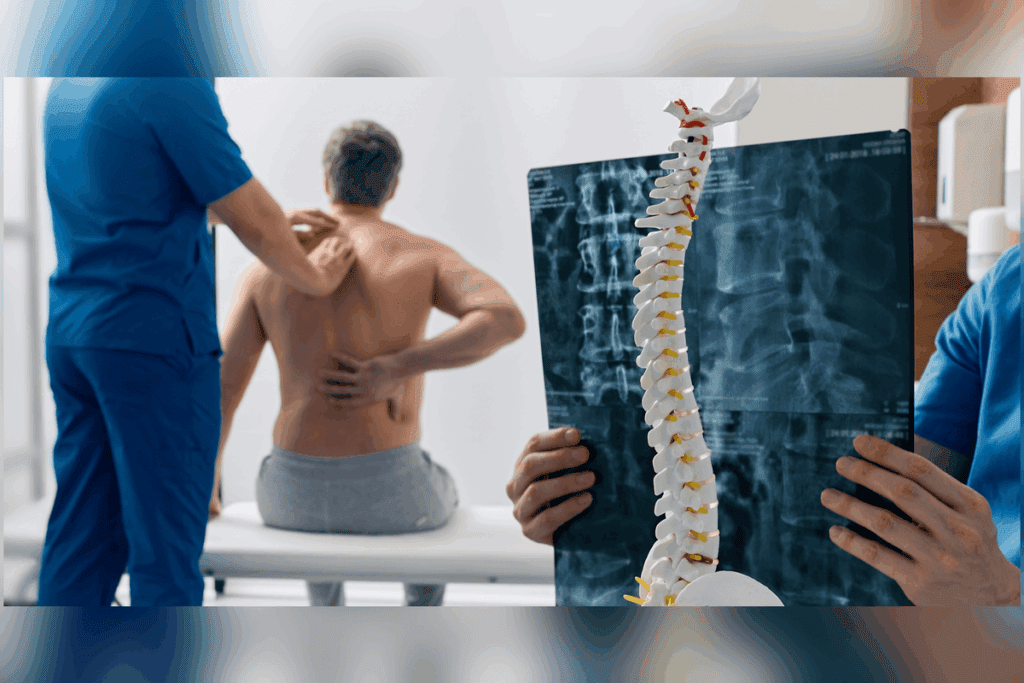
Spine surgery has changed a lot, thanks to new technologies. These changes aim to make surgeries more precise, less invasive, and more effective. This is all about improving how we help patients.
From Traditional to Minimally Invasive Approaches
Older spine surgery methods used big cuts and hurt a lot of tissue. This made recovery slow and raised the risk of problems. But, minimally invasive spine surgery (MISS) has changed that.
MISS uses small cuts, special tools, and better views. This means less harm to the patient and faster healing.
The good things about these new methods are:
- Less blood loss and fewer transfusions needed
- Less pain and discomfort after surgery
- Shorter stays in the hospital and quicker recovery
- Smaller scars and better looks
The Emergence of Robotic Technology in Spine Surgery
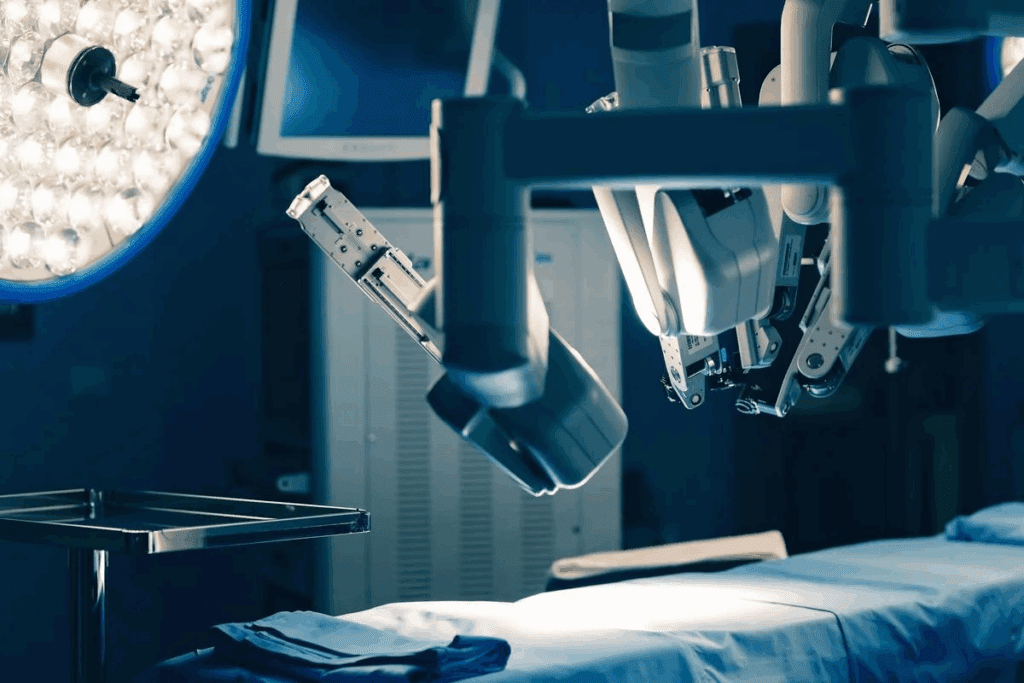
Robotic technology has made spine surgery even better. It gives surgeons real-time data and images. This helps them make better choices during surgery.
Robotic systems bring many benefits, like:
- More accurate placement of implants and tools
- Better views with advanced imaging
- Less radiation for patients and doctors
- More precise work in tricky areas
As we keep improving spine surgery, using robots and new techniques is raising the bar. It’s all about better care and results for patients.
What is Robotic-Assisted Spinal Surgery?
Robotic-assisted spinal surgery is a new way to do surgery. It uses advanced technology to make surgeries better. This method combines a surgeon’s skill with the precision of robots, helping patients more.
Core Principles and Technology
This surgery uses advanced imaging, navigation, and robotic tech. These tools help surgeons plan and do complex surgeries with more accuracy and less invasion.
- Advanced Imaging: High-resolution imaging lets surgeons see the spine clearly, making planning easier.
- Navigation Systems: These systems show where instruments and implants should go in real-time.
- Robotic Technology: Robotic arms move steadily and precisely, cutting down on mistakes.
How Robotic Systems Enhance Surgical Precision
Robotic systems make surgeries more precise by giving surgeons real-time data and control. This means implants are placed more accurately, less tissue is damaged, and results are better.
- Robotic systems help with detailed planning before surgery, leading to more accurate execution.
- They combine imaging and navigation data, allowing surgeons to adjust for any spine differences during surgery.
- Robotic arms reduce the chance of human error, ensuring consistent and reliable results.
Robotic-assisted spinal surgery combines advanced tech with surgical skill. It promises a bright future for spinal surgeries. As tech gets better, we’ll see even more precise surgeries and better patient results.
Current Robotic Systems Used in Spine Surgery
Several robotic systems are now used in spine surgery. Each has its own special features and benefits. These systems have changed spinal surgery, making it more precise and accurate. They also help improve patient results.
Mazor X Stealth Edition
The Mazor X Stealth Edition is a top-notch robotic system for complex spine surgeries. It combines robotic guidance with stealth navigation for precise implant placement. This system is great for minimally invasive surgeries, causing less tissue damage and faster recovery.
ExcelsiusGPS
ExcelsiusGPS is another advanced robotic platform for spine surgery. It has a rigid robotic arm for stability and precision. The system’s GPS-like navigation tracks instruments in real-time, making surgeries more accurate.
ROSA Spine
ROSA Spine is a robotic system that offers flexibility and precision in spine surgery. It helps surgeons during complex procedures with real-time guidance. ROSA Spine is great for surgeries needing high accuracy, like cervical spine or complex deformities.
Other Emerging Robotic Platforms
There are also other robotic platforms emerging for spine surgery. These include systems with artificial intelligence, advanced imaging, and better navigation. The future of robotic spine surgery looks bright, with more advancements expected to improve care and outcomes.
As robotic technology keeps improving, we’ll see even more advanced systems in spine surgery. These advancements will likely make surgeries more precise, reduce recovery times, and improve patient results.
The Robotic Back Surgery Procedure
The robotic back surgery procedure is a cutting-edge method. It helps surgeons perform complex spinal operations with more accuracy. This method includes detailed planning before surgery and precise navigation during it, leading to better results for patients.
Pre-operative Planning and 3D Mapping
Planning before surgery is key in robotic back surgery. Surgeons use advanced imaging to create 3D maps of the spine. This 3D mapping helps plan the surgery, considering each patient’s unique anatomy.
The pre-operative planning phase involves studying the patient’s imaging. It helps find the best entry points and implant placement. This stage is vital for anticipating and solving any challenges.
Intraoperative Navigation and Execution
During surgery, the robotic system offers real-time navigation. It guides the surgeon’s tools with great precision. The robot’s sensors and algorithms work with the pre-planned strategy, ensuring the surgery goes as planned.
Intraoperative navigation lets the surgeon adjust as needed. This is important for handling any unexpected issues during surgery. It makes the procedure more accurate and safe.
The Surgeon’s Role During Robotic Procedures
Robotic technology greatly improves back surgery precision, but the surgeon’s skill is essential. The surgeon leads from start to finish, ensuring the robot is used correctly and safely.
During the surgery, the surgeon watches the robot’s performance. They make adjustments and check if the surgery is on track. The surgeon’s role is not just to operate the robot but also to make important decisions and provide the care patients need.
Step-by-Step Process of Robotic Spine Surgery
Robotic spine surgery is a big step forward in spinal care. It brings better precision and results for patients. The whole process has many important steps that help make the surgery a success.
Patient Preparation and Anesthesia
The first thing is to get the patient ready. This means checking their health history and the problem they have. They usually get general anesthesia to stay comfortable.
Our team keeps an eye on the patient’s health during the surgery. This makes sure they are safe and comfortable.
Robot Setup and Registration
After getting the patient ready, the robot is set up. It’s placed in the room and matched to the patient’s body using special images. This step is key for the robot to guide the surgery accurately.
Surgical Access and Approach
Then, the team decides how to get to the problem area. They use plans and live images to find the best way. This part is important to avoid damage and follow the plan well.
Robotic Guidance for Instrumentation
The robot helps guide the tools and implants during the surgery. It makes it easier for the surgeon to work in tricky areas. The team watches closely to handle any issues that come up.
This careful process makes robotic spine surgery a precise and effective treatment. It uses the latest tech and skilled surgeons to help patients recover faster and better.
Common Spinal Conditions Treated with Robotic Surgery
Robotic systems have changed spine surgery. They help surgeons treat complex spinal issues with better accuracy and faster recovery. This technology is key in tackling tough spinal disorders.
Degenerative Disc Disease and Herniated Discs
Degenerative disc disease and herniated discs are common targets for robotic surgery. Robotic systems guide surgeons in doing discectomies and spinal fusions with less harm to tissues.
This technology makes surgery safer and less invasive. Patients with these conditions see shorter hospital stays and faster healing.
Spinal Stenosis and Nerve Compression
Spinal stenosis narrows the spinal canal, causing nerve compression. Robotic-assisted surgery lets surgeons do laminectomies with great precision. This relieves nerve pressure and eases symptoms.
Robotic tech ensures the procedure is precise, causing less damage to nearby tissues. This leads to less pain and quicker recovery.
Scoliosis and Spinal Deformities
Scoliosis makes the spine curve abnormally, a complex issue to treat. Robotic surgery offers a more precise and controlled method to fix spinal deformities.
Surgeons use robots to accurately place spinal instruments like rods and screws. This corrects the spine’s curve and stabilizes it, improving scoliosis treatment outcomes.
Vertebral Fractures and Instability
Vertebral fractures can cause spinal instability, leading to pain. Robotic-assisted surgery enables exact vertebral augmentation and stabilization.
Robotic technology ensures spinal stability and pain relief. Patients enjoy less invasive procedures that speed up recovery and enhance results.
| Spinal Condition | Robotic Surgery Benefits | Outcome |
| Degenerative Disc Disease | Precise discectomies and spinal fusions | Less tissue damage, quicker recovery |
| Spinal Stenosis | Accurate laminectomies | Relieved nerve compression, less post-operative pain |
| Scoliosis | Controlled correction of spinal deformities | Improved spinal alignment, stabilized spine |
| Vertebral Fractures | Precise vertebral augmentation | Restored spinal stability, alleviated pain |
Types of Robotic-Assisted Spinal Procedures
Robotic-assisted spinal procedures are changing spine surgery. They let surgeons treat complex conditions with more ease and precision. These new methods offer patients less invasive treatments, cutting down recovery times and improving results.
Robotic-Assisted Spinal Fusion
Robotic-assisted spinal fusion is a precise procedure. It joins two or more vertebrae together using bone grafts and tools. The robotic system helps place screws and bone grafts accurately, lowering the risk of problems.
Robotic-Assisted Laminectomy and Decompression
Robotic-assisted laminectomy and decompression remove part of the vertebra. This relieves pressure on the spinal cord or nerves. The robotic system allows for exact removal of bone and tissue, protecting nearby structures.
Robotic Disc Surgery
Robotic disc surgery treats herniated or damaged discs with minimal invasion. The robotic system helps surgeons access the disc with high precision. This reduces the risk of nerve damage and speeds up recovery.
| Procedure | Description | Benefits |
| Robotic-Assisted Spinal Fusion | Joining two or more vertebrae together using bone grafts and instrumentation | High precision, reduced risk of complications |
| Robotic-Assisted Laminectomy and Decompression | Removing a portion of the vertebra to relieve pressure on the spinal cord or nerves | Precise removal of bone and tissue, minimizing damage to surrounding structures |
| Robotic Disc Surgery | Treating herniated or damaged discs using minimally invasive techniques | Greater precision, reduced risk of nerve damage, faster recovery |
These robotic-assisted spinal procedures are a big step forward in spine surgery. They offer patients safer and more effective treatments. As technology gets better, we’ll see even more uses of robotic technology in spinal surgery.
Benefits of Robotic Back Surgery Procedure
Robotic back surgery has changed spinal surgery a lot. It brings many benefits to patients. The use of robotic technology makes surgeries more precise and accurate.
Enhanced Surgical Precision and Accuracy
Robotic back surgery is great because it’s very precise. It lets surgeons do complex surgeries with better accuracy. Robotic-assisted spinal surgery enables precise placement of implants and instrumentation, which is key for success.
A study in the Journal of Neurosurgery: Spine found robotic surgery cuts down on mistakes. It makes spinal surgery safer.
“Robotic navigation systems have shown a high degree of accuracy in spinal surgery, with a pedicle screw placement accuracy rate of 95% or higher.”
Reduced Radiation Exposure
Robotic back surgery also means less radiation for patients and staff. Traditional methods use a lot of X-rays, which is risky. Robotic systems use preoperative CT scans and intraoperative navigation, cutting down on X-rays needed.
- Reduced radiation exposure for patients and staff
- Lower risk of radiation-induced complications
- Improved safety in the operating room
Minimized Tissue Damage and Blood Loss
The precision of robotic systems means surgeries can be smaller and less invasive. This leads to less damage and blood loss. Patients recover faster and have fewer complications.
- Smaller incisions reduce tissue trauma
- Less blood loss during surgery
- Fewer post-operative complications
Improved Patient Outcomes and Recovery Times
The precision, less radiation, and less tissue damage all help patients. They often have less pain, shorter hospital stays, and get back to normal faster.
Robotic back surgery is changing spinal surgery for the better. It’s safer and more effective than old methods. As technology gets better, so will the results for patients.
Potential Risks and Limitations
Robotic back surgery has changed spinal treatment a lot. But, it’s important to know the risks and limits of this new tech. Understanding these helps us make better choices.
Surgical Complications Specific to Robotic Procedures
Like any surgery, robotic back surgery has risks. These can be infections, nerve damage, or bad reactions to anesthesia. Robotic surgery might also have special risks like:
- Robotic system malfunctions during surgery
- Increased risk of nerve damage due to the precision required
- Potential for inaccurate screw placement
It’s key for surgeons to be well-trained and experienced in robotic surgery to lower these risks.
Technology-Related Challenges and Failures
Robotic back surgery relies a lot on tech, which can fail. These failures can be from software bugs to hardware problems. Some tech issues include:
| Challenge | Description | Potential Impact |
| System Crash | Complete failure of the robotic system during surgery | Delays or cancellation of the procedure |
| Navigation Errors | Inaccuracies in the navigation system | Incorrect placement of implants or instruments |
| Software Glitches | Issues with the software controlling the robotic system | Unintended movements or actions by the robot |
Having strong backup systems and emergency plans is vital to handle these tech risks.
Cost and Accessibility Considerations
Robotic back surgery is advanced and pricey. The cost of the system, upkeep, and surgeon training is high. This makes it hard for some to get this surgery, due to cost or lack of insurance.
Cost Factors:
- Initial investment in robotic technology
- Ongoing maintenance and update costs
- Training and certification for surgical teams
As tech gets better, we might see lower costs and more access to this surgery.
Patient Selection for Robotic Spine Surgery
The success of robotic spine surgery depends on choosing the right patients. We look at many factors to see if a patient is a good fit for robotic surgery.
Ideal Candidates for Robotic Procedures
Good candidates for robotic spine surgery have certain traits and conditions. They include:
- A clear diagnosis of a spinal issue that robotic surgery can fix
- Anatomy that fits well with the robotic system’s abilities
- No big reasons why the surgery might not work, like severe osteoporosis or past spinal surgeries
Choosing the right patients and planning well before surgery are key to success.
Contraindications and Exclusion Criteria
Some conditions or traits make robotic spine surgery not a good choice. These include:
- Being very overweight, which might limit the robotic system’s movement
- Having past spinal surgeries or implants that could get in the way
- Medical issues that raise the risk of surgery, like uncontrolled diabetes or heart disease
We check each patient’s health and condition to see if robotic spine surgery is right for them. Accuracy and safety are our top priorities. Our team is very careful in choosing patients to ensure the best results.
Recovery and Rehabilitation After Robotic Back Surgery
The journey to recovery after robotic back surgery is a mix of care after surgery and physical therapy. We’ll walk you through the key steps to ensure a smooth recovery.
Immediate Post-operative Care
Right after surgery, patients are watched closely in the recovery room. Effective pain management is key, with medication given as needed. We also work to prevent infection and help wounds heal.
- Monitoring of vital signs
- Pain management through medication
- Observation for possible complications
Physical Therapy Protocols
Physical therapy is vital after robotic back surgery. A physical therapy plan is made to help patients get stronger, more flexible, and mobile. This plan is based on the patient’s needs and the surgery type.
- Gentle exercises to improve flexibility
- Strengthening exercises for core and back muscles
- Gradual increase to harder activities
Long-term Recovery Expectations
The length of recovery after robotic back surgery varies. Most patients see big improvements in symptoms over time. Follow-up appointments with our team are key to track progress and solve any issues.
Return to Daily Activities and Work
When patients can go back to daily life and work varies. Some might be back in a few weeks, while others need more time. We offer personalized advice on when it’s okay to return to work, drive, and do physical activities.
By sticking to our detailed recovery and therapy plan, patients can get the best results after robotic back surgery. Our team is here to support you every step of the way.
Finding Qualified Surgeons and Centers
Choosing the right surgeon and center for robotic spine surgery is key. This surgery needs advanced tech and a skilled team. It’s not just about the tech; it’s about the people using it.
Credentials and Experience to Look For
Look for surgeons trained in robotic spine surgery. They should know a lot about spinal issues. Board certification shows they meet high standards.
Experience matters too. Ask about their robotic surgery history and success rates. A seasoned surgeon can handle any surprises during surgery.
Questions to Ask Your Potencial Surgeon
Have a detailed talk with your surgeon before deciding. Ask about their experience with robotic systems and how they’ll tackle your case. Find out about their team and your recovery care.
The best way to ensure a successful surgery is by choosing a surgeon who not only has the technical skills but also the empathy and communication skills to support you throughout your journey.
Future Developments in Robotic Spine Surgery Technology
Robotic spine surgery is on the verge of a new era. This is thanks to advancements in artificial intelligence and imaging. These changes will greatly improve spinal care.
Artificial Intelligence Integration
Artificial intelligence (AI) is set to make robotic spine surgery even more precise. AI can look at lots of data quickly. This helps surgeons make better decisions during surgery.
Enhanced decision-making is a big plus of AI in surgery. It helps surgeons use data to make smarter choices. A leading expert says AI will soon be a key tool in the operating room.
“The future of spine surgery lies in the synergy between human expertise and artificial intelligence.”
Advanced Imaging and Navigation Capabilities
New imaging and navigation tools will make robotic spine surgery even better. High-resolution imaging helps plan surgeries more accurately. Advanced navigation systems let surgeons do complex procedures with more precision.
- Improved visualization of anatomical structures
- Enhanced tracking of surgical instruments
- Real-time feedback during procedures
These new tools are vital for treating complex spine disorders. They give surgeons better tools and data. This leads to better patient outcomes and shorter recovery times.
Expanding Applications in Complex Spine Disorders
The future of robotic spine surgery includes treating more complex disorders. As technology gets better, we’re seeing more minimally invasive procedures. These can handle a wider range of spinal issues.
Robotic systems are being made to handle tough cases like severe scoliosis. These advancements are key for effective treatments. They help reduce risks and speed up recovery.
Looking ahead, the mix of technology and medical know-how will keep improving robotic spine surgery. By embracing these new tools, we can offer better care and results for patients.
Conclusion
Robotic back surgery has changed spinal surgery a lot. It offers patients new, precise, and less invasive ways to treat back problems. We’ve looked at how spine surgery has evolved, the basics of robotic-assisted spinal surgery, and the robotic systems used today.
This surgery has many benefits. It improves surgical accuracy, cuts down on radiation, and causes less damage to tissues. As we keep improving, we’ll see better results and faster recoveries for patients.
It’s important for patients to find skilled surgeons and centers that use robotic spine surgery. Knowing the risks and limits helps patients make better choices about their care.
In short, robotic back surgery is a big step forward in spinal care. It offers a safe and effective way to treat back issues. We think this technology will keep making spine surgery better, helping patients all over the world.
FAQ
What is robotic back surgery?
Robotic back surgery is a new way to do back surgery. It uses a robot to help the surgeon. This makes the surgery more precise and accurate.
How does robotic-assisted spinal surgery improve surgical outcomes?
This surgery is better because it’s more precise. It also causes less damage and blood loss. This means patients recover faster and do better overall.
What are the benefits of robotic back surgery compared to traditional methods?
Robotic surgery is better because it’s more precise. It also uses less radiation and causes less damage. This makes it a good choice for many patients.
What spinal conditions can be treated with robotic surgery?
Robotic surgery can help with many back problems. This includes things like degenerative disc disease and herniated discs. It can also help with spinal stenosis, scoliosis, and vertebral fractures.
What is the role of the surgeon during robotic back surgery?
The surgeon is very important in robotic surgery. They plan the surgery and use the robot. They also make any needed changes during the operation.
How long does it take to recover from robotic back surgery?
Recovery time varies. It depends on the patient and the surgery. But most people can get back to normal in a few weeks.
Are there any other risks or complications associated with robotic back surgery?
Yes, there are risks. These include problems with the surgery and issues with the technology. There are also costs to consider.
How do I find a qualified surgeon for robotic back surgery?
Look for a surgeon with the right training. They should know how to use the robot and have good results. Check their credentials and experience.
What are the future developments in robotic spine surgery technology?
The future looks bright. We’ll see more use of artificial intelligence and better imaging. It will also help with more complex spine problems.
Is robotic back surgery covered by insurance?
Coverage varies. It depends on your insurance and policy. Always check with your provider to see if it’s covered.
Can robotic back surgery be used for complex spinal deformities?
Yes, it can. Robotic surgery is good for complex problems like scoliosis. It has shown to improve results and reduce complications.
References
- Sarmiento, J. M., et al. (2022). Step-by-step guide to robotic-guided minimally invasive transforaminal lumbar interbody fusion (MI-TLIF). Journal of Clinical Medicine, 11(24), 7449. https://pmc.ncbi.nlm.nih.gov/articles/PMC10061490/