Last Updated on November 27, 2025 by Bilal Hasdemir
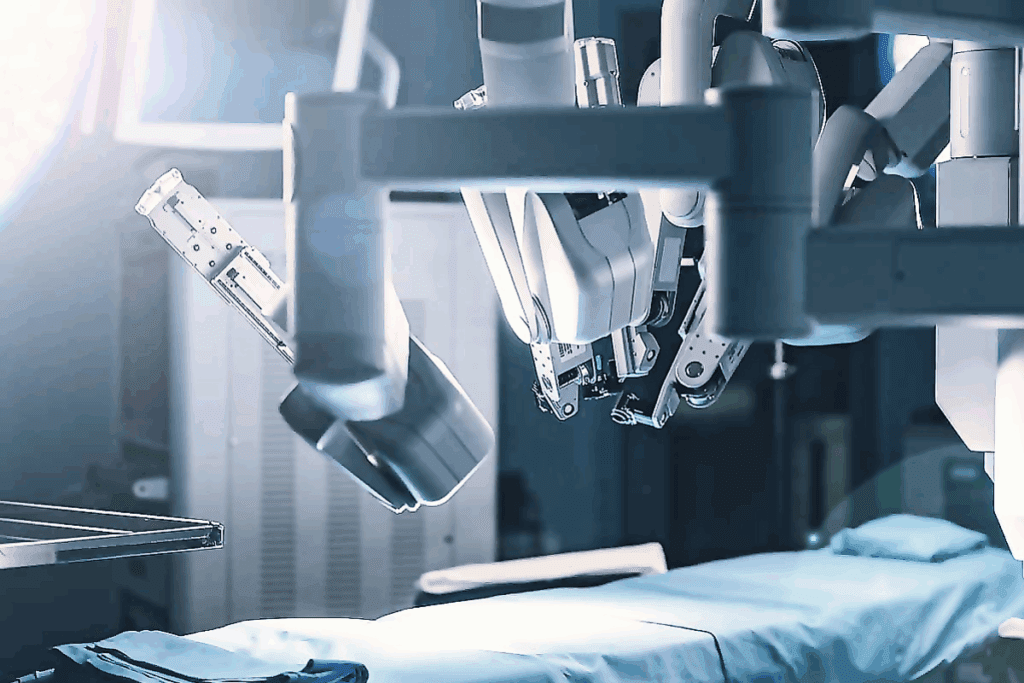
Minimally invasive robotic cardiac surgery is changing cardiothoracic surgery. The da Vinci system lets surgeons do complex tasks with better precision and accuracy.
Those having robotic heart surgery get many benefits. They have smaller cuts, less pain, and heal faster than with open-heart surgery.
This new method leads to faster healing and quicker getting back to daily life. It’s a great choice for those needing heart surgery.
Key Takeaways
- Robotic heart surgery is a minimally invasive procedure.
- The da Vinci surgical system enhances surgical precision.
- Smaller incisions result in less pain and scarring.
- Faster recovery times compared to traditional surgery.
- Patients can expect a quicker return to normal activities.
Understanding Robotic Heart Surgery
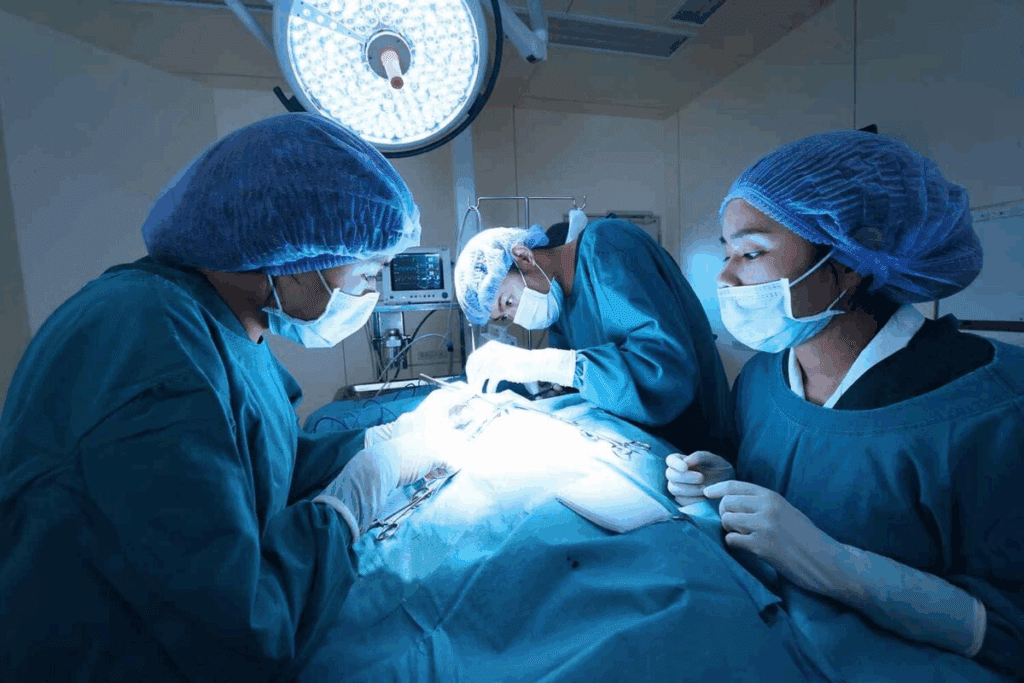
Robotic heart surgery is a big step forward in heart care. It’s a less invasive option compared to traditional open-heart surgery. This new method uses the da Vinci surgical system. It lets surgeons do complex tasks with better precision and control.
What is Robotic Heart Surgery?
Robotic heart surgery uses a high-tech robotic system to help surgeons. The da Vinci system has a console for the surgeon and robotic arms for the patient. These arms move just like the surgeon’s hands, but with more accuracy.
How it Differs from Traditional Open Heart Surgery
Unlike traditional surgery, robotic heart surgery uses small incisions. This means less damage to tissues, less pain, and faster recovery. The main differences are:
- Smaller incisions, leading to less scarring
- Less blood loss during surgery
- Shorter hospital stays
- Faster return to normal activities
Common Cardiac Conditions Treated with Robotic Surgery
Robotic surgery helps with many heart issues, including:
- Robotic heart bypass (CABG) for coronary artery disease
- Mitral valve repair or replacement
- Atrial septal defect (ASD) closure
- Treatment of certain arrhythmias
The robotic coronary bypass surgery is very precise. It allows for more detailed and accurate grafting. This can lead to better results for patients with complex heart disease.
Preparing for Your Procedure
Getting ready for robotic heart surgery is a big step. Your healthcare team will help you through it. They make sure everything goes smoothly.
Pre-surgical Testing and Evaluation
First, you’ll have tests before surgery. You might get an echocardiogram, CT scan, and blood work. These tests show your heart’s health and help plan the surgery.
Medication Adjustments
Your doctor might change your meds before surgery. You might stop some or change how much you take. It’s important to follow these changes to stay safe during surgery.
Lifestyle Preparations
Changing your lifestyle can also help. Try to quit smoking, eat well, and exercise regularly. These steps can make you healthier and help you recover faster.
By following these steps and working with your team, you’ll be ready for your surgery. It’s a big step towards better health.
The Robotic Heart Surgery Procedure
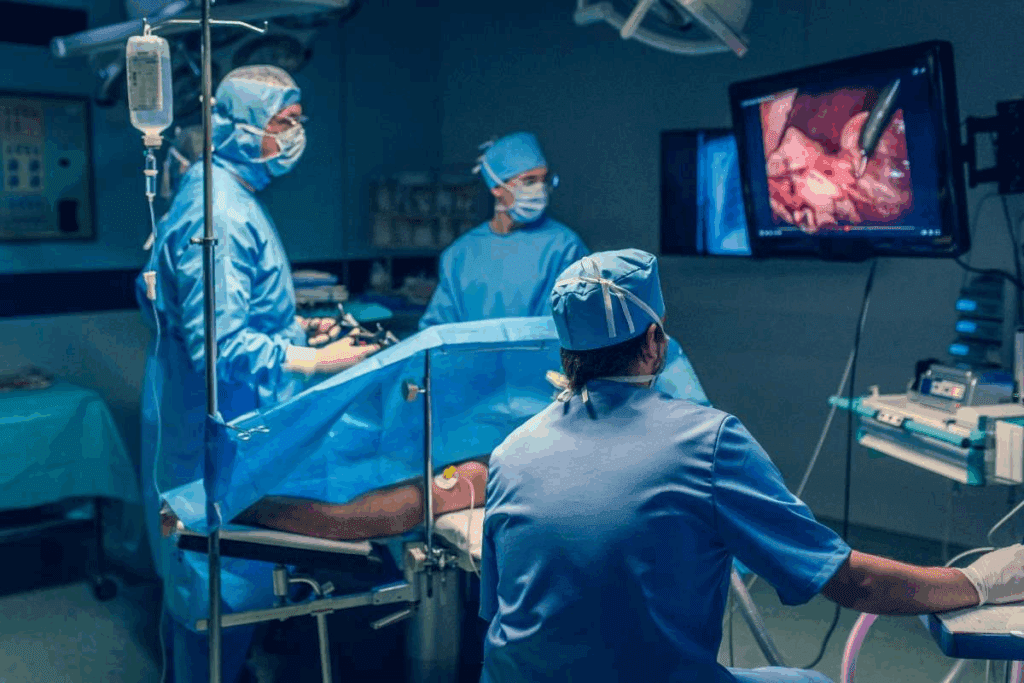
Medical technology has advanced, making robotic heart surgery common for many heart issues. This method is a big change from traditional open-heart surgery. It offers patients a new option for heart care.
The da Vinci Surgical System
The da Vinci Surgical System is a top-notch robotic tool for complex surgeries. It has a surgeon’s console, robotic arms, and a 3D vision system. This setup helps surgeons do detailed heart surgeries, like heart bypass, with better accuracy.
Anesthesia and Surgical Setup
Before surgery, patients get general anesthesia for comfort and to stay calm. The team then sets up the da Vinci system. They place the robotic arms and adjust the vision for the best view.
Duration and Surgical Process
The time it takes for robotic heart surgery varies. It usually starts with small chest incisions for the robotic arms. The surgeon controls these arms from a console, doing the needed repairs with great precision.
Minimally Invasive Approach
Robotic heart surgery is known for being less invasive. This means less damage, less pain, and faster recovery times than open-heart surgery. It’s great for patients needing heart bypass or other complex surgeries.
| Aspect | Robotic Heart Surgery | Traditional Open-Heart Surgery |
| Incision Size | Small, precise incisions | Large incision across the chest |
| Recovery Time | Generally quicker | Longer recovery period |
| Pain and Discomfort | Less pain due to smaller incisions | More pain and discomfort |
Immediate Post-Operative Care
After robotic heart surgery, the care right after is key for a good recovery. Patients go to the Intensive Care Unit (ICU) for watchful eyes and pain relief.
Intensive Care Unit Experience
In the ICU, a team of experts keeps a close eye on patients. They manage any issues and help the patient recover smoothly.
Pain Management
Managing pain well is very important after surgery. Patients get the right medicine to ease their pain. This helps them cough, breathe deeply, and move around, which are all important for getting better.
Monitoring Vital Signs
Keeping an eye on vital signs is a top priority. This includes:
- Watching heart rate and rhythm closely
- Checking blood pressure often
- Monitoring oxygen levels
Heart Function Monitoring
Heart function is watched closely. This is done through ECG and echocardiography. It helps see how the heart is doing and if there are any problems.
Respiratory Monitoring
Respiratory function is also watched carefully. This includes checking oxygen levels and breathing rate. It helps catch any breathing problems early, so they can be fixed quickly.
By keeping a close eye on patients and managing their care well, teams can greatly improve outcomes after robotic heart surgery.
Hospital Recovery Phase
Patients after robotic heart surgery usually stay in the hospital for a few days. They are watched closely during this time. This phase is key to a smooth recovery.
Typical Hospital Stay Duration
Most patients stay in the hospital for 2 to 4 days after surgery. Doctors keep a close eye on them. They can quickly handle any issues that come up.
Transitioning from ICU to Regular Room
Patients move from the ICU to a regular room after a while. This is a big step towards getting better. It shows their health is improving.
Initial Mobility and Activity Levels
Doctors want patients to move and do normal things as soon as they can. Moving helps avoid problems like blood clots. It also helps the body heal.
Dietary Considerations
Changing what you eat is important during recovery. Patients are told to eat heart-healthy foods. These are full of nutrients and low in bad fats.
Knowing about the hospital recovery phase helps patients prepare for their journey back to health. It’s a big step after robotic heart surgery.
Returning Home: The First Few Weeks
After robotic heart surgery, patients start a new chapter at home. This time is key for healing. It needs careful planning and following specific rules.
Setting Up Your Home Environment
Before going home, make a safe and comfy spot for recovery. This area should be:
- On the ground floor to avoid stairs
- Close to water, meds, and a phone
- Free from things that could trip you up
A calm space helps a lot with getting better.
Activity Restrictions
After surgery, like robotic heart replacement or CABG robotic surgery, avoid hard work. This means:
- No heavy lifting (over 10 pounds)
- Don’t drive, even if you’re not on meds
- Avoid hard exercise or bending
Wound Care and Incision Healing
Looking after your wound is very important. It helps avoid infection and helps it heal. You should:
- Keep the wound clean and dry
- Change dressings as your doctor says
- Watch for signs of infection like redness or swelling
Managing Medications
It’s very important to take your meds as told. You should:
| Medication | Dosage | Frequency |
| Pain relief | As prescribed | As needed |
| Anticoagulant | As prescribed | Daily |
Knowing why you take each medicine and what side effects might happen is also key.
By sticking to these tips, patients can have a smooth recovery at home after robotic heart surgery.
Physical Rehabilitation After Robotic Heart Surgery
Recovering from robotic heart surgery involves physical rehabilitation. This helps patients get back to their usual activities. A good rehabilitation plan is key to building strength and improving health.
Cardiac Rehabilitation Programs
Cardiac rehab is a must for those who’ve had robotic coronary bypass surgery. These programs help patients get back to their daily lives. They focus on heart health and preventing future heart issues. The programs include exercise, heart-healthy tips, and stress management.
Gradual Exercise Progression
Starting with easy exercises is important in rehab. Patients move to harder exercises as they get stronger. This strengthens the heart and boosts cardiovascular health.
Breathing Exercises and Techniques
Breathing exercises are a big part of rehab. They improve lung function and breathing. This is very helpful after robotic surgery for heart bypass.
When to Resume Normal Activities
Going back to normal activities needs a doctor’s okay. The time it takes varies based on health and surgery details. Patients should avoid heavy lifting and bending for a few weeks.
| Activity | Recommended Timeline | Guidelines |
| Light Walking | Within 1-2 weeks | Start with short walks and gradually increase distance |
| Moderate Exercise | After 4-6 weeks | Follow a structured exercise program |
| Heavy Lifting/Bending | Avoid for 6-8 weeks | Consult healthcare provider for specific advice |
Emotional and Psychological Recovery
Recovering from robotic cardiothoracic surgery is more than just healing physically. It also involves emotional and psychological adjustments. Patients may feel a mix of emotions, from relief to anxiety and depression.
Managing Anxiety and Depression
Feeling anxious or depressed after heart robotic surgery is common. Support from healthcare professionals is key in handling these feelings. It’s important for patients to talk about their emotions with their healthcare team.
Support Groups and Resources
Being part of a support group can offer a sense of community and understanding. Many hospitals have resources and groups for patients who have had robotic bypass surgery.
| Support Resource | Description | Benefits |
| Support Groups | Community of patients with similar experiences | Emotional support, shared experiences |
| Counseling Services | Professional guidance for emotional challenges | Personalized support, coping strategies |
| Family Support | Assistance from loved ones | Practical help, emotional comfort |
Adjusting to a “New Normal”
As patients recover, they must adapt to a “new normal.” This means slowly returning to activities and making lifestyle changes to support heart health.
Potential Complications and Warning Signs
Knowing the possible complications after robotic heart surgery is key for a safe recovery. This surgery is less invasive and has many benefits. But, it’s important to know the risks and warning signs to get help quickly.
Common Complications After Cardiac Surgery
Common issues after heart surgery include bleeding, infection, and arrhythmias. Robotic heart surgery complications might also harm nearby tissues. It’s vital for patients to watch their health closely and tell their doctor about any odd symptoms.
| Complication | Symptoms | Action |
| Bleeding | Increased bleeding from the incision site, dizziness | Contact healthcare provider immediately |
| Infection | Fever, redness, swelling around the incision | Seek medical attention |
| Arrhythmias | Irregular heartbeat, palpitations | Notify healthcare provider |
When to Contact Your Healthcare Provider
If you notice unusual symptoms like more pain, trouble breathing, or fever, call your doctor. If you’re not sure about your symptoms or have concerns, always ask your doctor for advice.
Emergency Situations Requiring Immediate Attention
If you have severe chest pain, can’t breathe well, or show signs of a serious infection, get help right away. Robot heart surgery patients need to know these emergency signs to get quick help.
By staying informed and careful, patients can reduce risks and have a good recovery after robotic heart surgery.
Follow-Up Care and Long-Term Outlook
Robotic heart surgery is just the start. Follow-up care is key for a good recovery and long-term health. After surgery, patients need to keep up with appointments and make lifestyle changes for the best results.
Scheduled Follow-Up Appointments
Regular visits with your doctor are vital. They help track your healing and address any worries. These meetings include physical checks, reviewing test results, and talking about any symptoms.
Diagnostic Tests and Monitoring
Tests like echocardiograms and electrocardiograms are used to check heart function. They help find problems early. This lets your healthcare team make the right changes to your care.
Long-term Medication Management
Patients might take meds for high blood pressure, cholesterol, or to prevent blood clots. Taking your meds as directed is key for heart health over time.
Lifestyle Modifications for Heart Health
Living a heart-healthy lifestyle is important for recovery. This means eating right, exercising, quitting smoking, and managing stress. These habits can greatly improve heart health and lower the risk of future heart issues.
By sticking to these tips and staying close to your healthcare team, patients can look forward to a positive future after robotic heart surgery.
Conclusion
Robotic heart surgery has changed the game in cardiothoracic surgery. It offers a new way to do surgery that’s less invasive than the old methods. This new tech has made surgeries better, cut down recovery times, and improved care quality.
This surgery comes with many advantages. It means smaller cuts, less pain, and a shorter stay in the hospital. People who have it can get back to their lives faster. They often feel better and healthier too.
As robotic heart surgery keeps getting better, it’s key for patients to talk to their doctors. They need to know the good and bad sides of this surgery. This way, they can make smart choices about their health and start living better.
FAQ
What is robotic heart surgery?
Robotic heart surgery is a new way to fix heart problems. It uses a special robot to make small cuts and do precise work. This method is less invasive than old ways.
How does robotic heart surgery differ from traditional open heart surgery?
Robotic heart surgery is different because it uses small cuts. This means less damage and less pain. Patients also heal faster and have fewer problems.
What are the benefits of robotic heart surgery?
Robotic heart surgery has many benefits. It means smaller cuts, less pain, and quicker healing. It also lowers the chance of complications and makes scars less noticeable.
What cardiac conditions can be treated with robotic surgery?
Robotic surgery can fix many heart issues. This includes problems with the heart valves and arteries. It’s also good for other heart conditions that need surgery.
How long does it take to recover from robotic heart surgery?
Recovery time varies. But most people can get back to normal in a few weeks. It depends on the surgery and the person.
What is the success rate of robotic bypass surgery?
Robotic bypass surgery works well. Studies show it’s good for heart disease and improves heart function. It’s a successful treatment.
What are the possible complications of robotic heart surgery?
Possible problems include bleeding and infection. There’s also a small chance of stroke or heart rhythm issues. But these risks are lower than with traditional surgery.
How do I prepare for robotic heart surgery?
To get ready, you’ll need tests and check-ups. You might need to change your meds and make lifestyle changes. Your doctor will tell you what to do.
What is the role of cardiac rehabilitation after robotic heart surgery?
Cardiac rehab is key after surgery. It helps you get strong and improves your heart function. It also lowers the risk of future heart problems.
When should I contact my healthcare provider after robotic heart surgery?
If you have any symptoms like chest pain or fever, call your doctor right away. It’s important to get help quickly.
What lifestyle modifications are recommended after robotic heart surgery?
You should eat well, exercise, manage stress, and quit smoking. These habits help keep your heart healthy and prevent future problems.
References
- Balkhy, H. H., Göbölös, L., Salna, M., & Binongo, J. N. (2022). Multi-spectrum robotic cardiac surgery: Early outcomes. Frontiers in Cardiovascular Medicine, 9, Article 9195635. https://pmc.ncbi.nlm.nih.gov/articles/PMC9195635/