Last Updated on November 27, 2025 by Bilal Hasdemir

Robotic hernia surgery is a minimally invasive procedure that has transformed hernia repair. One of the main concerns for patients is the robotic hernia surgery scar size.
Typically, the procedure involves three to five small incisions, each about 8 mm wide. These incisions serve as ports for the robotic arms and camera, enabling the surgeon to perform the operation with high precision.
The small robotic hernia surgery scar size leads to less tissue trauma, reduced pain, and faster recovery compared to traditional open surgery. Patients can benefit from both effective results and minimal scarring.
Key Takeaways
- Robotic hernia surgery involves 3-5 small incisions.
- Each incision is approximately 8 mm wide.
- The procedure is minimally invasive, reducing tissue trauma.
- Smaller incisions result in less pain and quicker recovery.
- The use of robotic arms and camera allows for precise surgery.
Understanding Robotic Hernia Surgery
Robotic hernia surgery is transforming the landscape of surgical interventions with its enhanced precision and minimal scarring. This advanced technique has revolutionized the field of hernia repair, offering patients a safer and more effective alternative to traditional surgical methods.
What is robotic-assisted hernia repair?
Robotic-assisted hernia repair is a sophisticated surgical technique that utilizes a robotic system to facilitate the repair of hernias. This method allows surgeons to perform complex procedures with enhanced precision, flexibility, and control. The Da Vinci Surgical System is a prominent example of the technology used in robotic-assisted hernia repair.
The system’s high-definition 3D visualization and precise instrumentation enable surgeons to dissect and repair hernias with minimal trauma to surrounding tissues. This results in less post-operative pain and faster recovery times for patients.
The evolution of hernia surgery techniques
Hernia surgery has undergone significant advancements over the years, from traditional open surgery to laparoscopic and now robotic-assisted techniques. Each evolution has brought about improvements in patient outcomes, with robotic surgery representing the latest milestone.
The shift towards minimally invasive surgery has been driven by the desire to reduce recovery times, minimize scarring, and decrease the risk of complications. Robotic hernia surgery continues this trend, offering a highly precise and gentle approach to hernia repair.
The Da Vinci Surgical System explained
The Da Vinci Surgical System is an advanced robotic platform designed to enhance the surgeon’s capabilities during complex surgical procedures. It provides high-definition 3D visualization and precise instrumentation, allowing for meticulous dissection and repair of hernias.
This system is equipped with wristed instruments that offer a greater range of motion than the human hand, enabling surgeons to perform intricate maneuvers with ease. The enhanced visualization and dexterity provided by the Da Vinci System contribute to the overall success of robotic-assisted hernia repair.
Robotic Hernia Surgery Scar Size: What to Expect
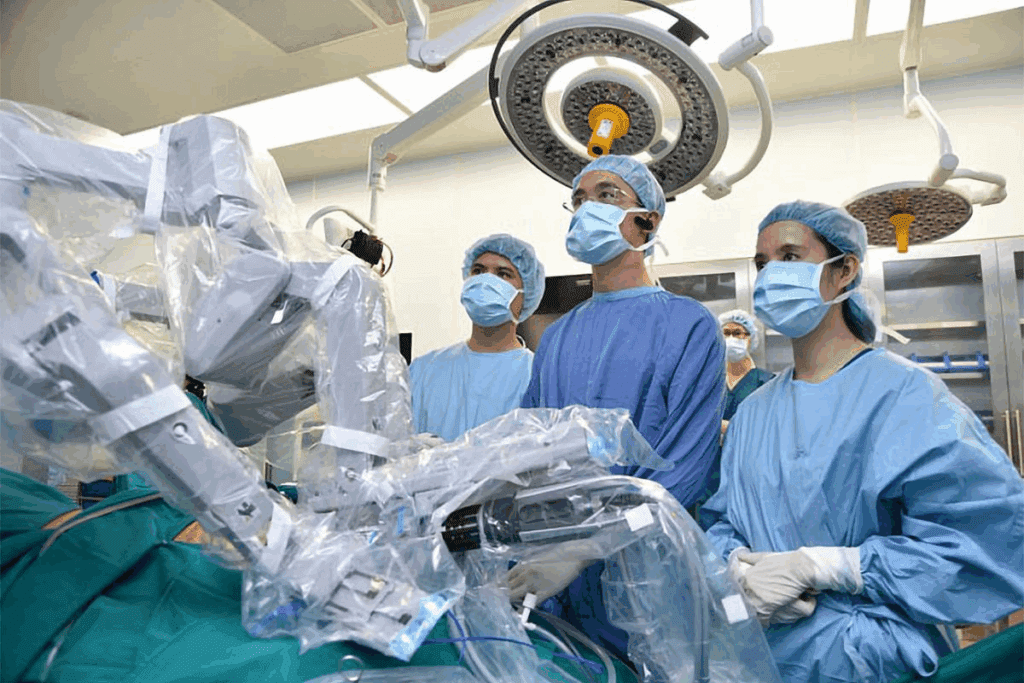
Robotic hernia surgery boasts an advantage when it comes to minimizing scars, thanks to its precise and small incisions. Patients undergoing this procedure can expect significantly less scarring compared to traditional open surgery.
Typical Incision Measurements
The typical incision size for robotic hernia surgery is around 8 mm. These small incisions are one of the key benefits of the robotic approach, as they lead to less tissue damage and trauma during the surgery. The precise measurements of these incisions can vary slightly based on the specific requirements of the procedure and the surgeon’s professional judgment.
Number of Incisions Required
The number of incisions required for robotic hernia surgery typically ranges from three to five. This number can vary depending on the complexity of the hernia and the specific technique employed by the surgeon. The robotic system’s flexibility allows for a tailored approach, ensuring that the number of incisions is minimized while still providing optimal access for the repair.
Port Site Placement
The placement of the incisions, or port sites, is carefully planned to minimize visible scarring and promote optimal healing. The surgeon will typically position these ports in a way that they are not readily visible, often below the waistline or in areas that are typically covered by clothing. This strategic placement, combined with the small size of the incisions, contributes to the overall cosmetic appeal of the robotic hernia surgery approach.
By understanding the typical incision measurements, the number of incisions required, and the strategic placement of port sites, patients can have a clearer expectation of what to anticipate in terms of scarring after robotic hernia surgery. This knowledge can help alleviate concerns and contribute to a more informed decision-making process regarding their surgical options.
Comparing Incision Sizes: Robotic vs. Traditional Approaches
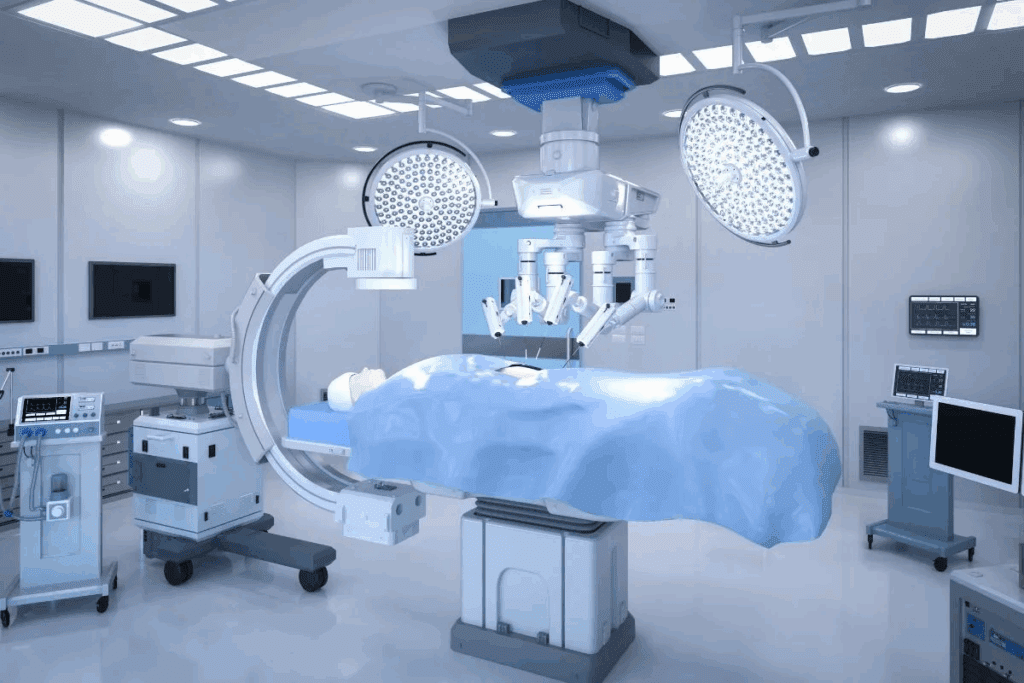
The size and number of incisions in hernia surgery vary greatly depending on the surgical approach used. This variation significantly impacts the patient’s recovery experience and the visibility of scars post-surgery.
Open Surgery Incision Size
Open hernia surgery, also known as herniorrhaphy, typically involves making a single large incision, often between 3 to 6 inches long, to access the hernia directly. This traditional method allows surgeons to repair the hernia using sutures or mesh but results in a more significant scar and potentially longer recovery times.
Laparoscopic Surgery Incision Size
Laparoscopic hernia repair involves several smaller incisions, usually around 5 to 12 mm in size, through which a laparoscope and surgical instruments are inserted. This minimally invasive technique reduces tissue trauma and promotes faster healing compared to open surgery.
Robotic Surgery’s Advantage in Minimizing Incisions
Robotic hernia surgery further refines the laparoscopic approach by utilizing a robotic system, such as the Da Vinci Surgical System, to enhance precision and control. The incisions made in robotic surgery are typically around 8 mm, representing a slight reduction in size compared to traditional laparoscopic surgery. This reduction contributes to less tissue damage, reduced pain, and improved cosmetic outcomes.
To illustrate the differences in incision sizes among these surgical approaches, consider the following comparison:
| Surgical Approach | Typical Incision Size | Number of Incisions |
| Open Surgery | 3-6 inches | 1 |
| Laparoscopic Surgery | 5-12 mm | 3-4 |
| Robotic Surgery | 8 mm | 3-4 |
The advantages of smaller incisions in robotic surgery are multifaceted, including reduced pain, lower risk of infection, and improved cosmetic results. As technology continues to evolve, the benefits of minimally invasive techniques are becoming increasingly apparent, making robotic hernia surgery an attractive option for many patients.
The Robotic Hernia Repair Procedure Step-by-Step
Understanding the step-by-step process of robotic hernia repair can help patients better prepare for their surgery. The procedure involves several critical steps, from initial preparation to the final closure of incisions.
Pre-operative Preparation
Before the robotic hernia repair procedure begins, patients undergo thorough pre-operative preparation. This includes a comprehensive medical evaluation, imaging studies to assess the hernia, and discussions with the surgical team about the procedure and expected outcomes. Patients are also advised on pre-operative instructions, such as dietary restrictions and medication management.
Trocar Placement and Port Sites
The next step involves the precise placement of trocars and port sites. The surgeon carefully plans the placement of these ports to ensure optimal access to the hernia site.
The Surgical Technique
The surgical technique in robotic hernia repair involves the use of robotic instruments to dissect and repair the hernia. The surgeon controls the robotic arms from a console, allowing for precise movements and detailed visualization of the surgical site. This technique enables the surgeon to perform complex repairs with minimal trauma to surrounding tissues.
Closure Methods for Minimal Scarring
After the hernia repair is completed, the surgeon focuses on closure methods to minimize scarring. The incisions are closed with sutures or staples, and the port sites are carefully closed to prevent herniation at the port site. The use of robotic assistance allows for meticulous closure, promoting optimal healing and cosmetic outcomes.
The robotic hernia repair procedure is designed to provide patients with a minimally invasive solution for hernia repair, resulting in less pain, reduced risk of complications, and a quicker return to normal activities.
Types of Hernias Treatable with Robotic Surgery
Robotic surgery has revolutionized hernia repair by offering a minimally invasive solution for various types of hernias. This advanced technology has made it possible to treat a range of hernia conditions with precision and flexibility.
Inguinal Hernia Repair
Inguinal hernias occur when tissue, such as part of the intestine, protrudes through a weak spot in the abdominal muscles in the groin area. Robotic inguinal hernia repair allows for precise dissection and repair of the hernia, reducing the risk of recurrence and promoting faster recovery.
Ventral and Incisional Hernia Repair
Ventral hernias occur on the abdominal wall, while incisional hernias develop through a scar or incision in the abdominal wall, resulting from previous abdominal surgery. Robotic ventral and incisional hernia repair involves reinforcing the weakened area with mesh, providing a strong and durable repair.
Hiatal Hernia Repair
A hiatal hernia occurs when the stomach bulges up into the chest through an opening in the diaphragm. Robotic hiatal hernia repair is performed to alleviate symptoms such as acid reflux and difficulty swallowing. The robotic approach enables precise suturing and wrapping of the stomach, enhancing the effectiveness of the procedure.
Complex and Recurrent Hernia Cases
Robotic surgery is particularly beneficial for complex and recurrent hernia cases, where previous repairs have failed or the hernia is large and complicated. The enhanced visualization and dexterity of robotic systems allow surgeons to tackle these challenging cases with improved outcomes.
The following table summarizes the types of hernias treatable with robotic surgery and their characteristics:
| Hernia Type | Description | Robotic Surgery Benefits |
| Inguinal Hernia | Occurs in the groin area | Precise dissection and repair, reduced recurrence risk |
| Ventral/Incisional Hernia | Occurs on the abdominal wall or through previous surgical scars | Strong and durable repair with mesh reinforcement |
| Hiatal Hernia | Involves the stomach bulging into the chest through the diaphragm | Precise suturing and wrapping, alleviates symptoms like acid reflux |
| Complex/Recurrent Hernia | Large, complicated, or previously failed repairs | Enhanced visualization and dexterity for improved outcomes |
Benefits of Smaller Incisions in Robotic Hernia Surgery
The minimally invasive approach of robotic hernia surgery results in several significant benefits for patients. This method has revolutionized the way hernia repairs are performed, offering a more comfortable and efficient recovery process.
Reduced Pain and Discomfort
One of the primary advantages of smaller incisions is the reduction in postoperative pain and discomfort. By minimizing tissue damage, robotic surgery leads to less trauma to the body, resulting in a more comfortable recovery period for patients.
Lower Risk of Infection
Smaller incisions also contribute to a lower risk of surgical site infections. With less exposure of internal tissues to potential contaminants, the risk of infection decreases, making the overall procedure safer for patients.
Improved Cosmetic Outcomes
The use of smaller incisions in robotic hernia surgery leads to improved cosmetic outcomes due to minimal scarring. Patients can expect less noticeable scars, which is particularly beneficial for those concerned about the aesthetic impact of surgery.
Faster Return to Normal Activities
Finally, the smaller incisions associated with robotic hernia surgery enable patients to return to their normal activities more quickly. By reducing tissue trauma and promoting less postoperative pain, patients can resume their daily routines and work sooner than with traditional surgical methods.
In conclusion, the benefits of smaller incisions in robotic hernia surgery are multifaceted, enhancing the overall patient experience and recovery process.
Recovery Timeline After Robotic Hernia Surgery
Understanding the recovery timeline after robotic hernia surgery can help manage patient expectations and improve overall satisfaction with the procedure. Robotic hernia surgery, known for its minimally invasive approach, generally results in quicker recovery times compared to traditional open surgery.
Immediate Post-Operative Period
In the immediate post-operative period, patients are monitored in a recovery area for a few hours. During this time, medical staff will manage any pain or discomfort, and patients are typically given instructions on post-operative care. It’s common to experience some pain, swelling, or bruising around the incision sites, but these symptoms are usually mild and temporary.
First Week of Recovery
During the first week, patients are advised to limit their activities, avoiding heavy lifting, bending, or strenuous exercises. Most patients can return to light activities within a few days to a week. The discomfort around the incision sites should gradually decrease, and any pain can usually be managed with over-the-counter pain medications.
Long-term Healing of Incision Sites
The long-term healing of incision sites continues over several weeks to months. Patients are usually advised to follow specific wound care instructions to minimize the risk of infection and promote optimal healing. The scars will initially be red and may be slightly raised but will gradually flatten and fade over time.
When to Expect Complete Scar Maturation
Complete scar maturation can take several months to a year or more. Initially, the scars may appear red and prominent, but as they mature, they will become less noticeable. Factors such as skin type, age, and the size of the incision can influence the rate of scar maturation. Proper scar care, including the use of silicone gel or sheeting, can help improve the appearance of the scars.
By understanding the recovery timeline, patients can better prepare themselves for the post-operative period and achieve the best possible outcomes from their robotic hernia surgery.
Caring for Your Robotic Hernia Surgery Incisions
Proper care for robotic hernia surgery incisions is crucial for a smooth recovery and optimal healing. After the surgery, patients must follow a specific wound care regimen to minimize the risk of complications and promote healing.
Wound Care Instructions
Keeping the incisions clean and dry is essential. Patients should gently wash the area with mild soap and water, then pat it dry. It’s also important to follow the surgeon’s specific instructions regarding dressing changes and wound care products.
Key wound care tips include:
- Keep the incision sites clean and dry
- Follow the surgeon’s instructions for dressing changes
- Avoid submerging the incisions in water until cleared by the surgeon
Signs of Proper Healing
Monitoring the incisions for signs of proper healing is crucial. These signs include:
- The incision site is clean and dry
- Edges of the incision are closed
- Minimal redness or swelling around the incision
- No signs of infection, such as pus or increasing pain
As one patient noted, “Following my robotic hernia surgery, I was diligent about keeping my incisions clean and dry. The healing process was much smoother than I expected.” – John D.
Warning Signs to Watch For
While rare, complications can occur. Patients should be aware of warning signs that may indicate a problem, such as:
- Increasing redness or swelling around the incision
- Pus or discharge from the incision
- Fever or chills
- Increasing pain or tenderness
If you experience any of these symptoms, contact your surgeon immediately.
Scar Management Techniques
Effective scar management can improve the appearance of the scars. Techniques include:
- Massaging the scar tissue gently
- Using silicone gel or sheeting
- Avoiding direct sun exposure
By following these guidelines and staying informed, patients can ensure the best possible outcomes after robotic hernia surgery. As a renowned surgeon, notes, “Proper wound care and scar management are just as important as the surgery itself in achieving optimal results.”
Patient Experiences with Robotic Hernia Surgery Incisions
Robotic hernia surgery has transformed the way patients experience hernia repair, with many reporting high satisfaction rates due to minimal scarring and quick recovery. This advanced surgical technique has revolutionized the field, offering patients a viable alternative to traditional open surgery or laparoscopic procedures.
Real Patient Testimonials
Many patients who have undergone robotic hernia surgery share their positive experiences, highlighting the benefits of this minimally invasive procedure. For instance, a patient might say,
“I was amazed at how quick my recovery was after robotic hernia surgery. The scarring was minimal, and I was back to my normal activities within a week.”
Such testimonials underscore the advantages of robotic surgery in reducing post-operative discomfort and improving cosmetic outcomes.
Minimal scarring is a significant factor in patient satisfaction. The small incisions used in robotic hernia surgery result in less tissue trauma, leading to reduced pain and a lower risk of complications. Patients often comment on the negligible visible scarring, which boosts their confidence and satisfaction with the procedure.
Before and After Comparisons
Before and after comparisons provide visual evidence of the benefits of robotic hernia surgery. These comparisons typically show a significant reduction in scarring, with some patients experiencing almost no visible marks after the procedure.
The visual impact of these comparisons cannot be overstated. They serve as powerful testimonials to the effectiveness of robotic hernia surgery in minimizing scarring and promoting a speedy recovery.
Long-term Satisfaction Rates
Long-term satisfaction rates among patients who have undergone robotic hernia surgery are generally high. Studies have shown that the durability of the repair and the positive impact on patients’ quality of life contribute to these high satisfaction rates. Patients appreciate the rapid return to normal activities and the minimal post-operative pain, factors that significantly enhance their overall satisfaction.
In conclusion, patient experiences with robotic hernia surgery incisions are overwhelmingly positive, with many patients expressing satisfaction with the minimal scarring and quick recovery associated with this advanced surgical technique.
Technological Advancements Minimizing Incision Size
The field of robotic surgery is rapidly advancing, with new technologies emerging to minimize incision sizes. These advancements are crucial in improving patient outcomes by reducing recovery time, minimizing scarring, and decreasing the risk of complications.
Latest Developments
The latest developments in robotic surgery include enhanced visualization systems, more precise instrumentation, and improved robotic arms that offer greater flexibility and dexterity. These advancements enable surgeons to perform complex procedures with even smaller incisions.
Enhanced Visualization: High-definition 3D visualization systems provide surgeons with a clearer view of the operating area, allowing for more precise dissection and reconstruction.
Single-Site Robotic Surgery
Single-site robotic surgery is another significant advancement, where the entire procedure is performed through a single incision, typically at the navel. This approach further reduces visible scarring and can lead to less post-operative pain.
Future Trends
Future trends in hernia repair are expected to include even more sophisticated robotic technologies, such as artificial intelligence integration and further miniaturization of instruments. These advancements will continue to push the boundaries of minimally invasive surgery.
| Technological Advancement | Description | Benefit |
| Enhanced Visualization Systems | High-definition 3D visualization | More precise dissection and reconstruction |
| Single-Site Robotic Surgery | Procedure performed through one incision | Reduced visible scarring and post-operative pain |
| Artificial Intelligence Integration | AI-assisted surgical decisions | Improved precision and outcomes |
As robotic surgery continues to evolve, patients can expect even better outcomes with minimal scarring and faster recovery times. The ongoing advancements in this field are set to revolutionize the way hernia repairs and other surgical procedures are performed.
Potential Complications Related to Incision Sites
While robotic hernia surgery offers numerous benefits, it’s crucial to understand the potential complications associated with incision sites. As with any surgical procedure, there are risks involved that patients need to be aware of to make informed decisions about their care.
Incisional Hernia Risk
One of the potential complications of robotic hernia surgery is the risk of developing an incisional hernia. This occurs when tissue protrudes through the scar or incision site, potentially leading to further surgical intervention. Studies have shown that the risk of incisional hernia is lower in robotic surgery compared to open surgery, but it’s not entirely eliminated.
Infection Rates Compared to Other Approaches
Surgical site infections are a risk with any invasive procedure. Robotic hernia surgery, with its smaller incisions, generally has a lower risk of infection compared to open surgery. However, the risk is not zero, and proper wound care is essential to minimize this complication.
Seroma Formation
Seroma formation, or the accumulation of fluid at the surgical site, is another potential complication. While often resolving on its own, in some cases, it may require drainage. The risk of seroma formation can be mitigated with proper surgical technique and post-operative care.
Managing Complications Effectively
Effective management of complications related to incision sites is crucial for optimal patient outcomes. This includes careful monitoring for signs of infection or seroma, proper wound care, and follow-up appointments with the surgical team. “Early detection and intervention are key to managing complications effectively,” emphasizes a renowned expert in robotic surgery.
By understanding these potential complications and how they are managed, patients can better navigate their recovery process and achieve the best possible outcomes from their robotic hernia surgery.
Choosing the Right Surgeon for Minimal Scarring
To ensure minimal scarring and the best possible results from robotic hernia surgery, choosing the right surgeon is essential. The expertise and experience of your surgeon play a significant role in determining the outcome of your surgery, including the size and visibility of scars.
Questions to Ask About Incision Size and Placement
When consulting with a potential surgeon, it’s crucial to ask about their approach to incision size and placement. Understanding how they plan to minimize scarring can provide insights into their experience and attention to detail. Key questions to ask include:
- What is the typical size of incisions for robotic hernia surgery?
- How many incisions are usually required?
- Where will the incisions be placed?
Asking these questions can help you understand the surgeon’s strategy for minimizing visible scarring and ensure you’re comfortable with their approach.
Evaluating Surgeon Experience with Robotic Techniques
A surgeon’s experience with robotic hernia surgery is a critical factor in achieving optimal outcomes. You should inquire about their experience with the robotic system they use, including:
| Criteria | Details to Ask |
| Number of Procedures | How many robotic hernia surgeries have you performed? |
| Training and Certification | What training have you received on the robotic system? |
| Complication Rates | What are your complication rates for robotic hernia surgeries? |
Evaluating a surgeon’s experience and qualifications can significantly impact your confidence in their ability to deliver the best possible results.
Understanding Your Surgeon’s Approach to Cosmetic Outcomes
Cosmetic outcomes are an important consideration for many patients undergoing robotic hernia surgery. Discussing your concerns with your surgeon can help you understand their approach to minimizing scarring. Some surgeons may offer additional techniques or post-operative care strategies to enhance cosmetic results.
By choosing a surgeon who is not only experienced in robotic hernia surgery but also attentive to cosmetic outcomes, you can achieve a more satisfactory result with minimal scarring.
Conclusion
Robotic hernia surgery offers several benefits, including minimal scarring, reduced pain, and quicker recovery, making it a valuable option for patients with hernias. As technology continues to evolve, the outcomes and benefits of this procedure are likely to further improve.
The advantages of robotic hernia surgery are numerous, with the Da Vinci Surgical System being a key factor in its success. This system enables surgeons to perform complex procedures with enhanced precision, leading to better patient outcomes. The benefits of robotic hernia surgery include smaller incisions, less tissue trauma, and reduced risk of complications, all of which contribute to a faster return to normal activities.
As patients consider their options for hernia repair, understanding the benefits of robotic hernia surgery and minimally invasive hernia repair can help inform their decision. With its potential for reduced pain, improved cosmetic outcomes, and faster recovery, robotic hernia surgery is an attractive choice for those seeking effective and efficient treatment.
FAQ
How big are the incisions for robotic hernia surgery?
The incisions for robotic hernia surgery are typically around 8 mm in width, with most procedures requiring between three to five incisions.
What are the benefits of smaller incisions in robotic hernia surgery?
Smaller incisions result in reduced postoperative pain and discomfort, a lower risk of surgical site infections, improved cosmetic outcomes due to minimal scarring, and a faster return to normal activities and work.
How does robotic hernia surgery compare to traditional open surgery in terms of incision size?
Robotic hernia surgery involves much smaller incisions compared to open surgery, which requires a single large incision. This leads to less tissue trauma and longer recovery times in open surgery.
Can robotic hernia surgery be used for all types of hernias?
Yes, robotic hernia surgery is versatile and can be applied to different types of hernias, including inguinal hernias, ventral and incisional hernias, and hiatal hernias, as well as complex and recurrent hernia cases.
How long does it take to recover from robotic hernia surgery?
The recovery timeline after robotic hernia surgery is generally rapid, with significant improvement in the first few weeks. Patients typically experience some discomfort and limited activity in the immediate post-operative period, followed by a gradual return to normal activities over the first week and beyond.
How should I care for my incisions after robotic hernia surgery?
Patients should follow specific wound care instructions, be aware of the signs of proper healing, and watch for any warning signs of complications. Scar management techniques can also be employed to improve the cosmetic outcome of the scars.
What are the potential complications related to incision sites in robotic hernia surgery?
Potential complications include the development of incisional hernias, surgical site infections, and seroma formation. Understanding these risks and how to manage them effectively is crucial for optimizing patient outcomes.
How can I minimize scarring after robotic hernia surgery?
To minimize scarring, it’s essential to choose a surgeon with experience in robotic techniques and to follow their guidance on wound care and scar management. The placement of incisions is also carefully planned to minimize visible scarring.
What is the Da Vinci Surgical System, and how is it used in robotic hernia surgery?
The Da Vinci Surgical System is a key technology in robotic hernia surgery, providing surgeons with enhanced visualization and dexterity. It allows for more precise dissection and repair of hernias, potentially reducing complications and improving recovery.
Are there any future advancements expected in robotic hernia surgery?
Yes, the field of robotic surgery is continually evolving, with ongoing advancements aimed at further reducing the size and number of incisions. Single-site robotic surgery is one such development, and future trends are expected to include more sophisticated technologies and techniques that enhance the benefits of minimally invasive hernia repair.
Reference:
Case report showing safety and size details of 8-mm robotic ports: https://pmc.ncbi.nlm.nih.gov/articles/PMC10987427/