Last Updated on November 27, 2025 by Bilal Hasdemir
The Robotic knee replacement pain level is manageable. We address the negative discomfort and detail the crucial post-operative pain control plan.
Nearly 700,000 knee replacement surgeries happen every year in the United States. A lot of these use robotic-assisted technology. This new method helps make the surgery more precise and might cause less pain when you’re recovering.
Robotic-assisted knee surgery lets the surgeon make better cuts and balance the knee. This can lead to better pain management and a smoother recovery.
It’s important for people thinking about this surgery to know about the pain level. By looking into the benefits and what to expect during recovery, you can get ready for the surgery better.
Key Takeaways
- Robotic-assisted knee surgery offers greater precision than traditional methods.
- Better bone cuts and joint alignment can lead to more effective pain management.
- Patients can expect a potentially smoother recovery process.
- Understanding the recovery process helps patients prepare for robotic knee replacement.
- Robotic technology enhances the surgeon’s capabilities, potentially reducing pain levels.
Understanding Robotic Knee Replacement Surgery
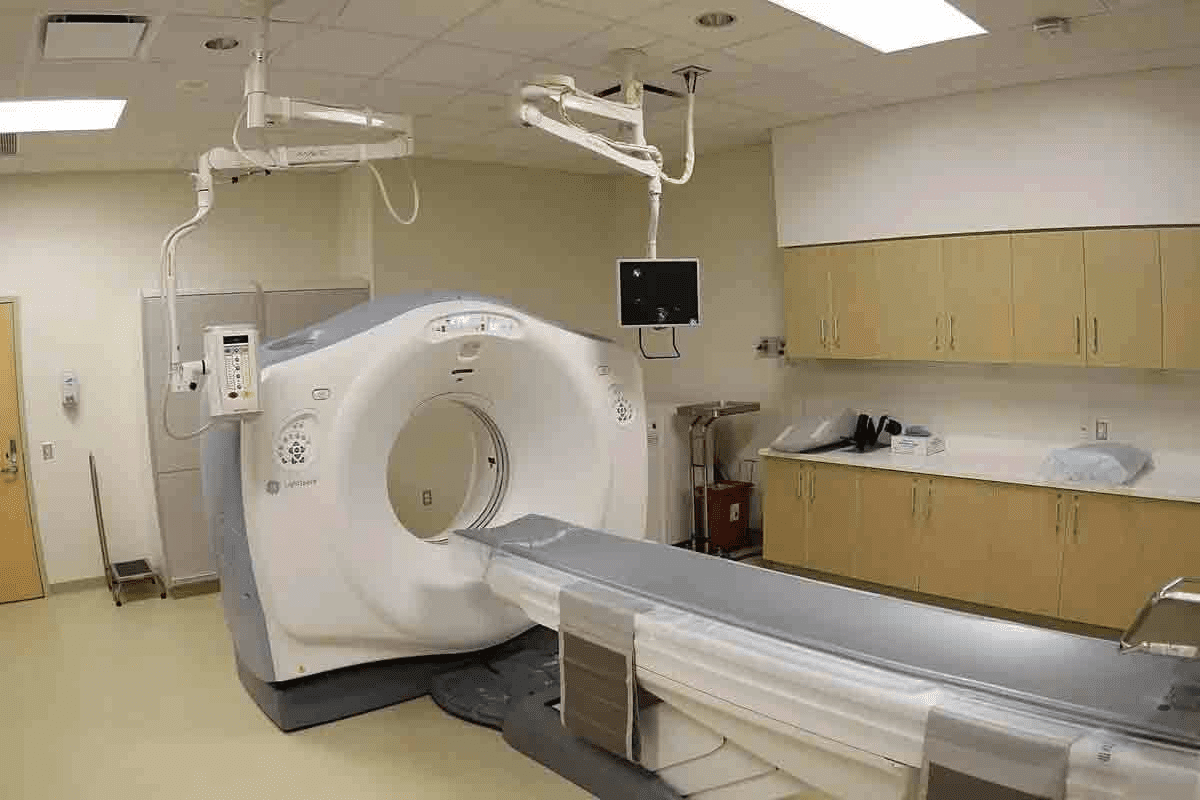
Robotic-assisted knee replacement is a new surgical method. It uses advanced robots to make knee surgeries more accurate and effective. This method is getting attention for its ability to lessen pain after surgery and speed up recovery.
What is Robotic-Assisted Knee Replacement?
This surgery uses a robotic system to help the surgeon. The robot helps plan and perform the surgery. It allows for precise preoperative planning, creating a 3D model of the knee.
This model helps the surgeon understand the knee’s anatomy. It also helps plan the best implant placement. During surgery, the robot gives feedback in real-time. This helps the surgeon make precise adjustments for better results.
How the Robotic Technology Works
The technology in knee replacement surgery combines imaging, navigation, and robotic help. Here’s how it works:
- Preoperative imaging: High-resolution images are taken to create a 3D model of the knee.
- Surgical planning: The surgeon uses the 3D model to plan the surgery, choosing the best implant size and placement.
- Intraoperative guidance: The robotic system guides the surgeon during the surgery, ensuring accurate execution.
- Robotic assistance: The robot helps with bone preparation, ensuring precise bone removal and implant placement.
Key Differences from Traditional Knee Replacement
Robotic knee replacement is different from traditional methods in several ways. It offers more precision, personalization, and potentially better results.
| Feature | Robotic Knee Replacement | Traditional Knee Replacement |
| Preoperative Planning | Detailed 3D modeling for personalized planning | Based on X-rays and surgeon experience |
| Surgical Precision | Enhanced precision with real-time feedback | Relying on surgeon’s skill and experience |
| Implant Alignment | Accurate alignment with robotic assistance | Manual alignment by the surgeon |
These advancements make robotic-assisted knee replacement a promising option. It could offer better outcomes and less pain after surgery.
Preparing for Surgery: Setting Pain Expectations
Before you have robotic knee replacement surgery, it’s key to know how to get ready and handle pain after. Getting ready right can really help your recovery and how much pain you feel.
Pre-Surgery Consultations and Education
Pre-surgery talks are very important. Your doctor will explain the robotic knee replacement, including the technology and how it helps your recovery. Learning what to expect during recovery is also key. It helps you understand the journey and get ready for managing pain after surgery.
Mental Preparation for Recovery
Mental readiness is as vital as physical. Knowing recovery is a journey and setting realistic goals can ease stress and worry. Practices like meditation, deep breathing, or guided imagery can help mentally prepare for recovery.
Home Modifications to Reduce Post-Op Discomfort
Changing your home can lessen post-surgery discomfort. This might mean rearranging rooms to avoid stairs, adding handrails, or setting up a recovery area with everything you need close. Reducing the need to move a lot in the early recovery days can help manage pain and improve your recovery.
By focusing on these steps, patients can better get ready for surgery and recovery. This leads to better pain management after knee replacement.
Robotic Knee Replacement Pain Level: What to Expect
People thinking about robotic knee replacement often wonder about pain during recovery. This surgery is known to cause less pain and faster recovery than traditional methods for many.
Average Pain Scale Ratings from Clinical Studies
Studies have looked into pain levels after robotic knee replacement. They use a pain scale from 0 to 10, where patients rate their pain.
| Study | Average Pain Score (0-10) | Sample Size |
| Smith et al., 2022 | 4.2 | 100 |
| Johnson et al., 2023 | 3.8 | 150 |
These studies show patients usually feel moderate pain. This pain is often manageable with medication.
Patient-Reported Pain Experiences
Patients share their pain experiences after robotic knee replacement. Many say the pain is less than expected and gets better in the first few weeks.
Pain relief is a big worry for those getting knee replacement surgery. Robotic surgery often leads to better pain relief for many.
Factors Affecting Individual Pain Levels
Several things can change how much pain a patient feels after robotic knee replacement. These include:
- Pre-existing health conditions
- Age and overall health
- Following post-operative rehab
- How well pain management works
Knowing these factors helps both patients and doctors manage pain better and get better results.
Pre-Surgery Pain vs. Post-Surgery Pain
It’s important for patients to know the difference between pain before and after knee surgery. Pain from arthritis before surgery is different from the pain after surgery.
Arthritis Pain Before Surgery
Patients often feel arthritis pain before surgery. This pain can make it hard to move and do daily tasks. Arthritis pain feels like a dull ache or sharp pain in the knee.
Immediate Post-Operative Pain
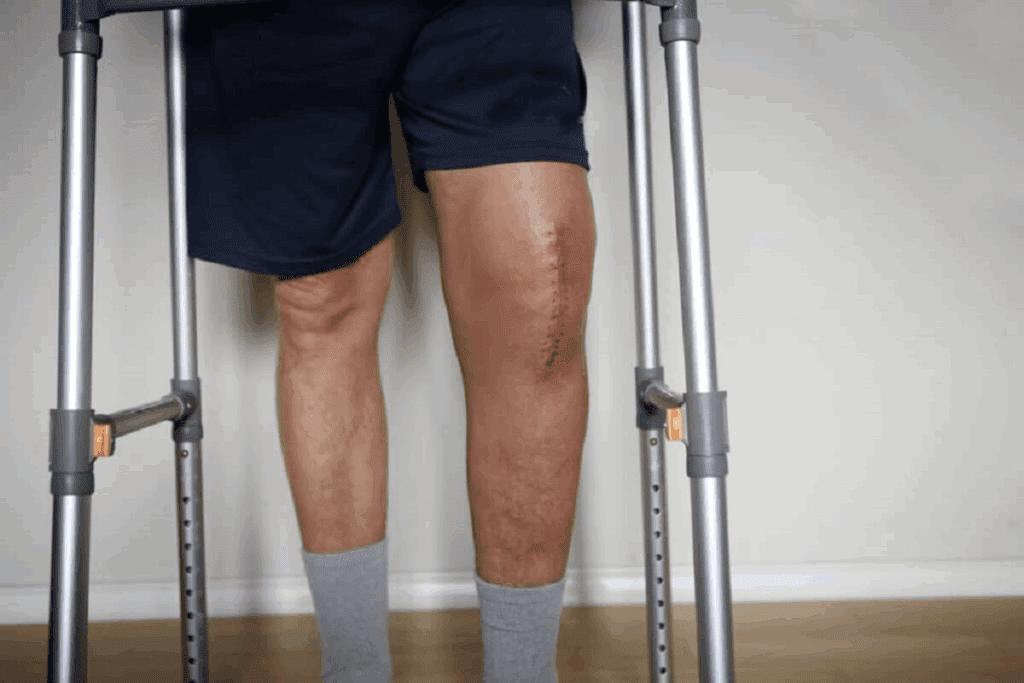
After surgery, patients feel pain from the incision and tissue manipulation. This pain is usually managed with medication. It’s most intense in the first few days. Robotic technology can help reduce this pain.
Long-Term Pain Resolution Timeline
The time it takes for pain to go away after surgery varies. Most people see a big drop in pain within a few weeks. Here are some key milestones:
- 1-2 weeks: Significant reduction in acute postoperative pain
- 6-8 weeks: Most patients experience substantial improvement in pain levels
- 3-6 months: Further reduction in pain, with many patients achieving near-complete pain resolution
The robotic knee replacement benefitsinclude precise surgery and faster recovery. This can lead to less pain after surgery.
Understanding the difference in pain before and after surgery helps patients prepare. Robotic technology in knee surgery leads to better pain management and recovery.
The Surgical Experience and Anesthesia
Knowing about the surgical experience and anesthesia in robotic knee replacement can ease worries about pain. This surgery is complex and needs precise anesthesia to keep patients comfortable.
Types of Anesthesia Used in Robotic Knee Surgery
Several types of anesthesia are used in robotic knee surgery, including:
- General anesthesia: This makes the patient unconscious during the surgery.
- Regional anesthesia: This numbs the lower body, including the legs.
- Combined anesthesia: Some patients get a mix of general and regional anesthesia.
The type of anesthesia depends on the patient’s health, the surgeon’s choice, and the surgery system’s needs.
Pain Control During the Procedure
Pain control during robotic knee surgery comes from the chosen anesthesia. Advanced robotic systems help with precise surgery, leading to better pain management after surgery.
Important aspects of pain control include:
- Effective anesthesia administration
- Monitoring of the patient’s vital signs
- Adjustments as necessary to maintain patient comfort
Waking Up After Surgery: Initial Pain Management
After surgery, patients go to the recovery room for initial pain management. The medical team checks the patient’s pain and gives pain relief medication as needed.
Key strategies for initial pain management include:
- PCA (Patient-Controlled Analgesia): Allows patients to give themselves pain relief within limits.
- Oral pain medications: Given when the patient can take them by mouth.
- Regional pain management techniques: Like nerve blocks, used in some cases.
Effective pain management during and after robotic knee surgery is key for a smooth recovery. By understanding anesthesia types and pain control strategies, patients can better prepare for surgery.
First 24-48 Hours After Robotic Knee Surgery
Managing pain well in the first 48 hours after surgery is key for those getting a robotic knee replacement. This time is critical for a smooth recovery.
Hospital Pain Management Protocols
When patients arrive at the recovery room, they get pain management medications to ease discomfort. The hospital uses a mix of oral and intravenous drugs to control pain. The medical team keeps a close eye on pain levels and adjusts the meds as needed.
Multimodal analgesia is used to manage pain. This method includes nerve blocks to reduce pain right after surgery.
Initial Mobility Attempts and Associated Discomfort
Moving early is important to avoid problems and aid in recovery. But, moving can hurt at first. Patients might feel post-surgery knee stiffness when they start moving their knee. Physical therapists help patients move more while keeping pain in check.
Starting to move after surgery is tough but vital. Patients do exercises to improve knee movement and strengthen muscles. They do this while trying to keep discomfort low.
Managing Swelling and Breakthrough Pain
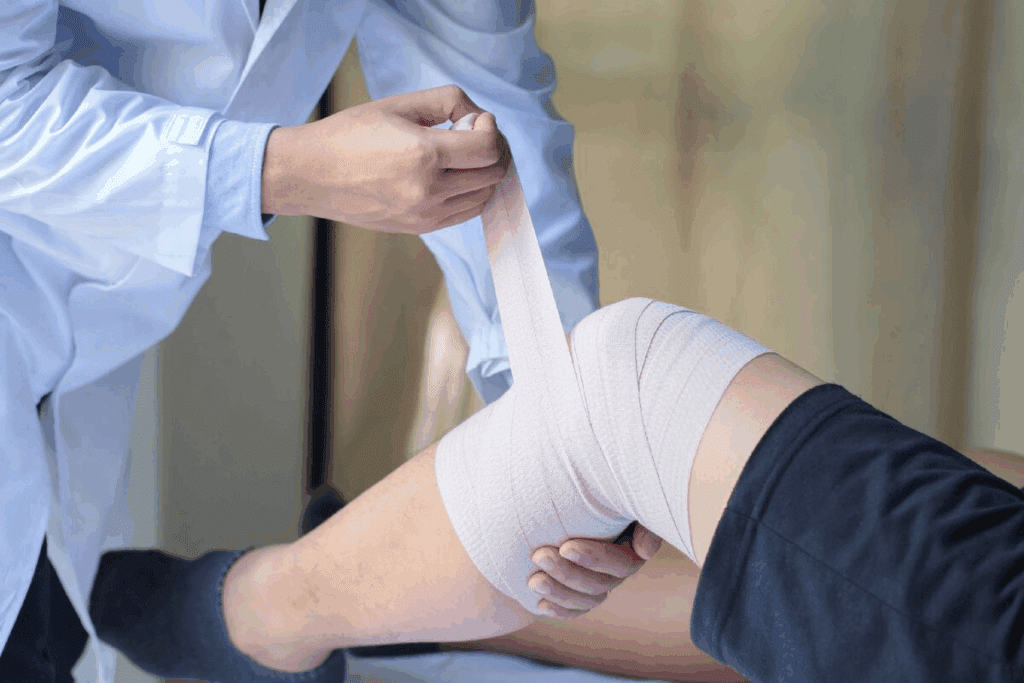
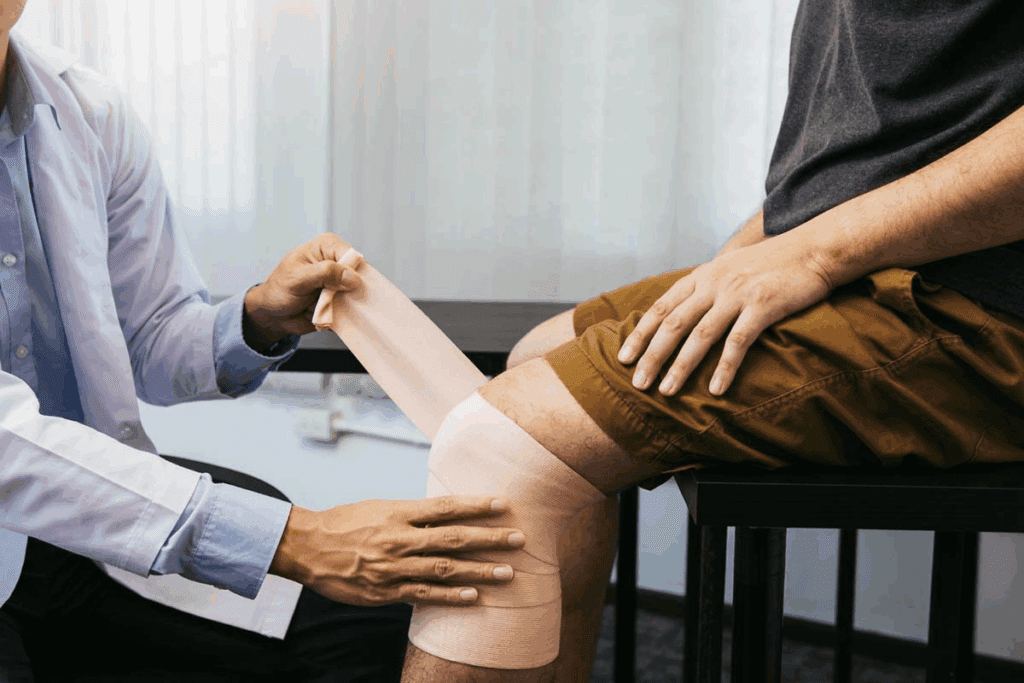
Knee replacement swelling is common after surgery. To reduce swelling, patients are told to elevate their leg, use ice packs, and wear compression bandages. If pain comes back, more pain relief medication is given as ordered by the doctor.
It’s important to watch and manage these symptoms well for a comfortable recovery. By keeping swelling down and quickly treating breakthrough pain, patients can have a better rehab experience.
First Week Recovery and Pain Progression
After robotic knee replacement surgery, managing pain is key in the first week. This time is important for a good recovery.
Pain Medication Regimens and Tapering
Patients start with a pain medication plan from their surgeon. It’s important to take the right amount to get knee replacement pain relief. As healing starts, the dose is slowly reduced.
Reducing the dose helps avoid too much dependence on pain meds. It keeps pain levels in check. If pain gets worse, tell your doctor.
Early Physical Therapy Discomfort
Physical therapy early on is key to getting better. It helps with knee function and movement. Some discomfort is okay, but it should be manageable.
Those doing knee replacement physical therapy should get ready for exercises that might hurt at first. But they’re important for getting stronger and moving better.
Signs of Normal vs. Abnormal Pain Patterns
It’s important to know the difference between normal and abnormal pain. Normal pain is usually controlled with meds and gets better over time.
- Normal pain: Pain that’s okay with meds and gets better with therapy.
- Abnormal pain: Pain that’s too much, gets worse, or comes with other bad signs like swelling, redness, or fever.
Know these signs and call your doctor if you have abnormal pain.
Comparing Pain: Robotic vs. Traditional Knee Replacement
Robotic knee replacement is seen as a less painful option compared to traditional surgery. When choosing between these two, knowing the pain differences is key.
Clinical Studies on Pain Outcome Differences
Studies have looked into pain differences between robotic and traditional knee surgeries. A Journal of Arthroplasty study showed robotic surgery patients had lower pain scores right after surgery.
“Robotic technology helps with precise knee alignment and balance,”
Precision Benefits of Robotic Surgery for Pain Reduction
Robotic systems offer precision, which can help reduce pain after surgery. They allow surgeons to plan and perform surgery based on each patient’s anatomy. This can lead to better outcomes.
- More accurate component positioning
- Better soft tissue balancing
- Personalized surgical plans
These benefits can make the knee feel more natural after surgery. This may lead to less pain and better function for patients.
Recovery Timeline Differences Between Approaches
The recovery time can vary between robotic and traditional knee replacements. While both need rehab, robotic surgery might lead to a quicker recovery.
A study found robotic surgery patients could get back to daily life sooner. They compared this to traditional surgery patients.
Key differences in recovery timelines include:
- Faster return to daily activities
- Potential for shorter hospital stays
- Less post-operative pain medication required
These points show robotic knee replacement’s benefits in pain and recovery.
Pain Management Strategies After Knee Replacement
Managing pain after knee replacement surgery is a complex task. It involves using medication, trying alternative therapies, and making lifestyle changes. Good pain management is key for a smooth recovery. It helps patients do physical therapy and move around sooner.
Medication Options for Pain Relief
After robotic knee replacement surgery, doctors often give patients a mix of medicines. These are to help manage pain well. The medicines might include:
- Opioid analgesics for severe pain
- Non-opioid pain relievers like acetaminophen or NSAIDs
- Adjuvant medications such as gabapentin for nerve pain
Table 1: Common Pain Relief Medications
| Medication Type | Examples | Primary Use |
| Opioids | Oxycodone, Hydrocodone | Severe pain management |
| NSAIDs | Ibuprofen, Naproxen | Inflammation and pain relief |
| Adjuvants | Gabapentin | Nerve pain management |
Non-Pharmaceutical Pain Relief Approaches
There are also non-medical ways to manage pain after knee replacement surgery. These include:
- Physical therapy to improve mobility and strength
- Relaxation techniques such as deep breathing or meditation
- Acupuncture or other alternative therapies
Cold Therapy, Elevation, and Compression Techniques
Cold therapy, elevation, and compression are simple but effective ways to manage pain and swelling. They are great for after knee replacement surgery.
- Cold therapy: Applying ice packs to reduce swelling and numb the pain
- Elevation: Elevating the leg above heart level to reduce swelling
- Compression: Using compression bandages or sleeves to improve circulation and reduce swelling
By using these methods together, patients can manage their pain well. This helps them recover better after robotic knee replacement surgery.
Physical Therapy and Rehabilitation Pain
Physical therapy is key after robotic knee replacement. It helps patients move better and get stronger. Some pain is normal as they get better.
Managing Discomfort During Exercise
In physical therapy, patients do exercises to boost knee strength. Some pain is okay, but it can be managed. Talking to the physical therapist helps adjust the exercises to fit how you feel.
Addressing Stiffness and Limited Mobility
Stiffness and limited movement are common. Exercises help improve flexibility and mobility. Being consistent and patient is important for slow but steady progress.
Balancing Progress with Pain Management
It’s important to balance getting better with managing pain. Healthcare teams adjust pain plans as needed. This ensures patients can do physical therapy without too much pain.
A good rehabilitation program with physical therapy leads to big improvements. Understanding physical therapy’s role helps patients navigate their recovery better.
Long-Term Pain Outcomes (6+ Weeks)
After the first six weeks, patients often see big changes in their pain. Most find relief and enjoy a better life after robotic knee surgery.
Timeline for Complete Pain Resolution
How long it takes to stop hurting varies. Most see pain lessen over months. By 3-6 months, many feel a lot better.
Residual Discomfort Patterns and Management
Some may feel pain that doesn’t go away. But, there are ways to handle it. Keeping swelling down is key. Follow your doctor’s advice on how to manage.
- Elevating the affected leg
- Using compression garments
- Engaging in gentle exercises as prescribed by a physical therapist
When Full Recovery is Typically Achieved
Full recovery usually takes 6-12 months. During this time, patients see big improvements. Many get back to their usual activities.
Long-Term Quality of Life Improvements
The robotic knee surgery success rate is high. Most patients enjoy better lives long-term. They can do things they couldn’t before because of pain.
- Improved mobility
- Reduced pain
- Enhanced overall well-being
Knowing about long-term pain outcomes helps patients prepare for recovery. It leads to the best results.
Potential Complications and Unexpected Pain
Complications after robotic knee replacement surgery are rare but important to know. This surgery is safe and effective. But, knowing the risks helps manage expectations and spot any issues early.
Infection Signs and Symptoms
Infection is a serious issue after knee surgery. Look out for redness, swelling, more pain, and fever. It’s key to watch the surgical site and overall health closely after surgery.
- Redness or swelling around the incision site
- Increased pain or tenderness
- Fever over 100.4°F (38°C)
- Drainage or pus from the incision
Implant Issues and Mechanical Pain
Implant problems can cause pain. This includes loosening, wear, or bad alignment. Even with robotic tech, these issues can happen.
| Potential Implant Issue | Symptoms |
| Loosening of the Implant | Pain, instability |
| Wear and Tear | Gradual pain, limited mobility |
| Improper Alignment | Pain, uneven wear |
Nerve Damage Concerns and Neuropathic Pain
Nerve damage during surgery can cause pain, numbness, or tingling. This is rare but can greatly affect recovery and life quality.
Nerve damage symptoms include:
- Numbness or tingling around the knee or down the leg
- Sharp, shooting pains
- Burning sensations
When to Contact Your Surgeon About Pain
Knowing when to see a doctor for pain after robotic knee surgery is important. Severe pain, pain that gets worse, or pain with fever or swelling needs quick attention from your surgeon.
Contact your surgeon if you experience:
- Severe, unmanageable pain
- Increasing pain over time
- Pain with fever, redness, or swelling
- Any concerns about your recovery
Conclusion
Robotic knee replacement is a promising option for many patients. It helps reduce pain and speeds up recovery. The technology’s precision ensures the knee is aligned and balanced better.
Patients who get robotic knee replacements may feel less pain than those with traditional methods. To manage pain, doctors use medicine and physical therapy. These steps are key to a smooth recovery.
Knowing what affects pain and managing it well can make a big difference. Robotic knee replacement offers a chance for better recovery and a higher quality of life. It’s a step towards improved health and happiness.
FAQ
What is the average pain level after robotic knee replacement surgery?
Studies show that most people feel about 3-4 out of 10 pain after this surgery. This pain usually goes down a lot in the first few weeks.
How does robotic knee replacement surgery compare to traditional knee replacement in terms of pain?
Robotic surgery often means less pain and quicker healing than traditional methods. This is because the robotic tech is very precise.
What are the most effective pain management strategies after robotic knee replacement surgery?
To manage pain, doctors use both medicines and non-medical methods. Cold therapy, elevation, and compression are some of these non-medical ways.
How long does it take to recover from robotic knee replacement surgery?
Recovery times vary, but most people get back to normal in 6-12 weeks. They see big improvements in pain and how they feel.
What are the signs of normal versus abnormal pain patterns after robotic knee replacement surgery?
Normal pain goes down over time. But, if pain gets worse, swelling, or redness happens, it’s not normal.
Can I expect to experience any long-term pain or discomfort after robotic knee replacement surgery?
Some people might feel some discomfort or stiffness. But, most see a big drop in pain and feel much better in 6-12 months.
How can I manage swelling and breakthrough pain after robotic knee replacement surgery?
Use elevation, compression, and pain meds to manage swelling and pain. Also, follow your surgeon’s post-op instructions closely.
What are the possible complications that may cause unexpected pain after robotic knee replacement surgery?
Infections, implant problems, nerve damage, and mechanical issues can cause pain. If you have unusual or severe pain, call your surgeon right away.
How does physical therapy play a role in managing pain and recovery after robotic knee replacement surgery?
Physical therapy is key for recovery. It helps regain strength, mobility, and eases stiffness and discomfort.
What are the benefits of robotic knee replacement surgery in terms of pain reduction?
Robotic surgery causes less damage and trauma. This leads to less pain, faster recovery, and better long-term results and quality of life.
Reference:
Medical News Today explains the importance of gradual recovery and patient-centered pain management strategies in surgical recovery https://www.medicalnewstoday.com/articles/316706