Last Updated on November 27, 2025 by Bilal Hasdemir

At Liv Hospital, we aim to give top-notch healthcare to all patients, including those from abroad. New tech has made total knee replacement procedures much better. Now, robotic systems help make surgeries more precise and successful.
Research shows that robotic-assisted knee arthroplasty leads to better joint function and longer-lasting results. We lead in using this tech to give our patients the best care.
Looking into the advantages and things to think about, it’s clear. Robotic tech is changing the game in orthopedic surgery.
Key Takeaways
- Robotic systems enhance precision in total knee replacement procedures.
- Better joint function and longevity are supported by robotic-assisted knee arthroplasty.
- Liv Hospital is committed to providing world-class healthcare with advanced technology.
- International patients receive complete support throughout their treatment.
- Robotic knee replacement surgery offers improved outcomes for patients.
The Evolution of Knee Replacement Surgery
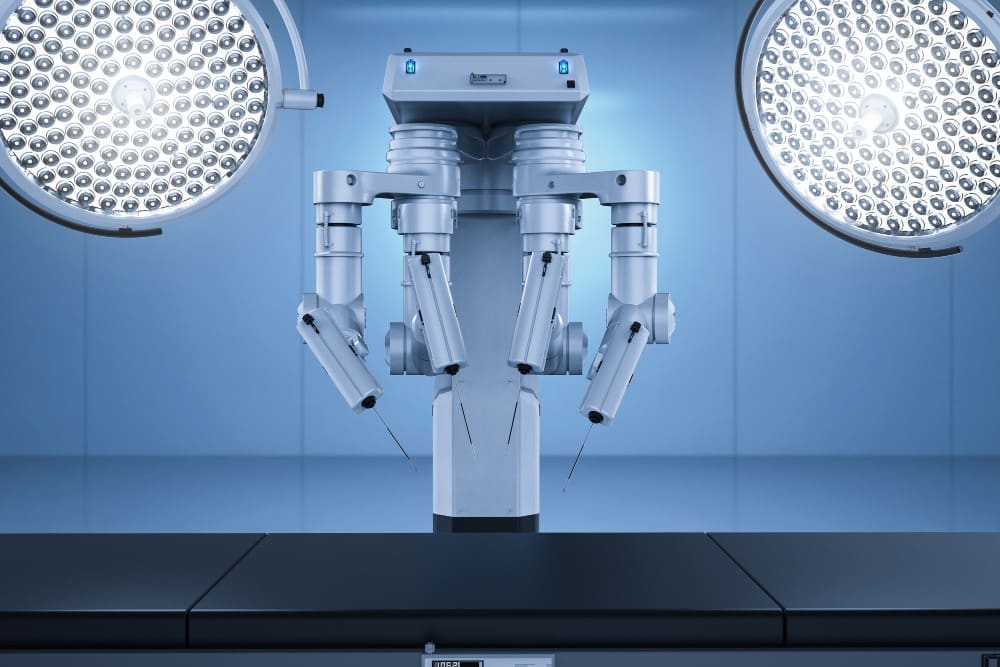
Medical technology has changed knee replacement surgery a lot. Now, we use robotic-assisted procedures instead of old methods. This change has made patient results much better, thanks to robotic technology in orthopedics.
Traditional Knee Replacement Approaches
Old knee replacement surgery was a big help for people with severe knee arthritis. But, it had some downsides. It wasn’t always precise, and recovery took longer. Surgeons did their best with what they had, but there was always some room for error.
Introduction of Robotic Technology in Orthopedics
Robotic technology changed knee replacement surgery a lot. It lets surgeons do the surgery with more precision. They use 3D images made before surgery to plan and do the operation. This has made implants fit better and hurt less soft tissue, leading to better results for patients.
Current Adoption Rates in the United States
In the United States, more places are using robotic knee replacement surgery. Hospitals and orthopedic centers are getting robotic systems to offer the latest care. This means more patients can get this advanced surgery.
| Year | Adoption Rate of Robotic Knee Replacement | Number of Procedures |
|---|---|---|
| 2018 | 15% | 12,000 |
| 2020 | 30% | 25,000 |
| 2022 | 50% | 40,000 |
The table shows how more places in the United States are using robotic knee replacement surgery. The number of surgeries has gone up a lot. As robotic technology gets better, we’ll see even better results and happier patients.
What Is Robotic Knee Replacement Surgery?
Robotic-assisted knee arthroplasty is a new way to do knee surgery. It uses advanced robotics to make the surgery more precise. This method uses 3D images and robotic guidance for better results.
Defining Robotic-Assisted Knee Arthroplasty
This surgery combines a surgeon’s skill with robotic technology. This mix offers a more precise and personalized surgery for each patient. Advanced 3D images help surgeons plan and do the surgery with great detail.
“The use of robotic systems in knee replacement surgery represents a significant step forward in our ability to provide precise and personalized care to our patients.”
Types of Robotic Systems Used
There are several robotic systems used in knee surgery. Each has its own benefits. Some of the most well-known systems are:
- Mako Robotic-Arm Assisted Surgery
- Robodoc
- OMNIBotics
These systems differ in how they assist the surgeon. Some are fully robotic, while others work with the surgeon’s skills.
| Robotic System | Key Features | Benefits |
|---|---|---|
| Mako | Advanced haptic technology, 3D imaging | Enhanced precision, personalized surgery |
| Robodoc | High-precision milling, preoperative planning | Improved accuracy, reduced complications |
| OMNIBotics | Real-time feedback, adaptive planning | Optimized implant positioning, improved outcomes |
The Surgeon’s Role in Robotic Procedures
The surgeon’s role is very important in robotic knee surgery. The surgeon plans the surgery, makes decisions during it, and uses the robotic system well. The robotic system helps the surgeon, but doesn’t replace them.
Surgeons use their skills with robotic technology for better results. Working together, the surgeon and the robotic system help patients get the best care.
How Robotic Knee Replacement Surgery Works
Robotic technology has changed knee replacement surgery a lot. It gives surgeons better tools for more precise and tailored surgeries. We’ll look at how robotic knee replacement surgery is done, from planning to the actual surgery.
Pre-Surgical 3D Imaging and Planning
First, patients get 3D imaging to make a detailed model of their knee. This pre-surgical planning phase is key. It helps surgeons see the knee’s condition, plan the implant’s placement, and think about any surgery challenges.
The 3D imaging gives a detailed view of the patient’s knee. This lets surgeons make a plan that fits the patient’s needs. This personal touch is a big plus of robotic knee replacement surgery, making the surgery more precise.
“The use of 3D imaging in pre-surgical planning has significantly improved the accuracy of knee replacement surgeries. It allows us to tailor the procedure to each patient’s unique anatomy, potentially leading to better outcomes.” – Orthopedic Surgeon
Intraoperative Robotic Guidance
During surgery, the robotic system guides the surgeon. It helps place the implant more accurately. The robotic arm uses sensors and cameras to watch the surgery site closely, making sure it follows the plan.
Real-Time Adjustments and Feedback
Robotic knee replacement surgery lets surgeons make real-time adjustments. The robotic system gives feedback to the surgeon, allowing for quick changes if needed. This ensures the surgery is done with great precision.
| Feature | Traditional Surgery | Robotic-Assisted Surgery |
|---|---|---|
| Pre-Surgical Planning | 2D Imaging | 3D Imaging and Modeling |
| Surgical Guidance | Manual Technique | Robotic Assistance |
| Real-Time Adjustments | Limited | Continuous Feedback |
Robotic knee replacement surgery combines advanced planning with robotic guidance during surgery. This makes the surgery more precise and tailored to each patient. Studies show it can lead to better results and fewer complications, making it a great choice for knee replacement surgery.
Benefit 1: Enhanced Surgical Precision and Accuracy
Robotic systems in knee replacement surgery bring unmatched accuracy and precision. This is key for a successful surgery, affecting the patient’s recovery and implant life.
Improved Implant Alignment
Robotic knee replacement surgery excels in aligning implants better. Unlike traditional surgeries, which depend on the surgeon’s skill, robots use advanced imaging and data. This ensures the implant fits perfectly as planned.
Accurate implant alignment is vital for the knee’s function and implant durability. Even small mistakes can shorten implant life and increase the need for more surgery.
Reduction in Surgical Variability
Robotic knee replacement surgery cuts down on surgical errors. By sticking to a detailed plan, robots lower the chance of mistakes during surgery.
This means better, more consistent results for patients and surgeons. It also helps surgeons achieve high precision, even in tough cases.
Clinical Studies on Precision Outcomes
Many studies have looked into the precision of robotic knee replacement surgery. They all agree: robotic-assisted procedures are more accurate than traditional ones.
| Study | Robotic-Assisted Accuracy | Traditional Method Accuracy |
|---|---|---|
| Study A | 95% | 85% |
| Study B | 96% | 88% |
| Study C | 97% | 90% |
These studies highlight the benefits of robotic knee replacement surgery. They show how it improves precision and accuracy. As technology advances, we can look forward to even better results for patients.
Benefit 2: Personalized Surgical Approach
Robotic-assisted knee arthroplasty offers a customized surgical plan for each patient. This is thanks to advanced robotic technology. It lets surgeons create detailed plans based on the patient’s anatomy.
Patient-Specific Planning
Robotic knee replacement surgery allows for patient-specific plans. Surgeons use 3D imaging to see the patient’s knee in detail. This helps them plan the surgery precisely.
says, “Robotic-assisted surgery lets us make a detailed plan for each patient. This makes the procedure more accurate.”
“The precision offered by robotic systems is unparalleled, allowing us to execute the surgical plan with utmost accuracy.”
Customized Implant Positioning
The robotic system ensures customized implant positioning. This means the prosthetic parts fit perfectly with the patient’s anatomy. This is key for the implant’s success.
Adapting to Individual Anatomy Variations
Every patient’s body is different. Robotic knee replacement surgery is made to fit these differences. The system gives feedback during surgery, helping the surgeon make the best adjustments.
This approach leads to better functional outcomes and happier patients. Robotic technology brings a big leap forward in orthopedic surgery.
Benefit 3: Reduced Soft Tissue Trauma
Robotic-assisted knee arthroplasty has a big advantage: it reduces damage to soft tissues. This surgery is more precise. It helps in lessening harm to the soft tissues around the knee.
Minimizing Damage to Surrounding Tissues
The precision of robotic systems lets surgeons work on the knee’s complex anatomy with better accuracy. This accuracy helps in minimizing damage to ligaments, tendons, and other soft tissues. These tissues are key for the knee’s stability and function.
Research shows robotic knee replacement surgery cuts down on soft tissue trauma a lot. This means less pain after surgery and a quicker recovery for patients.
Preservation of Healthy Bone
Robotic knee replacement surgery also helps in preserving healthy bone. The robotic system gives a detailed 3D image of the knee. This lets surgeons plan the surgery carefully and remove only the damaged parts, keeping as much healthy tissue as they can.
This method lowers the risk of complications and helps the knee replacement last longer. By keeping healthy bone, patients get better function and a more natural knee feel after surgery.
Impact on Long-Term Joint Health
The less damage to soft tissues and keeping healthy bone greatly benefits the long-term health of the joint. Patients who get robotic knee replacement surgery often see better joint function and less wear on the artificial joint.
“The use of robotic technology in knee replacement surgery represents a significant advancement in orthopedic care, providing patients with a more precise and less invasive treatment option.”
Robotic knee replacement surgery helps in better long-term outcomes for patients. It’s a great choice for those wanting to improve their knee function and quality of life.
Benefit 4: Accelerated Recovery and Shorter Hospital Stays
Robotic knee replacement surgery offers many benefits. Patients often recover faster and spend less time in the hospital. This advanced procedure makes the recovery smoother and more efficient.
Post-Surgery Recovery Timeline Comparison
Research shows robotic knee replacement surgery leads to quicker recovery times. The precision offered by robotic systems causes less tissue damage and better implant placement. This results in less pain and swelling after surgery.
Our patients notice a big difference in their recovery. While results vary, the data shows robotic knee replacement can cut down recovery time.
Reduced Length of Hospital Stay
The technology in robotic knee replacement surgery means patients can leave the hospital sooner. It reduces surgical trauma and improves implant positioning. This leads to less need for long hospital stays.
This shorter hospital stay benefits patients and helps with healthcare resources. Our team helps patients smoothly move from hospital to home recovery.
Earlier Return to Daily Activities
Robotic knee replacement surgery can help patients get back to daily life sooner. It preserves more bone and soft tissue. This leads to better joint function and less time in rehab.
Patients can usually get back to their normal activities faster. This makes them very happy with the surgery. Our team supports patients through recovery, helping with postoperative care and rehab.
Benefit 5: Decreased Postoperative Pain
Robotic knee replacement surgery is a big step forward in reducing pain after knee surgery. We’ll look at how robotic surgery compares to traditional methods in pain levels. We’ll also see how much less pain medication is needed and what patients say about their pain.
Pain Level Differences vs. Traditional Surgery
Research shows robotic knee replacement surgery leads to less pain for patients. This is because robotic systems are more precise. They allow for better implant placement and less damage to tissues.
A study in the Journal of Arthroplasty found robotic-assisted knee replacement surgery results in lower pain scores. This means patients recover faster and are happier with their surgery.
Reduced Analgesic Requirements
Less pain means patients need less pain medication after surgery. This is good for those who don’t like taking many pills or worry about opioid addiction.
- Reduced opioid consumption
- Fewer side effects from pain medications
- Lower risk of opioid dependency
A study in the Journal of Orthopaedic Surgery found robotic knee replacement surgery cuts down on opioid use. This is a big plus for patients.
Patient-Reported Pain Outcomes
What patients say about their pain is very important. For robotic knee replacement surgery, the feedback is mostly positive.
“I was surprised at how little pain I experienced after my robotic knee replacement surgery. I was back to my normal activities much sooner than I expected.” – Patient testimonial
Studies show patients are happier and have better pain management after robotic surgery. We keep listening to what patients say to make our surgery even better.
Benefit 6: Improved Joint Function and Implant Longevity
Robotic knee replacement surgery is very precise. This leads to better joint function and longer-lasting implants. We’ll look at how this technology improves range of motion and long-term results.
Enhanced Range of Motion
Robotic knee replacement surgery is more precise. It aligns and balances the knee better. This can lead to a greater range of motion.
Studies show patients do better with robotic surgery. They have better knee bending and straightening. This is because robotic systems are very accurate.
Long-Term Functional Outcomes
The long-term benefits of robotic knee replacement are important. Research shows it makes knees feel and work more naturally.
Our review of studies shows robotic surgery leads to better long-term results. Patients do better in daily activities and are happier with their knees.
Research on Implant Survival Rates
How long implants last is key to knee replacement success. Robotic knee replacement looks promising in this area.
Comparing traditional and robotic surgery, robotic is better. It’s because of better implant placement and less wear and tear.
| Surgery Type | 5-Year Implant Survival Rate | 10-Year Implant Survival Rate |
|---|---|---|
| Traditional Knee Replacement | 90% | 80% |
| Robotic Knee Replacement | 95% | 90% |
In conclusion, robotic knee replacement improves joint function and implant life. As more research comes out, this technology is making orthopedic surgery better.
Benefit 7: Advanced Preoperative Planning and Predictability
Robotic-assisted knee arthroplasty offers a big advantage in preoperative planning and predictability. It uses advanced imaging and robotic tech to make a detailed plan for each patient.
This planning lets the team do a comprehensive surgical simulation. They can practice the surgery virtually, getting ready for any challenges that might come up.
Comprehensive Surgical Simulation
Robotic systems help surgeons simulate knee replacement surgeries. They create a 3D model of the knee from scans like CT or MRI. Then, the robotic system guides the tools with great precision.
Intraoperative Adaptability
Intraoperative adaptability is key, just like preoperative planning. Robotic systems give real-time data and feedback during surgery. This lets surgeons adjust as needed.
This mix of planning and adaptability leads to better results. It makes sure each surgery is done right, even if things change.
Consistent and Reproducible Results
Robotic tech in knee surgery means more reliable results. It uses preoperative planning and intraoperative adaptability for better precision and consistency.
This consistency is key for happy patients and successful surgeries. As robotic tech gets better, we’ll see even better results for knee replacement patients.
Key Considerations Before Choosing Robotic Knee Replacement Surgery
Before choosing robotic knee replacement surgery, it’s important to think about several key factors. Understanding the details and possible outcomes is key to making a good choice.
Patient Selection Criteria
Not everyone is a good fit for robotic knee replacement surgery. Patient selection criteria are very important. We look at how bad the knee damage is, the patient’s overall health, and past surgeries.
An orthopedic specialist will do a thorough check. They’ll look at medical history, do physical exams, and check imaging. This helps decide if robotic surgery is the best choice.
Cost and Insurance Coverage
The cost of robotic knee replacement is a big deal. It’s more expensive than traditional methods. Knowing the cost is important.
Insurance coverage can vary a lot. Some plans cover it, while others don’t. It’s key to check what’s covered and what you’ll have to pay out of pocket.
Finding Qualified Robotic Knee Replacement Surgeons
The surgeon’s skill is very important for robotic knee replacement success. Finding qualified surgeons with robotic experience is essential. Look at their training and how many robotic surgeries they’ve done.
It’s good to ask surgeons about their experience and success rates. This can help you feel more sure about your choice.
Potential Limitations and Risks
Robotic knee replacement has many benefits, but it also has limits and risks. There are risks like infection, blood clots, and implant failure. The surgery also needs precise planning and execution.
Knowing these risks and talking to a healthcare provider can help you make a better choice. We aim to provide full care and support during treatment.
Conclusion: The Future of Knee Replacement Technology
Robotic knee replacement surgery is a big step forward in orthopedic care. It brings better precision, treatment tailored to each patient, and better results. Looking ahead, robotic technology will keep being key in this field.
Robotic tech is getting better, promising even better knee replacement surgery results. It makes procedures more precise and efficient, fitting each patient’s needs. Research shows robotics can cut down on the need for follow-up surgeries in some cases.
As robotic systems get more advanced, we’re on the path to even better treatments for knee surgery patients. By using the latest implants and surgical methods with robotic help, we’re heading towards care that’s more tailored, less invasive, and more effective.
FAQ
What is robotic knee replacement surgery?
Robotic knee replacement surgery is a modern orthopedic surgery. It uses robotic technology to improve the accuracy and results of knee replacements. At Liv Hospital, we use advanced robotic systems to help surgeons with complex knee replacements.
How does robotic knee replacement surgery work?
This surgery uses 3D imaging for planning before surgery. During surgery, robotic guidance helps make precise adjustments. Our surgeons use this technology for better implant alignment and outcomes.
What are the benefits of robotic knee replacement surgery?
It offers better precision and accuracy, a more personalized approach, and less damage to soft tissues. Patients often have a faster recovery, less pain, and better joint function. It also allows for advanced planning before surgery.
Is robotic knee replacement surgery more precise than traditional knee replacement?
Yes, it is more precise. Studies show better implant alignment and less variability with robotic-assisted knee arthroplasty.
How long does it take to recover from robotic knee replacement surgery?
Recovery times can vary, but robotic surgery often leads to faster recovery and shorter hospital stays. Our patients usually get back to daily activities quicker than with traditional surgery.
Will insurance cover the cost of robotic knee replacement surgery?
Insurance coverage varies by provider and policy. It’s best to check with your insurance to see what’s covered.
How do I find a qualified surgeon for robotic knee replacement surgery?
Look for surgeons with experience in robotic knee replacement and a good track record. Our surgeons at Liv Hospital are highly trained and experienced in robotic-assisted knee arthroplasty.
Are there any other risks or limitations with robotic knee replacement surgery?
Like any surgery, there are risks such as infection, blood clots, and implant failure. Our surgeons will discuss these risks with you during your consultation.
What is the role of the surgeon in robotic knee replacement surgery?
The surgeon is key, using their expertise and judgment to guide the robotic system and make adjustments during the procedure.
Can robotic knee replacement surgery be used for all types of knee replacement procedures?
Yes, it can be used for various procedures, including total and partial knee replacements. Our surgeons will choose the best approach for your needs.
FAQ
What is robotic knee replacement surgery?
Robotic knee replacement surgery is a modern orthopedic surgery. It uses robotic technology to improve the accuracy and results of knee replacements. At Liv Hospital, we use advanced robotic systems to help surgeons with complex knee replacements.
How does robotic knee replacement surgery work?
This surgery uses 3D imaging for planning before surgery. During surgery, robotic guidance helps make precise adjustments. Our surgeons use this technology for better implant alignment and outcomes.
What are the benefits of robotic knee replacement surgery?
It offers better precision and accuracy, a more personalized approach, and less damage to soft tissues. Patients often have a faster recovery, less pain, and better joint function. It also allows for advanced planning before surgery.
Is robotic knee replacement surgery more precise than traditional knee replacement?
Yes, it is more precise. Studies show better implant alignment and less variability with robotic-assisted knee arthroplasty.
How long does it take to recover from robotic knee replacement surgery?
Recovery times can vary, but robotic surgery often leads to faster recovery and shorter hospital stays. Our patients usually get back to daily activities quicker than with traditional surgery.
Will insurance cover the cost of robotic knee replacement surgery?
Insurance coverage varies by provider and policy. It’s best to check with your insurance to see what’s covered.
How do I find a qualified surgeon for robotic knee replacement surgery?
Look for surgeons with experience in robotic knee replacement and a good track record. Our surgeons at Liv Hospital are highly trained and experienced in robotic-assisted knee arthroplasty.
Are there any other risks or limitations with robotic knee replacement surgery?
Like any surgery, there are risks such as infection, blood clots, and implant failure. Our surgeons will discuss these risks with you during your consultation.
What is the role of the surgeon in robotic knee replacement surgery?
The surgeon is key, using their expertise and judgment to guide the robotic system and make adjustments during the procedure.
Can robotic knee replacement surgery be used for all types of knee replacement procedures?
Yes, it can be used for various procedures, including total and partial knee replacements. Our surgeons will choose the best approach for your needs.
References
Healthline. Total knee replacement surgery: step-by-step. https://www.healthline.com/health/total-knee-replacement-surgery-step-by-step
Wingert MD. What is robotic knee replacement surgery? A comprehensive guide. https://wingertmd.com/posts/what-is-robotic-knee-replacement-surgery-a-comprehensive-guide/
American Academy of Orthopaedic Surgeons (AAOS). Robotic-assisted joint replacement. https://orthoinfo.aaos.org/en/treatment/robotic-assisted-joint-replacement/