Last Updated on November 27, 2025 by Bilal Hasdemir
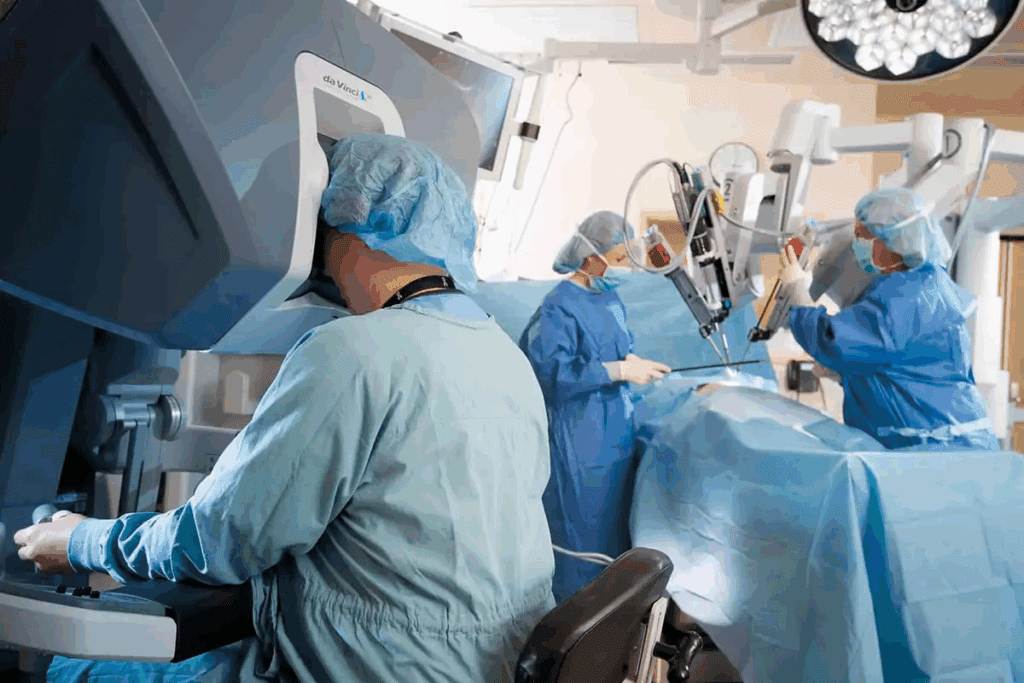
Studies show that patients who have robotic-assisted thoracic surgery recover faster than those who have open surgery. This is because the robotic method is less invasive. It causes less damage to the body.
Recovering from surgery is a big worry for many. In this article, we’ll walk you through the usual recovery timeline. We’ll also share what you can expect during this time.
Key Takeaways
- Robotic-assisted thoracic surgery offers a shorter recovery period.
- Minimally invasive procedures result in less tissue damage.
- Understanding the recovery process helps patients prepare.
- Recovery time varies depending on individual factors.
- Patients can expect a more precise and less invasive procedure.
Understanding Robotic Lung Surgery
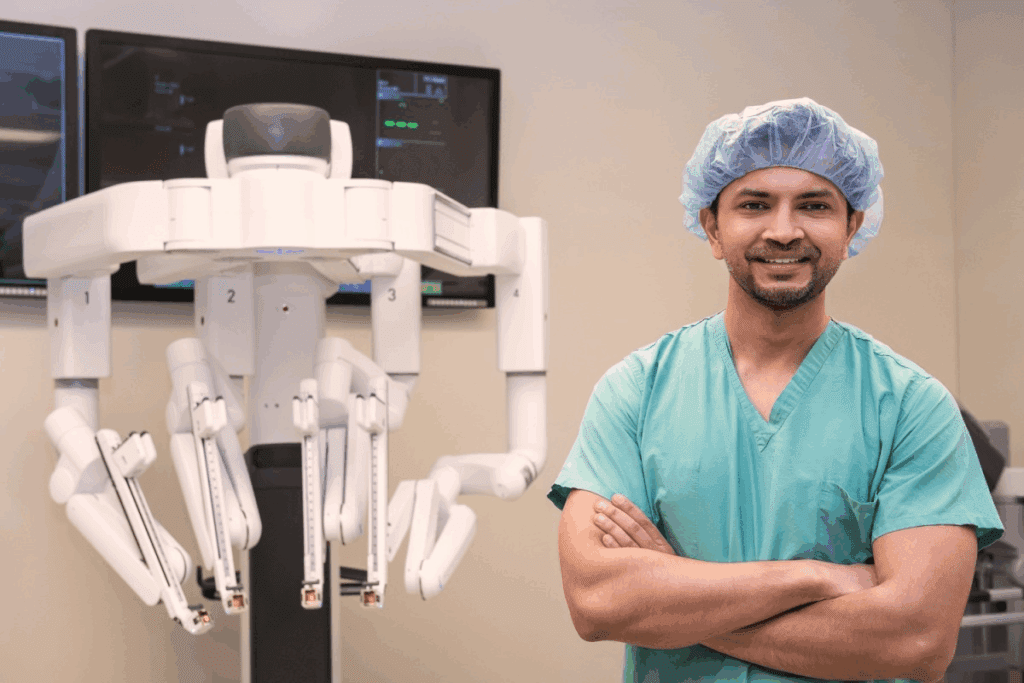
Robotic-assisted thoracic surgery is a new way to do lung surgery. It makes operations more precise and less invasive. This method uses a robotic system to help surgeons, bringing many benefits over old ways of surgery.
What is Robotic-Assisted Thoracic Surgery?
This surgery uses a robotic system for precise lung operations. It lets surgeons make smaller, more precise cuts. This reduces damage to tissues and helps wounds heal faster.
The robotic system has high-definition 3D images and special instruments. These tools help surgeons do detailed work, like in robotic-assisted lobectomy. This is where removing a lung lobe needs careful skill.
- Enhanced visualization through high-definition 3D imaging
- Increased precision and flexibility of robotic instruments
- Smaller incisions, leading to less tissue trauma
How Robotic Surgery Differs from Traditional Approaches
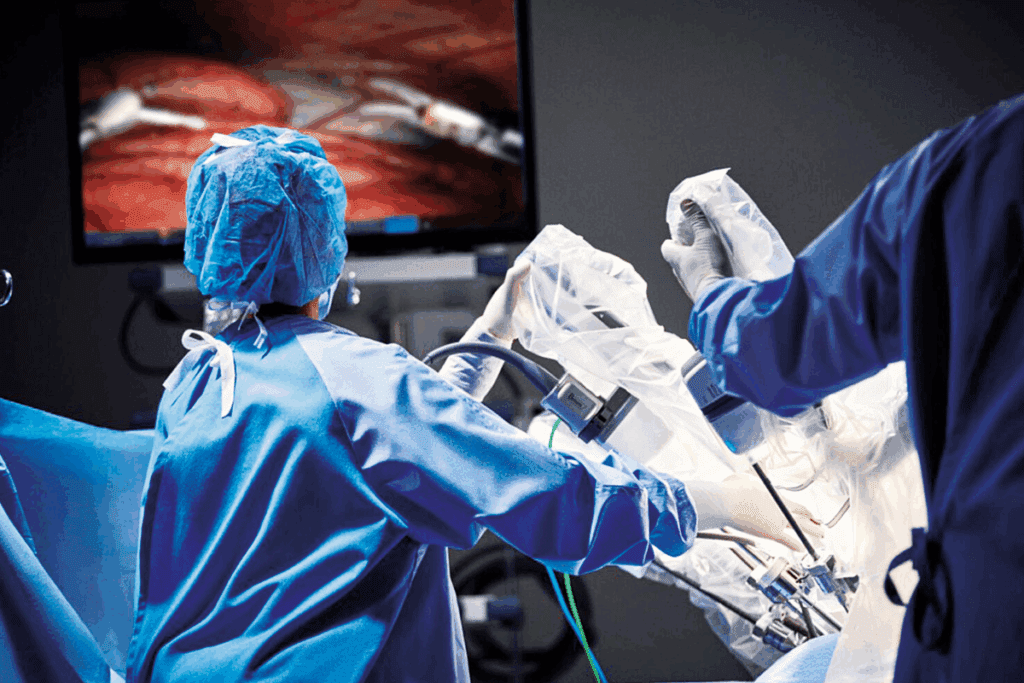
Robotic surgery is different from open surgery and even from other minimally invasive surgeries. The main differences are in precision, incision size, and control over instruments.
Unlike open surgery, which needs a big cut, minimally invasive lung surgery uses small cuts. These cuts let the surgeon use the robotic tools and camera without a big opening.
The benefits of robotic surgery include less pain, less blood loss, and shorter hospital stays. Patients often have fewer complications and can get back to their daily lives faster.
- Reduced postoperative pain and discomfort
- Less risk of infection and complications
- Faster recovery and return to normal activities
Robotic Lung Surgery Recovery Time: The Complete Timeline
Knowing the recovery timeline is key for patients after robotic lung surgery. The journey to full recovery has several stages, each with its own goals and hurdles.
Immediate Post-Surgery Recovery
Right after surgery, patients stay in the hospital’s recovery room. We focus on managing pain and watch for any immediate issues. The length of stay varies, from a few days to a week, based on the surgery’s complexity and the patient’s health.
Pain management is a top priority. Patients get medication to ease pain and discomfort. We also keep an eye out for complications like infection or bleeding.
First Week After Surgery
The first week is vital for recovery. Patients are told to rest and avoid hard work. We suggest:
- Getting plenty of rest
- Avoiding heavy lifting or bending
- Following a balanced diet to aid healing
- Taking prescribed medications as directed
One patient shared, “The first week was tough, but with the right support and care, I recovered well.”
“The support from the medical team was incredible. They guided me through every step of the recovery process.” – Former Patient
Weeks 2-4 Recovery Milestones
In weeks 2-4, patients start to feel much better. They slowly return to their usual activities. We advise patients to:
| Week | Activity Level | Expected Milestones |
| 2 | Light activities | Reduced pain, improved mobility |
| 3 | Moderate activities | Increased strength, better breathing |
| 4 | Near-normal activities | Significant improvement in overall health |
By week 4, most patients have made big strides in their recovery. Yet, it’s vital to keep following the postoperative care instructions for a smooth recovery.
Hospital Stay Duration After Robotic Lung Surgery
Knowing how long you’ll stay in the hospital after robotic lung surgery is important. It helps set realistic expectations. The length of your stay depends on your health and the surgery’s complexity.
Typical Length of Hospitalization
Patients usually stay in the hospital for 2 to 5 days after robotic lung surgery. This time lets our team watch over your recovery. They manage pain and handle any immediate problems.
In the hospital, you get a lot of care. This includes managing pain, helping with breathing, and feeding you well. Our team also teaches you how to care for yourself after you go home.
Factors That May Extend Hospital Stay
While most people stay 2 to 5 days, some factors can make your stay longer. These include:
- Postoperative complications, such as infection or bleeding
- The need for additional care or treatment
- Pre-existing health conditions that complicate recovery
Our team keeps a close eye on you for any complications. If you need to stay longer, we make sure you’re comfortable and well cared for.
| Factor | Impact on Hospital Stay |
| Postoperative Complications | May require additional treatment, potentially extending hospital stay |
| Pre-existing Health Conditions | Can complicate recovery, necessitating closer monitoring and longer hospitalization |
| Need for Additional Care | May require extended stay for rehabilitation or further treatment |
We put patient care and safety first at our institution. By understanding what affects your hospital stay, we can better support you. This helps you prepare for your recovery and get the care you need.
The key to a successful recovery is not just the surgery itself, but the care that follows. Our team is dedicated to supporting patients every step of the way.
The First Days After Discharge: What to Expect
After robotic lung surgery, it’s key to follow a recovery plan. This ensures a smooth and safe healing process.
Managing at Home
At home, managing your recovery involves several important steps. Pain management is a top priority. We’ll show you how to handle pain with medication and other methods.
Creating a comfortable and safe environment at home is also vital. This means having what you need nearby and avoiding too much effort.
Activity Restrictions
After surgery, some activities are off-limits to avoid problems and help healing. We recommend avoiding heavy lifting, bending, or hard work for weeks.
It’s important to slowly start doing more as your doctor suggests. This might include short walks and gentle stretches to boost circulation and strength.
Warning Signs to Watch For
Keep an eye on how your body reacts to surgery and watch for warning signs. Look out for signs of infection, like fever or redness around the incision, and trouble breathing.
If you notice anything odd or have concerns, reach out to your healthcare provider right away. Catching and treating problems early can greatly improve your recovery.
By managing your recovery at home, following activity rules, and watching for warning signs, you can lower the risk of complications. This ensures a successful recovery after robotic lung surgery.
Pain Management Following Robotic Lung Surgery
Managing pain after robotic lung surgery is key to a smooth recovery. It helps patients feel better, lowers the chance of problems, and speeds up getting back to normal.
Typical Pain Levels and Duration
After robotic lung surgery, patients might feel some pain or discomfort. How much pain and for how long can vary. It depends on the surgery’s size and the person’s pain threshold. Usually, pain is strongest in the first days and gets better as healing happens.
We keep a close eye on patients’ pain and adjust their treatment as needed. This way, we make sure they stay comfortable while they heal.
Medication Options and Protocols
We use a mix of medicines to manage pain after surgery. These might include:
- Oral pain relievers for mild to moderate pain
- Narcotic analgesics for more severe pain, used carefully to avoid addiction
- Adjuvant medications that make primary pain relievers work better
We pick the right medicine and dose for each patient. We also teach them how to use these medicines and what side effects to watch for.
Non-Pharmaceutical Pain Management Techniques
There are also non-medication ways to manage pain after robotic lung surgery. These include:
| Technique | Description | Benefits |
| Breathing Exercises | Deep breathing and other respiratory exercises can help relax the body and reduce pain. | Reduces stress, promotes relaxation |
| Physical Therapy | Gentle exercises and stretches can improve mobility and reduce stiffness. | Enhances recovery, reduces pain |
| Relaxation Techniques | Methods such as meditation and guided imagery can help manage pain and anxiety. | Promotes overall well-being, reduces pain perception |
Using these non-medication techniques along with medicine can help patients control their pain better. This makes their recovery more comfortable.
Chest Tube Management and Removal
After robotic lung surgery, patients often have chest tubes inserted. These tubes help drain fluid and air from the chest. This is important for healing and avoiding complications. We’ll explain the purpose of chest tubes, how they are removed, and what happens afterward.
Purpose of Chest Tubes After Lung Surgery
Chest tubes remove fluid, air, or blood from the chest. This helps the lung expand and improves breathing. It also lowers the risk of infections or pneumothorax.
The Removal Process
Removing chest tubes usually happens a few days post-surgery. This is when drainage slows down and the lung expands. A healthcare professional does this, and it’s quick and not very painful.
Recovery After Tube Removal
Removing the chest tube brings relief, but it’s important to follow care instructions. This ensures the site heals properly. Watch for signs of trouble like pain, redness, or breathing issues. If you notice anything, tell your doctor right away.
Knowing about chest tubes and their removal helps patients understand their recovery after robotic lung surgery. Following care instructions and staying alert to any issues is key to a good recovery.
Breathing Exercises and Respiratory Recovery
Recovering well after robotic lung surgery needs both breathing exercises and pulmonary rehab. We know how important it is to get your lungs working right again. Our team is here to help you through this journey.
Importance of Pulmonary Rehabilitation
Pulmonary rehab is a big help after lung surgery. It includes exercises, education, and support. It helps improve lung function, reduce symptoms, and boost your quality of life. We make sure our rehab program fits your needs perfectly.
Recommended Breathing Techniques
There are special breathing methods that help after surgery. Diaphragmatic, pursed-lip, and deep breathing can help your lungs. Our respiratory therapists teach and check these techniques to make sure you’re doing them right.
Using Incentive Spirometry
Incentive spirometry helps improve lung function by encouraging deep breaths. It shows you how deep to breathe, helping prevent problems. We teach you how to use it and check your progress to make sure you’re doing well.
Adding these breathing exercises and pulmonary rehab to your recovery plan can really help. Our team is here to support you all the way, from the start of your recovery to when you’re fully back.
Physical Activity Progression After Robotic Lung Surgery
Having a good plan for physical activity is key after robotic lung surgery. It’s important to balance activity with rest. This helps avoid problems and ensures healing.
First Month Activity Guidelines
In the first month, start with gentle, low-intensity activities. Begin with short walks, 5-10 minutes, twice a day. Then, slowly increase the time as you can.
- Breathing exercises to improve lung function
- Short walks around the house or neighborhood
- Light stretching to maintain flexibility
Avoid heavy lifting, bending, or hard activities. These can strain your chest or stomach muscles.
Months 2-3 Activity Expansion
In months 2 and 3, you can do more. This might include:
- Increasing walk duration and frequency
- Introducing low-impact aerobic exercises, such as swimming or cycling
- Gradually adding strength training to improve overall muscle tone
Always listen to your body. Don’t push through pain or discomfort. Talk to your healthcare provider about any changes in your activity level.
Return to Full Physical Capacity
How long it takes to get back to full strength varies. Most people can get back to normal in 3-6 months after surgery. But, it depends on your health, the surgery, and following the rehab plan.
| Recovery Stage | Recommended Activities | Guidelines |
| First Month | Gentle walks, breathing exercises, light stretching | Avoid heavy lifting, bending, or strenuous activities |
| Months 2-3 | Increased walk duration, low-impact aerobics, strength training | Listen to your body; avoid pain or discomfort |
| Full Recovery | Resume normal activities, including more strenuous exercises | Typically achieved within 3-6 months; consult healthcare provider |
Following a structured plan for physical activity is key for a safe recovery after robotic lung surgery. Patience and sticking to your healthcare provider’s advice are vital for the best results.
Incision Care and Healing Process
After robotic lung surgery, healing incisions need careful attention. Proper wound care is key for healing and avoiding complications.
Proper Wound Care Techniques
To help wounds heal well, follow these steps:
- Gently clean the incision with mild soap and water
- Pat dry with a clean towel
- Avoid water until healed
- Watch for signs of infection like redness or swelling
Proper wound care is critical to avoid infection and promote healing. Our team offers personalized wound care advice for the best healing.
Normal Healing Timeline for Robotic Surgery Incisions
The healing time for robotic surgery incisions is usually predictable. Here’s what you can expect:
- The first few days, the site may look red and swollen
- By the end of the first week, swelling should lessen
- 2-3 weeks later, the site should be healing well
- It may take months for the incision to fully heal and fade
Be patient and follow wound care advice from our team for a smooth recovery.
By following these guidelines and working with our team, you can have a successful recovery and avoid complications.
Comparing Recovery: Robotic vs. Traditional Lung Surgery
Knowing the differences in recovery between robotic and traditional lung surgery helps patients understand what to expect. Robotic lung surgery is less invasive, leading to a quicker and smoother recovery.
Recovery Time Differences
Patients who have robotic lung surgery usually recover faster than those who have traditional open surgery. This is because robotic surgery uses smaller incisions and causes less damage to tissues.
- Faster Healing: Smaller incisions mean less tissue damage, helping wounds heal quicker.
- Reduced Hospital Stay: Patients often need to stay in the hospital for just 2 to 4 days.
- Quick Return to Activities: Most patients can get back to their usual activities in a few weeks, unlike several months with traditional surgery.
Pain and Mobility Advantages
Robotic lung surgery also offers benefits in pain management and mobility. Its minimally invasive nature means less pain and quicker mobility recovery.
- Less Postoperative Pain: Smaller incisions lead to less pain for patients.
- Improved Mobility: Less chest trauma means patients can move more easily and comfortably.
- Better Overall Experience: Less pain and better mobility make for a better recovery experience.
We think it’s important for patients to understand these differences. Choosing robotic lung surgery can lead to a faster, less painful recovery.
Returning to Work and Daily Activities
Going back to work and daily life after robotic lung surgery needs a plan made just for you. This plan takes into account your health and what you do for work. We know everyone’s recovery is different. Our medical team gives you specific advice to help you safely get back to normal.
Timeline for Different Types of Work
The time it takes to go back to work changes a lot. It depends on what you do and how fast you recover. People with desk jobs might be back in 2-4 weeks. Those with jobs that require a lot of physical effort might need 6-8 weeks or more.
| Type of Work | Typical Return to Work Timeline |
| Desk Job | 2-4 weeks |
| Light Physical Labor | 4-6 weeks |
| Heavy Physical Labor | 6-8 weeks or more |
Driving, Travel, and Social Activities
Patients also want to start driving, traveling, and going out with friends again. We tell you to wait until you’re off narcotic pain meds and can drive safely. This usually happens in 2-4 weeks after surgery.
When planning to travel, talk to your healthcare team. Long car rides can raise the risk of blood clots. Start with short trips and avoid places far from medical help until you’re fully healed.
You can start going out with friends again slowly. Begin with short visits and outings. It’s important to balance socializing with rest to avoid getting too tired.
By listening to your body and following our advice, you can have a smooth recovery. You’ll be back to your daily activities with confidence.
Nutritional Needs During Recovery
Nutrition is key for healing after robotic lung surgery. It helps the body recover faster and more efficiently.
Dietary Recommendations for Optimal Healing
A balanced diet is essential for recovery. It should include:
- Lean proteins for tissue repair
- Whole grains for fiber and energy
- Fruits and vegetables for vitamins and minerals
- Healthy fats for overall health
Drinking plenty of water is also important. “Proper hydration is essential for maintaining the body’s functions and supporting the recovery process,” our experts say.
Managing Common Digestive Issues After Surgery
Some patients may face digestive problems like constipation or changes in appetite. To handle these, we recommend:
- Eating smaller, more frequent meals
- Increasing fiber intake with fruits, vegetables, and whole grains
- Avoiding foods that cause discomfort or gas
It’s essential to listen to your body and adjust your diet. If issues persist, seek advice from your healthcare provider.
By focusing on nutrition and managing digestive issues, patients can support their recovery. This improves their outcome after robotic lung surgery.
Potential Complications and How They Affect Recovery Time
Knowing about possible complications after robotic lung surgery is key to a smooth recovery. Robotic lung surgery is generally safe and effective. Yet, some complications can happen.
Common Complications After Robotic Lung Surgery
Common issues include infection, bleeding, breathing problems, and heart issues. We watch our patients closely for these signs. This way, we can act quickly if needed.
- Infection: Look for fever, more pain, or redness at the incision site.
- Bleeding: This can be inside or outside the body.
- Respiratory issues: Trouble breathing or feeling short of breath.
- Cardiac problems: People with heart issues are at higher risk.
Recognizing Signs of Complications
It’s important for patients to know the signs of complications. If you notice any of these, call your doctor right away:
- Severe pain that doesn’t go away with medicine
- Fever over 101.5°F (38.6°C)
- Getting breathless or short of breath
- Swelling, redness, or discharge from the incision
Quickly noticing and acting on these signs can greatly help your recovery.
Recovery Adjustments for Complications
If complications happen, we change the recovery plan. This might mean more medicine, surgery, or closer monitoring. Our team works with patients to manage these issues well. This helps keep the recovery time as short as possible.
| Complication | Typical Recovery Adjustment |
| Infection | Antibiotics, possible drainage of infection site |
| Bleeding | Monitoring, possible blood transfusion, or more surgery |
| Respiratory Issues | Oxygen therapy, respiratory rehabilitation |
We aim to give personalized care and advice during recovery. This way, patients can recover well, even with complications.
Patient Experiences and Success Stories
Patients who have had robotic lung surgery share their recovery stories. These stories offer insights and support to others thinking about the procedure.
Recovery Journeys After Robotic Lobectomy
Many patients have had robotic lobectomy and shared their recovery. One patient said they had a smooth recovery with little pain. Another patient saw big health improvements a few weeks after surgery.
“I was back to my normal activities within a month after surgery. The robotic procedure was a game-changer for me.” – Former Patient
These stories show the benefits of robotic lung surgery. They include less recovery time and less pain after surgery.
Tips from Former Patients
Former patients give tips for a good recovery:
- Follow your doctor’s instructions carefully
- Stay hydrated and maintain a balanced diet
- Engage in gentle exercises as recommended by your healthcare team
By following these tips, patients can prepare well for recovery.
| Aspect of Recovery | Patient Tips |
| Pain Management | Use pain medication as directed, and consider alternative methods like deep breathing |
| Physical Activity | Gradually increase activity levels, starting with short walks |
| Nutrition | Eat a balanced diet rich in fruits, vegetables, and lean proteins |
Our medical team provides personalized care and guidance. We want patients to have the best recovery. By sharing these stories, we aim to give a full picture of what recovery is like.
Conclusion: The Road to Full Recovery
Recovering fully from robotic lung surgery takes time, effort, and care tailored to you. We’ve talked about how knowing the recovery time and following care instructions are key. These steps help you get the best results.
The journey to recovery includes managing pain, doing breathing exercises, and slowly increasing physical activity. By sticking to the care plan for lung surgery, you can avoid complications and have a smoother recovery.
Our medical team is dedicated to giving you compassionate and expert care. We aim to help you get the best results after your surgery. With the right support, you can confidently move through the recovery process. This way, you can get back to your normal life and enjoy a better quality of life.
FAQ
What is the typical recovery time for robotic lung surgery?
Recovery from robotic lung surgery takes about 2-4 weeks to get back to normal. Full recovery can take several months.
How long do I need to stay in the hospital after robotic lung surgery?
You’ll likely stay in the hospital for 2-5 days after surgery. This depends on your health and the surgery’s complexity.
What kind of pain can I expect after robotic lung surgery?
You might feel some pain and discomfort. This can be managed with medicine and other methods.
How do I manage pain after robotic lung surgery?
Our team will help you with a pain plan. This might include medicine and techniques like breathing exercises.
What are the benefits of robotic lung surgery compared to traditional open surgery?
Robotic surgery causes less trauma and pain. It also leads to faster recovery times.
How long does it take to remove the chest tube after robotic lung surgery?
The chest tube is usually removed in a few days. This is when fluid and air drainage slows down.
What kind of breathing exercises should I do after robotic lung surgery?
You should do breathing exercises like incentive spirometry. This helps improve lung function.
When can I resume physical activity after robotic lung surgery?
Start with gentle exercises and gradually increase them. This is part of a structured activity plan.
How do I care for my incision after robotic lung surgery?
Follow wound care instructions to aid healing. This reduces the risk of complications.
When can I return to work after robotic lung surgery?
The time off work varies. Most people take 2-4 weeks off, depending on their job and situation.
What are the possible complications of robotic lung surgery?
Complications can include infection, breathing problems, and bleeding. Robotic surgery is generally safe, though.
How can I minimize the risk of complications after robotic lung surgery?
Follow postoperative care and watch for warning signs. Our team can provide personalized guidance to reduce risks.
Reference
- Wilson, J. B., et al. (2023, August 18). Postoperative day 1 discharge following robotic thoracoscopic anatomic pulmonary resection. PMC. https://pmc.ncbi.nlm.nih.gov/articles/PMC10774976/
- Darr, O., & colleagues. (2017). Comparison of robotic lobectomy versus conventional thoracotomy outcomes. American Journal of Surgery. https://pmc.ncbi.nlm.nih.gov/articles/PMC7061192/