Last Updated on November 27, 2025 by Bilal Hasdemir
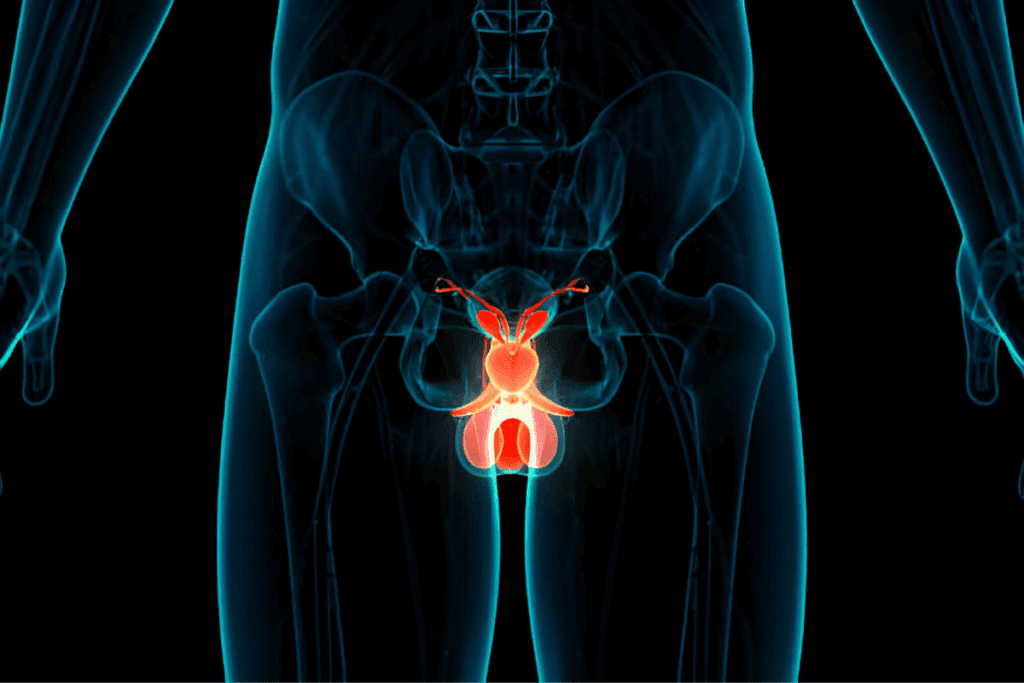
Getting ready for robotic prostate surgery means taking a few key steps. One of these is making sure your bowel is clean. A clean bowel can really help avoid problems during the surgery. Bowel prep is more than just a routine; it’s essential for a good outcome.
.
Starting to get ready for surgery can feel overwhelming. But with the right help, you can feel more ready. We aim to guide you through bowel prep. We’ll show you why it’s important and how to do it right for a smooth surgery.
Key Takeaways
- Understanding the importance of bowel prep for a successful surgery
- Steps to follow for effective bowel preparation
- Tips for managing bowel prep and reducing discomfort
- What to expect during the recovery period
- Guidance on foods to avoid after surgery
Why Bowel Preparation Is Critical for Prostate Surgery
Prostate surgery needs careful preparation, with bowel prep being key. The success of the surgery depends on how well the bowel is prepared. This affects the whole outcome of the procedure.
The Anatomical Relationship Between Prostate and Bowel
The prostate gland is near the rectum, part of the bowel. This is important because during prostate surgery, like a robotic prostatectomy, the surgeon must work around the bowel. Good bowel prep makes the surgery safer by keeping the bowel empty and clean.
Risks of Inadequate Bowel Preparation
Bad bowel prep can cause problems during prostate surgery. If the bowel isn’t clean, there’s a higher chance of infection and other issues. Also, a full bowel can block the surgeon’s view, making the surgery harder. Studies show that good bowel prep can lower these risks, leading to better surgical outcomes.
| Risks | Consequences | Prevention |
| Infection | Post-surgical complications, prolonged recovery | Proper bowel preparation |
| Obstructed View | Difficulty during surgery, possible errors | Adequate bowel cleansing |
| Bowel Injury | Severe complications, need for more surgery | Clear bowel prep, skilled surgeon |
How Proper Preparation Improves Surgical Outcomes
Good bowel prep cuts down risks in prostate surgery and boosts surgical outcomes. A clean, empty bowel lets surgeons work more precisely. This is key in robotic prostatectomy, where accuracy is essential.
Understanding Robotic Prostate Surgery Requirements
Robotic prostate surgery is a complex procedure that needs careful preparation, including a clean bowel. This method has changed how we treat prostate cancer. It offers a less invasive option with fewer complications and quicker recovery times.
How Robotic Prostatectomy Procedures Work
Robotic prostatectomy uses a robotic system for precise surgery. The system lets surgeons control tiny instruments inside the body. This helps avoid damaging nerves and blood vessels, which can reduce side effects like incontinence and impotence.
The surgery starts with small ports in the abdomen for the robotic arms. The surgeon controls these arms from a console, using 3D vision. This technology improves the surgery, helping patients with robotic surgery for prostate cancer.
Why Clean Bowels Are Essential for Robotic Techniques
A clean bowel is key to robotic prostatectomy success. Feces can block the surgeon’s view and increase risks. A clean bowel helps avoid these problems, making the surgery smoother.
Also, a clean bowel makes the surgery faster and lowers infection risks. This shows how important clean bowels are in robotic surgery. Patients must follow their bowel prep instructions carefully.
Surgeon’s Perspective on Bowel Preparation
For surgeons, bowel prep is vital, not just routine. A clean bowel makes the surgery easier and more successful. It helps surgeons see better and work more precisely.
Surgeons say it’s important to follow the bowel prep plan given. This plan varies based on the patient and the surgery. By doing so, patients help make the surgery simpler and less complicated.
Timeline: When to Begin Bowel Prep Before Surgery
Getting your bowels ready for prostate surgery needs a careful plan. Knowing when to start is key to a smooth surgery and the best results.
One Week Before: Initial Dietary Modifications
Start changing your diet a week before surgery. Move to foods that are easy to digest and won’t cause bowel residue. Increasing fiber intake helps clean your bowels.
Good foods to eat include:
- Fruits without seeds or skin
- Vegetables that are well-cooked
- Lean proteins like chicken or fish
Three Days Before: Transitioning to Low-Residue Foods
Three days before, switch to low-residue foods. These foods leave little residue, making the surgery cleaner and more efficient.
| Food Category | Recommended Foods | Foods to Avoid |
| Fruits | Applesauce, bananas | Berries, raw apples |
| Vegetables | Well-cooked carrots, green beans | Broccoli, cauliflower |
24-48 Hours Before: Clear Liquid Diet Phase
24 to 48 hours before surgery, start a clear liquid diet. These liquids are easy to digest and don’t leave residue.
Clear liquids include:
- Clear broths
- Electrolyte-rich beverages like sports drinks
- Clear juices without pulp
Final Hours: Complete Fasting Requirements
In the last hours before surgery, you must fast completely. This makes sure your bowels are empty, helping the surgical team.
Dietary Guidelines for Effective Bowel Preparation
Understanding the right foods before prostate surgery is key. A good diet helps clean your bowels well. This reduces surgery risks.
Foods to Completely Avoid Before Prostate Surgery
Some foods can make it harder to prepare your bowels. They can also increase surgery risks. Stay away from:
- High-fiber foods such as nuts, seeds, and raw vegetables.
- Fiber-rich fruits like berries and dried fruits.
- Whole grains, including brown rice, quinoa, and whole-wheat bread.
- Legumes such as beans, lentils, and peas.
By avoiding these, you reduce bowel residue. This makes surgery easier.
Recommended Foods During Preparation Week
For the week before surgery, eat:
- Low-fiber foods like white bread, refined pasta, and cooked vegetables.
- Lean proteins such as chicken, fish, and eggs.
- Clear broths and electrolyte-rich beverages.
These foods are easy to digest. They keep your nutrition up during prep.
Clear Liquid Options and Their Benefits
Clear liquids are great for prep. They’re gentle on your stomach and keep you hydrated. Good, clear liquids include:
- Water
- Clear broths
- Electrolyte-rich beverages like sports drinks
- Clear juices such as apple or grape juice
These liquids clean your bowels well. They don’t cause discomfort or dehydration.
Maintaining Nutrition and Hydration During Prep
Even on a clear liquid diet, some nutrition is important. We suggest:
- Choosing nutrient-rich, clear liquids when you can.
- Avoiding too much fasting to prevent dehydration and nutrient loss.
- Follow your surgeon’s specific dietary instructions tailored to your needs.
By managing your diet and staying hydrated, you can have a smoother surgery and recovery.
Bowel Cleansing Medications and Solutions
It’s important for patients getting prostate surgery to know about bowel cleansing meds. Preparing the bowel is key to avoiding complications during surgery.
Prescription Laxatives: GoLYTELY, MoviPrep, and Others
Doctors often prescribe laxatives for bowel prep before prostate surgery. GoLYTELY and MoviPrep are top choices. They make you have diarrhea to clean your bowel. Always follow your doctor’s instructions for the best results.
GoLYTELY is a mix of polyethylene glycol with water, taken over time. MoviPrep is split into two doses, one the night before and the other the morning of surgery.
“The use of bowel prep solutions like GoLYTELY and MoviPrep has become standard practice in preparing patients for colorectal and other related surgeries,” says a gastroenterologist. “These solutions are effective in cleansing the bowel, reducing the risk of surgical complications.”
Over-the-Counter Options: When and How to Use
There are also OTC laxatives for bowel prep. Magnesium citrate and bisacodyl are examples. But always check with your doctor first.
Talk to your doctor before using OTC laxatives. They need to make sure they’re safe for you and won’t affect your surgery or other meds.
| Bowel Prep Solution | Type | Administration |
| GoLYTELY | Prescription | Consumed over a specified period |
| MoviPrep | Prescription | Split-dose: evening before and morning of surgery |
| Magnesium Citrate | OTC | Consumed as directed |
Split-Dose vs. Single-Dose Preparation Methods
There are different ways to prepare for bowel prep. Some need a split-dose, like MoviPrep. Others prefer a single dose.
A single dose means drinking the whole solution at once, usually the night before. This can be hard for some because of the volume.
Managing Side Effects of Bowel Prep Solutions
Bowel prep solutions can cause side effects like bloating and nausea. Drinking clear liquids helps manage these issues.
If side effects are bad, contact your doctor. They can adjust your prep or offer support.
Step-by-Step Bowel Preparation Process
Getting ready for a robotic prostatectomy means knowing the bowel prep steps. This makes sure your bowels are clean and ready for surgery. It helps avoid any problems during the operation.
Creating a Comfortable Environment for Prep
First, make your prep area comfy. Have clear liquids ready, be close to the bathroom, and have something to distract you. Being comfortable is important during this time.
Timing Your Preparation for Optimal Results
Timing is key for bowel prep. Your doctor will tell you when to start, usually a day or two before surgery. It’s important to stick to this plan. Following the schedule is essential for good prep.
What to Expect During the Cleansing Process
Expect to go to the bathroom a lot during cleansing. You might feel some discomfort or bloating. Drinking clear liquids can help with these feelings. Drinking water is very important.
“The bowel preparation process is a critical step in preparing for prostate surgery. By following the instructions carefully and staying hydrated, patients can help ensure a smooth and successful surgical experience.”
How to Know When Your Bowel Prep is Complete
Your prep is done when your stool is clear or light yellow. This means your bowels are clean and ready for surgery. If you’re unsure, always talk to your doctor.
- Ensure you follow the prescribed bowel preparation regimen.
- Stay hydrated with clear liquids.
- Be near a bathroom at all times during the preparation.
- Contact your doctor if you experience severe discomfort or concerns.
By following these steps and knowing what to expect, you can go through the bowel prep easily and confidently.
Additional Pre-Surgery Preparations
Getting ready for prostate surgery is more than just cleaning your bowels. It’s about making sure you’re healthy and safe overall. As your surgery date gets closer, there are many other things to do to make sure everything goes well.
Medication Adjustments Before Surgery
Changing your medications is a key part of getting ready for surgery. Some medicines, like blood thinners, can make bleeding more likely. We’ll tell you which ones to stop or change and when to start them again. It’s very important to follow these directions to stay safe. Always talk to your doctor before changing your medicines.
Skin Preparation Requirements
Cleaning your skin well is important to avoid infections. You’ll need to wash with special soap the day before or the day of your surgery. This soap helps lower the number of bacteria on your skin, making infections less likely. Be sure to follow the soap’s instructions carefully.
Showering Instructions with Antimicrobial Soap
When using the special soap, focus on the area where you’ll be operated. Clean this area as the soap label says. Don’t use lotions, creams, or powders after washing, as they can block the soap’s effect.
Transportation and Support Person Arrangements
On surgery day, plan how you’ll get home safely. You won’t be able to drive because of the anesthesia. Have a family member or friend drive you and stay with you for 24 hours. They can also help with your medicine and watch your health.
By following these steps, you can make your surgery and recovery easier. If you have any questions or worries, talk to your healthcare team.
Recovery and Bowel Function After Prostatectomy
Recovering from prostatectomy involves getting back to normal bowel function. Knowing what to expect can make the process easier for patients.
Timeline for Returning to Normal Bowel Function
The time it takes for bowel function to return to normal varies. Most patients see improvements in a few weeks after surgery. But some may face longer-lasting changes.
It’s key to listen to your doctor’s advice during this time. Keeping a healthy diet and staying hydrated are important for recovery.
Post-Surgery Diet Progression
A good diet is vital after prostate surgery. You’ll start with a clear liquid diet and then move to solid foods as you heal.
- Begin with clear liquids like broth and water.
- Then, add soft, easy-to-digest foods.
- Avoid spicy or high-fiber foods that can upset your stomach.
Managing Common Bowel Issues After Surgery
Some patients face bowel problems like constipation or diarrhea after prostatectomy. Staying hydrated and eating a balanced diet can help manage these issues.
If bowel problems don’t go away, it’s important to talk to your healthcare provider for specific advice and treatment.
When to Contact Your Doctor About Post-Surgical Bowel Problems
While some bowel changes are normal after surgery, some symptoms need medical attention. Call your doctor if you have:
- Severe abdominal pain.
- Persistent constipation or diarrhea.
- Blood in your stool.
Your healthcare team is there to support you. They will help address any complications quickly.
Conclusion
Thorough bowel preparation is key to a successful robotic prostate surgery. By understanding its importance and following guidelines, you’re on the right path. This ensures a smooth surgery and recovery.
Robotic prostatectomy needs careful preparation for the best results. We’ve discussed dietary guidelines, bowel cleansing, and other pre-surgery steps. Following these, you’ll be ready for your surgery and recovery.
Recovery from prostatectomy is a healing and adjustment period. By following a post-surgery diet and managing bowel issues, you’ll get back to normal quickly. Always stay informed and follow your doctor’s advice for a successful recovery.
FAQ
What is bowel preparation, and why is it necessary for prostate surgery?
Bowel preparation cleanses the bowel for prostate surgery. It makes the surgical site clear. This reduces risks and improves outcomes.
How do I prepare my bowel for prostate surgery?
Start with dietary changes a week before surgery. Then, follow a clear liquid diet. Use bowel cleansing meds as your doctor directs.
What foods should I avoid before prostate surgery?
Avoid high-fiber foods, seeds, nuts, and raw veggies. Eat low-residue foods and clear liquids as your doctor advises.
Can I have sex before prostate surgery?
Your doctor will tell you when to stop sexual activity before surgery.
What are the benefits of robotic prostate surgery?
Robotic surgery has smaller incisions, less blood loss, and quicker recovery. It’s better than traditional surgery.
How long does it take to recover from prostate surgery?
Recovery varies, but most men can resume normal activities in a few weeks. Bowel function usually returns in a few days to a week.
What should I expect during the bowel cleansing process?
Expect frequent bowel movements as the meds work. Stay hydrated and follow your doctor’s instructions.
Can I take laxatives before surgery?
Yes, but only as your doctor advises. They will guide you on the right meds and how to use them.
How do I manage bowel issues after prostate surgery?
Issues like constipation or diarrhea are common. Your doctor will help with dietary changes and meds.
When should I contact my doctor about post-surgical bowel problems?
Contact your doctor for persistent or severe bowel issues like constipation, diarrhea, or pain.
Can I ejaculate after prostate removal?
After surgery, you won’t ejaculate semen because the prostate and seminal vesicles are removed. But you may have an orgasm.
What is the cost of robotic prostate surgery?
Costs vary by location, hospital, and insurance. Talk to your doctor and insurance to get a clear estimate.
Do I need to shave before prostate surgery?
Your doctor will tell you about skin preparation, which might include shaving or using special soap.
Reference
- Karaören, G. Y., Bakan, N., Yürük, C. T., & Çetinkaya, A. O. (2015). Effects of bowel preparation and fluid restriction in robot-assisted radical prostatectomy patients. Turkish Journal of Anaesthesiology and Reanimation, 43(2), 82-89. https://pmc.ncbi.nlm.nih.gov/articles/PMC4917149/