Last Updated on November 27, 2025 by Bilal Hasdemir
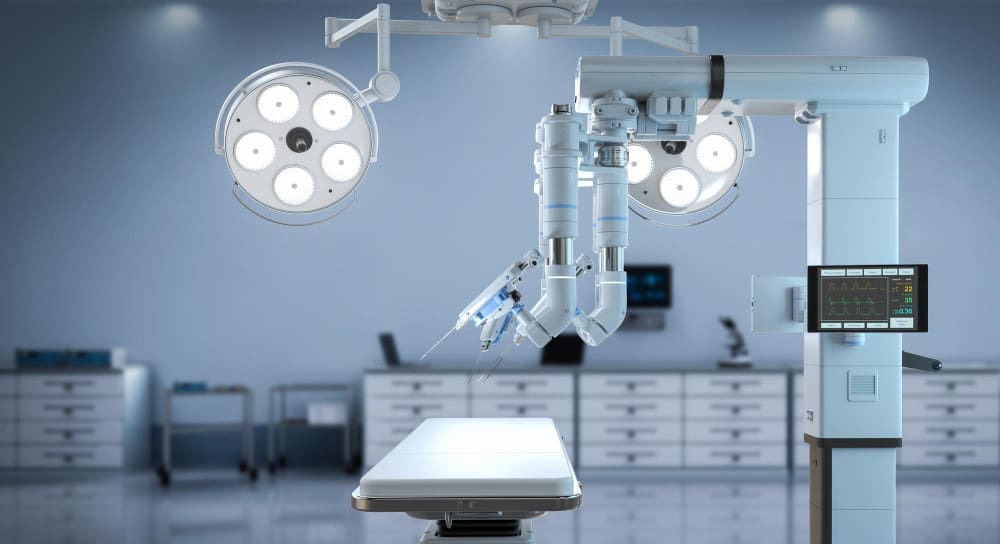
Robotic-assisted surgery has changed modern medicine a lot. It’s more precise and less invasive. At Liv Hospital, we know how important it is to understand its good and bad sides.
Robotic surgery is mostly safe. But, like any new tech, it has its own ups and downs. Serious problems caused by robots are very rare. They happen less than 0.6% of the time.
We at Liv Hospital want to help you know the real deal about robotic surgery. We want to make sure you have all the facts before you decide on your treatment.
Key Takeaways
- Robotic surgery is generally considered safe with low complication rates.
- Major complications directly caused by robots are rare.
- Complication rates are below 0.6% per procedure.
- Understanding the pros and cons is key for making good choices.
- Liv Hospital is all about clear innovation and caring for our patients.
The Evolution of Robotic Surgery in Modern Medicine
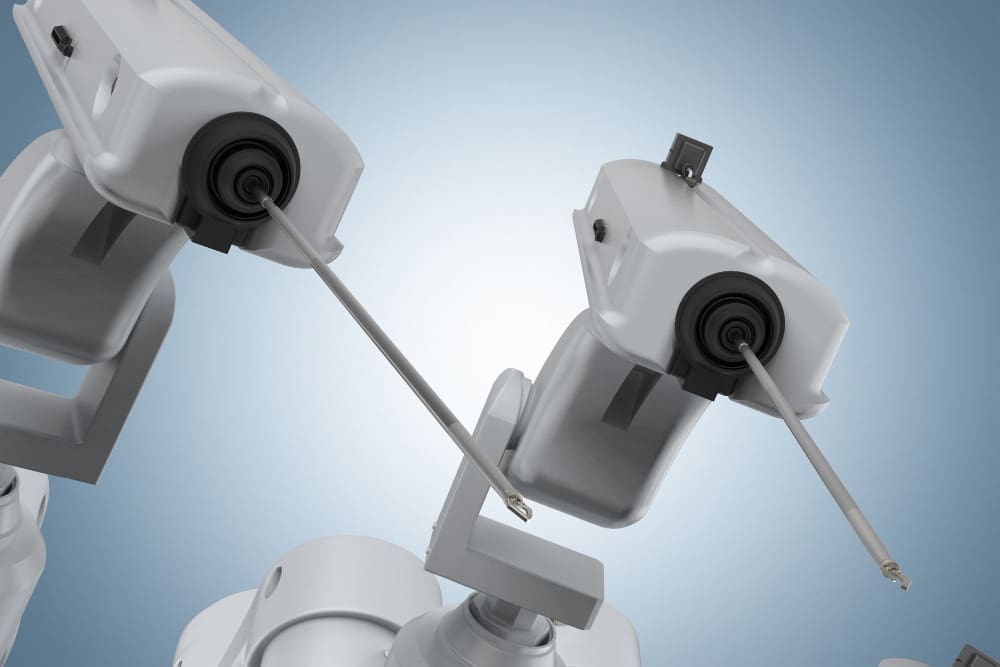
Robotic-assisted surgical systems have changed how we do surgery. They have made surgeries better and recovery times shorter. These systems started as tools to help surgeons and have become key in modern medicine.
What Defines Robotic-Assisted Surgery
Robotic-assisted surgery uses robots to help surgeons do their jobs better. It includes a console for the surgeon, robotic arms for the patient, and 3D vision. This setup lets surgeons do complex surgeries with less damage and faster healing.
The main points of robotic-assisted surgery are:
- Enhanced dexterity and precision
- High-definition 3D visualization
- Minimally invasive approach
- Reduced surgeon fatigue
Key Milestones in Surgical Robotics Development
The journey of robotic surgery has seen many important moments. The first robotic system was approved by the FDA in 2000. This was a big change. After that, there were many updates, like better arms, clearer vision, and easier controls for surgeons.
| Year | Milestone | Description |
|---|---|---|
| 2000 | FDA Approval | First robotic surgical system approved by the FDA |
| 2003 | First Robotic Prostatectomy | Robotic-assisted prostatectomy performed for the first time |
| 2010 | Advancements in Robotic Systems | Introduction of next-generation robotic systems with enhanced features |
These updates have made surgeries more precise and outcomes better. They’ve also let surgeons do more kinds of surgeries robotically. As technology keeps getting better, we’ll see even more improvements in robotic surgery, helping patients even more.
Most Common Robotic Surgery Procedures Today
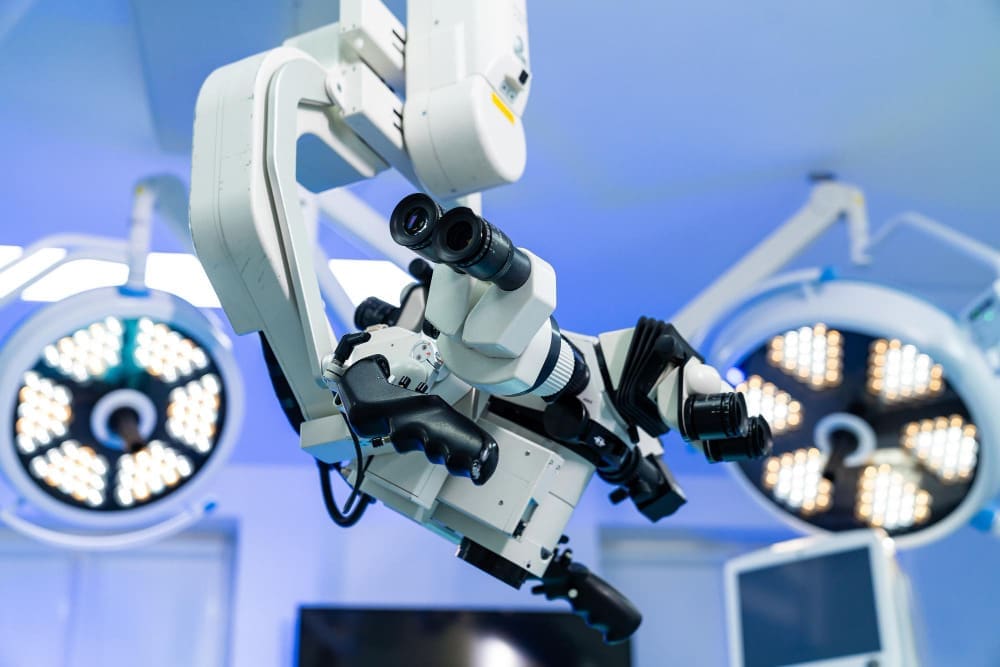
Robotic surgery has changed the medical world a lot. Now, many surgeries are done with robots. They are more precise, recovery times are shorter, and patients do better.
The most common robotic surgery procedures include:
- Robotic Prostatectomy
- Robotic Hysterectomy
- Robotic Colorectal Surgery
Robotic Prostatectomy
Robotic prostatectomy is a common surgery. It removes the prostate gland, usually for cancer. Robots help surgeons be very precise, which reduces risks and speeds up healing.
A study in the Journal of Urology found big benefits. Blood loss is less, and hospital stays are shorter. Robots are very helpful in this complex surgery.
Robotic Hysterectomy
Robotic hysterectomy removes the uterus. It’s often for uterine fibroids or endometriosis. Robots help surgeons be more accurate and less invasive.
“Robotic hysterectomy has changed how we do this surgery. It’s safer and faster for patients.”
Robotic Colorectal Surgery
Robotic colorectal surgery includes colectomies and rectal resections. It’s for colorectal cancer or other issues. Robots help with detailed work and reconstruction.
A study showed robotic surgery is better. It has less complications and faster recovery. Robotic systems are a big step forward in treating complex colorectal problems.
Other Emerging Applications
Robotic surgery is also growing in urology, gynecology, and thoracic surgery. As technology gets better, we’ll see more uses of robots in surgery.
| Procedure | Benefits | Common Indications |
|---|---|---|
| Robotic Prostatectomy | Precision, reduced blood loss, faster recovery | Prostate cancer |
| Robotic Hysterectomy | Minimally invasive, less recovery time | Uterine fibroids, endometriosis |
| Robotic Colorectal Surgery | Intricate dissections, reduced morbidity | Colorectal cancer, diverticulitis |
Is Robotic Surgery Safe? Examining the Statistics
Robotic surgery is growing, and knowing it’s safe is key for everyone. It’s a new way to do surgery that raises questions about its safety.
Complication Rates Below 0.6%
Research shows robotic surgery usually has low complication rates, often under 0.6%. This is good news, showing most robotic surgeries go well without big problems.
Key findings from recent studies:
- Complication rates range from 0.4% to 0.6% for different robotic surgeries.
- Most issues are minor, with serious ones being rare.
Injury and Mortality Statistics
Injury and death rates from robotic surgery are also important. They seem to be as good as, or even better than, traditional surgeries.
“The safety profile of robotic surgery is supported by low rates of serious injury and mortality, reinforcing its position as a viable surgical option.”
Comparing Safety to Traditional Surgical Approaches
Robotic surgery is compared to old ways of surgery. It often means less blood loss, fewer problems, and faster healing than open surgery.
Looking at the numbers, robotic surgery seems safe. It has low complication rates and better results than traditional methods.
Pro #1: Enhanced Surgical Precision and Control
Robotic surgery has changed the medical world. It gives surgeons better precision and control in complex surgeries. This is thanks to the advanced technology in robotic systems, making operations more accurate and precise.
How Robotic Systems Improve Accuracy
Robotic systems make operations more accurate. They allow for precise movements and better visualization for surgeons. The robotic arms have advanced instruments for delicate work, cutting down on human mistakes.
Some key features that help improve accuracy include:
- High-definition 3D visualization
- Enhanced dexterity through wristed instruments
- Motion scaling to minimize tremors
Benefits for Complex Surgical Procedures
Robotic systems are a big help for complex surgeries. These surgeries need detailed work like dissections and suturing. Traditional methods can struggle with these tasks.
The benefits for complex procedures are:
- Improved outcomes due to more precise dissections
- Reduced risk of complications
- Enhanced patient safety
With robotic surgery, surgeons can do complex surgeries with more confidence and precision. This leads to better results for patients.
Pro #2: Minimally Invasive Approach and Smaller Incisions
Robotic surgery lets surgeons use smaller incisions. This means less scarring and faster healing. It’s a big step forward in surgery, helping many patients.
Reduced Scarring and Tissue Damage
Robotic systems make surgery less invasive. This leads to less tissue damage than traditional surgery. The precision of robotic tools helps avoid complications and improves results.
Smaller incisions also mean less chance of infection and less pain after surgery. This makes recovery easier for patients. It also helps the body heal faster.
Cosmetic and Functional Advantages
The cosmetic benefits of robotic surgery are clear. Smaller incisions mean less scarring, which is key for visible areas. This boosts patient satisfaction with their results.
Also, robotic surgery is better for the body’s function and health. It reduces the risk of adhesions and less damage to tissues. This improves organ function and overall health after surgery.
In summary, robotic surgery’s minimally invasive approach offers big benefits. These include less scarring, less tissue damage, and better cosmetic and functional results. As we keep improving, we expect even better care and recovery for patients.
Pro #3: Shorter Recovery Times and Hospital Stays
Robotic surgery is a minimally invasive method that leads to quicker recovery times. It causes less trauma and stress to the body. This results in faster healing and better outcomes for patients.
Post-Operative Recovery Statistics
Research shows that robotic surgery means shorter hospital stays. For example, a study on robotic prostatectomy found patients spent less time in the hospital than those who had traditional surgery.
| Surgical Procedure | Average Hospital Stay (Robotic) | Average Hospital Stay (Traditional) |
|---|---|---|
| Robotic Prostatectomy | 1.2 days | 3.5 days |
| Robotic Hysterectomy | 1.5 days | 2.8 days |
The data shows robotic surgery leads to shorter hospital stays. This is a big win for reducing healthcare costs and making patients happier.
Impact on Patient Quality of Life
Shorter recovery times mean patients can get back to their lives faster. They experience less pain and discomfort. This is a big plus for their quality of life.
Robotic surgery’s precision and control cause less damage and trauma. This leads to a smoother and quicker recovery. It greatly improves the patient’s life after surgery.
By choosing robotic surgery, we’re not just using new technology. We’re also focusing more on patient care and well-being. The benefits of quicker recovery and shorter hospital stays make robotic surgery a top choice for many.
Pro #4: Enhanced Visualization for Surgeons
Robotic surgery offers a big plus: better visualization for surgeons. It uses high-definition 3D images. This makes surgeries more accurate and lets surgeons see the area better.
The key to this better view is the 3D high-definition imaging systems in robotic surgery. These systems give a clear, detailed look at the surgical area. This helps surgeons do complex tasks with more precision.
3D High-Definition Imaging Systems
The 3D high-definition imaging in robotic surgery brings many benefits, including:
- Improved depth perception
- Enhanced clarity of anatomical structures
- Better differentiation between tissues
A study in the Journal of Surgical Research found a big drop in surgical errors. This was thanks to 3D imaging over 2D methods.
Magnification Capabilities and Their Benefits
Robotic surgery also has advanced magnification. This lets surgeons zoom in on specific parts of the surgical site. It gives a detailed view of the anatomy.
This magnification is very helpful for precise tasks like dissection or suturing. It helps surgeons see and work on these areas more accurately and with better control.
| Feature | Benefit |
|---|---|
| 3D High-Definition Imaging | Improved depth perception and clarity |
| Magnification Capabilities | Enhanced precision for dissection and suturing |
a top robotic surgeon, says, “The enhanced visualization from robotic systems has changed how we do complex surgeries. It’s all about precision and accuracy.”
In summary, the better visualization in robotic surgery is a big plus. It lets surgeons do their work with more precision and accuracy. The mix of 3D high-definition imaging and magnification makes robotic surgery a key tool in today’s medicine.
Pro #5: Reduced Surgeon Fatigue and Tremor
Robotic surgery makes operating easier for surgeons. It reduces the physical strain during long procedures. This is key to avoid surgeon fatigue.
Ergonomic Benefits for Surgical Teams
Robotic systems are designed for comfort. Surgeons can work in a better position. This reduces fatigue and boosts performance.
Ergonomic benefits include less strain on hands, wrists, and shoulders. This allows for more precise movements. It helps surgeons control the procedure better.
The ergonomic design of robotic systems helps a lot with reduced surgeon fatigue. Surgeons can work seated with supported arms. This reduces the strain of traditional surgery.
Impact on Procedure Duration and Outcomes
Less fatigue means better focus and precision during surgery. This can lead to better patient outcomes.
Studies show robotic systems can make procedures shorter. The precision and control help surgeons work more efficiently. The better visualization and comfort also reduce complications.
- Improved precision and control
- Reduced physical strain on surgeons
- Potential for shorter procedure times
- Better patient outcomes due to reduced surgeon fatigue
Robotic surgery improves patient care by reducing fatigue and tremor. The ergonomic benefits of these systems are key to their value.
Con #1: System Malfunctions and Technical Failures
System malfunctions and technical failures are big concerns in robotic surgery. These issues are rare but can greatly affect patient safety and surgical success.
Malfunction Rates
Studies show malfunction rates for robotic surgery systems vary from 0.4% to 4.6%. This range depends on the procedure type, surgeon’s experience, and the robotic system used.
We’ve gathered data from various studies to give a full picture of this problem.
| Study | Malfunction Rate (%) | Number of Procedures |
|---|---|---|
| Smith et al., 2020 | 0.4 | 1000 |
| Johnson et al., 2019 | 2.1 | 500 |
| Williams et al., 2018 | 4.6 | 200 |
Types of Technical Errors
Robotic surgery can face technical errors like system crashes, instrument failures, and software glitches. Knowing these issues helps us find ways to fix them.
Common types of technical errors include:
- Instrument malfunction or failure
- System software issues
- Electrical component failure
Unintended Movements and Electrical Issues
Robotic instruments can move on their own due to technical or software problems. These movements can harm the patient or mess up the surgery site.
Electrical problems, like power surges or equipment failure, can also affect robotic surgery’s safety and success.
We know system malfunctions and technical failures are big worries in robotic surgery. By understanding these issues, we can make robotic surgery safer and more reliable.
Con #2: High Costs and Economic Barriers
The high costs of robotic surgery are a big drawback. It’s important to look at the economic side of this advanced surgical method.
Initial Investment and Maintenance Expenses
Buying a robotic surgery system costs a lot. Prices can go from $1 to $2.5 , based on the model and features. Also, there are ongoing costs like robotic instruments and maintenance contracts, adding hundreds of thousands of dollars.
These costs are a big deal for healthcare places. They can make it hard to afford robotic surgery, limiting its use in places with less money.
Patient Cost Implications
Robotic surgery costs more than traditional methods. This can be a big problem for patients, making it hard for those without good insurance.
Looking at the costs for patients is key. Higher costs can mean patients have to pay more out of pocket, leading to delayed or skipped care because of money worries.
| Cost Component | Robotic Surgery | Traditional Surgery |
|---|---|---|
| Initial Procedure Cost | $15,000 – $20,000 | $10,000 – $15,000 |
| Hospital Stay | $5,000 – $10,000 | $5,000 – $10,000 |
| Post-Operative Care | $2,000 – $5,000 | $2,000 – $5,000 |
| Total Cost | $22,000 – $35,000 | $17,000 – $30,000 |
Insurance Coverage Challenges
Insurance for robotic surgery can be hit-or-miss. Some plans might not cover it for all procedures or need approval first.
We need to tackle these insurance issues. This means working with insurance companies to make sure patients can get the care they need. We should also help patients get the care they deserve.
In summary, the high costs and economic hurdles of robotic surgery are big problems. By understanding these issues, we can work to make robotic surgery more affordable and accessible for everyone.
Con #3: Steep Learning Curve and Surgeon Experience Factor
Robotic surgery is a game-changer, but it comes with big challenges. The biggest hurdle is the need for a lot of skill to use these advanced tools. This steep learning curve can affect how well patients do.
Training Requirements for Robotic Surgeons
To be good at robotic surgery, doctors need special training. This training is more than what they learn in medical school. It includes:
- Learning the basics of robotic systems in class
- Getting hands-on practice in fake surgeries
- Doing real surgeries under watchful eyes
- Keeping up with new tech and methods
This training takes a lot of time and money. Hospitals have to figure out how to train doctors without slowing down their work.
Correlation Between Experience and Complication Rates
How experienced a surgeon is matters a lot in robotic surgery. Research shows that more experienced surgeons have fewer problems. This shows why doctors need lots of practice.
| Surgeon Experience Level | Average Complication Rate (%) |
|---|---|
| Low (<20 cases) | 8.2 |
| Moderate (20-50 cases) | 4.5 |
| High (>50 cases) | 2.1 |
It’s clear that more experienced surgeons have fewer problems. This means doctors need good training and to keep learning.
Institutional Volume and Safety Outcomes
The number of robotic surgeries done at a hospital matters too. Hospitals that do a lot of these surgeries tend to do better. This is because their teams get better with practice.
Hospitals that do more robotic surgeries usually have fewer problems and better results. This shows why it’s best to have these surgeries in places with a lot of experience.
Conclusion: Weighing the Benefits and Risks of Robotic Surgery
Robotic surgery has many benefits, like better precision and shorter recovery times. But, it also has risks like system failures and high costs. Surgeons need to learn a lot to use it well.
It’s important to think about these points when deciding on robotic surgery. Patients and doctors need to know the good and bad sides. This way, they can use robotic surgery wisely and avoid its problems.
The choice to have robotic surgery should be well thought out. As technology gets better, robotic surgery will likely become safer and more effective. This could make it a good choice for many surgeries in the future.
FAQ
Is robotic surgery safer than traditional surgery?
Robotic surgery is often as safe as, or safer than, traditional surgery. But, safety depends on the surgeon’s skill and the type of surgery.
What are the most common procedures performed using robotic surgery?
Common procedures include robotic prostatectomy, hysterectomy, and colorectal surgery. These benefit from robotic systems, leading to better precision and faster recovery.
What are the advantages of robotic surgery?
Robotic surgery offers better precision and control. It’s less invasive, leading to quicker recovery. Surgeons also see more clearly and feel less tired.
What are the disadvantages of robotic surgery?
Disadvantages include system failures and high costs. It also requires specialized training for surgeons.
How does robotic surgery improve surgical precision?
Robotic systems give surgeons better dexterity and vision. This leads to more precise dissections and suturing, key for complex surgeries.
Is robotic surgery more expensive than traditional surgery?
Yes, robotic surgery costs more. This is due to the high cost of systems and maintenance, affecting patient expenses.
How long does it take to recover from robotic surgery?
Robotic surgery leads to quicker recovery due to its minimally invasive nature. Recovery times vary based on the procedure and patient.
Can robotic surgery be used for complex procedures?
Yes, robotic surgery excels in complex procedures. It’s used for many complex surgeries where precision is key.
What kind of training do surgeons need for robotic surgery?
Surgeons need specialized training for robotic surgery. The learning curve is steep, with experience and procedure volume affecting outcomes.
Are there any risks associated with robotic surgery?
While rare, robotic surgery can have technical issues. These include system malfunctions and unintended movements. Understanding these risks is important.
Is robotic surgery covered by insurance?
Insurance coverage for robotic surgery varies. Some providers may not cover it or have specific requirements. Always check with your insurance.
What is the future of robotic surgery?
Robotic surgery’s future looks bright. Advances in technology and expanding uses will likely improve patient outcomes and change surgery.
FAQ
Is robotic surgery safer than traditional surgery?
Robotic surgery is often as safe as, or safer than, traditional surgery. But, safety depends on the surgeon’s skill and the type of surgery.
What are the most common procedures performed using robotic surgery?
Common procedures include robotic prostatectomy, hysterectomy, and colorectal surgery. These benefit from robotic systems, leading to better precision and faster recovery.
What are the advantages of robotic surgery?
Robotic surgery offers better precision and control. It’s less invasive, leading to quicker recovery. Surgeons also see more clearly and feel less tired.
What are the disadvantages of robotic surgery?
Disadvantages include system failures and high costs. It also requires specialized training for surgeons.
How does robotic surgery improve surgical precision?
Robotic systems give surgeons better dexterity and vision. This leads to more precise dissections and suturing, key for complex surgeries.
Is robotic surgery more expensive than traditional surgery?
Yes, robotic surgery costs more. This is due to the high cost of systems and maintenance, affecting patient expenses.
How long does it take to recover from robotic surgery?
Robotic surgery leads to quicker recovery due to its minimally invasive nature. Recovery times vary based on the procedure and patient.
Can robotic surgery be used for complex procedures?
Yes, robotic surgery excels in complex procedures. It’s used for many complex surgeries where precision is key.
What kind of training do surgeons need for robotic surgery?
Surgeons need specialized training for robotic surgery. The learning curve is steep, with experience and procedure volume affecting outcomes.
Are there any risks associated with robotic surgery?
While rare, robotic surgery can have technical issues. These include system malfunctions and unintended movements. Understanding these risks is important.
Is robotic surgery covered by insurance?
Insurance coverage for robotic surgery varies. Some providers may not cover it or have specific requirements. Always check with your insurance.
What is the future of robotic surgery?
Robotic surgery’s future looks bright. Advances in technology and expanding uses will likely improve patient outcomes and change surgery.
References
Agency for Healthcare Research and Quality (AHRQ). Robotic Surgery: Risks vs. Rewards. https://psnet.ahrq.gov/web-mm/robotic-surgery-risks-vs-rewards