Last Updated on November 4, 2025 by mcelik
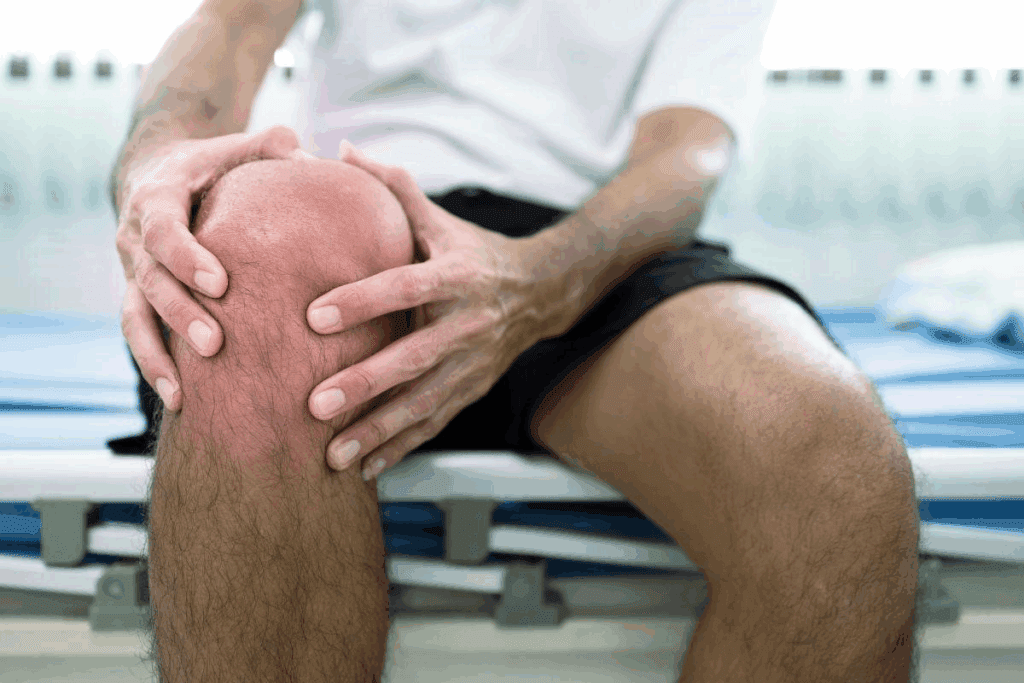
Bursitis affects millions of people worldwide, causing a lot of pain and discomfort. It happens when the bursae, fluid-filled sacs, get inflamed. These sacs cushion joints and reduce friction between bones and soft tissues. Many wonder if rubbing the affected area can help. Learn whether rubbing bursitis helps or worsens inflammation, and find safe massage alternatives for pain relief.
Rubbing bursitis is a topic of debate. Some say it can help reduce pain and inflammation. Others warn of possible risks. We’ll look into both sides, helping those looking for bursitis treatment and relief.
Key Takeaways
- Understanding bursitis and its impact on daily life.
- The possible benefits of rubbing bursitis for pain relief.
- The risks of rubbing bursitis.
- Other ways to find bursitis relief.
- When to get medical help for bursitis.
Understanding Bursitis: What Happens in Your Joints
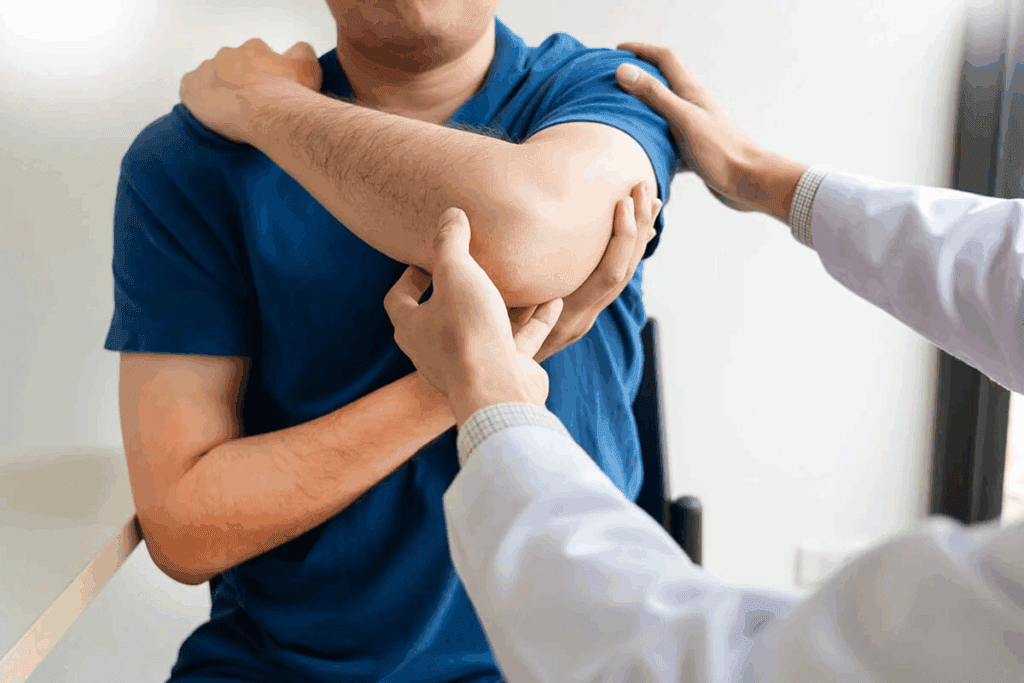
To grasp bursitis, we must first understand what bursae are and their role in our joints. Bursae are small, fluid-filled sacs that cushion bones, tendons, and muscles near joints. They reduce friction and help joints move smoothly.
What Are Bursae and Their Function
Bursae act as shock absorbers, protecting soft tissues around joints. They are found in areas where tendons, muscles, and bones meet, like the shoulders, hips, knees, and elbows. When bursae get inflamed or irritated, it leads to bursitis. This condition is marked by pain, swelling, and limited mobility.
Common Locations for Bursitis Development
Bursitis can happen in different parts of the body, but it often affects:
- Shoulders
- Hips
- Elbows
- Knees
These areas are more likely to experience repetitive motion and pressure. Knowing where bursitis commonly occurs helps in managing it better.
| Joint | Common Activities Causing Bursitis |
| Shoulder | Throwing, lifting, or repetitive overhead movements |
| Hip | Running, cycling, or direct trauma to the hip |
| Elbow | Leaning on the elbow, tennis, or golf |
Acute vs. Chronic Bursitis
Bursitis can be acute or chronic. Acute bursitis is a short-term condition caused by sudden injury or overuse. It leads to sudden pain and inflammation. Chronic bursitis involves long-term inflammation, often due to repetitive motion or prolonged pressure.
Knowing if you have acute or chronic bursitis is key to choosing the right treatment.
Common Causes and Risk Factors of Bursitis
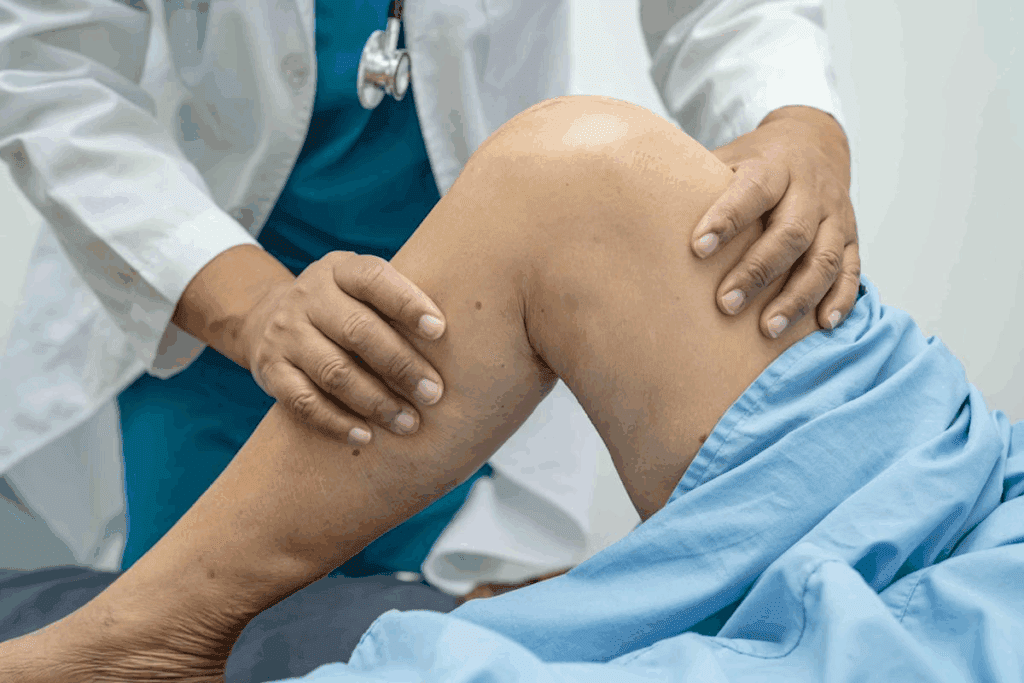
Bursitis can come from many things, like doing the same motion over and over, getting hurt directly, or having certain health issues. Knowing what causes it helps prevent and treat it better.
Repetitive Motion and Overuse Injuries
Doing the same thing over and over can lead to bursitis. This includes throwing, lifting, or kneeling a lot. Overuse injuries happen a lot in sports or jobs that need you to do the same thing a lot.
For example, tennis players might get bursitis in their elbows from serving and volleying. People who kneel a lot can get bursitis in their knees.
Direct Trauma and Pressure
Getting hurt or putting too much pressure on a bursa can cause bursitis. A fall or a hit to a joint can make the bursae inflamed. Also, leaning on elbows or kneeling for a long time can irritate the bursae and cause bursitis.
Jobs that involve putting pressure on joints, like carpet laying or plumbing, increase the risk of bursitis in the knees.
Medical Conditions That Increase Risk
Some health issues can make you more likely to get bursitis. Rheumatoid arthritis, gout, and thyroid disease are examples. These conditions can cause inflammation or changes in the body that affect the bursae.
Also, infections can cause bursitis, like septic bursitis. This is when the bursa gets infected and needs quick medical help.
Recognizing Bursitis Symptoms: When to Be Concerned
Typical Signs of Inflamed Bursae
Pain and tenderness are common signs of bursitis. These symptoms get worse with movement or pressure. The skin over the inflamed bursa might turn red and swollen and feel warm.
Also, you might find it hard to move or bend the affected area. This is because the inflamed bursa causes discomfort.
- Pain that worsens with movement or pressure
- Swelling and redness around the affected joint
- Warmth or tenderness to the touch
- Limited mobility or stiffness in the affected area
Differentiating Bursitis from Other Joint Conditions
Bursitis can be mistaken for arthritis or tendinitis because of similar symptoms. But, bursitis mainly affects the bursae. These are fluid-filled sacs that cushion joints and reduce friction.
A key difference is that bursitis causes more localized pain and swelling. Arthritis, on the other hand, can affect many joints and have systemic symptoms.
To diagnose bursitis, doctors use physical exams, medical history, and sometimes imaging tests like X-rays or MRI scans.
Warning Signs That Require Immediate Medical Attention
While bursitis can often be treated without surgery, some signs need immediate medical help. These include:
- Severe pain or swelling that doesn’t improve with rest
- Redness or warmth around the affected area that worsens over time
- Fever or chills, which could indicate an infection
- Significant difficulty moving the affected joint
- A history of recurrent bursitis or previous joint problems
If you notice any of these symptoms, seek medical care right away. This is to prevent complications and get the right treatment.
Rubbing Bursitis: The Science Behind Manual Therapy for Inflamed Joints
Manual therapy for bursitis works by mixing massage techniques with the body’s fight against inflammation. It’s seen as a helpful way to manage musculoskeletal issues.
How Massage Affects Inflamed Tissues
Massage therapy can help inflamed tissues in several ways. It boosts blood flow to the area, which may help reduce inflammation. It also eases pain and improves movement by breaking up muscle adhesions and relaxing muscles.
Key effects of massage on inflamed tissues include:
- Improved circulation
- Reduced muscle tension
- Enhanced removal of inflammatory mediators
Research on Manual Therapy for Bursitis
Studies have looked into how well manual therapy works for bursitis. They found it can help lower pain and improve function. But, results can differ based on the condition and massage technique used.
| Study | Findings |
| Smith et al., 2020 | Significant reduction in pain and improvement in function with manual therapy |
| Johnson et al., 2019 | Manual therapy combined with exercise showed better outcomes than exercise alone |
What Medical Professionals Recommend
“The integration of manual therapy into a treatment plan can significantly enhance bursitis management. It offers patients a more holistic care approach
Understanding the science behind manual therapy for bursitis helps doctors make better treatment plans. This can lead to better results for patients.
When Rubbing Bursitis Can Be Beneficial
Understanding when and how to use gentle massage can significantly alleviate symptoms of bursitis and enhance one’s quality of life.
Chronic vs. Acute Conditions: Different Approaches
It’s important to know the difference between chronic and acute bursitis. Acute bursitis comes on suddenly, with sharp pain and swelling. Chronic bursitis lasts longer, often from too much use or repetitive motion.
For acute bursitis, gentle massage is not good at first. But after the pain goes down, it can help heal and loosen up. For chronic bursitis, regular massage keeps the joint moving and eases pain.
Proper Techniques for Safe Massage
To safely massage bursitis, follow these steps:
- Begin with soft strokes, then add more pressure if needed.
- Work on the muscles around the bursa, not directly on it.
- Stay away from deep tissue methods that could make it worse.
- Use oil or cream to lessen friction.
Expected Benefits from Gentle Manipulation
Gentle massage can help with bursitis in many ways:
- It makes joints less stiff and more mobile.
- It eases pain by relaxing the muscles around it.
- It boosts blood flow, aiding in healing.
Understanding when and how to use gentle massage can significantly alleviate symptoms of bursitis and enhance one’s quality of life.
Situations When You Should Never Rub Bursitis
Understanding when and how to use gentle massage can significantly alleviate symptoms of bursitis and enhance one’s quality of life.
Acute Inflammation Warning Signs
When bursitis is in its acute phase, massage can make it worse. Look out for intense pain, swelling, redness, and warmth around the joint. Rubbing it can irritate the bursa, making inflammation and pain worse.
“Massage is not good when there’s acute inflammation,” doctors say. “Wait until the inflammation goes down before thinking about massage therapy.”
Infected Bursitis: Recognizing and Responding
Infected bursitis is another reason to avoid rubbing or massage. Watch for fever, chills, and a swollen, red, or warm bursa. Massage can spread the infection or push bacteria into other tissues.
If you think you have infected bursitis, get medical help right away. You might need antibiotics or other treatments to fight the infection.
When Massage Could Worsen Your Condition
Massage might not be good for all bursitis cases. For example, if bursitis is linked to conditions like rheumatoid arthritis, massage might not fix the problem. It could even make the joint more irritated.
- Severe bursitis with a lot of structural damage
- Bursitis caused by other medical issues that need special treatment
- When the bursa is very swollen or inflamed
Understanding when and how to use gentle massage can significantly alleviate symptoms of bursitis and enhance one’s quality of life.
Looking for ways other than rubbing to treat bursitis can lead to better solutions. Rubbing might give quick relief, but other methods can fix the real problem. This way, you can manage bursitis better in the long run.
RICE Method: Rest, Ice, Compression, Elevation
The RICE method is a proven way to handle bursitis. It includes:
- Rest: Stay away from activities that make it worse.
- Ice: Use ice packs to cut down on swelling.
- Compression: Wear compression bandages to lessen swelling.
- Elevation: Raise the affected limb to reduce blood flow and swelling.
This method works well in the early stages of bursitis. It helps reduce swelling and aids in healing.
Anti-inflammatory Approaches
It’s key to control inflammation when treating bursitis. Anti-inflammatory methods include:
- Using NSAIDs (Nonsteroidal Anti-Inflammatory Drugs) to lessen pain and swelling.
- Applying topical creams or gels with anti-inflammatory ingredients.
- In severe cases, corticosteroid injections might be suggested.
These methods can be used together with other treatments to boost their effectiveness.
Gentle Stretching and Movement Therapies
Gentle stretching and movement therapies are vital for keeping joints flexible and reducing stiffness from bursitis. Techniques include:
- Physical therapy exercises made for the affected joint.
- Gentle stretching to boost flexibility.
- Low-impact activities like swimming or cycling to keep joints moving without making the condition worse.
These therapies help manage bursitis and improve joint health overall.
Professional Treatment Options for Bursitis
There are many professional treatments for bursitis to help with symptoms and recovery. These methods aim to reduce swelling, ease pain, and improve joint function.
Physical Therapy Approaches
Physical therapy is key in treating bursitis. A physical therapist creates a custom exercise plan to strengthen muscles and improve joint movement. They might use ultrasound, heat, or cold therapy to lessen pain and swelling. Physical therapy is often a first-line treatment and can be very effective.
Medical Interventions: Medications and Injections
For some, medical treatments are needed for bursitis. Anti-inflammatory medications, like NSAIDs, can help with pain and swelling. Corticosteroid injections into the bursa can also provide quick relief from inflammation. These injections are used carefully due to possible side effects from long-term use.
Other medical treatments include draining the bursa to reduce pressure and swelling.
When Surgery Might Be Necessary
If other treatments don’t work, or if the bursitis is severe, surgery might be needed. Surgical options include removing the inflamed bursa or procedures to relieve pressure. Surgery is usually for chronic or recurring cases that haven’t responded to other treatments.
It’s important for patients to talk to a healthcare professional to find the best treatment. By exploring these options, people with bursitis can find relief and improve their life quality.
Self-Care Strategies for Managing Bursitis at Home
Bursitis can be tough to deal with, but there are ways to ease its symptoms at home. By using a mix of self-care strategies, you can lessen your pain and live better.
Creating an Effective Home Treatment Plan
To manage bursitis at home, start by assessing how severe it is. Then, set goals for getting better and pick the best self-care methods for you. Always talk to a healthcare professional for advice tailored to you.
A good home plan might include rest, ice or heat, and gentle exercises. For example, the RICE method (Rest, Ice, Compression, Elevation) is often used for acute bursitis.
Supportive Devices and Tools
Using supportive devices can help ease the pressure on your joints. For example, elbow or knee pads offer cushioning. Braces provide extra support and stability.
| Device/Tool | Purpose | Benefit |
| Elbow/Knee Pads | Cushioning and Protection | Reduces strain on joints |
| Braces | Support and Stability | Helps in proper healing |
| Orthotic Shoes | Proper Alignment | Reduces stress on lower limbs |
Lifestyle Modifications to Reduce Symptoms
Changing your lifestyle can also help manage bursitis symptoms. Keeping a healthy weight reduces joint stress. Using ergonomic practices at work and home is also key. Plus, regular, gentle exercise keeps joints moving.
- Maintain a healthy weight through a balanced diet and regular exercise.
- Adopt ergonomic practices to reduce strain on your joints.
- Engage in gentle exercises like yoga or swimming to improve joint mobility.
It’s also important to listen to your body and avoid activities that make your condition worse. By knowing your limits and taking proactive steps, you can manage your bursitis at home effectively.
Location-Specific Bursitis Treatment Approaches
Understanding where bursitis is located is key to treating it well. It can happen in the shoulder, hip, knee, or elbow. Each area needs a special treatment plan.
Shoulder Bursitis Management
Shoulder bursitis often comes from doing the same motion over and over or from a direct hit. Treatment usually includes rest, physical therapy, and anti-inflammatory steps. Physical therapy is important for keeping the shoulder moving and the muscles strong.
Here are some ways to manage shoulder bursitis:
- Gentle exercises to improve range of motion
- Strengthening exercises for the rotator cuff muscles
- Manual therapy techniques, such as massage and mobilization
Hip Bursitis Relief Strategies
Hip bursitis, like trochanteric bursitis, can hurt a lot on the outside of the hip. Treatment includes physical therapy and changes in how you live.
| Treatment Approach | Description |
| Stretching Exercises | Focus on hip flexor and IT band stretching to reduce tension |
| Strengthening Exercises | Target gluteal muscles to improve hip stability |
| Activity Modification | Avoid activities that aggravate the condition, such as running on hard surfaces |
Knee and Elbow Bursitis Care
Bursitis in the knee or elbow can really hurt because these joints move a lot and get stressed. Treatment often includes protective steps and exercises to get better.
For knee bursitis, a knee pad or sleeve can help. For elbow bursitis, avoiding leaning on the elbow and using an elbow pad can help too.
Rehabilitation exercises are key to getting back to normal and stopping it from coming back. These might include:
- Range of motion exercises to maintain flexibility
- Strengthening exercises for the surrounding muscles
Preventing Bursitis Recurrence and Flare-ups
To prevent bursitis from coming back, you need to use a few key strategies. These include using the right body mechanics, doing strengthening exercises, and making lifestyle changes. By doing these things, you can lower your chances of getting bursitis again and keep your joints healthy.
Proper Body Mechanics and Ergonomics
Keeping your body in the right position is key to avoiding bursitis. This means paying attention to how you stand, move, and sit every day. For example, when you lift something heavy, bend at the knees, not your waist, to avoid putting too much strain on your joints.
Also, making your workspace or home ergonomic can help a lot. Make sure your work area supports good posture and take breaks to stretch and move around. This can help prevent bursitis.
| Ergonomic Adjustment | Benefit |
| Monitor at eye level | Reduces strain on neck and shoulders |
| Keyboard and mouse close to body | Minimizes reaching and stretching |
| Chair height adjusted | Promotes good posture and reduces pressure on joints |
Strengthening Exercises for Joint Protection
It’s important to strengthen the muscles around the joint to prevent bursitis from coming back. Doing exercises that target these muscles can help keep the joint stable and reduce injury risk.
“Exercise is a key part of managing bursitis. By strengthening the muscles around the joint, you can better protect it and lower the chance of flare-ups.”
Some good exercises include shoulder rotations for shoulder bursitis, hip abductions for hip bursitis, and knee extensions for knee bursitis.
- Shoulder rotations: Strengthens rotator cuff muscles
- Hip abductions: Strengthens gluteal muscles
- Knee extensions: Strengthens quadriceps muscles
Long-term Lifestyle Adjustments
Changing your lifestyle in the long term is also important to prevent bursitis from coming back. This might mean doing things differently every day, avoiding repetitive actions, and adding regular exercise and stretching to your routine.
Also, keeping a healthy weight, managing stress, and getting enough rest can help keep your joints healthy and reduce the risk of bursitis flare-ups.
By using these strategies, you can lower your risk of getting bursitis again and keep your joints working well.
When to Seek Professional Medical Help
Red Flags That Shouldn’t Be Ignored
There are signs that mean you should see a doctor right away. These include:
- Severe pain that makes it hard to do daily tasks or hurts even when you’re not moving.
- Swelling or redness that gets worse over time.
- Fever with bursitis symptoms, which might mean you have an infection.
- Instability or weakness in the joint that’s affected.
- Recent trauma to the area.
If you see any of these signs, seeing a doctor quickly is very important.
Finding the Right Specialist for Your Condition
For bursitis, you might see an orthopedic specialist or a rheumatologist. It depends on why you have it and how bad it is. Here’s how to find the right specialist:
- Ask your primary care doctor for a referral.
- Check if they have experience with bursitis.
- Look at patient reviews to see how happy others are with their care.
Finding a specialist who knows about your condition and who you feel comfortable talking to is key for good treatment.
Questions to Ask Your Healthcare Provider
Being ready with questions can help you understand your condition better. It also helps you make good choices about your care. Consider asking:
- What is the cause of my bursitis?
- What treatment options are there, and which do you suggest?
- Are there any lifestyle changes I can make to feel better?
- What are the possible risks or side effects of the treatments you recommend?
By asking the right questions, you can be more involved in your treatment. This way, you and your doctor can work together to get the best results.
Understanding when and how to use gentle massage can significantly alleviate symptoms of bursitis and enhance one’s quality of life.
Conclusion: Making Informed Decisions About Rubbing Bursitis
As we wrap up our look at bursitis and rubbing as treatments, it’s clear that smart choices are key. We’ve covered what causes bursitis, its symptoms, and how to treat it. This includes the good and bad of rubbing on inflamed joints.
Thinking about rubbing bursitis means looking at the upsides and downsides. It’s important to consider how bad the bursitis is and where it is. Always talk to a doctor to find the right treatment for you.
Knowing about bursitis and its treatments helps you make better choices for your health. We aim to give you the right info to guide you through your treatment. We want you to feel confident in your decisions.
FAQ
What is bursitis and how does it occur?
Bursitis is when the bursae, fluid-filled sacs, get inflamed. These sacs cushion joints and reduce friction. It can happen from repetitive motion, direct trauma, or certain medical conditions.
Can rubbing or massaging bursitis help alleviate symptoms?
Gentle massage can help with chronic bursitis by improving blood flow and easing stiffness. But, avoid massaging during acute inflammation or if it’s infected, as it could make things worse.
How do I differentiate between acute and chronic bursitis?
Acute bursitis starts suddenly with severe pain and swelling. Chronic bursitis has recurring or ongoing inflammation, with symptoms that may be less severe but last longer.
What are the common symptoms of bursitis?
Symptoms include pain, swelling, redness, and warmth around the joint. You might also have trouble moving and feel tender to the touch.
Are there alternative treatments to rubbing or massaging bursitis?
Yes, you can try the RICE method (rest, ice, compression, elevation), anti-inflammatory meds, and gentle stretching. These can help manage symptoms and aid in healing.
When should I seek professional medical help for bursitis?
See a doctor if you have severe pain, swelling that doesn’t get better with rest, signs of infection, or if you have underlying conditions that might be causing bursitis.
Can certain exercises or lifestyle changes help prevent bursitis recurrence?
Yes, proper body mechanics, strengthening exercises for the joint, and long-term lifestyle changes can help prevent bursitis from coming back.
What are the benefits of physical therapy for bursitis?
Physical therapy can improve joint mobility, strengthen muscles, and aid in healing. It’s tailored to the specific location and severity of bursitis.
How do I know if my bursitis is infected?
Look for increased redness, swelling, warmth, or pus around the area, along with fever or chills. If you think it’s infected, get medical help right away.
Can bursitis be treated without surgery?
Most of the time, bursitis can be managed without surgery. Treatments include rest, physical therapy, and medical interventions like medications or injections. Surgery is usually reserved for severe or persistent cases.
What are some self-care strategies for managing bursitis at home?
Create a treatment plan, use supportive devices, and make lifestyle changes to avoid making the condition worse. These can help manage symptoms at home.
Are there specific treatments for bursitis in different locations, such as the shoulder or hip?
Yes, treatments vary by location. For example, shoulder bursitis might need specific exercises for mobility. Hip bursitis might require posture or gait adjustments.
Reference
- Kim, C. H., & Choi, H. J. (2017). Effectiveness of massage therapy for shoulder pain: A systematic review and meta-analysis. Journal of Physical Therapy Science, 29(5), 936-940. https://www.ncbi.nlm.nih.gov/pmc/articles/PMC5462703/