Last Updated on December 2, 2025 by Bilal Hasdemir
A ruptured kidney is a rare but serious medical emergency. It can happen from trauma, severe infections, or untreated kidney disease. The kidneys are well-protected by the ribs, muscles, and fascia.

But, the lower parts of the kidneys are more at risk because they are below the 12th ribs. We will look into what happens when a kidney ruptures, its causes, symptoms, and how it’s treated.
It’s important to know the risks and what happens if a kidney ruptures. This knowledge helps in getting quick medical help.
Key Takeaways
- A ruptured kidney is a serious medical condition that requires immediate attention.
- Trauma, severe infections, or untreated kidney disease can lead to a ruptured kidney.
- The kidneys are protected by the ribs, abdominal muscles, back muscles, and supporting fascia.
- The lower poles of the kidneys are more susceptible to trauma.
- Prompt medical intervention is critical for treating a ruptured kidney.
Understanding Kidney Rupture: A Life-Threatening Emergency
It’s vital to know how serious a kidney rupture is. A kidney rupture is a severe injury that can cause a lot of bleeding. This can lead to other serious problems.

What Exactly Happens When a Kidney Ruptures
A kidney rupture can change the kidney’s structure and affect the body right away. The extent of the damage determines how severe the effects are.
Anatomical Changes During Rupture
The renal capsule tears during a rupture. This can damage the kidney’s inner parts. It can cause severe bleeding into the space behind the kidney. This can lead to hypovolemic shock.
Immediate Physiological Effects
A kidney rupture can cause severe pain in the flank or abdomen. It can also cause hematuria (blood in the urine). In bad cases, it can cause cardiovascular instability, like a fast heart rate and low blood pressure.
The Alarming Statistics Behind Kidney Ruptures
The numbers on kidney ruptures are scary. They show how urgent it is to get medical help fast. Studies say up to 14% of people with traumatic renal rupture might die. This number goes up if they don’t get help or surgery on time.
Mortality Rates and Risk Factors
The death rate for kidney rupture is high, mainly because of delays in treatment. Factors that increase risk include how bad the rupture is, other injuries, and health problems.
Global Prevalence of Predisposing Conditions
Some conditions make people more likely to get a kidney rupture. These include chronic kidney disease, kidney tumors, and cysts. Knowing these conditions helps prevent and treat kidney ruptures early.
Spontaneous kidney rupture (SKR) is rare but very dangerous. It can cause symptoms like flank or abdominal pain, blood in the urine, or shock. This makes it very important to recognize and treat it quickly.
5 Primary Causes of Kidney Rupture
Knowing why kidney rupture happens is key to staying safe and getting help fast. This serious issue can come from many sources. We’ll look at the main reasons, like accidents and health problems.
1. Blunt Force Trauma and Accidents
Getting hit hard in the belly or back can hurt the kidneys a lot. This often happens in car crashes or sports injuries.
Vehicle Accidents
Car wrecks are a big reason for kidney damage. The crash can hurt the body inside, including the kidneys.
Sports Injuries
Playing sports that bang into the side or back can also hurt the kidneys. Football, rugby, and hockey players are at risk.
2. Severe Kidney Infections
Bad kidney infections, like pyelonephritis, can make the kidneys weak. This makes them more likely to break. Quick and good treatment is important.
3. Chronic Kidney Disease Complications
CKD can cause problems like cysts or enlarged kidneys. These can make the kidneys more likely to break.
4. Kidney Tumors and Cysts
Kidney tumors or cysts can also raise the risk of rupture. These can make the kidney tissue weak.
5. Iatrogenic Causes
Medical mistakes can also cause kidney rupture. This might happen during surgery or some tests.
Knowing these causes helps prevent and catch problems early. Look out for signs like a lot of pain, blood in the pee, fast heart rate, low blood pressure, and bleeding inside.
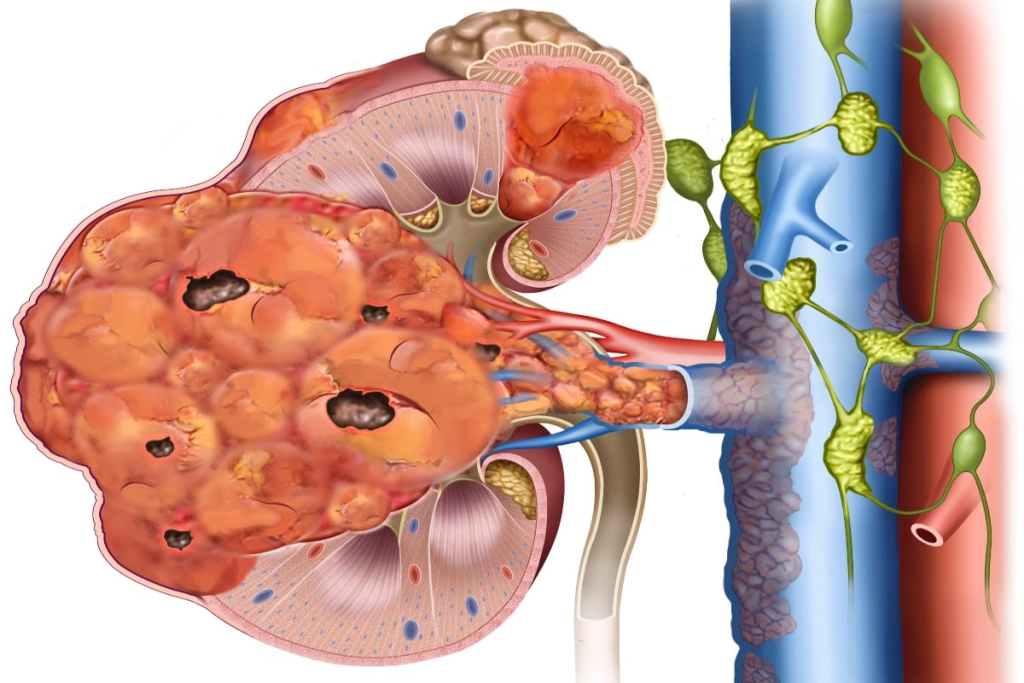
image is to be corrected’
By understanding kidney rupture causes, we can avoid it and get help when needed.
7 Critical Warning Signs Your Kidney May Have Ruptured
A ruptured kidney is a serious issue that needs quick attention. It can happen due to trauma, infections, or kidney diseases. Spotting the signs early can make a big difference in treatment.
Severe Flank or Abdominal Pain
Severe pain in the flank or belly is a key sign of a ruptured kidney. This pain is sharp and can spread to the groin. It gets worse over time.
Hematuria: Blood in the Urine
Blood in the urine, or hematuria, is a common sign. The urine might look pink, red, or cola-colored. In some cases, the bleeding can be heavy.
Cardiovascular Changes: Rapid Pulse and Hypotension
A ruptured kidney can cause internal bleeding. This can lead to a fast heart rate and low blood pressure. These signs are serious and need immediate medical help.
Signs of Internal Hemorrhage
Internal bleeding from a ruptured kidney can cause dizziness, fatigue, and blurry vision. These happen because the body has less blood and oxygen.
Gastrointestinal Symptoms
Nausea and vomiting are common with a ruptured kidney. These symptoms come from the pain, bleeding, or the body’s reaction to the injury.
Systemic Inflammatory Response
A ruptured kidney can cause a body-wide inflammatory response. This may lead to fever, chills, and feeling unwell. The body is reacting to the trauma, but it can get worse if not treated properly.
Abdominal Distension and Bruising
Swelling and bruising in the belly can be signs of a ruptured kidney. The swelling comes from internal bleeding, and the bruising is in the flank or belly.
If not treated, a ruptured kidney can cause serious problems. These include shock, failure of multiple organs, and even death. It’s vital to get medical help right away if you see these symptoms.
Dangerous Complications of a Ruptured Kidney
A ruptured kidney is a serious emergency. It can lead to both immediate dangers and long-term health issues. We will look at these complications to understand how serious this condition is.
Immediate Life-Threatening Complications
A ruptured kidney can cause serious problems right away. These problems can be deadly if not treated quickly. Here are some of them:
Hemorrhagic Shock
Hemorrhagic shock happens when there’s too much blood loss. This leads to not enough blood flow and oxygen to the tissues. A ruptured kidney can cause this shock quickly because of bleeding into the retroperitoneal space.
Sepsis and Infection
Sepsis can happen if the rupture gets infected or if bacteria get into the urinary tract and bloodstream. Sepsis is a serious condition that needs quick medical help.
Acute Kidney Failure
A ruptured kidney can also cause acute kidney failure. This can happen if the kidney tissue is lost or if the body’s inflammatory response is too strong.
Long-Term Consequences of Kidney Rupture
A ruptured kidney can also have long-term effects on health.
Chronic Kidney Disease Development
One long-term risk is chronic kidney disease (CKD). CKD can get worse and lead to needing dialysis or a kidney transplant.
Permanent Kidney Function Loss
A ruptured kidney can also cause permanent loss of kidney function. This loss can be partial or complete, depending on the injury and treatment.
Quick surgery and support from a team of doctors are key to recovering from a kidney rupture. Spontaneous kidney rupture (SKR) is a rare but serious emergency. It can be deadly if not treated right away. We stress the need for fast medical care to avoid both immediate and long-term problems.
Treatment Approaches for Kidney Rupture
The treatment for a ruptured kidney varies based on injury severity and patient health. At Liv Hospital, we aim to offer top-notch, ethical, and innovative healthcare. We know treating a kidney rupture well needs both emergency care and sometimes surgery.
Emergency Medical Management
Emergency care is the first step for a ruptured kidney. It includes initial steps to stabilize the patient and tests to see how bad the injury is.
Initial Stabilization Techniques
Stabilization starts with keeping the patient’s vital signs normal. This includes fluid resuscitation to fight shock and pain management to ease pain. We watch for internal bleeding and make sure the patient’s ABCs are okay.
Diagnostic Procedures
Tests like CT scans and ultrasounds are key to figuring out the injury’s severity. They help decide the best treatment plan. Most patients are treated without surgery, unless the injury is very bad.
Surgical Interventions
Surgery is needed in less than 10% of kidney trauma cases. It’s required for serious injuries or when other treatments don’t work.
Minimally Invasive Options
Procedures like angiembolization can stop bleeding without open surgery. These methods help patients recover faster and have less scarring.
Open Surgical Procedures
For very serious cases, open surgery might be needed. This can involve nephrectomy or repairing the kidney. It’s done to fix the injury and prevent more problems.
Post-Treatment Recovery and Rehabilitation
Recovery and rehabilitation are key after treatment. Patients are watched for complications and given advice on managing their health. Follow-up care includes checking kidney function and dealing with injury effects long-term.
Our personnel At Liv Hospital offers full care, from emergency management to surgery and recovery. Our goal is to give our patients the best healthcare possible.
Conclusion: Prevention Strategies and When to Seek Immediate Help
It’s key to know about kidney rupture causes, signs, and treatments. This knowledge helps prevent and manage the condition. We stress the need to be aware of risks and take steps to avoid kidney rupture.
Some people, like kids, are more at risk due to their body shape. Also, conditions like high blood pressure, heart failure, and diabetes raise the risk. Knowing these risks helps us prevent kidney rupture.
If you have severe pain in your side or belly, blood in your urine, or signs of bleeding inside, get medical help fast. Quick action can greatly improve your chances of recovery from a kidney rupture.
Being proactive and informed can lower your risk. It also ensures you get the right care when needed. We urge everyone to stay informed about their health and take steps to prevent kidney rupture.
FAQ
What is a ruptured kidney?
A ruptured kidney is a serious condition where the kidney is badly damaged. This damage can come from trauma, infection, or kidney disease. It leads to severe bleeding and can be life-threatening.
What are the primary causes of a kidney rupture?
The main causes of a ruptured kidney include accidents, severe infections, and kidney disease. Kidney tumors, cysts, and medical procedures can also cause it.
What are the symptoms of a ruptured kidney?
Symptoms of a ruptured kidney include severe pain in the flank or abdomen. You might also see blood in your urine. Other signs include rapid heartbeat, low blood pressure, nausea, vomiting, and swelling in the abdomen.
How is a ruptured kidney diagnosed?
To diagnose a ruptured kidney, doctors use imaging tests like CT scans, ultrasound, or MRI. They also do lab tests to check for bleeding and infection.
What are the treatment options for a ruptured kidney?
Treatment for a ruptured kidney depends on the injury’s severity. It may include emergency care, surgery to fix or remove the kidney, and recovery and rehabilitation to manage long-term effects.
What are the treatment options for a ruptured kidney?
A ruptured kidney can lead to serious problems like hemorrhagic shock and sepsis. It can also cause long-term issues like chronic kidney disease and permanent kidney loss.
Can a ruptured kidney be prevented?
While not all ruptures can be prevented, avoiding trauma and managing kidney conditions can help. Getting quick medical help for severe infections or symptoms can also reduce the risk.
When should I seek immediate medical help for a suspected kidney rupture?
If you have severe pain in your flank or abdomen, blood in your urine, or signs of internal bleeding, seek help right away. This is true after trauma or if you have kidney disease.
References
Gaither, T. W., Anastos, H., Jafta, C., et al. (2018). Renal trauma: the current best practice. https://www.ncbi.nlm.nih.gov/pmc/articles/PMC6120183/