Last Updated on December 2, 2025 by Bilal Hasdemir
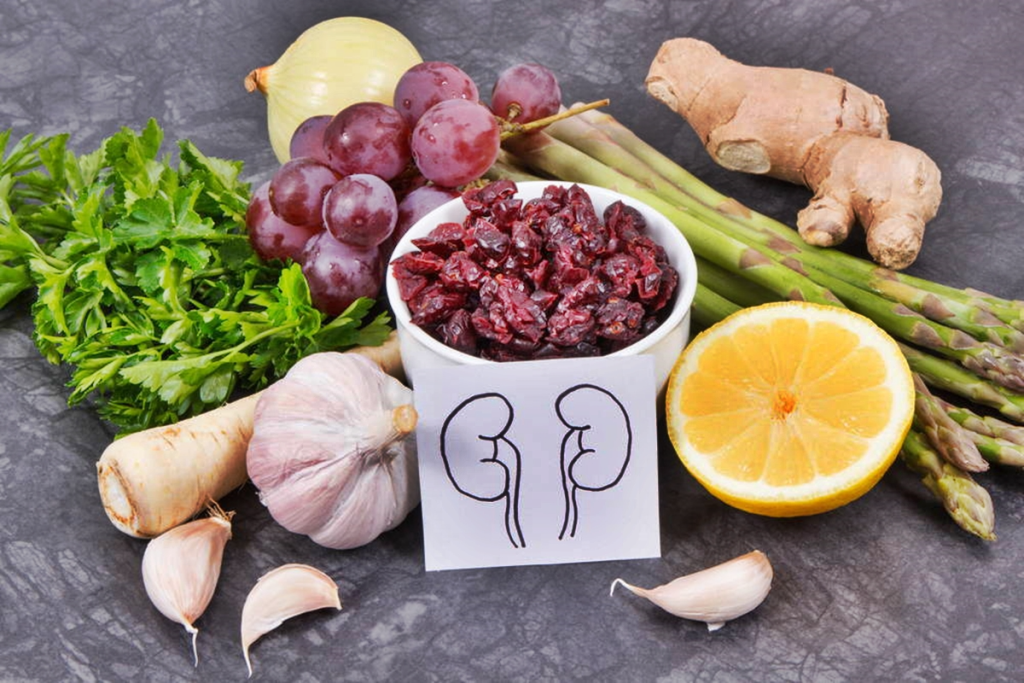
Being overweight, not drinking enough water, and eating unhealthy foods are bad for your kidneys. Chronic inflammation also plays a major role in kidney problems. At Liv Hospital, we focus on preventing these issues and providing top-notch care.
A key connection exists between salt and stone formation in the kidneys. Too much salt in your diet can raise calcium levels in your urine, which increases the risk of kidney stones. Drinking plenty of water helps flush out minerals that might otherwise form stones.
Doctors often suggest drinking six to eight 8-ounce glasses of water daily, unless you have kidney failure. Along with staying hydrated, maintaining a balanced diet low in salt can help reduce the risk of kidney stone formation.
Key Takeaways
- Maintain a healthy weight to reduce the risk of kidney stones
- Drink plenty of water throughout the day
- Eat a balanced diet rich in fruits, vegetables, and whole grains
- Avoid foods high in animal protein and sodium
- Manage chronic health conditions like hypertension
Understanding Kidney Stones and Their Risk Factors
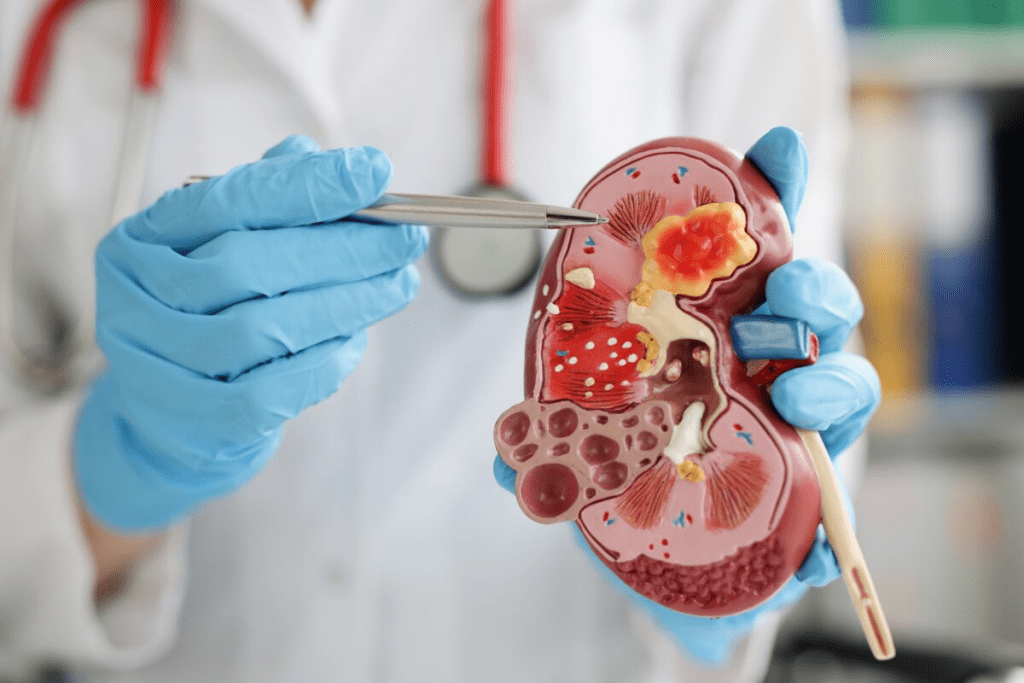
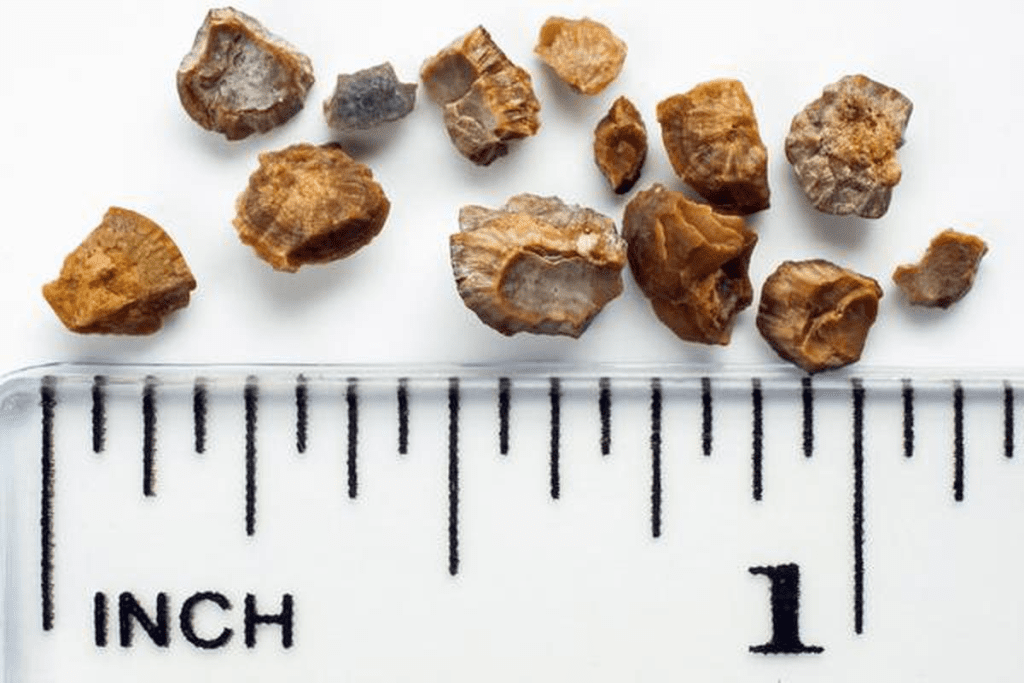
Kidney stones are hard masses made of minerals and salts. They form in the kidneys and can be very painful. Knowing what causes them is key to preventing them.
What Are Kidney Stones and How Do They Form?
Kidney stones form when there’s an imbalance in urine. This imbalance can cause minerals to crystallize and stick together. The most common stones are calcium oxalate, linked to diets high in protein foods and low in calcium.
The Rising Prevalence of Kidney Stones in the US
Kidney stones are becoming more common in the US. People with higher BMI, rapid weight gain, or a family history of stones are at higher risk. Eating certain beans and knowing if peanuts are good for you can also affect prevention.
Obesity: The Leading Contributor to Kidney Stones
Obesity is linked to a higher risk of kidney stones. U.S. NHANES data show a rise in kidney stone cases among obese adults. This highlights the need to grasp how obesity affects kidney stone formation.
How Excess Weight Affects Stone Formation
Being overweight or obese raises the risk of kidney stones. This is due to several factors, including diet. Foods high in oxalate, like some nuts, can increase this risk.
For example, while nuts are good for you, eating too much almond butter or groundnut butter can lead to stones. It’s important to choose these products wisely.
Statistical Evidence from NHANES Data
Studies show that being overweight increases your risk of kidney stones. Recent research confirms this link. A dietitian can help plan meals for weight loss, reduce stone risk.
The Impact of Rapid Weight Gain
Rapid weight gain can also impact stone formation. It’s key for individuals, like those with uric acid stones, to keep a healthy weight. Losing weight, if needed, is vital to prevent stones.
In conclusion, obesity is a major factor in kidney stone risk. Understanding the causes of stone formation is key to prevention.
Dehydration: Why Insufficient Water Is Your Kidneys’ Enemy
Dehydration is a big risk for kidney stones. It’s key to know how it affects us. Drinking lots of water is the best way to stop kidney stones. If we don’t drink enough, our urine gets too concentrated, which can cause stones.
How Low Fluid Intake Concentrates Urine
Not drinking enough water makes urine more concentrated. This means minerals like calcium and oxalate are more likely to form stones. Drinking enough water helps keep urine diluted, lowering stone risk. It’s good to drink water all day to stay hydrated.
Optimal Daily Hydration Targets
The right amount of water varies for everyone. But most people should drink at least eight glasses a day. If you’re active or live in a hot place, you might need more. Adding protein water or other hydrating drinks to your day can help, too.
Signs You’re Not Drinking Enough Water
Signs you’re not drinking enough water include dark yellow or brown urine, feeling tired, and dizzy. If you see these signs, drink more water. Also, check your urine color. It should be pale yellow if you’re drinking enough.
In short, dehydration is a big risk for kidney stones. Drinking enough water is key to avoiding them. Adding protein water to your routine can also help keep your kidneys healthy.
The Salt and Stone Connection: Dietary Villains
Knowing what foods can lead to kidney stones is key to avoiding them. Our diet greatly affects our risk of getting stones. Some foods can make this risk higher.
High Sodium Consumption and Crystal Formation
Eating too much sodium can increase your chance of getting kidney stones. High sodium levels in the urine can cause stones to form. Reducing sodium intake is important to prevent stones.
To cut down on sodium, watch the salt in packaged and restaurant foods. Opt for low-sodium choices and use herbs and spices for flavor instead of salt.
Protein Foods That Increase Stone Risk
Eating a lot of animal protein can raise your risk of kidney stones. Foods like meat, poultry, and fish can make urine more acidic. Tofu nutrition is a good option, as it’s a plant-based protein that might be safer.
It’s important to balance animal and plant proteins. While animal proteins can be risky, plant-based proteins like tofu are generally safer.
Oxalate-Rich Foods to Monitor
Some foods, like the plant of kaju or cashew, are high in oxalate. This can increase your risk of kidney stones. It’s key to watch your oxalate intake if you’re at risk.
Knowing the oxalate in foods and balancing your diet can lower your risk of stones. Making smart food choices is essential for keeping your kidneys healthy.
Chronic Health Conditions That Worsen Stone Risk
Chronic health issues like inflammatory disorders and hypertension can lead to kidney stones. It’s important to manage these conditions to prevent stones from coming back.
Inflammatory Disorders and Stone Formation
Inflammatory disorders can raise the risk of getting kidney stones. Conditions like gastrointestinal diseases can change the body’s chemistry, making stones more likely. “The link between inflammation and kidney stones is an area of ongoing research,” notes a recent study. This connection helps us find ways to lower the risk.
Hypertension’s Role in Kidney Stone Development
Hypertension is linked to a higher risk of kidney stones. High blood pressure can harm the kidneys, leading to more stone-forming substances in the urine. To prevent stones, it’s key to manage hypertension through lifestyle changes and medication.
Poor Nutritional Status and Low Albumin
Poor nutrition, shown by low albumin levels, is linked to more kidney stones. Eating the best sources of protein like lean meats and fish helps keep health up and stone risk down. A balanced diet is vital to avoid nutritional deficiencies that can worsen stone risk.
By tackling these chronic health issues and living a healthy lifestyle, you can lower your risk of kidney stones. It’s all about making smart choices to protect your kidney health.
Recurrent Kidney Stones: The Dangerous Cycle
If you’ve had kidney stones before, you might worry about getting them again. Having had a stone before makes you more likely to have another. We’ll look at why past stones raise future risks, the dangers of long-term kidney damage, and how to stop this cycle.
Why Previous Stones Increase Future Risk
Recurring kidney stones aren’t just bad luck. They often show underlying problems that need fixing. Diet, how much you drink, and your health all affect stone formation. For example, eating foods high in oxalate, like nuts from a nuts factory, can up your risk. Knowing these factors helps prevent future stones.
The Long-Term Danger of Chronic Kidney Damage
Recurring kidney stones can harm your kidneys over time. This harm can make your kidneys work less well, leading to serious health problems. It’s vital to take steps to stop this cycle.
Breaking the Cycle Through Prevention
Prevention is the best way to stop kidney stones from coming back. Stay hydrated, eat well, and manage health issues. Interestingly, peanuts can be good for you in small amounts. They offer healthy fats and protein. But, it’s important to eat them in balance with other foods to avoid stones.
Conclusion: Effective Prevention Strategies
To prevent kidney stones, we need to change our diet, drink enough water, and manage health issues. At Liv Hospital, we stress the importance of eating a balanced diet. Foods like different types of beans are great because they’re full of fiber and protein.
Eating protein from lean meats and tofu is also good. But we must watch how much protein we eat to avoid stone risks. Drinking plenty of water is key. It helps dilute urine and lowers mineral levels that can cause stones.
A dietitian can help plan meals to stop kidney stones. They consider your nutritional needs and health. By choosing the right foods and drinking enough water, you can lower your stone risk. At Liv Hospital, we aim to give top-notch care and advice to help our patients stay healthy.
FAQ
What are the primary factors that contribute to the formation of kidney stones?
Obesity, dehydration, and what you eat are key. Knowing these helps prevent stones.
How does obesity affect the risk of developing kidney stones?
Being overweight increases your risk. Losing weight is important, more so if you’ve had uric acid stones.
What is the role of dehydration in kidney stone formation?
Not drinking enough water harms your kidneys. It makes urine more concentrated, raising your risk. Drinking plenty of water is key to prevention.
How does diet impact the risk of kidney stones?
Eating too much sodium and certain foods can raise your risk. Changing your diet can lower it. Foods like almond butter are high in oxalates and should be watched.
Can chronic health conditions increase the risk of kidney stones?
Yes, conditions like inflammatory disorders and hypertension can increase your risk. Managing these conditions is important to prevent stones.
Why do people who have had kidney stones previously have a higher risk of future stones?
Having had stones before raises your future risk. It also increases the risk of kidney damage. Preventive measures can help break this cycle.
What are some effective prevention strategies for kidney stones?
Changing your diet, staying hydrated, and managing health conditions are key. At Liv Hospital, we focus on prevention and quality care.
Are there any specific foods that are high in protein and can be consumed to reduce the risk of kidney stones?
Yes, foods like tofu are beneficial. But it’s important to watch your intake of certain protein foods that may increase your risk.
How can I ensure I’m drinking enough water to prevent kidney stones?
Aim for the right amount of water each day. Signs you’re not drinking enough include very concentrated urine. Drinking plenty of water and using protein water in your hydration plan is recommended.
Are peanuts and peanut products like groundnut butter good for you in the context of kidney stone prevention?
Peanuts and peanut products are nutritious but high in oxalates. Eat them in moderation. They can be part of a healthy diet if balanced with other foods.
References
- Mao, C., et al. (2025). Identifying kidney stone risk factors through patient comments: Insights from big data analysis. Journal of Medical Internet Research, 27(1), e66365. https://www.jmir.org/2025/1/e66365
- Khalili, P., et al. (2021). Risk factors of kidney stone disease: A cross-sectional study from Iran. BMC Nephrology, 22, 344. https://pmc.ncbi.nlm.nih.gov/articles/PMC8499392/