Last Updated on November 26, 2025 by Bilal Hasdemir
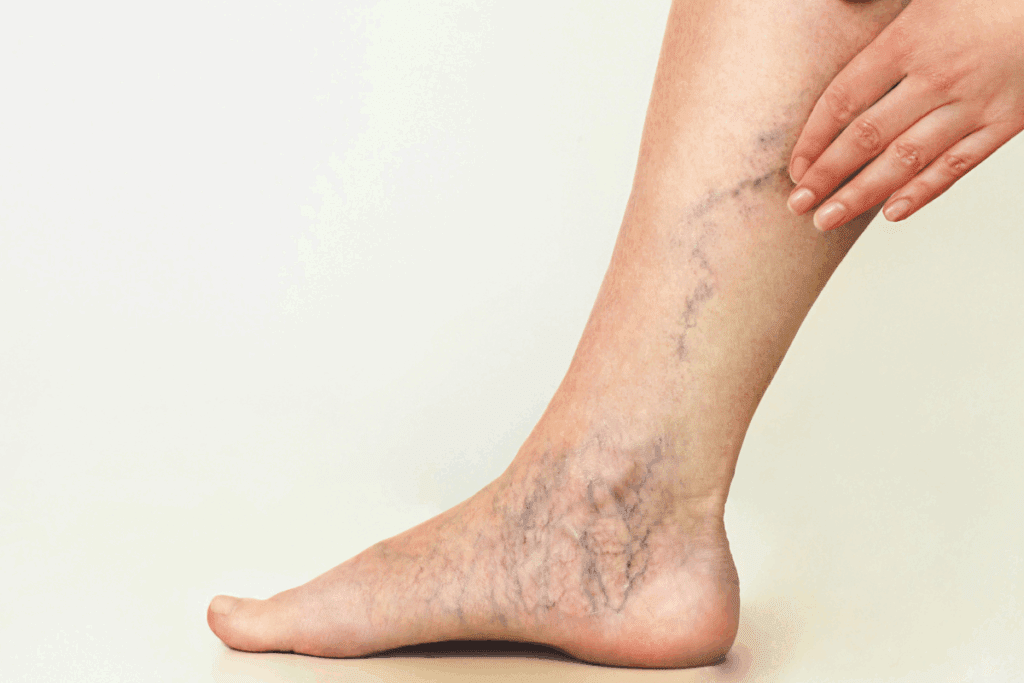
Patients often ask what happens when the great saphenous vein is removed. This vein is key in the leg’s venous system. Removing it, or saphenectomy, is a treatment for varicose veins.
At places like Liv Hospital, we offer top-notch care. Our team guides patients through treatment. We know removing a big vein worries you, but don’t worry. Other veins take over, keeping blood flow good.
Key Takeaways
- Saphenectomy is a surgical procedure to treat varicose veins.
- The great saphenous vein is a major superficial vein in the leg.
- Removing this vein does not significantly impact overall circulation.
- Other veins compensate for the loss of the great saphenous vein.
- Advanced medical centers provide patient-focused care for saphenous vein removal.
Understanding the Great Saphenous Vein and Its Function

To understand saphenectomy, knowing the Great Saphenous Vein is key. It’s the longest vein in the body. It’s vital for the leg’s venous circulation.
Anatomy of the Great Saphenous Vein
The Great Saphenous Vein starts at the foot and goes up the leg to the groin. There, it joins the femoral vein. It has the saphenous nerve with it, which helps with feeling on the leg’s side.
This vein is on the surface, making it prone to problems like varicose veins. Knowing its layout is important for treating these issues.
Normal Blood Flow and Venous Circulation
Venous circulation is vital for bringing blood back to the heart. The Great Saphenous Vein is key in this process, mainly in the legs. Venous blood flow relies on muscle contractions, valves, and gravity.
The vein has one-way valves to stop blood from flowing back. If these fail, it can cause problems like varicose veins. Knowing how blood flows and how the Great Saphenous Vein helps is important.
In short, the Great Saphenous Vein is essential for the legs’ venous system. Its role in circulation is vital. Removing it might be needed, but the body can adjust.
Why Great Saphenous Vein Removal Becomes Necessary
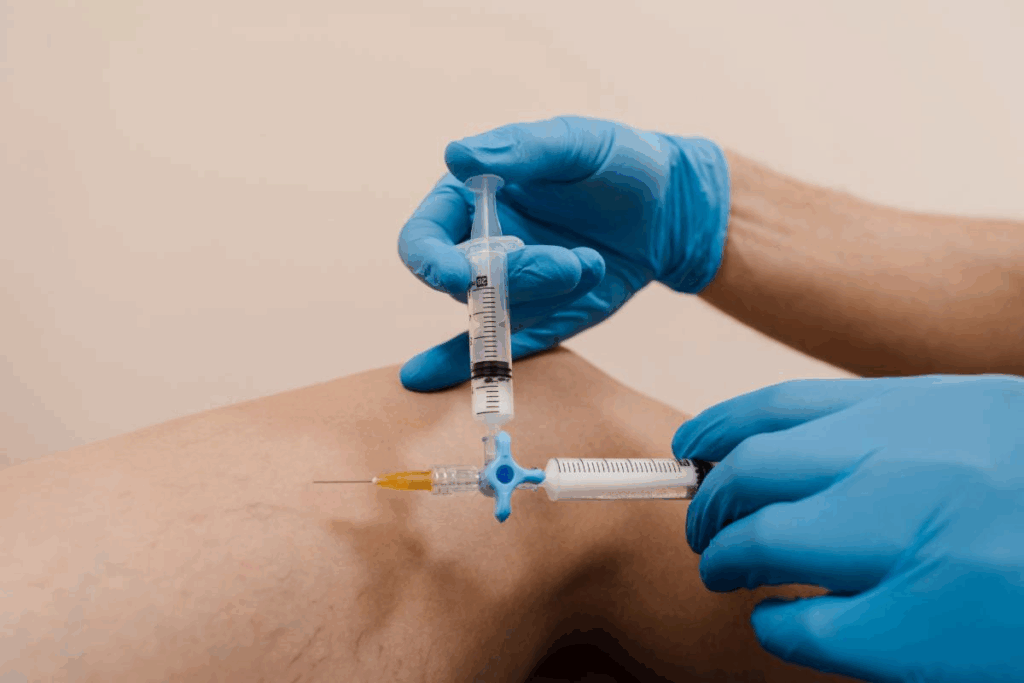
When other treatments don’t work, removing the great saphenous vein is needed. Varicose veins are enlarged, twisted veins that hurt and are unsightly. They often come from venous insufficiency, where veins can’t return blood to the heart.
Varicose Veins and Venous Insufficiency
Varicose veins are more than a cosmetic problem. They cause pain and are linked to venous insufficiency. Venous insufficiency happens when vein valves are damaged, causing poor blood flow. This can lead to swelling, pain, and skin changes in the leg.
When Conservative Treatments Fail
At first, varicose veins and venous insufficiency are treated with conservative methods. These include compression stockings, lifestyle changes, and medicines. But if these don’t help, surgery, like the great saphenous vein removal, is considered.
| Conservative Treatment | Description | Outcome |
| Compression Stockings | Elastic stockings that compress the legs to improve circulation | Reduces swelling and pain |
| Lifestyle Modifications | Changes in diet, exercise, and posture to reduce venous pressure | Improves overall circulation |
| Medications | Drugs that improve venous tone or reduce inflammation | Relieves symptoms temporarily |
Diagnostic Process and Evaluation
To decide if great saphenous vein removal is needed, a detailed evaluation is done. This includes a physical check-up, looking at the patient’s medical history, and tests like a duplex ultrasound.
The duplex ultrasound is key. It shows detailed images of the veins and blood flow. This helps doctors see how bad the venous insufficiency is and if vein removal is right for the patient.
Understanding varicose veins and venous insufficiency helps doctors plan the best treatment. This might include great saphenous vein removal when it’s needed.
Traditional Saphenous Vein Stripping Procedures
The traditional way to treat varicose veins is by removing the affected saphenous vein through surgery. This method, known as saphenous vein stripping, has been a key treatment for many years.
Conventional Surgical Techniques
Traditional saphenous vein stripping involves making small incisions near the vein. The diseased vein is then accessed and removed through these incisions. This procedure helps to relieve symptoms like pain and swelling.
Key Steps in Conventional Surgical Techniques:
- Making small incisions to access the diseased vein
- Inserting a special wire to locate and grasp the vein
- Removing the vein through the incisions
- Closing the incisions, usually with sutures or adhesive
Anesthesia Options for Vein Stripping
Anesthesia is key to ensuring patient comfort during saphenous vein stripping. We offer local, regional, and general anesthesia, based on the patient’s health and preferences.
| Anesthesia Type | Description | Patient Benefits |
| Local Anesthesia | Numbing the specific area of surgery | Quick recovery, minimal side effects |
| Regional Anesthesia | Numbing a larger area, such as below the waist | Effective pain relief during and after surgery |
| General Anesthesia | Inducing unconsciousness | No awareness or memory of the procedure |
Hospital vs. Outpatient Settings
Saphenous vein stripping can be done in a hospital or an outpatient setting. The choice depends on the procedure’s complexity, the patient’s health, and personal preferences.
Outpatient Benefits:
- Less costly compared to hospital stays
- Reduced risk of hospital-acquired infections
- More flexible scheduling options
The decision on where to have saphenous vein stripping should be made with a healthcare provider. It’s based on individual needs and circumstances.
Modern Minimally Invasive Alternatives
Modern treatments have changed how we deal with varicose veins. Thanks to new tech, patients can now choose from many quick and safe options. These are better than old surgery methods.
Endovenous Laser Ablation
Endovenous laser ablation is a top choice for varicose veins. It uses laser heat to seal off bad veins. This is done under local anesthesia and takes less than an hour.
A small catheter puts the laser fiber in the vein. Then, the laser energy makes the vein close and is absorbed by the body.
This method leaves little to no scar, lowersthe isk of problems, and lets you get back to life fast. Many see big improvements in symptoms and look right after.
Radiofrequency Ablation
Radiofrequency ablation is another way to treat varicose veins. It heats the vein with radiofrequency energy to close it. It’s like endovenous laser but uses radio waves.
This method is safe and works well, with a high success rate. It’s good for treating bigger veins. Patients usually feel little pain during and after.
Sclerotherapy Options
Sclerotherapy is a non-surgical way to treat varicose veins. It involves injecting a solution to close the vein. It’s best for smaller veins and spider veins.
It’s simple and works well, making it a favorite choice. No anesthesia is needed, and you can go back to normal right away. You might need more than one session for the best results.
Great Saphenous Vein Ablation Benefits and Outcomes
Great saphenous vein ablation is a top choice for treating varicose veins. It brings many benefits to patients. This method, whether old or new, greatly helps those with varicose veins.
Immediate Symptom Relief
This treatment quickly eases symptoms of varicose veins. Patients feel less pain, swelling, and discomfort right after. This quick relief is key to better health and happiness.
Cosmetic Improvements
Great saphenous vein ablation also makes legs look better. It makes skin smoother and more even. This is a big deal for those who worry about their lives. Seeing fewer varicose veins boosts confidence.
Quality of Life Enhancements
This treatment does more than just ease symptoms and improve looks. It makes life better overall. People can do more and feel better about it. This freedom is great for the mind and heart.
Clinical Success Rates
Research shows great saphenous vein ablation works well. It’s a reliable and effective treatment. High success rates show how far medicine has come. Patients can trust its results.
In short, great saphenous vein ablation has many benefits. It quickly fixes symptoms, improves looks, and makes life better. As medicine gets better, so will these treatments for varicose veins.
The Vein Removal Procedure: What to Expect
Knowing what to expect before, during, and after vein removal is key. This knowledge helps reduce anxiety and prepares patients for treatment and recovery.
Pre-Operative Preparation
Before saphenous vein stripping, several steps prepare the patient. Diagnostic tests check the veins and plan the treatment. Ultrasound exams help see the varicose veins and blood flow.
Patients are told to stop certain medications. This includes blood thinners and some supplements. Our team gives a detailed list of medications to avoid and why.
- Stop taking blood thinners as advised by your doctor.
- Avoid certain supplements that may interfere with surgery.
- Follow any specific dietary instructions provided.
During the Procedure
During the procedure, patients get some form of anesthesia to reduce pain. The type of anesthesia depends on the procedure and the patient’s health. Local anesthesia is common, while general anesthesia is used for more complex cases.
The surgery involves small incisions to remove the varicose vein. Modern surgical techniques and tools improve outcomes, leading to quicker recovery and less scarring.
Immediate Post-Operative Care
After the procedure, patients get specific care instructions. This includes managing pain, wearing compression stockings, and avoiding strenuous activities.
Following these instructions is vital for a smooth recovery. Our healthcare team is ready to answer questions and provide support during recovery.
- Manage pain with prescribed medications.
- Wear compression stockings as directed.
- Avoid heavy lifting and strenuous activities.
Understanding the vein removal procedure helps patients feel more confident and prepared. Our goal is to offer a supportive and informative environment for all your concerns and questions.
Recovery Timeline After Having Veins Stripped
Knowing what to expect after vein stripping surgery is key. It helps patients manage their recovery and heal smoothly. Everyone recovers differently, but there are common steps most follow.
First Week After Surgery
The first week can be tough, with pain, swelling, and bruising. Resting and elevating your legs helps reduce swelling. It’s also important to start walking gently to keep blood flowing and prevent clots.
- Watch for signs of infection like redness, more pain, or fever.
- Stick to your doctor’s medication plan.
- Avoid heavy lifting, bending, and strenuous activities.
Weeks 2-6 Recovery Milestones
By weeks 2-6, things start to get better. Swelling goes down, and pain eases. You can start doing more, but remember to avoid heavy lifting and hard exercises.
- Start with light exercise and stretching when you feel up to it.
- Slowly get back to normal activities, like driving and doing light chores.
- Keep up with doctor’s appointments to check on your healing.
Return to Normal Activities
Getting back to normal takes time, but most people do it in a few weeks. Listen to your body and don’t rush. Give yourself the time to heal fully.
- Most people can go back to work in 1-2 weeks, depending on their job.
- Heavier activities and exercise usually take 2-6 weeks.
- It can take months for scars to fade and swelling to go away completely.
Common Side Effects and Complications
Knowing the risks and side effects of the Great Saphenous Vein removal is key. Like any surgery, vein stripping has possible side effects and complications. These can range from mild to serious.
Temporary Effects: Bruising, Swelling, and Pain
Most people get some bruising, swelling, and pain after vein stripping. These symptoms usually go away in a few weeks. To help, patients can:
- Apply cold compresses to reduce swelling
- Elevate the affected limb to minimize bruising
- Follow a pain management regimen as prescribed by their healthcare provider
Potential Nerve Injuries
Nerve injuries can happen during vein stripping. They might cause numbness, tingling, or different sensations in the limb. While some nerve injuries get better, others might not. To lower the risk, it’s important to:
- Choose an experienced surgeon
- Follow pre- and post-operative instructions carefully
Rare but Serious Complications
Though rare, serious problems can happen after vein stripping. These include:
- Deep Vein Thrombosis (DVT): A blood clot in a deep vein, which can be deadly if it moves to the lungs.
- Pulmonary Embolism: A blockage in a lung artery, which can be fatal.
- Infection: Though rare, infections can happen and might need antibiotics or more surgery.
It’s vital for patients to know about these risks and talk to their doctor. Understanding the risks and benefits helps patients make better choices about their treatment.
Long-Term Side Effects of Varicose Vein Surgery
It’s important to know the long-term effects of varicose vein surgery. This surgery usually works well to treat varicose veins. But there are some long-term side effects patients should be aware of.
Chronic Numbness and Sensory Changes
One possible long-term side effect is chronic numbness or changes in feeling in the leg. This can happen if nerves are damaged during surgery. Nerve injuries can cause lasting numbness, tingling, or changes in feeling. This can really affect a person’s life.
Persistent Swelling Issues
Some people might have ongoing swelling after surgery. This swelling can be caused by many things, like leftover venous problems or issues with the lymphatic system. It’s key to manage swelling well to avoid more serious problems.
| Management Strategies | Description |
| Compression Therapy | Using compression stockings to reduce swelling |
| Elevation | Elevating the affected limb to reduce fluid accumulation |
| Exercise | Engaging in regular physical activity to improve circulation |
Recurrence of Varicose Veins
Another possible long-term side effect is when varicose veins come back. This can happen if the root causes of varicose veins aren’t fully fixed or if new problems arise. It’s important to keep up with check-ups to watch for this.
To avoid long-term side effects, patients should follow their doctor’s instructions closely and go to all follow-up appointments. Knowing about these possible side effects helps patients make better choices about their treatment.
How Blood Circulation Adapts After Vein Removal
Blood circulation changes in amazing ways after the great saphenous vein is removed. The body’s circulatory system is very strong. It can make up for the missing vein in many ways.
One key way the body adapts is through collateral vein development. Collateral veins are smaller veins that grow and take over the removed vein’s job. This is vital for keeping blood flow normal and avoiding big circulatory problems.
Collateral Vein Development
Collateral veins grow when a major vein is removed. They get bigger and can handle the blood flow better. Studies show that in a few months, these veins can handle blood flow back to the heart well.
Long-Term Circulatory Changes
Over time, the body makes more changes to deal with the vein’s absence. These changes can affect blood pressure and flow in other veins. But these changes usually don’t harm health long-term.
Here’s a table showing how circulation changes over time:
| Time Frame | Circulatory Changes | Collateral Vein Development |
| Immediate Post-Surgery | Initial redirection of blood flow | Minimal |
| 1-3 Months | Adjustment in blood pressure | Noticeable expansion |
| 6-12 Months | Stabilization of blood flow | Significant collateral circulation |
Impact on Overall Vascular Health
Removing the great saphenous vein is usually good for vascular health. It lowers the risk of problems like venous ulcers or severe swelling.
In summary, removing the great saphenous vein requires big changes in blood flow.Butu the body can adapt by growing collateral veins and adjusting to long-term changes. This keeps vascular health good or even better.
Conclusion: Life After Great Saphenous Vein Removal
Life after removing the great saphenous vein can greatly improve for those with varicose veins. We’ve looked at why this procedure is done, its benefits, and what recovery is like. Understanding the effects of removing this vein helps patients look forward to a healthier life.
Most people find relief from varicose vein symptoms after treatment. The recovery from saphenous vein removal requires some changes, but with the right care, people can get back to their usual activities. The body adapts well, with new veins taking over the role of the removed ones.
In conclusion, life after removing the great saphenous vein is more than just recovery. It’s about enjoying a better quality of life. With treatment, people see big improvements in their symptoms and overall health. This makes them confident in their treatment journey.
FAQ
What is the great saphenous vein, and why is it removed?
The great saphenous vein is a major vein in the leg. It’s often removed to treat varicose veins. This is calleda saphenectomy. It’s done when the vein gets diseased or damaged, causing symptoms that affect your life.
What happens when the great saphenous vein is removed?
Removing the great saphenous vein makes the body adapt. It develops collateral veins. This ensures blood keeps flowing well, and your vascular health stays good.
What are the benefits of great saphenous vein ablation?
Great saphenous vein ablation has many benefits. It relieves symptoms right away, improvesyour looks, and boosts your quality of life. This is true for both old and new methods.
What is the difference between traditional saphenous vein stripping and modern minimally invasive alternatives?
Traditional vein stripping uses surgery with incisions. Modern methods like endovenous laser ablation and radiofrequency ablation close the vein without surgery.
What can I expect during the vein removal procedure?
You’ll get ready for the procedure first. Then, you’ll have the procedure, possibly with anesthesia. After, you’ll get care instructions to help you recover well.
What is the typical recovery timeline after having veins stripped?
Recovery time varies, but most see bruising, swelling, and pain in the first week. By weeks 2-6, you’ll reach recovery milestones and start doing normal things again.
What are the possible long-term side effects of varicose vein surgery?
Long-term side effects can include numbness, swelling, and varicose veins coming back. Knowing these can help you decide on treatment.
How does the body adapt to the removal of the great saphenous vein?
The body adapts by making collateral veins and changing blood flow. This shows the body can handle the vein’s removal well.
What are the common side effects and complications of vein stripping?
Side effects include bruising, swelling, and pain. There can also be nerve injuries and rare but serious problems.
When does the Motor Vehicle Administration (MVA) close, and how does it relate to my procedure?
The MVA closing time doesn’t affect your vein removal. But, plan your travel to and from the procedure, considering the MVA hours if you need to drive.
Will I need to have my veins stripped if I undergo varicose vein treatment?
Not all treatments involve vein stripping. Options like endovenous laser ablation and sclerotherapy might be better for you, depending on your condition.
How effective is varicose vein surgery in treating varicose veins?
Varicose vein surgery, including removing the great saphenous vein, is usually effective. It relieves symptoms and improves looks. Success rates vary based on the procedure and individual factors.
References
- Browse, N. L., & Burnand, K. G. (2025). Great Saphenous Vein – an overview. ScienceDirect. Retrieved October 22, 2025, from https://www.sciencedirect.com/topics/medicine-and-dentistry/great-saphenous-vein