Last Updated on November 27, 2025 by Ugurkan Demir
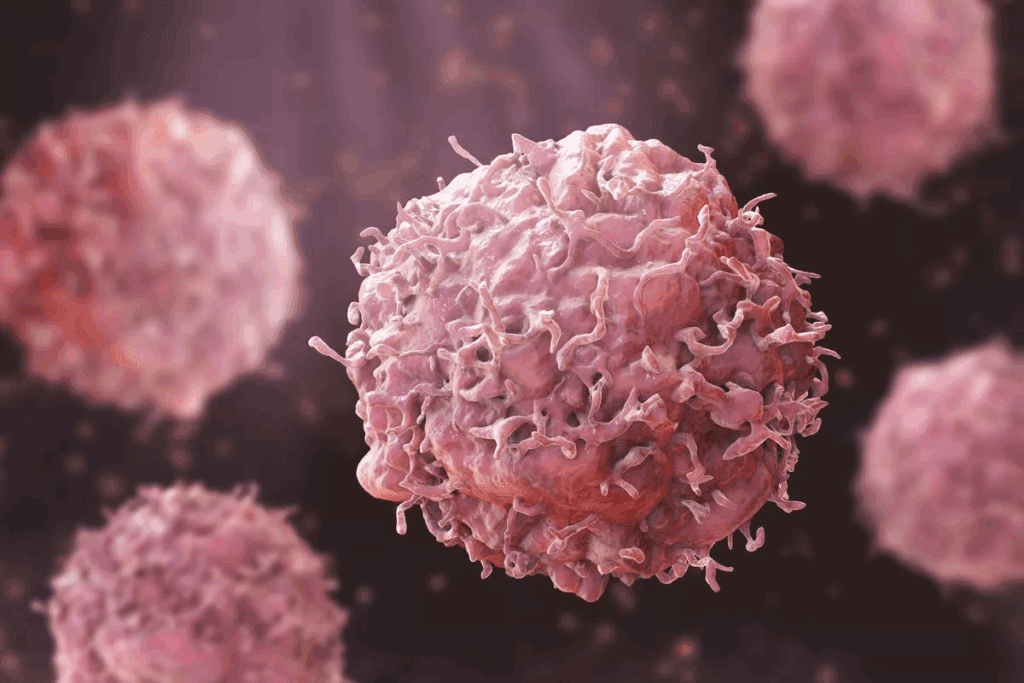
Knowing what skin cancer looks like on different parts of the body can save lives. There are many types, like melanoma, basal cell carcinoma, and squamous cell carcinoma. Each has its own look, so it’s key to spot them early. Scalp cancer symptoms: A visual guide to recognizing skin cancer (BCC, SCC, melanoma) on the scalp, face, and body.
Skin cancer starts with abnormal cell growth on the skin. It then invades and harms healthy tissue. Catching it early can greatly improve treatment chances. Spotting signs like an odd dark spot on the face or a strange bump on the fingers or back is important.
At Liv Hospital’s dermatology, we stress the need to know these signs. Being aware of skin changes can lead to early detection and better treatment.
Key Takeaways
- Recognizing visual warning signs of skin cancer is key for early detection.
- Skin cancer includes many types, like melanoma, basal cell carcinoma, and squamous cell carcinoma.
- Early detection greatly improves treatment success.
- Knowing what skin cancer looks like helps in getting medical help fast.
- Liv Hospital’s dermatology offers full support for skin cancer diagnosis and treatment.
Understanding Skin Cancer: Types and Statistics

Skin cancer is becoming more common. It’s important to know about its types and statistics for prevention and treatment.
Understanding skin cancer is key. Most cases happen on sun-exposed skin. The sun’s UV light is the main cause.
The Growing Prevalence of Skin Cancer in the United States
Skin cancer cases are increasing in the U.S. By 2025, about 212,200 new melanoma cases are expected. About 104,960 will be invasive.
This rise highlights the need for awareness and prevention. Protecting our skin from the sun is essential. We can do this with clothing or sunscreen.
“The most effective way to prevent skin cancer is to protect your skin from the sun’s ultraviolet rays. This can be achieved by seeking shade, wearing protective clothing, and applying sunscreen with a Sun Protection Factor (SPF) of 30 or higher.”
American Academy of Dermatology
Common Types of Skin Cancer and Their Frequency
There are several types of skin cancer. Each has its own characteristics and frequency. The most common types are:
- Basal Cell Carcinoma (BCC): The most common form, appearing as a pearly or waxy bump.
- Squamous Cell Carcinoma (SCC): The second most common, often a firm, red nodule.
- Melanoma: The most dangerous, which can develop from moles or appear as new growths.
| Type of Skin Cancer | Frequency | Characteristics |
| Basal Cell Carcinoma | Most common | Pearly or waxy bump, often on sun-exposed areas |
| Squamous Cell Carcinoma | Second most common | Firm, red nodule, may be scaly or crusted |
| Melanoma | Less common but most dangerous | Can develop from moles or appear as new growths, often with irregular borders and color variation |
Risk Factors for Developing Skin Cancer
Several factors increase the risk of skin cancer. UV radiation from the sun or tanning beds is a big risk.
Other risks include fair skin, sunburn history, and family history of skin cancer. Knowing these risks helps in prevention.
By understanding skin cancer types, frequency, and risks, we can prevent and detect it early.
Melanoma: The Most Dangerous Form of Skin Cancer

Melanoma is the most dangerous skin cancer because it grows fast and can spread quickly. It starts in melanocytes, the cells that make melanin. Damage from UV radiation can cause these cells to grow out of control and form tumors.
The ABCDE Rule for Identifying Melanoma
To spot melanoma early, we use the ABCDE rule. It’s a simple guide with each letter representing a key feature:
- Asymmetry: The mole doesn’t look even on both sides.
- Border: The edges are not smooth and look irregular.
- Color: The color is not even and might include brown, black, or red, white, or blue patches.
- Diameter: The mole is bigger than 6mm, about the size of a pencil eraser.
- Evolving: The mole is changing in size, shape, or color.
Early vs. Advanced Melanoma Appearance
Early melanoma looks like a new mole or a change in an old one. It might be irregular, asymmetrical, and have different colors. These can range from brown to black, and sometimes include pink or red.
Advanced melanoma grows thicker and might bleed or ulcerate.
Spotting these changes early is key for treatment.
Nodular Melanoma: A Rapidly Growing Variant
Nodular melanoma grows fast and is very aggressive. It looks like a firm, dome-shaped bump. It can be black, but also blue, red, or the same color as the skin around it.
Because it grows so quickly, nodular melanoma is very dangerous. It needs immediate medical care.
Basal Cell Carcinoma: Visual Identification Guide
Basal cell carcinoma is the most common skin cancer. It often shows up in areas that get a lot of sun. Knowing how to spot it early can help with treatment.
Pearly or Waxy Bumps: The Classic Presentation
Basal cell carcinoma usually looks like light pink, waxy, or pearly bumps. These bumps are often found on the scalp, face, and fingers. They might look translucent and have a depression in the middle.
On white skin, these bumps are often the same color as the skin or a bit pink. They look like a bump.
Flat, Flesh-Colored or Brown Lesions
Basal cell carcinoma can also look like flat, flesh-colored, or brown lesions. These might look like harmless skin conditions. It’s important to watch for any changes.
They can show up anywhere on the body. But they’re less common in areas that don’t get much sun.
Bleeding or Scabbing Sores That Don’t Heal
Another sign of basal cell carcinoma is bleeding or scabbing sores that don’t heal. These sores might bleed sometimes or form a scab that won’t go away. If you have sores that don’t heal in a few weeks, see a doctor.
Spotting these signs early is key to treating basal cell carcinoma. If your skin looks different, get it checked by a healthcare professional.
Squamous Cell Carcinoma: Key Visual Characteristics
Squamous cell carcinoma is a common skin cancer that shows up on sun-exposed parts of the body. It’s important to catch it early to stop it from spreading.
Firm, Red Nodules: Common Presentation
Squamous cell carcinoma often looks like firm, red nodules on the skin. These can pop up on sun-exposed areas like the face, ears, and hands. They can grow fast and might bleed or crust over.
Scaly or Crusted Flat Lesions
Another way squamous cell carcinoma shows up is as scaly or crusted flat lesions. These can be the same color as your skin or slightly darker. They might look like a wart or a scaly patch. They usually appear on sun-damaged skin and can be hard to tell apart from harmless conditions.
Distinguishing from Actinic Keratosis (Precancerous Lesions)
It can be tricky to tell squamous cell carcinoma apart from actinic keratosis, which are precancerous spots. Actinic keratosis looks like rough, scaly patches on sun-exposed areas. Both are linked to sun exposure, but squamous cell carcinoma is more serious and needs quick treatment.
Knowing how squamous cell carcinoma looks is key to catching it early. If you see any unusual skin changes, like firm red nodules or scaly crusted lesions, see a dermatologist right away.
Scalp Cancer Symptoms: What to Look For
It’s important to know the signs of scalp cancer early. This is because the scalp is a common place for skin cancer to show up, often in men with thinning hair. Hair can hide early signs, so it’s key to watch for any changes.
Unique Challenges of Detecting Skin Cancer on the Scalp
Finding skin cancer on the scalp is tricky. Hair can cover up lesions, making them hard to spot. Also, the scalp isn’t checked as often as other parts of the body, which can delay finding cancer.
Key Challenges:
- Hidden lesions due to hair coverage
- Lack of regular self-examination
- Similarity in appearance to benign scalp conditions
Warning Signs Specific to Scalp Lesions
Scalp cancer can look different. Melanoma on the scalp might show up as odd, asymmetrical spots with different colors. Look out for new or changing moles, sores that won’t heal, and spots that itch or bleed a lot.
Common Warning Signs:
- New or changing growths
- Sores that bleed or don’t heal
- Areas of itching or tenderness
| Symptom | Description |
| Irregular Lesions | Asymmetrical moles or growths with varied pigmentation |
| Non-healing Sores | Sores that bleed or don’t heal over time |
| Itching or Tenderness | Areas that are persistently itchy or tender to the touch |
How Hair Coverage Can Mask Early Symptoms
Hair on the scalp can hide early signs of skin cancer. Lesions can be hidden, and changes might not be easy to see. It’s important to check your scalp regularly and know what to look for.
Knowing the signs of scalp cancer helps people catch it early. Regular check-ups and staying aware of scalp health are key to fighting skin cancer.
Facial Skin Cancer: Common Locations and Appearances
Facial skin cancer can show up in many ways and places. It’s important to know about it to catch it early. The face is at high risk because it’s often in the sun, which can cause skin cancer. We’ll look at where facial skin cancer usually happens and what it looks like.
Nose and Cheek Presentations
Basal cell carcinoma, the most common skin cancer, often shows up on the nose and cheeks. These spots get a lot of sun, making them more likely to get cancer. It usually looks like a pearly or waxy bump, or a flat, flesh-colored spot.
Squamous cell carcinoma, another common type, also likes sun-exposed spots on the face. It might look like a firm, red bump or a scaly, crusted spot. Catching it early is key because squamous cell carcinoma can grow faster than basal cell carcinoma.
Eyelid and Ear Cancer Characteristics
The eyelids and ears are also at risk for skin cancer because of the sun. Basal cell carcinoma is common on the eyelids, and squamous cell carcinoma often shows up on the ears, like the outer rim.
Spotting cancer on the eyelids can be tricky because they’re so delicate. Any new or changing spots should be checked by a doctor.
Lip Lesions: Distinguishing Cancer from Other Conditions
The lips can also get skin cancer, often because of too much sun. Squamous cell carcinoma is the most common type on the lips. It looks like a scaly patch or a sore that won’t heal.
It’s important to tell these spots apart from other lip issues. Any unusual or lasting lip spots should be seen by a doctor.
Common Facial Skin Cancer Locations and Characteristics:
| Location | Common Cancer Type | Typical Appearance |
| Nose | Basal Cell Carcinoma | Pearly or waxy bump |
| Cheeks | Basal Cell Carcinoma | Flat, flesh-colored lesion |
| Eyelids | Basal Cell Carcinoma | Small, painless nodule |
| Ears | Squamous Cell Carcinoma | Firm, red nodule |
| Lips | Squamous Cell Carcinoma | Scaly patch or open sore |
Skin Cancer on the Body: Trunk, Limbs, and Extremities
Skin cancer can happen in less obvious places too. The trunk, limbs, and extremities are common spots for different types of skin cancer. It’s important to stay alert to catch them early.
Back and Chest: Common Sites for Melanoma
The back and chest are often where melanoma, a serious skin cancer, shows up. Melanoma can look like a new mole or a change in an old one. When checking moles, remember the ABCDE rule: asymmetry, border irregularity, color variation, diameter increase, and evolving size or shape.
Because melanoma can hide under clothes, it’s key to check these areas regularly. Using a mirror or asking someone for help can make it easier. Also, remember melanoma can happen even in places not usually in the sun.
Arm and Leg Presentations
Skin cancer on arms and legs can look different. For example, squamous cell carcinoma might be a firm, red nodule. Melanoma can look like a mole that’s changing. Always watch for new or changing spots.
Basal cell carcinoma is less common on arms and legs than on sun-exposed areas. But any lasting or bleeding spot needs a doctor’s check.
Hands and Feet: Acral Lentiginous Melanoma
Acral lentiginous melanoma is a rare type found on palms, soles, and under nails. This type isn’t caused by sun exposure and can be hard to spot.
On hands and feet, it might look like a dark streak or patch. It’s vital to notice any skin changes here, as catching it early is critical.
Regular self-checks and knowing the signs of skin cancer can help find it early. This can lead to better treatment results.
When to See a Doctor: Red Flags and Warning Signs
Knowing when to see a doctor about suspicious skin changes is key. Early detection of skin cancer is vital for effective treatment and better survival rates.
Changes That Warrant Immediate Medical Attention
Certain skin changes need immediate medical attention. These include:
- New or changing moles: Watch moles for size, shape, color, or texture changes.
- Unusual or persistent sores: Sores that don’t heal or bleed easily.
- Skin discoloration: Unusual skin discoloration or darkening.
Being alert to these changes can lead to early detection.
Self-Examination Techniques for Early Detection
Regular self-examinations are key in catching skin cancer early. To do a self-examination:
- Examine your skin in a well-lit room, using a full-length mirror and a hand-held mirror.
- Check all areas of your body, including hard-to-see places like the back, scalp, and soles of the feet.
- Look for any new or changing lesions, and take note of any that are bleeding, itching, or painful.
What to Expect During a Professional Skin Cancer Screening
A professional skin cancer screening is a detailed skin check by a dermatologist. During the screening:
| Procedure | Description |
| Skin Examination | A thorough visual examination of the skin, including hard-to-see areas. |
| Lesion Assessment | Any suspicious lesions are assessed for signs of cancer. |
| Biopsy (if necessary) | If suspicious lesions are found, a biopsy may be performed to determine if cancer is present. |
Professional screenings are a critical part of skin cancer detection and treatment.
Conclusion
Knowing how to spot skin cancer early is very important. It helps in getting the right treatment fast. By watching for warning signs and knowing the risks, people can stay healthy.
Regular checks by yourself and a doctor are essential. They help catch and treat skin cancer before it’s too late.
We’ve looked at different types of skin cancer and where they can appear. This includes the face, scalp, and limbs. Seeing pictures of skin cancer can help you understand it better.
Spotting skin cancer early makes treatment more effective. Being careful and informed can lower your risk. If you see something odd, don’t hesitate to see a doctor.
FAQ
What are the common signs of skin cancer on the face?
Skin cancer on the face can show up as new growths or sores. These can be found on the nose, cheeks, eyelids, ears, and lips. Also, look out for moles that change or don’t look right.
How can I identify skin cancer on my scalp?
Finding skin cancer on the scalp is hard because of the hair. Watch for new moles, sores, or lesions. Also, be careful of any bleeding or scabbing that won’t heal.
What does melanoma look like on the body?
Melanoma can look like a new or changing mole. It might be irregular in shape, have different colors, and be quite large. It can show up anywhere, like on the back, chest, arms, and legs.
What are the visual characteristics of basal cell carcinoma?
Basal cell carcinoma looks like a pearly or waxy bump. It can also be a flat, flesh-colored or brown spot. Or, it might be a sore that bleeds but doesn’t heal. It often shows up in sun-exposed areas.
How can I distinguish squamous cell carcinoma from other skin lesions?
Squamous cell carcinoma looks like a firm red nodule or a scaly, crusted flat spot. It’s often in sun-exposed areas. It’s different from actinic keratosis because it grows more and might bleed.
What are the warning signs of skin cancer on the hands and feet?
Acral lentiginous melanoma is a type of skin cancer that can appear on the palms or soles. Look for new or changing pigmentation, irregular shapes, or unusual growths in these areas.
When should I seek medical attention for a skin lesion?
See a doctor if you notice new or changing skin lesions, sores that don’t heal, or unusual growths. Be extra careful if you’ve had skin cancer before or get a lot of sun.
How can I perform a self-examination for skin cancer?
Do a self-examination by checking your skin well, including hard-to-see spots like the scalp and back. Look for new or changing lesions, and be on the lookout for any sores or growths that don’t heal.
What can I expect during a professional skin cancer screening?
At a professional skin cancer screening, a healthcare professional will examine your skin closely. They’ll look for any suspicious growths or lesions. They might use tools like a dermatoscope to help.
What are the risk factors for developing skin cancer?
Risk factors for skin cancer include too much sun exposure, fair skin, sunburns, family history of skin cancer, and previous skin cancer diagnoses.
Can skin cancer occur in areas not exposed to the sun?
Yes, skin cancer can happen in areas not exposed to the sun, like the palms or soles. Certain types, like acral lentiginous melanoma, can occur in these spots.
References
- National Center for Biotechnology Information. (2025). What Does Skin Cancer Look Like Visual Guide. Retrieved from https://www.ncbi.nlm.nih.gov/pmc/articles/PMC11188824/