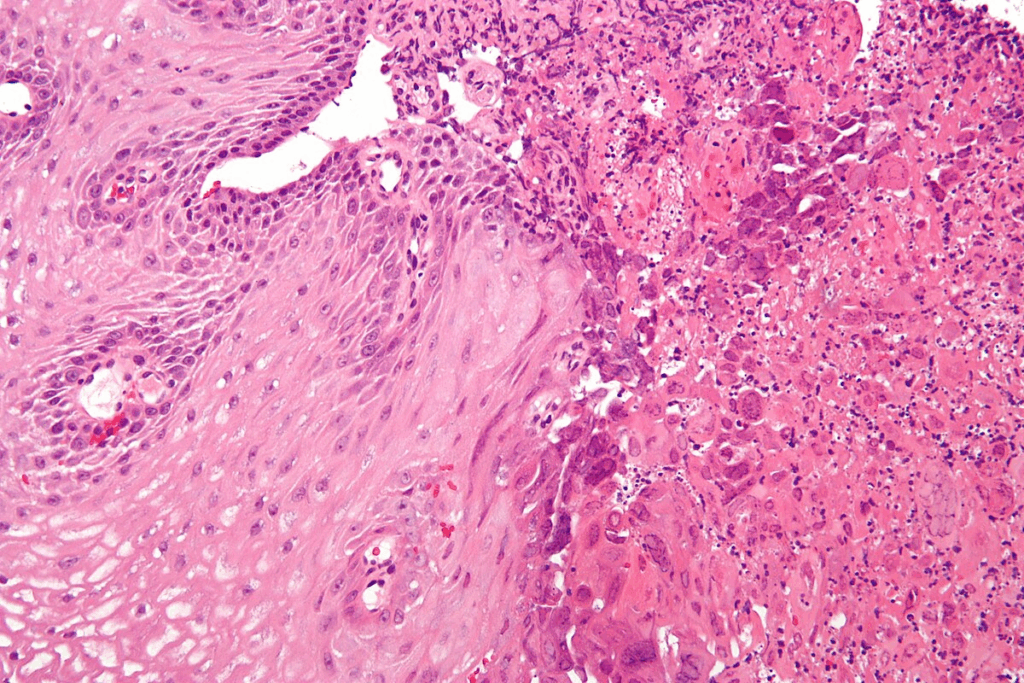
Having trouble swallowing can really change your life. If you have a Schatzki ring or esophagitis, it makes eating hard. Knowing which foods to avoid is key to avoiding pain and serious problems.
Essential schatzki ring foods to avoid to prevent symptoms.
We’ll look at how these conditions affect your esophagus. We’ll also list 15 foods that can make things worse. By choosing the right foods, you can make eating easier and feel better overall.
Key Takeaways
- Identify trigger foods that worsen Schatzki ring and esophagitis symptoms.
- Understand the importance of dietary management for esophageal health.
- Learn how to modify your diet to prevent painful episodes.
- Discover the top 15 foods to avoid with Schatzki ring and esophagitis.
- Improve your quality of life by making informed dietary choices.
Understanding Schatzki Ring and Esophagitis
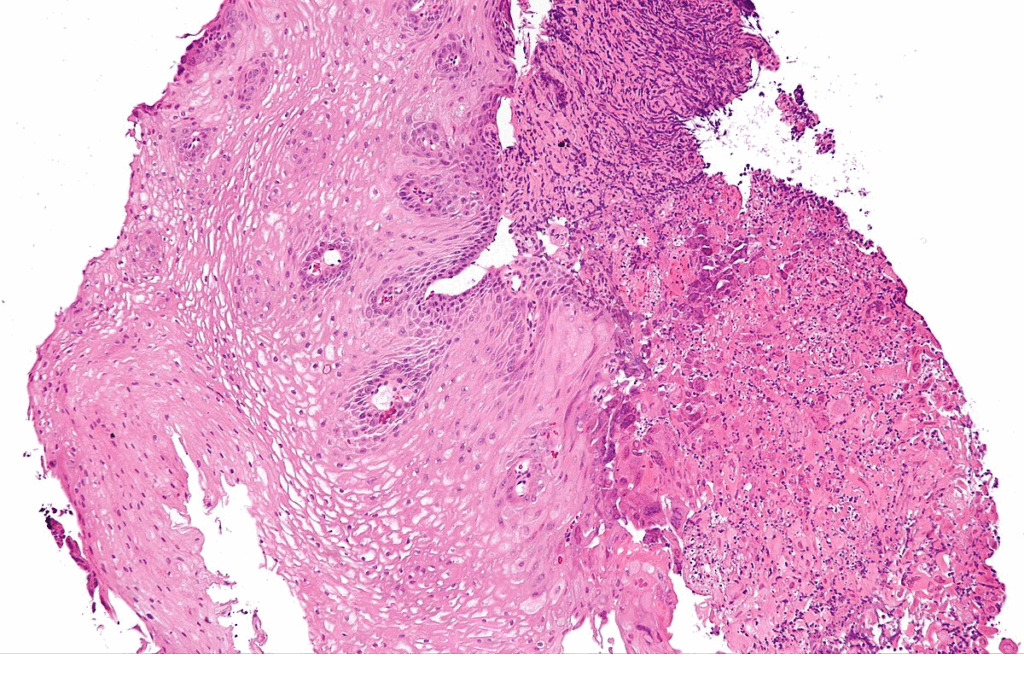
To manage esophageal health well, knowing about Schatzki Ring and esophagitis is key. These conditions affect how we swallow and can change our lives. It’s important to understand their causes and how they impact us.
What is a Schatzki Ring?
A Schatzki Ring is a narrow tissue ring at the esophagus’s end, where it meets the stomach. It can make swallowing solid foods hard because of the narrow passage. People might find it hard to swallow, sometimes all the time, sometimes not.
- Narrowing of the esophageal lumen
- Difficulty swallowing solid foods
- Potential for food impaction
What is Esophagitis?
Esophagitis is when the esophagus gets inflamed, often from acid reflux, infections, or some medicines. This can cause chest pain, trouble swallowing, and heartburn. Knowing what causes it and how to manage it is key to feeling better and avoiding worse problems.
The main causes of esophagitis include:
- Gastroesophageal reflux disease (GERD)
- Infections (viral, bacterial, or fungal)
- Certain medications that can irritate the esophagus
How These Conditions Affect Swallowing
Both Schatzki Ring and esophagitis can make swallowing hard, leading to dysphagia. A Schatzki Ring narrows the esophagus, blocking food. Esophagitis causes pain and swelling, making swallowing uncomfortable. To manage these, changing what you eat, how you live, and sometimes getting medical help can help.
Strategies to improve swallowing include:
- Eating smaller, more manageable meals
- Avoiding foods that trigger or worsen symptoms
- Maintaining good posture while eating
The Connection Between Diet and Esophageal Health

The food we eat greatly affects our esophageal health, more so for those with Schatzki ring or esophagitis. Changing what we eat is key to managing these conditions. Some foods can irritate the esophagus, while others help heal and reduce inflammation.
How Food Choices Impact Symptoms
What we eat can greatly affect symptoms of esophageal conditions. Foods high in acid, fat, or spice can worsen symptoms of esophagitis and Schatzki ring. For instance, acidic foods like citrus fruits and tomatoes can irritate the esophagus, causing discomfort and pain.
But, some foods can ease symptoms. Eating more fruits, vegetables, and whole grains can help manage esophageal health. Foods rich in fiber, like oatmeal and bananas, can reduce esophagitis symptoms by improving digestion and reducing inflammation.
Key Foods to Consider:
- Fruits: bananas, melons, and apples (without skin)
- Vegetables: cooked vegetables, leafy greens
- Grains: oatmeal, whole grain bread
- Protein: lean meats, fish
The Role of Diet in Managing Esophageal Conditions
Diet is very important in managing esophageal conditions like Schatzki ring and esophagitis. By choosing the right foods, people can lessen their symptoms and live better. A well-thought-out diet can help reduce inflammation, aid in healing, and prevent further problems.
We suggest getting help from a healthcare provider or a registered dietitian to create a personalized diet plan. This plan should consider the person’s specific needs, likes, and health situation. With the right diet, people can better manage their esophageal conditions and keep their esophagus healthy.
Schatzki Ring Foods to Avoid: Acidic Fruits and Juices
For those with Schatzki ring, knowing which acidic fruits and juices to avoid is key. Acidic foods can irritate the esophagus, making Schatzki ring symptoms worse. This can even lead to complications like esophagitis.
Citrus Fruits
Citrus fruits like oranges, lemons, and grapefruits are very acidic. They can irritate the esophagus, which is bad for those with Schatzki ring. Even though they’re good for you, their acidity is a problem.
To help, it’s best to limit or avoid these fruits raw or as juice. If you do eat them, try diluting the juice with water. Or, eat the fruit cooked or baked to reduce acidity.
Tomatoes and Tomato-Based Products
Tomatoes are also acidic and can irritate the esophagus. This includes fresh tomatoes and tomato-based products like sauces and soups.
People with Schatzki ring should be careful with tomatoes. Cooking tomatoes can make them less acidic. But, it’s important to watch how your body reacts to them.
Pineapple and Other High-Acid Fruits
Pineapple is nutritious but very acidic and can be uncomfortable for those with Schatzki ring. Kiwi and some apples are also acidic and can be a problem.
Being careful with portion sizes and preparing these fruits in ways that reduce acidity can help. Cooking or pairing them with less acidic foods can manage symptoms.
It’s important to know how these foods affect your esophageal health. Here’s a table of acidic fruits and juices to watch out for:
Food Category | Specific Foods to Limit or Avoid | Tips for Consumption |
Citrus Fruits | Oranges, lemons, grapefruits, their juices | Dilute juices with water, consume cooked or baked forms |
Tomatoes and Tomato-Based Products | Fresh tomatoes, tomato sauces, soups, juices | Cook tomatoes to slightly reduce acidity, monitor body reaction |
High-Acid Fruits | Pineapple, kiwi, certain apples | Be mindful of portion sizes, consider cooking or pairing with less acidic foods |
By knowing and adjusting your intake of these acidic fruits and juices, you can better manage your Schatzki ring symptoms. This can improve your overall esophageal health.
Spicy Foods That Aggravate Esophageal Inflammation
Spicy foods can make esophageal inflammation worse, which is a big worry for those with esophagitis. The capsaicin in these foods can hurt the esophagus, causing pain and discomfort. Knowing which spicy foods to stay away from is key to feeling better.
Hot Peppers and Chili-Based Dishes
Hot peppers like jalapeños, habaneros, and ghost peppers have a lot of capsaicin. This makes them very spicy. Eating foods with these peppers can make esophageal inflammation worse. It’s wise to cut down or avoid chili-based dishes that are very spicy.
Spicy Condiments and Sauces
Spicy condiments and sauces, like hot sauce and wasabi, can also irritate the esophagus. They often have capsaicin or similar stuff that can make inflammation worse. When you’re cooking or ordering, ask for mild or no spicy condiments.
Curry and Other Spice Blends
Not all curries are spicy, but many traditional recipes include hot peppers or spices that can irritate the esophagus. Other spice blends, found in some ethnic cuisines, might also have ingredients that can make esophageal inflammation worse. Paying attention to what’s in these blends can help manage symptoms.
Spicy Food | Potential Impact on Esophagus | Recommendation |
Hot Peppers | Irritation due to capsaicin | Avoid or limit consumption |
Spicy Condiments | Trigger or worsen inflammation | Opt for mild alternatives |
Curry and Spice Blends | Potential irritation from spices | Choose mild recipes or avoid |
Knowing which spicy foods can make esophageal inflammation worse is important for those with esophagitis. Making smart food choices can help manage the condition. It’s about finding a balance that’s good for your esophagus.
Fatty and Fried Foods That Worsen Symptoms
Fatty and fried foods can harm those with Schatzki Ring and esophagitis. They slow digestion and add pressure on the lower esophageal sphincter. This can make symptoms worse. We’ll look at how these foods affect the esophagus and offer tips for better eating.
Fast Food and Deep-Fried Items
Fast food and fried items are full of fats, bad for esophageal health. Foods like french fries, fried chicken, and doughnuts are high in fat but low in nutrients. Lessening these foods can ease symptoms of Schatzki Ring and esophagitis.
High-Fat Dairy Products
High-fat dairy, like full-fat cheese and whole milk, can make esophageal symptoms worse. These products have saturated fats that slow down digestion and put more pressure on the esophagus. Choosing lower-fat dairy can help manage esophageal health.
Fatty Cuts of Meat
Fatty meats, like some beef, pork, and lamb, are hard for the stomach to digest. Their high fat content can slow down stomach emptying, irritating the esophagus. Opting for leaner meats and cooking them with less fat can help.
Difficult-to-Swallow Foods That May Cause Impaction
People with esophageal narrowing or inflammation face a big risk of food impaction. This happens when food gets stuck in the esophagus and can’t move into the stomach. It’s painful and can be serious.
Tough Meats and Steaks
Tough meats and steaks are hard to swallow for those with Schatzki Ring or Esophagitis. Their dense texture makes them a risk for impaction. Choose tender cuts and cook them well-done to make swallowing easier.
Dry Breads and Bagels
Dry breads and bagels are also risky because of their dense texture. If not chewed well, they can get stuck in the esophagus. Toasting bread lightly or dipping it in liquid can help make it softer and easier to swallow.
Fibrous Vegetables
Fibrous vegetables like celery or raw carrots are hard to swallow because of their stringy texture. Cooking them until tender can lower the risk of impaction. Steaming or boiling these vegetables makes them softer and more swallowable.
Nuts and Seeds
Nuts and seeds are dangerous for those with swallowing issues. Their small size and hard texture can lead to inhaling them or getting stuck in the esophagus. It’s best to avoid them or soak them in liquid to soften them.
Being careful with these foods and changing their texture can help those with Schatzki Ring or Esophagitis. It makes eating safer and less risky.
Beverages That Trigger Esophageal Discomfort
It’s important to watch what we drink when we have esophageal issues. Some drinks can make discomfort worse. The lower esophageal sphincter (LES) helps keep stomach acid out of the esophagus. But, some drinks can relax the LES or irritate the esophagus, making symptoms like Schatzki Ring and esophagitis worse.
Alcoholic Drinks
Drinking alcohol can relax the LES, letting stomach acid flow back into the esophagus. Red wine is a big problem because it’s acidic and can cause allergies. Alcohol also irritates the esophagus, making inflammation and pain worse.
Medical Expert, a gastroenterologist, says, “Drinking alcohol can hurt your esophagus, even more if you already have problems.” We advise cutting down or stopping alcohol to ease esophageal pain.
Carbonated Beverages
Drinks like soda and sparkling water can make your stomach expand. This expansion puts pressure on the LES, making acid reflux more likely. The carbonation can also make you belch, which irritates the esophagus.
- Soda
- Sparkling water
- Carbonated energy drinks
To feel better, try drinking non-carbonated drinks like water or herbal teas.
Caffeinated Drinks
Caffeine can also relax the LES and increase acid reflux risk. Drinks like coffee, tea, and energy drinks are caffeinated. Coffee, in particular, lowers LES pressure, letting acid flow back into the esophagus.
While you don’t have to give up caffeine completely, watching how much you drink can help. Try decaf options or drink caffeinated drinks less often.
Knowing which drinks can cause esophageal discomfort and choosing wisely can help manage symptoms. This can improve life quality for those with esophageal conditions.
Processed Foods and Additives to Eliminate
Managing esophageal conditions like Schatzki Ring and Esophagitis means looking at processed foods and additives. These can make symptoms worse. Processed foods often have irritants and additives that can cause more inflammation and discomfort.
To feel better, it’s key to know which processed foods and additives to avoid. Here are some important ones to limit or get rid of:
Foods High in Preservatives
Preservatives in processed foods help them last longer. But, some can irritate the esophagus. Common preservative-rich foods include packaged snacks, canned goods, and processed meats. Always check food labels to avoid these irritants.
Artificial Sweeteners and Flavor Enhancers
Artificial sweeteners and flavor enhancers are in many processed foods and drinks. They can irritate the esophagus, making conditions like Esophagitis worse. It’s best to cut down or avoid products with these additives.
Processed Meats (Bacon, Sausage, Deli Meats)
Processed meats are full of preservatives and fat. This can slow digestion and put extra pressure on the esophagus. Eating foods like bacon, sausage, and deli meats less often or avoiding them can help your esophageal health.
Being careful about the processed foods and additives you eat can help manage Schatzki Ring and Esophagitis symptoms. Always talk to a healthcare provider or dietitian to create a diet plan that’s right for you.
Creating a Safe Eating Plan for Schatzki Ring and Esophagitis
Creating a safe eating plan is key for managing Schatzki ring and esophagitis. A good diet can make symptoms better and improve life quality. We’ll look at how to make a diet plan that helps and keeps the esophagus healthy.
Foods That Soothe the Esophagus
Some foods can calm the esophagus and lessen inflammation. These include:
- Cool or lukewarm liquids: Such as broth or tea, which can be comforting.
- Soft, bland foods: Like yogurt, mashed potatoes, or scrambled eggs.
- Ginger: Known for its anti-inflammatory properties.
A healthcare professional noted,
“A diet rich in anti-inflammatory foods can help manage esophagitis symptoms.”
Meal Preparation Techniques
There are ways to make meals safer and more comfortable. Techniques include:
- Blending or pureeing foods: To reduce the risk of impaction.
- Cooking foods until they are soft: Making them easier to swallow.
- Avoiding dry or crumbly foods: Opting for moist, cohesive foods instead.
Eating Habits That Reduce Symptoms
Some eating habits can lessen symptoms of Schatzki ring and esophagitis. These habits include:
- Eating smaller, more frequent meals: To reduce strain on the esophagus.
- Eating slowly and chewing thoroughly: To aid digestion and reduce discomfort.
- Avoiding eating before bedtime: To prevent nighttime symptoms.
Working with Healthcare Providers on Dietary Management
It’s vital to work with healthcare providers to create a personalized diet plan. They can guide on:
- Identifying trigger foods: And avoiding them.
- Creating a balanced diet: Ensuring nutritional needs are met.
- Monitoring progress: And adjusting the diet as necessary.
“Collaborating with healthcare providers ensures that the dietary plan is tailored to the individual’s specific needs and health status.”
By following these guidelines, people with Schatzki ring and esophagitis can make a safe and effective eating plan. This can greatly improve their quality of life.
Conclusion: Living Well with Esophageal Conditions
Managing esophageal conditions like Schatzki ring and esophagitis needs a full plan. This includes changing what we eat. Knowing which foods make symptoms worse helps us manage our health better.
We’ve talked about foods that can make esophageal problems worse. These include acidic fruits, spicy foods, and fatty or fried items. Staying away from these foods is key to feeling better. Eating foods that are gentle on the esophagus and following a healthy diet can help a lot.
When we live with esophageal conditions, we need to watch what we eat and how we live. Making smart choices can lessen pain and improve our life quality. Getting help from doctors to create a special diet plan is important for managing our health.
By controlling what we eat, we can handle esophageal conditions better and feel better overall. This way, we can live more comfortably with these conditions. We focus on keeping our esophagus healthy and living a healthier life.
FAQ
What foods should I avoid if I have Schatzki ring and esophagitis?
Avoid acidic fruits and juices, spicy foods, and fatty, fried foods. Also, steer clear of difficult-to-swallow foods and drinks like alcohol and carbonated beverages.
Are there specific fruits that can exacerbate Schatzki ring symptoms?
Yes, citrus fruits like oranges, lemons, and grapefruits can make symptoms worse. Tomatoes and tomato-based products, as well as high-acid fruits like pineapple, also have this effect.
How do spicy foods affect esophagitis?
Spicy foods, including hot peppers and chili-based dishes, can trigger or worsen esophagitis symptoms. This includes spicy condiments and certain spice blends.
What types of foods are considered difficult to swallow and may cause food impaction?
Tough meats, dry breads, and fibrous vegetables are hard to swallow. Nuts and seeds can also cause food impaction.
Can certain beverages trigger esophageal discomfort?
Yes, drinks like alcohol, carbonated beverages, and caffeinated drinks can cause discomfort. This includes coffee, tea, and energy drinks.
Are there any processed foods that can harm esophageal health?
Foods with preservatives, artificial sweeteners, and flavor enhancers can harm your esophagus. Processed meats like bacon, sausage, and deli meats are examples.
What are some tips for creating a safe eating plan for Schatzki ring and esophagitis?
Incorporate foods that soothe your esophagus. Use meal prep techniques to make food easier to swallow. Adopt habits that reduce symptoms and work with healthcare providers on your diet.
What are some foods that can help soothe the esophagus?
Bland foods, soft fruits, and cooked vegetables can be soothing. But, what works for one person might not work for another. Always consult with a healthcare provider for advice.
How can I manage esophagitis and Schatzki ring through dietary changes?
Avoid trigger foods and eat soothing foods. Adopt beneficial eating habits. This can help manage symptoms and promote esophageal health.
Is it necessary to work with a healthcare provider to develop a dietary plan?
Yes, working with a healthcare provider is key. They can help create a personalized diet plan that meets your specific needs and health conditions.
What are some general eating habits that can help reduce esophageal symptoms?
Eat smaller, more frequent meals. Chew food thoroughly. Avoid eating before bedtime to alleviate symptoms.
References
The primary risk factor is the physical nature of the food (tough, large bolus, dry), and GERD triggers.
https://pmc.ncbi.nlm.nih.gov/articles/PMC3033540/