Last Updated on November 4, 2025 by mcelik
Did you know some foods can make scoliosis worse? This condition affects millions globally. Research shows that nutrition is key in managing scoliosis. It can affect how severe the condition is and your overall life quality.
Managing scoliosis needs a full approach, including what you eat. Some foods can help, while others can make it worse. It’s vital to know the scoliosis-friendly nutrition options.
By choosing the right foods, people with scoliosis can lessen its effects. We’ll look into how scoliosis management and diet are connected. We’ll share the best food choices for you.
Key Takeaways
- Certain foods can worsen scoliosis symptoms.
- Nutrition plays a critical role in scoliosis management.
- A well-planned diet can improve your life quality.
- Scoliosis-friendly foods can help alleviate the condition.
- Dietary choices are key in managing scoliosis.
Understanding Scoliosis and Its Relationship with Nutrition
It’s important to know how scoliosis and nutrition work together. Scoliosis is more than just a spine curve. It can really change someone’s life.
What Is Scoliosis and How Does It Affect the Body
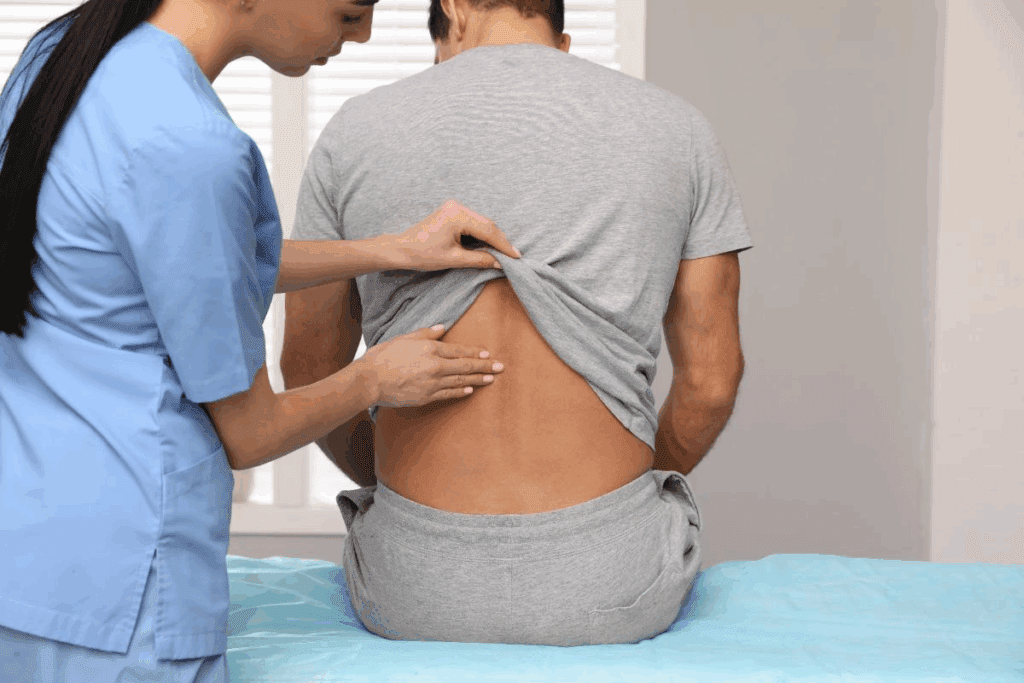
Scoliosis means the spine curves in a way it shouldn’t. This can cause chronic back pain, breathing problems, and less mobility. How much it affects someone can vary a lot.
Guy Natale’s story shows how complex scoliosis can be. He had it because of a leg length difference. His experience shows why we need to look at all ways to manage scoliosis, including what we eat.
The Connection Between Diet and Spinal Health
What we eat affects our spine health a lot. It can change inflammation, bone strength, and how we feel overall. What we eat can make scoliosis symptoms better or worse.
“The food we eat has a profound impact on our overall health, including the health of our spine. A well-balanced diet can help mitigate some of the effects of scoliosis.”
By choosing the right foods, we can help manage scoliosis. Knowing how diet affects our spine helps us make better choices for our health.
The Science Behind Diet and Scoliosis Progression
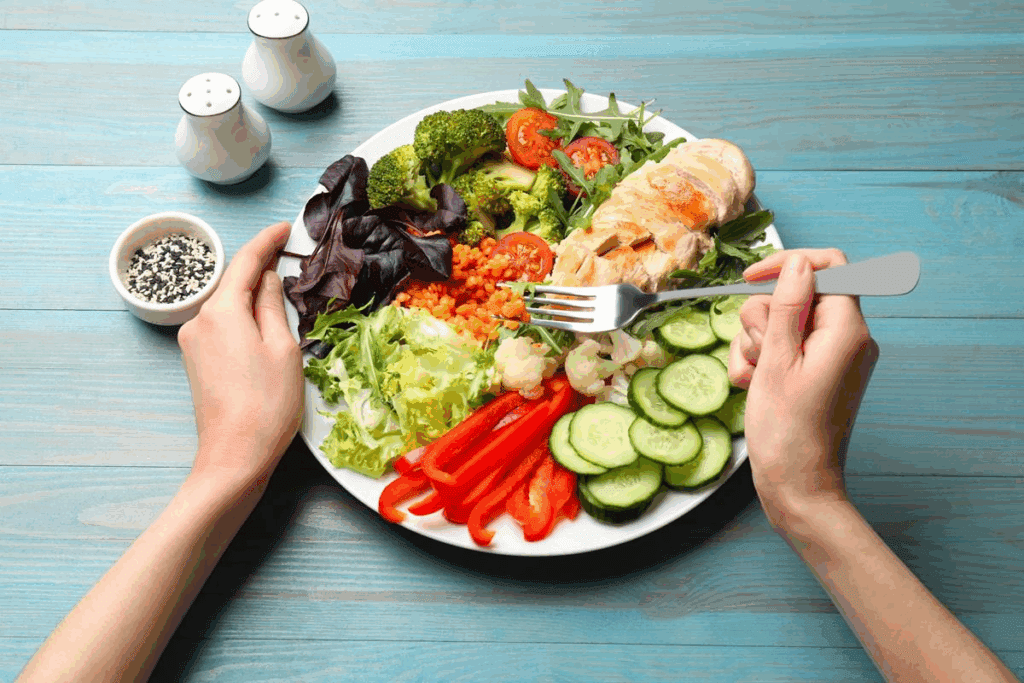
Understanding how diet affects scoliosis is key to managing it. Recent studies show that what we eat can impact our spine’s health. This can affect the curvature seen in scoliosis.
Research on Nutritional Factors in Spinal Curvature
Studies have found that diet plays a big role in spinal health. Eating foods rich in calcium and vitamin D is important for strong bones. This can help manage scoliosis.
Other nutrients like omega-3 fatty acids and antioxidants also matter. They help with inflammation and bone health.
A detailed look at the research shows diet’s complex role in scoliosis. Some studies say bad nutrition can make scoliosis worse. But others suggest the right diet can slow it down.
How Food Influences Inflammation and Bone Health
What we eat affects inflammation and bone health, both key in scoliosis. Foods high in processed stuff and sugar can make inflammation worse. On the other hand, eating fruits, veggies, and whole grains can help.
For people with scoliosis, diet is very important. Nutrients like calcium, vitamin D, and magnesium help keep bones strong. A balanced diet with these can support spinal health.
| Nutrient | Role in Spinal Health | Food Sources |
| Calcium | Essential for bone strength | Dairy products, leafy greens, fortified plant-based milk |
| Vitamin D | Critical for calcium absorption | Fatty fish, fortified dairy products, sunlight exposure |
| Magnesium | Supports bone mineralization | Nuts, seeds, whole grains, dark leafy greens |
Individual Variation in Dietary Responses
People with scoliosis react differently to food. Things like genes, overall health, and other health issues can affect how diet impacts scoliosis.
Because of this, a custom diet plan is best. Working with healthcare providers to create a diet plan can help. This way, individuals with scoliosis can make the best dietary choices for themselves.
Inflammatory Foods That May Worse Scoliosis Symptoms
Inflammatory foods can make scoliosis symptoms worse. What we eat affects how our body reacts to inflammation. By changing our diet, we can lessen some of the pain and problems caused by scoliosis.
Processed Foods and Their Impact on Spinal Health
Processed foods are full of unhealthy fats, sodium, and artificial stuff. These can make our body more inflamed. Eating too much of these foods can make scoliosis symptoms worse. Reducing processed foods in our diet can help manage the condition better.
Try to avoid packaged snacks, frozen meals, and processed meats. Instead, choose whole, nutrient-rich foods to help keep your spine healthy.
Sugar and Refined Carbohydrates
Too much sugar and refined carbs can cause inflammation. These foods raise blood sugar, leading to inflammation that can make scoliosis symptoms worse. Limit sugary drinks and foods with refined flour to help.
Refined carbs, like white bread and pastries, quickly turn into glucose, causing inflammation. Opt for complex carbs, like whole grains, to keep blood sugar stable and reduce inflammation.
Trans Fats and Vegetable Oils
Trans fats, found in fried foods and baked goods, increase inflammation. Some vegetable oils, when eaten in excess or heated, can also be harmful. Avoid trans fats and choose healthier oils like olive or avocado oil for a diet that fights inflammation.
Be careful with omega-6 fatty acids in some vegetable oils. Too much can cause inflammation. It’s important to balance omega-6 with omega-3 fatty acids for a healthy inflammatory response.
Dairy Products and Scoliosis: What You Need to Know
The link between dairy and scoliosis is a hot topic. It’s important to know how dairy might affect our spines. We’ll look at the different sides of dairy and its role in spinal health.
The Dairy Consumption Controversy
Dairy is a common food, full of calcium and protein. But its effect on scoliosis is unclear. Some studies say dairy might make symptoms worse for some people. Others find no big difference.
It’s key to understand what’s in a dairy. For example, casein in dairy can be a problem for some. The chance of dairy causing inflammation is something we need to study more.
Potential Inflammatory Effects in Some Individuals
Inflammation can make scoliosis worse. Some research shows dairy might start or make inflammation in some people. This is true for those with lactose intolerance or sensitivity to dairy proteins.
- Lactose intolerance can make symptoms of scoliosis worse.
- Dairy protein sensitivity can cause an immune reaction, leading to inflammation.
- How well someone can handle dairy varies a lot, so it’s important to watch how it affects you.
If dairy is a problem, finding other ways to get calcium is key.
Dairy Alternatives for Calcium Intake
There are many dairy-free options that are good for calcium. Some great choices are:
- Fortified plant-based milk (almond milk, soy milk, oat milk)
- Leafy greens like kale and broccoli
- Calcium-set tofu and other soy products
- Nuts and seeds, such as almonds and sesame seeds
By adding these to your diet, you can get enough calcium without dairy’s possible downsides.
In summary, dairy is good for nutrients but its effect on scoliosis needs thought. Knowing about inflammation and trying dairy-free options can help you make better food choices.
Gluten and Scoliosis: Is There a Connection?
For those with scoliosis, knowing how gluten affects them is key. Scoliosis is a complex spinal issue. It’s influenced by genetics, hormones, and diet.
Research on Gluten Sensitivity and Spinal Conditions
Studies are looking into gluten sensitivity and scoliosis. Gluten sensitivity is like celiac disease but less severe. It might cause inflammation, which could harm the spine.
The exact way gluten affects scoliosis is not fully understood. But, it’s thought that gluten could make scoliosis symptoms worse by causing inflammation.
Signs That Gluten Might Be Affecting Your Scoliosis
It’s hard to tell if gluten affects scoliosis. Symptoms can differ from person to person. But, some signs include:
- More pain or stiffness after eating gluten
- Scoliosis symptoms get worse with more gluten
- Other gluten-related symptoms like digestive problems or tiredness
If you notice these signs, talk to a doctor before changing your diet.
Navigating a Gluten-Free Diet Safely
If you think gluten is impacting your scoliosis, a gluten-free diet might help. But, always get advice from a healthcare expert or dietitian to avoid nutritional imbalances.
Important things to consider on a gluten-free diet include:
- Choosing gluten-free grains instead
- Being careful about gluten in food preparation
- Making sure you get enough fiber and nutrients from gluten-free foods
By managing gluten intake and watching how it affects your scoliosis, you can make better diet choices. This might help improve your spinal health.
Nightshade Vegetables and Their Effect on Scoliosis
The link between nightshade veggies and scoliosis is complex. Nightshades include foods like tomatoes, peppers, and eggplants. Some studies suggest they might cause inflammation in people with scoliosis.
What Are Nightshades and Why They Might Matter
Nightshades are plants in the Solanaceae family. They have compounds that might cause inflammation. For those with scoliosis, controlling inflammation is key to managing spinal curvature.
The compounds in nightshades, like glycoalkaloids, can affect how the body reacts to inflammation.
Individual Sensitivity and Monitoring Symptoms
People react differently to nightshade veggies. Some might not have any issues, while others might see their scoliosis symptoms get worse. It’s important to watch how your body reacts to these foods.
Keeping a food diary can help figure out if nightshades are affecting you. Look for changes in pain, mobility, or flexibility after eating them.
- Pay attention to changes in pain levels after consuming nightshades.
- Note any differences in mobility or flexibility.
- Consider eliminating nightshades from your diet for a period to observe any changes.
Alternatives to Common Nightshade Vegetables
If you need to avoid nightshades, there are many other veggies to choose from. Try adding more:
- Cucumbers
- Carrots
- Green beans
- Leafy greens like spinach and kale
These options can help keep your diet balanced and reduce the risk of negative effects from nightshades.
The Complete Scoliosis Diet: Foods to Embrace and Avoid
Knowing which foods to eat and avoid is essential for a scoliosis diet. A good eating plan can help manage symptoms and keep your spine healthy.
Creating a Balanced Anti-Inflammatory Eating Plan
A balanced diet is key for scoliosis. It should focus on nutrient-dense foods that fight inflammation and support bone health.
Some important foods include:
- Fresh fruits and vegetables
- Whole grains
- Lean proteins
- Healthy fats
A healthcare expert says, “Eating anti-inflammatory foods can greatly help manage scoliosis symptoms.”
“Diet is very important for scoliosis. Making smart food choices can help lessen symptoms.”
Sample Meal Ideas for Scoliosis Management
Starting a scoliosis-friendly diet is easy with the right meals. Here are some ideas:
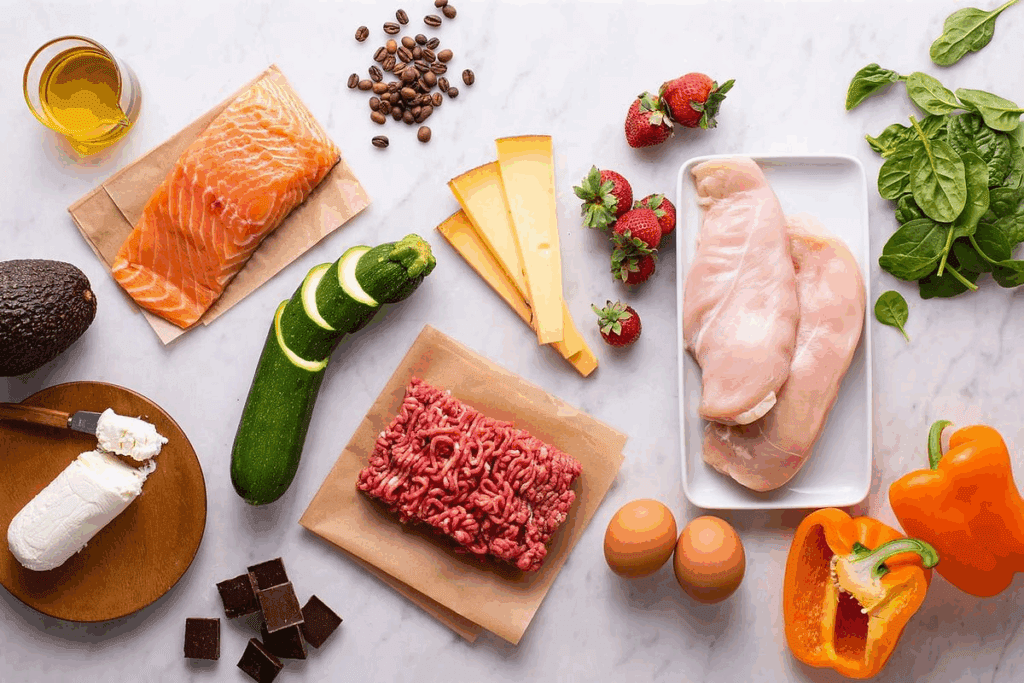
- Breakfast: Oatmeal with berries and walnuts
- Lunch: Grilled chicken salad with mixed greens and avocado
- Dinner: Baked salmon with quinoa and steamed vegetables
Adapting Your Diet Gradually for Success
Making small changes to your diet is often better. Start with small steps and see how your body reacts.
For example, try swapping processed snacks for healthier ones. Or add more plant-based meals to your diet.
By following a well-thought-out scoliosis diet, you can actively manage your condition. This can greatly improve your life quality.
Calcium and Vitamin D: Critical Nutrients for Scoliosis Patients
Calcium and vitamin D are key for keeping the spine healthy, which is important for scoliosis patients. They help with bone growth and strength. Getting enough of these nutrients is key to managing scoliosis well.
Best Food Sources of Calcium Beyond Dairy
While dairy is rich in calcium, there are many non-dairy options too. Some top picks include:
- Leafy greens like kale and broccoli
- Fortified plant-based milk
- Almonds and sesame seeds
- Tofu and other soy products
Vitamin D Intake and Absorption Strategies
Vitamin D helps your body use calcium, which is vital for spinal health. Ways to keep vitamin D levels up include:
- Exposure to sunlight
- Eating fatty fish like salmon and mackerel
- Fortified foods and supplements
Remember, vitamin D absorption can be affected by your skin color, age, and where you live.
Supplementation Guidelines and Precautions
Supplements can help meet calcium and vitamin D needs. But, it’s important to follow guidelines and be careful to avoid problems. Always talk to a healthcare provider before starting any supplements.
| Nutrient | Recommended Daily Intake | Potential Risks of Excess |
| Calcium | 1,000-1,200 mg | Kidney stone formation, constipation |
| Vitamin D | 600-800 IU | Toxicity leading to hypercalcemia |
It’s important to watch how much you take and know about any possible interactions with other medicines.
In summary, calcium and vitamin D are very important for scoliosis patients. Knowing the best foods and how to use supplements can help manage the condition better.
Magnesium, Vitamin K, and Other Key Nutrients for Spinal Health
Keeping your spine healthy needs a mix of things, like eating foods rich in magnesium and vitamin K. These nutrients are key for strong bones and a healthy spine.
Supporting Bone Structure
Magnesium is vital for bone health. It helps control calcium, which is important for strong bones. Vitamin K also helps by activating proteins that work with calcium for bone growth. Other nutrients like vitamin D, calcium, and omega-3 fatty acids are also important.
Magnesium’s role in bone health is big. It helps bone cells work right. Getting enough magnesium helps keep bones healthy by balancing their growth and breakdown.
Food Sources and Supplementation Considerations
You can get magnesium from dark leafy greens, nuts, and whole grains. Vitamin K is in leafy greens and fermented foods. While diet can provide these nutrients, some might need supplements, like those with special diets.
Before taking supplements, talk to a doctor. They can check if you need them and suggest the right ones. Magnesium supplements vary, like magnesium oxide and magnesium glycinate, each absorbed differently.
It’s important to get enough of these nutrients for a healthy spine. Eating a variety of whole foods helps build strong bones and a healthy spine.
Special Considerations for Children and Adolescents with Scoliosis
Children and teens with scoliosis need special nutrition, mainly when they grow fast. The right food can really help manage their scoliosis.
Nutritional Needs During Growth Spurts
When kids grow quickly, they need lots of calcium, vitamin D, and other nutrients for strong bones. Calcium is key for bone strength, and vitamin D helps the body use calcium. Eating foods rich in these can help their spine stay healthy.
Age-Appropriate Dietary Modifications
Changing what kids eat for scoliosis depends on their age, needs, and likes. Young kids should avoid sugary snacks and junk food that can cause inflammation. Older teens can learn to choose healthier foods.
- Encourage a variety of colorful fruits and vegetables.
- Incorporate lean proteins and whole grains into meals.
- Limit processed and high-sugar foods.
Working with Schools and Social Situations
It’s tough to manage scoliosis at school and with friends. Parents should talk to school officials to make sure their kid has healthy food options. Teaching kids to make smart food choices at social events can help them manage their scoliosis better.
With help from doctors, parents, and teachers, we can support kids and teens with scoliosis. We can help them make good food choices for their health and happiness.
The Role of Omega-3 Fatty Acids in Managing Scoliosis
Recent studies show omega-3 fatty acids can help with scoliosis symptoms. They are known for their anti-inflammatory effects. This is key in managing scoliosis.
Anti-Inflammatory Benefits
Omega-3 fatty acids, like EPA and DHA, cut down body inflammation. This is good for scoliosis patients because too much inflammation can make spinal curves worse. Eating foods rich in omega-3 can help reduce inflammation and slow scoliosis progression.
Key Benefits of Omega-3 Fatty Acids:
- Reduces inflammation
- Supports bone health
- May improve overall spinal health
Sources of Omega-3 Fatty Acids
There are many sources of omega-3 fatty acids. You can find them in both animal and plant-based foods. Fatty fish like salmon and sardines are full of EPA and DHA. Flaxseed and chia seeds are plant-based sources of ALA, which turns into EPA and DHA.
| Source | Type of Omega-3 | Benefits |
| Salmon | EPA, DHA | High in anti-inflammatory properties |
| Flaxseed | ALA | Plant-based source, supports heart health |
| Sardines | EPA, DHA | Rich in calcium and vitamin D |
Balancing Omega-3 and Omega-6 Intake
It’s important to balance omega-3 with omega-6 fatty acids. While both are good, most Western diets have too much omega-6, which can cause inflammation. Eating a diet that balances omega-6 and omega-3 can help manage scoliosis symptoms.
“The balance between omega-6 and omega-3 fatty acids is key for health, and it’s very important for scoliosis patients.”
Understanding omega-3 fatty acids and making smart food choices can help those with scoliosis. It can improve their condition and quality of life.
Hydration and Scoliosis: Why Water Intake Matters
Hydration is key for spinal health, often ignored in scoliosis care. Drinking enough water helps keep spinal discs healthy. These discs act as shock absorbers between the vertebrae.
Effects of Dehydration on Spinal Discs
Dehydration can harm spinal discs, making them smaller and increasing friction. This can make scoliosis symptoms worse, causing pain and discomfort. Even mild dehydration can hurt spinal disc function, showing how important staying hydrated is.
Optimal Hydration Strategies
Drinking at least eight glasses of water a day is a good start. But, your needs can change based on age, how active you are, and where you live. Checking your urine color is a simple way to see if you’re hydrated; pale yellow means you’re good.
Here are some tips to stay hydrated:
- Drink water all day long
- Eat hydrating foods like watermelon and cucumbers
- Stay away from diuretics like caffeine and alcohol
Beverages to Avoid for Spinal Health
Some drinks can harm your spine, like those that dehydrate or cause inflammation. Sugary drinks, caffeine, and alcohol can be diuretics, leading to dehydration if you drink too much.
To help your spine, limit or avoid:
- Sugary sodas and energy drinks
- Too much caffeine
- Alcoholic drinks
By focusing on hydration and choosing the right drinks, people with scoliosis can help manage their condition. This supports their spinal health.
Working with Healthcare Providers on Your Scoliosis Diet
Working with healthcare providers is key to making a diet plan for scoliosis. Together, you can make a plan that meets your nutritional needs and health goals.
When to Consult Nutritionists and Specialists
It’s important to talk to nutritionists and specialists about your diet. Nutritionists can explain how food affects your condition. Specialists can guide you on using diet to manage scoliosis. You should consult them when:
- You’re thinking about big diet changes.
- You have questions about food and scoliosis.
- You need help with a balanced meal plan.
Tracking Dietary Changes and Their Effects
It’s important to track how diet changes affect scoliosis. Keeping a food diary can show patterns and how diet affects symptoms. We suggest:
- Write down everything you eat and drink.
- Notice any changes in symptoms or health.
- Share this info with your healthcare provider.
Integrating Nutrition with Medical Treatment Plans
Combining nutrition with medical plans is vital for scoliosis management. Healthcare providers can show how diet fits with other treatments, like physical therapy or bracing. This combination can lead to better results and a better life.
To mix nutrition with medical plans well, we recommend:
- Talk about your diet with your healthcare provider at check-ups.
- Change your diet based on your healthcare team’s advice.
- Watch your progress and adjust as needed.
Conclusion: Taking Control of Your Scoliosis Through Nutrition
Managing scoliosis well means using a full approach, including what you eat. Knowing how food affects scoliosis helps you manage it better.
Food is key to keeping your spine healthy. It affects inflammation, bone strength, and how you feel overall. Eating right can help slow down scoliosis and make life better.
Controlling scoliosis with food is a team effort. You, your doctor, and a nutritionist need to work together. With the right diet, you can manage scoliosis better and feel healthier.
FAQ
What is scoliosis and how does it affect the body?
Scoliosis is a condition where the spine curves abnormally. It can cause back pain, uneven shoulders, and breathing problems in severe cases.
How does diet influence scoliosis progression?
Diet is key in managing scoliosis. Some foods can make inflammation worse and affect bone health. Eating a balanced diet with anti-inflammatory foods can help manage symptoms.
What are some inflammatory foods that may worsen scoliosis symptoms?
Foods like processed items, sugar, and trans fats can make inflammation worse. Avoiding these can help manage scoliosis symptoms.
Is there a connection between dairy consumption and scoliosis?
There’s debate about dairy and scoliosis. Some people may react to dairy, while others don’t. Trying dairy alternatives might help those who are sensitive.
Can gluten affect scoliosis?
Research links gluten sensitivity to spinal conditions, including scoliosis. A gluten-free diet, under medical guidance, can be beneficial for some.
What are nightshade vegetables, and how might they affect scoliosis?
Nightshades include tomatoes, peppers, and eggplants. Some people may react to these, making scoliosis symptoms worse. Watching how you react and trying alternatives is wise.
What are the key components of a scoliosis-friendly diet?
A good diet for scoliosis focuses on anti-inflammatory foods and nutrients like calcium and vitamin D. It also avoids processed foods.
How important are calcium and vitamin D for scoliosis patients?
Calcium and vitamin D are vital for bone health, which is critical for scoliosis patients. Getting enough through diet and supplements is important for spinal health.
What role do omega-3 fatty acids play in managing scoliosis?
Omega-3s have anti-inflammatory effects that can help with scoliosis symptoms. Foods like fish and flaxseed are beneficial, along with balancing omega-3 and omega-6 intake.
Why is hydration important for scoliosis patients?
Keeping the spine’s discs hydrated is essential. Dehydration can cause disc degeneration and worsen scoliosis symptoms. Drinking plenty of water is recommended.
How can I work with healthcare providers to develop a personalized scoliosis diet?
Working with healthcare providers, including nutritionists, can help create a diet plan tailored to your needs. Tracking changes and integrating nutrition with treatment plans is key for managing scoliosis.
Are there special dietary considerations for children and adolescents with scoliosis?
Kids and teens with scoliosis have unique nutritional needs, mainly during growth spurts. Ensuring they get the right nutrients and making dietary adjustments can support their spinal health and development.
References
1. Negrini, S., Donzelli, S., Aulisa, A. G., Czaprowski, D., Schreiber, S., de Mauroy, J. C., … & Hodgson, S. (2018). 2016 SOSORT guidelines: Orthopaedic and rehabilitation treatment of idiopathic scoliosis during growth. Scoliosis and Spinal Disorders, 13(3). https://scoliosisjournal.biomedcentral.com/articles/10.1186/s13013-017-0145-8