Last Updated on December 5, 2025 by Bilal Hasdemir
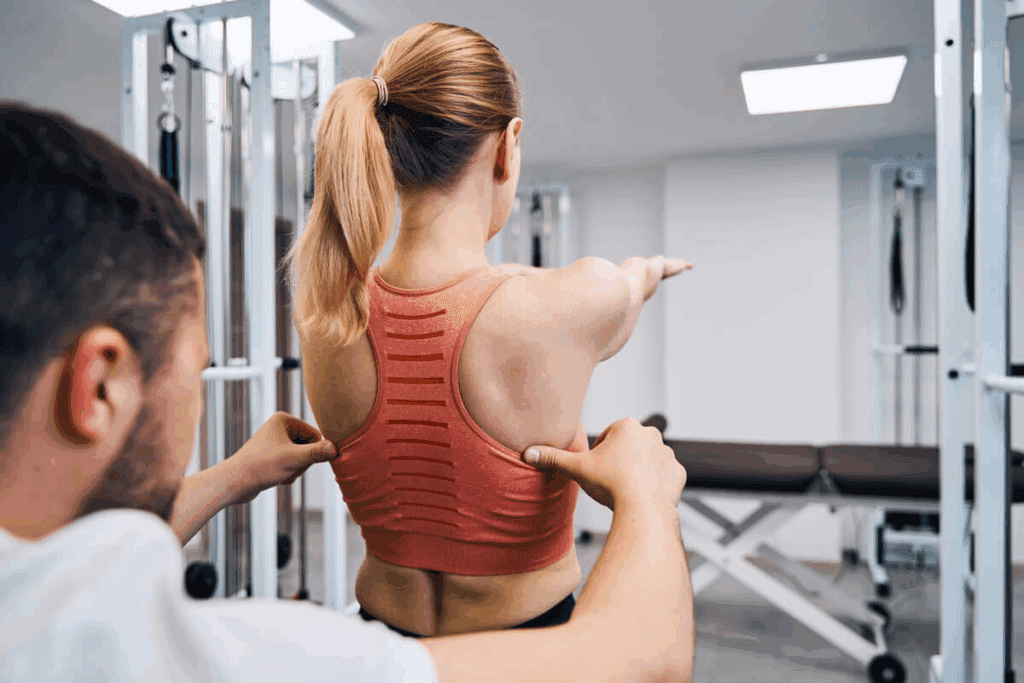
Scoliosis can greatly affect daily life, as seen in Arielou Marcy’s story. She’s an 86-year-old woman living with it. Her experience shows why it’s key to know about scoliosis pain symptoms and their impact.
Many wonder if scoliosis causes back pain. It can lead to uneven muscle growth and strain on the back. This might cause discomfort. By looking into how scoliosis and back pain are connected, we can understand its effects better.
We want to give a detailed guide on scoliosis and its pain. By exploring scoliosis pain symptoms in depth, we aim to help people manage their condition. We hope to give them the knowledge they need.
Key Takeaways
- Understanding scoliosis and its impact on daily life is key.
- Scoliosis can cause back pain due to uneven muscle development.
- Knowing the symptoms of scoliosis is vital for managing it.
- Our guide aims to provide a full understanding of scoliosis pain symptoms.
- Empowering individuals with knowledge is essential for dealing with scoliosis.
Understanding Scoliosis: Definition and Types
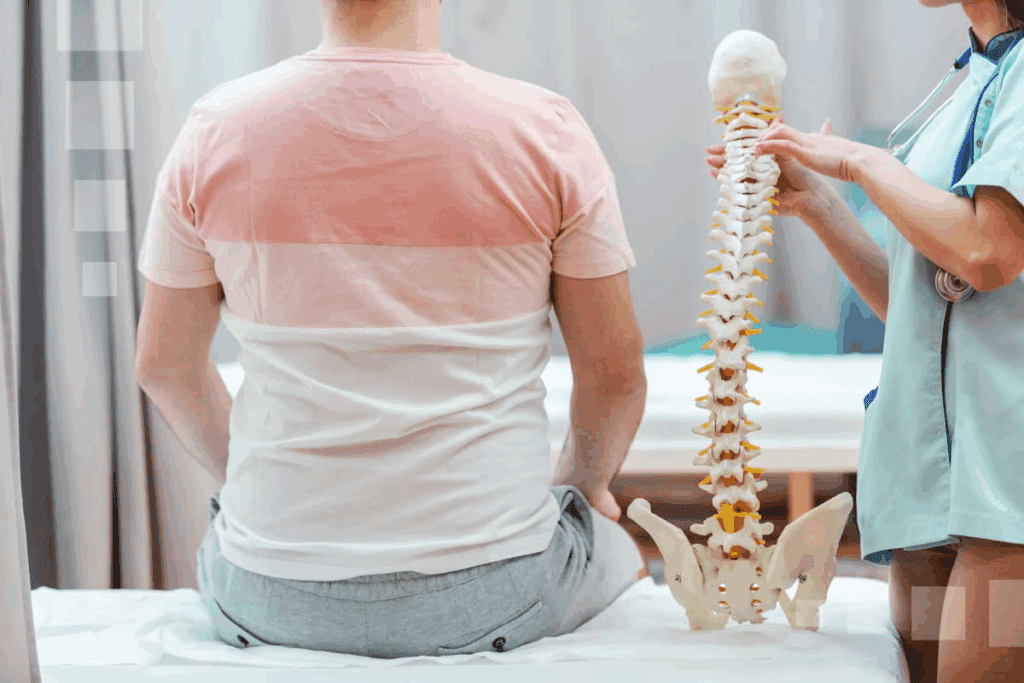
Scoliosis is a condition where the spine curves to one side. This can happen in different parts of the spine, leading to various types of scoliosis.
What is Scoliosis?
Scoliosis is not a single condition but a group of types. These types vary by age, cause, and how severe it is. The main types are idiopathic scoliosis, congenital scoliosis, and neuromuscular scoliosis.
Different Types of Scoliosis
Idiopathic scoliosis is the most common, making up about 80% of cases. Its cause is unknown. Congenital scoliosis happens at birth due to spinal issues. Neuromuscular scoliosis is linked to diseases affecting the nerves or muscles.
Prevalence and Demographics
Scoliosis can affect anyone, but it’s often found in teens. The Scoliosis Research Society says about 2-3% of American teens have it.
| Type of Scoliosis | Description | Prevalence |
| Idiopathic Scoliosis | Unknown cause, most common type | About 80% of scoliosis cases |
| Congenital Scoliosis | Present at birth due to spinal abnormalities | Rare, exact prevalence unknown |
| Neuromuscular Scoliosis | Associated with neurological or muscular diseases | Varies depending on underlying condition |
The Anatomy of Scoliosis: How the Spine Curves
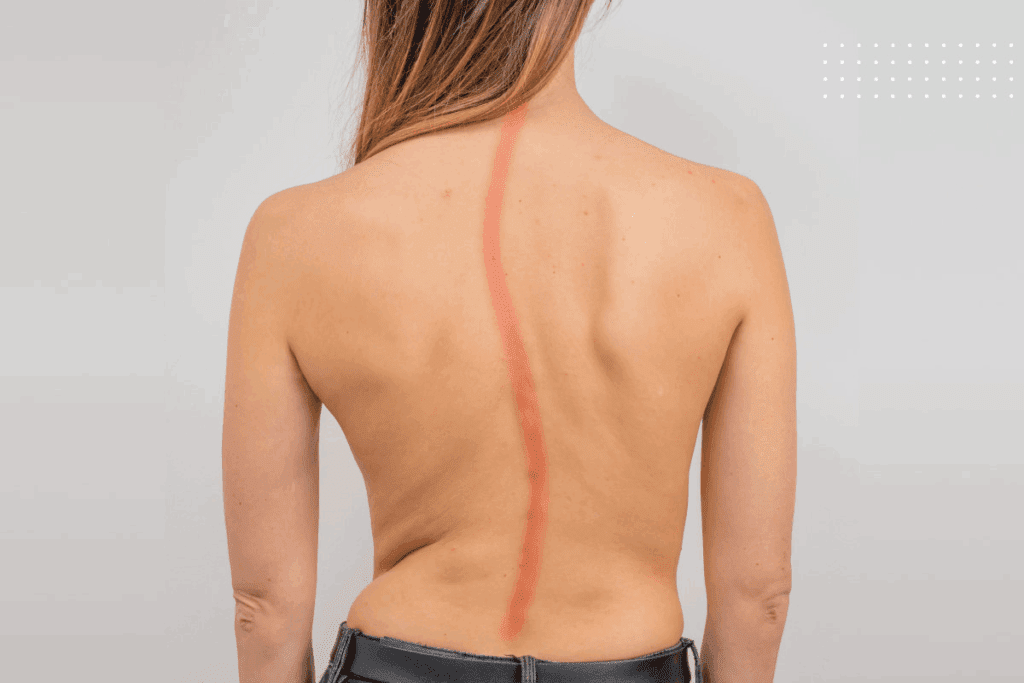
Understanding scoliosis is key to treating it well. Scoliosis is a complex spinal disorder affecting millions. To grasp scoliosis, we must know the normal spine and how it changes in this condition.
Normal Spine Alignment
A healthy spine curves naturally, with an inward curve in the lower back and an outward curve in the upper back. When seen from the front or back, it should look straight. Any deviation could mean scoliosis or another spinal issue.
The spine has 33 vertebrae, divided into five regions. These vertebrae stack on each other, with discs in between for shock absorption. This setup supports and flexes the body.
Spinal Curvature Patterns in Scoliosis
In scoliosis, the spine curves abnormally to the side, forming an “S” or “C” shape. This curvature often happens in the thoracic and lumbar regions. The degree and direction of the curve vary among people.
There are different types of scoliosis based on where and how the spine curves:
- Thoracic scoliosis: Curvature in the upper back.
- Lumbar scoliosis: Curvature in the lower back.
- Thoracolumbar scoliosis: Curvature at the junction of the thoracic and lumbar spine.
- Double major scoliosis: Two significant curvatures, often one in the thoracic and one in the lumbar region.
Measuring Scoliosis Severity (Cobb Angle)
The Cobb Angle measures scoliosis severity from X-ray images. It’s calculated by drawing lines on the X-ray. The angle between these lines is the Cobb Angle.
The Cobb Angle is important for:
- Assessing scoliosis severity.
- Deciding treatment.
- Tracking curvature changes over time.
A Cobb Angle of 10 degrees or less is normal. A measurement of 10 degrees or more indicates scoliosis. The larger the Cobb Angle, the more severe the curvature and its impact on health.
Does Scoliosis Always Cause Pain?
Pain from scoliosis can vary a lot from person to person. This makes us wonder if scoliosis always leads to pain. We’ll look into how scoliosis and pain are connected, and what affects their relationship.
Mild vs. Severe Scoliosis and Pain Correlation
Studies show how severe scoliosis can affect pain levels. People with mild scoliosis might not feel much pain. But those with more severe scoliosis might feel more pain.
Key factors influencing pain in scoliosis include:
- The degree of spinal curvature
- The presence of any degenerative changes
- Muscle imbalance and strain
Age Factors in Scoliosis Pain
Age is a big factor in scoliosis pain. Kids and teens with scoliosis might not feel much pain. But adults, and those with degenerative scoliosis, often do feel pain.
As we get older, our spines naturally change. This can make scoliosis pain worse. So, age is key when thinking about scoliosis pain.
When Scoliosis Becomes Painful
Scoliosis usually hurts when it gets worse or when the spine changes. Muscle fatigue and strain also play a part. The body tries to adjust to the spinal curve, leading to pain.
In some cases, pain means it’s time for medical help. This can stop the curve from getting worse and ease the pain. Knowing what causes scoliosis pain helps doctors create better treatment plans.
Understanding the link between scoliosis, age, and pain helps doctors give better care. They can tailor treatments to meet each person’s needs, improving their life quality.
Scoliosis Pain Symptoms: What You Need to Know
It’s important for patients to know the signs of scoliosis pain. This pain can show up in different ways for each person. It’s key to understand what it looks like and what might cause it.
Typical Pain Locations
Scoliosis pain can happen in different spots on the back. This depends on where and how much the spine curves. Common places include:
- The lower back (lumbar region)
- The middle back (thoracic region)
- The upper back and neck area
Typically, the pain is felt on one side of the back. This matches the side of the spinal curve. For example, someone with a left-sided thoracic curve might feel pain on their left upper back.
Quality and Character of Scoliosis Pain
The way scoliosis pain feels can vary a lot. Some common feelings include:
- A dull, aching sensation
- Sharp or stabbing pain, often when bending or twisting
- A feeling of muscle fatigue or strain
Pain can be constant or come and go. It often gets worse with activities that make the spinal curve or muscle imbalance worse.
Pain Triggers and Aggravating Factors
Many things can make scoliosis pain worse. These include:
- Prolonged standing or sitting
- Lifting heavy objects or bending
- High-impact activities or sudden movements
Knowing what triggers your pain can help you manage it better. By avoiding these triggers, you can lessen your pain and live better.
Left Side vs. Right Side: Which Hurts More in Scoliosis?
Knowing if scoliosis hurts the left or right side of the spine is key to managing pain. The way the spine curves can differ a lot among people with scoliosis. This affects where and how much pain they feel.
Pain Patterns in Left-Sided Curves
Left-sided scoliosis curves can cause unique pain patterns. People often feel pain on the left side of their back, which might spread to the shoulder or hip. This can lead to muscle imbalance and strain on the left side of the body.
- Pain may be more pronounced during activities that involve bending or twisting.
- Some individuals may experience relief when lying down or adopting specific postures.
- The severity of pain can vary, with some experiencing mild discomfort and others having debilitating pain.
Pain Patterns in Right-Sided Curves
Right-sided scoliosis curves have their own set of pain patterns. Typically, individuals report pain on the right side of the back, which can extend to the rib cage or lower back. The direction of the curvature can affect the rib alignment, potentially causing discomfort or pain in the chest area.
- Pain may increase with prolonged standing or sitting.
- Activities that exacerbate the curvature, such as heavy lifting, can worsen the pain.
- Some people find that wearing supportive devices or braces can help alleviate discomfort.
S-Shaped Curves and Pain Distribution
S-shaped curves, characterized by a double curvature, present a complex pain distribution pattern. Pain can be experienced on both sides of the back, as well as in the upper and lower regions. The dual curvature can lead to a more widespread distribution of pain due to the increased muscle imbalance and strain.
| Curve Type | Common Pain Locations | Factors Exacerbating Pain |
| Left-Sided | Left back, shoulder, hip | Bending, twisting |
| Right-Sided | Right back, rib cage, lower back | Prolonged standing, heavy lifting |
| S-Shaped | Both sides of the back, upper and lower regions | Multiple factors due to complex curvature |
Upper Back Pain in Scoliosis
For those with scoliosis, upper back pain is a common problem. Scoliosis causes the spine to curve abnormally, affecting the upper back. This can lead to discomfort and other issues.
Thoracic Scoliosis and Pain
Thoracic scoliosis occurs in the upper back. The pain’s severity depends on the curvature’s degree. Those with more curvature often feel more pain.
The pain comes from muscle imbalance. Some muscles work too hard, while others don’t, causing strain and discomfort.
Shoulder and Rib Pain
Thoracic scoliosis can also cause shoulder and rib pain. The spine’s abnormal curve can make one shoulder look higher than the other. This unevenness strains muscles and joints, leading to pain.
Rib pain happens when the spine and rib cage rotate. This makes one side of the ribs stick out more. This can cause discomfort and pain, mainly when bending or twisting.
Impact on Breathing and Chest Discomfort
In severe cases, thoracic scoliosis can affect breathing and cause chest pain. The spine’s curve can limit lung space, leading to breathing problems.
Chest pain also comes from the rib cage’s altered mechanics. It’s vital for those with scoliosis to watch their breathing and report any issues to their doctor.
Nicole Whaling, a school nurse, stresses the importance of understanding scoliosis’s effects. Her insights highlight the need for full care for those with scoliosis.
Lower Back Pain in Scoliosis
Scoliosis can cause lower back pain, making daily activities hard. Arielou Marcy’s story shows how scoliosis can hurt your back. We’ll look at how scoliosis affects the lower back and life quality.
Lumbar Scoliosis Pain Patterns
Lumbar scoliosis is when the spine curves in the lower back. This can cause chronic pain and discomfort. The pain can feel like a dull ache or sharp pain that gets worse with activity.
People with lumbar scoliosis might feel pain in their hips and legs too. Knowing these pain patterns helps doctors find the right treatment.
Hip and Pelvic Discomfort
The spine’s curve in scoliosis can also cause hip and pelvic discomfort. When the spine curves, it can pull the pelvis and hips out of alignment. This puts strain on muscles and joints.
“The misalignment caused by scoliosis can result in significant hip and pelvic pain, making everyday activities challenging.”
There are treatments like physical therapy and bracing to manage this discomfort. It’s key to treat these issues to improve life quality.
Impact on Daily Activities
Lower back pain from scoliosis can make daily tasks hard. Even simple actions like bending, lifting, or standing for a long time can be tough.
| Activity | Impact of Lower Back Pain |
| Bending or Lifting | Increased pain and discomfort |
| Standing or Sitting | Prolonged positions exacerbate pain |
| Exercise or Physical Activity | Certain movements may be restricted or painful |
Understanding how scoliosis affects daily life helps doctors create better treatment plans. These plans address the spine’s curve and the pain and discomfort it causes.
Beyond the Back: Other Areas Affected by Scoliosis Pain
Scoliosis isn’t just about back pain. It can also cause discomfort in other parts of the body. This happens because the spine’s abnormal curve affects nearby structures.
Neck and Head Pain
Neck and head pain can occur in people with scoliosis. This is because the body tries to adjust its posture. The spine’s curve can strain the neck and head muscles and joints.
Neck pain from scoliosis can be mild or severe. It might even cause headaches or migraines.
Leg Pain and Sciatica
Scoliosis can also lead to leg pain. This is often due to nerve pressure or irritation. Sciatica, which runs from the lower back to the legs, is common in those with scoliosis.
The spine’s curve can press on the sciatic nerve. This can cause leg pain, numbness, or tingling. Standing, walking, or bending can make this pain worse.
Abdominal and Organ Discomfort
In some cases, scoliosis can cause stomach and organ discomfort. The spine’s curve can put pressure on the stomach and affect its function.
| Region | Possible Symptoms | Potential Causes |
| Neck and Head | Neck pain, headaches, migraines | Compensatory postural mechanisms, muscle strain |
| Legs | Leg pain, sciatica, numbness, tingling | Nerve compression or irritation |
| Abdomen | Abdominal discomfort, digestive issues | Pressure on abdominal organs |
It’s important to know how scoliosis can affect the body. Recognizing symptoms in areas other than the back helps in managing them better. This way, people with scoliosis can get the care they need to feel better.
Why Scoliosis Causes Pain: Mechanisms Explained
To understand scoliosis pain, we must look at several key factors. It’s not just the spinal curve causing pain. It’s a complex mix of physiological changes.
Muscle Imbalance and Strain
Muscle imbalance and strain are big reasons for scoliosis pain. When the spine curves, muscles on one side get tight and the other weak. This imbalance causes muscle strain, leading to pain.
- Muscle fatigue from overcompensation
- Strain on ligaments and tendons
- Uneven stress from altered biomechanics
Nerve Compression and Irritation
Nerve compression and irritation also play a big role in scoliosis pain. The curved spine can press or irritate nerves, causing pain and numbness. The severity depends on the curve and the nerves involved.
- Nerve root compression causing radicular pain
- Irritation of nerves leading to neuropathic pain
- Potential for neurological deficits if left untreated
Joint Dysfunction and Degeneration
Scoliosis can also cause joint dysfunction and degeneration over time. The abnormal curve wears down spinal joints, leading to osteoarthritis. This can cause chronic pain and stiffness.
People with scoliosis often develop postural compensation patterns to ease discomfort. These patterns can strain other body parts, like hips and legs, adding to the pain.
Scoliosis in Different Age Groups
Scoliosis affects people in different ways as they grow from kids to adults. It’s a condition where the spine curves abnormally. Knowing how it changes with age helps doctors treat it better.
Scoliosis Symptoms in Children
In kids, scoliosis often starts during a growth spurt before puberty. Finding it early is key to stopping it from getting worse. Kids might show signs like:
- Uneven shoulders or waist
- Prominent ribs or shoulder blades
- Leaning to one side
It’s important for kids to get regular check-ups, mainly during the pre-teen years. Treatment can be watching closely, wearing a brace, or surgery for severe cases.
Scoliosis Symptoms in Adults
In adults, scoliosis might have started in childhood or developed later. Symptoms can include:
- Chronic back pain
- Stiffness in the spine
- Muscle fatigue
Adults might also feel numbness, tingling, or weakness in their legs. Treatment can be physical therapy, managing pain, or surgery, depending on the severity.
Age-Related Changes in Pain Experience
Pain from scoliosis changes with age. Kids and teens might not feel much pain, even with a big curve. But adults often have chronic pain due to aging.
| Age Group | Common Symptoms | Typical Treatments |
| Children | Visible curvature, uneven shoulders | Observation, bracing, surgery |
| Adults | Chronic back pain, stiffness | Physical therapy, pain management, surgery |
Diagnosing Scoliosis Pain: When to See a Doctor
Diagnosing scoliosis pain involves spotting key symptoms and knowing when to see a doctor. Nicole Whaling, a school nurse, shows how important it is to get a proper diagnosis and treatment for scoliosis.
Warning Signs That Require Medical Attention
It’s important to know the warning signs of scoliosis pain. This helps decide when to go to the doctor. Some signs include:
- Persistent back pain that gets worse over time
- Uneven shoulders or hips
- Visible curvature of the spine
- Breathing difficulties in severe cases
- Numbness or weakness in the legs
If you or your child has any of these symptoms, seeing a doctor is a must.
Diagnostic Tests and Evaluations
Diagnosing scoliosis involves physical exams and imaging tests. The process includes:
| Diagnostic Test | Description | Purpose |
| Physical Examination | Checks posture, spinal alignment, and movement | First step in checking scoliosis symptoms |
| X-rays | Imaging to see the spine and measure curvature | To find out how curved the spine is (Cobb angle) |
| MRI or CT Scan | Detailed imaging for spinal structure and complications | To check for nerve issues or other problems |
These tests help doctors understand how severe the scoliosis is. They then create a treatment plan.
Differentiating Scoliosis Pain from Other Conditions
It can be hard to tell if back pain is from scoliosis or something else. Doctors look at many things, like medical history and test results, to make a correct diagnosis.
Differentiating factors include visible spinal curvature, pain pattern, and neurological symptoms like numbness or weakness.
By looking at these factors, doctors can give a correct diagnosis. They then suggest the right treatment for scoliosis pain.
Non-Surgical Treatment Options for Scoliosis Pain
Non-surgical treatments are often the first choice for scoliosis pain. They aim to reduce pain, improve life quality, and stop spinal curvature from getting worse.
Physical Therapy and Exercise Approaches
Physical therapy is key in managing scoliosis pain. It uses customized exercises to strengthen the spine, improve flexibility, and correct posture. The Schroth Method is known for its effectiveness in tackling scoliosis challenges.
Exercise methods include:
- Stretching to boost flexibility
- Strengthening to support the spine
- Postural training to ease back strain
- Breathing exercises to enhance lung function
Bracing and Support Options
Bracing is a non-surgical option for scoliosis, mainly for teens with moderate curvature. Braces help prevent further spine curvature during growth.
| Brace Type | Purpose | Usage |
| TLSO (Thoraco-Lumbo-Sacral Orthosis) | Corrects thoracic and lumbar curvature | Worn for 16-23 hours a day |
| CTLSO (Cervico-Thoraco-Lumbo-Sacral Orthosis) | Corrects curvature from neck to lower back | Worn for 23 hours a day |
Pain Management Medications
Pain management is vital in treating scoliosis. Various medications can help reduce pain, from over-the-counter options to stronger prescription drugs for severe cases.
Alternative and Complementary Therapies
Along with traditional treatments, alternative therapies can also help. These include:
- Chiropractic care
- Acupuncture
- Massage therapy
- Yoga and Pilates
Always talk to a healthcare provider before trying new therapies to make sure they’re right for you.
Surgical Interventions for Severe Scoliosis Pain
For those with severe scoliosis, surgery might be a good option to ease pain and improve life quality. Scoliosis causes the spine to curve abnormally, leading to discomfort and health issues if not treated.
When Surgery Becomes Necessary
Surgery is considered for severe scoliosis cases that don’t respond to other treatments. It’s for those with big curvatures that make daily life hard. Doctors look at the patient’s health, the curve’s size, and the surgery’s risks and benefits.
Key indicators for surgical intervention include:
- A Cobb angle of 45 degrees or more, indicating a significant curvature
- Progression of the curvature despite bracing or other conservative treatments
- Significant pain or discomfort that affects daily life
- Respiratory or neurological complications due to the spinal deformity
Types of Scoliosis Surgeries
There are several ways to treat scoliosis through surgery. Each method has its own benefits and when to use it. The main goal is to fix the spine, stop pain, and stabilize it.
Common surgical techniques include:
- Spinal fusion: A procedure that involves joining two or more vertebrae together to stabilize the spine
- Vertebral column resection: A more complex surgery that involves removing a portion of the vertebra to correct severe curvature
- Growing rods: Used mainly in young patients, these rods can grow with the child
Recovery and Pain Management After Surgery
Recovering from scoliosis surgery takes time, with hospital stays, physical therapy, and follow-up care. It’s important to manage pain well to help with healing and getting back to normal.
Pain management strategies may include:
- Medications: Analgesics and other pain relief medications are used to manage post-operative pain
- Physical therapy: Gentle exercises and stretches help improve mobility and strength
- Follow-up care: Regular check-ups with healthcare providers to monitor healing and address any complications
Long-Term Outcomes and Success Rates
Most people see big improvements in pain and spinal alignment after surgery. But, success can depend on age, curve severity, and health conditions.
Studies have shown that:
- Most patients experience a significant reduction in pain and improvement in spinal deformity
- Proper surgical technique and post-operative care are critical for optimal outcomes
- Long-term follow-up is necessary to monitor for any possible complications or recurrence
Conclusion: Living Well with Scoliosis
Living with scoliosis means taking charge of managing pain and improving life quality. Knowing about the condition, its signs, and treatments helps people control their health.
Arielou Marcy shows us how to stay positive and manage scoliosis well. With the right attitude and medical help, people can handle their pain and stay active.
If you think you might have scoliosis, see a doctor. Looking into treatments, like non-surgical methods or surgery, can really help. By tackling scoliosis in a full way, you can reduce pain and enjoy life more.
FAQ
What is scoliosis, and how does it affect the body?
Scoliosis is a condition where the spine curves abnormally. It can lead to back pain and discomfort. It also affects breathing and daily activities.
Does scoliosis always cause pain?
No, not everyone with scoliosis feels pain. The amount of pain depends on how severe the curve is. Some people with mild curves might not feel pain, while others with severe curves do.
What are the typical symptoms of scoliosis pain?
Symptoms include back pain and discomfort in the shoulders, hips, or pelvis. Pain can also spread to the legs or abdomen. The pain’s quality and how it’s triggered can vary.
How does the direction of the spinal curvature affect pain in scoliosis?
The direction of the curve affects pain patterns. Left and right curves have different pain patterns. S-shaped curves have their own unique pain distribution.
Can scoliosis cause pain in areas beyond the back?
Yes, it can. Scoliosis can cause pain in the neck, head, legs, and abdomen. This is because of the way the spine, muscles, and nerves interact.
What are the mechanisms behind scoliosis pain?
Pain from scoliosis comes from muscle imbalance, nerve compression, and joint issues. How you stand and move can also contribute to pain.
How does scoliosis affect different age groups?
Scoliosis affects people of all ages differently. Children and adults have different symptoms. Age can also change how pain is experienced.
When should I seek medical attention for scoliosis pain?
Seek medical help for severe pain, numbness, or weakness in the legs. Difficulty breathing or walking is also a warning sign. A doctor can diagnose and treat scoliosis pain effectively.
What are the treatment options for scoliosis pain?
Treatments include physical therapy, bracing, and pain medications. Surgery is an option for severe cases. The right treatment depends on the individual’s condition.
Can scoliosis be treated without surgery?
Yes, many cases can be treated without surgery. Physical therapy, bracing, and pain medications can manage pain and improve life quality.
What is the role of physical therapy in managing scoliosis pain?
Physical therapy improves flexibility, strength, and posture. It reduces discomfort. A tailored exercise program can help alleviate pain and enhance well-being.
How can I manage scoliosis pain at home?
Manage pain at home with a healthy lifestyle. This includes regular exercise, proper posture, and stress management. Pain medications and alternative therapies can also help, as recommended by a healthcare professional.
References
- Web:129: Weiss, H.-R., & Moramarco, M. (2023). Back pain in adolescent idiopathic scoliosis: A review of causative factors and treatment options. Scoliosis, 18, 1-11. https://journals.sagepub.com/doi/full/10.1177/18632521221149058