Last Updated on November 4, 2025 by mcelik
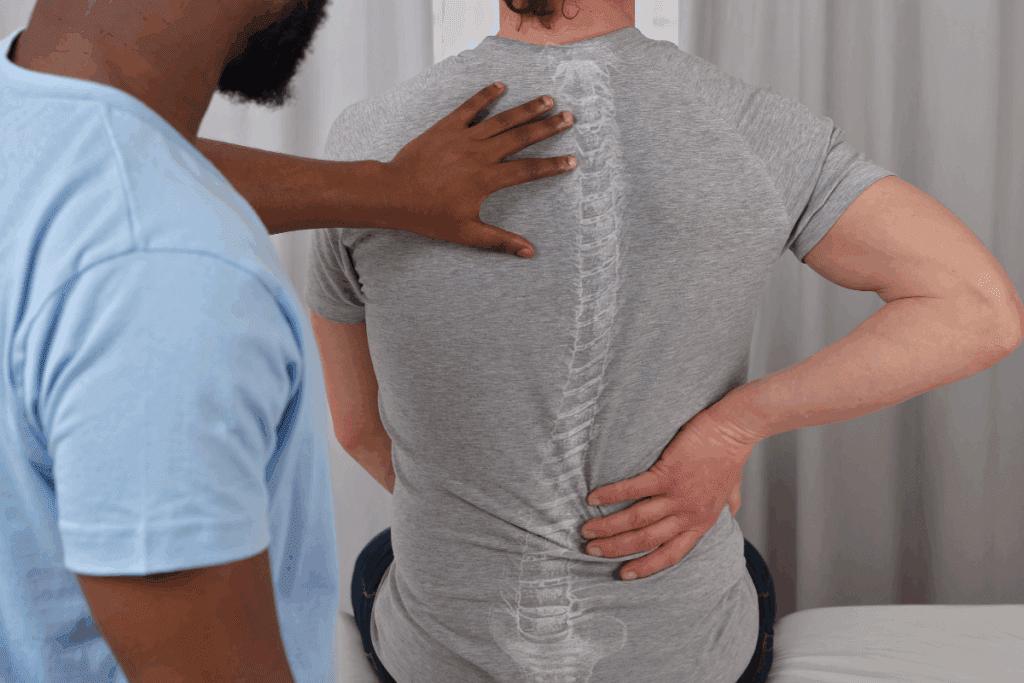
Every year, about 3 million people in the United States get diagnosed with scoliosis. Many of them might need Scoliosis surgery indication because their spinal deformity is very severe.
We look into how bad scoliosis needs to be for surgery. Knowing when surgery is needed is key for both patients and doctors. It helps them choose the best treatment.
The scoliosis severity is checked by looking at the scoliosis curve degree and the spinal deformity severity. These measurements decide if surgery is needed.
Key Takeaways
- Understanding scoliosis severity is key to knowing if surgery is needed.
- The scoliosis curve degree is a big factor in deciding surgery.
- Severe scoliosis can really hurt a person’s quality of life.
- Surgery is considered when the severity of the spinal deformity significantly impacts the patient’s health and quality of life.
- Getting the scoliosis severity right is vital for choosing the right treatment.
Understanding Scoliosis and Its Severity Levels

Scoliosis is a condition where the spine curves abnormally. It’s important to understand its severity to choose the right treatment. Scoliosis is more than just a curve; it’s a complex issue that affects people differently.
Definition and Types of Scoliosis
Scoliosis makes the spine curve to one side. There are several types, including:
- Idiopathic scoliosis: The most common form, with no known cause.
- Congenital scoliosis: Present at birth, due to abnormal spinal development.
- Neuromuscular scoliosis: Associated with neurological or muscular diseases.
- Degenerative scoliosis: Occurs in adults, often as a result of aging and wear on the spine.
Knowing the type of scoliosis helps choose the right treatment.
How Scoliosis Severity Is Measured
The severity of scoliosis is measured by the Cobb angle. This angle shows how much the spine curves. It’s found by drawing lines on the spine’s top and bottom parts.
Important parts of measuring scoliosis severity include:
- Cobb angle measurement: The gold standard for assessing the degree of curvature.
- Curve progression: Monitoring how the curvature changes over time.
- Impact on surrounding structures: Assessing how the curvature affects nearby organs and tissues.
By accurately measuring scoliosis, we can find the best scoliosis treatment options. This helps predict how the condition might progress.
The Cobb Angle: Measuring Spinal Curvature

The Cobb angle is key in diagnosing scoliosis. It measures how curved the spine is. This helps doctors know how severe the condition is and what treatment to use.
How the Cobb Angle Is Calculated
To find the Cobb angle, doctors use X-rays. They look at the angle between the top and bottom vertebrae of the curve. They pick the most tilted vertebrae at both ends of the curve.
Then, they draw lines parallel to the top and bottom of these vertebrae. The angle where these lines meet is the Cobb angle.
Interpreting Cobb Angle Measurements
The Cobb angle shows how severe scoliosis is. Here’s what different angles mean:
- Less than 20° is mild and usually just watched.
- Between 20° and 40° means the curve is moderate. This might need bracing or other treatments.
- Between 40° and 60° shows a severe curve. Surgery might be needed.
- Greater than 60° is very severe. Surgery is usually required.
Knowing about the Cobb angle helps both patients and doctors. It helps them decide the best treatment plan.
Mild Scoliosis: When Surgery Is Rarely Needed
When scoliosis is mild, with a curvature between 10-25 degrees, treatment options are often non-surgical. This condition is when the spinal curve is small. In most cases, it doesn’t cause big health problems. But, it’s important to watch it closely to stop it from getting worse.
Defining Mild Scoliosis
Mild scoliosis is when the spinal curve is between 10 and 25 degrees. Doctors use the Cobb angle to measure this. A curve in this range is mild because it usually doesn’t hurt much or cause big spinal problems.
Treatment Options for Mild Curves
For mild scoliosis, there are several ways to manage it. These include:
- Observation: Regular check-ups with a healthcare provider to monitor the curvature and its progression.
- Bracing: In some cases, bracing may be recommended to prevent the curvature from worsening, even in younger patients.
- Physical Therapy: Targeted exercises to strengthen the back muscles and improve posture, which can help in managing the condition.
These non-surgical methods are usually enough for mild scoliosis. Surgery is rarely needed at this stage. The right treatment depends on many things, like the patient’s age, the curve’s degree, and their overall health.
Moderate Scoliosis: The Gray Area for Surgical Intervention
Diagnosing moderate scoliosis can be tricky for both patients and doctors. It’s a condition with a Cobb angle of 25-40 degrees. We’ll look at what makes moderate curves different, the non-surgical treatments available, and when surgery might be needed.
Characteristics of Moderate Curves
Moderate scoliosis has a more noticeable curve than mild but isn’t severe enough for surgery right away. The Cobb angle is between 25 to 40 degrees. At this stage, treatments can manage the curve, and surgery is considered based on health, curve progression, and symptoms.
Non-Surgical Management Options
Non-surgical treatments are often the first choice for moderate scoliosis. These include:
- Watching the curve to see if it changes.
- Wearing a brace to stop the curve from getting worse, mainly in kids.
- Physical therapy to strengthen the spine and improve posture.
- Strategies to manage pain, like medicine or acupuncture.
When to Consider Surgery for Moderate Curves
Even with non-surgical treatments, surgery might be needed for moderate scoliosis in certain cases. This includes:
- When the curve gets worse despite bracing and other treatments.
- If pain or discomfort keeps you from doing daily activities.
- If there’s spinal instability or other complications that could get worse.
Deciding on surgery involves a team of healthcare experts. They consider the patient’s age, health, and what they prefer. This helps choose the best treatment.
By carefully considering surgery’s benefits and risks, patients with moderate scoliosis can make informed choices. A personalized approach is key to the best treatment outcomes.
Severe Scoliosis: When Surgery Becomes a Primary Option
Severe scoliosis means the spine curves a lot, needing serious surgery thoughts. The curve is big, and ignoring it can cause big problems.
Defining Severe Scoliosis
Severe scoliosis has a Cobb angle of 40 degrees or more. The Cobb angle shows how curved the spine is. Curves over 40 degrees need strong treatments, like surgery.
At this level, the spine’s shape can cause big health issues. These include breathing problems, constant pain, and noticeable deformity. Doctors decide on surgery after thinking about these problems and surgery’s benefits.
Risks of Leaving Severe Curves Untreated
Not treating severe scoliosis can cause many problems. These include:
- Curves getting worse, leading to more deformity and health issues.
- Respiratory problems from lung and diaphragm compression.
- Chronic pain and discomfort.
- Visible deformity that can hurt self-esteem and quality of life.
Surgical intervention is often needed for severe scoliosis. Surgery can fix the curve, reduce pain, improve breathing, and boost overall health.
People with severe scoliosis should talk to a doctor about treatment. A detailed check-up will find the best treatment and address any risks.
Scoliosis Surgery Indication: Key Medical Criteria
When deciding if scoliosis surgery is needed, several important medical criteria are looked at. These criteria help figure out if surgery is the right choice for a patient’s condition.
Curve Progression Despite Treatment
One key sign for needing scoliosis surgery is if the spinal curve gets worse despite other treatments. Curve progression can cause more deformity and problems. We watch the curve’s growth with regular X-rays and checks.
The speed at which the curve grows matters a lot. For example, if the curve grows more than 5 degrees in six months, it’s a big worry. Significant curve progression means other treatments aren’t stopping the scoliosis from getting worse.
| Curve Progression Rate | Clinical Significance | Surgical Consideration |
| < 5 degrees/6 months | Minimal progression | Continue non-surgical treatment |
| 5-10 degrees/6 months | Moderate progression | Re-evaluate treatment plan |
| > 10 degrees/6 months | Significant progression | Strongly consider surgery |
Age and Skeletal Maturity Considerations
The patient’s age and how developed their bones are are very important in deciding if surgery is needed. Skeletal maturity is how much the bones have grown. Surgery works best when done before the bones are fully grown, as it can fix the curve and stop it from getting worse.
Younger patients, who are growing a lot, might need special surgery like growing rods. These rods help the spine grow while keeping the curve in check. Older patients, who are almost fully grown, might have more traditional spinal fusion surgery.
Impact on Lung Function and Vital Organs
Severe scoliosis can really hurt lung function and other important organs. Thoracic scoliosis can make it harder for lungs to expand, leading to breathing problems and other health issues.
To check how scoliosis affects lungs, tests like pulmonary function tests (PFTs) are used. If scoliosis badly hurts lung function or other vital organs, surgery might be needed to fix these problems and improve health.
Healthcare providers carefully look at these criteria to decide if scoliosis surgery is needed. They tailor treatment to each patient’s unique needs.
Beyond the Curve: Other Factors That Influence Surgical Decisions
Choosing to have scoliosis surgery is a big decision. It’s not just about how curved the spine is. Other things also matter a lot when deciding if and when to have surgery.
Pain and Functional Limitations
Pain is a big reason people might choose surgery for scoliosis. If someone is in constant pain or has trouble doing everyday things, surgery might help. It’s also important if breathing or walking is hard because of the scoliosis.
We look at how scoliosis affects a person’s life. We think about:
- How much pain they have and how it affects their day
- If they can do physical tasks and stay independent
- If they have numbness or weakness
Cosmetic Concerns and Psychological Impact
How a person looks and feels about their body can also affect their decision. A noticeable spinal curve can hurt someone’s self-esteem and body image. This can lead to feelings of sadness or anxiety.
We look at the psychological effects of scoliosis. We consider:
| Factor | Description | Impact on Decision |
| Cosmetic Appearance | How visible the spinal curve is | Big deformities might lead to surgery for mental health |
| Self-Esteem | How a person sees their body | Fixing the curve can boost self-esteem |
| Psychological Distress | Feeling anxious or depressed because of scoliosis | Fixing the curve might help with these feelings |
Patient’s Overall Health and Surgical Risk
A person’s health and how risky surgery might be are key. We check for other health problems, age, and physical shape. This helps us decide if surgery is safe and right for them.
Important things to think about are:
- Any health problems that might make surgery riskier
- Age and how it affects recovery and long-term health
- Physical shape and overall health
By looking at all these factors, we can make smart choices about scoliosis surgery. This helps our patients get the best results.
The Decision-Making Process: How Doctors Evaluate Surgical Necessity
Deciding if surgery is needed for scoliosis involves many steps. We look at the patient’s health, use imaging, and do other tests. This helps us figure out if surgery is necessary.
The Multidisciplinary Approach
Figuring out if scoliosis surgery is needed takes a team. Orthopedic surgeons, radiologists, and others work together. This team approach makes sure we consider everything about the patient’s condition.
We start with a detailed medical history and physical check-up. This helps us find out if surgery is needed.
Imaging and Testing Required
Imaging studies are key to understanding scoliosis severity. We use:
- X-rays to measure the Cobb angle and see the spine’s curve.
- MRI (Magnetic Resonance Imaging) to check the spinal cord and find any issues.
- CT (Computed Tomography) scans to get detailed pictures of the spine’s bones.
These tests, along with other diagnostic tools, help us see how much the spine is curved. They also show how it affects the patient’s health.
We make a decision about scoliosis surgery based on these tests and our clinical evaluations. Our aim is to find the best treatment, whether it’s surgery or not. We want to improve the patient’s life quality.
Types of Surgical Procedures for Scoliosis
Scoliosis surgery includes many techniques, from old methods to new ones. Each patient’s case is different. The right surgery depends on how severe the curve is, the patient’s age, and their health.
Traditional Spinal Fusion
Traditional spinal fusion is a common scoliosis surgery. It fuses vertebrae together with bone grafts, rods, and screws. This stabilizes the spine and corrects the curve. It’s effective but takes a long time to recover and might limit spinal movement.
- Fusion of vertebrae to correct curvature
- Use of bone grafts, rods, and screws for stabilization
- Longer recovery period
Growing Rod Techniques for Young Patients
Growing rod techniques are for young scoliosis patients. These rods grow with the child, managing the curve. They’re great for kids who have a lot of growing left. Adjustments are made as needed, avoiding many surgeries.
- Implantation of adjustable rods
- Periodic adjustments to accommodate growth
- Control of curvature with minimal surgical interventions
Minimally Invasive Options
Minimally invasive surgeries are gaining popularity for scoliosis. They use smaller cuts and cause less damage, leading to faster healing and less pain. Endoscopic spinal surgery is one such method, allowing for precise correction with minimal tissue disruption.
Benefits of these options include:
- Smaller incisions
- Less post-operative pain
- Quicker recovery times
Every patient is different, and the right surgery depends on a thorough evaluation. Knowing the different options helps patients make informed choices about their treatment.
Risks and Complications of Scoliosis Surgery
Scoliosis surgery is often needed for severe spinal curvatures. But, it comes with risks and complications. Knowing these is key for making informed decisions about care.
Short-Term Surgical Risks
Short-term risks include infection, bleeding, and reactions to anesthesia. These can happen during or right after surgery. They might need extra treatment.
- Infection: Surgery can lead to infection, which antibiotics can help with. But sometimes, more surgery is needed.
- Bleeding: Too much bleeding is a risk. In some cases, blood transfusions are needed.
- Adverse reactions to anesthesia: Some people may have bad reactions to the anesthesia. These can be mild or severe.
Long-Term Complications
Long-term issues can include hardware failure, chronic pain, and limited spinal mobility. It’s important for patients to know these risks before surgery.
- Hardware failure: The rods or hardware used in surgery can fail over time. This might need more surgery.
- Chronic pain: Some patients may have ongoing pain after surgery. This can be treated with medication or other methods.
- Limited spinal mobility: Surgery can make it harder to move your spine. This affects your range of motion.
Risk Factors That Increase Complication Rates
Some factors can make complications more likely. These include the patient’s health, how severe the scoliosis is, and their age.
- Pre-existing health conditions: People with health issues like heart disease or diabetes face higher risks.
- Severity of scoliosis: More severe scoliosis makes surgery more complex and risky.
- Age: Older or very young patients might face higher risks due to bone density or growth.
Understanding these risks helps patients and doctors work together. This way, they can aim for the best results from scoliosis surgery.
Recovery Timeline After Scoliosis Surgery
Recovering from scoliosis surgery is a journey with many steps. It includes time in the hospital, care right after surgery, and long-term therapy. Knowing what to expect can make the recovery easier for patients and their families.
Hospital Stay and Immediate Post-Op Period
The first part of recovery is the hospital stay. It usually lasts 5 to 10 days. This depends on the surgery’s complexity and the patient’s health. During this time, doctors watch for any problems like infections or nerve issues.
Pain control is a big focus. Doctors use medicines and other treatments to keep pain low. After leaving the hospital, patients recover at home. They must rest, do physical therapy, and see their doctor often. They should not lift heavy things or do hard activities.
Long-Term Rehabilitation Process
The long-term recovery can take 6 to 12 months. It’s about slowly getting back to normal. Patients work on getting stronger and more flexible through therapy. They also need to eat well and exercise to help their recovery.
Seeing the doctor often is important during this time. It helps check on how well the body is healing. Below is a general timeline for recovery.
| Recovery Phase | Timeline | Key Activities |
| Hospital Stay | 5-10 days | Monitoring, pain management |
| Immediate Post-Op | 0-6 weeks | Rest, initial physical therapy |
| Long-Term Rehabilitation | 6-12 months | Gradual return to activities, advanced physical therapy |
By knowing the recovery timeline and following the care plan, patients can heal better. This helps them get the best results from their surgery.
Living with Scoliosis: Surgical vs. Non-Surgical Paths
Choosing between surgery and non-surgical treatments for scoliosis greatly affects a person’s life. It’s important to think about the long-term effects of each choice. These effects can change how we live our daily lives.
Quality of Life Comparisons
Looking at scoliosis surgery vs. non-surgical treatment, we see many factors. Surgery can straighten the spine, making it more comfortable and reducing future problems. But, non-surgical options like bracing and physical therapy manage the condition without surgery’s risks.
Those who have surgery often feel better overall. Their spine is straightened, improving their physical abilities and reducing pain. But, recovery takes time and needs careful care after surgery.
On the other hand, non-surgical treatments have their own challenges. They avoid surgery’s risks but require ongoing management. This includes regular exercise and sometimes wearing a brace. The success of these treatments can vary, and some might need surgery later.
Adapting to Life After Treatment Decisions
Adapting to life after scoliosis treatment is key, no matter the choice. For those who had surgery, recovery means adjusting to new physical limits and possibly a changed body image.
Non-surgical patients must keep up with their condition and make lifestyle changes. This includes regular doctor visits, exercise, and being mindful of posture and spinal health.
Success in treatment, whether surgery or non-surgical, depends on a treatment plan made just for the person. It also needs a supportive team of healthcare professionals and family.
Seeking Second Opinions and Navigating Treatment Options
Choosing a treatment for scoliosis can be tough. Often, getting a second opinion is needed. Patients face many options, from non-surgical to surgical treatments. It’s key to get clear guidance.
When to Get Another Medical Perspective
Getting a second opinion is wise when the diagnosis or treatment plan is unclear. You should think about it if you’re unsure about your scoliosis’s severity. Or if you’re confused about the treatment plan.
A second opinion can clear things up and give you peace of mind. It’s a chance to look at other treatment options that might fit your life better.
“A second opinion is not just about confirming a diagnosis; it’s about exploring all available options to ensure the best possible outcome for the patient.”
Finding Specialized Scoliosis Centers
For the best care, find a scoliosis center with experts. These centers have teams of doctors, physical therapists, and more. They offer a full range of treatments.
When looking for a center, consider a few things:
- Expertise: Choose centers with experienced scoliosis teams.
- Comprehensive Care: Make sure they offer all treatment options.
- Patient-Centered Approach: Look for centers that focus on patient education and support.
| Center | Specialties | Notable Achievements |
| Scoliosis Care Center | Orthopedic Surgery, Physical Therapy | State-of-the-art surgical techniques |
| Spine Institute | Minimally Invasive Surgery, Pain Management | High patient satisfaction rates |
| Scoliosis Treatment Hub | Conservative Management, Surgical Intervention | Comprehensive patient support programs |
By getting a second opinion and finding a specialized center, you can make informed choices. This way, you can find the right treatment for your needs and goals.
Emotional and Psychological Aspects of Scoliosis Treatment Decisions
The emotional journey of scoliosis treatment is as important as the medical one. It deeply affects patients and their families. Understanding the emotional and psychological impacts is key as we deal with scoliosis diagnosis and treatment.
Coping with Diagnosis and Treatment Anxiety
Getting a scoliosis diagnosis can be scary, leading to anxiety about the future and surgery. It’s important for patients to have resources and support to manage these feelings. Strategies like counseling, support groups, and stress management help a lot.
Knowing about their condition and treatment options can also empower patients. Open communication with healthcare providers is essential. It lets patients share their worries and get clear, reassuring answers.
Family Involvement in Decision-Making
Family support is vital in scoliosis treatment. Including family in decision-making offers emotional support and ensures everyone is on the same page. Family members can help with the practical side of treatment, like going to appointments and caring for the patient after surgery.
Family involvement also helps identify the emotional needs of the patient. Encouraging open dialogue about the diagnosis and treatment options creates a supportive environment. This helps reduce anxiety and uncertainty.
Conclusion: Making an Informed Decision About Scoliosis Surgery
Understanding scoliosis and its treatments is key to making a good decision about surgery. We’ve looked at how severe scoliosis can be and the different ways to treat it. We’ve also talked about the good and bad sides of surgery.
When thinking about scoliosis surgery decision, it’s important to look at the good and bad sides. Patients should talk to their doctors to figure out the best treatment for them. Informed decision-making for scoliosis means knowing about the condition, treatment options, and what might happen.
Knowing about scoliosis and its treatments helps patients make smart choices about their care. We suggest getting a second opinion and talking to experts at scoliosis centers. This way, patients can get the best care for their needs.
FAQ
What is scoliosis and how is its severity measured?
Scoliosis is a condition where the spine curves abnormally. Doctors measure its severity using the Cobb angle. This angle shows how much the spine is curved.
How is the Cobb angle calculated and what does it indicate?
Doctors measure the Cobb angle by looking at the spine’s curve. It shows how severe the scoliosis is. A higher angle means a more severe curve.
What is considered mild scoliosis and does it require surgery?
Mild scoliosis has a Cobb angle of 10-25 degrees. Usually, it doesn’t need surgery. Instead, treatment might include watching the condition, using braces, or physical therapy.
When is surgery considered for moderate scoliosis?
Moderate scoliosis has a Cobb angle of 25-40 degrees. Deciding on surgery for this level is tricky. Surgery might be needed if the curve gets worse despite other treatments.
What is severe scoliosis and when is surgery necessary?
Severe scoliosis has a Cobb angle of 40 degrees or more. At this point, surgery is often the best option. Untreated severe curves can be risky.
What factors influence the decision to undergo scoliosis surgery?
Deciding on surgery for scoliosis depends on several things. These include how much the curve has grown, the patient’s age, and how scoliosis affects breathing and other vital organs.
What are the different types of surgical procedures available for scoliosis?
There are many surgical options for scoliosis. These include traditional spinal fusion, growing rods for young patients, and minimally invasive methods. Each has its own benefits and when it’s used.
What are the risks and complications associated with scoliosis surgery?
Scoliosis surgery can have risks and complications. These include immediate risks and long-term problems. Choosing the right patient and careful care before and after surgery help reduce these risks.
What is the typical recovery timeline after scoliosis surgery?
After scoliosis surgery, recovery takes time. It includes a hospital stay, a short recovery period, and a long-term rehabilitation. Knowing what to expect is important for patients and their families.
How does scoliosis surgery impact quality of life compared to non-surgical treatment?
Scoliosis surgery can greatly improve a patient’s life. It can straighten the spine and reduce symptoms. Non-surgical treatments aim to manage symptoms and stop the curve from getting worse.
Why is seeking a second opinion important when considering scoliosis surgery?
Getting a second opinion is key when thinking about scoliosis surgery. It lets patients explore different options and make informed choices about their care.
How can patients cope with the emotional and psychological aspects of scoliosis diagnosis and treatment?
Patients can deal with the emotional and psychological sides of scoliosis by getting support. This includes talking to healthcare providers, family, and support groups. Being involved in treatment decisions also helps.
Reference
- Centers for Disease Control and Prevention (CDC) on scoliosis: