Last Updated on November 4, 2025 by mcelik

Did you know that nearly 3% of the global population is affected by scoliosis spinal curvature? This condition causes an abnormal lateral curvature of the spine. It’s important to understand what is scoliosis and its effects for effective management.
For those with scoliosis, flare-ups can be tough. They often come from a mix of genetic, environmental, and lifestyle factors. Spotting scoliosis symptoms early is key for timely treatment.
At our institution, we take a full approach to scoliosis treatment. We focus on both physical and emotional health. By knowing what causes flare-ups, we can find better ways to manage scoliosis together.
Key Takeaways
- Understanding scoliosis definition is key for effective management.
- Scoliosis symptoms vary widely among people.
- Genetic and environmental factors lead to scoliosis flare-ups.
- Spotting symptoms early is vital for timely treatment.
- Comprehensive scoliosis treatment aims for overall patient well-being.
Understanding Scoliosis: Definition and Prevalence
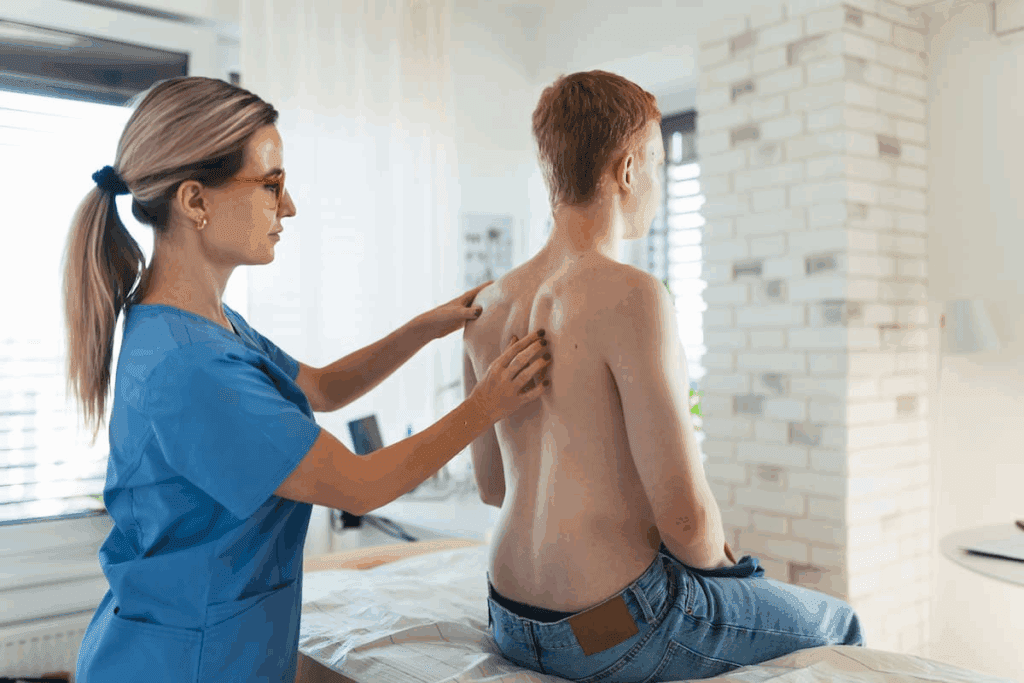
Scoliosis is a complex spinal condition that affects millions worldwide. We will explore its definition, types, and prevalence among different populations.
What is Scoliosis?
Scoliosis is a medical condition where the spine curves abnormally. The exact cause is often unknown. It can be linked to genetics, neuromuscular conditions, or congenital abnormalities. Idiopathic scoliosis is the most common type, making up about 80% of cases, with no known cause.
The curvature can happen in different parts of the spine. It can range from mild to severe. Mild cases might not need treatment, while severe cases can cause serious health problems.
How Common is Scoliosis?
Scoliosis affects people of all ages, but it’s most common in adolescents. The Scoliosis Research Society says about 2-3% of adolescents in the U.S. have scoliosis. It’s slightly more common in females than males, and can worsen during growth spurts.
| Age Group | Prevalence of Scoliosis |
| Adolescents | 2-3% |
| Adults | 1-2% |
| Elderly | Higher due to degenerative changes |
The table shows scoliosis prevalence across different age groups. It’s important to note that while it’s more common in adolescents, it can also affect adults and the elderly. This is often due to degenerative changes or other health conditions.
Types of Scoliosis and Their Characteristics
Scoliosis is not just one condition. It’s a complex spinal disorder with many types. Each type has its own unique features. Knowing these differences is key for proper diagnosis and treatment.
Idiopathic Scoliosis
Idiopathic scoliosis is the most common type, making up about 80% of cases. It’s called “idiopathic” because we don’t know what causes it. It usually starts in adolescence, and girls are more likely to have severe curves.
Early detection is critical to stop the curve from getting worse. This can help avoid more serious treatments.
Congenital Scoliosis
Congenital scoliosis happens when the spine doesn’t form right in the womb. This leads to an abnormal curve. It’s present at birth and can come with other birth defects.
Monitoring and sometimes surgical intervention are needed to manage it. This helps prevent serious problems.
Neuromuscular Scoliosis
Neuromuscular scoliosis is caused by conditions like cerebral palsy or muscular dystrophy. The curve can be very severe. A detailed treatment plan is needed, focusing on the underlying condition.
Supportive care and bracing are common ways to manage it.
Degenerative Scoliosis
Degenerative scoliosis happens in adults due to aging and wear on the spine. It can also be a result of untreated scoliosis from adolescence. The main goal of treatment is to manage symptoms and improve life quality.
Physical therapy, pain management, and sometimes surgery are used to treat it.
Each type of scoliosis has its own challenges. Healthcare providers need to tailor treatments to meet each patient’s needs. This way, they can offer the best care possible.
Common Scoliosis Symptoms and Their Severity Levels
Scoliosis can lead to various symptoms, from minor physical changes to severe pain. It’s important to know these symptoms to manage and treat them effectively. We’ll look at the common signs of scoliosis, like physical changes and pain, and how their severity can differ.
Physical symptoms
Physical signs of scoliosis include a curved spine, uneven shoulders, and different hip or shoulder heights. Sometimes, the rib cage sticks out more on one side. These changes can impact a person’s posture and look.
- Visible curvature of the spine
- Uneven shoulders or hips
- Protruding rib cage on one side
Pain-related symptoms
Pain is a common symptom of scoliosis, more so in adults. The pain can be mild or severe and may occur in the back, neck, or legs. The pain’s severity often matches the spinal curvature’s degree and can worsen with certain activities or positions.
Pain management strategies are key to improving life quality for those with scoliosis.
How symptoms vary by curve type and degree
The severity and type of scoliosis symptoms can change a lot based on the spinal curvature’s degree and type. For example, people with idiopathic scoliosis might have different symptoms than those with degenerative scoliosis. Knowing the specific details of one’s scoliosis is vital for a personalized treatment plan.
What Constitutes a Scoliosis “Flare-up”?
A scoliosis flare-up is when symptoms suddenly get worse. It’s scary for those with scoliosis. Knowing what a flare-up is helps manage the condition better.
Defining Flare-ups in Scoliosis
A flare-up in scoliosis means symptoms get worse, causing more pain. It can happen due to physical activities, posture changes, or environmental factors.
Some signs of a flare-up include:
- Increased pain or discomfort
- Visible changes in spinal curvature
- Muscle spasms or stiffness
- Fatigue or discomfort after standing or sitting for long periods
Distinguishing Between Progression and Temporary Flare-ups
It’s important to tell the difference between a temporary flare-up and progression of scoliosis. A flare-up is a short-term worsening of symptoms. Progression means a lasting change in the spine.
Here’s how to tell them apart:
- Duration: Temporary flare-ups usually go away with rest or activity changes. Progression lasts longer.
- Severity: Flare-ups can hurt a lot but might not mean a permanent change.
- Response to treatment: If symptoms get better with treatment, it’s likely a flare-up, not progression.
Knowing the difference between a flare-up and progression is key. If you think you’re having a flare-up, talk to your doctor. They can help you manage your symptoms.
Physical Activities That May Trigger Scoliosis Flare-ups
For those with scoliosis, knowing how physical activities affect their condition is key. Exercise is good, but some activities can make scoliosis worse, causing flare-ups.
High-Impact Exercises
High-impact activities like running or jumping can stress the spine a lot. For people with scoliosis, these can increase the chance of flare-ups by adding extra strain on the spine.
It’s best to avoid or modify high-impact exercises. Low-impact activities like swimming or cycling are safer for the spine and can be just as effective.
Repetitive Motions
Activities with repetitive motions, like rowing or certain dances, can also lead to flare-ups. These motions can unevenly wear down the spine, making the curvature worse.
To reduce this risk, take breaks during activities with repetitive motions. Also, do exercises that strengthen the core and improve spinal flexibility.
Heavy Lifting Techniques
Improper heavy lifting can strain the back and make scoliosis symptoms worse. Bending or twisting while lifting is very harmful.
People with scoliosis should try to avoid heavy lifting. If it’s necessary, lift properly by bending at the knees, keeping the object close, and using leg muscles instead of the back.
| Activity Type | Risk Level for Scoliosis Flare-ups | Recommended Modifications |
| High-Impact Exercises | High | Switch to low-impact activities like swimming or cycling. |
| Repetitive Motions | Moderate to High | Take regular breaks and engage in core strengthening exercises. |
| Heavy Lifting | High | Avoid heavy lifting; use proper lifting techniques when necessary. |
How Poor Posture Contributes to Scoliosis Symptoms
Poor posture can make scoliosis symptoms worse. It’s important to know how it affects you. Good posture helps reduce pain and stops the condition from getting worse. We’ll look at how posture impacts scoliosis symptoms.
Sitting Posture Considerations
Sitting for long can be hard for those with scoliosis. Bad sitting posture can strain the spine more. To sit well, follow these tips:
- Keep feet flat on the floor or on a footrest.
- Adjust the chair height to support the thighs.
- Maintain a straight back or use lumbar support.
- Position the computer monitor directly in front.
Standing Posture and Its Impact
Standing posture is also key. It affects the spine’s alignment and can make scoliosis symptoms worse. Good standing posture means:
- Keeping shoulders back and relaxed.
- Maintaining a level pelvis.
- Avoiding locking the knees.
- Distributing weight evenly on both feet.
Experts say,
“Good posture is essential for reducing the strain on the spine and minimizing the risk of scoliosis progression.”
Good posture helps manage scoliosis symptoms.
Sleeping Positions That May Worsen Symptoms
Sleeping positions can also affect scoliosis symptoms. Some positions may stress the spine more. For better sleep, try these:
- Sleeping on a supportive mattress.
- Avoiding sleeping on the stomach.
- Using a pillow that supports the neck.
- Consider a side-sleeping position with a pillow between the knees.
In conclusion, good posture is key for managing scoliosis symptoms. Being mindful of sitting, standing, and sleeping postures can help. This can reduce discomfort and slow the condition’s progression.
| Posture Type | Recommendations |
| Sitting Posture | Keep feet flat, adjust chair height, maintain straight back. |
| Standing Posture | Keep shoulders back, maintain level pelvis, avoid locking knees. |
| Sleeping Positions | Sleep on a supportive mattress, avoid stomach sleeping, use a supportive pillow. |
Weather and Environmental Factors Affecting Scoliosis
People with scoliosis often see a link between weather and their symptoms. Knowing how weather affects scoliosis can help manage it better.
Temperature Changes
Changes in temperature can impact scoliosis pain. Some feel worse in extreme cold or heat. Cold can make muscles tighten, making scoliosis symptoms worse.
How to cope: Wearing warm clothes in cold weather and staying cool in hot weather can help.
Humidity and Barometric Pressure
Humidity and barometric pressure changes can also affect scoliosis symptoms. High humidity makes muscles stiffer. Changes in barometric pressure can increase pain for some.
Barometric pressure can affect spinal disc pressure, making pain worse.
| Environmental Factor | Potential Impact on Scoliosis | Coping Strategy |
| Temperature Changes | Increased muscle tension and pain | Dress according to the weather |
| High Humidity | Stiffness and discomfort | Stay hydrated and use humidifiers or dehumidifiers as needed |
| Barometric Pressure Changes | Increased pain due to pressure changes | Monitor weather forecasts and adjust activities |
Seasonal Impacts on Scoliosis Pain
Seasonal changes can affect scoliosis symptoms. Winter might mean more indoor activities and less movement. Summer offers outdoor fun but also heat.
Understanding these seasonal impacts helps scoliosis patients prepare and manage symptoms all year.
Stress and Emotional Factors in Scoliosis Flare-ups
Scoliosis flare-ups can be greatly affected by stress and emotions. The mind and body connection is key in how scoliosis symptoms show up and get worse. We’ll look into this link and talk about ways to handle stress to ease scoliosis pain.
The Mind-Body Connection
The mind-body connection shows how our thoughts can affect our health. For scoliosis, stress and emotional issues can make symptoms worse. Chronic stress can make muscles tighter, which can make the spine curve more and cause pain.
How Stress Affects Muscle Tension
Stress makes our body’s “fight or flight” response kick in, tightening muscles. For those with scoliosis, this can put more pressure on the spine, leading to flare-ups. Relaxation techniques like deep breathing, meditation, and yoga can help by easing muscle tension.
Stress Management for Scoliosis Patients
It’s vital for scoliosis patients to manage stress to avoid flare-ups. Using cognitive-behavioral therapy (CBT), mindfulness, and regular exercise can lower stress. Also, eating well and getting enough sleep can help overall health and possibly lessen scoliosis symptoms.
By grasping how stress and emotions affect scoliosis and using good stress management, people with scoliosis can handle their condition better. This can greatly improve their life quality.
Hormonal Changes and Their Impact on Scoliosis
Hormonal changes in different life stages can affect scoliosis symptoms. It’s important to know these changes to manage scoliosis well.
Puberty and Scoliosis Progression
Puberty brings fast growth, which can make scoliosis worse. Hormones like growth hormone and sex hormones can change the spine’s shape. It’s key to watch scoliosis closely during this time to stop it from getting worse.
Menstruation and Temporary Symptom Changes
Some women see changes in scoliosis symptoms with their menstrual cycle. Hormone levels, like estrogen and progesterone, can make muscles tighter and pain worse. Knowing these changes can help manage symptoms better.
Prevalence of Scoliosis Progression During Hormonal Changes
| Life Stage | Hormonal Change | Impact on Scoliosis |
| Puberty | Increase in growth hormone and sex hormones | Potential for significant progression |
| Menstruation | Fluctuations in estrogen and progesterone | Temporary worsening of symptoms |
| Menopause | Decrease in estrogen levels | Potential for increased spinal degeneration |
Menopause and Scoliosis Symptoms
Menopause can lead to more spinal degeneration because of lower estrogen levels. It’s important to keep the spine healthy with the right exercises and lifestyle.
Prevention and Management Strategies
To manage scoliosis well, live a healthy lifestyle. This includes regular exercise, a balanced diet, and check-ups with doctors. Knowing how hormones affect scoliosis helps in managing it better.
Dietary Influences on Scoliosis Symptoms
What we eat can affect scoliosis symptoms. Our diet helps manage inflammation and keeps bones strong. Eating foods rich in nutrients can help, while lacking them or eating inflammatory foods can make symptoms worse.
Inflammatory Foods to Avoid
Some foods can make inflammation worse, which can hurt scoliosis symptoms. Foods with a lot of sugar, refined carbs, and saturated fats are bad for inflammation.
- Sugary drinks and foods: Too much sugar can cause inflammation.
- Refined carbohydrates: White bread and pastries can also cause inflammation.
- Processed meats: Foods like hot dogs and sausages have preservatives that can trigger inflammation.
Nutritional Deficiencies and Scoliosis
Not getting enough nutrients can hurt bone health and make scoliosis symptoms worse. People with scoliosis often lack:
- Vitamin D: Important for bone health and calcium absorption.
- Calcium: Key for keeping bones dense.
- Magnesium: Helps with bone mineralization and muscle function.
Dietary Recommendations for Managing Symptoms
Eating a balanced diet can help manage scoliosis symptoms. Here are some tips:
| Food Group | Recommended Foods | Benefits |
| Fruits and Vegetables | Berries, leafy greens, citrus fruits | Rich in antioxidants and vitamins |
| Protein Sources | Lean meats, fish, legumes | Essential for muscle repair and bone health |
| Whole Grains | Brown rice, quinoa, whole wheat bread | Rich in fiber and essential minerals |
Weight Fluctuations and Their Effect on Spinal Curvature
Changes in weight can greatly affect scoliosis symptoms. This is because weight changes alter the stress on the spine. Keeping a healthy weight is key to managing scoliosis well.
Impact of Weight Gain
Weight gain can put more stress on the spine, making scoliosis symptoms worse. When you gain weight, your body’s extra mass can press harder on your spine. This can cause the spine to curve more.
Effects of weight gain on scoliosis:
- Increased pressure on the spine
- Potential for increased curvature
- Enhanced strain on spinal muscles
Considerations for Rapid Weight Loss
Rapid weight loss can also affect scoliosis patients. Losing weight might ease the stress on the spine. But, losing weight too fast can lead to nutritional deficiencies and muscle loss. This can harm your spinal health.
Key considerations for rapid weight loss:
- Ensure nutritional balance to maintain muscle mass
- Monitor spinal health during weight loss
- Avoid extreme dieting methods
Maintaining a Healthy Weight
Keeping a healthy weight is vital for managing scoliosis symptoms. Eating a balanced diet and exercising regularly can help. This approach reduces the strain on your spine.
| Weight Management Strategy | Benefits for Scoliosis |
| Balanced diet | Reduces strain on the spine, maintains nutritional balance |
| Regular exercise | Strengthens spinal muscles, improves overall health |
| Monitoring weight | Prevents excessive weight gain or loss, reducing spinal stress |
Understanding how weight changes affect scoliosis can help manage the condition better. A balanced lifestyle is essential for keeping a healthy weight. This is a critical part of managing scoliosis.
Growth Spurts and Scoliosis Progression in Children and Adolescents
Growth spurts in young people are key times to watch for scoliosis changes. The fast growth of the spine can impact the curve of scoliosis.
Why Growth Periods Are Critical
Growth periods are important because they can change how scoliosis gets worse. Rapid growth can make the spinal curve worse, leading to more serious symptoms and problems if not handled right.
We know that scoliosis getting worse during growth spurts worries patients and their families. It’s important to know that close monitoring and early action are key to managing scoliosis well during these times.
Monitoring Scoliosis During Growth Spurts
Regular visits to healthcare providers are essential during growth spurts. These visits usually include X-rays to check the curve and any changes. Spotting progression early allows for timely action, which can greatly help treatment.
| Monitoring Aspect | Description | Frequency |
| X-rays | Assess the degree of spinal curvature | Every 4-6 months during growth spurts |
| Physical Examination | Evaluate posture and spinal flexibility | Every 6-12 months |
| Patient Reporting | Monitor symptoms and discomfort | Ongoing |
Intervention Strategies During Growth Phases
Intervention plans depend on scoliosis severity and patient needs. Bracing is often used to stop further curve during growth spurts. Sometimes, physical therapy is suggested to strengthen spine muscles.
For serious cases, surgery might be an option. It’s vital for patients and families to talk about the pros and cons of each option with their doctor to make the best choice.
Medical Conditions That Can Worsen Scoliosis Symptoms
Many medical conditions can make scoliosis harder to manage. Scoliosis is a complex spinal issue. Other health problems can make it worse. Knowing about these conditions is key to managing scoliosis well.
Osteoporosis and Bone Density Issues
Osteoporosis weakens bones and can worsen scoliosis symptoms. As bones lose density, the spine can curve more. It’s important to watch bone health, even more so in older adults or those with a family history of osteoporosis.
Arthritis and Joint Inflammation
Arthritis can make scoliosis symptoms worse by adding pain and stiffness to the spine. Using medicine, physical therapy, and making lifestyle changes can help reduce discomfort from scoliosis.
Fibromyalgia and Chronic Pain Conditions
Fibromyalgia, a condition with widespread pain, can make scoliosis harder to manage. People with both scoliosis and fibromyalgia may feel pain more easily. They need a detailed plan to manage their pain.
Disc Degeneration and Spinal Issues
Disc degeneration can make scoliosis worse, mainly in adults. As discs wear out, they put more stress on the spine. This can make scoliosis symptoms worse.
To understand how these conditions affect scoliosis, let’s look at a comparison table.
| Medical Condition | Impact on Scoliosis | Management Strategies |
| Osteoporosis | Increases risk of curvature progression | Monitor bone density, consider medication |
| Arthritis | Causes additional pain and stiffness | Medication, physical therapy, lifestyle changes |
| Fibromyalgia | Heightens pain sensitivity | Comprehensive pain management |
| Disc Degeneration | Contributes to curvature progression | Physical therapy, pain management |
Treatment Options During Scoliosis Flare-ups
When scoliosis symptoms get worse, knowing your treatment options is key. We’ll look at ways to ease symptoms and improve life quality.
Physical Therapy Approaches
Physical therapy is important for scoliosis flare-ups. Targeted exercises can strengthen spine muscles, improve flexibility, and reduce pain. It’s best to work with a physical therapist who knows about scoliosis to create a custom exercise plan.
Some physical therapy methods include:
- Stretching exercises to improve flexibility
- Strengthening exercises to support the spine
- Postural training to maintain proper alignment
Pain Management Strategies
Managing pain well is essential during scoliosis flare-ups. We use several strategies, such as:
- Medication: Over-the-counter or prescription pain relievers to manage pain and inflammation.
- Alternative therapies: Acupuncture, massage, or chiropractic care can offer relief.
- Lifestyle modifications: Changing daily activities and using relaxation techniques to manage pain.
Bracing Considerations
Bracing is often suggested for scoliosis, mainly during growth spurts or significant curvatures. Bracing can stabilize the spine and prevent further curvature. We’ll talk about different braces and their uses.
| Brace Type | Description | Suitability |
| TLSO (Thoraco-Lumbo-Sacral Orthosis) | A brace that covers the thoracic, lumbar, and sacral regions of the spine. | Commonly used for thoracic and lumbar curvatures. |
| CTLSO (Cervico-Thoraco-Lumbo-Sacral Orthosis) | A brace that covers the cervical, thoracic, lumbar, and sacral regions. | Used for higher thoracic or cervical curvatures. |
When Surgical Intervention Might Be Necessary
In severe cases of scoliosis, or when other treatments fail, surgical intervention might be needed. Surgery can include spinal fusion to stabilize the spine or other corrective procedures.
We’ll discuss when surgery is necessary and what to expect from the process.
Preventing Scoliosis Flare-ups: Proactive Strategies
Preventing scoliosis flare-ups is key to better spinal health. By making lifestyle changes and using certain techniques, you can lower flare-up chances. This improves your life quality.
Exercise Routines That Support Spinal Health
Exercise is vital for keeping your spine flexible and strong. Stretching exercises boost flexibility, while strengthening exercises support spine muscles. Always talk to a healthcare expert to create a tailored exercise plan.
| Exercise Type | Benefits | Examples |
| Stretching | Improves flexibility, reduces stiffness | Hamstring stretches, hip flexor stretches |
| Strengthening | Supports spinal muscles, enhances posture | Core strengthening, back extensor exercises |
Ergonomic Adjustments for Daily Activities
Adjusting daily activities for better ergonomics helps your spine. This means improving workstation ergonomics, using ergonomic furniture, and maintaining good posture.
For desk work, make sure the monitor is at eye level. The keyboard should be right in front, and the chair should support your lower back well.
Preventative Care Appointments
Regular visits to healthcare professionals are vital. They help track scoliosis and catch problems early. This way, you can address issues before they worsen.
- Make sure to schedule regular check-ups with your orthopedic specialist.
- Share any symptom changes or concerns during these visits.
- Stick to the treatment plan and make any needed adjustments.
Self-Monitoring Techniques
Monitoring yourself is a big part of managing scoliosis. Being aware of symptom changes and posture can help prevent flare-ups.
Keep a scoliosis journal to track symptoms, activities, and any posture changes. This helps spot patterns and triggers, making management easier.
Conclusion: Managing Scoliosis Flare-ups Effectively
Understanding and managing scoliosis flare-ups is key for those with this condition. We’ve looked at what causes these flare-ups, like physical activities and poor posture. Weather changes, stress, and hormonal shifts also play a part.
Managing scoliosis well means using many strategies. We talked about the need for exercises that help the spine, making ergonomic changes, and regular check-ups. These steps can help lessen the number and severity of flare-ups.
It’s also important to know how different things can affect symptoms. Knowing about diet, weight changes, and growth can help prevent flare-ups. Treatments like physical therapy, pain management, and bracing are also essential.
By using these methods and staying proactive, people with scoliosis can manage their condition better. We stress the need for personalized care and support in handling scoliosis flare-ups effectively.
FAQ
What is scoliosis?
Scoliosis is a condition where the spine curves abnormally. This can happen in different parts of the spine, like the thoracic, lumbar, or thoracolumbar areas.
What causes scoliosis to flare up?
Several things can make scoliosis worse. These include physical activities, poor posture, and weather changes. Stress, hormonal shifts, diet, weight changes, and growth spurts also play a role.
How can I manage scoliosis symptoms?
To manage scoliosis symptoms, try physical therapy and pain management. Bracing and sometimes surgery are also options. Good posture, regular exercise, and ergonomic adjustments can help too.
Can scoliosis be treated without surgery?
Yes, many cases of scoliosis don’t need surgery. Physical therapy, bracing, and pain management can help. These methods can also stop the condition from getting worse.
How does stress affect scoliosis?
Stress can make scoliosis symptoms worse. It tightens muscles, which can increase spinal curvature and cause pain. Stress management, like meditation, can help reduce this effect.
Are there any dietary recommendations for managing scoliosis?
Eating a balanced diet with calcium and vitamin D is good for your spine. Avoiding inflammatory foods and keeping a healthy weight can also help with symptoms.
Can exercise help manage scoliosis?
Yes, certain exercises can strengthen the spine’s supporting muscles. They can also improve flexibility and reduce pain. Always work with a healthcare professional to create a personalized exercise plan.
How do growth spurts affect scoliosis in children and adolescents?
Growth spurts can quickly change spinal curvature in kids and teens. Regular monitoring is key during these times. Bracing or physical therapy might be needed to manage scoliosis effectively.
Can scoliosis cause back pain?
Yes, scoliosis can lead to back pain. The abnormal spine curvature strains muscles, joints, and discs. Managing scoliosis symptoms can help reduce back pain.
Is scoliosis a genetic condition?
Scoliosis’s exact cause is often unknown, but genetics might play a part in some cases. Having a family history of scoliosis can increase your risk.
References
1. Negrini, A., Parzini, S., Negrini, M. G., Romano, M., & Atanasio, S. (2009). Adult scoliosis can be reduced through specific SEAS exercises: a case report. Scoliosis, 4(1), 2. Available at: https://pmc.ncbi.nlm.nih.gov/articles/PMC2639536/