Last Updated on November 4, 2025 by mcelik
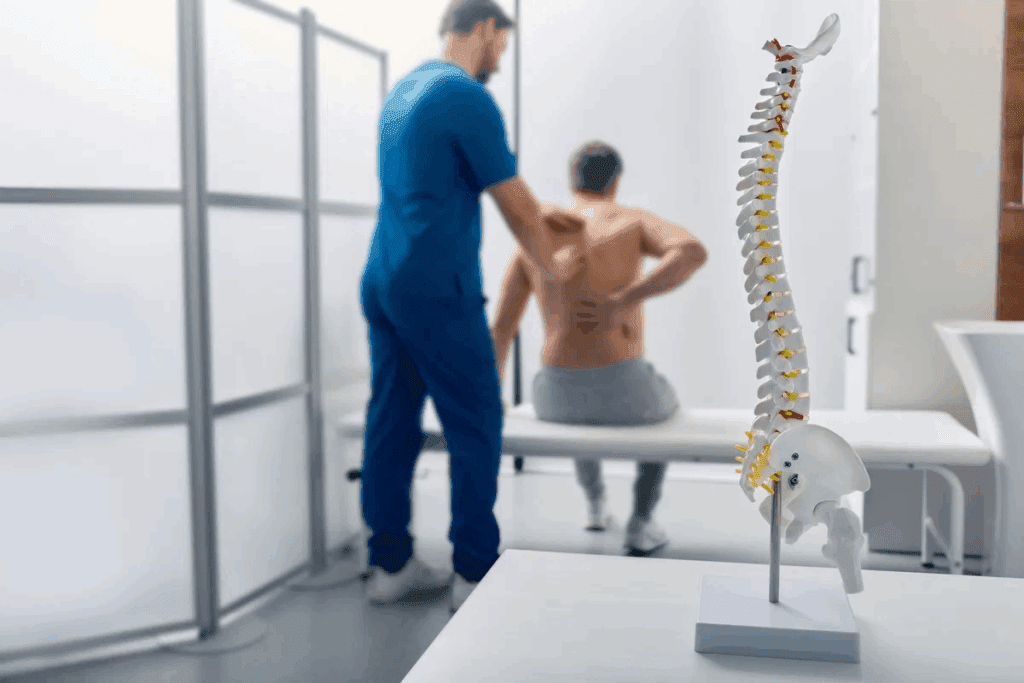
A lot of people around the world have scoliosis. It can really change how you live. or example, has been dealing with scoliosis. It has affected her spine a lot. Spot the Clear warning signs! The 4 key Scoliosis symptoms you Must never ignore for quick diagnosis.
It’s key to know the signs of scoliosis early. This helps catch it before it gets worse. We’re here to help you spot these signs and why scoliosis diagnosis and screening are important.
We’ll talk about the symptoms of scoliosis. This way, you can get help if you need it.
Key Takeaways
- Understanding the importance of early detection of scoliosis.
- Recognizing the common signs and symptoms associated with scoliosis.
- The role of scoliosis screening in diagnosis.
- How scoliosis diagnosis is determined.
- The impact of scoliosis on daily life.
Understanding Scoliosis: What Is It?
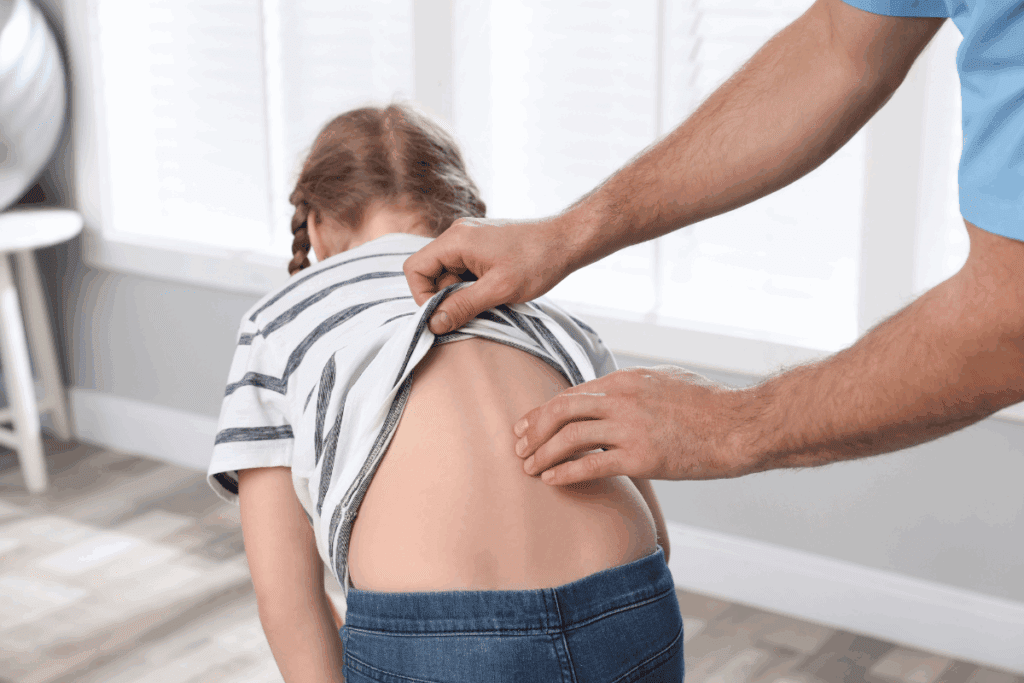
To understand scoliosis, we need to look at its definition, how common it is, and its health effects. It’s a complex spinal condition that worries doctors because it can hit people of all ages.
Definition and Types of Spinal Curvature
Scoliosis means the spine curves in a way it shouldn’t. It can show up in different ways, like:
- Idiopathic Scoliosis: The most common type, with no known cause.
- Congenital Scoliosis: Present at birth, due to abnormal spinal development.
- Neuromuscular Scoliosis: Associated with neurological or muscular diseases.
- Degenerative Scoliosis: Occurs in adults due to degenerative changes in the spine.
Prevalence and Demographics
Scoliosis is quite common around the world. About 2-3% of teens have it. Girls are more likely to get it and see it get worse.
Impact on Overall Health
The health effects of scoliosis can be different for everyone. It depends on how bad the curve is and if there are other health problems. In serious cases, it can cause:
- Respiratory problems due to reduced lung capacity.
- Chronic back pain and discomfort.
- Visible deformity and self-esteem issues.
- Potential neurological complications.
Knowing about scoliosis helps patients and doctors manage it better. This can greatly improve life quality for those affected.
Recognizing Common Scoliosis Symptoms
Knowing the signs of scoliosis is key to catching it early. Scoliosis is more than just a spine curve. It affects many areas of life. Let’s look at the common signs that might show scoliosis.
Primary Visual Indicators
One of the first signs of scoliosis is visible body alignment changes. These can be:
- Uneven shoulders or hips
- A visible curvature of the spine
- Changes in posture or stance
Physical Sensations and Discomfort
Scoliosis also shows up through physical feelings and pain. This includes:
- Back pain or stiffness
- Muscle fatigue
- Nerve compression symptoms like numbness or tingling
As scoliosis gets worse, these feelings get stronger. They can make everyday tasks hard. Spotting these signs early is key to avoiding bigger problems.
Functional Limitations
Scoliosis also causes problems with doing things. This includes:
- Difficulty in performing certain physical tasks
- Reduced mobility or flexibility
- Challenges in maintaining balance or posture
Seeing these limitations is important. They can really affect how well someone lives and their freedom.
By knowing these common scoliosis signs, people can get help early. This can lessen how much scoliosis affects their life.
Visual Signs of Scoliosis: Body Asymmetry
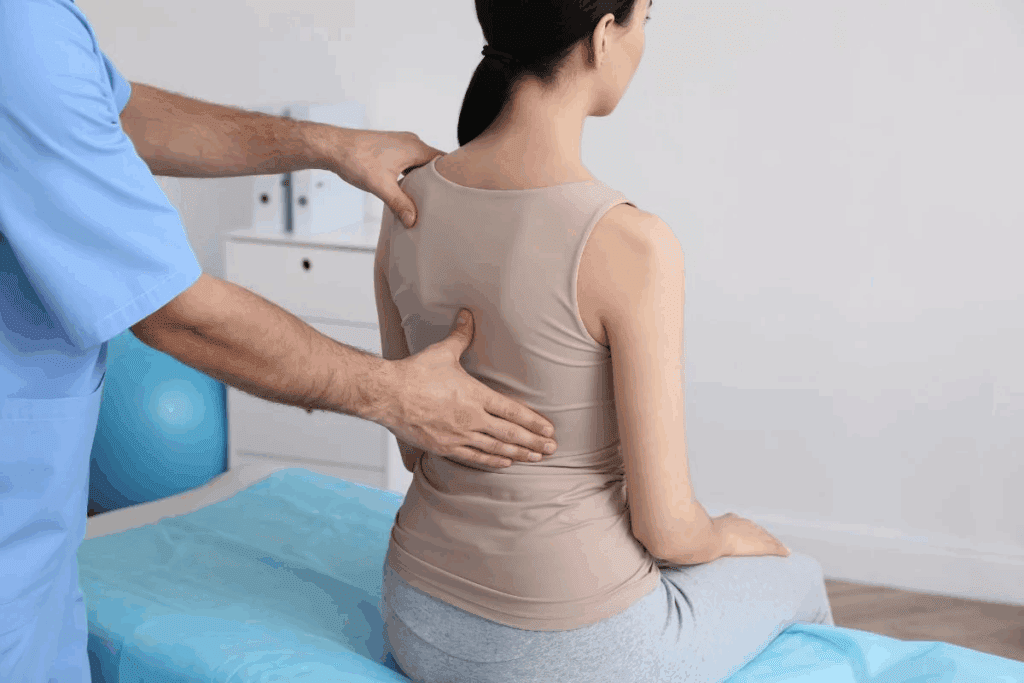
Scoliosis can cause noticeable body asymmetry. This includes uneven shoulders and hips, and a visible spine curvature. experience shows how this condition affects not just looks but also health and comfort.
Uneven Shoulders and Hips
One of the main signs of scoliosis is uneven shoulders and hips. If scoliosis is present, one shoulder might look higher than the other. Or, the hips might not be level. This unevenness can be small or very noticeable.
Key Observations:
- One shoulder is higher than the other
- Hips are not level
- Clothing may fit unevenly due to the asymmetry
Visible Spine Curvature
A visible spine curvature is another big sign of scoliosis. Sometimes, the curve is very obvious. Other times, it’s less noticeable.
Changes in Posture and Stance
Scoliosis can also change how a person stands and walks. People with scoliosis might lean to one side. Or, they might have an uneven gait because of the spinal curve.
| Posture Change | Possible Cause |
| Leaning to one side | Compensating for spinal curvature |
| Uneven gait | Asymmetry caused by scoliosis |
The Scoliosis Posture Check: Self-Examination Methods
Learning to do a self-examination is a great first step in finding scoliosis. Scoliosis is a spine curvature issue that can be spotted with simple checks.
Early detection is key to managing scoliosis well. Regularly checking your posture can help spot problems early.
Standing Posture Assessment
Checking your posture while standing is easy. Stand in front of a mirror with little clothing on. Look for any unevenness, like different shoulder heights. Focus on your ears, shoulders, hips, and ankles alignment.
Forward Bend Test Technique
The forward bend test is another good way to find scoliosis. Stand with your feet together and bend forward at the hips. Let your arms hang down. A doctor or someone who knows can check your spine for curves or unevenness.
Doctors say the forward bend test is great for spotting rib humps, a sign of scoliosis. This simple test can show if your spine is curved.
“Regular self-examinations can lead to early detection and potentially less severe scoliosis symptoms.”
Medical Expert
Using Mirrors and Photography for Monitoring
Mirrors and photos can help you check your posture better. Take pictures from different sides and use mirrors to see your back. This way, you can watch for any posture or spine changes over time.
- Take regular photos to track changes.
- Use a mirror to inspect your back and spine alignment.
- Compare your posture from different angles.
By adding these self-checks to your routine, you can keep an eye on your spine health. This helps find any problems early.
Scoliosis Body Imbalance: Everyday Indicators
People with scoliosis often face body imbalance. This imbalance shows up in many ways in daily life. It can change how they stand and live.
Asymmetrical Waistline and Body Proportions
An asymmetrical waistline is a common sign of scoliosis. The spine’s curve leads to uneven body parts. This makes the waist look off-center.
- Uneven muscle development
- Difference in shoulder height
- Asymmetrical hip alignment
Clothing Fit Issues and Hemline Differences
Scoliosis can cause clothing fit issues. The spine’s curve can make one shoulder or hip stand out. This makes it hard to find clothes that fit right.
Hemlines also get affected. Uneven hips or legs mean pants or skirts don’t hang evenly. You might need to get them altered to look balanced.
“The unevenness caused by scoliosis can be quite pronounced, affecting not just the fit of clothing but also overall body aesthetics.”
The Scoliosis Rib Hump: A Critical Diagnostic Sign
A rib hump is a key sign of scoliosis. It’s a visible unevenness that doctors look for. This sign is important for diagnosing spinal curvatures.
Causes of Rib Prominence
The rib hump comes from the spine’s rotation, a scoliosis trait. When the spine curves and rotates, one side’s ribs stick out more. This creates a noticeable hump.
Key factors contributing to rib prominence include:
- Spinal rotation
- Curvature of the spine
- Asymmetrical growth of the spine and rib cage
How to Detect a Rib Hump
To spot a rib hump, doctors use the forward bend test. The patient bends forward, and the doctor checks for unevenness in the rib cage.
This test is effective, even for mild scoliosis cases.
Measuring Rotation with a Scoliometer
A scoliometer measures spine rotation, linked to rib hump severity. It’s placed on the back during the forward bend test. This gives a precise rotation degree.
| Rotation Measurement | Indication |
| 0-5 degrees | Mild rotation |
| 5-10 degrees | Moderate rotation |
| >10 degrees | Significant rotation |
Using a scoliometer offers a precise look at the rib hump. It helps track scoliosis changes over time.
“Early detection of scoliosis and its associated rib hump is critical for effective management and treatment. Regular screenings can help identify individuals who require further evaluation and possible intervention.”
Understanding rib prominence causes, detecting rib humps, and using scoliometers aids in accurate diagnoses. This leads to tailored treatment plans for scoliosis patients.
Scoliosis Back Pain: Patterns and Characteristics
It’s important to know how scoliosis back pain works. Scoliosis makes the spine curve in a way it shouldn’t. This unevenness puts extra stress on the spine and muscles, leading to pain.
Types of Pain Associated with Scoliosis
Scoliosis can cause different kinds of back pain. There’s mechanical pain from the spine’s abnormal movement. Then there’s radicular pain from nerves being compressed or irritated. And muscle fatigue from overworking.
Muscle Fatigue and Strain Patterns
People with scoliosis often feel muscle fatigue. The spine’s curve makes some muscles work harder than others. This leads to muscle strain, mainly in the paraspinal muscles.
- Muscle imbalance due to spinal curvature
- Increased energy expenditure for posture maintenance
- Overuse of certain muscle groups
Nerve Compression Symptoms
Nerve compression is a big pain source in scoliosis. The spine’s curve can press on nerves, causing numbness, tingling, and pain. Knowing these symptoms is key to finding the right treatment.
Nerve compression symptoms can include: numbness, tingling, and pain that spreads along the nerve. These signs need careful checking to find the best treatment.
Early Signs of Scoliosis: Detection in Children and Teens
Parents and caregivers are key in spotting scoliosis early in kids and teens. Scoliosis is when the spine curves abnormally. Catching it early is vital for good treatment.
Subtle Changes During Growth Spurts
Children and teens might show small signs of scoliosis during growth spurts. Look for uneven shoulders, a spine curve, or posture changes. Being alert during these times can help a lot with treatment.
Some small signs to watch for are:
- One shoulder being higher than the other
- One hip being more prominent than the other
- A noticeable curve in the spine
- Changes in how clothes fit
Warning Signs for Parents and Teachers
Parents and teachers often spot posture or appearance changes first. Knowing the warning signs of scoliosis helps catch it early. Key signs include:
| Warning Sign | Description |
| Uneven Shoulders | One shoulder is noticeably higher or more prominent than the other. |
| Asymmetrical Waistline | The distance between the arm and the body is greater on one side. |
| Visible Curvature | A noticeable curvature of the spine when viewed from behind. |
Behavioral Indicators of Discomfort
Children with scoliosis might act differently because of pain or discomfort. Look for signs like:
- Complaints of back pain or stiffness
- Fatigue after standing or sitting for long periods
- Difficulty maintaining posture
Spotting these signs early can lead to better outcomes. Early detection and treatment can significantly improve outcomes for children with scoliosis.
Scoliosis Screening Programs: What to Expect
Early detection of scoliosis is made easier through various screening programs. These screenings are often done in schools as part of health education or during physical exams.
School-Based Screening Procedures
Healthcare professionals or school staff conduct school-based screenings. They look at the spine while the student stands, bends, or sometimes use a scoliometer.
The Adam’s Forward Bend Test is a common method. It checks if the spine and rib cage are symmetrical when bending forward at the hips.
Pediatric Well-Visit Assessments
Pediatricians check for scoliosis during well-child visits. These checks are key, as scoliosis can show up during growth spurts. They use visual checks, medical history, and sometimes X-rays to look for curvature.
Follow-Up Recommendations
If scoliosis is suspected, more tests are needed. This might include X-rays, MRI, or a specialist’s visit. Regular check-ups help track the curvature and adjust treatment plans.
Parents and guardians should know how important follow-up visits are. They might need ongoing monitoring or treatment.
Knowing what to expect from scoliosis screening programs helps prepare for the process. It also highlights the importance of catching it early.
Scoliosis in Different Age Groups
Scoliosis shows up in different ways at different ages. This means we need to treat it differently for each age group. It can start in infancy and continue into adulthood, with its own set of challenges at each stage.
Infantile and Juvenile Scoliosis Signs
Infantile scoliosis is rare and happens before age 3. It often comes with other health issues. You might see uneven rib cages or a spine that curves early on.
Juvenile scoliosis hits between ages 4 and 10. It’s similar to adolescent scoliosis but starts earlier.
Look out for these signs in infantile and juvenile scoliosis:
- Visible curvature of the spine
- Uneven shoulders or hips
- Abnormal gait in older children
Adolescent Idiopathic Scoliosis Indicators
Adolescent idiopathic scoliosis (AIS) is the most common type. It shows up during puberty. You might see a curve, uneven shoulders, or a rib hump when bending.
AIS is more common in girls. It can vary a lot in how severe it is.
| Indicator | Description |
| Visible Curvature | Noticeable curvature of the spine |
| Uneven Shoulders | One shoulder higher than the other |
| Rib Hump | Prominence on one side of the back when bending forward |
Adult and Degenerative Scoliosis Symptoms
Adult scoliosis can come from untreated AIS or start later due to spine changes. Symptoms include back pain, stiffness, and sometimes nerve problems.
Common symptoms of adult and degenerative scoliosis include:
- Chronic back pain
- Stiffness and reduced flexibility
- Neurological symptoms such as numbness or weakness in the legs
Mild Scoliosis Signs vs. Severe Scoliosis Symptoms
Scoliosis can be mild or severe, affecting symptoms and treatment. Knowing the difference is key for managing and treating scoliosis effectively.
Understanding Curve Severity Measurements
The Cobb angle measures scoliosis severity from X-rays. It shows how curved the spine is. Mild scoliosis has a Cobb angle of 10-20 degrees. Severe scoliosis has angles over 50 degrees.
Knowing the Cobb angle helps doctors understand scoliosis severity. They use it to plan treatments and monitor progress.
Progression Risk Factors
Several things can make scoliosis worse, like age and how curved the spine is. Younger patients with big curves are at higher risk. Family history also plays a role.
Spotting these risk factors early helps doctors act fast. This can stop scoliosis from getting worse and its problems.
Impact on Daily Functioning
Scoliosis affects daily life differently based on its severity. Mild scoliosis might not bother you much. But severe scoliosis can cause back pain, breathing issues, and mobility problems.
Recognizing mild and severe scoliosis signs helps get medical help. This leads to treatments that meet individual needs, improving life quality.
Scoliosis Progression Symptoms: When Curves Worsen
It’s important to know the signs of worsening scoliosis. This condition can affect both kids and adults. Spotting these symptoms early can help manage it better.
Warning Signs of Increasing Curvature
Here are some signs that a scoliosis curve might be getting worse:
- Visible changes in posture or spinal alignment
- Increased back pain or discomfort
- Changes in the way clothes fit due to shifting body proportions
- Breathing difficulties in severe cases
Watching for these signs is key to catching progression early.
Growth-Related Progression
In kids and teens, scoliosis often gets worse during growth spurts. The spine can curve more during these times. It’s important to see a healthcare provider regularly during growth periods.
| Growth Stage | Typical Age Range | Progression Risk |
| Pre-pubertal | 8-12 years | Moderate |
| Pubertal | 12-15 years | High |
| Post-pubertal | 15+ years | Low to Moderate |
Adult Progression Indicators
In adults, scoliosis can get worse due to age or existing curves. Look out for these signs:
- Increasing back pain
- Radicular symptoms due to nerve compression
- Visible changes in posture
Knowing these signs is important for both patients and doctors. It helps manage scoliosis and improve life quality.
The Scoliosis Diagnosis Process
To diagnose scoliosis, we use physical exams and imaging studies. This approach helps us understand the spinal curvature accurately. We make sure to check all parts of the condition.
The Scoliosis Diagnosis Process
The first step is a detailed physical exam. We look at the patient’s posture for signs of unevenness. We also do a forward bend test to see if the spine curves abnormally.
Key components of the physical examination include:
- Posture assessment
- Forward bend test
- Evaluation of spinal flexibility
Imaging Studies: X-rays, MRI, and CT Scans
Imaging studies are key to confirming the diagnosis and understanding the condition’s severity. X-rays are our main tool to measure spinal curvature. Sometimes, MRI or CT scans are needed to check for other conditions that might be causing the scoliosis.
Imaging studies help us:
- Measure the degree of curvature
- Assess spinal rotation
- Identify any associated conditions
Measuring Cobb Angles and Rotation
The Cobb angle is a key measurement for scoliosis. It’s found by drawing lines on an X-ray. The angle between these lines shows the curvature’s severity. We also look at spinal rotation, which affects treatment.
| Cobb Angle Measurement | Description | Typical Treatment Approach |
| Less than 20° | Mild curvature | Observation |
| 20° – 40° | Moderate curvature | Bracing |
| Greater than 40° | Severe curvature | Surgical intervention |
By combining physical exams and imaging studies, we can accurately diagnose scoliosis. This helps us create a treatment plan that meets the individual’s needs.
Scoliosis Self-Test Methods for Home Monitoring
People can do scoliosis self-tests at home with the right methods. This way, they can track their condition and spot any changes that need a doctor’s visit.
Safe Self-Assessment Techniques
To do scoliosis self-tests, you need to know some basics and be careful. It’s important to use the right methods to avoid mistakes or harm. A simple test is the forward bend test. You bend forward at the waist, letting your arms hang down. This can show if your rib cage or shoulders are uneven.
“Regular self-checks can empower individuals to take an active role in their spinal health,” says a leading orthopedic specialist. To do the forward bend test right, stand with your feet apart and bend forward slowly. Keep your knees straight.
Using Technology and Apps for Tracking
Technology makes it easier to track scoliosis at home. There are apps and digital tools that can measure spinal curves, track changes, and remind you to check yourself. Technology can make self-assessments more accurate and give valuable data to doctors.
- Apps that use the device’s camera to measure posture and spinal alignment
- Wearable devices that track posture and provide real-time feedback
- Digital journals or spreadsheets to record measurements and track changes over time
When to Repeat Self-Checks
How often you should check yourself depends on your scoliosis, age, and health. It’s usually best to check every few months or as your doctor suggests. If you have a history of scoliosis or are at risk, you might need to check more often.
“Consistency is key when it comes to monitoring scoliosis at home. Regular self-checks can help identify changes early, allowing for timely intervention.”
A leading scoliosis researcher
By using safe self-assessment methods, technology, and a regular schedule, you can monitor your scoliosis at home. This proactive approach can lead to better spinal health and more informed talks with doctors.
When to Seek Medical Help for Suspected Scoliosis
Spotting scoliosis signs is just the start. Knowing when to get medical advice is key. Scoliosis, a spine curve issue, can get worse if not treated right.
Red Flag Symptoms Requiring Immediate Attention
Some symptoms mean you need to see a doctor fast. These include:
- Severe back pain that keeps getting worse.
- Visible spine curve when you stand or bend.
- Neurological signs like numbness or weakness in your legs.
- Changes in how you walk or trouble walking.
- Fast spine curve growth.
If you or your child has these symptoms, get medical help right away.
Choosing the Right Healthcare Provider
Finding the right doctor for scoliosis is important. Look for specialists like orthopedic surgeons or spine experts.
How much experience they have with scoliosis.
- What treatment methods they use.
- If they have a team for all-around care.
- The support services they offer.
Preparing for Your Scoliosis Evaluation
To get the most from your scoliosis check-up, prepare by:
- Collecting any important medical records, like X-rays or past diagnoses.
- Writing down your symptoms and when they started.
- Listing any questions or worries you have about your condition or treatment.
Being ready helps ensure a thorough check-up. It also lets you make informed choices about your care.
Conclusion: Living with Scoliosis Awareness
Knowing the signs and symptoms of scoliosis is key for early detection and effective management. Spotting visual signs like body asymmetry and uneven shoulders can prompt medical visits.
Managing scoliosis means staying aware and proactive. Regular self-checks help spot any changes in spinal shape. This allows for quick action.
Being aware of scoliosis is essential for managing it. Knowing about symptoms, diagnosis, and treatments helps individuals take charge of their health. This improves their quality of life.
Good scoliosis management needs a full plan. This includes regular doctor visits, physical therapy, and sometimes bracing or surgery. By focusing on awareness and management, people can reduce the condition’s effects and live healthy lives.
FAQ
What are the common symptoms of scoliosis?
Signs of scoliosis include uneven shoulders, hips, or waistline. You might also see a visible curvature of the spine. Back pain and muscle fatigue are common too. Some people find it hard to breathe or move around.
How can I check myself for scoliosis?
Stand in front of a mirror to check your posture. Look for uneven shoulders or hips. Try the forward bend test to see if you have a rib hump.
What is a rib hump, and how is it detected?
A rib hump is when the ribs stick out on one side. It’s caused by scoliosis. You can spot it by bending forward and looking at your rib cage in the mirror.
Can scoliosis cause back pain?
Yes, scoliosis can lead to back pain. This pain can be from muscle fatigue, strain, or nerve issues. The pain’s severity depends on the curvature and your health.
How is scoliosis diagnosed?
Doctors diagnose scoliosis with a physical exam and a forward bend test. They might also use X-rays, MRI, or CT scans. These help measure the curvature and check the spine’s health.
What is the Cobb angle, and how is it used in scoliosis diagnosis?
The Cobb angle measures scoliosis curvature. Doctors use X-rays to draw lines and measure the angle. This shows how severe the curvature is.
Can scoliosis be treated, and what are the treatment options?
Yes, scoliosis can be treated. Treatment depends on the curvature, age, and health. Options include observation, bracing, physical therapy, or surgery. A healthcare expert will guide the treatment.
How often should I have my scoliosis checked?
Check-ups for scoliosis vary by age, curvature, and treatment. People with scoliosis should see their doctor regularly. This includes X-rays and physical exams to monitor the condition.
Can adults develop scoliosis, or is it only a condition of childhood?
Adults can get scoliosis too. It might be a continuation of childhood scoliosis or due to spine changes. Adult scoliosis can be very uncomfortable and affect daily life.
What are the signs of scoliosis progression?
Signs of scoliosis getting worse include a bigger curvature, more back pain, and changes in posture. A healthcare provider should monitor these changes and adjust treatment as needed.
Can technology help in monitoring scoliosis?
Yes, technology like apps can help track scoliosis. They monitor posture, curvature, and symptoms. This information is useful for healthcare providers and helps individuals stay involved in their care.
Reference
- Horne, J. P., et al. (2014). Adolescent idiopathic scoliosis: diagnosis and management. American Family Physician, 89(2), 193–198. https://www.aafp.org/pubs/afp/issues/2014/0201/p193.html