Last Updated on November 4, 2025 by mcelik
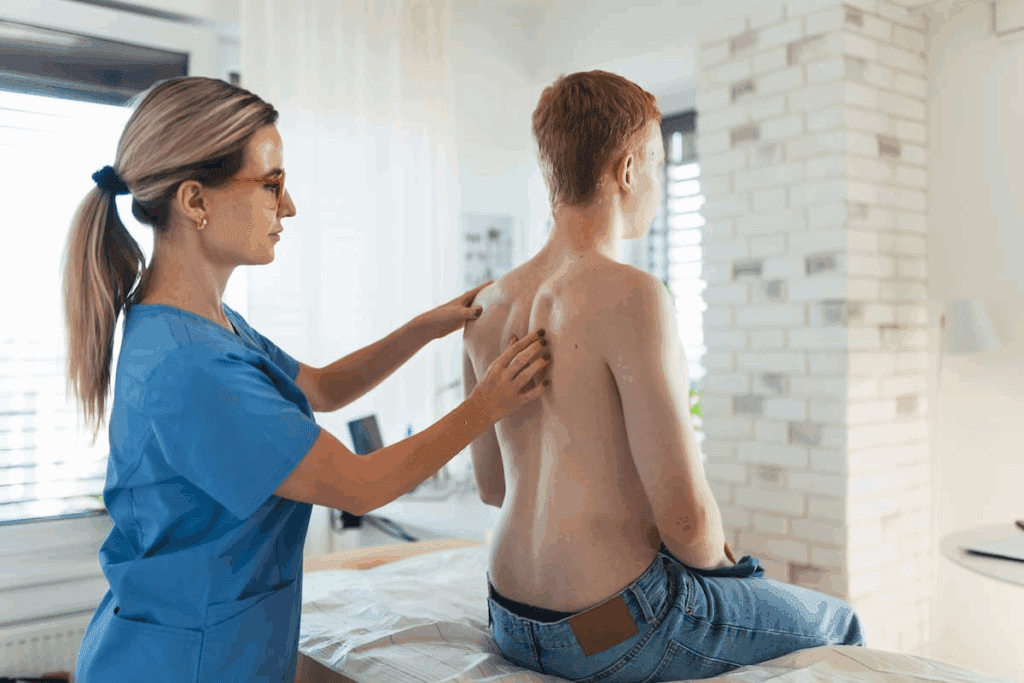
Scoliosis is a condition where the spine curves abnormally. It affects millions of people worldwide. Many worry if their scoliosis will get worse with age. Is your scolisis getting worse in 20s and beyond? The Shocking truth about adult progression is Revealed.
Studies show that scoliosis can get worse, mainly during growth spurts. This includes adolescence and early adulthood.
Every person’s experience with scoliosis is different. Some may see little change, while others may notice their spine curving more. We’ll look at signs that scoliosis might be getting worse and what it means for those affected.
Key Takeaways
- Scoliosis can progress with age, specially during significant growth periods.
- Factors such as genetics and overall spinal health influence the rate of progression.
- Monitoring and regular check-ups are key for managing scoliosis effectively.
- Understanding the signs of worsening scoliosis can help in seeking timely medical intervention.
- Early diagnosis and treatment are vital in managing the condition.
Understanding Scoliosis: Definition and Types
Scoliosis is a complex spinal condition that affects millions worldwide. It is characterized by an abnormal lateral curvature of the spine. To fully understand this condition, we need to explore its medical definition, the different types of scoliosis, and its prevalence.
Medical Definition of Scoliosis
Medically, scoliosis is a three-dimensional deviation of the spine from its normal, straight alignment. This deviation can occur in any part of the spine, though it most commonly affects the thoracic and lumbar regions. The curvature can be either to the left (levoscoliosis) or to the right (dextroscoliosis), and its severity can vary significantly among individuals.
Key aspects of scoliosis include its Cobb angle, which measures the degree of curvature, and its impact on the individual’s posture and overall health. The Cobb angle is a critical measurement used by healthcare professionals to assess the severity of scoliosis and determine the appropriate treatment plan.
Different Types of Spinal Curvatures
Scoliosis can be categorized into several types based on the age of onset, cause, and nature of the curvature.
- Idiopathic Scoliosis: This is the most common type, accounting for about 80% of cases, and its cause is unknown.
- Congenital Scoliosis: Present at birth, this type occurs due to abnormal spinal development in the womb.
- Neuromuscular Scoliosis: Associated with neurological or muscular diseases, such as cerebral palsy or muscular dystrophy.
- Degenerative Scoliosis: Occurs in adults, often as a result of degenerative changes in the spine.
Prevalence Statistics: How Many People Have Scoliosis
Scoliosis affects a significant portion of the global population. According to various studies, approximately 2-3% of adolescents are diagnosed with scoliosis. While it’s more common in children and adolescents, adults can also develop scoliosis or experience progression of the condition if it was present in their younger years.
| Type of Scoliosis | Prevalence | Common Age of Onset |
| Idiopathic Scoliosis | 80% of all scoliosis cases | Adolescence |
| Congenital Scoliosis | Rare, present at birth | Birth |
| Neuromuscular Scoliosis | Associated with underlying conditions | Varies |
| Degenerative Scoliosis | More common in adults | Adulthood |
Understanding the different types of scoliosis and their prevalence is key for early detection and effective management. By recognizing the signs and symptoms early, individuals can seek appropriate medical care to prevent progression and improve their quality of life.
How Scoliosis Develops
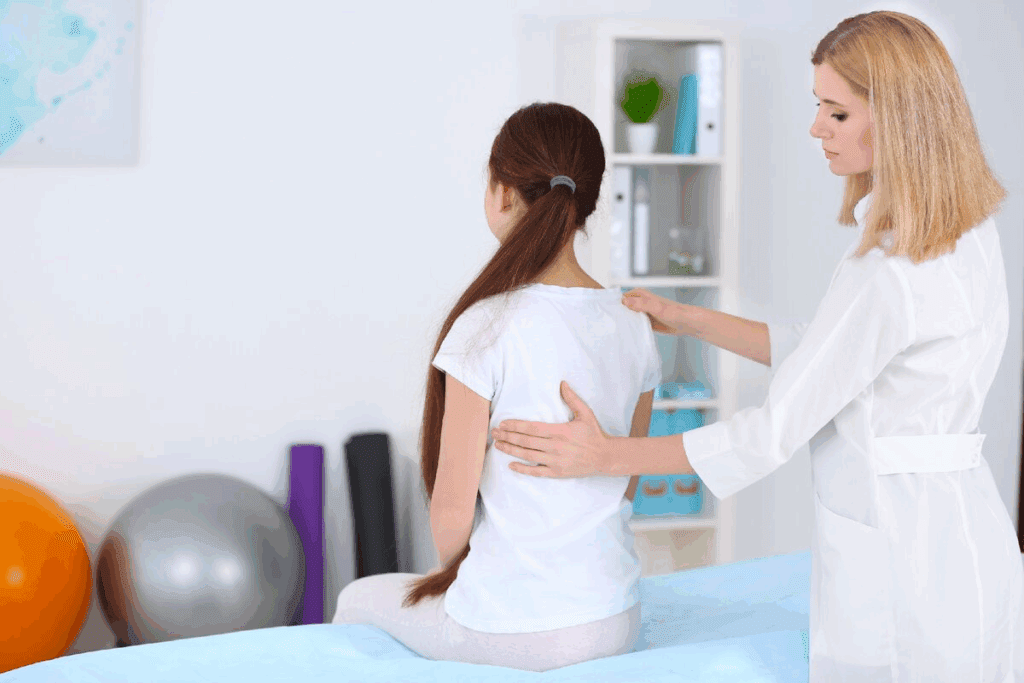
Understanding scoliosis is key to spotting risks and stopping it from getting worse. Scoliosis is a condition where the spine curves abnormally. We’ll look at what causes it, when it usually starts, and if bad posture can lead to it.
Common Causes of Scoliosis
The exact reason for scoliosis is often a mystery. But, genetic factors are a big part of it, as it often runs in families. Neuromuscular conditions like cerebral palsy or muscular dystrophy can also cause it. Plus, congenital spinal anomalies can lead to scoliosis in some people.
Other possible causes include:
- Idiopathic scoliosis, the most common type with no known cause.
- Congenital scoliosis, present at birth due to abnormal spinal development.
- Neuromuscular scoliosis, caused by neurological or muscular diseases.
- Degenerative scoliosis, found in adults due to spine degeneration.
Age of Onset: When Does Scoliosis Typically Develop
Scoliosis can start at any age, but it often shows up during growth spurts. Adolescent idiopathic scoliosis is the most common, appearing between 10 and 18 years old. This is because the spine grows fast during this time, raising the risk of curvature.
In some cases, scoliosis is present at birth or develops later in life due to degeneration. Knowing when it starts helps figure out the right treatment.
Can Poor Posture Lead to Scoliosis?
Many wonder if bad posture can cause scoliosis. But, poor posture alone is generally not considered a cause of scoliosis. While it can cause spinal imbalances and discomfort, it doesn’t usually lead to scoliosis’s characteristic lateral curvature.
That being said, good posture is vital for spinal health and can prevent other spinal problems. It’s also important to note that while bad posture might not cause scoliosis, it can be a sign of underlying spinal issues.
Scoliosis Progression Through Different Life Stages
It’s important to know how scoliosis changes at different ages. Scoliosis is when the spine curves abnormally. It can happen at any age, from childhood to adulthood.
Childhood and Adolescent Progression
In kids and teens, scoliosis can grow fast, mainly during growth spurts. It’s key to watch closely during these times to spot big changes early. Girls tend to have faster growth than boys, making them more at risk during these years.
Genetics also play a big part. If your family has a history of scoliosis, you might be more likely to get it too.
| Age Group | Progression Risk | Monitoring Frequency |
| Childhood (before 10) | High | Every 6 months |
| Adolescence (11-18) | Very High | Every 3-6 months |
At What Age Does Scoliosis Stop Progressing?
When scoliosis stops growing can differ a lot from person to person. Usually, it slows down or stops after the spine finishes growing, which is around puberty. But, some people might keep experiencing growth into adulthood.
“Scoliosis progression is not strictly limited to childhood and adolescence; it can continue or even start in adulthood, albeit less commonly.”
Can You Develop Scoliosis Later in Life?
Yes, you can get scoliosis later in life, but it’s not as common as in the young. Adult scoliosis can come from wear and tear, injuries, or from scoliosis that started in youth. Degenerative scoliosis happens in older adults due to spinal wear.
Scoliosis isn’t just for the young; it can affect anyone at any age. Knowing it can progress at any time is key to managing it well and improving life quality.
Scoliosis Getting Worse in 20s
Entering your 20s can be a time of change, and for those with scoliosis, it’s a critical period. Genetic factors and lifestyle choices can impact your spine’s shape during this decade.
Why Young Adults May Experience Progression
Genetics and lifestyle play a big role in scoliosis progression in young adults. The spine is developing, and any existing curve can get worse with growth spurts or other factors.
Risk Factors for Worsening in Early Adulthood
Several factors can make scoliosis worse in young adults. A family history of scoliosis, the severity of the initial curve, and lifestyle choices like poor posture or activities that strain the spine are all risks.
Key Risk Factors:
- Family history of scoliosis
- Severity of initial curvature
- Lifestyle factors (poor posture, strain on the spine)
Signs Your Scoliosis Is Progressing in Your 20s
Young adults should watch for signs that their scoliosis is getting worse. Look out for changes in posture, increased pain, or unevenness in the shoulders or hips.
| Signs of Progression | Description |
| Visible Posture Changes | Noticeable curvature or leaning to one side |
| Increased Pain | Frequent or severe back pain |
| Uneven Shoulders or Hips | Asymmetry in shoulder or hip alignment |
Factors That Influence Scoliosis Progression
Scoliosis progression is complex, influenced by genetics, environment, and hormones. Knowing these factors helps in managing the condition better.
Genetic Factors
Genetics play a big role in scoliosis. People with a family history of scoliosis are more likely to get it. Genetic predispositions can affect how severe it gets.
Research found genes linked to scoliosis. These genes control spinal and bone growth. This increases the risk of scoliosis.
Lifestyle and Environmental Influences
Lifestyle and environment also affect scoliosis. Poor posture and a sedentary lifestyle can make it worse. Sports or activities that involve heavy lifting or bending can also impact it.
Eating well and exercising regularly can help manage scoliosis. Exercises that strengthen the core muscles are best. They help stabilize the spine and improve posture.
| Lifestyle Factor | Impact on Scoliosis |
| Poor Posture | Exacerbates spinal curvature |
| Sedentary Lifestyle | Contributes to muscle weakness |
| Core Strengthening Exercises | Helps stabilize the spine |
The Role of Hormones in Scoliosis Progression
Hormonal changes, like those during puberty, can greatly affect scoliosis. The rapid growth during adolescence can make the spine curve more.
“Hormonal fluctuations during puberty can accelerate scoliosis progression, making regular monitoring critical during this period.”
Understanding hormones’ role in scoliosis helps in creating better treatment plans. For example, bracing might be more effective during growth spurts.
Physical Impact of Progressive Scoliosis
It’s important to know how progressive scoliosis affects the body. As it gets worse, it can change the spine and how we look and feel. This can impact our health in many ways.
Does Scoliosis Make You Shorter?
Progressive scoliosis can make you shorter. The spinal curve can compress and deform the vertebrae. The effects of scoliosis on height can be noticeable, causing a loss in stature over time.
This loss in height is not just about looks. It can also cause health problems like altered biomechanics and stress on other body parts.
Effects on Posture and Appearance
Scoliosis greatly affects scoliosis and posture. It can cause uneven standing or sitting. This uneven posture can make one shoulder or hip appear higher than the other. It affects how we look and can cause discomfort and pain.
Changes in posture can also lead to visible signs like a prominent rib cage or uneven waistline. These changes can impact our self-esteem.
Pelvic Tilt and Body Alignment Changes
Progressive scoliosis can also change pelvic tilt in scoliosis. It can tilt the pelvis, altering body alignment. This can lead to uneven wear on joints and increase the risk of degenerative conditions.
It’s key to understand these changes for effective treatment. Treatment should address the spine’s curvature and its broader impacts on the body.
Recognizing Worsening Scoliosis: Warning Signs
It’s important to spot the signs of scoliosis getting worse to avoid serious problems later. We’ll look at the visual signs, pain patterns, and other symptoms that show scoliosis is getting worse.
Visual Changes to Look For
Visual signs can be the first clue that scoliosis is getting worse. Look out for:
- Uneven shoulders or hips
- A prominent ribcage or uneven waistline
- Leaning to one side
- Changes in the appearance of the spine, such as a more pronounced curvature
Seeing these signs means it’s time to see a doctor.
Pain Patterns and Symptoms
Pain is a big warning sign of scoliosis getting worse. The pain can feel different, but it often includes:
- Back pain, which can range from mild to severe
- Neck pain or stiffness
- Leg pain or numbness due to nerve compression
Pain from scoliosis means the spine and nearby areas are under more pressure.
How to Tell If Your Scoliosis Is Getting Worse
Keep an eye on your symptoms and body changes. If you see any of these, get medical help:
- Increasing curvature or deformity
- Worsening pain or new pain patterns
- Changes in balance or coordination
- Breathing difficulties or other respiratory issues
Spotting worsening scoliosis early can help prevent serious problems.
Monitoring Scoliosis Progression
Monitoring scoliosis involves regular check-ups, diagnostic tools, and specialist advice. We’ll look at how to track scoliosis, including the tools used and how often to visit the doctor.
Diagnostic Tools and Measurements
Diagnostic tools are key in tracking scoliosis. The main tools include:
- X-rays: They measure the Cobb angle to check spinal curvature.
- MRI and CT scans: These tests find any underlying issues that might affect scoliosis.
- Scoliometer: It measures trunk rotation to spot scoliosis changes.
Frequency of Check-ups Recommended
The check-up schedule for scoliosis patients varies. It depends on the curve’s severity, the patient’s age, and health. Patients with mild scoliosis might see doctors every 6-12 months. Those with more severe curves may need more frequent visits.
Regular visits help doctors track scoliosis and adjust treatment plans as needed.
When to Consult a Specialist
See a specialist if you notice scoliosis signs like uneven shoulders or posture changes. Also, if you feel pain or discomfort, get medical help.
A specialist can offer tailored advice on managing scoliosis. They’ll suggest the best treatment options for you.
Complications of Untreated Progressive Scoliosis
Not treating progressive scoliosis can lead to serious health issues. It affects many parts of a person’s life and health.
Long-Term Effects on Physical Health
Progressive scoliosis can cause long-term physical problems. The spine’s curvature can lead to chronic pain and limited movement. We’ll look at these issues closer.
Chronic Pain and Discomfort: Chronic pain often results from scoliosis. The curved spine puts pressure on muscles, joints, and bones. This leads to ongoing pain.
Limited Mobility: Scoliosis can also make it hard to move. It changes the spine’s structure and function. This makes simple tasks harder.
| Effect | Description | Impact on Quality of Life |
| Chronic Pain | Pressure on muscles, joints, and bones | Reduced ability to perform daily activities |
| Limited Mobility | Altered spine structure and function | Increased difficulty with mobility and flexibility |
Potential Neurological Problems
Scoliosis can cause neurological issues. Nerves can get compressed or irritated. This leads to numbness, tingling, and weakness in limbs.
Neurological Complications: Severe scoliosis can harm the spinal cord. This can cause serious neurological problems.
Respiratory and Cardiac Complications
Untreated scoliosis can harm the lungs and heart. This can cause respiratory and cardiac issues.
Respiratory Issues: The chest deformity can limit lung expansion. This can cause breathing problems and restrictive lung disease.
Is Scoliosis Life-Threatening?
In extreme cases, untreated scoliosis can be deadly. It can harm vital organs like the lungs and heart. It’s important to manage scoliosis to avoid severe outcomes.
Scoliosis in Older Adults and Elderly
Aging can make scoliosis worse, making treatment key for older people. As people live longer, more older adults have scoliosis.
How Aging Affects Existing Scoliosis
In older adults, scoliosis can get worse with age. The spine changes, leading to more curvature. This can cause pain and make it hard to move.
Older adults with scoliosis face many challenges. Their spines change with age, affecting the scoliosis. These changes include disc wear, bone loss, and muscle decline.
Degenerative Scoliosis in Seniors
Degenerative scoliosis happens in older adults due to spine changes. It can cause a lot of pain and limit their activities.
Causes include wear and tear, disc degeneration, and arthritis. Knowing these causes helps us find the right treatment.
| Causes | Effects | Management |
| Disc Degeneration | Loss of spinal flexibility and pain | Physical therapy, pain management |
| Facet Joint Arthritis | Inflammation and pain in the spine | Anti-inflammatory medications, injections |
| Osteoporosis | Weakening of bones, risk of fractures | Medications to strengthen bones, fall prevention |
Special Considerations for Elderly Patients
Elderly patients with scoliosis need special care. Their health is unique, and they may have other health issues. We focus on finding the best treatment for them.
Managing pain, keeping them mobile, and treating related health problems are key. We tailor treatments to their health, considering their medical history and current health.
Understanding scoliosis in older adults helps us improve their lives. We provide care that meets their specific needs.
Preventing Scoliosis From Getting Worse
To stop scoliosis from getting worse, we need a complete plan. This plan includes exercise, improving posture, and making lifestyle changes. By using these methods, people with scoliosis can better manage their condition and live a better life.
Core-Strengthening Exercises
Exercises that strengthen the core are key in managing scoliosis. These exercises help keep the spine stable and improve posture. Some good exercises include:
- Planks: They strengthen the abdominal muscles and help keep the spine stable.
- Bridges: This exercise targets the glutes and lower back, helping posture.
- Bird Dog: It strengthens the core and improves balance.
It’s important to talk to a healthcare professional or physical therapist. They can help create a workout plan that fits your needs.
Posture Improvement Techniques
Good posture is vital for managing scoliosis. Ways to improve posture include:
- Awareness: Paying attention to your posture all day.
- Stretching: Regular stretching can make you more flexible and reduce muscle tension.
- Strengthening: Building muscles that support good posture.
Experts say, “Good posture can greatly reduce spine strain and improve comfort.”
“Good posture is essential for minimizing the risk of further curvature and promoting overall spinal health.”
Lifestyle Modifications
Changing your lifestyle can also help manage scoliosis. These changes include:
| Lifestyle Change | Benefit |
| Maintaining a healthy weight | Reduces strain on the spine |
| Avoiding heavy lifting | Minimizes risk of further curvature |
| Improving sleeping posture | Enhances spinal alignment during rest |
By making these lifestyle changes, people can support their scoliosis management plan even more.
We stress the need for a full approach to manage scoliosis. This includes medical treatment, exercise, and lifestyle changes. These steps help prevent the condition from getting worse and improve overall health.
Treatment Options for Progressive Adult Scoliosis
Adults with progressive scoliosis have several treatment options. These choices depend on the curve’s severity, the patient’s health, and personal preferences.
Non-Surgical Approaches
Non-surgical treatments are often the first choice for progressive adult scoliosis. These include:
- Physical Therapy: Customized exercises strengthen the spine muscles. This improves posture and reduces pain.
- Bracing: Bracing can stabilize the spine and prevent further curvature in some cases.
- Pain Management: Medications and other methods help manage scoliosis-related pain.
Exercises and Activities to Avoid
While exercise is good, some activities can worsen scoliosis. It’s important to avoid:
- High-impact activities that stress the spine.
- Contact sports that risk spine injuries.
- Heavy lifting or bending, which strains the back.
Surgical Interventions
For severe cases or when non-surgical treatments fail, surgery may be needed. Surgical options include:
- Spinal Fusion: This procedure joins two or more vertebrae to stabilize the spine.
- Osteotomy: Surgery that cuts and realigns vertebrae to correct the curve.
Knowing the treatment options for progressive adult scoliosis is key. By exploring both non-surgical and surgical methods, adults can find effective ways to manage their condition. This improves their quality of life.
Conclusion
Managing scoliosis well means knowing how it progresses and spotting early signs. It also involves choosing the right treatments. This way, people with scoliosis can greatly improve their life quality.
We’ve looked at scoliosis from different angles. This includes what it is, its types, how it progresses, and treatment results. To live well with scoliosis, one must stay proactive. This includes regular doctor visits, making lifestyle changes, and sometimes surgery.
Effective scoliosis management lets people live full and active lives. By grasping the condition and its effects, individuals can make smart choices about their care. This leads to better treatment results and a better life.
FAQ
Does scoliosis get worse with age?
Scoliosis can get worse at any age. How fast it gets worse depends on many things. These include your genes, how you live, and your overall health.
What is scoliosis, and what are its different types?
Scoliosis is a condition where the spine curves abnormally. There are many types, like idiopathic scoliosis and congenital scoliosis. Degenerative scoliosis is also common.
Can poor posture lead to scoliosis?
Poor posture can make spinal problems worse. But it doesn’t directly cause scoliosis. It can make existing scoliosis worse or increase the risk of spinal problems.
At what age does scoliosis typically develop?
Scoliosis often starts in teens, between 10 and 18 years old. But it can start at any age.
Can you develop scoliosis later in life?
Yes, you can get scoliosis later in life. Degenerative scoliosis is more common in older adults.
Why does scoliosis get worse in young adults?
Young adults may see scoliosis worsen due to hormonal changes and growth spurts. Lifestyle choices also play a role.
What are the warning signs of worsening scoliosis?
Signs of worsening scoliosis include changes in posture and increased pain. You might also notice changes in how your body aligns.
How can scoliosis progression be monitored?
Monitoring scoliosis involves regular doctor visits and X-rays. Other tools can also help track the condition.
What are the possible complications of untreated progressive scoliosis?
Untreated scoliosis can lead to serious problems. These include breathing issues, heart problems, and neurological issues.
How does scoliosis affect older adults and the elderly?
Scoliosis can affect older adults and the elderly in many ways. Degenerative scoliosis can cause pain, limit mobility, and lower quality of life.
What exercises should be avoided with scoliosis?
People with scoliosis should avoid heavy lifting, bending, or twisting. These can make the condition worse.
What are the treatment options for progressive adult scoliosis?
Treatment for progressive adult scoliosis includes non-surgical options like physical therapy and bracing. Surgery, like spinal fusion, is also an option.
Can scoliosis make you shorter?
Yes, scoliosis can cause a loss of height. This is because of the abnormal curvature of the spine.
How can scoliosis progression be prevented?
Preventing scoliosis progression involves exercises, improving posture, and making lifestyle changes. These can help slow or prevent the condition.
References
- Lim, S. Y., et al. (2022). Factors influencing the progression and direction of scoliosis in patients with cerebral palsy: A retrospective study. Frontiers in Pediatrics, 10, 852185. https://www.ncbi.nlm.nih.gov/pmc/articles/PMC8774345/