Last Updated on December 2, 2025 by Bilal Hasdemir
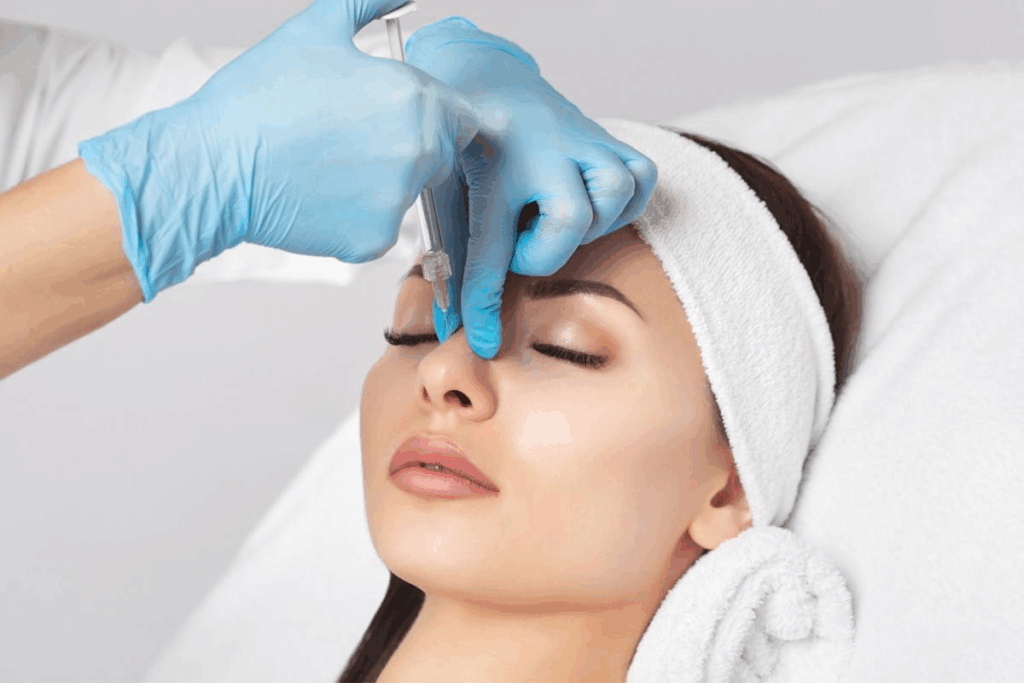
Getting ready for deviated septum surgery means knowing what to do before and during the procedure. We’ll show you how to prepare for a good outcome. How to prepare for septum surgery (septoplasty), ensuring a smooth process and optimal recovery.
Your doctor will check your medical history before septoplasty. They’ll look at any medicines or supplements you take. It’s important to know the procedure’s benefits and risks if you’re thinking about nasal septum surgery.
Septoplasty has an 85% success rate. Most of these surgeries are done as outpatient surgery on the same day. Good preparation can help with success and recovery.
Key Takeaways
- Understand pre-operative protocols for deviated septum surgery.
- Review your medical history with your healthcare provider.
- Familiarize yourself with the benefits and risks of septoplasty.
- Prepare for a successful surgical outcome and recovery.
- Understand that most septoplasty procedures are same-day outpatient surgeries.
Understanding Deviated Septum and Why Surgery May Be Necessary

The nasal septum is key to our breathing. A deviated septum happens when this thin wall shifts, making breathing hard. This can lead to breathing problems and other issues.
What Is a Deviated Septum?
A deviated septum means the nasal septum is not straight. It can be there from birth or happen after a nose injury. Many people have some degree of septal deviation, but not all need medical help.
Common Symptoms and Their Impact on Quality of Life
Symptoms include nasal congestion, breathing trouble, nosebleeds, and loss of smell. These can really affect your life, making it hard to sleep, exercise, and feel good. About 63% of patients see big improvements in breathing after septoplasty surgery.
When Conservative Treatments Aren’t Enough
Some deviated septums can be treated with nasal sprays or allergy meds. But, severe cases need surgery. When these treatments don’t work, surgery is needed to fix breathing. Small septum issues might not need treatment, but big ones that block breathing might.
The Basics of Septum Surgery: Procedure Overview

Septum surgery is a common fix for a deviated septum. It aims to correct the nasal septum’s deviation. This improves breathing and reduces symptoms.
Types of Procedures: Septoplasty vs. Septorhinoplasty
There are two main surgeries for a deviated septum: septoplasty and septorhinoplasty. Septoplasty just fixes the septum for better breathing. Septorhinoplasty, on the other hand, also reshapes the nose for looks.
Which surgery you need depends on your goals. Do you want to breathe better or look different?
Success Rates and Effectiveness Statistics
Both septoplasty and septorhinoplasty work well when done by skilled surgeons. Septoplasty helps up to 85% of patients breathe better. Septorhinoplasty improves looks and breathing for many.
Procedure | Success Rate | Primary Benefit |
Septoplasty | 85% | Improved Breathing |
Septorhinoplasty | 80-90% | Cosmetic and Functional Improvement |
Duration and Outpatient Nature of the Surgery
Septoplasty takes 30 to 90 minutes, depending on the case. It’s usually done as an outpatient procedure. This means you can go home the same day with someone to help.
Being an outpatient surgery is a big plus. It means less hospital time and a more comfortable recovery at home.
Finding the Right Surgeon for Your Septum Surgery
Finding a skilled surgeon is key for deviated septum surgery. The right doctor can greatly improve your surgery’s outcome and satisfaction.
Qualifications to Look For in an Otolaryngologist
When looking for a septoplasty surgeon, check their qualifications. A good candidate should be board-certified in otolaryngology. This shows they have the right training and skills for ear, nose, and throat surgery.
Also, find surgeons with experience in septoplasty and septorhinoplasty. Their focus on these areas can greatly affect your surgery’s success.
Researching Surgeon Experience and Specialization
Look into a surgeon’s septoplasty experience. You want to know their success rate and how many surgeries they’ve done.
Ask about their specialization. A surgeon who focuses on nasal and sinus surgery will likely have better skills in these areas.
Reading Reviews and Seeking Recommendations
Reading patient reviews can give you insight into a surgeon’s skills and personality. Look for reviews on different platforms for a balanced view.
Also, ask your primary care doctor or friends who’ve had similar surgeries for advice. They can share their experiences and what to expect.
Qualification | Description | Importance Level |
Board Certification in Otolaryngology | Indicates specialized training in ENT surgery | High |
Experience with Septoplasty | Reflects the number of similar surgeries performed | High |
Specialization in Nasal Surgery | Shows focus on the specific area of surgery | Medium |
Patient Reviews and Testimonials | Provides insight into patient satisfaction and surgeon competence | Medium |
Initial Consultation: Setting Expectations and Planning
Knowing what to expect at your first meeting with a surgeon can ease your nerves. This first talk with your surgeon is key to a good deviated septum surgery outcome.
What to Bring to Your First Appointment
Being ready for your first meeting is important. Here’s what to bring:
- A list of your current medications and supplements
- Any relevant medical records, including previous surgeries or hospitalizations
- A detailed description of your symptoms, including when they occur and how they affect your daily life
- Any questions or concerns you have about the procedure
Being well-prepared helps your surgeon understand your situation better. They can then give you advice tailored to you.
Discussing Your Symptoms and Medical History
We will go over your symptoms and medical history in detail. This includes how your deviated septum affects your life and any risks. Your doctor will also tell you which medicines to stop before surgery.
“A thorough understanding of the patient’s medical history and current health status is key to choosing the right septoplasty approach.” – Expert in Otolaryngology
Understanding the Proposed Surgical Approach
Your surgeon will explain the planned surgical approach in detail. They will tell you if a septoplasty or a more complex septorhinoplasty is best for you. We will also talk about what you can expect, possible risks, and how you’ll recover.
By the end of your first meeting, you’ll know what to expect from your nasal septum operation. You’ll be more ready for what’s to come.
Comprehensive Medical Evaluation Before Surgery
To get ready for nasal septum surgery, your doctor will do a detailed medical check-up. This check-up is key to make sure you’re a good fit for the surgery. It also helps spot any possible risks or problems.
Physical Examination of Nasal Structures
A detailed look at your nasal structures is a big part of the pre-surgery check-up. Your doctor will check the nasal septum, turbinate bones, and other nasal areas. They’ll see how big the deviation is and if other issues are causing your symptoms.
Imaging Studies: CT Scans and Nasal Endoscopy
CT scans might be suggested to get a better look at your nasal structures and how big the septal deviation is. A nasal endoscopy, where a flexible tube with a camera is used, can also be done. This helps see inside the nasal cavity and find any other problems.
Laboratory Tests and Their Importance
Lab tests, like blood work, are done to check your overall health. They help find any risks or problems that could happen during or after the surgery.
The table below shows the main parts of the medical check-up before septoplasty:
Evaluation Component | Purpose | Key Findings |
Physical Examination | Assess nasal structures and septal deviation | Extent of deviation, anatomical issues |
Imaging Studies (CT Scans) | Evaluate nasal structures and septal deviation | Detailed images of nasal cavity, extent of deviation |
Nasal Endoscopy | Visualize nasal cavity and identify possible issues | Presence of other nasal abnormalities |
Laboratory Tests | Check overall health and find possible risks | Blood work results, other diagnostic test findings |
With a thorough medical check-up, you and your doctor can make sure you’re ready for septoplasty. This helps lower the chance of any problems.
Managing Medications and Supplements Pre-Surgery
Getting ready for septoplasty is more than just setting up the surgery. It’s also about managing your medications. Before your deviated septum surgery, it’s key to know how your current meds and supplements might affect the surgery and your recovery.
Blood-Thinning Medications to Discontinue
Some meds, like blood thinners, can raise the risk of bleeding during and after surgery. It’s vital to stop these meds as your doctor advises. Common blood thinners include:
- Aspirin
- Ibuprofen (e.g., Advil, Motrin)
- Naproxen (e.g., Aleve)
- Warfarin (Coumadin)
Your doctor will tell you when to stop these meds before septoplasty. Usually, it’s 7-10 days before, but it depends on your health and the med.
Supplements and Herbal Remedies to Avoid
Not just prescription meds, but also some supplements and herbal remedies can impact your surgery. These include:
- Fish oil and omega-3 supplements
- Vitamin E
- Ginkgo biloba
- Garlic supplements
- Herbal teas or remedies that may interact with anesthesia or affect bleeding
Tell your doctor about all supplements and herbal remedies you’re taking, as they can interact with anesthesia or increase bleeding risk. Your doctor might ask you to stop these 1-2 weeks before surgery.
Medications That Are Safe to Continue
Not all meds need to be stopped before septoplasty. Some are very important to keep taking as prescribed. These include:
- Medications for chronic conditions like hypertension, diabetes, or asthma
- Thyroid medications
- Certain psychiatric medications
Always talk to your doctor before changing your meds. Your doctor will give you a list of meds you can keep taking before surgery.
By managing your meds and supplements with your doctor’s help, you can reduce risks and have a smoother surgery. Remember, your doctor’s advice is based on your health and the needs of your septoplasty.
Lifestyle Adjustments in the Weeks Before Surgery
Preparing for septoplasty means making lifestyle changes. These changes help your body heal better and avoid complications. They are key to a successful surgery.
Smoking Cessation Guidelines and Timeline
Smoking weakens your immune system and slows healing. We urge you to quit smoking, chewing tobacco, and vaping at least 4 weeks before surgery. This break lets your body recover from smoking’s damage and boosts your health for surgery. Quitting smoking greatly improves your surgical outcome.
Alcohol Consumption Restrictions
Drinking alcohol can harm your surgery and recovery. We advise you to avoid alcohol for 2 weeks before surgery. Alcohol can make your blood thinner, leading to more bleeding. It also slows healing and can mix badly with your medications. Limiting or stopping alcohol helps your recovery.
Nutrition Recommendations for Optimal Healing
Eating well is vital for healing. Eat foods rich in protein, vitamins, and minerals. Good nutrition boosts your immune system and speeds recovery. Include fruits, veggies, lean proteins, and whole grains in your diet. Drinking lots of water is also important. For specific dietary advice, talk to a nutritionist before surgery.
By changing your lifestyle, you’re setting yourself up for a good septoplasty and quick recovery. If you have questions about these tips, talk to your healthcare provider.
One Week Countdown: Critical Pre-Operative Preparations
One week before your septoplasty, you need to finish some important steps. These steps will help make your surgery go smoothly and your recovery easy.
Final Pre-Op Appointment Details
Your last pre-operative appointment is key before your surgery. We will check your medical history, talk about any last-minute worries, and confirm the surgery plan. Make sure to:
- Arrive on time and be ready to ask questions.
- Bring any needed documents, like insurance and ID.
- Talk about your care after surgery with your doctor.
Arranging Transportation and Post-Surgery Care
It’s mandatory to have someone drive you home after surgery. You won’t be able to drive because of the anesthesia. Also, having someone help you at home for a few days is very helpful. We suggest:
- Ask a family member or friend to help you.
- Make a list of emergency contacts.
Home Environment Preparation
Getting your home ready can make a big difference in your recovery. Here are some tips:
- Get water, non-perishable snacks, and any medicines you need.
- Set up a comfy area with pillows and blankets.
- Keep your home tidy and easy to move around in.
By doing these things, you can make your recovery after septoplasty smoother and more comfortable.
As your surgery gets closer, remember these steps are for your safety and comfort. If you have any questions or worries, contact your healthcare provider.
24 Hours Before Septum Surgery: Final Checklist
The day before your septum surgery is key for last-minute checks. As you get ready for your septoplasty, make sure to follow these steps. They will help make your surgery go smoothly and successfully.
Fasting Requirements and Timing
One important rule is to follow the fasting requirements before surgery. You should not eat or drink for at least six hours before your surgery. This includes water, coffee, and any other food or drink.
Here’s a table to help you understand the fasting timeline:
Surgery Time | Fasting Start Time |
8:00 AM | 2:00 AM |
12:00 PM | 6:00 AM |
4:00 PM | 10:00 AM |
Hygiene Instructions and Skin Preparation
Good hygiene is very important before your surgery. We suggest you shower or bathe the night before or early in the morning. Use an antibacterial soap to lower the risk of infection.
“Good hygiene practices are key in preventing surgical site infections,” says Dr. Smith, a well-known otolaryngologist.
Also, don’t apply any lotions, creams, or makeup on the day of surgery. These can get in the way of the surgery.
What to Pack for the Hospital
Bringing the right items to the hospital can greatly improve your comfort and recovery. Here’s a list of things to pack:
- Comfortable clothing
- Insurance cards and identification
- Medications and prescriptions
- Phone and charger
- Snacks and water (if your surgeon says it’s okay)
By following this checklist, you’ll be ready for your deviated septum surgery. You can then focus on a smooth recovery.
Understanding Possible Risks and Complications
It’s important to know the risks and complications of septoplasty before deciding. Septoplasty is usually safe, but it can have risks like any surgery.
Common Side Effects vs. Serious Complications
It’s key to know the difference between common side effects and serious complications. Side effects like nasal congestion and swelling usually go away on their own. But serious complications, though rare, can affect recovery and health a lot.
Common Side Effects:
- Nasal congestion
- Swelling
- Minor bleeding
- Discomfort
Serious Complications:
- Infection
- Excessive bleeding
- Persistent nasal septal perforation
- Changes in the sense of smell
Risk Factors That Increase Complication Rates
Some factors can make complications more likely during or after septoplasty. These include health conditions, smoking, and past nasal surgeries.
Risk Factor | Impact on Complication Rates |
Smoking | Increases risk of bleeding and infection |
Pre-existing medical conditions (e.g., diabetes) | May slow healing process and increase infection risk |
Previous nasal surgeries | Can complicate surgical procedure and recovery |
How to Minimize Your Risk Through Preparation
To lower the risk of complications, follow pre-operative instructions closely. This includes any medication changes, lifestyle adjustments, and tests before surgery. Choosing an experienced surgeon and following post-operative care are also key.
By understanding risks and complications and taking steps to reduce them, patients can prepare for a successful septoplasty outcome.
The Day of Surgery: Step-by-Step Hospital Experience
Knowing what to expect on the day of your septoplasty can make a big difference. Understanding the hospital experience can help you feel more comfortable. It ensures you’re ready for a smooth recovery.
Arrival and Check-In Procedures
Arrive at the hospital or surgical center at the time you’re told. You’ll need to check in at the admissions desk. There, you’ll fill out paperwork and give your ID and insurance info.
Bring a friend or family member to drive you home. You won’t be able to drive because of the anesthesia.
Pre-Operative Preparations
After checking in, you’ll go to a pre-operative area. Here, you’ll change into a hospital gown and remove jewelry or contact lenses. An IV line will be inserted for medication and anesthesia.
Our medical team will review your medical history and confirm the procedure. They’ll also answer any last-minute questions. This is your chance to express concerns or ask questions.
What Happens During the Procedure
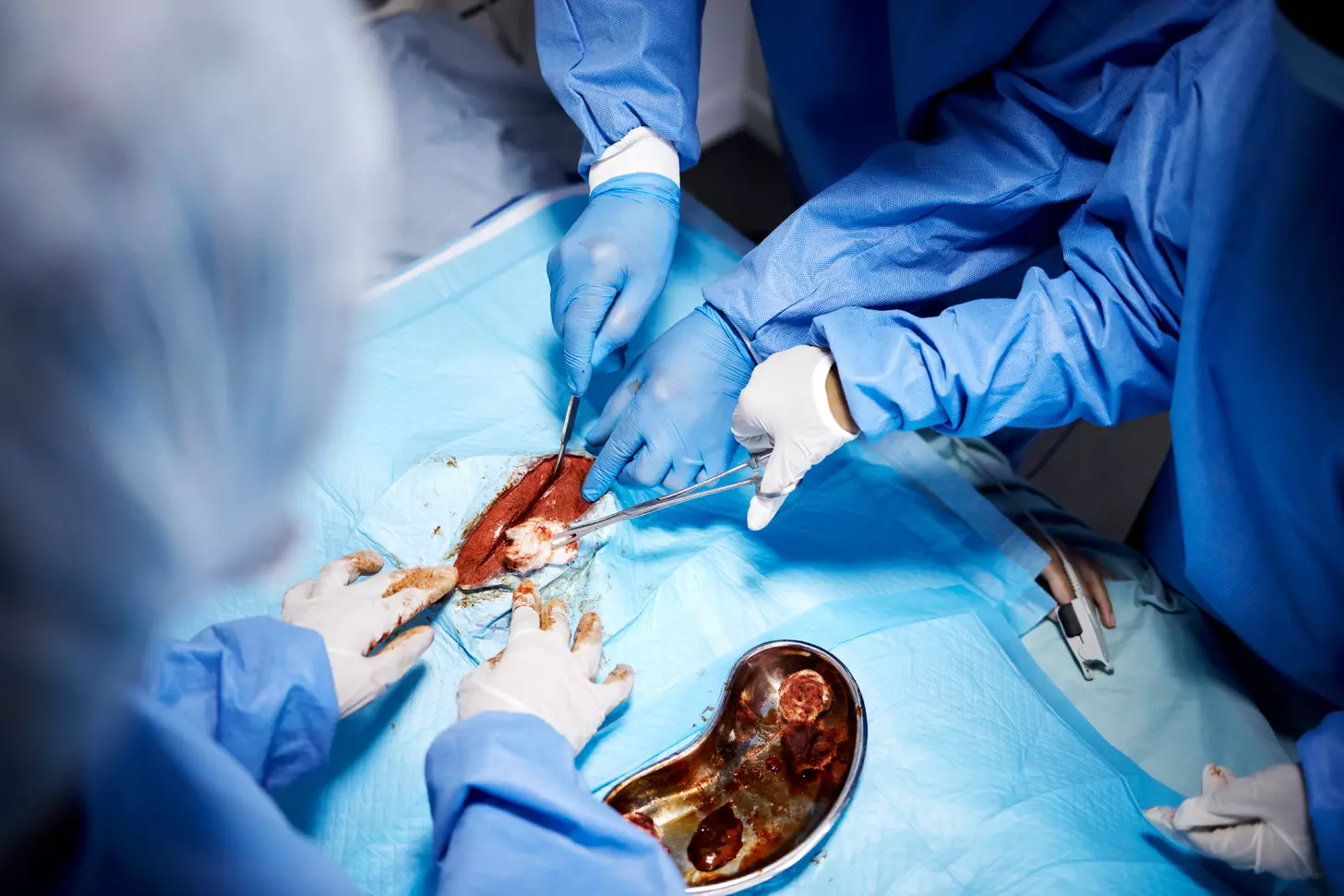
The septoplasty procedure usually takes 30 to 90 minutes. Our skilled surgeons will fix your deviated septum, improving your nasal airflow.
The specifics of the procedure can vary. But our team is dedicated to the best outcomes for your health and well-being.
Procedure Step | Description | Duration |
Anesthesia Administration | Administering anesthesia to ensure comfort during the procedure | 10-15 minutes |
Septoplasty | Correcting the deviated septum | 30-90 minutes |
Recovery Initiation | Initial recovery phase post-procedure | Immediate |
Immediate Post-Operative Recovery
After surgery, you’ll go to a recovery area. Here, you’ll be monitored until you’re ready to go home. Our nursing staff will check your vital signs and manage pain or discomfort.
Following these instructions carefully is key for a smooth recovery. You’ll also get contact info for our team for any questions or concerns after you leave.
Conclusion: Setting Yourself Up for Successful Recovery
Preparing for deviated septum surgery is all about careful planning. You need to follow both pre-operative and post-operative instructions closely. This way, you can greatly improve your chances of a smooth recovery.
Getting ready before surgery is key. Your healthcare provider will give you important guidelines. These include managing your medications, making lifestyle changes, and getting your home ready. These steps help reduce the risks of complications during and after surgery.
It’s also vital to follow your surgeon’s post-operative instructions. Rest, medication, and attending follow-up appointments are essential. They help your body heal well and avoid any complications.
By understanding what to do before and after septoplasty, you can have a successful recovery. This will improve your life by reducing the symptoms of a deviated septum.
FAQ
What is a deviated septum and how is it diagnosed?
A deviated septum happens when the thin wall between the nasal passages shifts. This can make breathing hard and cause other problems. Doctors usually diagnose it by looking at the nose, using CT scans, and nasal endoscopy.
What is the difference between septoplasty and septorhinoplasty?
Septoplasty fixes a deviated septum. Septorhinoplasty does the same but also changes the nose’s shape for looks.
How do I choose the right surgeon for my septoplasty?
Look for an otolaryngologist with the right skills. Check their septoplasty experience and read patient reviews. Ask for recommendations too.
What should I expect during the initial consultation for septoplasty?
At the first meeting, talk about your symptoms and health history. Understand the surgery plan. Bring your medical records and ask questions.
What are the risks and complications associated with septoplasty?
Septoplasty is mostly safe, but risks include nasal stuffiness and swelling. Serious issues like bleeding and infection can also happen. Follow your surgeon’s advice to lower these risks.
How should I prepare my home environment before undergoing septoplasty?
Make your home comfy for recovery. Get pain meds and saline sprays ready. Have someone help you at first.
What are the fasting requirements before septoplasty?
You’ll need to stop eating and drinking for 8-12 hours before surgery. Your surgeon will tell you exactly what to do.
Can I continue taking my medications before septoplasty?
It’s important to talk about your meds with your surgeon. Some might need to stop, while others are okay. Your surgeon will guide you.
How long does it take to recover from septoplasty?
Recovery time varies, but most people get back to normal in a few weeks. Your surgeon will give you detailed care instructions.
What is the success rate of septoplasty?
Septoplasty works well for many people, improving breathing. Your surgeon can share success rates and how it works for you.
Will insurance cover the cost of septoplasty?
Insurance for septoplasty depends on your plan. Always check with your provider to know what’s covered and what you might pay out of pocket.
Can I undergo septorhinoplasty if I have a deviated septum and cosmetic concerns?
Yes, septorhinoplasty is a good choice for both breathing and looks. It fixes the septum and reshapes the nose.
References
National Institute on Deafness and Other Communication Disorders. (n.d.). Tonsillectomy and Adenoidectomy. Retrieved from https://www.ncbi.nlm.nih.gov/books/NBK536942/