Last Updated on November 4, 2025 by mcelik

A dislocated shoulder is painful and can really limit what you can do. It happens to millions of people every year. Knowing how serious it is helps in getting the right treatment and healing serious dislocated shoulder.
When the shoulder joint gets dislocated, the bone moves out of place. This can lead to serious problems if not fixed right away. It’s important to know the signs and how bad a dislocated shoulder is to manage it well.
Key Takeaways
- Understanding the severity of a dislocated shoulder is key to the right treatment.
- Spotting symptoms early can stop serious problems later.
- A dislocated shoulder can really affect your daily life.
- Quick medical help is needed for a good recovery.
- Knowing what causes it can help prevent it.
Understanding Shoulder Dislocations
To understand shoulder dislocations, you need to know about the shoulder joint’s anatomy. The shoulder joint, or glenohumeral joint, is very mobile. It allows for a wide range of motion.
Anatomy of the Shoulder Joint
The shoulder joint is a ball-and-socket joint. The head of the humerus fits into the glenoid cavity of the scapula. It’s surrounded by muscles and tendons that help it move and stay stable.
The rotator cuff is key in keeping the shoulder joint stable. It’s a group of muscles and tendons.
The anatomy of the shoulder joint includes several key components:
- The humerus and its articulation with the scapula
- The glenoid labrum, a cartilage ring that surrounds the glenoid cavity
- The joint capsule and ligaments that provide stability
- The rotator cuff muscles and tendons
Types of Shoulder Dislocations
Shoulder dislocations can be classified by the direction of the dislocation. The most common is an anterior dislocation, where the humerus goes forward out of the glenoid cavity. Posterior dislocations, where the humerus goes backward, are less common but can happen, often due to trauma or certain conditions.
| Type of Dislocation | Description | Common Causes |
| Anterior Dislocation | The humerus is displaced forward. | Falling onto an outstretched hand, sports injuries. |
| Posterior Dislocation | The humerus is displaced backward. | Seizures, electric shock, and significant trauma. |
| Inferior Dislocation (Luxatio Erecta) | The humerus is displaced downward. | Hyperabduction injury. |
Knowing the different types of shoulder dislocations is key to proper diagnosis and treatment. Each type has its own causes and treatment needs.
How Shoulder Dislocations Happen
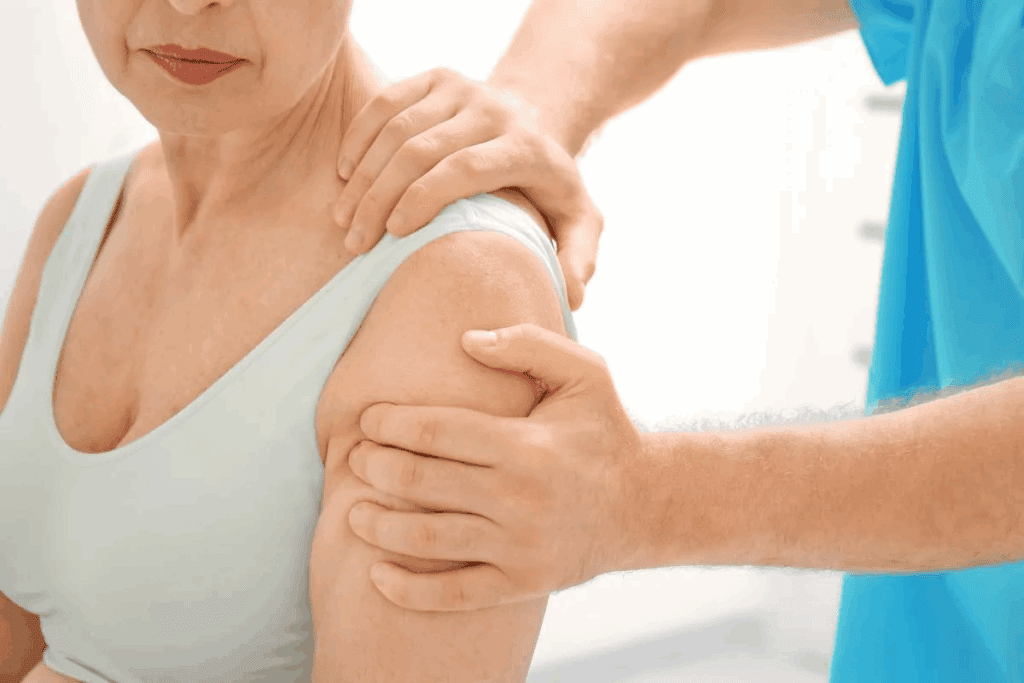
It’s important to know how shoulder dislocations occur to prevent and treat them. The shoulder is very mobile but also unstable. This makes it more likely to dislocate.
Common Causes and Mechanisms
Shoulder dislocations usually happen because of injury or trauma. They often result from falls onto an outstretched hand or directly on the shoulder. Sports injuries and car accidents also cause them. The impact can push the humerus out of the shoulder socket.
Key factors that contribute to the risk of shoulder dislocation include:
- Previous history of shoulder dislocation or instability
- Participation in contact sports or activities that involve heavy lifting or overhead movements
- Loose or lax shoulder ligaments
- Age, with younger individuals being more susceptible due to higher activity levels and bone density
High-Risk Activities and Sports
Some activities and sports raise the risk of shoulder dislocation. Contact sports like football, rugby, and hockey are high-risk. So are sports that involve throwing or overhead movements, such as baseball, volleyball, and gymnastics.
“Athletes participating in contact sports are at a higher risk of experiencing a shoulder dislocation due to the physical demands and collision risks associated with these activities.”
– Orthopedic Review
A table below shows how different sports relate to shoulder dislocations:
| Sport/Activity | Risk Level | Common Injury Mechanism |
| Football | High | Direct impact or fall |
| Gymnastics | High | Falls from apparatus |
| Baseball | Moderate | Throwing or falls |
| Swimming | Low | Overuse or improper technique |
Knowing these risk factors helps in preventing and managing shoulder dislocations.
Recognizing Dislocated Shoulder Symptoms
Knowing the signs of a dislocated shoulder is key. It happens when the upper arm bone moves out of its socket. This is very painful and can make the shoulder look different.
Immediate Signs and Symptoms
Severe pain when moving the arm is a clear sign. The shoulder might look visibly deformed. You might see the ball of the humerus under the skin.
Other symptoms include swelling, bruising, numbness, tingling, weakness, and feeling like the shoulder is loose.
Differentiating from Other Shoulder Injuries
Telling a dislocated shoulder apart from other injuries is important. Dislocations mean the bone is out of place. Sprains and strains don’t have this.
Dislocations have a visible deformity, more pain, and can’t move the arm. The injury often comes from a fall or a direct hit.
Getting a correct diagnosis from a doctor is vital. It helps figure out the injury and what treatment is needed.
Assessing a Serious Dislocated Shoulder
It’s important to know how serious a dislocated shoulder is. A dislocated shoulder happens when the upper arm bone moves out of its socket. This can cause a lot of pain and problems.
Severity Classification
The seriousness of a dislocated shoulder can differ from person to person. Severity classification looks at how bad the dislocation is, any other injuries, and how it affects the shoulder’s function.
Doctors consider several things when figuring out how serious a dislocated shoulder is:
- The degree of dislocation
- Presence of associated fractures or soft tissue injuries
- Nerve or blood vessel damage
- The patient’s overall health and medical history
Risk Factors for Severe Dislocations
Some people are more likely to have severe dislocations. Knowing these risk factors helps doctors understand how serious a dislocated shoulder is.
Here are some key risk factors:
| Risk Factor | Description |
| Previous shoulder dislocations | People who have had shoulder dislocations before are more likely to have severe ones. |
| Participation in contact sports | Athletes in contact sports face a higher risk because of the chance of falls or direct hits to the shoulder. |
| Loose or lax shoulder joints | Those with naturally loose shoulder joints are more likely to have severe dislocations. |
Understanding the severity and risk factors helps doctors create the right treatment plan for each person.
Diagnosing a Dislocated Shoulder

Getting a correct diagnosis for a shoulder dislocation is key to good treatment. It involves several important steps. A thorough check is needed to see how bad the injury is and to decide the best treatment.
Physical Examination Techniques
A physical check is the first step in finding out if a shoulder is dislocated. Doctors use different methods to see how well the shoulder moves, how stable it is, and where it hurts. Some common ways include:
- Looking at the shoulder for any visible signs of injury or swelling
- Checking how well the shoulder can move and if there are any limits
- Feeling the shoulder to find tender spots
- Doing special tests to check the shoulder joint and the areas around it
Imaging Studies and Tests
Imaging tests are vital to confirm a shoulder dislocation and to check for any other injuries. Common tests include:
- X-rays: To see where the humerus is and if there are any breaks or dislocations
- CT scans: To get detailed pictures of the shoulder joint and the bones around it
- MRI: To look at soft tissue injuries, like sprained ligaments or torn labrums
These tests help doctors create a treatment plan that fits the person’s specific needs.
Emergency Care for Shoulder Dislocations
Knowing how to handle a dislocated shoulder right away is key. Quick and proper care can lessen the risk of more problems.
First Aid Measures
Act fast if someone’s shoulder pops out. First, use a sling or something similar to keep the arm steady. Then, put ice on it to cut down swelling and pain.
Key First Aid Steps:
- Support the arm with a sling.
- Apply ice to reduce swelling.
- Avoid moving the shoulder.
- Monitor for numbness or tingling.
When to Seek Immediate Medical Attention
Even with first aid, knowing when to get medical help is important. If there’s a lot of pain, numbness, or if the shoulder looks really off, get help fast.
| Symptom | Action |
| Severe pain or deformity | Seek immediate medical attention |
| Numbness or tingling | Seek immediate medical attention |
| Swollen or bruised shoulder | Apply ice and immobilize; seek medical attention within 24 hours |
In short, knowing how to handle a shoulder dislocation is very important. By learning first aid and when to get medical help, you can get the best care for the injury.
The Shoulder Reduction Process
Reducing a dislocated shoulder is a careful process. The goal is to put the shoulder back in its right place. This helps to ease pain and prevent more harm.
There are different ways to do this, like manual techniques and using medicine. The method chosen depends on how bad the dislocation is and the patient’s health.
Manual Reduction Techniques
Manual techniques use special moves to put the humerus back in the socket. You need to know a lot about the shoulder’s anatomy and the type of dislocation.
- External Rotation Method: This method rotates the arm to help the humerus go back into place.
- Scapular Manipulation: This involves moving the scapula to help reduce the dislocation.
- Traction Method: Gentle traction on the arm can also help.
Each method has its own time and place. The right one depends on the dislocation’s details.
Medication and Sedation Options
Medicine and sedation are used to make the process easier and less painful. The right medicine can relax the patient and reduce pain.
Some common choices are:
- Analgesics: For pain relief.
- Sedatives: To calm the patient.
- Muscle Relaxants: To lessen muscle tightness.
The type of medicine and sedation used depends on the patient’s needs and health history.
Initial Treatment After Reduction
After a shoulder reduction, the first treatment is key. It includes methods to keep the shoulder stable and manage pain. This is important for healing and avoiding problems.
Immobilization Methods
Keeping the shoulder stable is a big part of the first treatment. This is done with devices or techniques to prevent further injury.
- Sling Use: A sling is often used to keep the shoulder stable. It supports the shoulder and limits movement.
- Brace or Harness: Sometimes, a brace or harness is suggested for extra stability.
The right choice for immobilizing depends on how bad the dislocation is and the patient’s health.
Pain Management Strategies
Managing pain well is key to comfort and to help with recovery.
“Pain management is a critical aspect of the treatment plan, as unmanaged pain can lead to increased stress and potentially complicate the recovery process.” – An Orthopedic Specialist
Pain management can include:
| Method | Description | Benefits |
| Medication | Use of analgesics or anti-inflammatory drugs | Reduces pain and inflammation |
| Ice Therapy | Application of ice to reduce swelling | Decreases pain and swelling |
| Rest | Avoiding activities that exacerbate the condition | Allows the shoulder to heal |
Using the right immobilization and pain management together helps patients get better after a dislocated shoulder.
Complications of a Serious Dislocated Shoulder
A severe shoulder dislocation can lead to serious complications. It’s not just a simple injury. It can cause major problems if not treated properly.
Nerve and Blood Vessel Damage
Damage to nerves and blood vessels is a big risk with a dislocated shoulder. Nerves can get stretched or torn, causing numbness, weakness, or even paralysis in the arm. Nerve damage can make recovery take longer and might need extra treatment, like physical therapy or surgery.
Blood vessels can also get hurt, leading to circulatory issues. In bad cases, this can cause vascular compromise, needing quick medical help to fix blood flow.
Labral and Rotator Cuff Tears
A dislocated shoulder can also tear the labrum and rotator cuff. The labrum is a cartilage ring around the shoulder socket, and tears can cause chronic instability. Rotator cuff tears affect the muscles and tendons that keep the shoulder stable, making it hard to move the shoulder.
Both labral and rotator cuff tears often need surgery to fix. “The labrum and rotator cuff are key for the shoulder’s stability and movement,” say orthopedic experts.
Fractures Associated with Dislocations
Fractures can happen with a dislocated shoulder, making the injury worse. The proximal humerus or the glenoid can break, needing careful care to heal properly.
Sometimes, a fracture means surgery is needed to fix the dislocation and stabilize the break. This might involve using plates, screws, or other hardware to help the bone heal.
Long-term Consequences of Shoulder Dislocations
Shoulder dislocations are not just one-time injuries. They can cause long-term problems if not treated properly. The first worry is the dislocation itself. But many long-term effects can affect how well the shoulder works and your overall health.
After a shoulder dislocation, you might face issues like chronic instability and arthritis. Knowing about these long-term effects is key for both patients and doctors. It helps manage the condition better and improve results.
Chronic Instability Issues
Chronic shoulder instability is a common problem after shoulder dislocations. It happens when the shoulder joint can’t stay in its right place. This leads to dislocations happening again or feeling like the shoulder is loose. Chronic shoulder dislocation often comes from damage to the shoulder’s stabilizing parts, like ligaments and the labrum, from the first injury.
Things that make chronic instability worse include how bad the first dislocation was, how well it was treated, and if there were other injuries. To deal with chronic instability, you might need to do physical therapy to make the muscles around the shoulder stronger. Sometimes, surgery is needed to fix damaged parts.
Arthritis and Degenerative Changes
Another big problem after shoulder dislocations is getting arthritis after shoulder dislocation. The injury can start degenerative changes in the joint, leading to osteoarthritis over time. This condition breaks down cartilage and makes bone spurs, causing pain and less mobility.
Shoulder instability can also make arthritis worse by wearing down the joint. The risk of getting arthritis depends on how bad the first injury was, if there were fractures, and how well it was treated. Treating arthritis includes managing pain, physical therapy, and sometimes surgery, like joint replacement.
Knowing about the long-term effects of shoulder dislocations shows how important it is to manage them well from the start. By tackling these issues early, you can lower the chance of long-term problems. This helps keep the shoulder joint healthy and working well.
Conservative Treatment Approaches
Rehabilitating a dislocated shoulder involves physical therapy and specific exercises. This method is effective for many, helping to restore function, reduce pain, and prevent future dislocations.
Physical Therapy Protocols
Physical therapy is key in treating shoulder dislocations. It starts with pain management and then moves to exercises that boost range of motion, strength, and stability.
- Pain Management: First, we focus on reducing pain and swelling. This is done with ice, heat, or electrical stimulation.
- Range of Motion Exercises: We introduce gentle exercises to keep or improve shoulder mobility without causing harm.
- Strengthening Exercises: As healing advances, we add exercises to strengthen the rotator cuff and scapular stabilizers for better stability.
Strengthening Exercises
Strengthening exercises are vital for shoulder rehabilitation. They aim to improve the shoulder’s stability and function. These exercises target the muscles around the shoulder, like the rotator cuff and scapular stabilizers.
| Exercise | Description | Repetitions |
| External Rotation | Strengthens rotator cuff muscles | 3 sets of 10 |
| Scapular Squeeze | Improves scapular stability | 3 sets of 15 |
| Wall Slide | Enhances shoulder mobility | 3 sets of 12 |
An orthopedic surgeon emphasizes the importance of a structured rehabilitation program. It helps regain strength and mobility and prevents future injuries.
“Rehabilitation after a shoulder dislocation is not just about recovering from the initial injury; it’s about building a stronger, more resilient shoulder that can withstand future stresses.”
Conservative treatments, like physical therapy and strengthening exercises, are a complete recovery path for shoulder dislocations. They focus on restoring function and stability, reducing the risk of future dislocations, and improving life quality.
Surgical Interventions for Dislocated Shoulders
When a shoulder keeps dislocating, surgery might be needed. It helps fix and strengthen the shoulder joint. This is true when other treatments don’t work well enough.
Indications for Surgery
Surgery is an option for those with dislocated shoulders that won’t stay in place. The choice to have surgery depends on several things. These include how bad the dislocation is, if there are other injuries, the patient’s health, and how active they are.
Common reasons for shoulder surgery include:
- Recurring shoulder dislocations
- Significant bone loss or fractures from the dislocation
- Tears in the labrum or rotator cuff
- Nerve or blood vessel damage
Common Surgical Procedures
There are different surgeries for dislocated shoulders, based on what the patient needs.
| Surgical Procedure | Description | Benefits |
| Bankart Repair | Fixes the labrum, usually with stitches or anchors | Makes the joint more stable |
| Rotator Cuff Repair | Fixes torn rotator cuff tendons | Boosts shoulder strength and function |
| Bone Block Procedure | Moves a bone graft to the front of the glenoid | Increases stability by making the socket deeper |
Post-Surgical Care
After shoulder surgery, proper care is key to a good recovery. This includes a time of rest followed by a specific rehab plan.
Important parts of post-surgery care are:
- Wearing a sling to protect the repair
- Using medicine for pain
- Physical therapy to improve movement and strength
- Slowly getting back to normal activities and sports
Knowing about surgery options and post-surgery care helps patients make smart choices. This way, they can aim for the best results from their treatment.
Recovery Timeline and Expectations
Recovering from a shoulder dislocation takes time and involves different stages. Each stage has its own timeline and goals. Knowing these stages is key to a successful recovery.
Acute Recovery Phase
The first stage starts right after the shoulder is fixed. This phase focuses on pain management and immobilization. It lets the injured tissues heal. This stage usually lasts 2 to 4 weeks.
Patients are told to rest their shoulder and not lift heavy or move it overhead. Pain relief medications and anti-inflammatory drugs help with pain and swelling.
Rehabilitation Phase
After the pain and swelling go down, the rehab phase starts. This phase is vital for getting shoulder mobility and strength back. A physical therapist creates a plan with exercises to improve movement, strengthen muscles, and increase stability.
This phase can last 6 to 12 weeks. It depends on how bad the dislocation was and the person’s health.
Return to Normal Activities
The last phase is about getting back to normal activities and sports. It’s important for preventing future dislocations. The shoulder needs to be strong and stable for daily tasks and physical activities.
Patients should gradually increase their activity level and listen to their body. They should avoid activities that cause pain or discomfort. Most people can get back to normal in 3 to 6 months.
Preventing Recurrent Shoulder Dislocations
To stop shoulder dislocations from happening again, it’s key to be proactive. This means strengthening the muscles around the shoulder and changing how you do activities to lower injury risk.
Strengthening Programs
Building up the muscles around the shoulder is vital to stop dislocations from happening again. A good strengthening plan should include exercises that make the shoulder joint stronger and more stable.
- Rotator Cuff Exercises: These exercises target the muscles and tendons around the shoulder, giving it stability and support.
- Scapular Stabilization: Strengthening the scapula helps improve the shoulder’s overall stability.
A study in a Journal found that a structured exercise program can greatly lower the chance of shoulder dislocations happening again.
“A well-designed rehabilitation program that includes strengthening exercises for the rotator cuff and scapular stabilizers can effectively prevent future dislocations.”
| Exercise | Repetitions | Sets |
| External Rotation | 10-15 | 3 |
| Scapular Squeeze | 10-15 | 3 |
Activity Modifications
Changing how you do activities to avoid making the problem worse is also important. This means avoiding heavy lifting, contact sports, or any activity that involves throwing or overhead movements.
By combining a strengthening program with changes in how you do activities, you can greatly lower the risk of shoulder dislocations happening again. It’s about taking a long-term approach that focuses on keeping your shoulder healthy.
Special Considerations for Athletes
Athletes with a shoulder dislocation need special care to safely get back to their sport. Their activities, like football or gymnastics, require a detailed plan for rehab and preventing future dislocations.
Sport-Specific Return to Play Guidelines
Return to play rules for athletes with shoulder dislocations must match their sport’s needs. For example, a football player might need stronger exercises than a golfer. The goal is to rebuild the shoulder’s strength, flexibility, and stability.
Sport-specific criteria for returning to play include:
- Being able to do sport-specific moves without pain or worry
- Having enough strength and endurance for the sport
- Having a good range of motion and flexibility
Protective Equipment Options
Protective gear is key to stopping shoulder dislocations from happening again in athletes. Shoulder pads, braces, or sleeves add stability and protection during sports. Athletes should talk to their healthcare team to find the right gear for them.
Some common protective gear includes:
- Shoulder pads for contact sports
- Braces that limit shoulder movement
- Sleeves for compression and support
By following specific return-to-play rules and using protective gear, athletes can lower the risk of shoulder dislocations. They can then safely get back to their sports.
Conclusion
A dislocated shoulder is a serious injury that needs quick and proper treatment. This is to avoid long-term problems. Knowing the causes, symptoms, and treatment options is key to managing it well.
The severity of a dislocated shoulder can vary. It’s important to assess the injury to choose the right treatment. Treatments range from physical therapy to surgery, aiming to restore shoulder function and prevent future dislocations.
In summary, timely medical care and proper rehabilitation are vital for dislocated shoulder cases. Understanding the severity and treatment options helps individuals recover better. This reduces the risk of future injuries.
FAQ
What is a dislocated shoulder, and how serious can it be?
A dislocated shoulder happens when the humerus moves out of its socket. It’s serious if nerves or blood vessels get hurt.
What are the common causes of shoulder dislocations?
Shoulder dislocations often come from falls, sports injuries, or direct hits to the shoulder. Activities like throwing or repetitive overhead motions raise the risk.
How is a dislocated shoulder diagnosed?
To diagnose, doctors do a physical check and use X-rays or MRIs. These tests show how bad the injury is and if there are any other problems.
What is the initial treatment for a dislocated shoulder?
First, doctors try to put the shoulder back in place. Then, they use immobilization and pain relief to help it heal.
What are the possible complications of a serious dislocated shoulder?
Complications can include nerve and blood vessel damage, tears in the labral and rotator cuff, and fractures. These can lead to long-term problems if not treated properly.
How long does it take to recover from a dislocated shoulder?
Recovery time depends on the injury’s severity and treatment. It can take weeks to months to get full shoulder function back.
Can a dislocated shoulder be prevented?
While not all dislocations can be stopped, exercises to strengthen the shoulder and avoiding high-risk activities can help prevent them.
When is surgery necessary for a dislocated shoulder?
Surgery might be needed for repeated dislocations, severe injuries, or when other treatments don’t work.
How can athletes safely return to play after a shoulder dislocation?
Athletes should follow specific guidelines to return to play. This includes a rehab program and using protective gear to avoid more injuries.
What are the long-term consequences of shoulder dislocations?
Long-term effects can include chronic instability, arthritis, and a higher risk of future dislocations if not managed well.
What role does physical therapy play in treating a dislocated shoulder?
Physical therapy is key to getting the shoulder working right again. It strengthens muscles and improves movement, helping prevent future dislocations.
References
- van Dijk, F. S., Sillence, D. O. (2011). Osteogenesis imperfecta: Clinical diagnosis, nomenclature and severity assessment. American Journal of Medical Genetics Part A, 155A(6), 1272-1284. https://www.ncbi.nlm.nih.gov/pmc/articles/PMC3343766/