Last Updated on November 4, 2025 by mcelik

A herniated disc can cause a lot of pain. It’s important to know how severe it is to get the right treatment. About 80% of adults will have back pain at some time, and herniated discs are a big reason for it. Understand Severe Herniated Disc Symptoms, including nerve pain and mobility loss, and when to see a doctor.
Knowing the severe herniated disc symptoms is key to getting the right care. We’ll show you the signs that mean a herniated disc might be serious. We’ll also tell you when you need to see a doctor right away.
Key Takeaways
- Understanding the severity of a herniated disc is key for good treatment.
- Severe back pain can mean a herniated disc.
- Knowing emergency symptoms is important for quick medical help.
- Not all herniated discs need surgery; treatment depends on how bad it is.
- Seeing a doctor early can stop long-term damage.
Understanding Herniated Discs
It’s important to know the basics of herniated discs to understand how serious they are. A herniated disc happens when the soft center of a spinal disc bulges out. This is due to a tear or crack in the outer layer. This bulge can press on nerves, causing pain, numbness, and other symptoms.
What happens when a disc herniates
When a disc herniates, the soft center can push into the spinal canal. This can put pressure on the spinal cord or nearby nerves. This pressure can lead to pain, numbness, tingling, and weakness in the back, legs, or arms.
The severity of symptoms depends on how bad the herniation is and how much it presses on nerves. Sometimes, a herniated disc might not cause much pain and might not need a lot of treatment. But, severe herniations can cause a lot of pain and can affect how you move, needing quick medical help.
Common locations for herniated discs
Herniated discs can happen anywhere in the spine, but they’re most common in the lower back and neck. Herniated discs in the lower back often cause sciatica, which is pain that goes down the leg. Herniated discs in the neck can cause pain or numbness in the neck, shoulder, or arm.
The place and how bad a herniated disc is will decide what symptoms you’ll have and how it should be treated. Knowing this helps manage the condition well and avoid long-term problems.
Severe Herniated Disc Symptoms
It’s important to know the signs of a severe herniated disc. This is to avoid long-term damage and get medical help quickly. A severe herniated disc can cause a lot of pain and serious problems with the nervous system.
Differentiating between mild and severe symptoms
Mild symptoms of a herniated disc might include some pain and minor discomfort. These can often be treated without needing much help. But, severe symptoms are much worse. They can include intense pain, numbness, or weakness in your legs.
A severe herniated disc in your lower back might make your legs weak or numb. This can really affect how you move around.
It’s key to tell the difference between mild and severe symptoms. Severe cases might need more serious treatment, like surgery. Watching how your symptoms change is important. Mild symptoms can get worse if not treated right.
When symptoms indicate an emergency
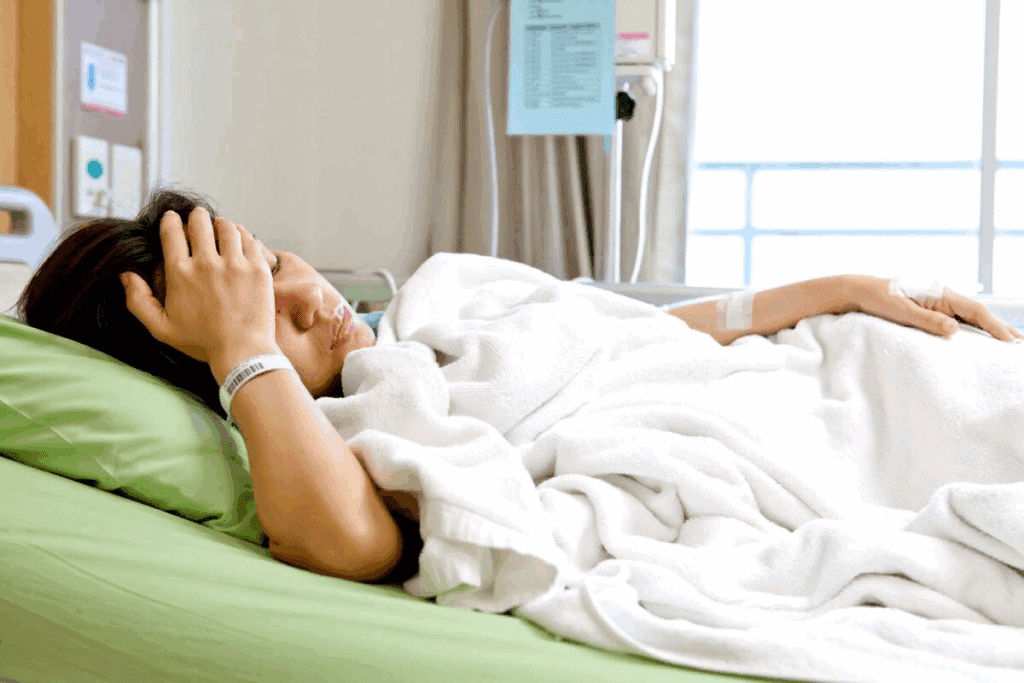
Sometimes, herniated disc symptoms mean you need to see a doctor right away. Cauda Equina Syndrome is a serious condition. It causes big problems like losing control of your bowels or bladder, and weakness in your legs.
Other signs you need to see a doctor fast include pain that doesn’t go away with rest or medicine. Also, if your symptoms get worse, like more numbness or weakness. A doctor needs to check you out quickly to avoid lasting harm.
Knowing how bad your symptoms are and when to get help is very important. If you have severe symptoms, talk to a doctor. They can help figure out the best way to treat you.
Intense and Persistent Pain
Severe herniated disc pain doesn’t go away with rest or treatment. It’s not just uncomfortable; it’s debilitating. It affects many parts of a person’s life.
Characteristics of Severe Herniated Disc Pain
Severe herniated disc pain is sharp and shooting, or dull. It’s constant or comes and goes. It usually lasts a long time.
The pain often spreads to other areas, like the legs or arms. This depends on where the herniated disc is.
The pain’s intensity varies by person. It’s usually worse than mild herniated disc pain. The size of the herniation, its location, and your health can affect how severe it is.
Pain that Doesn’t Respond to Rest or Medication
Pain that doesn’t get better with rest or medication is a sign of a severe herniated disc. This pain is a strong indicator of a big problem.
When pain keeps coming back and gets worse, it’s time to see a doctor. They can find out why and how to treat it.
Dealing with ongoing pain is tough. Our healthcare team is here to help. We aim to manage your pain and improve your life.
Radiating Pain Patterns
When a disc herniates, it can cause pain that spreads to different parts of the body. This pain happens because the herniated disc presses or irritates nearby nerves. This discomfort travels along the nerve paths.
Sciatica and Leg Pain from Lumbar Herniated Discs
Lumbar herniated discs often lead to sciatica. This pain goes from the lower back down to the legs. It can feel sharp and stabbing, with numbness or tingling too. The pain’s strength can vary, but it’s a sign of nerve compression.
Arm and Shoulder Pain from Cervical Herniated Discs
Cervical herniated discs can cause arm and shoulder pain. This happens when the herniated disc in the neck presses nerves to the upper limbs. It results in pain, numbness, or weakness in the arm or hand. The pain’s feel can range from a dull ache to sharp, shooting pains.
In both cases, the pain that spreads is a big symptom that needs medical help. Knowing the pain pattern and its link to the herniated disc is key. It helps doctors figure out how serious the condition is and what treatment is best.
Neurological Symptoms: Numbness and Tingling
Neurological symptoms like numbness and tingling can signal a serious herniated disc. These feelings happen when a herniated disc presses on a nerve. This disrupts the nerve’s normal function.
Distribution Patterns of Numbness
Numbness from a herniated disc can show up in certain ways. It depends on where the herniated disc is and which nerves it affects. For example:
- Lumbar herniated discs usually cause numbness in the lower back, buttocks, and legs. This follows the sciatic nerve’s path.
- Cervical herniated discs can lead to numbness in the neck, shoulders, and arms.
When Numbness Indicates Severe Nerve Compression
Numbness can be a sign of severe nerve compression if it:
- Persists or worsens over time, even with rest and conservative treatments.
- Affects multiple areas or follows a specific dermatomal distribution. This shows significant nerve root involvement.
- Is accompanied by other neurological symptoms such as muscle weakness or loss of reflexes.
It’s important to recognize these patterns and symptoms. They help figure out how serious a herniated disc is. They also show when medical help is needed.
Muscle Weakness and Loss of Function
A severe herniated disc can cause muscle weakness and loss of function. When a herniated disc presses or irritates nearby nerves, it can mess up the muscles they control. This can make specific muscles weak, affecting how you move and do daily tasks.
Weakness in Specific Muscle Groups
The spot of the herniated disc decides which muscles get weak. For example, a herniated disc in the lower back can weaken the legs. This might make walking or standing hard. A herniated disc in the neck can weaken the arms, making lifting or gripping hard.
Common muscle groups affected include:
- Leg muscles (e.g., quadriceps, hamstrings) in lumbar herniated discs
- Arm muscles (e.g., biceps, triceps) in cervical herniated discs
Progressive Weakness as a Warning Sign
Getting weaker muscles is a sign that things are getting worse. If your muscles keep getting weaker, you need to see a doctor. This could mean the herniated disc is pressing harder on nerves, causing more damage.
Watching your symptoms and telling your doctor about any changes is key to managing the condition well.
Cauda Equina Syndrome: A Medical Emergency

A herniated disc can press on nerves in the lower spine, causing cauda equina syndrome. This is a serious condition. It happens when nerves in the spinal canal get compressed, which can lead to lasting damage if not treated quickly.
Cauda equina syndrome shows severe symptoms that need quick medical help. It affects the cauda equina, a group of nerve roots in the lower spine. It can be caused by a herniated disc or other reasons.
Loss of Bowel or Bladder Control
One key symptom is losing control over bowel or bladder. This can show up as not being able to urinate, incontinence, or constipation. These signs mean the nerve compression is serious and needs fast treatment to avoid lasting harm.
It’s vital to spot these symptoms early. Quick medical care can greatly improve the outcome. If you or someone you know suddenly loses bladder or bowel control, get medical help right away.
Saddle Anesthesia and Other Critical Symptoms
Saddle anesthesia, or numbness in the saddle area, is a key sign of cauda equina syndrome. Other important symptoms include severe pain, numbness, or weakness in the legs.
The presence of these symptoms together means you need to act fast. Saddle anesthesia is a strong sign of cauda equina syndrome because it shows nerve compression in the lower spine.
Immediate Actions to Take
If you think you have cauda equina syndrome, act quickly. First, get to emergency medical care. Doctors will check your condition and might do imaging studies, like an MRI, to confirm the diagnosis.
- Seek immediate medical attention if you experience symptoms of cauda equina syndrome.
- Be ready to tell healthcare providers all about your symptoms.
- Remember, quick action is key to avoiding long-term damage.
We stress that cauda equina syndrome is a medical emergency needing fast and right care. Knowing the symptoms and acting quickly can help get the needed treatment. This can lessen the chance of lasting harm.
Difficulty Walking or Standing
A severe herniated disc can make it hard to walk or stand. This affects your quality of life. The disc’s pressure on nerves causes pain and discomfort, making it tough to move.
Gait Changes Due to Severe Herniated Discs
A severe herniated disc can change how you walk. You might limp or walk differently to avoid pain. This change helps your body cope with the discomfort.
Gait changes show how severe the herniation is. A healthcare professional should check this.
Gait changes depend on where the herniated disc is. A lumbar disc can cause sciatica, leading to leg pain. A cervical disc can cause arm pain or numbness, affecting your posture and mobility.
When Mobility is Significantly Compromised
When pain or numbness from a herniated disc is severe, it can stop you from walking or standing for long. This can really impact your daily life and well-being. Seek medical help if mobility issues arise, as early treatment can help.
Keep an eye on your condition and tell your doctor about any big changes in mobility. Early treatment can greatly improve your symptoms and quality of life.
When to Seek Medical Attention
Knowing when to get urgent care for a herniated disc is key. It’s not always easy to tell how serious your symptoms are. We’re here to help you understand what to do.
Symptoms Requiring Urgent Care
Some symptoms mean you need to see a doctor right away. These include:
- Intense, persistent pain that doesn’t get better with rest or medicine
- Numbness or tingling that’s severe or getting worse
- Muscle weakness that’s getting worse or makes it hard to do everyday things
- Loss of bowel or bladder control, which is a serious emergency
- Saddle anesthesia (numbness in the groin area)
Doctors say it’s very important to get help fast if your symptoms are severe. Quick action can really help your recovery.
“The presence of red flags such as sudden severe pain, numbness, or weakness warrants immediate medical evaluation to prevent long-term damage.”
What to Tell Your Healthcare Provider
When you see a doctor, tell them everything about your symptoms. This means:
| Information | Description |
| Symptom Details | Tell them about your pain, numbness, or weakness. Say when it started and what makes it better or worse. |
| Medical History | Share your medical history, including any past spinal problems or surgeries. |
| Current Treatments | Tell them about any medicines you’re taking and any treatments you’ve tried for your symptoms. |
Providing detailed symptom information helps your doctor determine the best treatment. Keeping a symptom journal can also help track changes in your condition.
By knowing when to get medical help and being ready with the right information, you can manage your herniated disc symptoms better. This can improve your life a lot.
Lumbar vs. Cervical Herniated Discs
The location of a herniated disc matters a lot. It affects how bad the symptoms are. Knowing the differences helps doctors diagnose and treat better.
Differences in Symptoms and Severity Indicators
Lumbar herniated discs are in the lower back. They can cause pain and numbness in the legs. This is known as sciatica.
Cervical herniated discs are in the neck. They can cause pain and weakness in the arms. This is different from the lower back symptoms.
The severity of symptoms also varies. Lumbar herniated discs can lead to serious problems like loss of bladder control. Cervical herniated discs can cause more serious nerve problems because of the higher nerve density in the neck.
Unique Warning Signs by Location
It’s important to know the warning signs for each location. For lumbar herniated discs, watch for:
- Severe lower back pain that radiates down to the legs
- Numbness or tingling in the legs or feet
- Weakness in the legs, which can affect mobility
For cervical herniated discs, look out for:
- Pain or numbness in the arms or hands
- Weakness in the arms, affecting grip strength or dexterity
- Neck pain that worsens with movement
Knowing these differences is key. It helps patients get the right care. This can help ease symptoms and prevent more problems.
When Symptoms Worsen Over Time
It’s important for patients to know how severe disc herniations get worse. These herniations can cause pain and problems with nerves. If not treated, these issues can get much worse.
Progressive Nature of Severe Disc Herniations
Severe disc herniations can get worse over time. This is because the pressure on nerves and the spinal cord keeps growing. Patients may feel more pain, numbness, and weakness in their limbs.
The worsening of severe disc herniations is due to several factors:
- Increasing pressure on the nerves and spinal cord
- Inflammation and irritation of the surrounding tissues
- Potential for nerve damage if left untreated
Tracking Symptom Changes
It’s key to watch for changes in symptoms when dealing with herniated discs. Patients should keep an eye on their condition and tell their doctor if things get worse. Important signs to watch for include:
- Changes in pain intensity and distribution
- New or worsening numbness or tingling sensations
- Increasing weakness or loss of function in the affected limbs
By tracking these symptoms, patients and doctors can adjust treatment plans. This can help stop things from getting worse.
Understanding the importance of early treatment is vital. Recognizing worsening symptoms and getting medical help quickly can greatly improve treatment outcomes. This way, patients have a better chance of managing and recovering from their condition.
Impact on Daily Activities and Quality of Life
A herniated disc can really change someone’s daily life. It can cause many problems and affect how well they feel. How much it affects someone depends on how bad the herniation is and the symptoms it causes.
Functional Limitations Indicating Severity
A bad herniated disc can make everyday tasks hard. Things like bending, lifting, or standing for a long time become tough. Even simple tasks like grocery shopping or playing with kids can be hard, which can make someone feel less independent and affect their happiness.
How much someone is limited can vary a lot. It depends on where and how bad the herniation is, and the person’s health and fitness. For example, a herniated disc in the lower back might make it harder to move around and do daily things. But a herniated disc in the neck can also really affect someone’s life, even if it’s not as obvious.
Sleep Disturbances and Psychological Effects
Another problem with a bad herniated disc is sleep issues. Pain and discomfort can make it hard to sleep well, leading to insomnia or broken sleep. This can make the pain feel worse and make life even harder.
Also, dealing with chronic pain can affect someone’s mind. It can cause anxiety and depression. The constant pain and limits it puts on life can make someone feel frustrated and hopeless. Healthcare providers need to help with these mental health issues too.
It’s important to understand how a herniated disc affects daily life and happiness. By knowing the signs and how it impacts someone, we can find better ways to manage and treat it.
When Surgery Becomes Necessary
When other treatments don’t work, surgery might be needed for severe herniated discs. This is usually when symptoms are very bad and affect daily life a lot.
Surgical Indications for Severe Herniated Discs
There are a few signs that show surgery is needed for herniated discs. These include:
- Severe pain that doesn’t get better with treatments like medicine or physical therapy.
- Progressive neurological deficits, like more numbness, tingling, or weakness in the limbs.
- Cauda Equina Syndrome, a serious condition with loss of bowel or bladder control, numbness in the genital area, and weakness.
The Orthopaedic Surgeons says, “Surgery is considered when there’s significant nerve compression causing symptoms or when pain is severe and doesn’t get better with treatments.”
Types of Surgical Interventions
There are different surgeries for severe herniated discs. These include:
- Discectomy: A procedure to remove the herniated part of the disc that’s pressing on a nerve.
- Microdiscectomy: A less invasive version of discectomy, using a microscope or special tools to cause less damage.
- Spinal fusion: Sometimes, when there’s a lot of disc wear or instability, spinal fusion is done to stabilize the spine.
Expected Outcomes After Surgery
The results of herniated disc surgery can differ based on the case and surgery type. Generally, patients can expect:
- Significant pain relief: Many people see a decrease in pain after surgery.
- Improved neurological function: Surgery can help with nerve compression, possibly improving numbness, tingling, and weakness.
- Return to normal activities: With the right rehab, most people can get back to their usual activities a few weeks to months after surgery.
Talking to a healthcare provider about the surgery’s benefits and risks is key. This helps decide the best treatment for your condition.
Conclusion
It’s important to know the signs of a severe herniated disc to get the right treatment quickly. We talked about symptoms like sharp pain, pain that spreads, and muscle weakness. These can make it hard to walk or stand.
If you notice these signs, see a doctor right away. They can help with many treatments, from simple care to surgery. The choice depends on how bad the disc is.
Knowing the difference between mild and severe symptoms is key. This knowledge helps in choosing the best treatment. By acting fast and getting the right care, you can feel better and live better.
FAQ
What are the common symptoms of a severe herniated disc?
A severe herniated disc can cause intense pain that lasts a long time. You might also feel pain spreading down your legs, numbness, and weakness. In the worst cases, it can even lead to a serious condition called cauda equina syndrome, where you lose control over your bladder or bowels.
How can I tell if my herniated disc is severe?
A herniated disc is severe if it doesn’t get better with rest or medicine. Look out for pain that spreads, numbness, weakness, and trouble walking. If you notice these signs, you should see a doctor right away.
What is cauda equina syndrome, and how is it related to herniated discs?
Cauda equina syndrome is a serious condition caused by a herniated disc pressing on nerves in your lower back. It leads to loss of bladder or bowel control, numbness in the groin, and leg weakness. You need to get medical help fast if you think you have it.
Can a herniated disc cause difficulty walking or standing?
Yes, a severe herniated disc can make it hard to walk or stand. This is because of pain, muscle weakness, or numbness in your legs. If you find it hard to move around, you should see a doctor.
What is the difference between a lumbar and cervical herniated disc?
Lumbar herniated discs are in the lower back and can cause leg pain and numbness. Cervical herniated discs are in the neck and can lead to arm pain and numbness. Both can be serious and need medical attention.
When does a herniated disc require surgery?
Surgery might be needed if other treatments don’t work or if there’s nerve damage. This includes muscle weakness or cauda equina syndrome. The surgery type depends on where the disc is and how bad the symptoms are.
How can I manage my daily activities with a severe herniated disc?
Living with a severe herniated disc can be tough because of pain and limited movement. You should talk to your doctor about a plan that might include physical therapy and pain management. They can help you adjust your daily life.
What should I tell my healthcare provider about my herniated disc symptoms?
When you talk to your doctor, tell them everything about your symptoms. Share when they started, how bad they are, and what makes them better or worse. This helps your doctor find the best treatment for you.
Can a herniated disc affect my quality of life?
Yes, a severe herniated disc can really affect your life. It can cause chronic pain, limit your movement, and mess with your sleep and mood. Getting the right medical care can help manage these issues and improve your life.
How can I track the progression of my herniated disc symptoms?
To keep track of your symptoms, keep a journal. Write down how bad your pain, numbness, and tingling are, and any changes in your strength or movement. This info is key to understanding how your condition is progressing and if your treatment is working.
Reference
- Oliveira, C. B., Maher, C. G., Pinto, R. Z., Traeger, A. C., Lin, C. C., Chenot, J. F., van Tulder, M., & Koes, B. W. (2018). Clinical practice guidelines for the management of non-specific low back pain. European Spine Journal, 27(11), 2791–2803. https://pubmed.ncbi.nlm.nih.gov/29423806/