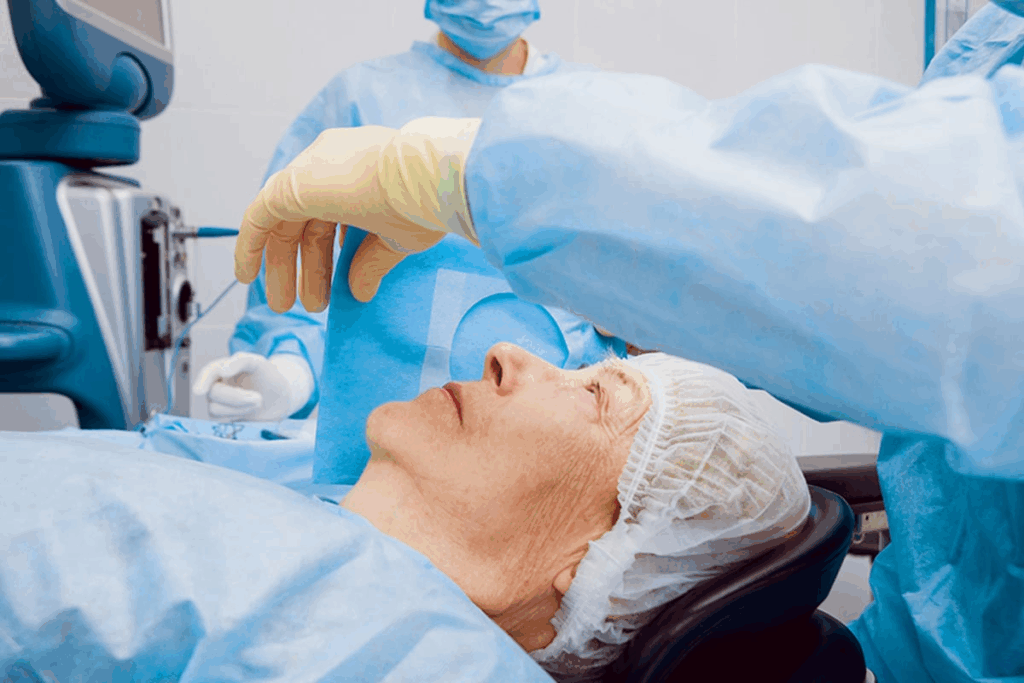
Restoring vision after vitrectomy surgery takes time and understanding. This surgery removes the vitreous gel from your eye. It then fills it with a gas bubble to help the retina heal.Tips and timeline for regaining clear vision after vitrectomy gas bubble absorption is complete. Regain vision after vitrectomy gas bubble.
Most people go home the same day as the surgery. They might need help getting there. It’s important to follow your doctor’s advice for the best vision restoration. We’ll help you understand the recovery, including how long it takes and what changes you might see.
Key Takeaways
- Vitrectomy involves removing the vitreous gel and replacing it with a gas bubble to aid healing.
- Proper post-operative care is key for the best vision recovery.
- Patients usually go home the same day as the surgery.
- Knowing what to expect during recovery helps manage your hopes.
- Following your doctor’s advice is essential for a smooth healing.
Understanding Vitrectomy and Gas Bubble Procedure
It’s important for patients to understand the vitrectomy procedure before surgery. This surgery removes the vitreous gel from the eye. It treats many retinal conditions.
What is a Vitrectomy?
A vitrectomy is a surgery where the vitreous gel is taken out. It’s done for issues like retinal detachment and macular hole. This lets surgeons treat the retina better.
Right after surgery, seeing is very hard. Patients might only see movement or light and dark.
Purpose of the Gas Bubble
The gas bubble is key for healing. It helps keep the retina in place and promotes healing. This is vital for retinal detachment cases.
Types of Gas Bubbles Used
There are short-acting and long-acting gases used in surgery. Short-acting gases like air or SF6 are gone in weeks. Long-acting gases, like C3F8, take months to be absorbed. The choice depends on the condition and the surgeon.
Immediate Post-Surgery Vision Experience

Knowing what to expect right after vitrectomy surgery can really help ease worries about vision. The time right after surgery is key, and knowing what to expect helps manage recovery better.
Initial Vision Limitations
Right after vitrectomy surgery, vision can be quite bad. You might see things blurry, which is normal. Your eye might also be swollen and red for weeks, making vision harder. It’s important to remember these signs are part of healing.
What to Expect in the First 48 Hours
In the first 48 hours, vision can be very blurry because of the gas or oil used. You might feel eye pain or pressure. These feelings are usually normal and will get better as your eye heals.
It’s very important to follow your doctor’s instructions closely during this time. This helps your eye heal right and avoids problems.
Normal vs. Concerning Symptoms
Telling normal symptoms from signs of trouble is key. Some discomfort and blurry vision are okay, but severe pain or sudden vision loss are not. If you notice these, call your doctor right away.
Knowing the difference helps you feel more confident during recovery.
Vision After Vitrectomy Gas Bubble: Recovery Timeline
The time it takes for vision to return after vitrectomy surgery with a gas bubble varies. It depends on the type of gas used. Knowing this timeline helps patients plan their recovery and follow their doctor’s advice better.
As the gas bubble disappears, vision starts to get better from the top down. People often see a black line moving down, like a spirit level, as the gas is absorbed.
Short-Acting Gas Recovery
Patients with short-acting gas usually see improvement in 2 to 3 weeks. The gas bubble gets smaller, and vision gets better.
Important milestones in short-acting gas recovery include:
- Initial vision improvement within the first week
- Noticeable reduction in gas bubble size by the second week
- Significant visual recovery by the end of the third week
Long-Acting Gas Recovery
Long-acting gas takes longer to recover, usually 6 to 8 weeks. The gas absorbs slowly, so vision is limited for a longer time.
Week | Expected Vision Status |
1-2 | Limited vision due to large gas bubble |
3-4 | Gradual improvement as gas bubble reduces |
6-8 | Significant visual recovery as gas is fully absorbed |
The “Black Line” Phenomenon During Absorption
A common sight during gas absorption is the “black line” phenomenon. Patients often see a horizontal line moving down as the gas disappears. This line shows where the gas is and where vision is getting better.
“As the gas bubble dissolved, I noticed a distinct black line moving down my field of vision. It was a reassuring sign that my vision was improving,” said a patient after undergoing vitrectomy surgery.
Knowing about the recovery timeline and the “black line” can ease worries. It also helps patients stick to their post-operative care plans.
Critical Post-Operative Care for Vision Restoration
After vitrectomy surgery, it’s key to follow a detailed care plan. This ensures the gas bubble supports the retina while it heals. This support is essential for better vision.
Proper Head Positioning Techniques
Keeping your head in the right position is vital. For 5 to 7 days after surgery, you must hold your head in a specific way. This helps the gas bubble stay in place, aiding healing and vision recovery.
Activity Restrictions During Recovery
It’s important to avoid activities that could harm the healing process. Heavy lifting, bending, and strenuous activities are often off-limits. Your doctor will tell you which activities to avoid and for how long.
Activity | Restriction Period | Reason |
Heavy Lifting | 2-4 weeks | Avoid increasing intraocular pressure |
Bending | 2-4 weeks | Prevent gas bubble displacement |
Strenuous Activities | 4-6 weeks | Ensure proper healing |
Medication Regimen and Eye Drops
Using eye drops as directed is critical. Following your medication plan is essential for a smooth recovery. Your doctor will guide you on how often and how much to use.
By sticking to these care instructions, you can greatly improve your vision after vitrectomy surgery.
Follow-Up Appointments and Medical Monitoring
After vitrectomy surgery, it’s important to keep an eye on your eye health. You’ll need to see your doctor for follow-up appointments. These visits help check how well you’re healing, handle any problems, and adjust your care as needed.
Frequency of Check-ups
Usually, you’ll need to see your doctor every 2 to 3 weeks while the gas in your eye absorbs. The exact timing might change based on how quickly you heal and your doctor’s advice.
Week | Check-up Frequency | Purpose |
1-2 | Weekly | Initial healing assessment |
2-6 | Every 2 weeks | Monitoring gas absorption |
6-8 | As needed | Final assessment and removal of tamponade |
What Your Doctor Will Evaluate
At these appointments, your doctor will check several important things. They’ll look at the gas bubble, the retina’s position, and watch for any complications. They’ll also check how well you can see and adjust your treatment plan.
Key Evaluation Areas:
- Gas bubble status
- Retinal position and attachment
- Intraocular pressure
- Visual acuity
- Signs of infection or inflammation
Questions to Ask During Appointments
It’s a good idea to have questions ready for your follow-up appointments. This way, you can get the most out of your visit and understand your recovery better.
Example Questions:
- What is the current status of my gas bubble?
- Are there any signs of complications that I should be aware of?
- How can I improve my recovery process?
- When can I resume normal activities?
- What are the next steps in my treatment plan?
Optimizing Your Environment During Recovery
Setting up your home for recovery can make a big difference. After vitrectomy surgery, it’s key to create a space that helps you heal.
Home Setup Recommendations
Make a comfy seating area with good support. A face-down system or pillows can help if you need to stay in that position.
- Set up a cozy reading nook or entertainment area to keep you engaged during recovery.
- Ensure your recovery space is clutter-free and easy to navigate.
- Keep essential items like medications, water, and remote controls within easy reach.
Lighting Considerations
Good lighting is important during recovery. Soft, natural light is best, but warm, gentle artificial light can also work well.
Avoid harsh or direct lighting. It can cause discomfort or make light sensitivity worse, which is common after surgery.
Assistive Devices for Daily Living
Using assistive devices can make daily tasks easier when your vision is limited. Consider:
- Large-button remote controls or phones with accessibility features.
- Audiobooks or e-books with text-to-speech functionality.
- Simple, easy-to-use organizers for managing medications and appointments.
Also, remember that flying is usually not allowed until gas bubbles are gone. Always check with your doctor for travel rules.
Optimizing your recovery space can greatly improve your comfort and healing. Always follow your doctor’s advice and go to all follow-up appointments.
Managing Daily Activities With Limited Vision
After vitrectomy surgery, you’ll need to make some changes in your daily life. It’s important to make these changes to stay safe and comfortable.
Safe Navigation Strategies
Keeping your home safe is key when you have limited vision. Clearing clutter and using non-slip mats in bathrooms can help prevent falls.
Touching your way around can help you find paths and dangers. A walking stick or cane can give you more confidence and support.
Personal Care Adaptations
Even with limited vision, taking care of yourself is important. Simple changes can make a big difference. For example, using a shower chair makes bathing safer.
Organizing your toiletries in the same way every time helps you find what you need by touch. Labeling your medications and using tactile markers on clothes can also help with daily tasks.
Reading and Screen Use Techniques
If you need to read or use screens during recovery, there are ways to make it easier. Changing the font size on your devices or using magnifying glasses can help.
Listening to audiobooks or using screen readers is another good option. It lets you enjoy your favorite stories without straining your eyes. Make sure your reading area is well-lit to avoid eye strain.
By using these strategies, you can handle your daily activities better, even with limited vision. They help support your recovery.
Warning Signs and When to Seek Immediate Care
After vitrectomy surgery, watching your recovery closely is key. Look out for warning signs that could mean complications. Some discomfort is okay, but certain symptoms need quick attention to avoid serious problems.
Symptoms of Complications
Watch for these symptoms that might mean complications:
- Increased pain that can’t be managed with medicine
- Worsening vision or loss of vision
- New or more flashes or floaters
- Redness or swelling of the eye
- Discharge or pus from the eye
- A sudden change in the size or position of the gas bubble
Emergency Contact Protocol
Have a plan for emergencies. Keep this info ready:
- Your surgeon’s contact number
- The contact info for local emergency services
- A list of your current medications
When you call your doctor, be ready to talk about your symptoms. Tell them when they started and how they change.
Distinguishing Normal Discomfort from Problems
Some discomfort is normal after surgery. But it’s important to know the difference between normal symptoms and problems. Normal symptoms might include mild pain, light sensitivity, and feeling of pressure.
But if you have severe pain, sudden vision changes, or other serious symptoms, get medical help fast. It’s always safer to be cautious with your eye health.
If you have a gas bubble in your eye, avoid flying or high altitudes until it’s gone. Always follow your doctor’s advice on care and follow-up visits.
Special Considerations for Silicone Oil Cases
When silicone oil is used instead of gas, patients face different recovery paths. Silicone oil is used in some eye surgeries to help the eye heal, mainly in complex cases.
Vision Differences with Silicone Oil
People with silicone oil in their eyes might see things differently than those with gas. The oil can change how light bends in the eye, affecting vision. Some see a distinct line or shadow where the oil meets the retina.
- Blurred vision may last until the oil is removed.
- Color perception can change.
- Floaters might be more noticeable.
Preparing for Oil Removal Surgery
If you had silicone oil in your eye surgery, you might need a second surgery to take it out. This usually happens a few months after the first surgery. To get ready for the surgery:
- Take your medication and eye drops as your doctor says.
- Have someone with you on surgery day.
- Talk to your eye doctor about any worries or questions.
Recovery After Oil Removal
Recovery from silicone oil removal varies for everyone. You might feel some discomfort or eye irritation, but it’s usually manageable. Vision should start to get better over weeks.
- Some discomfort or irritation, which is usually manageable with medication.
- A gradual improvement in vision over several weeks.
- The possibility of additional treatments, such as laser photocoagulation, during the recovery period.
It’s important to follow your doctor’s advice and go to all follow-up appointments. We know everyone’s journey is different, and we’re here to help you every step of the way.
Long-Term Vision Rehabilitation Strategies
Getting your vision back after vitrectomy surgery needs a mix of approaches. Studies show that over 90 percent of retinal holes close after one surgery. But, the recovery process, including vision therapy, is key for the best results.
Your eye will make new fluid to replace what was taken out. This natural healing is part of the journey. Knowing how to support it can greatly improve your vision long-term.
Vision Therapy Options
Vision therapy is a set of exercises to boost your visual skills. After surgery, it can help improve your vision by:
- Improving eye movement and coordination
- Enhancing visual processing and perception
- Reducing visual discomfort and fatigue
A vision therapist can make a plan just for you. This helps you reach your best visual function.
Adaptive Technologies
Adaptive technologies are key for those with vision problems during recovery. Some examples include:
Technology | Description | Benefit |
Screen Readers | Software that reads aloud text on the screen | Assists with reading and computer use |
Magnification Software | Programs that enlarge text and images | Enhances visual clarity for reading and detail work |
Smart Glasses | Wearable devices with camera and display technology | Provides real-time visual assistance and information |
Adjusting Prescription Eyewear
Your prescription might change after surgery. A new eye exam can tell if you need a new prescription. Getting your eyewear adjusted can help by:
- Correcting refractive errors that may have developed or changed post-surgery
- Improving visual acuity and clarity
- Reducing eye strain and discomfort
Using these strategies can help you get the most out of your vision recovery. This can greatly improve your life after surgery.
Conclusion
Restoring vision after vitrectomy gas bubble surgery needs a full plan. This includes good post-operative care and keeping up with follow-up visits. Knowing the recovery process helps patients get the best results.
Good vitrectomy recovery means managing daily tasks, keeping the head right, and following medication. Our guide covers important post-operative care. It also talks about follow-up visits and when to seek urgent medical help.
By following our advice, patients can boost their chances of successful vision recovery. We’re here to support patients on their path to better vision. We offer detailed care and guidance at every step.
FAQ
What is the typical recovery time for vision after vitrectomy gas bubble surgery?
Recovery time depends on the gas type. Short-acting gas bubbles take 2 to 3 weeks to dissolve. Long-acting ones can take 6 to 8 weeks. Vision gets better slowly, starting from the top.
What can I expect my vision to be like immediately after vitrectomy surgery?
Right after surgery, vision is very poor. You might only see movement or light and dark. But, your vision will get better as the gas bubble is absorbed.
How important is head positioning after vitrectomy surgery?
Keeping your head in the right position is key for 5 to 7 days after surgery. It helps the gas bubble support the retina while it heals, improving your vision.
What are the activity restrictions during the recovery period?
You should avoid heavy lifting, bending, and hard activities during recovery. Your doctor will tell you what’s safe based on your situation.
How often should I attend follow-up appointments after vitrectomy surgery?
You’ll need to see your doctor often, usually every 2 to 3 weeks. They’ll check on your healing, vision, and answer any questions you have.
What are the warning signs that may indicate complications after vitrectomy surgery?
Watch out for signs like more pain, worse vision, new flashes or floaters, and severe eye redness. If you notice these, call your doctor right away.
How does vision change as the gas bubble is absorbed?
As the gas goes away, you might see a “black line” or a horizontal line moving down. This shows your vision is getting better.
Are there any special considerations for patients who have silicone oil inserted during vitrectomy?
Yes, if you have silicone oil, you’ll need a second surgery to remove it a few months later. Your vision might be different, and you’ll get special care instructions.
What can I do to optimize my environment during the recovery period?
Make your home safe by removing tripping hazards. Adjust the lighting and use assistive devices to help with daily tasks with limited vision.
Are there any long-term vision rehabilitation strategies after vitrectomy surgery?
Yes, you might need vision therapy, adaptive technologies, and changes to your glasses to improve your vision and quality of life.
References
National Center for Biotechnology Information. Vision Restoration After Vitrectomy With Gas Bubble. Retrieved from https://pmc.ncbi.nlm.nih.gov/articles/PMC12006618/



 Departments
 Related Videos
 Our Doctors
 News
News