Feeling sharp pain after embryo transfer can worry you. But knowing what’s normal and what’s not is key to your fertility journey. At Liv Hospital, we help you through this two-week wait. We use a patient-focused approach and the latest medical knowledge.
Mild cramping and pelvic discomfort are usual during in vitro fertilization treatment. We look into the reasons for stabbing pain and what’s normal. This helps you tell the difference between normal discomfort and signs that need quick medical check-up.
When to worry about a sharp pain on right side after embryo transfer and when it’s a normal side effect.
Key Takeaways
- Sharp pain after embryo transfer can be a normal experience.
- Mild cramping and pelvic discomfort are common during IVF treatment.
- Understanding the causes of sharp pain can alleviate concerns.
- Knowing when to seek medical attention is key.
- Liv Hospital provides guidance and support throughout your fertility journey.
Understanding the Embryo Transfer Process
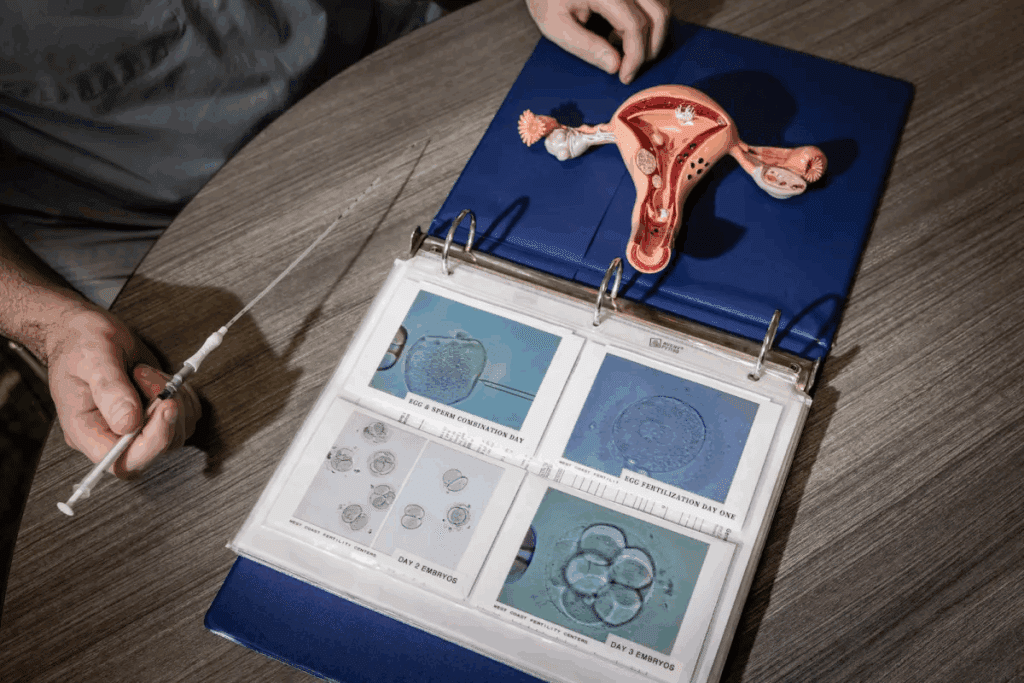
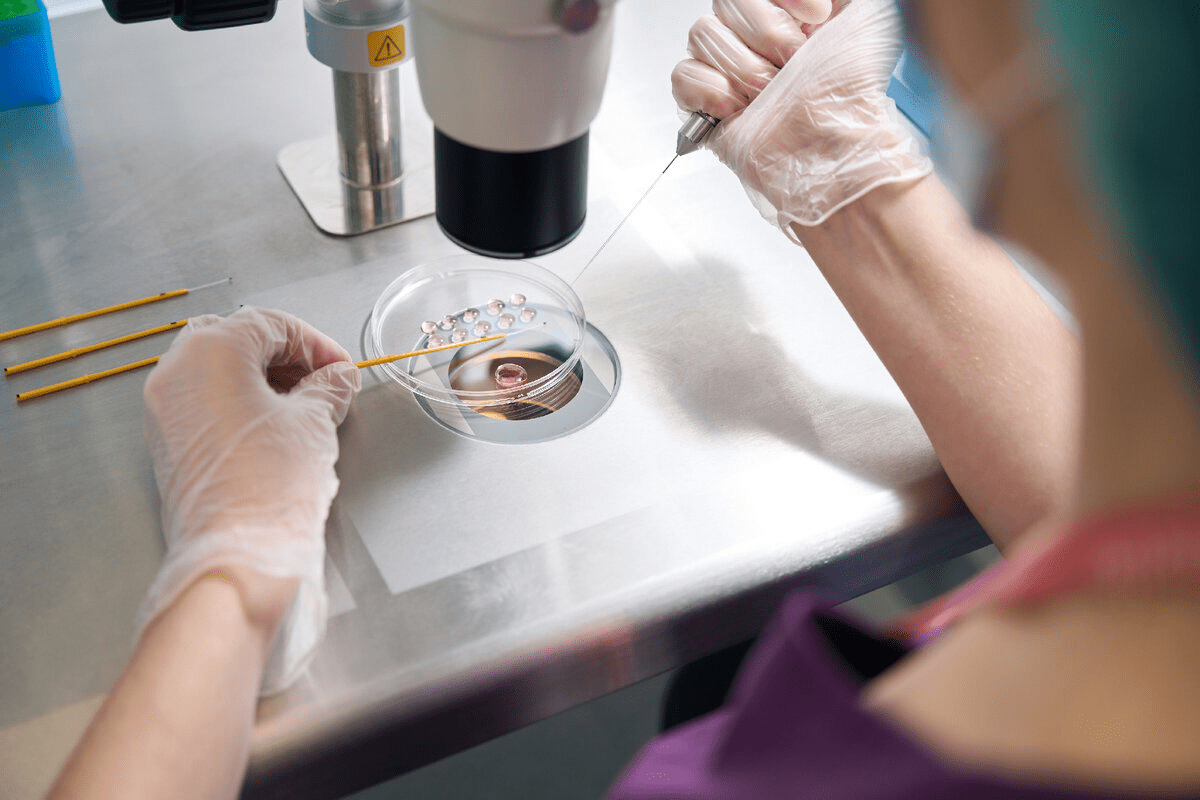
The embryo transfer process is a key part of IVF. It involves placing a selected embryo into the uterus. This step is important and is a big step towards a successful pregnancy.
What Happens During an Embryo Transfer Procedure
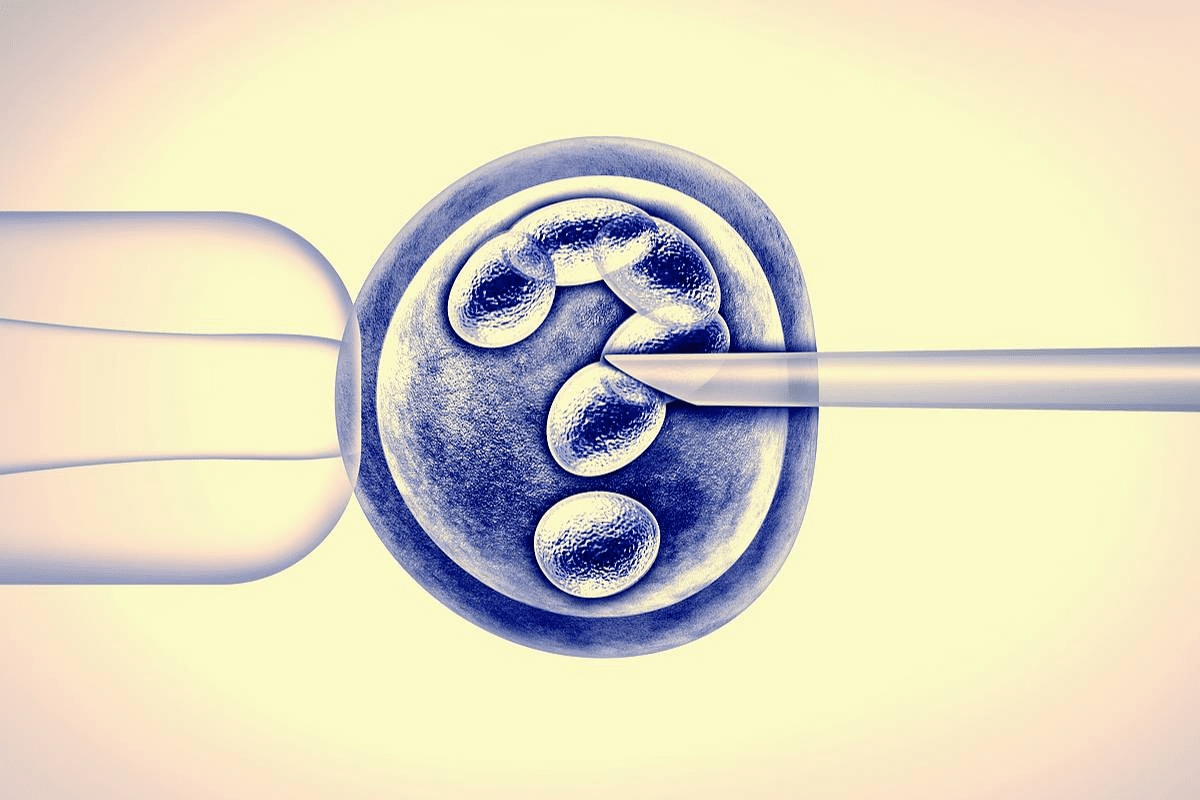
The embryo transfer procedure has several steps. First, the patient lies on an exam table, different from a regular gynecological exam. The embryo transfer process starts with a speculum to see the cervix.
Then, a catheter with the embryo is carefully inserted through the cervix into the uterus. This part needs precision to avoid any issues.
After the catheter is in place, the embryo is released into the uterus. Ultrasound is used to guide this step. The whole process usually takes 10-15 minutes.
The Role of Catheter Insertion in IVF
Catheter insertion is vital in the embryo transfer process. The catheter, a thin tube, holds the embryo. It must be inserted carefully through the cervix into the uterus for IVF success.
A smooth insertion reduces the risk of pain or complications. If the cervix is narrow or there are other issues, extra steps might be needed.
Physical and Emotional Preparation
Getting ready for the embryo transfer process means being physically and emotionally prepared. Patients are often told to have a full bladder for better ultrasound views. Emotionally, the wait can be nerve-wracking.
Following your doctor’s advice closely is key. Getting support from family or professionals can also help. Relaxation techniques like deep breathing can ease anxiety. Knowing what happens during the transfer can also make it less scary.
Common Post-Embryo Transfer Sensations
Many people feel different things after an embryo transfer. They might feel a bit uncomfortable or go through emotional ups and downs. Knowing what to expect can help manage these feelings during the wait.
Normal Physical Sensations After Transfer
Right after an embryo transfer, you might notice some physical changes. You could feel mild cramping, spotting, or breast tenderness. These are normal signs that your body is reacting to the procedure.
Some might also feel a bit bloated or uncomfortable in their belly. These feelings come from the hormonal changes and the transfer itself. Remember, how strong and long these feelings last can vary from person to person.
Emotional Responses During the Two-Week Wait
The two-week wait can be tough emotionally. You might feel hopeful, excited, anxious, or worried. These feelings are all normal and come from waiting to see the outcome.
It’s good to find ways to relax and talk openly with your doctor during this time. Having someone to support you can really help with the stress of waiting.
Distinguishing Between Normal and Concerning Symptoms
While most feelings after an embryo transfer are okay, it’s important to know when to worry. Severe pain, heavy bleeding, or a fever are signs to call your doctor right away.
Pay attention to how your body feels. If you’re worried about your symptoms, don’t hesitate to ask for advice. Knowing the difference can help you feel less worried and make sure you get help when you need it.
Sharp Pain on Right Side After Embryo Transfer: Causes and Explanations
Sharp pain on the right side after embryo transfer can be worrying. But, it’s often due to a few known reasons. This symptom can be unsettling during the two-week wait after the procedure. The good news is that in many cases, this pain is a normal body response to the embryo transfer.
Ovarian Residual Effects from Stimulation
Sharp pain on the right side might be from ovarian stimulation effects. During IVF, the ovaries are stimulated to produce many eggs. This can make them swell and feel tender. This tenderness can last after the embryo transfer, causing discomfort or sharp pain, often on one side.
Ovarian stimulation can also release substances that irritate nearby tissues, causing pain. While this pain is usually short-lived, it’s important to watch how long it lasts and how severe it is.
Uterine Contractions on the Right Side
Sharp pain on the right side could also be from uterine contractions. After an embryo transfer, the uterus may contract as it adjusts to the new embryo. These contractions can feel like sharp pains, which might be more noticeable on one side.
The exact reason for these contractions is not fully known. But, they are thought to be linked to hormonal changes and the presence of the embryo in the uterus. In most cases, these contractions are a normal part of the process and go away on their own.
Implantation Right Side Pain Explained
Sharp pain on the right side might also be from implantation. When the embryo implants into the uterine lining, it can cause mild cramping or sharp pains. If the embryo implants on the right side of the uterus, this pain might be more noticeable on that side.
Implantation usually happens 6-10 days after fertilization, which is the time after an embryo transfer. While not all women feel implantation pain, for those who do, it’s a reassuring sign that the embryo is starting to implant.
Sharp Pain on Left Side After Embryo Transfer: What to Know
Feeling sharp pain on the left side after embryo transfer can be scary, mainly for those going through IVF. We know this symptom worries you. It’s key to look into what might be causing it and what it could mean.
Left Side Lower Abdomen Pain After Embryo Transfer
Left side lower abdomen pain after embryo transfer can feel different for everyone. Some might feel a dull ache, while others might experience sharp, stabbing pain. This discomfort often comes from the IVF process itself.
One reason could be uterine contractions happening after the embryo transfer. These contractions might cause pain on one side of your abdomen. This depends on where the embryo is implanting.
Potential Causes of Left-Sided Discomfort
Several things can lead to left-sided discomfort after embryo transfer. These include:
- Uterine contractions
- Implantation of the embryo
- Ovarian residual effects from stimulation
Knowing these possible causes can help ease your worries. It gives you a better idea of what to expect after the transfer.
| Cause | Description | Typical Timing |
|---|---|---|
| Uterine Contractions | Mild to moderate cramping from the embryo transfer | Immediately after transfer |
| Implantation | Pain from the embryo attaching to the uterine lining | 6-10 days post-transfer |
| Ovarian Residual Effects | Discomfort as the ovaries return to normal size after stimulation | Variable, often resolves within a week |
When Left Side Pain Warrants Medical Attention
While some discomfort is normal after embryo transfer, there are times when left side pain needs medical help. Severe pain, heavy bleeding, or fever mean you should call your healthcare provider.
It’s important to watch your symptoms and get advice if you’re worried about the pain’s severity or how long it lasts. Your healthcare provider can give you guidance and reassurance based on your situation.
Cramping After Embryo Transfer: Timeline and Expectations
Understanding cramping after embryo transfer is key to managing your expectations during IVF. Many women experience cramping after the procedure.
Cramping Day After Embryo Transfer
Cramping can start right after the embryo transfer. This is often due to the uterine contractions from the catheter insertion. It’s important to note that while some cramping is normal, severe pain should be reported to your healthcare provider.
The day after the transfer is also important for watching for symptoms. Some women might feel mild cramping as the embryo starts to implant.
Light Cramping After Embryo Transfer: Is It Normal?
Light cramping after embryo transfer is usually normal. It can be a sign that the embryo is implanting into the uterine lining. But, it’s important to tell the difference between normal cramping and severe pain that might mean a problem.
Cramping can vary from person to person. What’s normal for one might not be for another. Your pain threshold and the details of your IVF procedure play a role.
To deal with cramping, patients are told to rest and avoid hard activities. They might also be advised to use over-the-counter pain relief, with a doctor’s guidance.
Abdominal Pain After Embryo Transfer: Statistics and Causes
Feeling pain in your belly after an embryo transfer can be scary. It’s good to know that only a small number of IVF patients feel this pain. This discomfort can come from different parts of the IVF process.
Prevalence of Abdominal Pain
About 3-6% of IVF patients experience abdominal pain. This number shows that it’s not very common. The pain is often linked to ovarian hyperstimulation syndrome (OHSS), caused by the hormones used in IVF.
Stomach Ache After Embryo Transfer
A stomach ache after embryo transfer can feel like a dull or sharp pain. There are many reasons for this, like the hormones used, the transfer itself, or how your body reacts to the embryo. It’s important to tell the difference between normal discomfort and serious symptoms.
Stomach Cramps After Embryo Transfer vs. Menstrual Cramps
Stomach cramps after embryo transfer are similar to menstrual cramps. But, they have different causes. Menstrual cramps happen when the uterine lining sheds. Cramps after embryo transfer might be from the implantation or how your body reacts to IVF.
Abdominal pain after embryo transfer worries many patients. By looking into how common it is and why it happens, we hope to help and reassure those going through IVF.
Stabbing Pain After Egg Retrieval vs. Post-Transfer Pain
It’s important to know the difference between pain after egg retrieval and post-transfer pain for IVF patients. Both steps are key in IVF, but they affect the body in different ways.
Recovery from Egg Retrieval Procedure
The egg retrieval involves a needle insertion through the vaginal wall to get eggs from the ovaries. This can cause temporary discomfort and stabbing pain from the needle and egg aspiration.
Patients usually feel mild to moderate pain after. This pain comes from the needle wounds and hormonal changes in the body.
Transitional Pain Between Retrieval and Transfer
Between egg retrieval and embryo transfer, patients may feel different pains. Some might get cramping like menstrual cramps, while others might feel sharp, stabbing sensations.
This pain is often from the body’s reaction to hormonal meds and getting ready for the embryo transfer.
How to Manage Post-Retrieval Discomfort
It’s key to manage pain after egg retrieval for patient comfort. Over-the-counter pain relievers are often suggested, but always check with a doctor first.
- Resting adequately
- Avoiding strenuous activities
- Applying warm compresses to the lower abdomen
By understanding the pain causes and using the right management, patients can handle the IVF process better.
Implantation Cramping: Signs and Timing
Exploring implantation cramping’s signs and timing is key in IVF. It shows the embryo is settling into the uterine lining. This is a big step in the IVF journey.
Characteristics of Implantation Cramping
Implantation cramping feels like mild, crampy sensations in the lower belly. It’s like menstrual cramps but less intense. The cramps can happen on one or both sides of the abdomen. It’s a natural part of the process, but not everyone feels it.
Implantation Cramping on Right Side
Some women feel cramping more on one side, like the right. This might happen if the embryo implants closer to that side. The feeling can be unsettling, but it’s usually normal. Yet, it’s important to watch how long and how strong the cramping is.
Timing: When Implantation Typically Occurs
Implantation usually happens 6-10 days after the embryo transfer. During this time, women might start feeling cramps as the embryo implants. Knowing when it happens helps women connect their symptoms with the process. But, the timing can differ for everyone.
We suggest patients keep track of their symptoms and talk to their healthcare provider about any worries. Understanding implantation cramping’s signs and timing helps patients get through the two-week wait after embryo transfer.
Ovarian Hyperstimulation Syndrome (OHSS) and Severe Abdominal Pain
Ovarian Hyperstimulation Syndrome (OHSS) is a serious side effect of IVF. It can cause severe pain in the abdomen. We will talk about what causes OHSS, its symptoms, and how to treat it. We will also cover ways to prevent it.
Identifying Risk Factors
Some things can make you more likely to get OHSS. These include:
- Young age
- Low body mass index (BMI)
- Polycystic ovary syndrome (PCOS)
- High doses of gonadotropins
- Previous history of OHSS
Knowing these risk factors can help prevent OHSS.
Recognizing Symptoms and Warning Signs
The signs of OHSS can range from mild to severe. They include:
| Symptom | Mild/Moderate | Severe |
|---|---|---|
| Abdominal pain | Mild discomfort | Severe pain |
| Bloating | Noticeable | Significant |
| Nausea and vomiting | Occasional | Frequent |
Spotting these symptoms early is key to managing them well.
Treatment Approaches and Prevention
The treatment for OHSS depends on how bad it is. For mild cases, rest, drinking lots of water, and watching closely might be enough. But for severe cases, you might need to stay in the hospital. To prevent OHSS, we can:
- Use careful amounts of gonadotropins
- Keep a close eye on you during IVF cycles
- Try different methods for those at high risk
By understanding OHSS, its causes, and symptoms, we can manage and prevent it better. This is important for those going through IVF.
Managing Discomfort After Embryo Transfer
Learning how to handle discomfort after embryo transfer can greatly improve your IVF experience. The time right after the procedure is key. Being ready can really help your experience.
Safe Pain Relief Methods During the Two-Week Wait
During the two-week wait after embryo transfer, you might wonder about safe pain relief. Acetaminophen is often okay for mild pain, but always check with your doctor first.
Some people find relief with alternative methods like heating pads or warm baths. But, it’s important to not use too much heat or anything that could mess with implantation.
“The key to managing discomfort is to be proactive and informed. Patients should discuss their options with their healthcare provider to determine the best approach for their individual needs.”
Rest and Activity Recommendations
Rest is very important after embryo transfer. While you don’t need to stay in bed all the time, it’s best to avoid hard activities.
- Avoid heavy lifting and bending
- Limit high-impact exercises
- Take regular breaks to rest
Short walks are okay and can help with feeling anxious.
Comfort Measures for Cramp After IVF Transfer
Cramping after IVF transfer is common. To help with cramps, try these:
| Method | Description |
|---|---|
| Hydration | Drinking plenty of water to stay hydrated |
| Relaxation Techniques | Engaging in stress-reducing activities like meditation or deep breathing |
| Comfort Clothing | Wearing loose, comfortable clothing to reduce pressure on the abdomen |
Using these comfort measures can help you manage discomfort better. This way, you can focus on your well-being during IVF.
Conclusion
Understanding why sharp pain happens after embryo transfer can ease worries and make IVF better. We’ve looked at different kinds of pain, like sharp pains on the right or left side, cramps, and belly discomfort.
Knowing what might cause these pains, like leftover ovarian effects, uterine contractions, and implantation, helps. It makes the two-week wait easier. We also talked about how to tell if symptoms are normal or not, and how to handle pain safely.
In short, sharp pain after embryo transfer is common in IVF. Being well-informed can lower anxiety and help focus on becoming parents. This summary wraps up the key points, helping people understand their experiences and feel more confident.
FAQ
What causes sharp pain after embryo transfer?
Sharp pain after embryo transfer can come from several sources. These include leftover effects from the ovaries, uterine contractions, and the implantation process. We’ll dive into these causes to help you understand what might be happening.
Is cramping after embryo transfer normal?
Yes, many people experience cramping after embryo transfer. The pain’s intensity and how long it lasts can vary. But, if the cramping is mild, it’s usually okay. Severe or ongoing pain, though, needs a doctor’s attention.
What is the difference between stabbing pain after egg retrieval and post-transfer pain?
Pain from egg retrieval is often due to the procedure itself. Post-transfer pain, on the other hand, might be from the embryo transfer or implantation. Knowing the difference can help you better manage your discomfort.
When should I seek medical attention for abdominal pain after embryo transfer?
Seek medical help if your abdominal pain is severe, doesn’t go away, or gets worse after embryo transfer. Also, if you have heavy bleeding, fever, or feel dizzy, get in touch with your doctor right away.
Can left side lower abdomen pain after embryo transfer be a sign of implantation?
Yes, pain in the left side of your lower abdomen could mean implantation is happening. But, it could also be from other things like leftover ovarian effects or uterine contractions. If you’re worried, talking to your healthcare provider is always a good idea.
How can I manage discomfort after embryo transfer?
To ease discomfort after embryo transfer, try safe pain relief methods, rest, and follow your doctor’s advice on activity. They can give you personalized tips on managing cramps after IVF transfer.
What are the risk factors for developing OHSS, and how can it be prevented?
OHSS risk factors include certain health conditions, high doses of fertility meds, and how your body reacts to ovarian stimulation. To prevent it, your treatment might be closely monitored and adjusted. Your doctor can talk about your specific risks and how to avoid OHSS.
Is light cramping after embryo transfer a positive sign?
Light cramping after embryo transfer is common and might be a good sign. It’s not a surefire way to know if implantation is happening. But, if you also notice spotting or mood changes, it could be a sign of implantation.
How long does cramping last after embryo transfer?
Cramping after embryo transfer can last anywhere from a few hours to several days. How long and how bad it is can vary a lot. If you’re concerned about your cramping, it’s best to check in with your healthcare provider.
Can I take pain relief medication during the two-week wait after embryo transfer?
Always check with your healthcare provider before taking pain relief meds during the two-week wait after embryo transfer. They can suggest safe options and warn you about any risks or interactions with your treatment.
References
World Health Organization. Sharp Pain After Embryo Transfer: Causes and Management. Retrieved from https://www.who.int/news-room/fact-sheets/detail/infertility