Last Updated on November 18, 2025 by Ugurkan Demir

Knowing the recovery timeline after shoulder debridement surgery is key. It helps you plan your return to daily life and activities you love. At Liv Hospital, we support you on your recovery journey. Our team is committed to providing top-notch healthcare.
The recovery process depends on several things. These include how big the surgery was and your own health. According to Ramsay Health Care, recovery after arthroscopy can differ a lot. We’ll look at important facts to help you get back to your activities faster.
Key Takeaways
- Recovery time varies a lot based on the surgery’s extent and your health.
- Arthroscopic debridement removes damaged tissue or bone spurs that cause pain and limit movement.
- Pain and swelling can last weeks and can be managed with pain meds and cold compresses.
- Physical therapy is key for reducing pain and getting back strength, mobility, and function.
- Full recovery may take months, depending on your age, health, and the severity of your shoulder problem.
What Happens During Shoulder Debridement Surgery
During shoulder debridement surgery, doctors use an arthroscopic approach. This means they clean out damaged tissue and bone spurs through small incisions. A camera and tools are inserted to examine and treat the shoulder joint.
Types of Shoulder Debridement Procedures
There are different types of shoulder debridement procedures. Each one is designed for specific shoulder issues. The complexity of the surgery can vary, from simple debridement to more complex repairs like the rotator cuff repair. Knowing the type of procedure is important because it affects recovery time.
Simple debridement removes damaged or inflamed tissue. More complex procedures might include subacromial decompression or rotator cuff repair. The choice depends on the patient’s condition and the extent of the damage.
The Surgical Process
The surgery starts with anesthesia to keep the patient comfortable. Then, small incisions are made for the arthroscope and tools. The arthroscope lets the surgeon see the joint on a monitor, guiding the tools to the damaged areas.
After finding the damaged tissue or bone spurs, the surgeon removes or repairs them. The aim is to reduce pain, improve joint function, and aid in healing. The whole process is designed to be as minimally invasive as possible, helping the patient recover faster.
Shoulder Debridement Recovery Time: The Complete Timeline
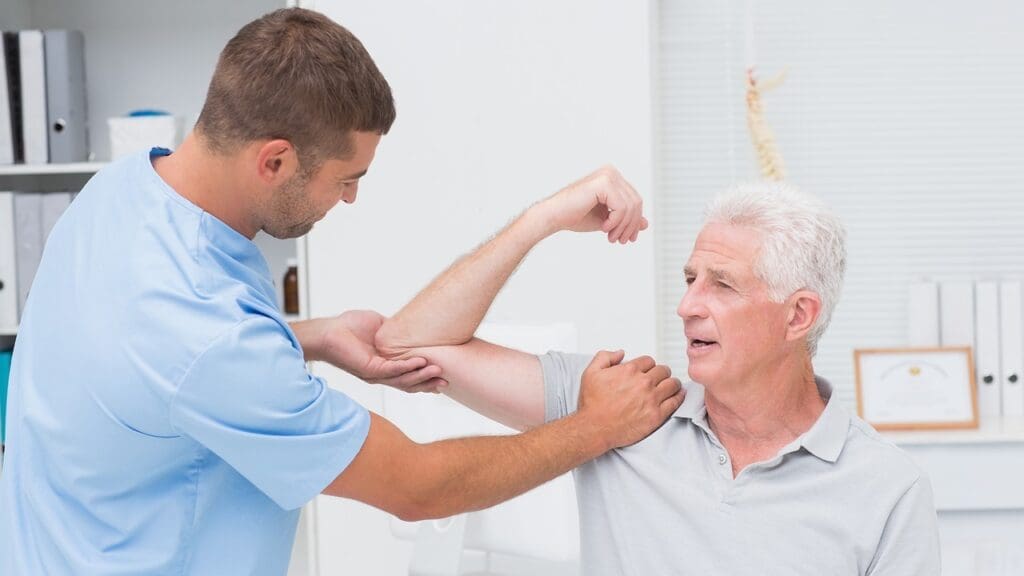
The recovery from shoulder debridement surgery is a journey that needs patience and dedication. We will guide you through each phase, from right after surgery to long-term recovery.
Days 1-3: Immediate Post-Operative Period
Right after surgery, you might feel pain, swelling, and have limited movement. Pain management is key, with medication and rest being the main focus. According to Ramsay Health Care, keeping your arm in a sling helps to heal.
Days 4-14: Early Recovery Phase
In the early recovery phase, you start to slowly move more. You’ll do gentle exercises and physical therapy to avoid stiffness and aid healing. It’s important to stick to a structured rehabilitation plan for the best recovery.
- Start with gentle pendulum exercises
- Slowly increase range of motion exercises
- Strengthening exercises are introduced later in this phase
Weeks 2-6: Intermediate Recovery
In the intermediate recovery phase, you’ll see your range of motion and strength improve. Physical therapy is key, focusing on exercises to boost shoulder mobility and stability.
“The key to successful recovery is a well-structured rehabilitation program that addresses the patient’s specific needs and goals.” – Orthopedic Specialist
Months 2-6: Long-Term Recovery
In the long-term recovery phase, you’ll see big improvements in strength and mobility. Keep up with physical therapy and slowly return to normal activities, like sports and heavy lifting, with a healthcare professional’s guidance.
- Continue strengthening exercises
- Slowly return to normal activities
- Monitor progress with regular follow-up appointments
Key Fact #1: Procedure Type Significantly Impacts Recovery
The type of shoulder debridement procedure greatly affects how long it takes to recover. The extent and complexity of the surgery are key factors. They determine how quickly we can get back to our usual activities.
Simple vs. Extensive Debridement Recovery Differences
Simple debridement, which removes damaged tissue from the shoulder, has shorter recovery times. On the other hand, more complex procedures, like tendon or ligament reconstruction, need longer to heal.
Experts say the complexity of the rotator cuff injury is a big factor in recovery time. Extensive debridement procedures often involve more damage and need more detailed rehabilitation plans.
Rotator Cuff Debridement Recovery Specifics
Rotator cuff debridement focuses on removing damaged tissue from the rotator cuff tendons. The recovery specifics depend on the damage’s extent and the patient’s overall health.
- Immediate post-operative period: Focus on pain management and initial healing.
- Early recovery phase: Gradual introduction of physical therapy to restore range of motion.
- Intermediate recovery: Strengthening exercises to improve rotator cuff function.
Subacromial Decompression Recovery Timeline
Subacromial decompression removes bone spurs or obstructions in the shoulder. The recovery timeline for this procedure is similar to rotator cuff debridement.
| Procedure | Immediate Recovery | Short-Term Recovery | Long-Term Recovery |
|---|---|---|---|
| Simple Debridement | 1-3 days | 1-2 weeks | 4-6 weeks |
| Extensive Debridement | 3-7 days | 2-6 weeks | 3-6 months |
| Rotator Cuff Debridement | 1-3 days | 2-4 weeks | 2-4 months |
| Subacromial Decompression | 1-3 days | 2-4 weeks | 2-4 months |
Understanding these differences is key to managing patient expectations and optimizing rehabilitation. By recognizing the specific recovery needs for each procedure, we can tailor rehabilitation plans for the best outcomes.
Key Fact #2: Individual Factors That Affect Healing Time
Healing after shoulder debridement surgery is complex. It depends on many personal factors. The surgery and care after it are key, but personal traits also matter a lot. Knowing these can help make the recovery better for everyone.
Age-Related Recovery Considerations
Age affects how fast you heal after shoulder surgery. Older people might take longer because their bodies heal slower. A study on PubMed Central shows age can change how well surgery works and how fast you recover. Even though age can’t be changed, knowing its role helps set realistic goals.
Impact of Pre-existing Shoulder Stiffness
Shoulder stiffness before surgery makes recovery harder. Early movement and therapy are key to avoid more stiffness and help heal. We create a special plan for each patient to meet their needs.
How Rotator Cuff Tear Size Affects Recovery
The size of the rotator cuff tear is very important. Bigger tears need more surgery and take longer to heal. Advanced surgery and therapy help with these bigger cases. Our doctors plan carefully to help each patient heal the best they can.
General Health and Lifestyle Factors
General health and lifestyle also matter a lot. Eating well, not smoking, and staying active help a lot. We tell patients how to live better to help their healing and health.
Understanding and dealing with these personal factors helps patients heal better after shoulder surgery. Our team gives care that fits each person’s unique situation.
Key Fact #3: Physical Therapy Is Essential for Optimal Recovery
After shoulder debridement surgery, a good physical therapy plan is key for the best recovery. We know recovery can be tough, but the right steps help patients get their shoulder strong and mobile again.
When PT Typically Begins
Physical therapy usually starts 1-2 weeks after surgery. Starting early helps reduce stiffness and aids in healing. Patients are encouraged to do gentle exercises right away to keep their shoulder moving and prevent scar tissue.
Standard Rehabilitation Protocol
The usual rehab plan after shoulder surgery lasts 4-6 months. This detailed program has different stages, each focusing on a part of recovery. It includes:
- Initial phase (0-2 weeks): Focuses on managing pain and gentle movement
- Early strengthening phase (2-6 weeks): Adds exercises to build strength
- Advanced strengthening phase (6-12 weeks): Increases the intensity of exercises
- Return to activity phase (3-6 months): Prepares for returning to sports or activities
| Phase | Timeline | Focus |
|---|---|---|
| Initial | 0-2 weeks | Pain management and gentle mobilization |
| Early Strengthening | 2-6 weeks | Progressive resistance exercises |
| Advanced Strengthening | 6-12 weeks | More intense strengthening and functional training |
| Return to Activity | 3-6 months | Sport-specific or activity-specific training |
The Consequences of Skipping Physical Therapy
Not doing physical therapy can lead to poor results, like lasting stiffness and weakness. Doctors say physical therapy is vital for getting strength and motion back after rotator cuff surgeries. We stress the importance of sticking to a rehab plan for the best outcome.
Ignoring physical therapy can cause:
- Less range of motion
- Long-lasting pain
- Weak shoulder muscles
- Higher chance of getting hurt again
By sticking to a physical therapy plan, patients can avoid these problems and recover well. We help our patients create a rehab plan that fits their needs and goals.
Key Fact #4: Pain and Swelling Patterns During Recovery After Shoulder Debridment Surgery,urother relevant_keywords: pain management, swelling, recovery
Pain and swelling are common after shoulder debridement surgery. Knowing what pain is normal and how to manage it is key. It’s important to know when pain might mean there’s a problem.
Ramsay Health Care says pain after shoulder arthroscopy is normal. It can be managed with medication, ice packs, and rest. Effective pain management is vital for a smooth recovery. This includes medication, physical therapy, and making lifestyle changes.
Pain patterns vary from person to person. Pain usually gets less intense over time. Right after surgery, pain is at its highest and is controlled with medication. As healing progresses, patients can use less strong pain medication.
Swelling is also common after surgery. It peaks in the first few days and then goes down. Applying ice packs and keeping the arm up can help. Sometimes, compression garments are suggested to reduce swelling.
It’s important for patients to watch their pain and swelling. If pain or swelling gets worse or doesn’t get better, tell your doctor. Also, watch for fever, redness, or swelling around the surgery site.
- Monitor pain and swelling patterns closely
- Follow prescribed pain management strategies
- Report any unusual symptoms to your healthcare provider
By managing pain and swelling well, patients can recover faster. They can get back to their normal activities sooner.
Key Fact #5: Realistic Timeframes for Returning to Activities
Knowing how long it takes to get back to activities after shoulder debridement surgery is key. Everyone recovers differently. Several factors affect when you can go back to your usual activities.
Returning to Work Guidelines
The time to get back to work after shoulder debridement surgery varies. If you have a desk job, you might be back in 1-2 weeks. But, if your job is physical or involves lifting, it could take 6-8 weeks or more.
Job Type and Recovery Time are closely related. For example:
| Job Type | Typical Recovery Time |
|---|---|
| Desk Job | 1-2 weeks |
| Light Manual Labor | 2-4 weeks |
| Heavy Manual Labor | 6-8 weeks |
Daily Activities Resumption Schedule
Start with simple tasks like dressing and grooming a few days to a week after surgery. Avoid heavy chores or lifting for at least 6-8 weeks.
Experts say most people can do moderate activities in 3-6 months after rotator cuff surgery. This time can vary based on your recovery and surgery extent.
Sports and Heavy Lifting Return (3-6 Months)
If you’re an athlete or do sports or heavy lifting, recovery takes longer. Wait at least 3-6 months before going back. This ensures proper healing and lowers injury risk.
Always get your doctor or physical therapist’s okay before starting sports or heavy lifting again. They’ll check if your shoulder is strong and stable enough.
Being patient and not rushing back is vital. It helps avoid complications and ensures a smoother recovery.
Potential Complications That May Extend Recovery
Knowing about complications after shoulder debridement is key for a quick recovery. Shoulder debridement surgery is usually safe. But, knowing about possible issues during recovery helps patients take steps to avoid them.
Infection Signs and Prevention
Infection is a possible issue after shoulder debridement surgery. Look out for signs like redness, swelling, warmth, or pus around the surgery site. Also, watch for fever or chills.
To avoid infection, take antibiotics as directed. Keeping the surgery site clean and dry is also important. Watch for any signs of infection.
| Infection Signs | Prevention Measures |
|---|---|
| Increased redness or swelling | Antibiotics as prescribed |
| Warmth or pus around the surgical site | Proper wound care |
| Fever or chills | Monitoring for infection signs |
Persistent Stiffness Management
Some stiffness after shoulder debridement is normal. But, if it persists, it can be a problem. Start physical therapy early to keep the shoulder moving and prevent stiffness.
Doing gentle exercises at home can also help. Try pendulum exercises and stretching, but only if it doesn’t hurt.
Recurrent Pain Causes
Recurrent pain after shoulder debridement can happen for several reasons. It might be due to not fully rehabilitating, new injuries, or conditions not fixed by surgery. Always follow the rehab plan and tell your doctor about any pain.
Understanding why you have pain is important. This might mean more tests, changes to your rehab, or other treatments.
When to Seek Immediate Medical Attention
Knowing when to get medical help quickly is vital. If you have severe pain, swelling, redness, or warmth, or a fever over 101.5°F, seek help right away. Also, if you have sudden numbness or weakness in your arm, get medical attention.
Acting fast can make a big difference. It helps ensure any problems are fixed before they get worse.
Evidence-Based Strategies to Speed Up Recovery
There are proven ways to speed up recovery after shoulder debridement surgery. By using these strategies, patients can cut down their recovery time and get better faster. We will look at some key methods that help in a quicker and more effective recovery.
Nutritional Support for Healing
Good nutrition is key for healing after surgery. Eating enough proteins, vitamins, and minerals helps fix tissues and aids in recovery. Protein is for fixing tissues, vitamin C helps make collagen, and omega-3s reduce inflammation.
| Nutrient | Role in Recovery | Food Sources |
|---|---|---|
| Protein | Tissue repair and regeneration | Lean meats, fish, eggs, dairy |
| Vitamin C | Collagen synthesis and wound healing | Citrus fruits, berries, leafy greens |
| Omega-3 Fatty Acids | Inflammation reduction | Fatty fish, nuts, seeds |
Sleep Optimization Techniques
Good sleep is vital for recovery. It lets the body fix and grow tissues. Having a regular sleep schedule, a comfy sleep area, and avoiding caffeine at night can help sleep better.
Using pillows or slings for your shoulder at night can also help. It makes sleeping more comfortable and helps you rest better.
Compliance with Medical Instructions
Following your doctor’s and physical therapist’s advice is very important. Sticking to your rehab plan, going to follow-up visits, and telling your healthcare team about any issues is key for the best results.
Gentle Movement Within Safe Parameters
Moving gently and doing exercises as advised by your healthcare team helps keep your range of motion. It’s important to only do what’s safe to avoid hurting yourself again.
Physical therapy is very helpful. It guides you through exercises that are right for where you are in your recovery.
Monitoring Progress: Follow-up Care Schedule
After shoulder debridement surgery, a good follow-up care plan is key. It helps track progress and ensures a smooth recovery. Healthcare providers can check healing, address issues, and adjust the recovery plan as needed.
Typical Post-Op Appointment Timeline
Follow-up visits are set at regular times to check healing. Ramsay Health Care says these visits are vital after shoulder arthroscopy. The timeline for these visits can vary, but here’s a general outline:
- First follow-up: 1-2 weeks post-op
- Second follow-up: 6-8 weeks post-op
- Third follow-up: 3-4 months post-op
- Final follow-up: 6 months post-op
What Doctors Look For at Each Stage
At each visit, doctors check several things. They look at pain levels, infection signs, range of motion, and physical therapy progress.
| Stage | Assessment Criteria |
|---|---|
| 1-2 weeks post-op | Pain management, wound healing, initial range of motion |
| 6-8 weeks post-op | Progress in physical therapy, strength improvement, functional ability |
| 3-4 months post-op | Continued progress in therapy, return to daily activities, assessment of any residual pain or stiffness |
Imaging and Assessment Methods
Doctors might use X-rays or MRI scans to check the shoulder’s healing. For more details, see this resource on shoulder arthroscopy.
Adjustments to Your Recovery Plan
Based on what doctors see, they might change the recovery plan. This could mean different physical therapy, pain management, or other support for healing.
Following the follow-up care schedule closely is important. It ensures your recovery is watched over and adjusted as needed. This helps you get the best results from shoulder debridement surgery.
Conclusion
Knowing how long it takes to recover from shoulder debridement surgery is key. We’ve covered what affects recovery time, like the surgery type and personal factors. Physical therapy also plays a big role.
Experts from Liv Hospital say a good recovery plan is vital. Following a rehabilitation plan and listening to post-op advice helps patients get back to normal faster.
The time it takes to recover from arthroscopic shoulder surgery varies. But, with the right care and rehab, most people can get their shoulder working again in a few months. It’s important to keep an eye on progress and make changes to the recovery plan if needed.
We’ve gathered important information to help patients recover well from shoulder debridement surgery. Our goal is to give a detailed guide for a successful recovery.
FAQ
What is the typical recovery time for shoulder debridement surgery?
Shoulder debridement surgery recovery time varies. It depends on the procedure’s extent and the patient’s health. Generally, it takes 2-6 months.
How long does it take to recover from arthroscopic shoulder debridement?
Arthroscopic shoulder debridement recovery takes weeks to months. Most people get back to normal in 2-3 months.
What is the difference in recovery time between simple and extensive debridement procedures?
Simple debridements recover faster, in 1-2 months. But, extensive repairs like rotator cuff debridement take 3-6 months or more.
How soon can I start physical therapy after shoulder debridement surgery?
Physical therapy starts 1-2 weeks post-surgery. It goes on for months to help regain strength and mobility.
What are the signs of infection after shoulder debridement surgery?
Infection signs include more pain, swelling, redness, warmth, or drainage. Also, fever or chills. Seek medical help if you notice these.
How can I manage pain and swelling during the recovery period?
Manage pain and swelling with medication, rest, and ice. Follow your doctor’s advice and attend follow-up appointments.
When can I return to work and daily activities after shoulder debridement surgery?
Work and activity return times vary. It depends on your job and surgery extent. Light activities start in 1-2 weeks. Strenuous ones in 3-6 months.
What are the benefits of nutritional support during the recovery process?
Nutritional support is key for healing. It provides essential nutrients for tissue repair. A balanced diet with protein, fruits, and veggies aids recovery.
How often will I need to attend follow-up appointments after shoulder debridement surgery?
Follow-up appointment frequency varies. It depends on your progress and the surgeon’s plan. Usually, you’ll see your doctor at 1-2 weeks, 6 weeks, 3 months, and 6 months.
Can I speed up my recovery from shoulder debridement surgery?
Yes, following a rehabilitation plan and maintaining a healthy lifestyle can help. Adhering to your doctor’s instructions also speeds up recovery.
References
https://pmc.ncbi.nlm.nih.gov/articles/PMC3094637
https://jacobstirtonmd.com/wp-content/uploads/2019/07/Shoulder-Arthroscopy.pdf