Last Updated on November 26, 2025 by Bilal Hasdemir
Uterine fibroid embolization (UFE) is a new way to help women with fibroid tumors. It stops the blood flow to these tumors, making them smaller. This improves life quality for many patients. Learn about shrinking fibroid tumors with UFE. Our ultimate guide explains this powerful, non-surgical embolization procedure.
Studies show that uterine fibroid embolization can shrink tumors by 40 to 60 percent in six months. Patients are very happy with the results. We aim to give effective and caring treatment for fibroid tumors.
Key Takeaways
- Uterine fibroid embolization is a minimally invasive procedure.
- It works by blocking the blood supply to fibroid tumors, causing them to shrink.
- Significant reduction in fibroid size can be achieved within six months.
- High patient satisfaction rates have been reported following the procedure.
- UFE is considered an effective alternative to major surgery for many women.
Understanding Uterine Fibroids and Their Impact
Uterine fibroids are non-cancerous growths in or around the uterus. They affect women’s health. These growths vary in size, number, and location. Their impact on a woman’s life can be big.
What Are Uterine Fibroids?
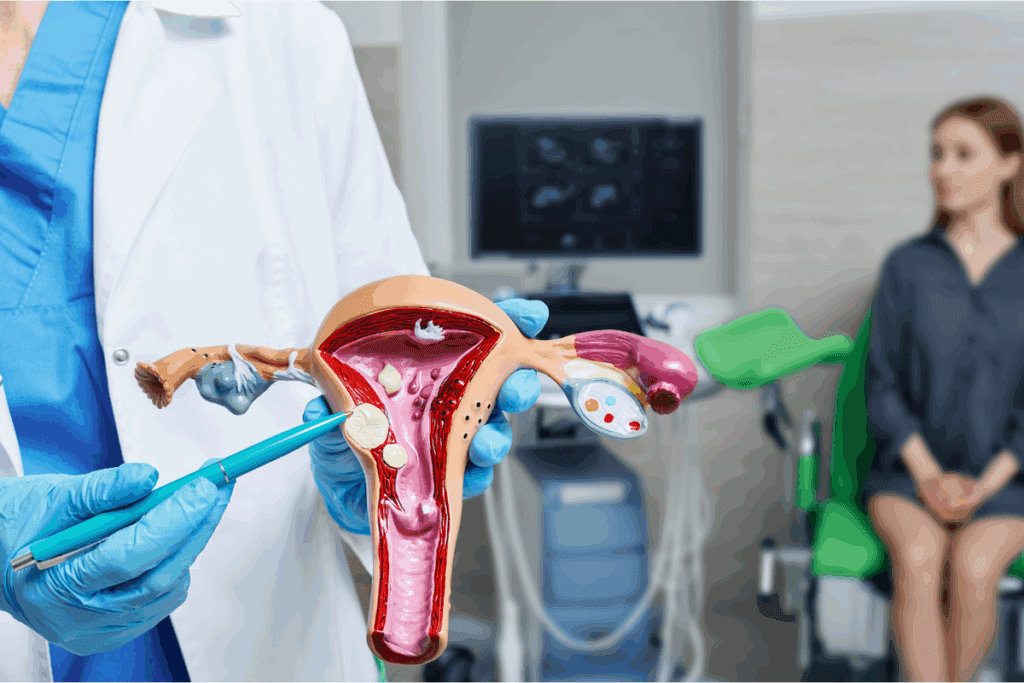
Uterine fibroids, also known as leiomyomas, are benign tumors in the uterus. They are made of extra muscle and fibrous tissue. Hormones, like estrogen, help them grow.
Common Symptoms and Complications
Uterine fibroids can cause many symptoms, including:
- Heavy or prolonged menstrual bleeding
- Pelvic pain or pressure
- Frequent urination due to bladder pressure
- Constipation or bloating
- Infertility or recurrent miscarriage in some cases
While some women with fibroids don’t show symptoms, others face a lot of discomfort. This discomfort can affect their daily lives.
Why Fibroid Treatment May Be Necessary
Treatment for uterine fibroids is often needed to ease symptoms and improve life quality. The decision to treat depends on several factors. These include the size and location of the fibroids, symptom severity, and reproductive plans.
For many, uterine fibroid embolization (UFE) is a top treatment choice. It’s a minimally invasive option compared to surgery. Knowing about uterine fibroids and their health impact helps women make better treatment choices.
What is Uterine Fibroid Embolization (UFE)?
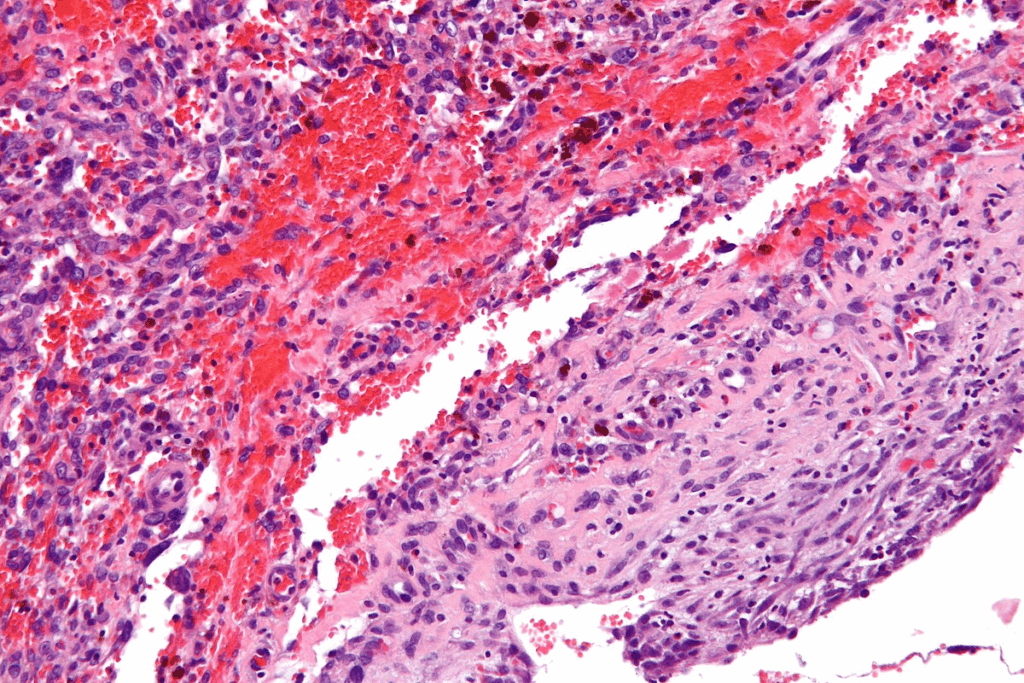
Uterine Fibroid Embolization (UFE) is a medical procedure that stops fibroids from getting blood. This makes them shrink. It’s a safe and effective way to treat fibroids for many women.
The Science Behind Blocking Fibroid Blood Supply
UFE works by cutting off fibroids’ blood supply. This stops them from getting oxygen and nutrients. The treatment uses embolic agents to block the arteries that feed the fibroids.
An interventional radiologist performs the procedure. They use a small catheter to reach the uterine arteries. Then, they inject the embolic material.
History and Development of the Procedure
UFE started in the 1990s as a fibroid treatment. Over time, it has improved a lot. Now, it’s a trusted option for treating fibroids without surgery.
| Year | Development |
| 1990s | Introduction of UFE as a fibroid treatment |
| 2000s | Advancements in embolic materials |
| 2010s | Improved techniques and increased recognition |
Different Names for the Same Procedure
UFE is also called Uterine Artery Embolization (UAE) and Fibroid Embolization. These names show how different places call it. But, the main idea is the same: to stop fibroids from getting blood.
Knowing these names helps patients talk better with their doctors. It makes it easier to choose the right treatment.
Effectively Shrinking Fibroid Tumors Through UFE
Uterine Fibroid Embolization (UFE) is a top choice for shrinking fibroid tumors. It brings big relief from symptoms and makes patients very happy. We’ll look at the research backing UFE’s success, how fast fibroids shrink, and how it changes patient lives.
Clinical Research on Fibroid Reduction Rates
Many studies have checked if UFE works well for shrinking fibroids. Research shows UFE can really shrink fibroid tumors. Most studies say fibroids shrink by 40% to 60% in six months after the treatment.
A study in the Journal of Vascular and Interventional Radiology found a 52% drop in fibroid size at 12 months. Another study in the European Journal of Radiology reported a 45% size drop at six months after UFE.
| Study | Sample Size | Mean Fibroid Reduction | Follow-up Period |
| Journal of Vascular and Interventional Radiology | 120 | 52% | 12 months |
| European Journal of Radiology | 90 | 45% | 6 months |
Expected Timeline for 40-60% Shrinkage
How fast fibroids shrink can vary, but most studies agree on six months. Patients start feeling better as their fibroids get smaller.
Most patients see a 40-60% size drop in six months. After that, the shrinkage slows down but keeps going for 12-24 months.
Patient Satisfaction and Symptom Improvement
Most patients are very happy with UFE, with satisfaction rates from 80% to 90%. They often see big improvements in heavy bleeding, pain, and pressure.
“UFE has been a game-changer for many women suffering from symptomatic fibroids, providing a minimally invasive solution with significant symptom relief and improved quality of life.”
A review of UFE outcomes found it greatly improves quality of life. Patients say their symptoms are less severe and they feel better overall.
The UFE Procedure: Step-by-Step Process
Women with fibroid tumors can find comfort in knowing the UFE process. The uterine fibroid embolization (UFE) is a detailed treatment. It covers from the first check-up to aftercare.
Pre-Procedure Evaluation and Preparation
Before UFE, patients get a full check-up. This includes:
- Imaging tests: MRI or ultrasound to see the fibroids and their blood supply.
- Medical history review: To check for any health issues that might affect the procedure or recovery.
- Discussion of expectations: Patients talk about what they hope for and any worries with their doctor.
Getting ready also means stopping some medicines and making plans for after the procedure.
During the Embolization Procedure
The UFE procedure uses a catheter to cut off the fibroids’ blood supply. The main steps are:
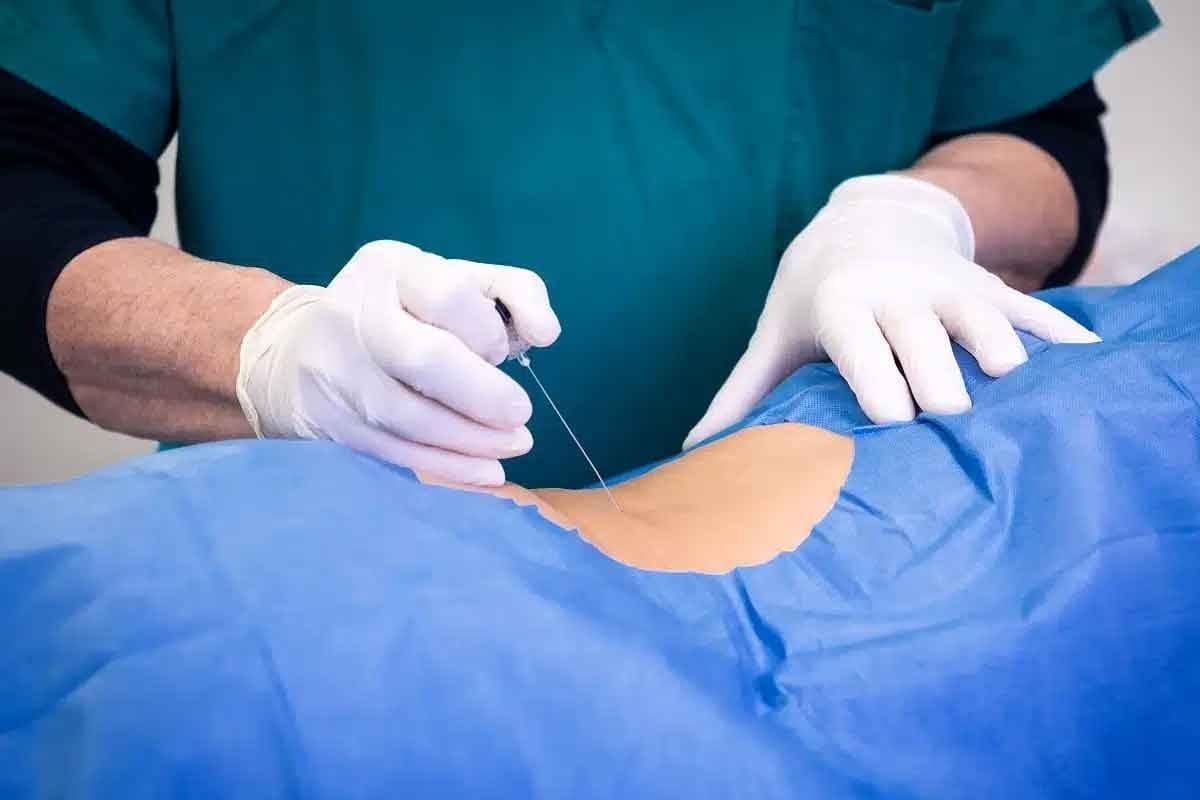
- Accessing the uterine arteries: A small catheter is put in through a small cut, usually in the groin.
- Embolization: Small particles are injected to block the blood flow to the fibroids.
- Monitoring: The procedure is watched closely under imaging to make sure the embolic material is placed right.
Immediate Post-Procedure Monitoring
Right after, patients are watched closely to manage any immediate side effects and check for any problems. This includes:
- Pain management: To help with any pain or discomfort from the procedure.
- Vital sign monitoring: To keep an eye on the patient’s vital signs.
- Observation for complications: Even though rare, any possible complications are watched for.
Knowing these steps helps patients get ready for the UFE procedure and what to expect during recovery.
Benefits of Choosing Uterine Embolization Surgery
Uterine Fibroid Embolization (UFE) is a new treatment for uterine fibroids. It’s popular because it works well and doesn’t take long to recover. Plus, it helps keep the uterus intact.
Minimally Invasive Advantage
UFE is a small procedure compared to old surgeries. It uses a tiny catheter in the uterine arteries. This method lowers risks and speeds up healing.
Key advantages of the minimally invasive approach include:
- Reduced risk of infection
- Less post-procedure pain
- Smaller incisions, resulting in less scarring
- Shorter hospital stays
Uterus Preservation and Fertility Considerations
UFE keeps the uterus intact, which is good for women who want to keep their fertility. It blocks blood to the fibroids, making them shrink. This relieves symptoms without removing the uterus.
Preserving the uterus can have several benefits, including:
- Potential for future pregnancy
- Maintenance of natural hormonal balance
- Avoidance of surgical menopause
Quick Recovery Compared to Surgical Alternatives
UFE is faster to recover from than old surgeries like hysterectomy or myomectomy. Most women can get back to normal in just a few days to a week.
| Procedure | Average Recovery Time |
| UFE | 3-7 days |
| Hysterectomy | 6-8 weeks |
| Myomectomy | 4-6 weeks |
Symptom Relief and Quality of Life Improvements
UFE greatly reduces symptoms for women with uterine fibroids. It makes heavy bleeding, pelvic pain, and pressure better.
Many women feel better after UFE. They have more energy, better mental health, and feel happier overall.
Managing Uterus Fibroid Embolization Side Effects
Uterine Fibroid Embolization (UFE) is a safe procedure. But, it’s important to know the possible side effects and how to handle them. Knowing this helps you recover better.
Common Post-Procedure Symptoms
After UFE, you might feel some common symptoms. These include mild pain, a low-grade fever, and short-term vaginal discharge. Most of these symptoms are temporary and go away in a few days.
“The most common side effect is pain, which can be managed with pain medication prescribed by your doctor,” says Dr. Jane Smith, a leading interventional radiologist. “It’s also not uncommon for patients to experience a low-grade fever or some vaginal discharge, which typically resolves within a week.”
- Pain: Managed with prescribed pain medication
- Low-grade fever: Usually resolves within a few days
- Vaginal discharge: Can last a few weeks but is generally short-term
Rare but Serious Complications
Though rare, serious complications can happen. These include infection, allergic reactions to the embolization material, or damage to the uterus. It’s important to know about these complications to get medical help quickly.
Serious complications are rare but can be serious. For example, an infection can happen if bacteria get into the uterus during or after the procedure. Symptoms of infection include high fever, severe pain, or foul-smelling discharge.
When to Contact Your Doctor After UFE
After UFE, it’s important to know when to call your doctor. If you have severe pain not helped by medication, high fever, heavy bleeding, or any other concerning symptoms, contact your doctor right away.
“If you have a fever over 101.5°F (38.6°C), severe abdominal pain, or heavy vaginal bleeding that soaks through more than one sanitary pad per hour, seek immediate medical attention,” advises Dr. John Doe, a specialist in interventional radiology.
Knowing the possible side effects and complications of UFE and when to contact your doctor can make your recovery better.
Recovery Timeline After Fibroid Embolization Surgery
Knowing how to recover after uterine fibroid embolization (UFE) is key. The time it takes to get back to normal can differ for everyone. Yet, there are common steps most people follow.
Initial Recovery Phase
The first 48 hours are very important. You might feel pain, discomfort, and tiredness. These feelings can be managed with medicine and rest. It’s best to have someone help you during this time.
First Week Recovery Milestones
In the first week, you might start to feel better. Pain should lessen, and you might have more energy. But, it’s important to avoid lifting heavy things, bending, or doing too much.
Here’s a general guide for recovery:
| Recovery Stage | Timeline | Activities |
| Immediate Recovery | 0-48 hours | Rest, pain management |
| Early Recovery | 2-7 days | Gradual increase in activity, avoiding heavy lifting |
| Returning to Normal | 1-3 weeks | Resuming normal activities, returning to work |
Returning to Work and Normal Activities
You can usually get back to your usual life in 1 to 3 weeks. This depends on your job and health. Always listen to your doctor’s advice.
Long-term Follow-up and Monitoring
After UFE, you’ll need to check in regularly. This is to see how your fibroids are doing and if your symptoms have improved. You might need to have tests or visits with your doctor.
Knowing the recovery timeline helps you prepare for the time after surgery. It makes the recovery process smoother and more comfortable.
Comparing UFE to Alternative Fibroid Treatments
There are many ways to treat fibroids, with UFE being a key alternative to surgery. Patients and doctors must consider the pros and cons of each option when choosing a treatment.
UFE vs. Hysterectomy
UFE and hysterectomy are two different ways to treat fibroids. Hysterectomy removes the uterus and is more invasive than UFE. It’s a permanent solution but affects fertility and recovery time.
UFE keeps the uterus and offers a quicker recovery. It’s a good choice for women who want to keep their fertility or prefer less invasive treatments.
UFE vs. Myomectomy
Myomectomy removes fibroids surgically, similar to UFE. But, myomectomy is more invasive and may have longer recovery times. UFE is minimally invasive and uses embolization to shrink fibroids.
UFE vs. Medication-Based Approaches
Medications, like hormonal therapies, help manage fibroid symptoms. But, they offer temporary relief and can have side effects. UFE provides a durable solution by directly treating fibroids, possibly reducing the need for ongoing medication.
UFE vs. Newer Minimally Invasive Techniques
New techniques, like MRI-guided focused ultrasound surgery (MRgFUS), are alternatives to UFE. While they are less invasive, they differ in approach. UFE is more versatile and works for various fibroid sizes and locations.
In summary, UFE stands out for its minimally invasive nature, ability to preserve fertility, and long-lasting symptom relief. Patients should talk to their doctors to find the best treatment for their situation.
Conclusion: Is Uterine Fibroid Embolization Right for You?
Deciding on uterine fibroid embolization (UFE) means knowing all about it. You need to weigh its benefits and risks. Think about your own health and medical history to decide if UFE is right for you.
UFE is a good choice for many women with fibroids. It cuts off blood to the fibroids, making them smaller. This method is less invasive, leading to quick recovery and keeping the uterus intact.
Before choosing UFE, talk to a doctor. They’ll look at your situation and discuss treatment options with you. Knowing about UFE and its effects can help you manage your symptoms and live better.
FAQ
What is uterine fibroid embolization (UFE) and how does it work?
UFE is a procedure that shrinks fibroid tumors. It does this by cutting off their blood supply. This helps to ease symptoms and improve life quality.
What are the benefits of choosing UFE over other fibroid treatments?
UFE is less invasive than other treatments. It keeps the uterus intact. Recovery is quick, and symptoms are greatly reduced. It’s a good choice for avoiding big surgeries.
What can I expect during the UFE procedure?
First, you’ll have a check-up before the procedure. Then, small particles are used to block the blood supply to the fibroids. After that, you’ll be monitored to make sure you’re safe and comfortable.
How long does it take to recover from UFE, and what are the common post-procedure symptoms?
Recovery from UFE takes a few days to a week. You might feel pain, cramping, and fatigue. But most women can get back to normal activities quickly.
How effective is UFE in shrinking fibroid tumors, and what is the expected timeline for reduction?
Studies show UFE is very effective in shrinking fibroids. You can expect a 40-60% reduction in size. Symptoms and quality of life also improve over time.
What are the possible complications or side effects of UFE, and when should I contact my doctor?
UFE is usually safe, but side effects can happen. These include common symptoms and rare but serious issues. If you have severe or ongoing symptoms, like heavy bleeding or pain, call your doctor.
How does UFE compare to other fibroid treatment options, such as hysterectomy or myomectomy?
UFE is unique because it preserves the uterus and is less invasive. It’s a good alternative to surgery. But, the best option depends on your situation and medical history.
Will I need to undergo additional treatments or follow-up procedures after UFE?
Yes, follow-up is important after UFE. It helps check if the procedure worked and if symptoms come back. This ensures the best outcome and quality of life.
Can UFE affect my fertility or future pregnancy plans?
UFE is usually safe for women who want to keep their fertility. But, it’s important to talk to your doctor about your situation and any concerns.
Is UFE a permanent solution for fibroid tumors, or can they recur?
UFE can greatly reduce fibroid size and symptoms. But, new fibroids can grow over time. If needed, the procedure can be done again. Regular check-ups can help catch any new issues early.