

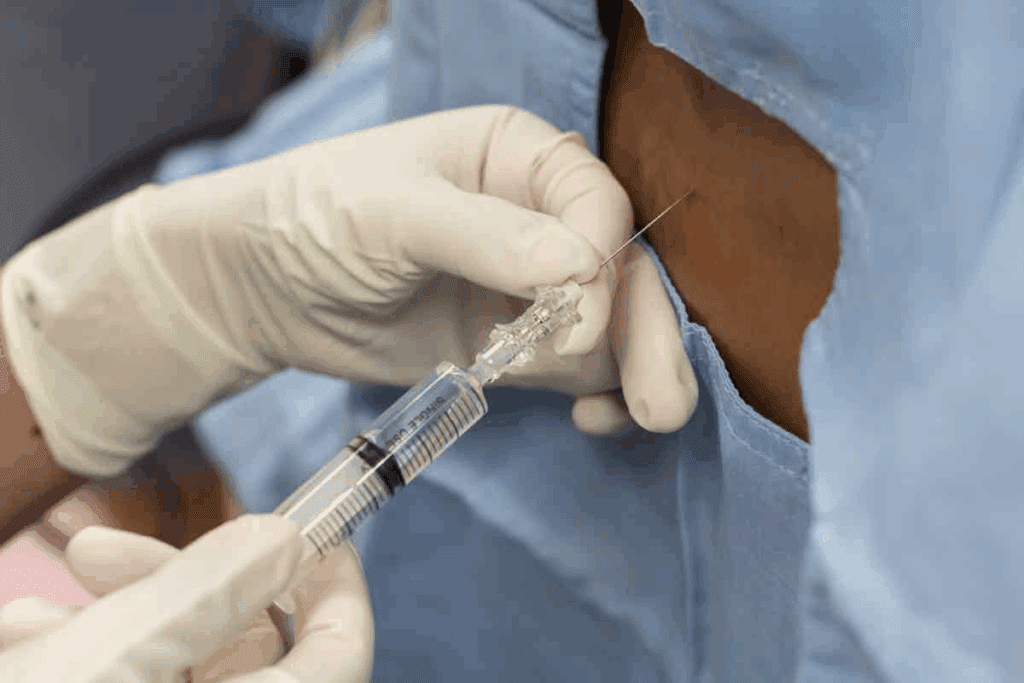
Facet joint injections can ease spinal pain for many patients, but it’s important to understand common issues and how to manage them; typical “side effects from facet joint injections” include brief soreness, bruising, swelling, or a short pain flare that settles within 24–48 hours, while uncommon complications include infection, bleeding, allergic reactions to anesthetic, steroid or contrast, and rare nerve irritation.

Facet joint injections are a common treatment for pain in the spine. They help manage chronic pain that doesn’t get better with other treatments.
These injections mix a local anesthetic and a corticosteroid into the facet joint. The anesthetic numbs the area, and the corticosteroid reduces swelling.
These injections can be done in the lumbar, cervical, and thoracic spine areas. The choice depends on where the pain is.
| Type of Injection | Region of the Spine | Common Use |
| Lumbar Facet Injection | Lower back | Relieving lower back pain |
| Cervical Facet Injection | Neck | Alleviating neck pain |
| Thoracic Facet Injection | Mid-back | Managing mid-back pain |
These injections reduce inflammation in the facet joints. These joints are key to spinal movement. By lessening inflammation, they can greatly reduce pain and improve movement.

Facet joint injections can help with pain, but knowing the side effects is key. They are often used for people with facet joint syndrome.
Side effects from facet joint injections can happen right away or later. Immediate effects show up soon after, while delayed ones may take hours or days. Knowing this helps manage expectations and spot problems early.
Right after the shot, you might feel pain, swelling, or numbness where it was given. These usually go away quickly. But delayed effects can make your pain worse or bring new symptoms.
How often and how bad the side effects are can differ for everyone. You might feel pain, swelling, bruising, or numbness. Most of these are mild and don’t last long, but some people might have it worse.
Many things can affect how bad side effects are. This includes the type of injection, where it’s given, and your health.
Some people might be more likely to have side effects because of their health, age, or other reasons. For example, people with diabetes should watch their blood sugar after getting corticosteroid shots.
Also, those who have allergies or sensitivities might be more at risk. It’s important to talk about your health and any worries with your doctor before the procedure.
After facet joint injections, some people might feel pain or discomfort in the treated area. This is usually short-lived and can be handled with the right care.
Facet joint injections can cause pain or tenderness at the injection site. This feeling is often mild to moderate, similar to a bruise or soreness.
Key factors influencing injection site pain include:
Some people might see their pain get worse temporarily after facet joint injections. This can be a bit scary, but it’s usually just a short-term reaction.
Reasons for temporary worsening of pain:
It’s important to manage pain well after facet joint injections for a smooth recovery. We suggest using a mix of the following:
Using these methods can help patients manage pain and discomfort better. This makes it easier to get back to normal activities sooner.
After a facet joint injection, swelling, bruising, or skin changes are common. These reactions are usually short-lived and can differ from person to person.
Swelling at the injection site is a common side effect. Normal swelling is mild and goes away in a few days. But abnormal swelling could mean a serious problem like infection or an allergic reaction.
Bruising can happen after facet joint injections due to bleeding. The bruising’s severity can vary, and it usually fades in a week or two.
Skin discoloration and sensitivity can happen after facet joint injections. These changes are usually short-term and might be due to the injection or the corticosteroid used.
Some people might have skin sensitivity or allergic reactions to the injection’s medications. If you see unusual skin changes, like rashes or severe color changes, contact your healthcare provider.
Some people may feel numbness or headaches after facet joint injections. These feelings can be scary, but knowing what causes them can help ease your mind.
Numbness and tingling are common side effects. They usually go away in a few days.
Some people might feel weaker after the injection. This could be because of the injection or the medicine used.
This weakness is usually short-lived. But if it lasts, talk to your doctor about it.
Headaches can happen after facet joint injections. They can be mild or very bad and might make you feel dizzy.
Drinking water and resting can help. But if your headaches are bad or don’t go away, see a doctor.
Most symptoms after facet joint injections are temporary. But sometimes, you need to see a doctor.
| Symptom | When to Seek Medical Attention |
| Numbness or Tingling | If it persists beyond a week or worsens |
| Muscle Weakness | If significant or interferes with daily activities |
| Headaches or Dizziness | If severe, persistent, or accompanied by other concerning symptoms |
It’s key to follow up with your healthcare provider if you have these symptoms.
Corticosteroid injections are used to treat facet joint pain. They can offer relief but come with risks. It’s important for patients to know these risks.
Diabetic patients need to watch their blood sugar after corticosteroid injections. These injections can raise blood sugar levels. This is because they increase glucose in the liver and lower insulin sensitivity.
Management of Blood Sugar: Diabetics should check their blood sugar often. They might need to adjust their diabetes meds to keep it in check.
Some people get facial flushing or hot flashes after these injections. These symptoms are usually short-lived but can be uncomfortable.
Duration of Symptoms: Facial flushing and hot flashes usually go away in a few days. Drinking plenty of water and staying cool can help.
Corticosteroids weaken the immune system, raising the risk of infections. People with weak immune systems or on immunosuppressants should talk to their doctor about risks.
Getting corticosteroid injections often can weaken bones. This is a concern for those getting many injections over time. It can lead to osteoporosis.
Mitigating Bone Density Loss: If you’re getting many injections, talk to your doctor about protecting your bones. They might suggest calcium and vitamin D supplements or other medications.
| Systemic Side Effect | Description | Management |
| Elevated Blood Sugar | Increase in blood glucose levels | Monitor blood sugar, adjust diabetes medication |
| Facial Flushing/Hot Flashes | Temporary flushing or feeling hot | Stay hydrated, maintain a cool environment |
| Immunosuppression | Increased risk of infections | Discuss risks with healthcare provider, monitor for infections |
| Bone Density Reduction | Potential for osteoporosis with repeated injections | Calcium and vitamin D supplements, bone-protective medications |
When we talk about facet joint injections, it’s important to look at the risks in different parts of the spine. Lumbar, cervical, and thoracic facet injections each have their own challenges and side effects.
Lumbar facet injections help with lower back pain. They are usually safe but can cause some side effects. These include pain or discomfort at the injection site and, rarely, nerve damage or infection.
Some people get bilateral lumbar facet injection side effects. This means both sides of the lower back are treated at once. It might raise the risk of more pain or stiffness in the lower back.
| Potential Side Effects | Frequency | Management |
| Pain at the injection site | Common | Over-the-counter pain relievers |
| Nerve damage | Rare | Medical evaluation and possible intervention |
| Infection | Rare | Antibiotics and medical monitoring |
Cervical facet injections are for the neck area. They can have serious risks, like vertebral artery injury. This is rare but can be very serious.
Other side effects include neck pain, swelling, and headaches or dizziness. It’s key for patients to talk about these risks with their doctor.
Thoracic facet injections help with mid-back pain. They are usually safe but can cause side effects. These include pain at the injection site and, rarely, a collapsed lung.
People getting thoracic facet injections should watch for breathing problems. A collapsed lung is a serious issue that needs quick medical help.
Knowing the specific risks of facet joint injections helps both patients and doctors. It helps them make better treatment choices and reduce risks.
Though rare, serious issues can happen after facet joint injections. It’s key to spot them early. These injections help manage pain from the spine’s facet joints. While safe, there are risks.
Infection is a possible side effect. Signs of infection include redness, swelling, fever, and severe pain at the site. If you notice these, call your doctor right away.
Watching the injection site and your overall health is important. Catching an infection early can help treatment work better and avoid more problems.
Allergic reactions to the injection’s parts, like corticosteroids or local anesthetics, can happen. Symptoms include hives, itching, swelling, trouble breathing, or a fast heartbeat. If you see these signs, get medical help fast.
Knowing when to get emergency care is vital. Severe symptoms like trouble breathing, chest pain, severe headache, or numbness/weakness in limbs need immediate help.
Also, watch for signs of spinal cord injury or infection, like severe pain, fever, or loss of bladder/bowel control. These are emergencies that need quick action.
If you face complications after the injection, getting follow-up care is critical. Your doctor might change your treatment plan or provide extra care.
Follow-up appointments help your doctor check on your recovery and handle any issues. Sticking to the follow-up schedule is important for the best results.
Facet joint injections are a helpful treatment for chronic pain. They work well for many, with up to 80 percent finding relief. This makes them a valuable option for managing pain.
But it’s important to weigh the good and bad sides of these injections. Knowing the possible side effects is key. These can include pain, swelling, and nerve issues.
Patients and doctors need to work together. This way, they can lower risks and get the most benefit. This teamwork is essential for the best results and a better life for those getting injections.
Choosing to get facet joint injections should be a careful decision. It’s about understanding the benefits and risks. Knowing the success rate and possible problems helps make the right choice for each person.
Side effects include pain and discomfort at the site, swelling, and bruising. You might also see skin changes or feel numbness, weakness, and headaches.
Relief from facet joint injections can last weeks to months. It depends on the person and their condition.
Yes, serious issues like infection, allergic reactions, and nerve damage can happen. It’s important to watch for these signs and get help fast.
Yes, the steroids in facet joint injections can affect your whole body. This includes high blood sugar, facial flushing, and weakened immunity. Repeated use can also lower bone density.
Lumbar facet injections can cause pain, swelling, and bruising. You might also experience nerve reactions. Talk to your doctor about these risks.
To manage pain, try ice or heat, over-the-counter meds, and rest. Follow your doctor’s post-procedure advice too.
Signs of infection include more pain, redness, swelling, warmth, or drainage. Fever or chills are also warning signs. Seek medical help if you notice these.
Yes, you can have allergic reactions to the injection’s components. Symptoms range from mild to severe, like rash, itching, swelling, or trouble breathing.
If you see signs of infection, severe allergic reactions, or other serious issues, get emergency help right away.
Success rates vary based on the person, their condition, and other factors. Talk to your doctor to understand what to expect.
Repeated steroid injections can weaken bones over time. Consider this when planning your treatment.
Al-Najjim, M., & Aydin, S. (2017). Lumbar facet joint injection in treating low back pain: A systematic review. PMC. https://pmc.ncbi.nlm.nih.gov/articles/PMC5686472/ PMC
