Last Updated on December 1, 2025 by Bilal Hasdemir
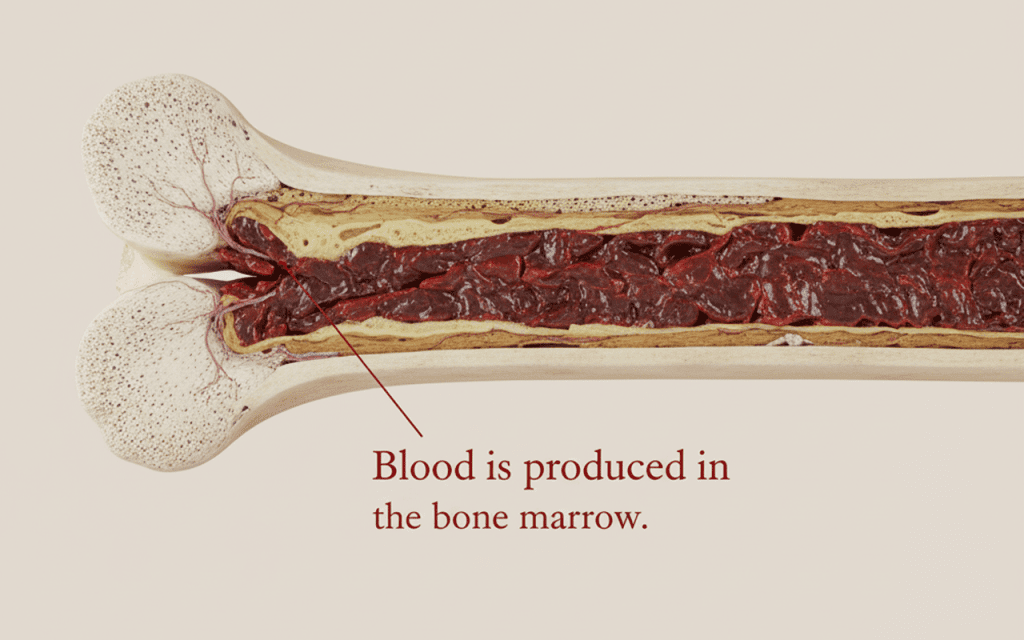
Getting a bone marrow transplant is a big deal. side effects of bmt needs a lot of thought and getting ready. One big worry is how long you’ll stay in the hospital.
How long you stay can change based on your health and the transplant details. Knowing what to expect during recovery is key for patients and their families.
Key Takeaways
- The average hospital stay for a bone marrow transplant is 30 to 60 days.
- Post-transplant care is key for recovery and managing complications.
- The length of hospital stay can vary based on individual health factors.
- Understanding the recovery process is essential for patients and their families.
- Bone marrow transplant recovery needs careful watching and follow-up care.
Understanding Bone Marrow Transplants
For many patients, a bone marrow transplant is a life-saving option. This procedure puts healthy stem cells into the body. What is a Bone Marrow Transplant?
A bone marrow transplant, or stem cell transplant, replaces a patient’s bone marrow with healthy stem cells. This can be with the patient’s own stem cells (autologous transplant) or from a donor (allogeneic transplant).
The process starts with pre-transplant conditioning. The patient gets chemotherapy or radiation to destroy the old bone marrow. Then, healthy stem cells are given to the patient. These stem cells go to the bone marrow and start making new blood cells.
Types of Bone Marrow Transplants
There are different types of bone marrow transplants, each with its own benefits.
- Autologous Transplant: Uses the patient’s own stem cells, collected, stored, and then re-infused after conditioning.
- Allogeneic Transplant: Uses stem cells from a donor. The donor can be related or unrelated to the patient.
- Syngeneic Transplant: A rare type where the donor is an identical twin.
Conditions Treated with BMT
Bone marrow transplants treat many life-threatening conditions, including:
| Disease | Description |
| Leukemia | A cancer of the blood or bone marrow. BMT is often used to treat leukemia by replacing the cancerous bone marrow with healthy cells. |
| Lymphoma | A cancer of the immune system. BMT can be an effective treatment for certain types of lymphoma. |
| Multiple Myeloma | A cancer of plasma cells in the bone marrow. Autologous BMT is sometimes used to treat multiple myeloma. |
| Aplastic Anemia | A condition where the bone marrow fails to produce blood cells. Allogeneic BMT can be a cure for aplastic anemia. |
Understanding bone marrow transplants is key for patients and their families. Knowing the types and conditions treated helps prepare for this life-saving treatment.
Pre-Transplant Preparation and Evaluation

Before a bone marrow transplant, patients undergo a detailed pre-transplant evaluation. This step is key to prepare patients well. It helps reduce risks and increases the chance of a good outcome.
Medical Evaluation Process
The medical evaluation checks the patient’s health and condition. These tests ensure the patient is ready for the transplant.
Key components of the medical evaluation process include:
- Comprehensive medical history and physical examination
- Laboratory tests, including blood chemistry and hematology
- Cardiac and pulmonary function assessments
- Infectious disease screening
Finding a Donor
Finding a good donor is vital for the transplant. Donors can be family or not related. The process uses human leukocyte antigen (HLA) typing to find a match. Pre-Transplant Conditioning
Pre-transplant conditioning gets the body ready for the transplant. It often includes chemotherapy and sometimes total body irradiation (TBI). The aim is to clear out the old marrow and weaken the immune system.
The conditioning can have tough side effects. The treatment plan depends on the patient’s health, age, and condition.
The Bone Marrow Transplant Procedure
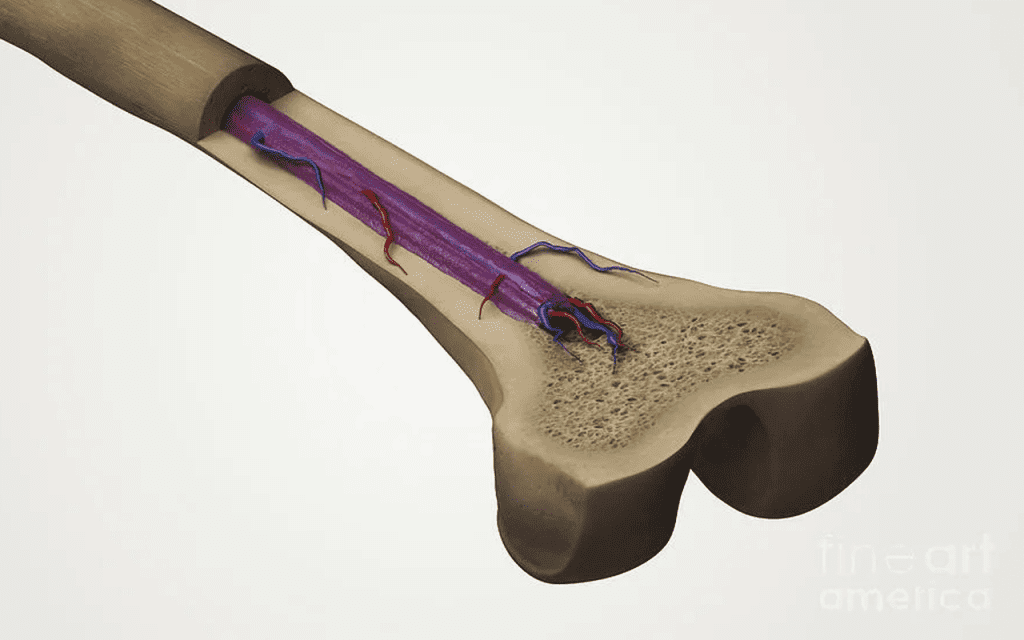
The bone marrow transplant is a detailed process. It replaces a patient’s bad bone marrow with good one. This is key for those with certain cancers or blood diseases.
How the Procedure is Performed
The transplant has several steps. First, the patient gets pre-transplant conditioning. This includes treatments to kill the bad marrow and weaken the immune system. Then, they get a transplant infusion of healthy stem cells.
Duration of the Transplant Process
The transplant’s length varies. The infusion itself lasts 1-2 hours. But getting ready and recovering can take weeks or even months.
| Procedure Stage | Duration |
| Pre-transplant conditioning | Several days to weeks |
| Transplant infusion | 1-2 hours |
| Post-transplant recovery | Several weeks to months |
Is a Bone Marrow Transplant Painful?
The infusion itself is painless. But, the conditioning phase can be painful due to treatments. Pain management is very important here. Patients get medicine to help with pain.
In short, the transplant itself isn’t painful. But, the whole process has parts where patients might feel pain. Doctors use many ways to help manage this pain.
Initial Hospital Stay Duration
The time a patient stays in the hospital after a bone marrow transplant is very important. It’s a key part of their recovery. Many factors can affect this time.
Average Length of Hospitalization
This time lets doctors watch how the patient is doing. They can handle any problems right away and make sure the patient starts to get better.
Factors Affecting Hospital Stay Length
Several things can change how long a BMT patient stays in the hospital. These include:
- The type of bone marrow transplant (autologous or allogeneic)
- The patient’s overall health before the transplant
- The presence of any complications during or after the procedure
- The patient’s response to the conditioning regimen
Patients with fewer problems and a quicker recovery usually stay less time. Those with more serious side effects or complications might need to stay longer.
Special Care Units for BMT Patients
BMT patients often need care in special units. These units help keep the risk of infection low and manage the transplant’s complex needs. They have:
- High-efficiency air filtration systems to reduce infection risk
- Staff trained in the care of immunosuppressed patients
- Advanced monitoring equipment for close observation
Being in these special units is key during the initial hospital stay. It ensures patients get the care they need during this critical time.
The Critical First 30 Days After Transplant
The first month after a bone marrow transplant is very important. Patients are watched closely for signs of success and any problems. This is a time of intense medical care.
Daily Monitoring and Care
Every day, patients have to go through many tests. These tests check if the transplant is working and if there are any infections. They also help manage side effects from the treatment.
Key aspects of daily monitoring include:
- Blood count checks to monitor white blood cell, red blood cell, and platelet counts
- Surveillance for signs of infection or graft-versus-host disease (GVHD)
- Management of medications, including immunosuppressants and antibiotics
Engraftment Process
Engraftment is when the new bone marrow starts making blood cells.Factors influencing engraftment include:
- The type of transplant (autologous vs. allogenic)
- The conditioning regimen used before the transplant
- The patient’s overall health and immune status
| Day Post-Transplant | Expected Milestone | Typical Interventions |
| +15 | Initial signs of engraftment | Blood count monitoring, adjustment of medications |
| +30 | Established engraftment | Reduced frequency of blood tests, continued GVHD prophylaxis |
Early Complications to Watch For
Even with careful watching, problems can happen early on. These might include infections, GVHD, and damage to organs. It’s very important to catch and treat these issues quickly.
Common early complications:
- Infections due to immunosuppression
- Graft-versus-host disease (GVHD)
- Organ damage (e.g., liver, kidney)
Knowing what to expect in the first 30 days after a bone marrow transplant is key. With the right care and attention, many patients make it through this tough time. This sets them up for a better recovery in the long run.
Side Effects of BMT and Their Management
Patients getting bone marrow transplants face many side effects. These come from the treatment and the transplant itself. The care team works hard to lessen these risks for a better recovery.
Common Immediate Side Effects
The first side effects of BMT can be tough for patients. Some common ones are:
- Fatigue and weakness
- Nausea and vomiting
- Mucositis (inflammation of the mucous membranes)
- Hair loss
- Diarrhea
Managing Pain and Discomfort
Handling pain and discomfort is key after BMT. Pain management strategies include medicines, relaxation methods, and other therapies. These help reduce symptoms.
Mucositis, for example, can hurt a lot. Treatment might include:
- Topical anesthetics
- Pain relief medication
- Special mouthwashes
Infection Risks and Prevention
Infections are a big risk after BMT because the immune system is weak. To prevent this, there are steps like:
- Prophylactic antibiotics
- Isolation to avoid germs
- Watching for infection signs
| Infection Risk Factor | Prevention Strategy |
| Neutropenia | Prophylactic antibiotics, isolation |
| Catheter-related infections | Catheter care protocols, antibiotic locks |
| Environmental pathogens | HEPA filtration, strict hygiene practices |
Knowing about BMT side effects and how to manage them helps doctors improve patient results.
Discharge Criteria and Transition to Outpatient Care
Bone marrow transplant patients must meet certain criteria before they can go home. This is to keep a close eye on their health.
When Patients Can Leave the Hospital
The hospital decides when a patient can go home. They look at the patient’s health, any complications, and how stable they are. Key health markers show if a patient is ready to go home include:
- Stable engraftment of the new bone marrow
- Adequate blood cell counts
- Absence of severe infections or complications
- The ability to manage their condition through outpatient care
Doctors say going home is a big step in recovery. It means the patient is getting better and can heal outside the hospital.
Required Health Markers for Discharge
Before going home, patients get checked thoroughly. They look at health markers like:
- Blood counts to ensure adequate levels of white blood cells, red blood cells, and platelets
- Overall health status, including the presence of any infections or graft-versus-host disease
- Nutritional status and the ability to maintain adequate nutrition
- Emotional and psychological well-being
Close monitoring of these markers continues after discharge. Patients have regular visits to check on their progress and solve any problems quickly.
Going to outpatient care needs good planning. The patient, their caregivers, and the healthcare team must work together. Knowing the discharge criteria and health markers helps patients understand this important part of their recovery.
The First 100 Days After Transplant
The time after a bone marrow transplant is very important. Patients need to be watched closely for any problems.
Significance of Day 100
Day 100 is a big deal in recovery. It’s when the high-risk period ends. Patients who make it past this are considered to be in a safer part of their recovery. But, they must keep being checked for any new issues.
Recovery takes time, and the first 100 days are critical. During this time, patients are watched for signs of the transplant working right and for any problems.
“The first 100 days are key for managing risks and making sure the transplant works. It’s important to keep up with care during this time.”
Outpatient Visit Frequency
After leaving the hospital, patients see doctors often. How often depends on their health and the transplant center’s rules. At first, visits are more often and then less as they get better.
| Time Post-Transplant | Typical Visit Frequency |
| 0-30 days | 2-3 times a week |
| 30-60 days | 1-2 times a week |
| 60-100 days | Once a week to once every two weeks |
Potential Readmissions and Why They Occur
Even with careful watching, some patients might need to go back to the hospital. Reasons include infections, GVHD, and other transplant-related issues. Spotting and treating these problems early is key to avoiding serious issues.
Knowing how important the first 100 days are and being ready for possible problems helps. By sticking to the visit schedule and watching for signs of trouble, patients can have a better chance of a good recovery.
Bone Marrow Donor Recovery Process
Donating bone marrow is a kind act, but knowing the recovery is key. The recovery includes the hospital stay, how long it takes to get better, and possible issues.
Hospital Stay for Donors
The time in the hospital varies for bone marrow donors. Usually, they stay 24 to 48 hours after the procedure. This is to watch for any immediate side effects and ensure everything is okay.
During this time, doctors keep a close eye on the donor. They manage pain and answer any questions or concerns.
Physical Recovery Timeline
Donors need a few weeks to rest and get better. Most donors can go back to their usual activities in 2 to 4 weeks. But, it can take up to 6 weeks for their bone marrow to fully recover.
Potential Complications for Donors
Even though bone marrow donation is safe, donors should know about possible issues. These include infection, bleeding, or a bad reaction to anesthesia. Some might feel tired, have bone pain, or see bruising where they were donated.
It’s important for donors to follow the care instructions after donation. This helps reduce the risk of these problems.
The recovery for bone marrow donors is important but can be managed. Donors should plan for rest and follow-up care. This helps them recover smoothly.
Long-term Recovery Timeline After BMT
Recovering from a bone marrow transplant is a long journey. It involves getting back physically and rebuilding the immune system. This phase is key for patients to regain their strength and return to normal life.
Recovery Milestones: 6 Months to 1 Year
The first year after a bone marrow transplant is very important. Patients see big improvements in energy and strength between 6 months to 1 year. They start to feel more like themselves again.
Eating well and exercising can help a lot in recovery.
Physical Rehabilitation Needs
Physical therapy is a big part of getting better after BMT. It helps patients regain strength and move better. A good therapy plan can help with fatigue and improve overall health.
- Regular exercise routines
- Physical therapy sessions
- Nutritional counseling
Immune System Reconstitution
Getting the immune system back is a key part of recovery. It takes time for the body to fight off infections again. Patients need to be careful to avoid getting sick.
| Timeframe | Immune System Recovery Milestones |
| 0-3 months | Low immune function; high risk of infections |
| 3-6 months | Gradual improvement in immune function |
| 6-12 months | Significant recovery of immune function; reduced risk of infections |
Knowing the recovery timeline helps patients prepare for what’s ahead. Working with healthcare providers is key to staying on track and overcoming challenges.
Potential Complications and Their Impact on Hospital Stay
Bone marrow transplant patients face several risks, like graft-versus-host disease and organ damage. These issues can make their hospital stay longer.
Graft-Versus-Host Disease
Graft-versus-host disease (GVHD) is a big problem after bone marrow transplants. It happens when the donated stem cells attack the body. Key aspects of GVHD include:
- Acute GVHD symptoms: skin rash, liver dysfunction, and gastrointestinal issues
- Chronic GVHD symptoms: skin thickening, dry eyes, and liver disease
- Risk factors: degree of HLA mismatch, donor age, and conditioning regimen intensity
Transplant Rejection
Transplant rejection happens when the body rejects the donated stem cells. This is a serious issue that needs quick medical help.
Factors influencing transplant rejection include:
- The degree of HLA matching between donor and recipient
- The conditioning regimen used before the transplant
- The presence of underlying health conditions
Organ Damage and Other Complications
Organ damage is another risk after a bone marrow transplant. GVHD, the conditioning regimen, and infections can harm organs.
Commonly affected organs include:
- Liver: GVHD and conditioning regimen toxicity can cause liver damage
- Lungs: infections and GVHD can lead to pulmonary complications
- Kidneys: conditioning regimen toxicity and certain medications can impair kidney function
It’s important to know about these complications to better care for patients. Early recognition and treatment can help avoid long hospital stays.
Life After Bone Marrow Transplant
After a bone marrow transplant, patients start a new chapter in their lives. This chapter needs careful management and follow-up care. The transplant is just the start of a long recovery and adjustment period.
Long-term Follow-up Care
Long-term care is key for patients after a bone marrow transplant. This helps catch and manage any late complications early on.
These check-ups include watching blood counts and organ function. They also screen for graft-versus-host disease (GVHD). Sticking to the follow-up care schedule is essential for the best results.
Quality of Life Considerations
Quality of life after a bone marrow transplant varies. It depends on the patient’s health before the transplant, any complications, and how well the transplant works.
Many patients see their quality of life improve as they get better. Some even go back to their pre-illness activities. But others face ongoing challenges that need ongoing care and support. Emotional and psychological support are also key, helping patients deal with stress and anxiety.
Life Expectancy After Successful BMT
Life expectancy after a successful bone marrow transplant is a big worry for patients and their families. The transplant’s success, the patient’s health, and any complications all play a role in long-term survival.
Research shows many patients can live long-term after a successful transplant. Some are even considered cured of their disease. But, it’s important for patients to keep up with regular check-ups to stay healthy and catch any issues early.
Conclusion
Getting a bone marrow transplant is a big deal. It takes careful planning, a detailed transplant process, and a long recovery. How long you stay in the hospital depends on the transplant type, your health, and any complications.
When your body accepts the new marrow and your blood counts get back to normal, you reach the end of the transplant. This summary covers the main parts of the transplant journey. It goes from the start of your hospital stay to the long-term recovery and follow-up care.
It’s important for patients and their families to understand the bone marrow transplant process. Knowing what to expect helps them prepare for the recovery journey. This way, they can face the challenges ahead with better knowledge and hope for improved health.
FAQ
What is a bone marrow transplant?
A bone marrow transplant replaces a patient’s bone marrow with healthy stem cells. These can come from a donor or the patient themselves.
How long does a bone marrow transplant take?
A bone marrow transplant can take weeks to months. It depends on the type of transplant and the patient’s health.
Is a bone marrow transplant painful?
The transplant itself is not painful, as it’s done under anesthesia. But, patients might feel discomfort, pain, or tiredness during recovery.
What are the common side effects of a bone marrow transplant?
Side effects include fatigue, nausea, vomiting, and diarrhea. Patients might also get graft-versus-host disease, where donor cells attack the patient’s tissues.
How long do you stay in the hospital after a bone marrow transplant?
Patients usually stay in the hospital for weeks to months. The average stay is about 3-4 weeks.
What is the recovery process like after a bone marrow transplant?
Recovery involves close monitoring, medication, and follow-up care. Patients may need to stay in the hospital for weeks, then see doctors regularly.
Can bone marrow regenerate after a transplant?
Yes, bone marrow can regenerate after a transplant. New stem cells will start producing healthy blood cells, replacing damaged ones.
What are the possible complications of a bone marrow transplant?
Complications include graft-versus-host disease, transplant rejection, and infections. Patients might also face long-term side effects like fatigue or infertility.
How long does it take to recover from donating bone marrow?
Donors usually recover in a few days to weeks. They might feel tired, in pain, or uncomfortable, but these symptoms usually go away on their own.
How do I prepare for a bone marrow transplant?
To prepare, you’ll need a medical evaluation, find a donor, and undergo conditioning. Eating well, exercising, and managing stress are also important.
What is the significance of the first 100 days after a bone marrow transplant?
The first 100 days are critical. This is when the risk of complications like graft-versus-host disease and infections is highest. Close monitoring and follow-up care are essential.
References
- American Cancer Society. (2024). Stem cell transplant recovery. Retrieved September 25, 2025, from https://www.cancer.org/cancer/managing-cancer/treatment-types/stem-cell-transplant/after/recovery.html
- Centers for Disease Control and Prevention. (2024). Preventing infections in stem cell transplant patients. Retrieved September 25, 2025, from https://www.cdc.gov/cancer/prevent-infection.html
- Leukemia and Lymphoma Society. (2024). Life after a transplant. Retrieved September 25, 2025, from https://www.lls.org/managing-your-cancer/side-effects/stem-cell-transplant-side-effects/life-after-transplant
- National Cancer Institute. (2024). Stem cell transplant. Retrieved September 25, 2025, from https://www.cancer.gov/about-cancer/treatment/types/stem-cell-transplant