Last Updated on November 27, 2025 by Bilal Hasdemir
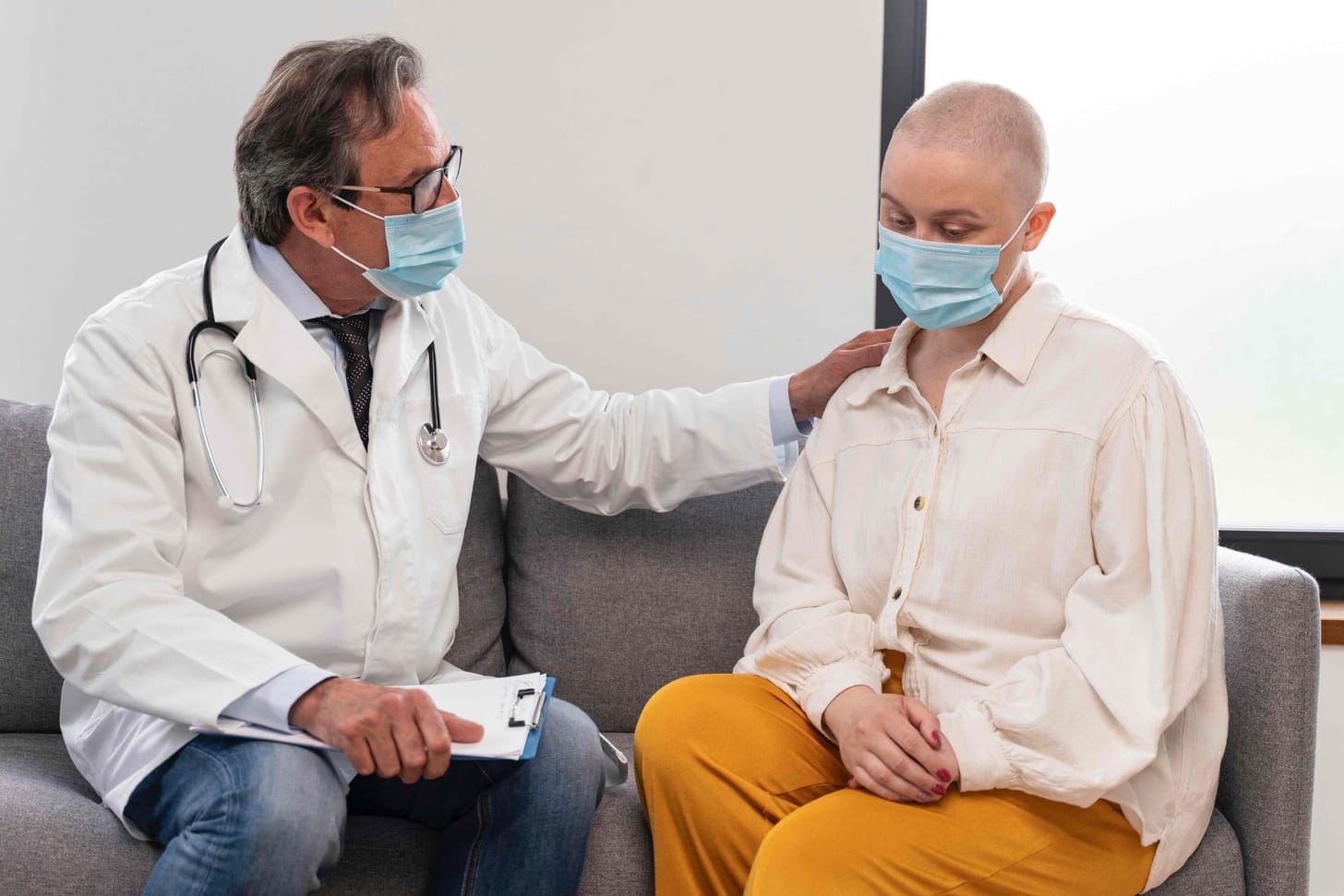
Knowing about chemotherapy for bladder cancer is key for those diagnosed. At Liv Hospital, we offer top-notch care that puts patients first.
Chemotherapy bladder cancer treatment uses drugs like cisplatin and gemcitabine. Our team crafts treatment plans that meet each patient’s needs with care and skill.
Grasping the side effects and benefits of bladder cancer chemotherapy treatment helps patients make better choices. At Liv Hospital, we support international patients fully, aiming for the best results.
Key Takeaways
- Chemotherapy is a common treatment for bladder cancer.
- Combinations of chemo drugs are often used to target the disease.
- Liv Hospital provides personalized care for international patients.
- Understanding treatment options and side effects is key for patients.
- Our team delivers compassionate and effective treatment plans.
Understanding Chemotherapy for Bladder Cancer
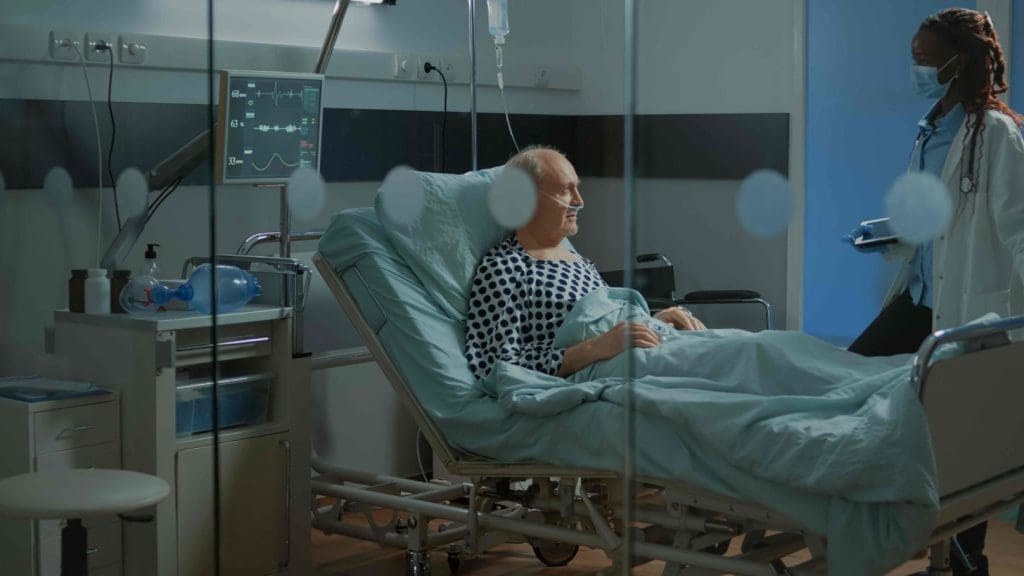
To understand chemotherapy’s role in treating bladder cancer, we must first grasp the basics of the disease. Bladder cancer starts when cells in the bladder grow out of control, forming tumors. The most common type is urothelial carcinoma.
What is Bladder Cancer?
Bladder cancer is classified into stages and grades. These classifications show how far the cancer has spread and how abnormal the cells are. Knowing the stage and grade is key to choosing the right treatment.
- Non-muscle invasive bladder cancer is limited to the bladder lining and hasn’t invaded deeper layers.
- Muscle-invasive bladder cancer has grown into the muscle layer of the bladder, needing more aggressive treatment.
How Chemotherapy Works Against Bladder Cancer
Chemotherapy uses drugs to kill or slow cancer cells. For bladder cancer, treatment methods vary based on the cancer’s stage and type.
Systemic chemotherapy is given through a vein, spreading throughout the body to target cancer cells. This method is often used for muscle-invasive or metastatic bladder cancer.
Treatment Goals and Expectations
The goals of chemotherapy for bladder cancer can differ. For some, it aims to cure the cancer. For others, it’s to control the disease or ease symptoms.
- Neoadjuvant chemotherapy is given before main treatments like surgery to shrink tumors.
- Adjuvant chemotherapy is administered after main treatments to kill any remaining cancer cells.
Understanding these aspects helps patients and their families make informed decisions about their care.
Types of Chemotherapy Approaches for Bladder Cancer
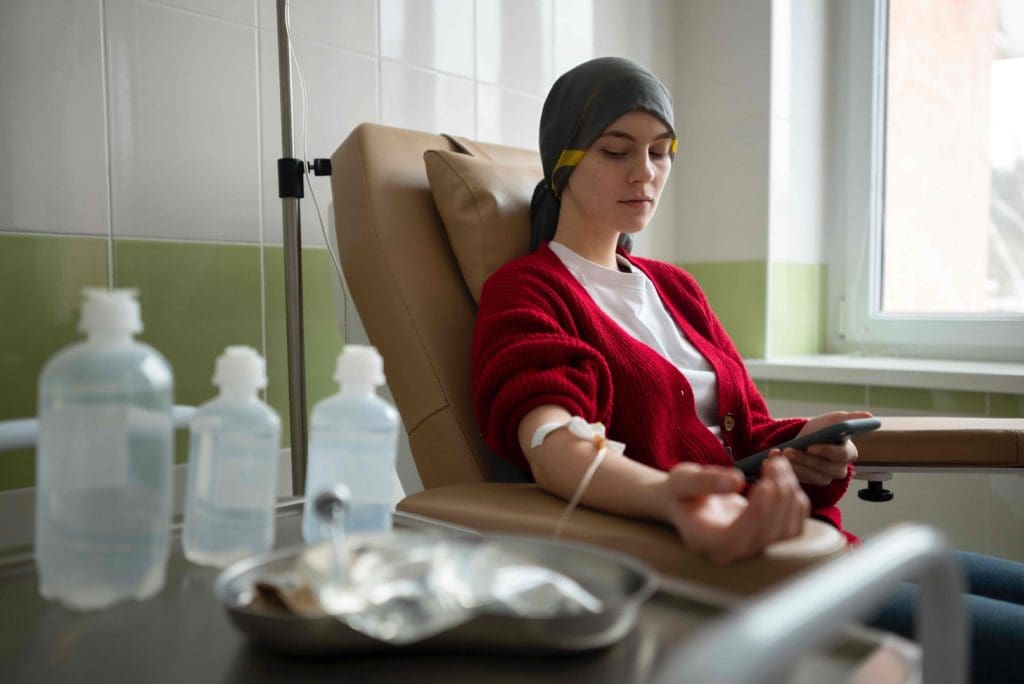
Chemotherapy for bladder cancer is not a one-size-fits-all treatment. It includes several approaches for different disease aspects. We tailor our treatment plans to each patient’s specific needs, ensuring the most effective care possible.
Systemic Chemotherapy for Advanced or Metastatic Disease
Systemic chemotherapy is often used for advanced or metastatic bladder cancer. It involves giving chemotherapy drugs orally or through an IV. This way, the medication can reach cancer cells all over the body. Systemic chemotherapy is great when cancer has spread to other parts of the body.
Key benefits of systemic chemotherapy include:
- Ability to target cancer cells that have spread to other parts of the body
- Flexibility in administration (oral or intravenous)
Intravesical Chemotherapy for Localized Disease
Intravesical chemotherapy is an option for patients with localized bladder cancer. It involves putting chemotherapy drugs directly into the bladder through a catheter. This method helps keep the drug concentration high in the bladder while reducing side effects elsewhere in the body.
Intravesical chemotherapy is effective for:
- Treating early-stage bladder cancer
- Reducing the risk of recurrence after tumor removal
Neoadjuvant and Adjuvant Chemotherapy
Neoadjuvant chemotherapy is given before the main treatment (like surgery) to shrink tumors. Adjuvant chemotherapy is given after the main treatment to kill any remaining cancer cells. Both are key to improving patient outcomes.
By combining these chemotherapy approaches, we can create a treatment plan that meets each bladder cancer patient’s unique needs.
Common Chemotherapy Drugs Used in Bladder Cancer Treatment
Chemotherapy for bladder cancer uses many drugs, each with its own role. The choice depends on the cancer’s stage, the patient’s health, and past treatments. We mix these drugs to get the best results.
Platinum-Based Agents: Cisplatin and Carboplatin
Drugs like cisplatin and carboplatin are key in fighting bladder cancer. They mess with cancer cells’ DNA, stopping them from growing. Cisplatin is often paired with other drugs for advanced cases.
| Drug | Mechanism of Action | Common Use in Bladder Cancer |
|---|---|---|
| Cisplatin | Interferes with DNA replication | Advanced bladder cancer, often in combination therapy |
| Carboplatin | Similar to cisplatin, with a different side effect profile | Used for patients who cannot tolerate cisplatin |
Gemcitabine
Gemcitabine is used to treat bladder cancer. It stops cancer cells from growing by blocking DNA synthesis. It’s often paired with platinum drugs for advanced cases.
Mitomycin C
Mitomycin C is for treating early bladder cancer by being put directly into the bladder. It stops cancer cells by linking DNA strands.
Drug Combinations and Protocols
Using drug combinations is common in bladder cancer treatment. These mixtures can make treatment more effective and are chosen based on the patient. Common pairs include gemcitabine with cisplatin or carboplatin. The treatment plan, including dosage and length, is based on the patient’s health and cancer stage.
Knowing about the different chemotherapy drugs and how they’re used helps us create personalized treatment plans. This approach gives patients the best chance of beating bladder cancer.
Side Effects of Chemotherapy for Bladder Cancer: The Basics
Chemotherapy for bladder cancer can have tough side effects. But knowing about them is the first step to handling them well. We get that starting chemotherapy is scary. It’s key to know what’s coming.
Why Side Effects Occur
Chemotherapy targets fast-growing cancer cells. But it also hits healthy cells that grow fast, like in the bone marrow and hair follicles. This is why side effects happen. Common side effects include fatigue, nausea, vomiting, hair loss, and weakened immune system. We’re here to help our patients get through these tough times.
Individual Variability in Side Effect Experience
Everyone reacts differently to chemotherapy side effects. The type of drugs, the dose, and the patient’s health can change how side effects show up. Some people might have mild side effects, while others face more severe ones. We make sure our support fits each patient’s unique situation.
Temporary vs. Persistent Side Effects
Side effects can last a short time or stick around longer. Temporary side effects, like hair loss, usually go away after treatment ends. But some side effects can last a long time. Knowing the difference helps patients prepare better. Here’s what to keep in mind:
- Temporary side effects: hair loss, nausea, fatigue
- Persistent side effects: long-term effects on the heart, nerves, or other organs
Understanding chemotherapy side effects helps patients on their treatment path. We’re committed to giving our patients the care and support they need to manage these side effects.
Common Digestive and Physical Side Effects
It’s important for patients with bladder cancer to know about chemotherapy side effects. These drugs can harm healthy cells too, causing various issues.
Nausea and Vomiting
Nausea and vomiting are common side effects of chemotherapy. Your doctor can give you anti-nausea meds to help. It’s key to take these as directed to stay hydrated and eat well.
To manage nausea, try eating small meals often. Avoid foods with strong smells and drink lots of water. If nausea doesn’t go away, talk to your doctor.
Changes in Appetite and Weight
Chemotherapy can change how much you want to eat, leading to weight changes. Some might eat less due to nausea or taste changes. Others might crave certain foods more.
- Eating foods rich in nutrients can keep your energy up.
- Opt for easy-to-digest foods like soups and simple carbs.
- Talking to a nutritionist can offer tailored advice on appetite changes.
Hair Loss
Hair loss is a known side effect of chemotherapy, though not all drugs cause it. The amount of hair loss can range from thinning to complete baldness.
Some tips for hair loss include:
- Cutting your hair short before treatment.
- Using gentle hair care products.
- Exploring wigs, hats, or scarves for hair loss management.
Fatigue and Weakness
Fatigue is a common side effect of chemotherapy, making you feel tired even after rest. It can affect your daily life and quality of life.
To fight fatigue:
- Focus on important tasks and prioritize.
- Take regular breaks to rest.
- Do gentle exercises like walking if your doctor says it’s okay.
We know these side effects can be tough, but we’re here to support you. Knowing about these effects and how to handle them can help you get through chemotherapy.
Immune System and Blood-Related Side Effects
Chemotherapy for bladder cancer can harm the immune system and blood cells. It can weaken the immune system, making infections more likely. We help you understand and manage these risks.
Increased Infection Risk
Chemotherapy can lower white blood cell counts. This makes it harder to fight off infections. When white blood cells are low, infections can be serious and even life-threatening.
To lower the risk of infection, we suggest:
- Regular checks on white blood cell counts
- Avoiding people who are sick
- Washing hands often
- Seeing a doctor right away if you feel sick
Anemia and Its Impact
Anemia is a common side effect of chemotherapy. It happens when there are fewer red blood cells. This can cause tiredness, weakness, and shortness of breath. It’s important to manage anemia well to improve your quality of life.
| Symptoms of Anemia | Management Strategies |
|---|---|
| Fatigue, weakness | Rest, iron supplements |
| Shortness of breath | Oxygen therapy, erythropoietin-stimulating agents |
| Dizziness, pale skin | Blood transfusions, dietary adjustments |
Bleeding and Bruising Concerns
Chemotherapy can also lower platelet counts. This increases the risk of bleeding and bruising. Platelets help blood clot, and low counts can cause easy bruising and bleeding.
To reduce bleeding and bruising risks, patients should:
- Avoid activities that may cause injury
- Use soft-bristled toothbrushes to prevent gum bleeding
- Avoid NSAIDs or other medications that may increase bleeding risk
Managing Immunosuppression During Treatment
Managing immunosuppression during chemotherapy is key. It involves regular blood tests, adjusting treatment doses, and using medications to boost blood cell production.
Understanding the immune system and blood-related side effects of chemotherapy is important. We are dedicated to providing care and support to manage these side effects effectively.
Specific Side Effects of Intravesical Chemotherapy
Intravesical chemotherapy is a common treatment for bladder cancer. It involves putting chemotherapy drugs directly into the bladder. Patients should know about the side effects of this treatment.
Bladder Irritation and Cystitis
Bladder irritation is a big concern with this treatment. It can cause cystitis, an inflammation of the bladder. This can make urinating uncomfortable and change your habits.
Symptoms of bladder irritation and cystitis include:
- Pain or discomfort in the bladder area
- Frequent urination
- Urgency to urinate
- Blood in the urine
Burning During Urination
Patients may feel a burning sensation while urinating. This symptom is usually temporary but can be uncomfortable.
Managing burning during urination:
- Stay hydrated to dilute the urine
- Avoid irritants like caffeine and spicy foods
- Use a heating pad on the lower abdomen
Increased Urinary Frequency
Intravesical chemotherapy can make you need to urinate more often. This is due to bladder irritation. To manage this:
- Limit fluid intake before bedtime
- Avoid diuretics like caffeine and alcohol
- Empty the bladder completely when urinating
Skin Reactions and Precautions
Skin reactions can happen with intravesical chemotherapy. This is more likely if the drug leaks onto the skin.
Precautions to minimize skin reactions:
- Ensure the catheter is properly secured during treatment
- Clean the genital area thoroughly after treatment
- Wear loose, comfortable clothing to reduce irritation
Knowing about these side effects helps patients prepare for intravesical chemotherapy. They can work with their healthcare providers to manage any issues.
Duration and Timeline of Chemotherapy for Bladder Cancer
Chemotherapy for bladder cancer is a complex treatment. Knowing how long it lasts helps patients plan better. The time needed for treatment varies based on cancer stage, chemotherapy type, and how well the patient responds.
Typical Treatment Schedules
Chemotherapy for bladder cancer comes in different schedules. Systemic chemotherapy is given in cycles, lasting a few weeks. For example, treatment might happen on the first day of a cycle, then a three-week break before the next cycle.
Intravesical chemotherapy is directly put into the bladder. It’s often given weekly for weeks, then a break.
Factors Affecting Treatment Duration
Several things can change how long chemotherapy lasts. These include:
- The stage and grade of the cancer
- The patient’s overall health and how well they respond to treatment
- The specific chemotherapy drugs and protocols used
- Whether chemotherapy is used alone or with other treatments like surgery or radiation
Recovery Periods Between Cycles
Recovery times between chemotherapy cycles are key. They let the body heal and recover from treatment side effects. During these times, side effects may lessen, allowing patients to regain strength before the next cycle.
It’s important for patients to use these recovery times wisely. Focus on nutrition, rest, and any recommended rehabilitation activities.
How to Plan Your Life During Treatment
Planning life during chemotherapy for bladder cancer needs flexibility and support. Patients should:
- Talk to their healthcare team to know what to expect.
- Arrange for transportation to and from treatment.
- Prepare their home to reduce infection risks and ensure comfort.
- Stay connected with family and friends for emotional support.
By being proactive and informed, patients can better navigate chemotherapy’s challenges. They can maintain control over their lives.
Advanced Treatment Options with Reduced Side Effects
New chemotherapy methods, like antibody-drug conjugates and checkpoint inhibitors, are changing how we treat bladder cancer. These new ways aim to lessen the side effects of old treatments. They also aim to improve how well patients do.
Antibody-Drug Conjugates
Antibody-drug conjugates (ADCs) are a new type of therapy. They mix the accuracy of antibodies with the power of chemotherapy drugs. This means they can target cancer cells better, which helps protect healthy tissues. This could lead to fewer side effects.
Checkpoint Inhibitors for Ineligible Patients
Checkpoint inhibitors are a type of immunotherapy. They are great for patients who can’t have regular chemotherapy. These drugs help the immune system fight cancer cells better.
Targeted Therapies on the Horizon
Scientists are always looking for new targeted therapies. These therapies aim to kill cancer cells while keeping normal tissues safe. This research could lead to even fewer side effects for bladder cancer treatment.
Liv Hospital’s Advanced Chemotherapy Approaches
At Liv Hospital, we focus on the latest in chemotherapy. Our team works hard to give personalized care. We use the newest treatments, like antibody-drug conjugates and checkpoint inhibitors, to help our patients do their best.
Managing and Coping with Chemotherapy Side Effects
Managing chemotherapy side effects is key to a better life for bladder cancer patients. We know chemotherapy can be tough. But, with the right approach, patients can handle its effects better.
Medications to Relieve Symptoms
We use different medicines to ease side effects of chemotherapy. For example, anti-nausea drugs can greatly lessen the discomfort of chemotherapy.
| Medication Type | Purpose | Common Examples |
|---|---|---|
| Anti-nausea | Reduce nausea and vomiting | Ondansetron, Metoclopramide |
| Growth Factors | Stimulate blood cell production | Filgrastim, Pegfilgrastim |
Lifestyle Adjustments During Treatment
Changing your lifestyle can help manage side effects of chemotherapy. We suggest drinking lots of water, resting well, and doing light exercise like walking.
- Drink plenty of water
- Maintain a balanced diet
- Practice relaxation techniques like meditation or deep breathing
Nutritional Support Strategies
Nutrition is very important during chemotherapy. We tell patients to eat small meals often and avoid hard-to-digest foods.
When to Contact Your Healthcare Provider
Knowing when to get medical help is vital during chemotherapy. We tell patients to call their doctor if they have severe side effects, like high fever, severe pain, or trouble breathing.
Key signs to seek immediate medical attention:
- Fever above 101.5 °F (38.6 °C)
- Severe pain or difficulty breathing
- Signs of infection, such as redness or swelling
Conclusion: Balancing Treatment Benefits and Side Effects
It’s key for patients to know about chemotherapy’s side effects for bladder cancer. At Liv Hospital, we focus on finding the right balance. This ensures the best results for our patients.
Chemotherapy is a mainstay in bladder cancer treatment. It comes in different forms, like systemic and intravesical. The right treatment depends on the cancer’s stage, grade, and the patient’s health. For more on chemotherapy vs. radiation, check out HCG Oncology’s blog.
Knowing the side effects of chemotherapy helps manage them better. Working with your healthcare team is important. We aim to give caring and effective care, supporting you through your treatment.
FAQ
What are the common chemotherapy drugs used to treat bladder cancer?
Common drugs for bladder cancer include cisplatin and carboplatin. Also, gemcitabine and mitomycin C are used. They work best when used together.
How does chemotherapy work against bladder cancer?
Chemotherapy targets and kills fast-growing cancer cells. It’s used before surgery to shrink tumors. It also treats cancer after surgery or in advanced cases.
What are the side effects of chemotherapy for bladder cancer?
Side effects include nausea, vomiting, and hair loss. You might also feel tired, have infections, or bleed easily. How bad these side effects are can vary.
How long does chemotherapy treatment for bladder cancer typically last?
Treatment length varies. It depends on the cancer stage, the drugs used, and how well you respond. It can last from months to years.
Can chemotherapy cure bladder cancer?
Yes, chemotherapy can cure bladder cancer in early stages. For more advanced cases, it helps control the disease. It also improves quality of life.
What is intravesical chemotherapy, and how is it used to treat bladder cancer?
Intravesical chemotherapy delivers drugs directly into the bladder. It’s used for early bladder cancer. It helps prevent the cancer from coming back.
How can I manage and cope with chemotherapy side effects?
Managing side effects requires a plan. This includes medications, lifestyle changes, and nutrition. Working with your doctor is key to staying healthy during treatment.
Are there any advanced treatment options available for bladder cancer that may reduce side effects?
Yes, newer treatments like antibody-drug conjugates and checkpoint inhibitors are available. They aim to be more targeted and have fewer side effects than traditional chemotherapy.
How can I plan my life during chemotherapy treatment for bladder cancer?
Plan your life by understanding your treatment schedule and managing side effects. Stay connected with your healthcare team and support network for the best care.
What are the benefits of receiving chemotherapy treatment at a specialized cancer center like Liv Hospital?
Treatment at Liv Hospital offers many benefits. You get access to the latest treatments and a team of experts. You also get support to manage side effects and stay healthy during treatment.
- Bladder Cancer Advocacy Network (BCAN). (n.d.). Managing Side Effects of Bladder Cancer Treatments. Retrieved from https://bcan.org/managing-side-effects-of-bladder-cancer-treatments/
- Cancer Council Australia. (n.d.). Chemotherapy (Superficial Bladder Cancer Treatment). Retrieved from https://www.cancercouncil.com.au/bladder-cancer/superficial-bladder-cancer-treatment/chemotherapy/
- Cancer Research UK. (n.d.). Intravesical chemotherapy for non-muscle-invasive bladder cancer. Retrieved from https://www.cancerresearchuk.org/about-cancer/bladder-cancer/treatment/non-muscle-invasive/chemotherapy-bladder
- National Cancer Institute. (n.d.). Urination Changes (Side Effects of Cancer Treatment). Retrieved from https://www.cancer.gov/about-cancer/treatment/side-effects/urination-changes