Prostate removal, or radical prostatectomy, is a surgery for prostate cancer. People often worry about how it affects their urine and sex life. But, they also wonder about its impact on their bowel habits.
We will look into how prostate removal changes bowel function. We’ll consider different surgery methods and treatments like radiation therapy.
Research shows that big changes in bowel function are rare after prostate removal. But, it’s important for patients to know the possible risks and changes. We’ll share the latest research and findings to help patients understand what to expect.
Key Takeaways
- Prostate removal rarely leads to significant long-term bowel problems.
- Different surgical approaches may have varying impacts on bowel function.
- Additional treatments like radiation therapy can influence bowel habits.
- Understanding the possible effects is key for patients thinking about prostate removal.
- Current research offers valuable insights into bowel function after prostatectomy.
1. The Relationship Between Prostate Surgery and Bowel Function
Prostate surgery, like radical prostatectomy, affects bowel function a lot. This is because the prostate is close to the bowel. Surgery in this area can mess with how we go to the bathroom.

What happens during ra adical prostatectomy
Radical prostatectomy is a surgery to remove the prostate gland, often for cancer. Surgeons have to be very careful around nerves and muscles that control bowel movements. “The precision needed is high,” says a top urologist.
There are different ways to do this surgery, like open, laparoscopic, or robotic-assisted. Each method has its own risks and benefits for bowel function.
Anatomical proximity of the prostate to the bowel structures
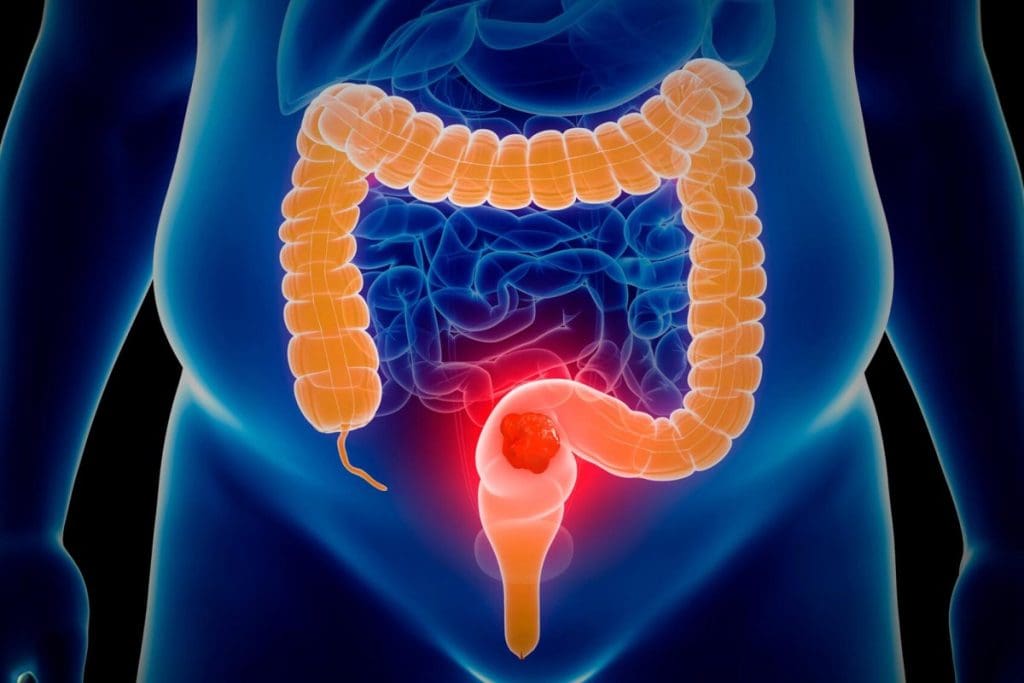
The prostate is very close to the rectum and other bowel parts. This closeness means surgery in the prostate area can harm bowel function. The rectum is at high risk because it’s so close to the prostate.
The way the prostate and bowel structures are arranged is key to understanding surgery side effects. Surgeons work hard to avoid harming these areas.
Mechanisms of possible bowel disruption
There are a few ways prostate surgery can mess with bowel function. Nerve damage is a big risk because these nerves control bowel movements. Changes in pelvic floor muscles and damage to the rectal wall can also cause problems.
Nerve-sparing techniques try to avoid nerve damage and its effects on bowel function. But how well these work depends on the patient and the surgery.
It’s also important to know that radiation treatment for prostate cancer can harm bowel function too. It can cause radiation-induced proctitis and changes in bowel habits. Knowing these side effects helps patients choose their treatment wisely.
A study on prostate cancer treatment’s long-term effects points out the importance of considering bowel function:
“Long-term survivors of prostate cancer often experience changes in bowel function, stressing the need for full care beyond the initial treatment phase.”
2. Common Bowel Changes in the Weeks Following Surgery
After prostate surgery, patients often see big changes in their bowel habits. These changes can be scary, but knowing what to expect can help manage them.
Initial Constipation and Bowel Movement Difficulties
Constipation is a common problem in the first weeks after prostate surgery. It can be caused by pain meds, less activity, and the body’s stress response. To fight constipation, patients should drink more water and eat more fiber. Increasing fiber intake through foods like fruits, veggies, and whole grains can help soften stool and encourage regular bowel movements.
Temporary Diarrhea and Urgency Issues
While constipation is a big worry, some patients may later face diarrhea and urgency. This can happen as the body adjusts to the surgery changes. Studies show that temporary diarrhea is common after prostate surgery and usually goes away by itself. But, if it doesn’t, it’s important to talk to healthcare providers for help.
Dietary Considerations During Early Recovery
Diet is key in managing bowel changes after surgery. Patients should eat a balanced diet full of fiber and drink lots of water. Some diet changes can help with both constipation and diarrhea. Here are some tips:
- Increase intake of soluble fiber found in oats, barley, and fruits.
- Drink plenty of water throughout the day.
- Avoid foods that can irritate the bowel, such as spicy or fatty foods.
- Consider incorporating probiotics to support gut health.

By making these diet changes and paying attention to their body, patients can better handle their bowel health during recovery.
3. Long-Term Bowel Function Statistics After Prostatectomy
It’s important for patients to know how prostatectomy affects bowel function long-term. The first few months can be tough, but most people don’t see big changes later on.
Most studies show that most patients get back to normal bowel function over time. Here are some key stats to help understand what to expect long-term.
Fecal Incontinence Rates
Fecal incontinence is a worry for some after prostate surgery. Research says up to 3% of patients experience it a decade later. This is good news, as it means most people won’t face this problem long-term.
Bowel Urgency Prevalence
Bowel urgency is another possible side effect. About 5% of patients deal with it a decade after surgery. This low rate is hopeful for those thinking about prostate removal.
Timeline for Symptom Resolution
How fast symptoms get better varies. But most people see big improvements in bowel function over time. The first year after surgery is key for recovery, with many seeing big changes then.
Here are some important points about recovery:
- Most people see bowel function improve within the first 12 months.
- Some might have small bowel issues, but these usually get better with time.
- Changing your diet and doing pelvic floor exercises can help a lot.
For a visual of the recovery timeline, see the image below:
In summary, prostatectomy can cause some bowel changes, but the long-term outlook is good. Most people get back to normal bowel function. Only a small number face ongoing issues like fecal incontinence or urgency.
4. How Different Surgical Approaches Affect Bowel Outcomes
The method used to remove the prostate greatly affects bowel health. Each surgical approach can cause different levels of bowel problems. These can range from short-term issues to long-term complications.
Open Prostatectomy and Higher Diarrhea Rates
Open prostatectomy, a traditional surgery with a big incision, often leads to more diarrhea. This is because the surgery can damage more tissue and nerves. This damage can cause more bowel symptoms.
Some key findings include:
- Increased incidence of diarrhea in the short term
- Higher rates of bowel urgency
- Potential for long-term bowel dysfunction
Robotic-Assisted Surgery Bowel Function Outcomes
Robotic-assisted surgery is a more precise and less invasive option. It uses robotic systems for better vision and control. This can cause less damage to tissues and fewer bowel problems.
Research on robotic-assisted prostatectomy has indicated:
- Lower rates of short-term bowel complications
- Reduced risk of long-term bowel dysfunction
- Faster recovery times for patients
Laparoscopic Techniques and Reduced Bowel Complications
Laparoscopic techniques use small incisions and special tools. They have fewer bowel complications than open prostatectomy. This is because laparoscopic surgery causes less tissue damage and nerve damage.
Key benefits of laparoscopic prostatectomy include:
- Reduced risk of bowel complications
- Less post-operative pain
- Shorter hospital stays
Understanding how different surgeries affect bowel health helps patients and doctors make better choices. This ensures the best treatment for each patient.
5. Effective Management Strategies for Post-Prostatectomy Bowel Issues
Managing bowel issues after prostate surgery is vital for a better life. It involves lifestyle changes, rehabilitation, and sometimes medical help.
Dietary Modifications to Improve Bowel Regularity
Diet is key in managing bowel function after surgery. Increasing fiber intake from fruits, veggies, and whole grains helps. Drinking plenty of water is also important.
A balanced diet with fiber can help with constipation and diarrhea. Keeping a food diary helps track how foods affect bowel movements. This way, patients can make better food choices.
Pelvic Floor Rehabilitation Techniques
Pelvic floor exercises are vital for bowel management after prostate surgery. Pelvic floor exercises, like Kegels, strengthen muscles that control bowel movements.
Working with a pelvic floor physical therapist is beneficial. They offer personalized exercises to improve bowel control and pelvic floor strength.
Medical Interventions for Persistent Symptoms
Medical help may be needed for ongoing bowel symptoms. This includes medications for diarrhea or constipation. Other treatments help with urgency and frequency.
For severe or lasting issues, healthcare providers might suggest more treatments. It’s important for patients to work with their healthcare team to find the best solution.
6. Side Effects of Radiation for Prostate Cancer Compared to Surgical Removal
When looking at prostate cancer treatment, knowing the side effects of radiation versus surgery is key. Both have their good points and downsides. How they affect bowel function can differ a lot.
Radiation-induced Bowel Complications
Radiation for prostate cancer can cause bowel problems, like those seen in irritable bowel syndrome (IBS). Radiation-induced bowel damage may lead to chronic diarrhea, urgency, and pain. The severity and how often these symptoms happen can differ among patients.
Research on the NIH website shows the differences in bowel issues between radiation and surgery.
Comparing Incidence Rates Between Treatment Modalities
It’s important to compare how often bowel problems happen with radiation versus surgery. Surgery can cause bowel changes right away, while radiation can lead to both short-term and long-term bowel issues. The rates of these problems can change based on the treatment and the patient.
Long-term studies show that some patients might see their symptoms go away, but others might keep having problems. Knowing these differences is key for managing expectations and making the right treatment choice.
Long-term Quality of Life Considerations
The long-term effects of prostate cancer treatment on quality of life are a big deal. Both radiation and surgery can affect bowel function and other health areas for a long time. Looking at how each treatment affects quality of life over time can help patients and doctors make better choices.
In the end, choosing between radiation and surgery for prostate cancer should be based on a full understanding of the side effects. This includes how they affect bowel function and overall quality of life.
7. Conclusion: Making Informed Treatment Decisions
When thinking about prostate cancer treatment, it’s key to know how it might affect your bowel. We’ve talked about how removing the prostate can sometimes change bowel function. But big changes usually don’t last long.
Research shows that knowing your treatment options well can lead to better results and happiness. We stress the need to think about the side effects of prostate radiation. This includes the chance of getting diarrhea and other bowel problems.
By learning about how to handle bowel issues and the differences between surgery and radiation, patients can choose what’s best for them. Keeping bowel function in check is vital for a good life after prostate cancer treatment.
In the end, knowing about how treatment might affect your bowel helps patients make choices with confidence. This way, they can get the best results from their care.
FAQ
How does prostate removal surgery affect bowel function?
Prostate removal surgery can affect bowel function. This is because the prostate is close to the bowel. There’s also a risk of nerve damage during surgery.
What are the common bowel changes after prostate surgery?
After prostate surgery, you might experience constipation, diarrhea, or urgency. These symptoms usually get better over time.
How long does it take for bowel symptoms to resolve after prostatectomy?
Symptoms can take a few months to a year to improve. Everyone is different, but most see big changes in a year.
Does the type of surgical approach affect bowel outcomes?
Yes, the surgical method can impact bowel outcomes. Different techniques have different rates of complications and diarrhea.
What are the long-term bowel function statistics after prostatectomy?
Long-term, most people don’t see big changes in bowel function. About 3% experience fecal incontinence, and 5% have urgency after 10 years.
How can I manage bowel issues after prostate surgery?
To manage bowel issues, try dietary changes and pelvic floor exercises. Medical treatments can also help improve your quality of life.
How do the side effects of radiation therapy for prostate cancer compare to surgical removal?
Radiation therapy can also lead to bowel problems like diarrhea and urgency. The risk varies, and long-term quality of life is important to consider.
Can radiation therapy cause diarrhea?
Yes, radiation therapy can cause diarrhea. The risk depends on the treatment and individual factors.
What dietary considerations should I follow during early recovery after prostate surgery?
Early on, eat more fiber and stay hydrated. A balanced diet can help manage bowel symptoms and improve recovery.
Are there any medical interventions available for persistent bowel symptoms after prostatectomy?
Yes, there are medical treatments for ongoing bowel symptoms. Talk to your doctor to find the best option for you.
Reference
- Lin, C., Cai, C., Mao, Y., Liang, X., & Wang, H. (2018). Enhanced recovery after surgery protocol for prostate cancer patients undergoing laparoscopic radical prostatectomy. Journal of Cancer Research and Therapeutics, 14(Suppl), S115“S121. https://pmc.ncbi.nlm.nih.gov/articles/PMC6384482/
- Cancer Research UK. (2025). After prostate cancer surgery. https://www.cancerresearchuk.org/about-cancer/prostate-cancer/treatment/surgery/after-surgery
- Medical News Today. (2025). What to expect during prostate cancer surgery recovery. https://www.medicalnewstoday.com/articles/prostate-cancer-surgery-recovery
- Australian Prostate Centre. (n.d.). Preparing for and recovering from prostate cancer surgery. https://www.australianprostatecentre.org.au/patients/prostate-cancer-survivorship-at-apc/preparing-for-recovery-from-prostate-cancer-surgery